Trying to Conceive? Why Natural Skincare Matters More Than You Think

When you are trying to conceive, it is natural to focus on diet, supplements and lifestyle. You might start tracking your cycle, supporting your hormones, or eating more nourishing, fertility-friendly foods. But one area that is often overlooked is the everyday products we apply to our skin, hair and body.

We are usually careful about what we eat, but do we pay the same attention to what we put on our skin? The skin is permeable and many ingredients in personal care products are absorbed into the bloodstream. This becomes particularly relevant in the preconception phase, when you are working to create the healthiest possible internal environment for pregnancy.

The Problem with Petrochemicals

A large number of mainstream skincare, body care and cosmetic products are based on petrochemicals. These are substances derived from petroleum and crude oil. They may be used to preserve products, make them feel silky, create foam or fragrance, or simply to bulk them out because they are cheap and widely available.

Petrochemicals can burden the liver and disrupt the endocrine system. Some are known or suspected endocrine-disrupting chemicals, which means they can interfere with your hormones. This is especially important during the delicate process of trying to conceive, when hormonal balance is essential for ovulation, implantation and embryo development.

Petrochemical-Derived Ingredients to Avoid

Here are some common ingredients that may appear in your skincare products, all of which are derived from petrochemicals and can impact fertility:

  • Paraffinum liquidum (mineral oil) Often used in moisturisers, this is a by-product of petroleum refining. It forms a film on the skin that may block pores and inhibit natural detoxification.
  • Propylene glycol Common in creams and serums to help retain moisture, but it can irritate the skin and increase the penetration of other chemicals.
  • Parabens (methylparaben, propylparaben, butylparaben) Used as preservatives, they mimic oestrogen in the body and are linked to hormonal disruption.
  • Phthalates Often hidden under the word “fragrance” or “parfum,” these are plasticisers that can disrupt reproductive hormones and have been associated with reduced fertility.
  • Sodium lauryl sulphate (SLS) and sodium laureth sulphate (SLES) These are foaming agents that can irritate the skin and are often contaminated with by-products of the petrochemical industry.
  • Synthetic fragrance or parfum A single artificial fragrance can contain dozens of undisclosed chemicals, many of which are derived from crude oil and may disrupt hormones or sensitise the skin.

The Preconception Window is Precious

In the months leading up to conception, your body is preparing in subtle but powerful ways. Detoxification, hormonal signalling, egg and sperm quality, and the uterine environment are all influenced by your internal balance. Reducing your toxic load by avoiding petrochemicals is a simple but significant step that supports these natural processes.

Nourish Yourself Naturally

Choosing natural personal care products is an act of self-love. Look for certified organic or naturally formulated options that are free from petroleum-derived ingredients, artificial fragrance and synthetic preservatives.

Brands such as Neal’s Yard Remedies focus on high-quality botanical ingredients that support rather than suppress your body’s natural rhythms. Begin with the products you use most often, such as body lotion, deodorant and facial care. These small shifts create long-term benefits, not only for fertility but for overall well-being.

Conclusion

Trying to conceive is a time to simplify, nourish and connect more deeply with yourself. By making thoughtful changes to the products you use every day, you support your body in doing what it was made to do. Natural personal care is not about being perfect. It is about creating space for your hormones to settle, your liver to work freely, and your skin to breathe.

You deserve to feel safe, supported and ready. Let nature take care of you, so you can take care of what matters most.
Cortisol and Melatonin: The Yin and Yang of Your Circadian Rhythm

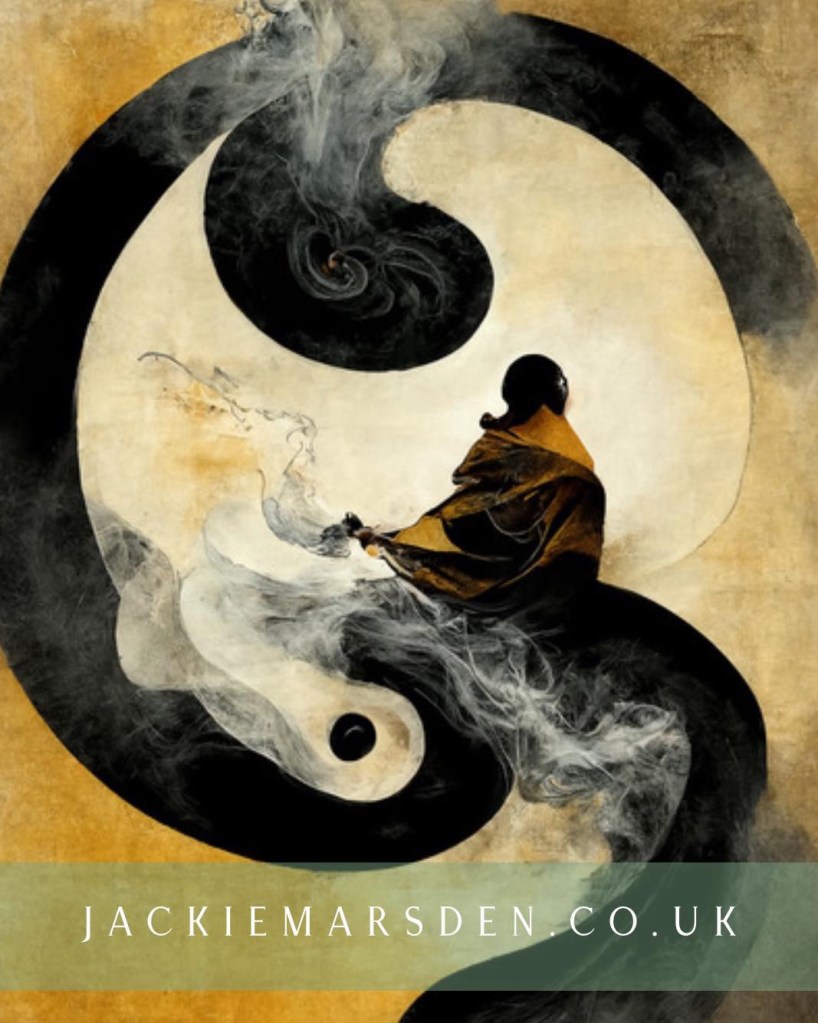
In the quiet rhythm of day and night, two powerful hormones guide our daily flow: cortisol and melatonin. These hormones play a crucial role in maintaining our body’s natural rhythm; you could think of them as the Yin and Yang of our circadian cycle: distinct in nature but working in harmony to help us feel balanced, focused, and rested.

Understanding their roles can help you align with your body’s natural flow, fostering better health and more restful sleep.

Cortisol: The Active Yang of the Day

Often labelled as the stress hormone, cortisol is essential for us to function properly, especially in the morning. It naturally rises when we wake up, helping to energize the body, sharpen focus, and prepare us for the day ahead. This is the Yang energy: active, outward, and purposeful.

Cortisol levels peak shortly after we wake up and begin to decline as the day progresses, supporting our ability to stay alert, handle stress, and perform tasks efficiently. Without sufficient cortisol, we may feel sluggish and less motivated in the morning; it’s as if we can’t quite get going.

Melatonin: The Restful Yin

As the sun begins to set, melatonin enters the scene: the Yin to cortisol’s Yang. Melatonin is often called the sleep hormone, but its job goes beyond just helping us fall asleep. It’s about inviting the body to slow down, repair, and rejuvenate during the night. When melatonin is released as daylight fades, it encourages us to rest, reduce our mental chatter, and prepare for the restorative sleep our bodies need to stay healthy.

Just as cortisol rises with daylight, melatonin rises when it gets dark. It acts as a signal that it’s time to let go and settle into rest, nurturing our recovery and internal restoration.

The Delicate Balance: Why It Matters

The relationship between cortisol and melatonin is delicate. These two hormones need to remain in a balanced dance throughout the day for you to feel your best. If cortisol remains high into the evening – perhaps due to stress, artificial light, or late-night stimulation – melatonin struggles to rise, and sleep may be disrupted. Over time, this throws the entire rhythm off course.

When this happens, it can interfere with your body’s natural recovery during sleep; affecting your energy, mood, and overall health.

Supporting Your Natural Cycle: Simple Practices for Balance

To maintain the delicate balance between cortisol and melatonin, it’s important to align your daily habits with the natural rhythms of your body. Here are a few practices to help keep your hormones in harmony:

  • Seek natural morning light: Exposure to sunlight in the morning helps signal your body that it’s time to rise and activate cortisol naturally. This simple habit can help improve your focus and alertness during the day.
  • Support rising cortisol with a healthy breakfast: Eat a balanced meal around 7am to give your body the nourishment it needs to maintain energy and focus throughout the day.
  • Avoid bright screens, intense exercise, and stimulants in the evening: These can keep cortisol levels elevated and interfere with melatonin production. Instead, opt for calming activities such as reading, meditation, or light stretching in the evening to help your body transition into rest mode.
  • Aim for regular sleep and wake times: Going to bed and waking up at the same time every day helps support your circadian rhythm and ensures your body knows when it’s time to rest.
  • Allow your digestive system to fast between 6pm and 7am: This simple practice allows your body to reset overnight, promoting better sleep and hormonal balance.
  • Get regular reflexology or acupuncture: These holistic therapies can support your body’s natural rhythm by reducing stress, improving circulation, and helping your body relax, making it easier for cortisol and melatonin to maintain balance.

Embracing the Quiet Wisdom of Yin

In a culture that often celebrates the energy of Yang – doing, pushing, and striving – we can sometimes forget the quiet wisdom of Yin. But it’s in the balance of these two forces that true health, clarity, and calm reside. When you nurture both your active and restorative energies, you create a foundation for lasting well-being and peace.

If you’re struggling to find balance in your circadian rhythm or need support with sleep, hormonal health, or stress management, reflexology and acupuncture can be powerful tools in restoring your body’s natural flow. Reach out for personalised guidance and care – together, I can help you nurture your Yin and Yang for a more vibrant and balanced life.

Adrenal Health and Support

Adrenal health is of importance particularly going through perimenopausal years as well as menopause and beyond. So what are our adrenals and what do they do?

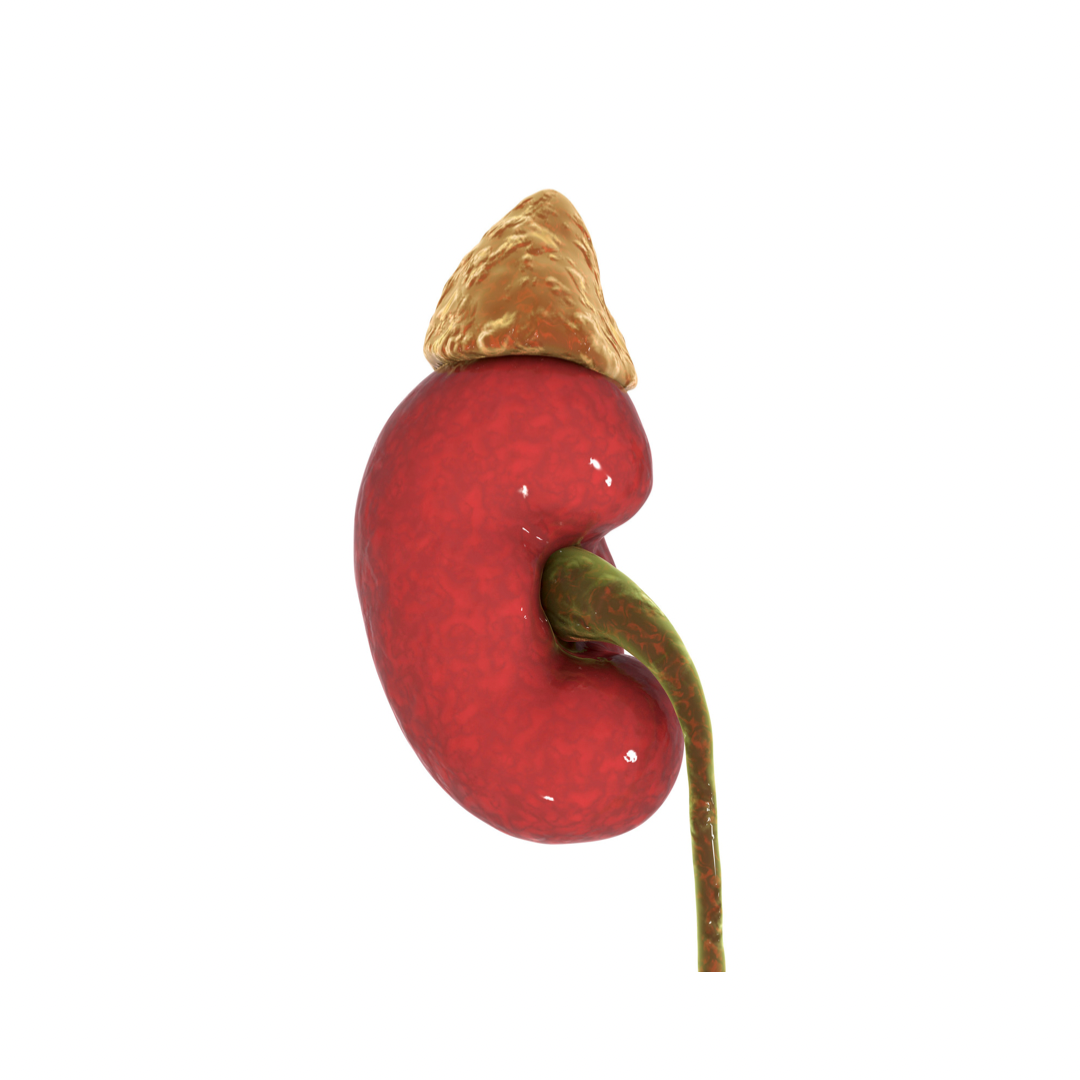
Artistic expression of a human kidney and adrenal gland.

Our adrenals are small glands that sit on top of our kidneys, and are responsible for making and releasing adrenalin and cortisol; hormones produced as part of our stress response, and our sleep/wake cycle.

Imagine you are crossing a road and suddenly seemingly out of nowhere a lorry is approaching at high speed. Immediately your adrenals create a stress response which causes your body to put all of its reserves into your limbs so that you can run fast to safety. Once safely across the road, your body is then flooded with a sense of relief and you will need to rest and recover from the experience. This would be a normal, healthy example of how our adrenals are supposed to work for us.

However, our busy and hectic modern day lives leave us stresed more than ever. Rushing from appointment to appointment, too many things on our to-do list, worries over children, finances, constant attention to our mobile phones, balancing and juggling parenting with careers, all impact our adrenals. As far as our adrenal glands are concerned, this is stress and they will be creating a stress response. A continued stress response, without the physical release or the recovery time.

Clues that your adrenals may need support include:

  • Poor sleep;
  • Changes in the way you’re able to cope with stress;
  • Blood sugar spikes;
  • Fatigue;
  • Mood swings and low mood;
  • Brain fog.

In addition to this, as we approach menopause (perimenopause can be as much as 10 years leading into menopause) our reproductive hormone levels begin to decline as the ovaries gradually stop producing oestrogen and progestrone. As this happens, our adrenals respond. They answer by making a hormone estradiol (a type of oestrogen) which plays a role in bone health, heart health and protection of the nervous system through and beyond menopause.

As we have already discussed, our adrenals create a stress response within the body in order to keep us safe and away from danger. The additional role they take on (on behalf of the ovaries) during menopause and beyond will not be prioritised over their main function. So it is hugely important to find ways of managing stress. I think we are all guilty of saying “oh, its just stress” or “I am just stressed”: stress has huge implications on our health, particularly continued stress that isn’t acknowledged or managed.

Ideas to help create balance in your life and to carve out some me-time include:

  • Booking in for a regular reflexology session,
  • Run yourself a candlelit bath with expertly blended aromatherapy products;
  • Switch to herbal teas particularly in the afternoon and evenings (liquorice is a great choice);
  • Turn your phone off for an hour;
  • Go for a walk in nature near trees or open water;
  • Add more plants to your living space;
  • Declutter.

If you are looking for fertility support in Lancashire please get in touch.

A healthy mid-life means an easier menopause

The most important thing to know about the menopause is prevention, so if you are a woman in your midlife, getting the support and balance you need will help you in your menopausal years. This blog aims to explains the menopause in Traditional Chinese Medicine (TCM) terms, and gives indicators on how you can support yourself as well as receiving treatments in-clinic.

As a therapist with a predominantly female clientele, and a 40-something woman myself, I have a particular interest in this subject. Many women suffer with the two main symptoms of menopause: hot flushes and dryness (an excess of heat and a lack of moisture). In addition to these symptoms, women can also feel emotionally unstable, have difficultly sleeping and concentrating, experience frequent headaches, feel lethargic and tired, irritable, anxious, depressed and nervous.

Although the menopause usually comes at around the age of 50, the decline in the ovarian follicles and in oestrogen occurs throughout our lives. The number of follicles at birth has already halved by puberty, and continues to decline up to the menopause. Thus the menopausal symptoms can start to appear at an earlier stage in life, so we are never too young to take notice.

In TCM, from our conception, our Kidneys store our vital life essence (Jing). Jing circulates over long periods, dominating our developmental stages (usually 7 year cycles in women and 8 year cycles in men). Our Kidneys dominate growth and reproduction. They also dominate water metabolism and bone, and produce marrow (brain). So you can see that our Kidney energy is very important in not only giving us our life force and will-power, it also governs our reproductive systems, and works closely with the lungs to moisten the body, as well as strengthens our skeletal system. These are all closely linked to common health problems in women (osteoporosis, dryness, infertility, irregular menstrual cycles and fatigue to name a few).

Thinking about menopause, anything that will weaken our Kidney energy is going to have an impact on our menopause. Our busy modern day lives seem to dictate a very stressful way of living. For example, parents going out to work as well as looking after children will often feel overwhelmed and unrested, causing tiredness, fatigue and irritability. Smoking will “burn fluids” and dry out moisture. Irregular diets high in beige carbs, processed foods and sugars will create “phlegm” (this is a TCM term for thick stagnation). Too much tea, coffee and alcohol is very “yang” in nature and therefore will add heat to the body and thus aggravate symptoms such as hot flushes. Not enough fluid/water intake will have an effect on moisture levels. Emotional stress will also deplete Kidney energy.

As women, we need to create space in our lives to allow balance. We need to replenish our Kidney energy with enough rest between busy times, we need to eat and drink in moderation and eat well; foods that are nutrient dense and foods that add moisture. Drink enough fluids. Only do what we can comfortably do and don’t over stretch ourselves. If we do all of this then we will naturally regulate our day-to-day emotional stresses, but anything lying deeper should be dealt with and not “carried” as this will also deplete the Kidneys, as well as create excess Heart energy adding fire/heat, exacerbating hot flushes, irritability and dryness.

If you are interested in receiving some acupuncture or reflexology sessions please contact me directly for an initial chat.

If you are looking for fertility support in Lancashire please get in touch.

Jackie Marsden is a Reflexologist, Acupuncturist and Foot Reading Practitioner, based at Elder Cottage Clinic, Warton, Preston, PR4. She is a full member of the Association of Reflexologists.

[Yoga Series #4] Essential Oils for Yoga

I’m not a big fan of incense. I don’t like the burning or the smell. Its just my personal preference. Of course if I’m practising yoga as part of a class then I don’t complain; I’m not that adverse to it. However when I’m at home during my self-practise I prefer to diffuse essential oils.

ID-100120457Using a diffuser, the essential oils are diffused into the yoga practice space to create an inspiring and motivating mood and to enhance breathing.

The successful practice of yoga requires some motivation and dedication.  Yoga is a journey to a balanced body that is properly aligned with mind and spirit (yoga means union). Incorporating the intensely therapeutic properties of essential oils into the practice can help for a fulfilling journey. The following essential oils and benefits can help make yoga practice a much more unifying experience of body, mind and spiritual well-being. [1]

Vetiver, ginger and patchouli will be grounding and earth-connecting, while sandalwood and cedarwood are stabilizing, strengthening and centring. All of these essential oils will help with balance and stability in the yoga poses. A great blend for this is the Aromatherapy Blend – Vitality.  Energising ginger and clove help a depleted system recuperate, giving you essential support and vitality when you need it most. A pure essential oil blend which brings renewed vigour for life.

Myrrh, frankincense, eucalyptus and rosemary encourage the flow of energy and self-expression while helping you achieve steady, deep inhalations and exhalations. As I explained in my previous blog, the breathing process is hugely important to successful yoga practice in order to support the spine during the poses. [1]

Frankincense and Myrrh aromas have been used throughout time as aids for spiritual transcendence and peace, to manifest Heaven on Earth.  Frankincense is an excellent oil for yoga as it is fantastic for the respiratory and nervous systems. [3]

Myrrh is known to unite Heaven and Earth in a person, the spiritual with the physical. It is aromatherapy for manifestation of the spiritual in oneself.  Like with Frankincense, Myrrh works therapeutically on the nervous system, to calm the mind and instil tranquillity. It is an aroma to bring peace and inner stillness. Also like Frankincense it is also a very earthy aroma. Both Frankincense and Myrrh are ideal in supporting the philosophy of yoga! [3]

Lavender, geranium and chamomile are calming and relaxing. Try the Aromatherapy Blend – Women’s Balance, especially good for balancing our emotions relating to our female cycles.

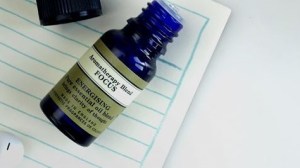
FocusBergamot, lemon and orange are all citrus oils and can provide an uplifting and energising sense to the practice. Try the Aromatherapy Blend – Focus to help you take your mind into the body for those more challenging poses, focus on your breathing and even help you onto the mat in the first place (I know I sometimes need some encouragement!)

Neroli and ylang ylang promote transcendence and spiritual expression. Try the Aromatherapy Blend De-Stress to transport you to a place of tranquillity. This one is a favourite of mine for yoga, as it smells very earthy and deep.

[1] https://www.auracacia.com/community/be-inspired/how-to-use-essential-oils-in-your-yoga-practice

[2] http://www.yogabasics.com/connect/yoga-blog/using-essential-oils-in-your-yoga-practice/

[3] http://www.care2.com/greenliving/frankincense-and-myrrh.html

Image courtesy of Worakit Sirijinda at FreeDigitalPhotos.net

Jackie Marsden MAR is a qualified reflexologist, promoter of healthy living and independent consultant (Team Leader) for Neal’s Yard Remedies Organic. Jackie leads and mentors a growing team of consultants (many of whom are therapists integrating organic products into their existing businesses) via the NYRO social selling channel, holding regular team meetings, one-to-one coaching via phone and facetime, and a closed facebook group. All views are my own.

Growyourbusiness

I sponsor a sister

Since 1993, Women for Women International has helped nearly 429,000 marginalised women in countries affected by war and conflict. They directly work with women in 8 countries, offering support, tools, and access to life-changing skills to move from crisis and poverty to stability and economic self-sufficiency.

Women for Women International bring women together in a safe space to learn life, business, and vocational skills.  Once enrolled, each woman receives a monthly stipend – a vital support that enables her to participate.

Women increase their ability to earn an income with new skills that are in demand. They learn about their legal rights, and they become knowledgeable about health and nutrition.

Last September I decided to sponsor a sister via Women for Women International after learning about the project at the NYROrganic Autumn conference. I donate £22 per month which helps my “sister” receive intensive training for the essential job skills she needs to earn an income and support her family:

  • Many sisters start their own businesses to earn an income, even banding together with other graduates to form co-ops. Most graduates are able to move beyond extreme poverty.
  • My sister is learning about her real value and rights as a citizen, and can become a leader for other struggling women in her community.
  • My money helps provide a monthly stipend that enables her to pay for basic necessities like nutritious food and clean water for herself and her family, so she can focus on recovering and learning new skills.
  • I help provide a safe place for my sister, where she is part of a network of like-minded women, and better able to recover from the horrors of war and rebuild her life.

My sister’s name is Claudette from Rwanda. She is 35 and a widow with 5 children, 4 boys and 1 girl. She is a farmer and has joined Women for Women International to meet fellow women and learn how to improve the standard of living for herself and her family. She will graduate this August.

Women for Women International is not just about hand-outs. No, this is about providing real and sustainable change through learning, education, training and community. It is about providing tools and resources these women need to move from crisis and poverty to stability and self-sufficiency. This ultimately leads to more stable and peaceful societies now and for the future.

In conjunction with #InternationalWomensDay today on 8th March 2016, 10% of any purchase via my NYROrganic shop will be donated directly to Women for Women International.

#peoplehelpingpeople

Jackie Marsden MAR is a qualified reflexologist and independent consultant (Team Leader) for Neal’s Yard Remedies Organic. Jackie leads and mentors a growing team of consultants (many of whom are therapists integrating organic products into their existing businesses) via the NYRO social selling channel, holding regular team meetings, one-to-one coaching via phone and facetime, and a closed facebook group. All views are my own.

Perimenopause : an overview

What is Perimenopause?

Perimenopause is when the body begins preparation for the stage in life where child bearing will not be the biological focus. This usually happens in a woman’s 40s and is a gradual build-up to menopause, when the menstrual cycle ceases completely. Perimenopause starts with a gradual decline in progesterone and can cause some of the following symptoms:

  • Weight gain
  • Cracked, dry or loose skin (caused by less collagen)
  • Low sex drive and/or more difficulty reaching orgasm
  • Anxiety
  • Tearfulness (especially week before period)
  • Restless sleep
  • Increased menstrual cramps
  • Night sweats [1]

These uncomfortable symptoms are because the body is trying to adjust to the relative oestrogen excess.

Not only do the sex hormones (oestrogen and progesterone) have to make the transition, so do other hormones. For example, cortisol levels (a stress hormone) will increase, and insulin resistance can be more common. Because of this, it is vitally important to eat a healthy, balanced diet and to find ways of managing and/or coping with stress.

Before menopause, the ovaries are the major oestrogen secretors. However, as they become less active during perimenopause and menopause, the balance shifts until finally around half of the body’s oestrogen and progesterone is made in the adrenal glands. If stress levels are high, the adrenal glands will always prioritise the secretion of the stress hormones over the creation of sex hormones. Thus, finding ways of lowering stress will ensure the adequate amount of sex hormones is produced in a woman’s body in her 40s and beyond, maintaining balance.[1]

In addition, the body might look elsewhere for oestrogen once the ovaries start to slow down. This could easily lead to weight gain because fat cells are a key source of oestrogen storage. Furthermore, if a woman is already obese before menopause then the fat cells may create too much oestrogen in comparison to progesterone, leading to increased oestrogen dominance. [1]

Oestrogen dominance is also likely during prolonged periods of stress. This is because the stress hormone cortisol competes with progesterone. Thus progesterone levels decrease, inducing an imbalance of oestrogen and progesterone. [2] Signs of decreased progesterone, and oestrogen dominance, are:

  • Decreased sex drive
  • Irregular or otherwise absent periods
  • Bloating
  • Breast swelling and tenderness
  • Mood swings (irritability and/or depression)
  • Weight gain (particularly abdomen and hips)
  • Cold hands and feet
  • Headaches, especially pre-menstrual [3]

ImageHow to cope

Find ways of managing/coping with stress that work for you. Ideas: regular reflexology or massage treatments, daily meditation, regular exercise, better time management, spending more time outdoors, spending time with animals/nature, keeping a diary or journal.

Eat a healthy balanced diet. Try to avoid white, refined carbohydrates such as pasta, bread, cake and biscuits. Make a switch to fresh vegetables, white meat and fish, pulses and whole grains.

Switch to organic. Eating organically can be expensive; if you cannot afford to go completely organic, try to avoid the Environmental Working Group’s (EWG) “Dirty Dozen”. This means if nothing else, always buy the following as organic produce (or avoid altogether): apples, celery, cherry tomatoes, cucumber, grapes, hot peppers, nectarines, peaches, potatoes, spinach, strawberries, peppers, kale and courgettes. The EWG’s “Clean 15” is a list which can be classed as “safe non-organic”: asparagus, avocados, cabbage, melon, sweetcorn, aubergine, grapefruit, kiwi, mango, mushrooms, onions, papaya, pineapple, frozen peas, sweet potatoes. [4]

Reduce use of stimulants such as caffeine and alcohol. Stimulants send the body’s hormones on a roller-coaster ride of high peaks followed by low drops creating a multitude of problems including cravings and fatigue.

Don’t be too hard on yourself. Don’t eliminate everything from your diet and make yourself miserable. Allow yourself that morning coffee; enjoy a piece of cake once a week; switch to a darker variety of chocolate with less sugar; enjoy a weekend glass of wine.

If you are looking for fertility support in Lancashire please get in touch.

References

[1] Is it me or my hormones? by Marcelle Pick 2013

[2] The Optimum Nutrition Bible by Patrick Holford 2004

[3] The Wisdom of Menopause by Dr. Christiane Northrup 2009

[4] Environmental Working Group http://www.ewg.org/foodnews/

Jackie Marsden MAR is a qualified reflexologist and independent consultant (Team Leader) for Neal’s Yard Remedies Organic. Jackie leads and mentors a growing team of consultants (many of whom are therapists integrating organic products into their existing businesses) via the NYRO social selling channel, holding regular team meetings, one-to-one coaching via phone and facetime, and a closed facebook group. All views are my own.

independent-consultant-long-logoGrowyourbusiness

unnamed2mooncup_banner

Image courtesy of stockimages / FreeDigitalPhotos.net