When Fertility Tests Are Normal, But Pregnancy Isn’t Happening

One of the most common stories I hear in clinic goes something like this:

“My tests are normal. My partner’s tests are normal. We’ve been told everything looks fine…”

Yet month after month, pregnancy still isn’t happening.

Now don’t get me wrong. Sometimes investigations genuinely don’t reveal an obvious cause. Fertility is complex and there are no guarantees.

But I often find myself wondering whether we’ve asked enough questions.

Because when I sit down with someone and take a detailed history, I rarely hear a story that sounds completely straightforward.

Perhaps they’ve struggled with energy for years.

Perhaps they experience strong sugar cravings, energy crashes, or find themselves relying on caffeine to get through the day.

Perhaps their periods are painful, heavy or contain clots.

Perhaps they’ve had recurrent thrush, BV or urinary tract infections.

Perhaps they’ve gained weight despite eating well and exercising regularly.

Perhaps they’ve been told their thyroid is “normal”, yet still have symptoms that leave them feeling anything but normal.

None of these things automatically explains fertility difficulties.

But they do make me curious.

Because our bodies don’t tend to develop symptoms for no reason.

What if these symptoms aren’t separate problems?

What if they’re clues?

The more I learn, the more interested I become in the connections between fertility and the rest of the body.

Blood sugar regulation.

Hormone balance.

Inflammation.

Nutrient status.

Gut health.

The vaginal and urinary microbiome.

Sleep.

Stress.

These systems don’t exist in isolation, and neither does fertility.

This is why I believe it’s important to look at the whole picture rather than focusing solely on whether a result falls within a reference range.

“Normal” is an important starting point. It’s not always the end of the conversation.

Need support?

If you’re trying to conceive, preparing for IVF, or simply feel there may be pieces of your fertility story that haven’t yet been explored, I’d love to help.

Together we can review your symptoms, health history, lifestyle factors and existing test results to identify areas that may benefit from further investigation and optimisation before taking the next step on your fertility journey. Book in today or contact me for a free discovery call.
Why Blood Sugar Balance Matters for Fertility and IVF

When we think about trying to conceive, or preparing for IVF, diet and lifestyle often come up, but one area that’s sometimes overlooked is blood sugar balance. Keeping blood sugar steady isn’t just important for long-term health, it can directly affect fertility and IVF outcomes.

Egg quality and hormone balance

Every time we eat, our body responds with insulin to help move glucose into our cells. If blood sugar rises and falls sharply, insulin can spike too. High insulin levels disturb the delicate balance of reproductive hormones, which can affect how eggs mature and respond during IVF stimulation.

The challenge is that blood sugar imbalances do not always cause obvious symptoms

For some women, this may show up as symptoms such as irregular or absent menstrual cycles, difficulty predicting ovulation, stubborn weight gain around the middle, sugar cravings, fatigue after meals, brain fog, or feeling shaky, light-headed or irritable if meals are delayed. Others may notice increased facial or body hair, acne, or difficulty losing weight despite eating well. These can all be clues that blood sugar regulation and insulin signalling are not working as efficiently as they should, even when routine fertility tests appear normal.

The uterine environment

Blood sugar swings also create inflammation, and this can influence how receptive the uterine lining is. A stable environment helps with healthy blood flow and hormone signalling: two essentials for implantation.

Embryo development and pregnancy

Embryos in their earliest stages are very sensitive. Research shows that unstable blood sugar and insulin resistance can reduce embryo quality and even increase the risk of early miscarriage. On the other hand, keeping blood sugar balanced supports embryo growth and helps sustain pregnancy.

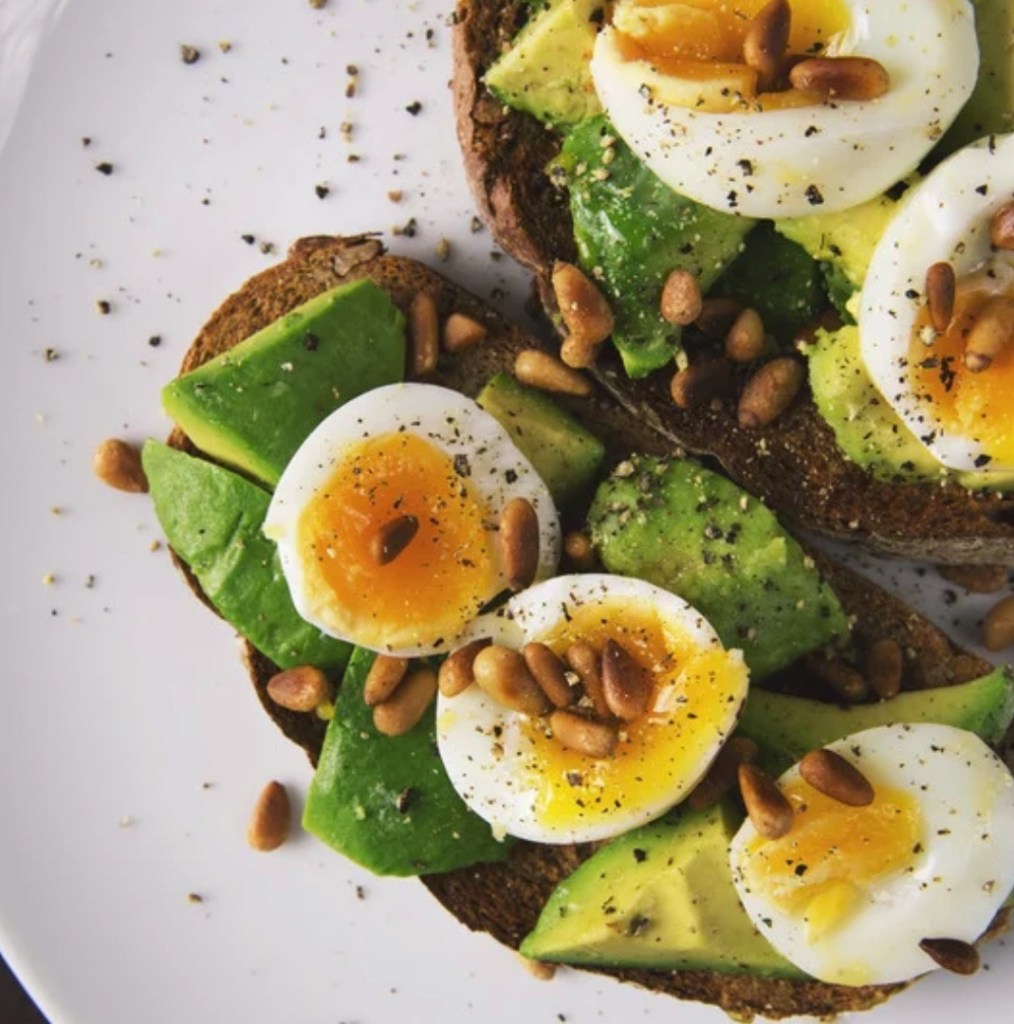
Sliced avocado and soft-boiled eggs on whole grain toast, topped with pine nuts and black pepper.

Simple ways to support balance

Pair protein and healthy fats with carbohydrates to slow down sugar release.

Avoid eating naked carbs.

Favour whole foods over refined carbs and sugary snacks.

Ensure you are eating the rainbow. Lots of colourful vegetables and some fruit adds metabolic corrective polyphenols.

Eat at regular intervals instead of skipping meals or grazing throughout the day.

Gentle exercise like walking after a meal also improves insulin sensitivity.

The good news

Balanced blood sugar supports steady hormones, healthy eggs, a receptive uterine lining, and developing embryos. For anyone trying to conceive or preparing for IVF, it’s one of the simplest but most powerful foundations to put in place.

Could Blood Sugar Imbalances Be Affecting Your Fertility?

Many women are told that their fertility tests are normal, yet underlying issues with blood sugar regulation and insulin resistance can still be affecting ovulation, egg quality, implantation and IVF outcomes.

I offer comprehensive fertility support, including advanced hormone and metabolic testing, acupuncture and personalised guidance to help identify factors that may be standing in the way of conception.

If you’d like to better understand your fertility picture and explore whether blood sugar balance could be playing a role, get in touch to book a consultation.

References

Li, Y., Li, R., Qiao, J., Zhang, Q. & Xu, Y. (2013). Effect of insulin resistance on the outcome of in vitro maturation treatment in women with polycystic ovary syndrome. Reproductive Biology and Endocrinology, 11(1), 31. doi:10.1186/1477-7827-11-31. Available at: PubMed

Huang, W., Chen, Q., Fan, Y., Ma, Y., Zhang, Y., Fang, T., & Wang, Y. (2021). Association between insulin resistance and embryo quality in lean, non-PCOS women undergoing in vitro fertilization. Frontiers in Endocrinology, 12, 741981. doi:10.3389/fendo.2021.741981. Available at: PMC

How does Acupuncture work?

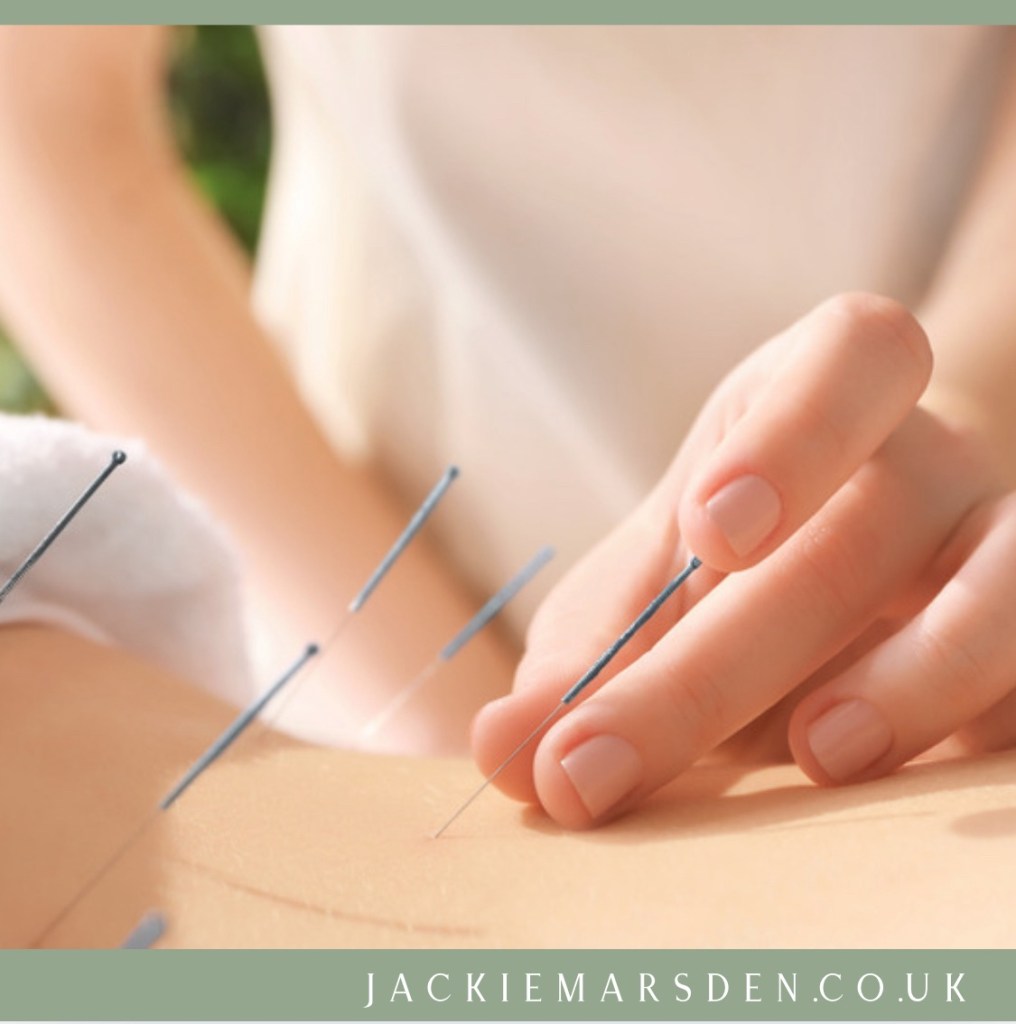
Fertility acupuncture in abdomen.

Traditional Acupuncture uses the understanding of health and wellness that’s been developed over thousands of years (Traditional Chinese Medicine). This theory uses the concept of Qi (energy) our life force energy. Qi flows up and down the meridian system which is a network of channels connecting the main organs with the rest of the body.

When we are well, the Qi is said to be flowing freely. When we are unwell, the Qi is said to be blocked, or stagnant, and not flowing as freely.

Acupuncture uses particular points on the channels to rebalance the flow of Qi and improve our physical, mental and emotional wellbeing.

A good analogy is of the body as a circuit board. An acupuncturist uses these circuits to rewire and reconnect the flow of electricity.

Evidence based research on how acupuncture works is highlights its impact on the central nervous system (CNS). The CNS governs fight or flight vs rest and digest. When we are chronically stressed we get stuck in fight or flight. Acupuncture appears to release endorphins, natural pain killers and those happy chemicals, to rebalance the CNS. The process acupuncture ignites within the body increases blood circulation, reduces inflammation, helps regulate blood sugars and reduces stress, which can all have a positive impact on our wellbeing.

If you’d like to try acupuncture for your own wellbeing book in today.

Thoughts on Sleep

Woman sleeping peacefully.

Aside from nutrition, getting good quality sleep is probably the most important aspect for health and longevity. It is the cornerstone to good health,vitality, living longer and feeling well.

As basic as it sounds, we are designed to live with the diurnal rhythm; we wake with the light, and we sleep in the dark.

From around 5-6pm in the evening, our cortisol levels naturally start to drop, and the natural light starts to dim, and melatonin levels begin to rise. Melatonin is the hormone that makes us feel drowsy and gets us ready for a good night’s sleep.

I love to look at the Yin/Yang aspect of everything, and we can see here we have the dark night time which is Yin, and the light daytime which is Yang. We can also see that cortisol is the Yang to it’s counterpart melatonin, which is Yin. Our Yin and Yang aspects are always ebbing and flowing gently, gradually and naturally. Therefore its a really good idea to get into a winding down routine in the evening to allow our Yin to naturally deepen and do its work for a good night’s rest.

Its a great idea to adjust your daily activities (as much as is possible) to support this natural daily rhythm. Eating breakfast and your main meal, taking physical exercise and doing the main bulk of your work during the morning and earlier part of the day is best as this is when cortisol is at its highest.

As cortisol starts to drop early evening, its better to eat a smaller evening meal at least 3-4 hours before bedtime. The ‘321’ idea is an easy concept to follow:

  • Eat no later than 3 hours before bed
  • Drink no later than 2 hours before bed (any fluids)
  • No screens no later than 1 hour before bed.

If you can’t switch off your mind, meditation is helpful, as is Valerian, chamomile and magnesium. A bath with Epsom salts will give you a great boost of magnesium, and as your body temperature starts to drop afterwards, it will naturally help to make you feel sleepy. A cup of night time tea might also be useful. Try different things and see what helps you – we are all different!

We should be getting around 90 minutes of deep sleep every night and this usually happens earlier into the night. Its during the deep sleep where our body replenishes, heals and rejuvenates.

We should be getting around 2-3 hours of REM sleep a bit later on in the night, after deep sleep, and this is the type of sleep where our mind sifts, sorts through and processes everything that’s happened during the day. I believe this is why meditation can be so useful because sitting quietly and observing our thoughts for a few minutes before bed will get ahead of the sifting and sorting process that happens during REM.

We can disrupt our deep sleep by exercising too much. It’s a bit like taking a car on a very long drive; the engine will have been revved up and used a lot of oil. It will take longer to cool down and get back to normal. It’s the same with our body and mind. It can leave you wired even if you have done a lot and think you should be tired.

If you are a snorer then this will disrupt your sleep patterns, particularly if it causes apnea and wakes you everytime you’re snoring too loudly or gasping for air. It also means that you are not breathing through your nose as much. Nasal breathing increases the gas nitric oxide which is a molecule produced naturally in the body and is important for relaxing blood vessels and allowing them to widen and increase circulation (and so increasing oxygen and nutrient circulation around the body). It also helps us to feel relaxed and switch from ‘fight or flight’ to ‘rest and digest’ i.e. switching off the sympathetic nervous system and switching on the parasympathetic nervous system. Again these are the Yin and Yang aspects of health. Nasal breathing helps us to move out of Yang and into Yin.

Humming on the outbreath creates vibration which will open up the airways and increase nitric oxide, again making us feel relaxed and able to sleep better. So do some “Oms” with your evening meditation and see if you notice the difference!

Going back to snoring; snoring is usually down to raised inflammation making the airways swollen and restricted. Reducing inflammation is something to really work on if you are a snorer; losing weight, eating the rainbow, cutting down on refined carbs and sugars, processed foods, alcohol, smoking, caffeine, upping your omega 3s by eating oily fish, nuts and seeds, olive oil etc.

Working with a practitioner like myself with regular reflexology and/or acupuncture can be so useful in taking care of your overall health and wellbeing, and we can usually pinpoint areas that might be disturbing your ability to get a good night’s sleep.

Overall, getting into good habits by creating a bedtime routine or ritual that you follow each night, tailored particularly to those things that work for you, is the best way to set the stage for a good night’s sleep.

If you are interested in working with me please get in touch.

Links to carefully selected affiliates.

More on Endometriosis

Endometriosis comes from the retrograde menstrual blood flow. This means that when we menstruate, some of the uterine shedding doesn’t flow downwards and out through the vagina; some of it will move up through the Fallopian tubes and into the ovary, and sometimes beyond and into the pelvic cavity.

Woman experiencing period pain.

These pieces of the endometrium are then implanted outside of the uterus, and will bleed during subsequent menses. This means that there is menstrual blood outside of the uterus which the body sees as a foreign invader; the body doesn’t recognise it outside of the uterine cavity. This creates inflammation and pain, and triggers an auto-immune response.

This also can create an oestrogen-dominant state within the body, because of the excess oestrogenic tissue outside the uterine cavity.

Endometriosis doesn’t just create “period pains” and heavy bleeding. It also can have a huge impact on reproductive health, digestive health and bowel movements, urinary and bladder health, mental/emotional health. It can also cause fatigue, shortness of breath, nausea, vomiting, and pain.

In Traditional Chinese Medicine principles, we need to move Liver Qi Stagnation and clear Blood Stasis. This means that the Qi (energy) of the body is not free-flowing, which causes pain. It also means that if these continue to stagnate then the Blood cannot flow as it should and it gets locked down.

Depending on your particular symptoms and observations an acupuncture prescription will be created to help encourage the restoration of balance within the body.

If you prefer a Reflexology approach, then Reflexology Lymph Drainage could be the sequence of choice. This sequence specifically targets the lymphatic reflexes on the feet, with the intention of modulating the immune system (the white blood cells of the immune system live in the lymphatic fluid) and reducing the inflammatory effect on the body.

Some lifestyle interventions you can do to help yourself:

  • Do not wear tampons. These block the natural downward movement of menstrual blood.
  • Do not have intercourse during your period and the post-partum period.
  • Do less exercise during menses.
  • Avoid pelvic examinations and abdominal massage/pressure during menses.
  • Avoid exposure to cold water during menses.
  • Eat an anti-inflammatory diet, increasing your intake of phyto-nutrients, fruit and vegetables, nuts and seeds, and reducing refined sugars, alcohol, caffeine.
  • Remove all oestrogen-mimicking plastics and personal care products from your home. Anything from synthetic fragrances, plug-ins, candles, food stored/cooked in plastics, washing plastic tupperware/bowls/cups in really hot water and with a harsh detergent, switch to more environmentally friendly cleaning products and glass tupperware. See my other post on detoxing holistically.

For more information please see my other blog post.

Feel at the endo’ your rope with Endometriosis?

Woman experiencing menstrual cramping and heavy bleeding due to endometriosis.

Endometriosis is a condition where the cells of the endometrium (the uterine lining) are laid down outside of the uterus, usually within the pelvic cavity but sometimes also further afield, like in the nostril for example.

Often endometriosis is found on the ovaries, fallopian tubes, or even the bladder and bowel.

When menses occurs, the endometriosis tissue bleeds too. This means that menstrual blood is flowing into areas where it shouldn’t. The body’s immune system will kick in, and attack the endometriosis tissue, creating high levels of inflammation and pain.

Other symptoms might include pain while emptying bladder, during bowel movements, and during or after intimacy. IBS symptoms may also be present; diarrhoea or constipation.

Often endometriosis takes a long time to diagnose, because it really can only be seen via laparoscopy or MRI, although sometimes it can be detected via ultrasound. Initially pain and IBS symptoms will be dealt with via pain killers, and heavy periods are often managed via the oral contraceptive pill. Although these firefighting methods might help, they don’t get to the root of the issue.

High levels of inflammation can cause all sorts of havoc within the body. A disordered immune system will have an impact on thyroid, joints, musculo-skeletal health, intestinal and bowel health, sexual health and mental wellbeing. Higher levels of the wrong type of bacteria can be prolific within the microbiome. Oestrogen dominance can also prevail.

What are the answers?

If you suspect you have endometriosis its imperative that your symptoms are investigated further.

Anything you can do to modulate your immune system will help. Eating an anti-inflammatory diet and removing known stimulants and food triggers is important. Seek help from an Acupuncturist specialising in fertility or women’s health, or a reflexologist specialising in Reflexology Lymph Drainage.

If you are experiencing problems and would like to book in with me please get in touch.

Molecular Hydrogen

Hydrogen is the smallest molecule in the universe. It has only 2 atoms, and binds with oxygen to give us water – H2+0.

Molecular hydrogen is the name given to hydrogen that is released into water to give it highly antioxidant properties. There are over 1000 published studies now providing evidence that hydrogen-rich water has many health-giving and therapeutic effects.

Why is water good for you?

If we consider that, as humans, we are made up of approximately 70% water, we should really make clean, living, health-giving water and hydration our number one priority when it comes to health and nutrition.

Tap water is not the same as filtered water

Tap water is drinkable but it is full of various extras such as the growing concern around micro-plastics, chlorine, fluoride, pharmaceutical residues and hormones. Because of these, as well as poor water structure, the tap water consumed does not effectively hydrate the body and penetrate deep into the cells where it is needed. It is a bit like watering a dried up pot plant: most of the water runs straight through into the saucer.

By releasing molecular hydrogen into clean, filtered and restructured water, we are left with water that is highly bioavailable and hydrates the body much quicker and effectively that regular tap water.

How do I get molecular hydrogen into my water?

There are various ways you can get molecular hydrogen into your water. The system I use at home (and have done so since 2021 – I never promote anything I do not use myself) is the Energy Plus Undersink Filter System from Water for Health.

This is a 4 stage filtration process which sits neatly under the sink. The first two filters remove debris and particulate, and other contaminants such as chlorine and fluoride. The third filter uses bioceramics to mineralise the water to give it good structure. It then finally passes through the fourth filter which uses a magnesium substrate to release molecular hydrogen into the water.

Which water filter is best?

A water filter of this nature is my preferred way to filter water, over reverse osmosis (ro) and distilling. This is mainly down to the fact that both of these methods remove absolutely everything from the water, including the good stuff – the minerals – which not only provide all the trace elements your body needs, but also provide a basic structure to the water. So if you do choose “ro” or distilling then make sure you re-mineralise the water before drinking.

For further information please see my affiliate link here. There are currently over 1000 published studies available on the benefits of molecular hydrogen.

Water droplets suspended in mid air.

Acupoints for Self Help

This short article outlines some key point prescriptions for common ailments that can be used at home with gentle acupressure or stick-on magnets. Use all the points within each combination bi-laterally.

These points are fairly easy to find via a search engine in order for you to see the locations. Massage each point gently for approximately 2 minutes, at least once a day but more often if you can. Notice a difference straight away or after a few sessions.

Inflammation

Any ailments caused by an excess of heat and inflammation, use Large Intestine 11 and 4, as well as Spleen 6. Magnets would be an excellent choice for this point combination as they are naturally cooling.

Pain

As a general prescription for pain, use Stomach 36, Large Intestine 4 and Liver 3.

Anxiety

For any anxiety related symptoms especially nausea, use Pericardium 6 and Heart 7, found on the wrists.

Toothache

To reduce pain and discomfort from toothache, use Stomach 44 and Large Intestine 4.

Sore Throat

To ease a sore throat use Kidney 6 and Lung 7 together.

The Power of Arnica

Arnica is a well-known homeopathic remedy and a gentle herb from the daisy family (a relative to Calendula, Chamomile, Echinacea, Yarrow and Dandelion).

For centuries Arnica has been used for bruising and sprains. It’s old names such as “fall herb” and “wound herb” signify its age-old use for the effects of trauma. Swiss mountain guides chewed Arnica leaves to prevent fatigue from climbing.

Just like the tough, hardy daisy, Arnica will help you bounce back from life’s knocks and tumbles. It reduces pain, inflammation and swelling, and increases blood circulation.

Arnica is an alpine plant growing and thriving in the most extreme conditions, making it a tough, hardy plant. It grows in nutrient-poor soil, at high altitudes and strong sunlight. It is a survivor, getting through the most difficult of times. It’s leaves are also usually full of little insects and parasites, giving it a victim persona. Its root contains essential oils which are powerful anti–inflammatory agents. So there is no wonder that Arnica is a powerful remedy not just on a physical level but also on emotional and spiritual levels too.

If you have fallen over and taken a knock, or are feeling battered and bruised from a tough exercise workout, Arnica knows that feeling. Arnica can sooth your weariness, heal your bruises, remedy the trauma and comfort your injured pride.

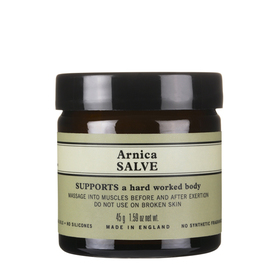
Arnica Salve (by Neal’s Yard Remedies) is potent plant power in a jar: organic essential oils and herbal extracts in pure, organic beeswax. Supporting a hard worked body, the salve can be massaged into muscles before and after exertion, stimulating muscles before workouts and easing them afterwards. Of course it is also a necessity for the organic medicine cabinet for emergency first aid for those knocks, bruises, falls and sprains.

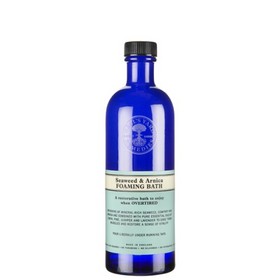
When overtired why not enjoy a restorative soak with Arnica in the bath. Infusions of mineral-rich Seaweed, Comfrey and Arnica are combined with pure essential oils of Lemon, Pine, Juniper and Lavender to ease tired muscles and restore a sense of vitality.

Especially formulated to ease weary limbs. Or why not try the Seaweed and Arnica Bath Salts?

Jackie Marsden MAR is a qualified reflexologist, acupuncturist, promoter of healthy living and independent consultant (Group Leader) for Neal’s Yard Remedies Organic.

Image courtesy of foto76 at FreeDigitalPhotos.net

Brain and Cognitive Health

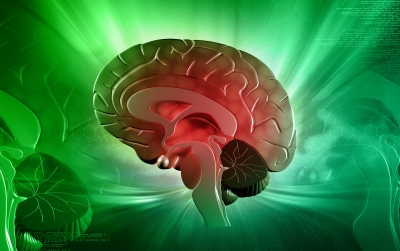
ID-100273701This blog gives a general understanding of cognitive health and outlines options for improving yours.

Fats

Good fats are essential to our brain health and function. A fatty brain is a healthy brain: 60% of brain tissue is fat. Good fats literally allow us to embrace change.

One type of good fat is coconut oil: If you search for coconut oil + brain fog on the internet you will find pages and pages of anecdotal evidence to suggest coconut oil can help lift brain fog and make the brain sharper, improving memory.

Coconut oil is a medium chain fat which means the body can use this type of fat as energy – another great fuel for our brains. It does this by converting into ketones which are used as a source of fuel for the body. Apparently brain cells function with far greater efficiency when they are utilizing fat (ketones) as a fuel source as opposed to sugar.

Pumpkin seed, hemp, flax, avocado and evening primrose oils are all other examples of good fats and these can be found in Beauty Oil.  They provide the essential nutrition that our skin and bodily tissue needs to renew, maintain and repair. This Beauty Oil contains nourishing omega fatty acids, essential nutrients and anti-oxidants that the skin needs to replenish itself.

Omega-3 fatty acids are often lacking in Western diets. They play a vital role in maintaining flexible and well-hydrated cell membranes, allowing for the efficient passage of water and nutrients. The best forms of Omega-3 for the body to utilise come from fish oils, and this has become a concern for many due to the increased ocean pollution. However fish oils from WHC use fish oil from smaller fish species where pollution is a lesser concern, and where processing techniques ensure an extremely clean fish oil. Optimum levels of omega-3s in the body will aid hydration at a cellular level. This is vital for a healthy blood pressure, energy levels and immunity. Adequate levels of omega-3 have also been recommended for weight management. WHC fish oils have been ranked #1 by Labdoor, and hold 5 star ratings from the International Fish Oil Standards (IFSO) program.

Reflexology

Encourage healthy brain function and balance through reflexology. This is a two-fold approach. The reflex point for the brain is on both the big toes (and thumbs). As a therapist I always dedicate attention to this area during every treatment along with the spinal chord (Central Nervous System). However the second approach to improved brain function via reflexology is the physical act of touching the feet: the sensory rich plantar area of the foot is going to stimulate and increase neurological messages from here all the way up to the brain. Think about how many messages this will create during a 50 minute reflexology treatment and you can see how the opening up of those potentially dormant neurological pathways can be so beneficial to our health.

Supplements

Other key ingredients are also fascinating to learn about when it comes to brain and cognitive health:

  • L-Glutamine. This is brain fuel. It is the only compound other than sugar that can be used by the brain for energy. It can easily cross the blood-brain barrier.
  • Choline. Aids nerve transmission by supporting myelin production. Myelin is the fatty nerve insulation that facilitates the transmission of nerve impulses. It is attacked via an auto-immune response in MS sufferers.
  • Green Tea. Contains L-theanine which helps us to keep calm, yet focussed. For example, when we meditate.
  • Ginko biloba. This is a herb from the Biloba tree. Suggested that it improves memory. Used to treat dementia. Antioxidant.

Antioxidants

What do we know about these?

Your brain uses roughly 20% of the oxygen you breathe in, so its cells are particularly susceptible to oxidative damage, known as free radical damage.

Free radicals trigger brain inflammation which contributes to ADHD, brain fog, anxiety and memory loss as well as serious neurological disorders such as stroke and Alzheimer’s.

Eat lots of organic fruit and vegetables. Berries are a Number One brain food because they are super antioxidant and also their compounds have been linked to improvements in many cognitive skills including memory, learning, reasoning skills, decision making, verbal comprehension and number capability.

Links provided are carefully selected affiliates.

Image courtesy of dream designs at FreeDigitalPhotos.net

Jackie Marsden MAR is a qualified Reflexologist and Clinical Acupuncturist. She is a promoter of healthy living and an independent consultant (Group Leader) for Neal’s Yard Remedies Organic. Jackie leads and mentors a growing team of consultants (many of whom are therapists integrating organic products into their existing businesses) via the NYRO social selling channel, holding regular team meetings, one-to-one coaching via phone and facetime, and a closed facebook group. All views are my own.

Growyourbusiness