Insulin Resistance and Fertility: The Hidden Factor Affecting Conception and IVF Success

In my previous post, I discussed why blood sugar balance matters in natural conception and IVF. But behind many blood sugar issues lies a hidden problem called insulin resistance.

A smiling woman in a fitted tank top holds a plate of fresh vegetables and nuts, looking content while preparing to eat.

Insulin resistance can develop years before diabetes appears and may affect fertility long before blood sugar levels become abnormal. In fact, many people are told their glucose levels are “normal” whilst underlying metabolic dysfunction is already influencing hormone balance, egg quality and reproductive health.

What is insulin resistance?

Insulin is the hormone that helps move glucose from the bloodstream into cells where it can be used for energy. When cells become less responsive to insulin, the body compensates by producing more.

As a result, insulin levels can remain elevated for years whilst standard blood sugar tests still appear normal.

This is important because insulin doesn’t just regulate blood sugar. It also influences hormone signalling, inflammation, ovulation, egg development, implantation and early pregnancy.

How does insulin resistance affect fertility?

High insulin levels can disrupt the delicate balance of reproductive hormones.

Insulin resistance is commonly associated with PMOS (previously known as PCOS), but it can also occur in women who do not have PMOS and who maintain a healthy weight.

Research has linked insulin resistance with:

  • Impaired egg quality
  • Reduced embryo quality
  • Increased inflammation
  • Altered endometrial receptivity
  • Reduced implantation potential
  • Increased risk of early pregnancy loss

Some studies have even shown that insulin resistance may negatively affect embryo quality in women without PMOS undergoing IVF treatment.

The hidden problem

One of the challenges with insulin resistance is that routine screening may not identify it.

A normal fasting glucose or HbA1c does not necessarily mean that insulin function is optimal. These markers alone do not show how hard the pancreas is working to keep them within range. By the time blood sugar levels begin to rise, insulin resistance may have been developing for many years.

This is why assessing metabolic health requires looking beyond glucose alone.

Signs that insulin resistance may be present

Not everyone experiences symptoms, but common signs can include:

  • Difficulty losing weight
  • Increased abdominal fat
  • Sugar cravings
  • Fatigue after meals
  • Energy crashes during the day
  • Feeling faint, shaky or light-headed between meals
  • Skin tags
  • Darkened patches of skin around the neck, underarms or groin
  • PMOS (previously known as PCOS)
  • A family history of Type 2 diabetes

Supporting insulin sensitivity

The good news is that insulin sensitivity can often be improved through targeted lifestyle and nutritional interventions.

Helpful strategies include:

  • Eating regular, balanced meals rather than grazing or snacking throughout the day
  • Prioritising protein at meals
  • Pairing carbohydrates with healthy fats and fibre
  • Eating plenty of colourful vegetables and polyphenol-rich foods
  • Regular movement throughout the day
  • Walking after meals
  • Resistance training
  • Prioritising good-quality sleep
  • Managing stress effectively
  • Correcting nutrient deficiencies where appropriate
  • Acupuncture, which may support metabolic health through its effects on stress regulation, inflammation and insulin sensitivity

Summary

Fertility is not just about reproductive hormones.

Egg quality, embryo development, implantation and healthy pregnancy all depend on good metabolic health. Insulin resistance can be present long before diabetes develops and may not be detected by routine screening.

This is why, in my practice, fertility investigations include a full metabolic work-up, looking beyond reproductive hormones alone to assess the factors that may be influencing fertility and IVF outcomes.

Identifying and addressing metabolic dysfunction before IVF creates an opportunity to optimise health, improve fertility potential and support the best possible treatment outcomes.

Not sure if insulin resistance or blood sugar imbalances could be affecting your fertility?

Many women are told their fertility tests are normal, yet underlying metabolic factors are often overlooked.

Through detailed testing and individualised fertility support, I can help you understand what may be influencing your reproductive health and what steps could help improve your chances of success.

Contact me to find out how I can support your fertility or IVF journey.

References

Huang, W., Chen, Q., Fan, Y., Ma, Y., Zhang, Y., Fang, T. & Wang, Y. (2021).
Association between insulin resistance and embryo quality in lean, non-PCOS women undergoing in vitro fertilization. Frontiers in Endocrinology, 12, 741981.
Full text:View article

Diamanti-Kandarakis, E. & Dunaif, A. (2012). Insulin Resistance and the Polycystic Ovary Syndrome Revisited: An Update on Mechanisms and Implications. Endocrine Reviews, 33(6), 981-1030.
Full text

Lei, R., Chen, S. & Li, W. (2024).
Advances in the study of the correlation between insulin resistance and infertility. Frontiers in Endocrinology, 15, 1288326. It reviews how insulin resistance may affect oocyte development, embryo quality, endometrial receptivity, implantation, assisted reproduction outcomes, miscarriage risk and pregnancy complications. Full text


Why am I not getting pregnant?

A man comforts a distressed woman sitting on a couch, emphasizing emotional support and empathy.

It is quite common to think that it is easy to get pregnant. At school we were scared into believing that it is really easy to get pregnant and there was a huge push to educate on contraception. But statistically it takes time to fall pregnant.

For women up to and including the age of 25, 60% will be pregnant at 6 months of trying; 85% at a year. And of 100 couples trying to conceive, 40 will not be pregnant after 5 months, and 15 will not have conceived after a year of trying.

For women of 35 or over the statistics lengthen: 60% will be pregnant at a year, and 85% at 2 years. Age being the factor to reduce the chances of conception.

Men account for almost 40% of the reasons behind fertility treatment.

When that positive pregnancy test doesn’t come quickly, anxiety and worry can quickly set in, and this level of stress only adds to the problem. And this then often leads to a quick jump into IVF without properly giving the issue enough time and attention it needs to potentially happen naturally.

What can I do?

Get to know your cycles

Understanding your menstrual cycle is key to timing intercourse properly and knowing the signs of ovulation and a healthy follicular and luteal phase, as well as a healthy bleed. Don’t rely on apps to tell you when you are ovulating and when you should be next on your period; look for that egg white mucus and make a note of which day of your cycle this is observed. Take your basal body temperature first thing every morning with a properly calibrated thermometer and mark this on a chart. Look at your mentrual blood and observe its colour, texture, and notice any prementrual pains and tension you feel, and whether this carries on into your period. Doing this for a few months can built up a good picture of your menstrual health and allows you to time intercourse accordingly (every other day between the end of your bleed and ovulation).

What do you class as normal?

By this I mean, what are the things that you regularly put up with that really you shouldn’t have to. Such as extreme pain, running to the toilet after eating certain foods, avoiding particular foods/products because they irritate your tummy or skin, heart burn, fatigue, heavy periods, painful periods, acne, hot flushes, IBS, constipation, diarrhoea, headaches. Symptoms you put up with could be indicators of imbalances that need to be smoothed out in order to create a baby-friendly body.

Dig a little deeper

Get tested properly. A basic Day 2 hormone panel from the GP is a good starting point, but even that can be difficult to get. Progesterone needs to be tested separately 7 days after you have ovulated (another good reason to get to know your cycle). A full thyroid panel is also useful, as is Vitamin D and iron levels. Consider using Medichecks or another company to get these panels done privately if necessary.

Look at him

As previously mentioned, 40% of all fertility treatment is because of male factor. It is so easy to improve sperm quality quickly by improving diet, nutritional choices, reducing alcohol and smoking, and keeping those testicles cool and free. Reduce the use of hot baths, saunas, hot tubs. Reduce sitting around in tight clothing. Look at hobbies which can increase the heat to this area: cycling, gaming etc. Use a good quality men’s fertility health supplement like Ovum. Keep mobile phones out of front trouser pockets.

Looking for Answers?

If you’ve been trying to conceive and are wondering why it’s not happening, it’s easy to feel frustrated, confused or overwhelmed. The reality is that fertility is influenced by many factors, including hormones, ovulation, metabolic health, inflammation, nutrition, stress and sperm quality.

I offer a personalised approach that looks beyond the basics, combining comprehensive testing, acupuncture and tailored support to help identify potential barriers to conception and create a plan that is right for you.

If you’re ready to investigate what may be holding you back, get in touch to arrange a fertility consultation.

Why Blood Sugar Balance Matters for Fertility and IVF

When we think about trying to conceive, or preparing for IVF, diet and lifestyle often come up, but one area that’s sometimes overlooked is blood sugar balance. Keeping blood sugar steady isn’t just important for long-term health, it can directly affect fertility and IVF outcomes.

Egg quality and hormone balance

Every time we eat, our body responds with insulin to help move glucose into our cells. If blood sugar rises and falls sharply, insulin can spike too. High insulin levels disturb the delicate balance of reproductive hormones, which can affect how eggs mature and respond during IVF stimulation.

The challenge is that blood sugar imbalances do not always cause obvious symptoms

For some women, this may show up as symptoms such as irregular or absent menstrual cycles, difficulty predicting ovulation, stubborn weight gain around the middle, sugar cravings, fatigue after meals, brain fog, or feeling shaky, light-headed or irritable if meals are delayed. Others may notice increased facial or body hair, acne, or difficulty losing weight despite eating well. These can all be clues that blood sugar regulation and insulin signalling are not working as efficiently as they should, even when routine fertility tests appear normal.

The uterine environment

Blood sugar swings also create inflammation, and this can influence how receptive the uterine lining is. A stable environment helps with healthy blood flow and hormone signalling: two essentials for implantation.

Embryo development and pregnancy

Embryos in their earliest stages are very sensitive. Research shows that unstable blood sugar and insulin resistance can reduce embryo quality and even increase the risk of early miscarriage. On the other hand, keeping blood sugar balanced supports embryo growth and helps sustain pregnancy.

Sliced avocado and soft-boiled eggs on whole grain toast, topped with pine nuts and black pepper.

Simple ways to support balance

Pair protein and healthy fats with carbohydrates to slow down sugar release.

Avoid eating naked carbs.

Favour whole foods over refined carbs and sugary snacks.

Ensure you are eating the rainbow. Lots of colourful vegetables and some fruit adds metabolic corrective polyphenols.

Eat at regular intervals instead of skipping meals or grazing throughout the day.

Gentle exercise like walking after a meal also improves insulin sensitivity.

The good news

Balanced blood sugar supports steady hormones, healthy eggs, a receptive uterine lining, and developing embryos. For anyone trying to conceive or preparing for IVF, it’s one of the simplest but most powerful foundations to put in place.

Could Blood Sugar Imbalances Be Affecting Your Fertility?

Many women are told that their fertility tests are normal, yet underlying issues with blood sugar regulation and insulin resistance can still be affecting ovulation, egg quality, implantation and IVF outcomes.

I offer comprehensive fertility support, including advanced hormone and metabolic testing, acupuncture and personalised guidance to help identify factors that may be standing in the way of conception.

If you’d like to better understand your fertility picture and explore whether blood sugar balance could be playing a role, get in touch to book a consultation.

References

Li, Y., Li, R., Qiao, J., Zhang, Q. & Xu, Y. (2013). Effect of insulin resistance on the outcome of in vitro maturation treatment in women with polycystic ovary syndrome. Reproductive Biology and Endocrinology, 11(1), 31. doi:10.1186/1477-7827-11-31. Available at: PubMed

Huang, W., Chen, Q., Fan, Y., Ma, Y., Zhang, Y., Fang, T., & Wang, Y. (2021). Association between insulin resistance and embryo quality in lean, non-PCOS women undergoing in vitro fertilization. Frontiers in Endocrinology, 12, 741981. doi:10.3389/fendo.2021.741981. Available at: PMC

Is Acupuncture Worth it for IVF?

Acupuncture is very much worth it as part of your overall plan in preparing for conception.

Woman receiving acupuncture for fertility issues in her abdomen.

It is well documented that it takes around 100 days/3 months, or 3 cycles, for an egg to be recruited and matured ready for ovulation, and similarly for a full sperm regeneration cycle to complete.

It is hugely important to give yourself time to prepare and improve your overall health and wellness, lifestyle, diet and nutritional aspects before conceiving, whether you plan to do this naturally or via IVF. If the raw materials are not in the best condition possible, then you will not be maximizing your chances for a viable conception, implantation, and ongoing pregnancy and the health of the child.

As an acupuncturist I work closely with couples to look at where problems might be hiding. Sometimes a small imbalance can lead to issues when it comes to fertility. Working holistically, I take a full medical and lifestyle history from couples trying to conceive, then work out a specific and individualized acu-point prescription to help re-balance what I see happening in the body. I look at tongues, ears, feet and feel your abdomen. I ask a lot of questions about your menstrual cycle, menstrual blood and digestive health, as this can tell us as lot about what might be happening within the body.

Acupuncture is hugely effective when it comes to IVF. Particular points can help with innervation to the ovaries and uterus, boosting Blood and Qi, giving a good bump up to the follicles, helping with uterine lining, managing oestrogen levels and holding off OHSS, as well as calming the mind and supporting the couple. It is also excellent for expediting the recovery after egg collection, and preparing the uterus for transfer. Which points are used will be individual to your own picture.

In my own clinical experience, couples who have taken the appropriate time and care to prepare for their next IVF cycle get the best results; either falling pregnant naturally or having a successful IVF cycle.

If you would like to book a full consultation to discuss your own situation please contact me. Prices can be found here.

Does ICSI have all the answers?

Since the advent of ICSI (Intracytoplasmic Sperm Injection) problems with male factor in infertility can be addressed and bypassed with this procedure. The ICSI procedure allows particular sperm to be selected for use and manually injected into the egg by the embryologist using a microscopic needle.

But does ICSI always give us the best outcomes?

If the quality of sperm is sub-optimal, the question one has to ask is what impact will this have on the ongoing pregnancy and health of the child going forward?

In Traditional Chinese Medicine (TCM) our Jing is the substance we inherit from our parents at the moment of conception. Our Jing fuels our growth and development not just through conception and prenatal growth, but all through our lives from infancy to puberty, adulthood and beyond. Jing dictates our constitution and vitality as we move and age through life.

So if we completely disregard the quality of the sperm in favour of the ICSI procedure, what impact will have on the health of the life created? If a sperm is unable to penetrate an egg on its own, what does that say about the underlying Qi of that sperm?

So although ISCI is a wonderful and exceptional advancement in fertility medicine and assisted reproductive techniques, I do believe it should be firmly balanced with other perspectives of male health and vitality.

Sperm are continually created within the body, so taking a break for around 3 months before the next round of IVF is an optimal amount of time to put lifestyle changes in place. Dietary, lifestyle and nutritional changes can have a huge impact on sperm quality.[1] Taking this time and making this effort to improve the underlying Qi and Jing that is passed onto the next generation is fundamentally important. Things to consider:

  • Stop smoking/vaping;
  • Reduced consumption of refined sugars, processed foods,
  • Reduced consumption of alcohol;
  • Increased consumption of a wide variety of vegetables and fruit;
  • Take regular exercise;
  • Increased water intake;
  • Reduce the use of plastics for cooking and water/food storage (switch to glass)
  • Supplement with a good quality preconception multivitamin to include zinc, selenium, omega 3 fatty acids, antioxidants;
  • Reduce stress (look at meditation, reflexology, acupuncture, spending time in nature);
  • Keep mobile phone away from body [2];
  • Ejaculate frequently [3].

Other options to explore before diving straight into IVF/ICSI:

  • Having a full examination to rule out varicocele, hydrocele and other physical abnormalities;
  • Bloods taken for a full hormone profile;
  • Checking the microbiome to rule out any infection which might be causing levels of damage to the sperm.

“Mounting evidence suggests that the gut microbiome plays a key role in normal spermatogenesis and can be negatively impacted by diet and environmental perturbations.” [3]

Of course, every couple is individual, and factors such as age, for example, will also determine your route to IVF and ICSI.

If you are looking for fertility support in Lancashire please get in touch.

If you would like support through your fertility/IVF/ICSI journey with acupuncture please get in touch.

References

[1] https://pubmed.ncbi.nlm.nih.gov/32397485/

[2] https://www.ncbi.nlm.nih.gov/pmc/articles/PMC7848840/

[3] https://rbej.biomedcentral.com/articles/10.1186/1477-7827-10-115

[4] https://www.fertstertreviews.org/article/S2666-5719(23)00001-4/fulltext

PMS and it’s extremes

Woman experiencing severe menstrual cramping.

Approximately 90% of women suffer from Premenstrual Syndrome (PMS) at some point in their lives. During the few days leading up to menstruation can present with all sorts of symptoms such as bloating, irritability, frustration, anger, back ache, acne, abdominal cramping and pain, feeling tearful and emotional, as well as anxious and depressed.

Every cell in our body has a hormone receptor, so PMS can be attributed to over 200 symptoms as fluctuating hormone levels can have an impact everywhere in the body. These may be symptoms you only experience during the build up to your period, or perhaps these are symptoms you already experience, but are exacerbated at this time of your cycle.

In TCM terms, the luteal phase of your cycle e.g. the second half of your cycle between ovulation and your period, is when your body is at its most Yang. It is the part of the cycle where there is the most energy. Your body is gearing up for the possibility of a pregnancy with the surge of progesterone helping to really plump up the uterine lining for an embryo to implant. This surge of hormone and surge of energy can make us feel energised and productive, however as this starts to wane and drop just before our period starts, can suddenly leave us feeling depleted. The smooth flow of Qi is now not so smooth, as the progesterone starts to dip and body temperature starts to drop, our overall hormone levels can quickly leave us feeling grumpy and moody, and present us with physical symptoms too.

Switching between the Yang half of our cycle to the Yin half i.e. our menses, can create Qi stagnation. Getting to know your cycles by charting on a calendar, or Basal Body Temperature (BBT) charting can really help you to understand what is going on inside your body, help you identify symptoms and mood changes, and shed light onto areas that perhaps might need further attention.

For example, some people do not just suffer with “regular” PMS, but can experience more extreme versions such as Premenstrual Dysphoric Disorder (PMDD) and Premenstrual Exacerbation (PME). These extreme versions of PMS can be very difficult to deal with and manage on a monthly basis. “Experiencing PMDD can make it difficult to work, socialise and have healthy relationships. In some cases, it can also lead to suicidal thoughts.”1

Understanding your own personal cycle, the length of your follicular and luteal phases, and looking at your BBT throughout your cycle can open up possibilities to improve symptoms you’re experiencing. You might discover that phases of your cycle are too long/short or your temperature is not high enough or too high for example.

Supporting progesterone can help with PMS. To support progesterone production and your luteal phase, add more nutrient dense calories into your diet at this phase of your cycle. After all, your body is gearing up for a potential pregnancy, and some women find that they are hungrier at this time. Adding more protein, and looking at using adaptogens such as Ashwaganda to help manage stress and change. “Adaptogens are the umbrella term for fungi and plant-derived compounds that help the body adapt to stress.”[2] Magnesium is also said to help, as many of us are depleted in magnesium and it is involved in a myriad of daily bodily functions. Using a topical spray or adding in Epsom Salts to your evening bath are easy ways to get magnesium into your body. Magnesium often becomes low as a result of stress. [3]

Managing stress is also key to supporting your luteal phase. Booking in for regular reflexology or acupuncture can offer you the opportunity to feel relaxed and receive some downtime already scheduled into your diary. With acupuncture in particular, treating throughout the cycle can help you regulate and improve your quality of life. Vitamin B complex supports the body’s ability to handle stress. [3]

Understanding your cycle can help you to prepare and plan for what might be up ahead. Scheduling your diary around your cycle can help you to be more productive when you are feeling at your most energised, and avoid difficult social situations when you’re likely to be feeling fragile. You can also use your cycle to help with meal planning and snacking, and scheduling in more gentle exercise within the luteal phase.

If you would like fertility support in Lancashire and to book in with me please get in touch.

  1. https://www.mind.org.uk/information-support/types-of-mental-health-problems/premenstrual-dysphoric-disorder-pmdd/about-pmdd/
  2. https://www.parsleyhealth.com/blog/what-are-adaptogens/
  3. https://webfmd.com/hpa-axis-dysfunction-treatment/

Discussing Fluoridated Water

Map showing fluoride in UK.
Image credit: bfsweb.org

Did you know that if you live in the Midlands or the North East (UK) you might already be drinking artificially fluoridated water via your household drinking water?

It is believed that the UK government want to extend the fluoridation scheme to cover the whole country, so if you do not want to drink artificially fluoridated water on a daily basis then you will need to put a filtration and purification system in place.

What is Fluoride?

Fluoride comes from Fluorine, which is a naturally occurring mineral that is found in rocks and soil. As water passed through it will naturally pick up trace minerals and this includes fluoride. Fluoride is artificially added to toothpaste and water, and is found in some foods, and in tea.

Pros

The argument to add fluoride to the water supply is due to studies showing that adding it in areas where fluoride levels in the water are low can reduce the prevalence of tooth decay in the local population.

Cons

According to Medical News Today, some of the potential health risks of long-term over-consumption of fluoridated water are:

  • Dental fluorosis, an aesthetic issue causing white specks or streaks on the tooth enamel. Especially common in young children under the age of six.
  • Skeletal fluorosis, causing bones to harden and lose their elasticity, becoming more prone to breaking, pain, and impaired joint mobility.
  • Neurological problems, including impaired development in children.
  • Thyroid problems, as a result of damage to the parathyroid gland, resulting in excess calcium levels in the blood.
  • An increased risk of bone cancer and osteoarthritis.
  • Acne and other skin issues.
  • Reproductive and fertility issues.

My opinion

I personally don’t want to drink fluoride on a daily basis. If I want to use it to prevent tooth decay then I would prefer to use a fluoride toothpaste (which I also don’t), rather than consuming the fluoride through my entire body via drinking water.

Although fluoride is a naturally occurring mineral found in water, we don’t all live with access to fresh water springs where we can consume it direct from mother nature! The water we receive via our household taps and faucets has undergone chemical treatment and therefore I would prefer to filter at home.

In addition to fluoride in water, it is also found in our tea. Truth About Fluoride states “some tea has two, three or even six times the amount of fluoride when compared to tap water! Easily putting millions of people around the world over the safe amount of daily fluoride intake.” If we are already consuming fluoride via other sources then why do we need it in our regular tap water also?

What can you do?

As always, we have a choice. It might not seem that way if the government decide to fluoridate the entire water supply. But it is up to us to take personal responsibility, and put measures in place to protect our own health and wellbeing, and that of our family.

This is why I installed an undersink water filtration system back in 2021, and am now promoting this system to help others do the same.

The Energy Plus Undersink Filter System I use gives extremely efficient removal of fluoride, as well as heavy metals, chlorine, pesticides, hormones and pharmaceutical residues. It also filters out debris, bacteria and microplastics, down to 0.1 micron.

It then goes on to restructure the water to make is highly bio-available to the cells, (see the work of Dr. Catherine Clinton and Gerard Pollack for more on structured water), and releases Molecular Hydrogen to give it exceptional antioxidant properties (something that a water ioniser would do). This system is very reasonably priced.

Alternatively there is also a biocera water jug which carries out a similar process but just on a smaller scale.

If you would like to know more click my links or reach out to me directly via my contact details or on social media.

Molecular Hydrogen

Hydrogen is the smallest molecule in the universe. It has only 2 atoms, and binds with oxygen to give us water – H2+0.

Molecular hydrogen is the name given to hydrogen that is released into water to give it highly antioxidant properties. There are over 1000 published studies now providing evidence that hydrogen-rich water has many health-giving and therapeutic effects.

Why is water good for you?

If we consider that, as humans, we are made up of approximately 70% water, we should really make clean, living, health-giving water and hydration our number one priority when it comes to health and nutrition.

Tap water is not the same as filtered water

Tap water is drinkable but it is full of various extras such as the growing concern around micro-plastics, chlorine, fluoride, pharmaceutical residues and hormones. Because of these, as well as poor water structure, the tap water consumed does not effectively hydrate the body and penetrate deep into the cells where it is needed. It is a bit like watering a dried up pot plant: most of the water runs straight through into the saucer.

By releasing molecular hydrogen into clean, filtered and restructured water, we are left with water that is highly bioavailable and hydrates the body much quicker and effectively that regular tap water.

How do I get molecular hydrogen into my water?

There are various ways you can get molecular hydrogen into your water. The system I use at home (and have done so since 2021 – I never promote anything I do not use myself) is the Energy Plus Undersink Filter System from Water for Health.

This is a 4 stage filtration process which sits neatly under the sink. The first two filters remove debris and particulate, and other contaminants such as chlorine and fluoride. The third filter uses bioceramics to mineralise the water to give it good structure. It then finally passes through the fourth filter which uses a magnesium substrate to release molecular hydrogen into the water.

Which water filter is best?

A water filter of this nature is my preferred way to filter water, over reverse osmosis (ro) and distilling. This is mainly down to the fact that both of these methods remove absolutely everything from the water, including the good stuff – the minerals – which not only provide all the trace elements your body needs, but also provide a basic structure to the water. So if you do choose “ro” or distilling then make sure you re-mineralise the water before drinking.

For further information please see my affiliate link here. There are currently over 1000 published studies available on the benefits of molecular hydrogen.

Water droplets suspended in mid air.

Salts explained

Salt with a wooden spoon.

Sea salt is really good for soaking in a bath. It is believed to stimulate circulation, help ease muscle cramps, help relieve stiff joints, and soothe the skin.

Sea salt isn’t generally processed that much, it is simply evaporated off the water. So its very rich in trace minerals such as calcium, potassium, magnesium, zinc and iron.

Himalayan salts are very similar to sea salt in composition and trace minerals. However, because Himalayan salt is mined near the foothills of the Himalayan mountains, from some really ancient sea beds which were covered over with ice, lava and snow for millions of years, its thought that Himalayan salts are much purer than our regular sea salt because they are not full of our modern day pollutants.

Epsom salts aren’t actually a salt. They are magnesium, sulphur and oxygen. So when you use Epsom salts you are really using them for their magnesium content. Magnesium is needed in the body for all sorts of daily functions at a cellular level, and it is thought that in this day and age we are all lacking in magnesium due to the erosion of soil quality. Magnesium is very easily absorbed through the skin so soaking in a bath of Epsom salts is a great way to boost your magnesium levels.

Although we do need magnesium to support a whole host of bodily functions, one of the main things we all need it for is stress-management and improved sleep.

So these are the different types of salt explained, so you can now make an informed choice as to which type you would like to bathe in. Happy soaking!

View the bath salts from Neal’s Yard Remedies Organic.

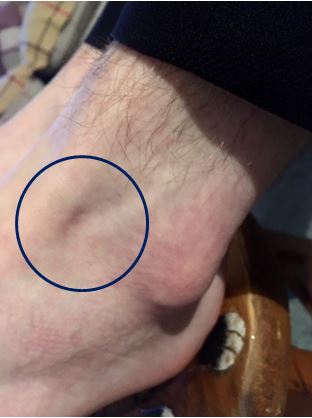
[Perspectives in Foot Reading #1] looking at the groin

Here we have a Fire marker – the popped anterior tibial tendon. This dorsal area of the foot is the general reflex for the pelvic region, including reproductive system, inguinal region and lymphatics, and the muscles and bones of the lower core.

The popped tendon indicates potential pain, inflammation, overuse and increase in muscular tension somewhere in this area.

The excess tension here has created a little cave just below the popped tendon, indicating strain, fatigue and weakness. The little cave would be regarded as an Air marker, and this would make sense that the Fire from the inflammation is leaving deficiency (burnt out).

In addition we can also see an inflamed and over-protruding lateral malleolus (ankle bone) showing that the hip is also affected.

This male client suffers with groin pain on the left side, stemming from a childhood injury (a tear), and continues to have problems while playing sports.

To balance Fire we want to reduce the forest fire to a gentle hearth-side glow, so activities like restorative yoga and gentle swimming would be recommended. Other activities such as Tai Chi might also benefit. In addition, ensuring hydration and diet are optimal.

From a mental/emotional perspective, this would indicate fiery and inflamed relationships with family and those whom we are close; sparks could well be flying and as a practitioner I tread very carefully. Venting and letting off steam about these issues would help, either with a neutral party or by journaling. Routine and boundary setting within the relationship is also needed, as a raging fire can easily get out of control.

Once the Fire has gotten under control, it is then time to gently nourish and strengthen the remaining deficient terrain.

Jackie Marsden MAR is a qualified reflexologist, clinical acupuncturist, and foot reading practitioner, working from Elder Cottage Clinic, Warton, nr. Preston.

Foot readings are offered in clinic and remotely.