Insulin Resistance and Fertility: The Hidden Factor Affecting Conception and IVF Success

In my previous post, I discussed why blood sugar balance matters in natural conception and IVF. But behind many blood sugar issues lies a hidden problem called insulin resistance.
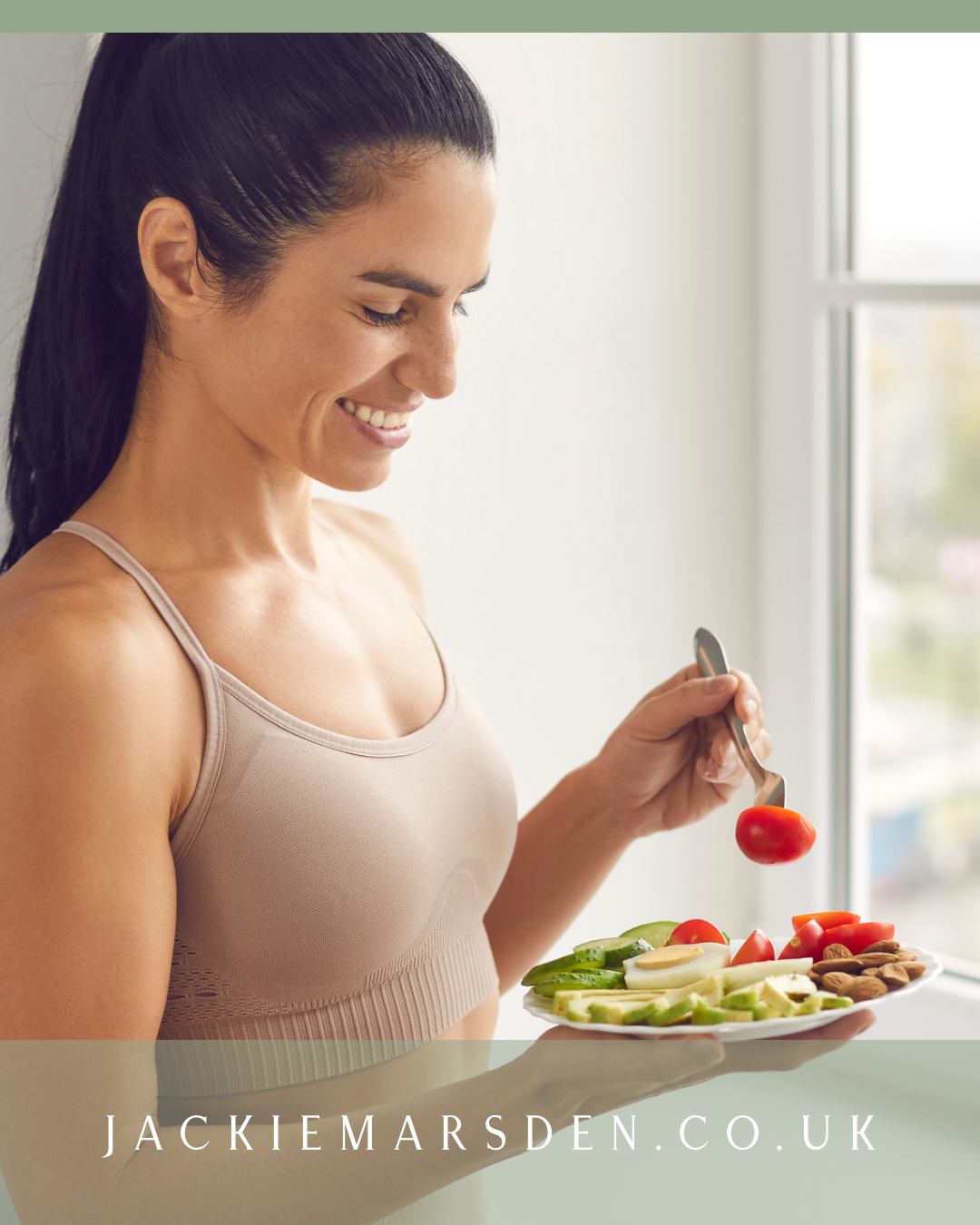
A smiling woman in a fitted tank top holds a plate of fresh vegetables and nuts, looking content while preparing to eat.

Insulin resistance can develop years before diabetes appears and may affect fertility long before blood sugar levels become abnormal. In fact, many people are told their glucose levels are “normal” whilst underlying metabolic dysfunction is already influencing hormone balance, egg quality and reproductive health.

What is insulin resistance?

Insulin is the hormone that helps move glucose from the bloodstream into cells where it can be used for energy. When cells become less responsive to insulin, the body compensates by producing more.

As a result, insulin levels can remain elevated for years whilst standard blood sugar tests still appear normal.

This is important because insulin doesn’t just regulate blood sugar. It also influences hormone signalling, inflammation, ovulation, egg development, implantation and early pregnancy.

How does insulin resistance affect fertility?

High insulin levels can disrupt the delicate balance of reproductive hormones.

Insulin resistance is commonly associated with PMOS (previously known as PCOS), but it can also occur in women who do not have PMOS and who maintain a healthy weight.

Research has linked insulin resistance with:

  • Impaired egg quality
  • Reduced embryo quality
  • Increased inflammation
  • Altered endometrial receptivity
  • Reduced implantation potential
  • Increased risk of early pregnancy loss

Some studies have even shown that insulin resistance may negatively affect embryo quality in women without PMOS undergoing IVF treatment.

The hidden problem

One of the challenges with insulin resistance is that routine screening may not identify it.

A normal fasting glucose or HbA1c does not necessarily mean that insulin function is optimal. These markers alone do not show how hard the pancreas is working to keep them within range. By the time blood sugar levels begin to rise, insulin resistance may have been developing for many years.

This is why assessing metabolic health requires looking beyond glucose alone.

Signs that insulin resistance may be present

Not everyone experiences symptoms, but common signs can include:

  • Difficulty losing weight
  • Increased abdominal fat
  • Sugar cravings
  • Fatigue after meals
  • Energy crashes during the day
  • Feeling faint, shaky or light-headed between meals
  • Skin tags
  • Darkened patches of skin around the neck, underarms or groin
  • PMOS (previously known as PCOS)
  • A family history of Type 2 diabetes

Supporting insulin sensitivity

The good news is that insulin sensitivity can often be improved through targeted lifestyle and nutritional interventions.

Helpful strategies include:

  • Eating regular, balanced meals rather than grazing or snacking throughout the day
  • Prioritising protein at meals
  • Pairing carbohydrates with healthy fats and fibre
  • Eating plenty of colourful vegetables and polyphenol-rich foods
  • Regular movement throughout the day
  • Walking after meals
  • Resistance training
  • Prioritising good-quality sleep
  • Managing stress effectively
  • Correcting nutrient deficiencies where appropriate
  • Acupuncture, which may support metabolic health through its effects on stress regulation, inflammation and insulin sensitivity

Summary

Fertility is not just about reproductive hormones.

Egg quality, embryo development, implantation and healthy pregnancy all depend on good metabolic health. Insulin resistance can be present long before diabetes develops and may not be detected by routine screening.

This is why, in my practice, fertility investigations include a full metabolic work-up, looking beyond reproductive hormones alone to assess the factors that may be influencing fertility and IVF outcomes.

Identifying and addressing metabolic dysfunction before IVF creates an opportunity to optimise health, improve fertility potential and support the best possible treatment outcomes.

Not sure if insulin resistance or blood sugar imbalances could be affecting your fertility?

Many women are told their fertility tests are normal, yet underlying metabolic factors are often overlooked.

Through detailed testing and individualised fertility support, I can help you understand what may be influencing your reproductive health and what steps could help improve your chances of success.

Contact me to find out how I can support your fertility or IVF journey.

References

Huang, W., Chen, Q., Fan, Y., Ma, Y., Zhang, Y., Fang, T. & Wang, Y. (2021).
Association between insulin resistance and embryo quality in lean, non-PCOS women undergoing in vitro fertilization. Frontiers in Endocrinology, 12, 741981.
Full text:View article

Diamanti-Kandarakis, E. & Dunaif, A. (2012). Insulin Resistance and the Polycystic Ovary Syndrome Revisited: An Update on Mechanisms and Implications. Endocrine Reviews, 33(6), 981-1030.
Full text

Lei, R., Chen, S. & Li, W. (2024).
Advances in the study of the correlation between insulin resistance and infertility. Frontiers in Endocrinology, 15, 1288326. It reviews how insulin resistance may affect oocyte development, embryo quality, endometrial receptivity, implantation, assisted reproduction outcomes, miscarriage risk and pregnancy complications. Full text


Keeping Your Fire Burning

A performer breathing fire against a dark sky, with flames shooting from his mouth.

In Traditional Chinese Medicine (TCM), vitality is rooted in the Ming Men, often translated as the Gate of Life. Located in the lower back between the Kidneys, it is considered the source of the body’s warmth, motivation and vitality. The Ming Men draws on both Kidney Yin and Kidney Yang to distribute balanced Qi throughout the body, supporting physical, emotional and reproductive health.

When the Ming Men is strong, Fire arises, and vitality flourishes. This shows up as good energy levels, healthy circulation, strong libido, good fertility, a calm mind, and a regular, robust digestive system. This is because Fire is needed to warm and activate the digestive organs.

When the Ming Men becomes depleted, people often describe feeling that their “spark” has gone out. They may experience fatigue, poor digestion, coldness, low libido, fertility challenges, lower back weakness or an overall sense of running on empty. Emotionally, it can show up as reduced resilience, anxiety or a loss of motivation.

Night sweats and hot flushes are signs that Ming Men Fire is fluctuating, flaring up and then dropping down rather than maintaining a stable, balanced heat.

Ming Men Fire drives Blood circulation, supports the Heart, and in TCM the Heart houses the Mind (Shen). This means the Ming Men provides not only physical vitality but also mental and emotional vitality. And because mental and emotional resilience are deeply connected to physical health, supporting the Ming Men offers a truly holistic approach to wellbeing.

How to support your Ming Men?

  • Breathwork, focusing on gently drawing the navel toward the spine
  • Acupressure or massage to the lower back
  • Keeping the lower back warm to nourish and protect the Ming Men
  • And of course, regular acupuncture sessions

Could Your Fire Need Rekindling?

If you’re struggling with fatigue, low mood, digestive problems, fertility challenges, low libido or simply a sense that your energy isn’t what it used to be, acupuncture may help restore balance and vitality.

I offer acupuncture from Elder Cottage Clinic in Warton, supporting patients with fertility, women’s health and general wellbeing.

To find out whether acupuncture could help you, please get in touch to arrange a consultation.

Cortisol and Melatonin: The Yin and Yang of Your Circadian Rhythm

In the quiet rhythm of day and night, two powerful hormones guide our daily flow: cortisol and melatonin. These hormones play a crucial role in maintaining our body’s natural rhythm; you could think of them as the Yin and Yang of our circadian cycle: distinct in nature but working in harmony to help us feel balanced, focused, and rested.

Understanding their roles can help you align with your body’s natural flow, fostering better health and more restful sleep.

Cortisol: The Active Yang of the Day

Often labelled as the stress hormone, cortisol is essential for us to function properly, especially in the morning. It naturally rises when we wake up, helping to energize the body, sharpen focus, and prepare us for the day ahead. This is the Yang energy: active, outward, and purposeful.

Cortisol levels peak shortly after we wake up and begin to decline as the day progresses, supporting our ability to stay alert, handle stress, and perform tasks efficiently. Without sufficient cortisol, we may feel sluggish and less motivated in the morning; it’s as if we can’t quite get going.

Melatonin: The Restful Yin

A figure in a flowing robe sits with a serene expression, surrounded by swirling smoke and abstract shapes, creating a sense of tranquility and balance.

As the sun begins to set, melatonin enters the scene: the Yin to cortisol’s Yang. Melatonin is often called the sleep hormone, but its job goes beyond just helping us fall asleep. It’s about inviting the body to slow down, repair, and rejuvenate during the night. When melatonin is released as daylight fades, it encourages us to rest, reduce our mental chatter, and prepare for the restorative sleep our bodies need to stay healthy.

Just as cortisol rises with daylight, melatonin rises when it gets dark. It acts as a signal that it’s time to let go and settle into rest, nurturing our recovery and internal restoration.

The Delicate Balance: Why It Matters

The relationship between cortisol and melatonin is delicate. These two hormones need to remain in a balanced dance throughout the day for you to feel your best. If cortisol remains high into the evening – perhaps due to stress, artificial light, or late-night stimulation – melatonin struggles to rise, and sleep may be disrupted. Over time, this throws the entire rhythm off course.

When this happens, it can interfere with your body’s natural recovery during sleep; affecting your energy, mood, and overall health.

Supporting Your Natural Cycle: Simple Practices for Balance

To maintain the delicate balance between cortisol and melatonin, it’s important to align your daily habits with the natural rhythms of your body. Here are a few practices to help keep your hormones in harmony:

  • Seek natural morning light: Exposure to sunlight in the morning helps signal your body that it’s time to rise and activate cortisol naturally. This simple habit can help improve your focus and alertness during the day.
  • Support rising cortisol with a healthy breakfast: Eat a balanced meal around 7am to give your body the nourishment it needs to maintain energy and focus throughout the day.
  • Avoid bright screens, intense exercise, and stimulants in the evening: These can keep cortisol levels elevated and interfere with melatonin production. Instead, opt for calming activities such as reading, meditation, or light stretching in the evening to help your body transition into rest mode.
  • Aim for regular sleep and wake times: Going to bed and waking up at the same time every day helps support your circadian rhythm and ensures your body knows when it’s time to rest.
  • Allow your digestive system to fast between 6pm and 7am: This simple practice allows your body to reset overnight, promoting better sleep and hormonal balance.
  • Get regular reflexology or acupuncture: These holistic therapies can support your body’s natural rhythm by reducing stress, improving circulation, and helping your body relax, making it easier for cortisol and melatonin to maintain balance.

Embracing the Quiet Wisdom of Yin

In a culture that often celebrates the energy of Yang – doing, pushing, and striving – we can sometimes forget the quiet wisdom of Yin. But it’s in the balance of these two forces that true health, clarity, and calm reside. When you nurture both your active and restorative energies, you create a foundation for lasting well-being and peace.

If you’re struggling to find balance in your circadian rhythm or need support with sleep, hormonal health, or stress management, reflexology and acupuncture can be powerful tools in restoring your body’s natural flow. Reach out for personalised guidance and care – together, I can help you nurture your Yin and Yang for a more vibrant and balanced life.

Detoxing holistically

Woman holding a healthy green smoothie.

January is a time where we see lots of talk and discussion about detoxing after the festive break and as a kick start for the new year ahead. But is January the best time to do this? When we are still very much in mid-winter, and hibernation is still what we are craving with the mornings and evenings still so dark and the weather still so cold.

A better way to approach detoxing is to make lifestyle changes and build good habits into daily routines so that you are reducing the toxic load from the “get go” and daily habits are keeping on top of what’s left.

Reducing toxic load

Many toxins are within our homes. Consider home cleaning, laundry and personal care products, as well as home fragrance. These will contain lots of toxins such as heavy metals, petrochemicals, synthetic fragrance and parabens. Much of these ingredients are environmental oestrogens i.e. they mimic oestrogen within the body and can cause havoc with hormones, mood and weight gain. This is particularly critical if you are trying to conceive or are perimenopausal.

Foods are another area where toxic load can be reduced. Cutting back on ultra processed foods such as ready meals, ready made sauces, fast foods, packet foods can really help reduce toxic load. Choose whole foods and make meals from scratch. Teach yourself how to cook. Snack on things like fruit, nuts and seeds and cut out the junk. Choose organic where possible and rinse/wash fruit and vegetables thoroughly before eating.

Water intake should be increased. The body uses around 2 litres of water per day just to complete its daily functions. If you are not consuming this regularly then the body will source the water from itself leaving you with signs of dehydration such as dry skin, slow bowel movements and headaches.

Choose a water filter to filter out debris, pharmaceutical residues, microplastics and chemicals used in the treatment plants.

Food and water storage

Don’t store your water in plastic bottles; choose a metal or glass bottle. Don’t cook food in plastic containers and try not to store food or re-heat food in plastic. Choose glass Tupperware or simply use a regular bowl and pop a plate over the top. Avoid using clingfilm. You often don’t need to cover and wrap food; simply placing it in the fridge will be good enough if you are eating it the next day. If you want to use a wrap then look at the reusable beeswax or plant-based wraps. Plastic from bottles and storage containers will leach into the water/food, especially if you are washing in hot water using a regular detergent. Switch to an environmentally friendly brand such as Method or BioD.

Daily habits

Daily dry body brushing is a great way to keep your lymphatic system boosted which is integral to reducing toxins and inflammation. Take a body brush and gently brush in an upwards motion towards the heart. Brush up the middle of the torso, then the legs, arms and across the top of the chest. Do this every morning on dry skin before showering or moisturising to keep on top of your detox plan.

A castor oil pack worn over the right side of your abdomen can help to support your liver which is integral for detoxification. This is simply a compress soaked in castor oil and then strapped to your torso and worn for an hour. You can do this weekly to keep on top of your detox plan, or more regularly if you are using it in a more targeted way.

Oil pulling each morning with coconut oil is another way to regularly rid your body of toxins. Put around a teaspoon of coconut oil in your mouth first thing, and let it melt then swish it around your mouth for approximately 2 minutes before spitting into the bin (do not spit into the sink as it may block drains).

Detox the mind with meditation. Meditation doesn’t have to be complicated or boring. Simply sit in a comfortable position and be quiet for a length of time. Sit in the stillness. Allow yourself not to think or worry about anything for the set amount of time. It could be as little as 1 minute to begin with. Use a timer. Practice every day and note how you feel.

These approaches are a better and kinder way to detox your body, and will be practical and sustainable to build into your everyday life.

Is Acupuncture Worth it for IVF?

Acupuncture is very much worth it as part of your overall plan in preparing for conception.

Woman receiving acupuncture for fertility issues in her abdomen.

It is well documented that it takes around 100 days/3 months, or 3 cycles, for an egg to be recruited and matured ready for ovulation, and similarly for a full sperm regeneration cycle to complete.

It is hugely important to give yourself time to prepare and improve your overall health and wellness, lifestyle, diet and nutritional aspects before conceiving, whether you plan to do this naturally or via IVF. If the raw materials are not in the best condition possible, then you will not be maximizing your chances for a viable conception, implantation, and ongoing pregnancy and the health of the child.

As an acupuncturist I work closely with couples to look at where problems might be hiding. Sometimes a small imbalance can lead to issues when it comes to fertility. Working holistically, I take a full medical and lifestyle history from couples trying to conceive, then work out a specific and individualized acu-point prescription to help re-balance what I see happening in the body. I look at tongues, ears, feet and feel your abdomen. I ask a lot of questions about your menstrual cycle, menstrual blood and digestive health, as this can tell us as lot about what might be happening within the body.

Acupuncture is hugely effective when it comes to IVF. Particular points can help with innervation to the ovaries and uterus, boosting Blood and Qi, giving a good bump up to the follicles, helping with uterine lining, managing oestrogen levels and holding off OHSS, as well as calming the mind and supporting the couple. It is also excellent for expediting the recovery after egg collection, and preparing the uterus for transfer. Which points are used will be individual to your own picture.

In my own clinical experience, couples who have taken the appropriate time and care to prepare for their next IVF cycle get the best results; either falling pregnant naturally or having a successful IVF cycle.

If you would like to book a full consultation to discuss your own situation please contact me. Prices can be found here.

Molecular Hydrogen

Hydrogen is the smallest molecule in the universe. It has only 2 atoms, and binds with oxygen to give us water – H2+0.

Molecular hydrogen is the name given to hydrogen that is released into water to give it highly antioxidant properties. There are over 1000 published studies now providing evidence that hydrogen-rich water has many health-giving and therapeutic effects.

Why is water good for you?

If we consider that, as humans, we are made up of approximately 70% water, we should really make clean, living, health-giving water and hydration our number one priority when it comes to health and nutrition.

Tap water is not the same as filtered water

Tap water is drinkable but it is full of various extras such as the growing concern around micro-plastics, chlorine, fluoride, pharmaceutical residues and hormones. Because of these, as well as poor water structure, the tap water consumed does not effectively hydrate the body and penetrate deep into the cells where it is needed. It is a bit like watering a dried up pot plant: most of the water runs straight through into the saucer.

By releasing molecular hydrogen into clean, filtered and restructured water, we are left with water that is highly bioavailable and hydrates the body much quicker and effectively that regular tap water.

How do I get molecular hydrogen into my water?

There are various ways you can get molecular hydrogen into your water. The system I use at home (and have done so since 2021 – I never promote anything I do not use myself) is the Energy Plus Undersink Filter System from Water for Health.

This is a 4 stage filtration process which sits neatly under the sink. The first two filters remove debris and particulate, and other contaminants such as chlorine and fluoride. The third filter uses bioceramics to mineralise the water to give it good structure. It then finally passes through the fourth filter which uses a magnesium substrate to release molecular hydrogen into the water.

Which water filter is best?

A water filter of this nature is my preferred way to filter water, over reverse osmosis (ro) and distilling. This is mainly down to the fact that both of these methods remove absolutely everything from the water, including the good stuff – the minerals – which not only provide all the trace elements your body needs, but also provide a basic structure to the water. So if you do choose “ro” or distilling then make sure you re-mineralise the water before drinking.

For further information please see my affiliate link here. There are currently over 1000 published studies available on the benefits of molecular hydrogen.

Water droplets suspended in mid air.

Lung Season

As summer draws to a close we start to move away from the relaxed and carefree attitudes of the warmer and longer days, and move into more serious and introspective energies of autumn. This is the season of the Lung.

Create Space

In Traditional Chinese Medicine, the season of the Lung is all about organisation, setting limits and protecting boundaries. It’s element is metal (air); clean, pure and purposeful. It is a great time to have a clear out, get organised and tidy up, creating space. It is important to be letting go of any strong attachments you have to people, objects and experiences: attachment can hinder opportunities to learn and for growth.

Breathe in, Breathe out

The Lung is all about breathing in the new, and letting go of the old or the waste. It is no surprise then to find that the Lung (yin) is paired with the Large Intestine (yang). Yin is fluid and yang is flow. We must have fluid in order to flow. If the fluid becomes depleted, or stagnated, or in excess, then this will consequently effect the flow. Traditional Chinese Medicine understands that life is all about balance: if the body and mind are out of balance then this is where dis-ease can occur.

Grief

The emotion of the Lung is sadness (grief). If we spend a lot of time re-living the past in our minds, or having strong attachments, this can deplete our Lung energy and create deficiency. Of course it is only natural and healthy to experience sadness and loss, but it must be resolved and not prolonged. It must be experienced and learned from, not perpetually endured. Grief cleanses us of what is not needed in our lives. Chronic deficiencies in Lung energy lead to depletion and consequently to depression and other issues.

Things we can do

The Lung is the only yin organ with direct contact to the exterior, and therefore we must take care of this delicate organ by protecting our wind gates and wrapping up warm with collars and scarves as the colder weather prevails.

The climate of Lung season is dryness. We can eat warm and foods that are cooked for longer; nourishing and moisturising, supporting the body and the immune system.

If we live in balance with nature, Autumn is about contracting and slowing down, looking inwards, getting ready to rest (for the winter).

Spend time deep breathing and visualising letting go of everything that no longer serves you.

These are just some simple things we can pay attention to during the season of the Lung. The element of metal gives us our sense of self worth, our own self-value. We must look inside ourselves for that.

Next up: winter – season of the Kidneys.

If you are looking for fertility support in Lancashire please get in touch.

Jackie Marsden is a Reflexologist, Acupuncturist and Foot Reading Practitioner, based at Elder Cottage Clinic, Warton, Preston.

Image courtesy of Graphics Mouse at FreeDigitalPhotos.net

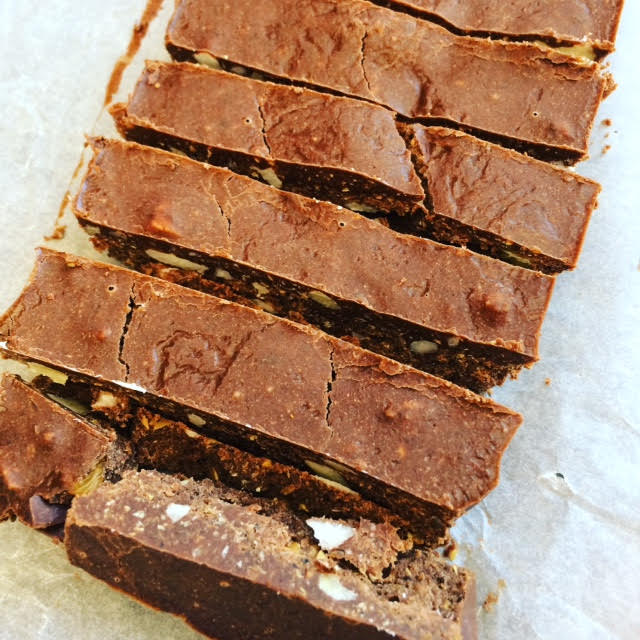
[Recipe #1] Plant-Based Protein Slices

These nutty and chocolate-y slices are exactly what you need if you’re looking for a healthy snack to complement a higher fat/lower carb diet, or if you’re looking for an innocent sweet treat after a meal.

I’m not really one for writing or following recipes: I tend to just throw things together with whatever I have in the cupboards and hope for the best! So when I posted these slices on Instagram I felt a little out of my depth with people asking after the recipe… however, after promising I would share it, here it is:

Ingredients:

  • 3-4 tablespoons of Organic Virgin Coconut Oil
  • 3-4 tablespoons of protein powder. I used That Protein Blissful Brown Rice and Raw Cacao Super Protein. If you didn’t want to use protein powder then just raw Cacao powder would suffice here.
  • 2 tablespoons of Pecan nut pieces.
  • 2 tablespoons of Walnut pieces.
  • 2 tablespoons of Brazil nut pieces (note – use whichever nuts you prefer. Macadamia would also work here).
  • 2 tablespoons of Lidl Alesto Super Seed Mix. This contains milled Golden Linseed, milled hulled Hemp Seeds and milled Chia Seeds.
  • 2 Tablespoons of Holland and Barrett Organic Omega Shake. This contains Pumpkin Seeds, Sunflower Seeds, Brown Linseeds.
  • 1 scoop of Neal’s Yard Remedies Organic Fibre Blend. This powder contains Apple Powder, Psyllium Seed Husk Powder, Inulin Powder, Chia Seed Powder, Hemp Protein Powder, Fructooligosaccharides, Bacillus coagulans for a healthy gut (optional).
  • 1 teaspoon of Agave Syrup and 1 teaspoon of Manuka Honey (these are to sweeten. You can use whatever sweeteners you like and adjust the amounts to taste).

Method:

  1. Line the base of a regular loaf tin.
  2. On a low heat, slowly melt the coconut oil and then remove from heat.
  3. Stir in the remaining ingredients one by one until they represent a pan of delicious melted nutty-chocolate.
  4. Carefully pour into the lined tin and refrigerate overnight.
  5. Once set, slice into portions and enjoy!

Jackie Marsden MAR is a qualified reflexologist, acupuncturist, promoter of healthy living and independent consultant (Group Leader) for Neal’s Yard Remedies Organic. Jackie leads and mentors a growing team of consultants (many of whom are therapists integrating organic products into their existing businesses) via the NYRO social selling channel, holding regular team meetings, one-to-one coaching via phone and facetime, and a closed facebook group. All views are her own.

My Healthy Kitchen

If you’ve been following me on Instagram or Twitter you will have seen me posting some beautifully tasty looking meals and snacks from my own kitchen. Many (not all) of these foods are recipes inspired by Ella Mills (Woodward) from her books and blog “Deliciously Ella”.

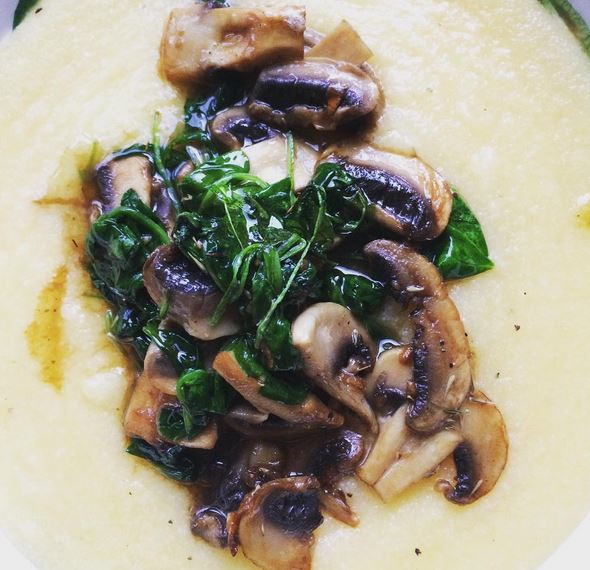
polenta

Ella’s story is pretty amazing. In a nutshell, she has recovered and healed herself from a rare disease affecting the nervous system known as Postural Tachycardia Syndrome which had her bed bound for around 16 hours a day at the young age of 19. After  months of suffering and a myriad of steroids and medication (which also came with their own side effects) Ella decided to do her own research and finally decided to become a gluten-free vegan and heal herself through nutrition. This journey has inspired her to get cooking, discover mew foods and experiment in the kitchen, which is where her blog started.

coconut_slab

Ella’s recipes have been enlightening for me. They have opened up a door in my kitchen to combat my own sugar addiction through making delicious healthy but sweet snacks that actually satiate rather than driving the cravings even further. I’ve also learned new cooking techniques and flavour combinations which form a basis of my knowledge for my own creations and adaptations. A huge revelation also is that cooking in this way is super quick!

bolognaise

What is even more exciting is that Ella has been collaborating with Neal’s Yard Remedies to create her very own facial wash and moisturiser! A fusion of rose, cucumber and lime suitable for all skin types. If you would like a sample please get in touch! I’m also taking pre-orders for the eagerly anticipated launch on 4th August 2016. Why not book a party with me and let me bring the new products to you and your friends?

If you’re interested in what I’ve been cooking recently follow my blog for the forthcoming recipes. In the mean time why not check out Deliciously Ella’s Superfood Brownies made with our Organic Greens Complex and our Organic Virgin Coconut Oil. I’ve made these a few times and they taste amazing.

Jackie Marsden MAR is a qualified reflexologist, promoter of healthy living and independent consultant (Team Leader) for Neal’s Yard Remedies Organic. Jackie leads and mentors a growing team of consultants (many of whom are therapists integrating organic products into their existing businesses) via the NYRO social selling channel, holding regular team meetings, one-to-one coaching via phone and facetime, and a closed facebook group. All views are my own.

Growyourbusiness

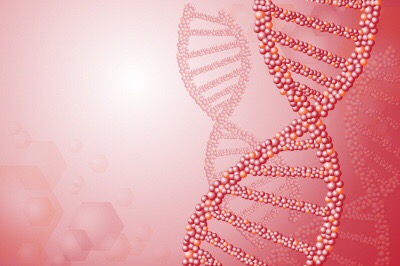
Look after your DNA with good nutrition

Did you know that 99.9% of all our genetic material is identical in humans, which is what identifies us as a species? The 0.1% of our genetic material is different from person to person and  is what makes each person unique (causing differences in things like hair and eye colour, height and nutrition needs). These differences between people are called gene variations or polymorphisms. [1] Some gene variations may cause rare diseases (and are often referred to as mutations), while others are more common (and are just described as polymorphisms). Gene mutations and polymorphisms may interact with other genes and with factors in our environment (including diet, smoking, physical activity etc), to play a role in the development of complex disease such as Type 2 diabetes, asthma, cardiovascular disease. [1]


So it is really important that we do everything we can to look after our DNA. This is particularly important for sperm health, as they are literally a little head of DNA with a tail. So if you are trying to conceive, this is great advice.

There are three main ways to look after our DNA with good nutrition:

Preventing DNA damage. We should do everything we can to try to prevent DNA damage occuring because genetic mutations can lead to serious illnesses including chronic disease and some cancers.

To help prevent DNA damage from occurring ensure your diet is rich in nutrients, such as carotenoids (orange, yellow, and red foods, and dark green leafy vegetables), and foods rich in vitamin E (seeds, nuts, avocado).

DNA synthesis. In order to help our bodies synthesise or make DNA, we need foods rich in nutrients such as folate (vitamin B9) found in dark green leafy vegetables, pulses and legumes. A number of fruits are a great source of folate too, oranges being the highest but also look at grapes, grapefruits, banana and strawberries.

Other nutrients needed for DNA synthesis are vitamin B12, zinc and magnesium. If you’re a vegan then getting B12 into your diet through food alone is going to be a challenge so a supplement of at least 10 micrograms daily is recommended because Vitamin B12 is usually found in animal products. [2]

Superfoods spirulina and chia seeds are rich in magnesium; chia also being rich in zinc, iron, calcium and niacin (see below).

DNA repair is a very important: the body has the ability to repair areas, or mutations, that may have occurred due to DNA damage.  Key supporting nutrients that can assist with DNA repair are vitamin B3, or niacin, (peanuts, sunflower seeds, mushrooms), and folate (vitamin B9).

Chlorella is the fastest growing food on the planet, so eating it dramatically increases our rate of tissue repair and renewal, helping restore the nervous system, boost immunity and potentially helping degenerative disorders.[3]

It’s important to remember that it’s not just about the nutrients in isolation: so just taking a supplement of some of these key nutrients may not provide the same benefits as eating foods rich in these nutrients. There are so many other properties of foods, such as our bioactive molecules, antioxidants and polyphenols, and fibre, which also provide an important synergistic benefit. [1]

My personal recommendation would be to add a general multi mineral and vitamin supplement on top of a well balanced diet in order to ensure you are getting all the nutrients your body needs. Organic foods are best as they will be more nutrient dense, however our soils are so depleted nowadays that we need to supplement in order to ensure we put enough into our bodies through our diet.

I personally use chlorella powder blended with orange juice, avocado, kale and spinach every morning, sprinkled with chia seeds and nuts. I know that I’m nourishing my DNA and it gives me a great start to the day!

[1] Monash University https://www.futurelearn.com/courses/food-as-medicine/1/steps/77475

[2] Vegan Society https://www.vegansociety.com/resources/nutrition-and-health/vitamins-minerals-and-nutrients/vitamin-b12-your-key-facts

[3] Little book of superfoods by Tipper Lewis

Image courtesy of samarttiw at FreeDigitalPhotos.net

Jackie Marsden MAR is a qualified reflexologist, acupuncturist and independent consultant (Group Leader) for Neal’s Yard Remedies Organic. Jackie leads and mentors a growing team of consultants (many of whom are therapists integrating organic products into their existing businesses) via the NYRO social selling channel, holding regular team meetings, one-to-one coaching via phone and facetime, and a closed facebook group. All views are my own.

Growyourbusiness