
Adrenal health is of importance particularly going through perimenopausal years as well as menopause and beyond. So what are our adrenals and what do they do?
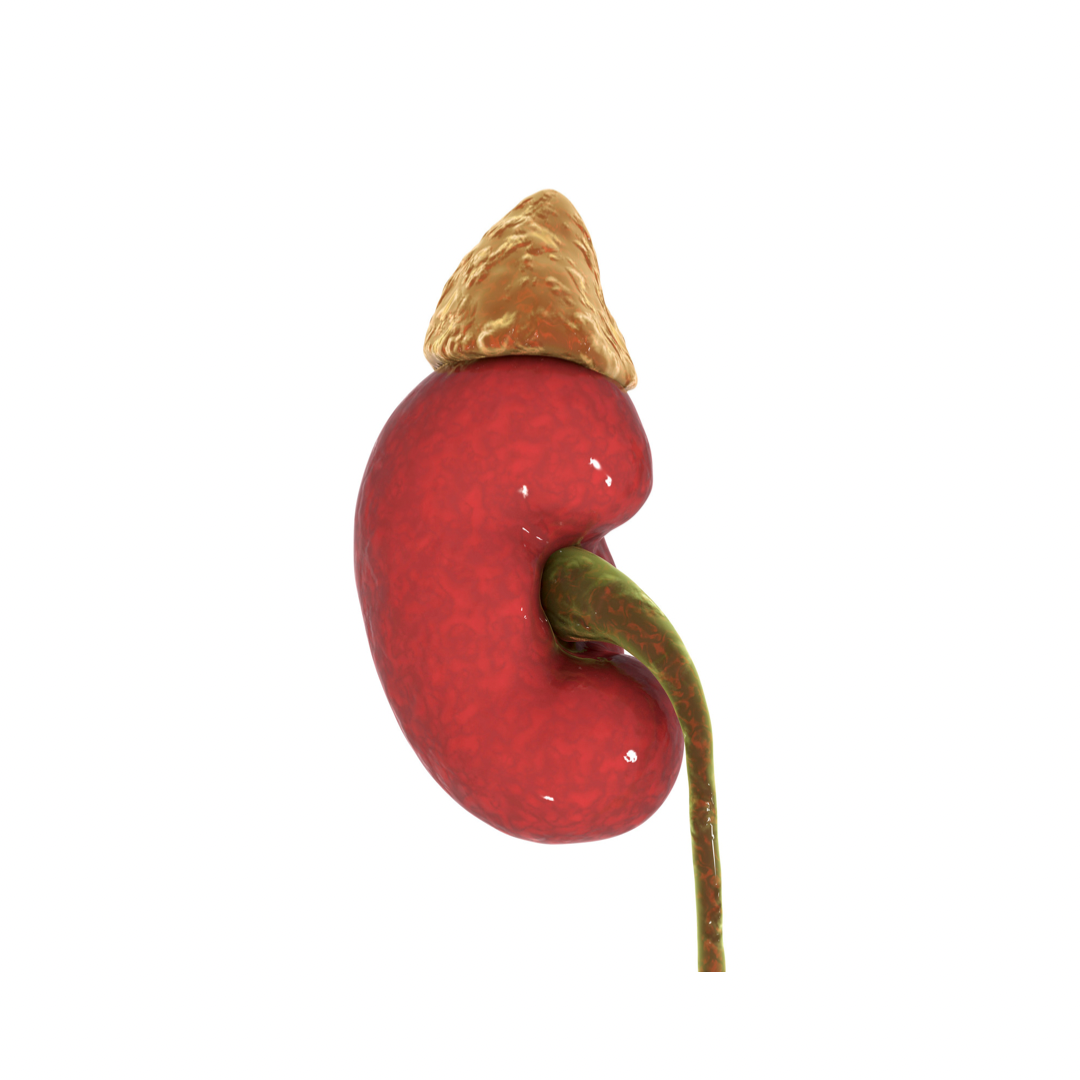
Our adrenals are small glands that sit on top of our kidneys, and are responsible for making and releasing adrenalin and cortisol; hormones produced as part of our stress response, and our sleep/wake cycle.
Imagine you are crossing a road and suddenly seemingly out of nowhere a lorry is approaching at high speed. Immediately your adrenals create a stress response which causes your body to put all of its reserves into your limbs so that you can run fast to safety. Once safely across the road, your body is then flooded with a sense of relief and you will need to rest and recover from the experience. This would be a normal, healthy example of how our adrenals are supposed to work for us.
However, our busy and hectic modern day lives leave us stresed more than ever. Rushing from appointment to appointment, too many things on our to-do list, worries over children, finances, constant attention to our mobile phones, balancing and juggling parenting with careers, all impact our adrenals. As far as our adrenal glands are concerned, this is stress and they will be creating a stress response. A continued stress response, without the physical release or the recovery time.
Clues that your adrenals may need support include:
- Poor sleep;
- Changes in the way you’re able to cope with stress;
- Blood sugar spikes;
- Fatigue;
- Mood swings and low mood;
- Brain fog.
As ovarian hormone production begins to decline during perimenopause, the body increasingly relies on the adrenal glands as an alternative source of hormone precursors. These can be converted into oestrogens in tissues throughout the body, helping to support bone strength, cardiovascular health and healthy nervous system function during and after menopause.
As we’ve already discussed, the adrenal glands play a central role in the body’s stress response, helping us respond to challenges and perceived threats. During perimenopause and menopause, they also take on greater importance as the body adapts to declining ovarian hormone production. However, when the body is under constant stress, resources are naturally directed towards managing that stress response rather than supporting long-term health and repair.
This is why stress management is so important during the menopausal transition. Many of us dismiss stress with phrases such as “I’m just stressed” or “it’s only stress”, yet chronic, ongoing stress can have far-reaching effects on health. It can influence sleep, mood, energy, blood sugar regulation, inflammation and hormonal balance, making it particularly important to recognise and address rather than simply accept.
Ideas to help create balance in your life and to carve out some me-time include:
- Booking in for a regular reflexology session,
- Run yourself a candlelit bath,
- Switch to herbal teas particularly in the afternoon and evenings (liquorice is a great choice),
- Turn your phone off for an hour,
- Go for a walk in nature near trees or open water,
- Add more plants to your living space,
- Declutter,
- Ask for help,
- Look into adaptogens,
- NYRO Women’s Balance
If you are looking for fertility or menopausal support in Lancashire please get in touch.

