When Fertility Tests Are Normal, But Pregnancy Isn’t Happening

One of the most common stories I hear in clinic goes something like this:

“My tests are normal. My partner’s tests are normal. We’ve been told everything looks fine…”

Yet month after month, pregnancy still isn’t happening.

Now don’t get me wrong. Sometimes investigations genuinely don’t reveal an obvious cause. Fertility is complex and there are no guarantees.

But I often find myself wondering whether we’ve asked enough questions.

Because when I sit down with someone and take a detailed history, I rarely hear a story that sounds completely straightforward.

Perhaps they’ve struggled with energy for years.

Perhaps they experience strong sugar cravings, energy crashes, or find themselves relying on caffeine to get through the day.

Perhaps their periods are painful, heavy or contain clots.

Perhaps they’ve had recurrent thrush, BV or urinary tract infections.

Perhaps they’ve gained weight despite eating well and exercising regularly.

Perhaps they’ve been told their thyroid is “normal”, yet still have symptoms that leave them feeling anything but normal.

None of these things automatically explains fertility difficulties.

But they do make me curious.

Because our bodies don’t tend to develop symptoms for no reason.

What if these symptoms aren’t separate problems?

What if they’re clues?

The more I learn, the more interested I become in the connections between fertility and the rest of the body.

Blood sugar regulation.

Hormone balance.

Inflammation.

Nutrient status.

Gut health.

The vaginal and urinary microbiome.

Sleep.

Stress.

These systems don’t exist in isolation, and neither does fertility.

This is why I believe it’s important to look at the whole picture rather than focusing solely on whether a result falls within a reference range.

“Normal” is an important starting point. It’s not always the end of the conversation.

Need support?

If you’re trying to conceive, preparing for IVF, or simply feel there may be pieces of your fertility story that haven’t yet been explored, I’d love to help.

Together we can review your symptoms, health history, lifestyle factors and existing test results to identify areas that may benefit from further investigation and optimisation before taking the next step on your fertility journey. Book in today or contact me for a free discovery call.

Insulin Resistance and Fertility: The Hidden Factor Affecting Conception and IVF Success

In my previous post, I discussed why blood sugar balance matters in natural conception and IVF. But behind many blood sugar issues lies a hidden problem called insulin resistance.

A smiling woman in a fitted tank top holds a plate of fresh vegetables and nuts, looking content while preparing to eat.

Insulin resistance can develop years before diabetes appears and may affect fertility long before blood sugar levels become abnormal. In fact, many people are told their glucose levels are “normal” whilst underlying metabolic dysfunction is already influencing hormone balance, egg quality and reproductive health.

What is insulin resistance?

Insulin is the hormone that helps move glucose from the bloodstream into cells where it can be used for energy. When cells become less responsive to insulin, the body compensates by producing more.

As a result, insulin levels can remain elevated for years whilst standard blood sugar tests still appear normal.

This is important because insulin doesn’t just regulate blood sugar. It also influences hormone signalling, inflammation, ovulation, egg development, implantation and early pregnancy.

How does insulin resistance affect fertility?

High insulin levels can disrupt the delicate balance of reproductive hormones.

Insulin resistance is commonly associated with PMOS (previously known as PCOS), but it can also occur in women who do not have PMOS and who maintain a healthy weight.

Research has linked insulin resistance with:

  • Impaired egg quality
  • Reduced embryo quality
  • Increased inflammation
  • Altered endometrial receptivity
  • Reduced implantation potential
  • Increased risk of early pregnancy loss

Some studies have even shown that insulin resistance may negatively affect embryo quality in women without PMOS undergoing IVF treatment.

The hidden problem

One of the challenges with insulin resistance is that routine screening may not identify it.

A normal fasting glucose or HbA1c does not necessarily mean that insulin function is optimal. These markers alone do not show how hard the pancreas is working to keep them within range. By the time blood sugar levels begin to rise, insulin resistance may have been developing for many years.

This is why assessing metabolic health requires looking beyond glucose alone.

Signs that insulin resistance may be present

Not everyone experiences symptoms, but common signs can include:

  • Difficulty losing weight
  • Increased abdominal fat
  • Sugar cravings
  • Fatigue after meals
  • Energy crashes during the day
  • Feeling faint, shaky or light-headed between meals
  • Skin tags
  • Darkened patches of skin around the neck, underarms or groin
  • PMOS (previously known as PCOS)
  • A family history of Type 2 diabetes

Supporting insulin sensitivity

The good news is that insulin sensitivity can often be improved through targeted lifestyle and nutritional interventions.

Helpful strategies include:

  • Eating regular, balanced meals rather than grazing or snacking throughout the day
  • Prioritising protein at meals
  • Pairing carbohydrates with healthy fats and fibre
  • Eating plenty of colourful vegetables and polyphenol-rich foods
  • Regular movement throughout the day
  • Walking after meals
  • Resistance training
  • Prioritising good-quality sleep
  • Managing stress effectively
  • Correcting nutrient deficiencies where appropriate
  • Acupuncture, which may support metabolic health through its effects on stress regulation, inflammation and insulin sensitivity

Summary

Fertility is not just about reproductive hormones.

Egg quality, embryo development, implantation and healthy pregnancy all depend on good metabolic health. Insulin resistance can be present long before diabetes develops and may not be detected by routine screening.

This is why, in my practice, fertility investigations include a full metabolic work-up, looking beyond reproductive hormones alone to assess the factors that may be influencing fertility and IVF outcomes.

Identifying and addressing metabolic dysfunction before IVF creates an opportunity to optimise health, improve fertility potential and support the best possible treatment outcomes.

Not sure if insulin resistance or blood sugar imbalances could be affecting your fertility?

Many women are told their fertility tests are normal, yet underlying metabolic factors are often overlooked.

Through detailed testing and individualised fertility support, I can help you understand what may be influencing your reproductive health and what steps could help improve your chances of success.

Contact me to find out how I can support your fertility or IVF journey.

References

Huang, W., Chen, Q., Fan, Y., Ma, Y., Zhang, Y., Fang, T. & Wang, Y. (2021).
Association between insulin resistance and embryo quality in lean, non-PCOS women undergoing in vitro fertilization. Frontiers in Endocrinology, 12, 741981.
Full text:View article

Diamanti-Kandarakis, E. & Dunaif, A. (2012). Insulin Resistance and the Polycystic Ovary Syndrome Revisited: An Update on Mechanisms and Implications. Endocrine Reviews, 33(6), 981-1030.
Full text

Lei, R., Chen, S. & Li, W. (2024).
Advances in the study of the correlation between insulin resistance and infertility. Frontiers in Endocrinology, 15, 1288326. It reviews how insulin resistance may affect oocyte development, embryo quality, endometrial receptivity, implantation, assisted reproduction outcomes, miscarriage risk and pregnancy complications. Full text


Keeping Your Fire Burning

A performer breathing fire against a dark sky, with flames shooting from his mouth.

In Traditional Chinese Medicine (TCM), vitality is rooted in the Ming Men, often translated as the Gate of Life. Located in the lower back between the Kidneys, it is considered the source of the body’s warmth, motivation and vitality. The Ming Men draws on both Kidney Yin and Kidney Yang to distribute balanced Qi throughout the body, supporting physical, emotional and reproductive health.

When the Ming Men is strong, Fire arises, and vitality flourishes. This shows up as good energy levels, healthy circulation, strong libido, good fertility, a calm mind, and a regular, robust digestive system. This is because Fire is needed to warm and activate the digestive organs.

When the Ming Men becomes depleted, people often describe feeling that their “spark” has gone out. They may experience fatigue, poor digestion, coldness, low libido, fertility challenges, lower back weakness or an overall sense of running on empty. Emotionally, it can show up as reduced resilience, anxiety or a loss of motivation.

Night sweats and hot flushes are signs that Ming Men Fire is fluctuating, flaring up and then dropping down rather than maintaining a stable, balanced heat.

Ming Men Fire drives Blood circulation, supports the Heart, and in TCM the Heart houses the Mind (Shen). This means the Ming Men provides not only physical vitality but also mental and emotional vitality. And because mental and emotional resilience are deeply connected to physical health, supporting the Ming Men offers a truly holistic approach to wellbeing.

How to support your Ming Men?

  • Breathwork, focusing on gently drawing the navel toward the spine
  • Acupressure or massage to the lower back
  • Keeping the lower back warm to nourish and protect the Ming Men
  • And of course, regular acupuncture sessions

Could Your Fire Need Rekindling?

If you’re struggling with fatigue, low mood, digestive problems, fertility challenges, low libido or simply a sense that your energy isn’t what it used to be, acupuncture may help restore balance and vitality.

I offer acupuncture from Elder Cottage Clinic in Warton, supporting patients with fertility, women’s health and general wellbeing.

To find out whether acupuncture could help you, please get in touch to arrange a consultation.

Why am I not getting pregnant?

A man comforts a distressed woman sitting on a couch, emphasizing emotional support and empathy.

It is quite common to think that it is easy to get pregnant. At school we were scared into believing that it is really easy to get pregnant and there was a huge push to educate on contraception. But statistically it takes time to fall pregnant.

For women up to and including the age of 25, 60% will be pregnant at 6 months of trying; 85% at a year. And of 100 couples trying to conceive, 40 will not be pregnant after 5 months, and 15 will not have conceived after a year of trying.

For women of 35 or over the statistics lengthen: 60% will be pregnant at a year, and 85% at 2 years. Age being the factor to reduce the chances of conception.

Men account for almost 40% of the reasons behind fertility treatment.

When that positive pregnancy test doesn’t come quickly, anxiety and worry can quickly set in, and this level of stress only adds to the problem. And this then often leads to a quick jump into IVF without properly giving the issue enough time and attention it needs to potentially happen naturally.

What can I do?

Get to know your cycles

Understanding your menstrual cycle is key to timing intercourse properly and knowing the signs of ovulation and a healthy follicular and luteal phase, as well as a healthy bleed. Don’t rely on apps to tell you when you are ovulating and when you should be next on your period; look for that egg white mucus and make a note of which day of your cycle this is observed. Take your basal body temperature first thing every morning with a properly calibrated thermometer and mark this on a chart. Look at your mentrual blood and observe its colour, texture, and notice any prementrual pains and tension you feel, and whether this carries on into your period. Doing this for a few months can built up a good picture of your menstrual health and allows you to time intercourse accordingly (every other day between the end of your bleed and ovulation).

What do you class as normal?

By this I mean, what are the things that you regularly put up with that really you shouldn’t have to. Such as extreme pain, running to the toilet after eating certain foods, avoiding particular foods/products because they irritate your tummy or skin, heart burn, fatigue, heavy periods, painful periods, acne, hot flushes, IBS, constipation, diarrhoea, headaches. Symptoms you put up with could be indicators of imbalances that need to be smoothed out in order to create a baby-friendly body.

Dig a little deeper

Get tested properly. A basic Day 2 hormone panel from the GP is a good starting point, but even that can be difficult to get. Progesterone needs to be tested separately 7 days after you have ovulated (another good reason to get to know your cycle). A full thyroid panel is also useful, as is Vitamin D and iron levels. Consider using Medichecks or another company to get these panels done privately if necessary.

Look at him

As previously mentioned, 40% of all fertility treatment is because of male factor. It is so easy to improve sperm quality quickly by improving diet, nutritional choices, reducing alcohol and smoking, and keeping those testicles cool and free. Reduce the use of hot baths, saunas, hot tubs. Reduce sitting around in tight clothing. Look at hobbies which can increase the heat to this area: cycling, gaming etc. Use a good quality men’s fertility health supplement like Ovum. Keep mobile phones out of front trouser pockets.

Looking for Answers?

If you’ve been trying to conceive and are wondering why it’s not happening, it’s easy to feel frustrated, confused or overwhelmed. The reality is that fertility is influenced by many factors, including hormones, ovulation, metabolic health, inflammation, nutrition, stress and sperm quality.

I offer a personalised approach that looks beyond the basics, combining comprehensive testing, acupuncture and tailored support to help identify potential barriers to conception and create a plan that is right for you.

If you’re ready to investigate what may be holding you back, get in touch to arrange a fertility consultation.

Trying to Conceive? Why Natural Skincare Matters More Than You Think

Hands forming a heart shape over a bare stomach.

When you are trying to conceive, it is natural to focus on diet, supplements and lifestyle. You might start tracking your cycle, supporting your hormones, or eating more nourishing, fertility-friendly foods. But one area that is often overlooked is the everyday products we apply to our skin, hair and body.

We are usually careful about what we eat, but do we pay the same attention to what we put on our skin? The skin is permeable and many ingredients in personal care products are absorbed into the bloodstream. This becomes particularly relevant in the preconception phase, when you are working to create the healthiest possible internal environment for pregnancy.

The Problem with Petrochemicals

A large number of mainstream skincare, body care and cosmetic products are based on petrochemicals. These are substances derived from petroleum and crude oil. They may be used to preserve products, make them feel silky, create foam or fragrance, or simply to bulk them out because they are cheap and widely available.

Petrochemicals can burden the liver and disrupt the endocrine system. Some are known or suspected endocrine-disrupting chemicals, which means they can interfere with your hormones. This is especially important during the delicate process of trying to conceive, when hormonal balance is essential for ovulation, implantation and embryo development.

Petrochemical-Derived Ingredients to Avoid

Here are some common ingredients that may appear in your skincare products, all of which are derived from petrochemicals and can impact fertility:

  • Paraffinum liquidum (mineral oil) Often used in moisturisers, this is a by-product of petroleum refining. It forms a film on the skin that may block pores and inhibit natural detoxification.
  • Propylene glycol Common in creams and serums to help retain moisture, but it can irritate the skin and increase the penetration of other chemicals.
  • Parabens (methylparaben, propylparaben, butylparaben) Used as preservatives, they mimic oestrogen in the body and are linked to hormonal disruption.
  • Phthalates Often hidden under the word “fragrance” or “parfum,” these are plasticisers that can disrupt reproductive hormones and have been associated with reduced fertility.
  • Sodium lauryl sulphate (SLS) and sodium laureth sulphate (SLES) These are foaming agents that can irritate the skin and are often contaminated with by-products of the petrochemical industry.
  • Synthetic fragrance or parfum A single artificial fragrance can contain dozens of undisclosed chemicals, many of which are derived from crude oil and may disrupt hormones or sensitise the skin.

The Preconception Window is Precious

In the months leading up to conception, your body is preparing in subtle but powerful ways. Detoxification, hormonal signalling, egg and sperm quality, and the uterine environment are all influenced by your internal balance. Reducing your toxic load by avoiding petrochemicals is a simple but significant step that supports these natural processes.

Nourish Yourself Naturally

Choosing natural personal care products is an act of self-love. Look for certified organic or naturally formulated options that are free from petroleum-derived ingredients, artificial fragrance and synthetic preservatives.

Brands such as Neal’s Yard Remedies focus on high-quality botanical ingredients that support rather than suppress your body’s natural rhythms. Begin with the products you use most often, such as body lotion, deodorant and facial care. These small shifts create long-term benefits, not only for fertility but for overall well-being.

Conclusion

Trying to conceive is a time to simplify, nourish and connect more deeply with yourself. By making thoughtful changes to the products you use every day, you support your body in doing what it was made to do. Natural personal care is not about being perfect. It is about creating space for your hormones to settle, your liver to work freely, and your skin to breathe.

You deserve to feel safe, supported and ready. Let nature take care of you, so you can take care of what matters most.

What is the difference between regular acupuncture and fertility acupuncture?

Fertility acupuncture is very similar to regular acupuncture in that it will still try to address common issues such as pain, digestive issues, headaches, hormonal imbalances etc. as part of the wider picture of a fertility patient. However it focuses a lot on reproductive health and treating the meridians that target this area of health. Common points are found on the wrists, ankles, feet, lower legs, abdomen and lower back.

Fertility acupuncture aims for the optimal internal environment for each particular patient. This means that it’s not a generic set of acupuncture points for everyone; each patient is treated as an individual. There is no one size fits all in any aspect of health.

Happy pregnant woman preparing for her baby.

Fertility acupuncture tends to prioritise regulating the menstrual cycle, increasing blood flow to the ovaries and uterus, and regulating sperm health for the men. Stress management and building resilience to stress is also key when trying to conceive. This is something that is always prioritised in clinic.

When coming for fertility acupuncture it’s advisable to plan to come weekly for 3 months as this is the length of time it takes for an egg to be recruited, matured and finally ovulated. What we do now has an effect on those eggs ovulating (or collected via IVF) three months down the line.

During those 3 months we treat through the menstrual cycle, meaning that when you’re bleeding the focus is on good blood flow and emotional support as a period means no pregnancy. During the follicular phase the focus is on follicular development so good blood flow to the ovaries and uterine lining.

Fertility acupuncture works with each phase of assisted reproductive techniques such as IVF/ICSI to really enhance your response to the treatment you’re having, and manage the side effects of the medication.

When you work with a fertility acupuncturist, you gain insights and education from someone who has a regular practice in this area of health; someone who understands the process and what is involved. It’s not just needles; it’s fully rounded support.

If you would like to discuss your situation with me or would like to book in with the clinic in Warton, near Preston, Lancashire, please get in touch. Please read some of the success stories from the clinic here.

Why does IVF fail the first time?

Often the first round of IVF is used as a diagnostic. This means that the clinic will use a first round to assess where particular issues might be.

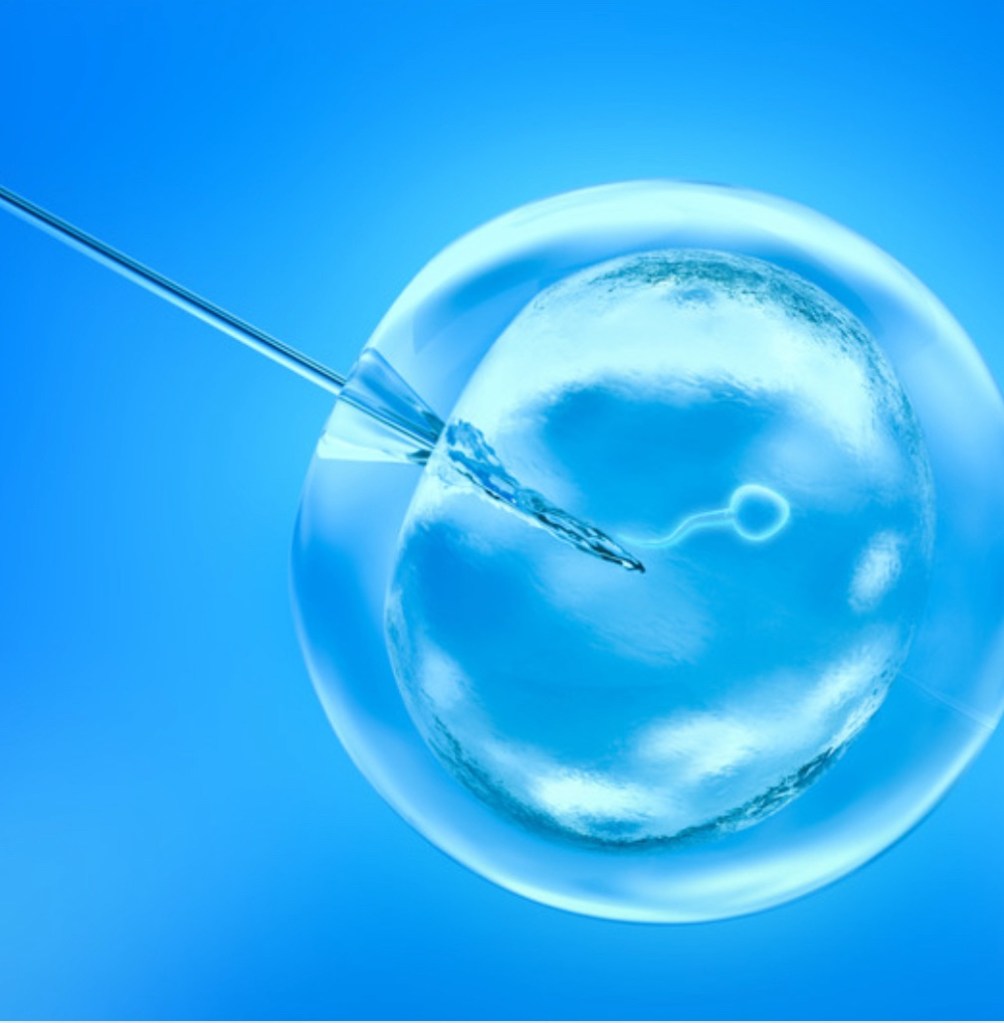
Human sperm being injected into an egg via ICSI.

For example, if the embryos are failing at day 3 then this can tell us that there is a problem with the health of the sperm.

Another example would be if the embryos are graded well but there is still no pregnancy then this could potentially mean there is an issue with the uterus, lining or progesterone receptivity.

Depending on where the procedure failed can give clues as to what is creating the unexplained infertility picture.

Unfortunately this first round is not something that should be taken lightly. Often it is a huge financial investment, not to mention the physical demands on the body, as well as the mental and emotional strain the process has on a couple.

When I work with clients I try to allow us at least 12 weeks to prepare for the next round of IVF. I take a very well-rounded consultation and full health intake to make sure we can drill down to where potential problems are sitting, and then increase the chances of a successful outcome.

Unfortunately I have seen scenarios where, had the couple not come for acupuncture, could have been a very different outcome. For example a couple who had all embryos fail at day 3 were told they needed donor eggs. No mention of improving the health of the sperm, which can be so easy to do with lifestyle and nutritional changes. Luckily this couple worked with me for 3 months and had a successful second cycle with their own eggs, and are now proud parents of a baby boy.

I’ve also seen clinics attempt a second cycle without really looking at the first one in detail. For example one client approached me after a failed fresh cycle. It was clear that there were microbiome issues and also a potential progesterone receptivity issue that we pushed to be checked during the second cycle, and the transfer was consequently halted due to low progesterone. Once we had this confirmed, a third cycle was successful after careful adjustment and monitoring of progesterone medication.

My training and continued learning and development gives me the tools to ask the right questions and see the infertility picture through a different lens. With access to the understanding of Chinese Medicine we can often see where problems lie early on.

If you are trying to conceive and need help, support or advice please get in touch.

How can I increase my chances of IVF success?

IVF is a process which shouldn’t be taken lightly. It is hard on couples from all angles; emotionally, mentally and physically.

IVF eggs under microscope.

The drugs used are heavy duty; creating all sorts of side effects and mood swings. The process involves physical incisions through the vaginal wall and on the ovaries – multiple cuts in fact – depending on how many follicles you have. A lot of energy is required for your body to heal. You will also be sedated and this can take time to recover from.

Then there is the agonizing wait to see if any eggs fertilized, and how well they develop to day 5 where you will then have another procedure to transfer the embryo into your womb. And the 2 week wait begins, alongside more drugs.

It is an emotional roller coaster and exhausting; taxing mentally and physically with trips in and out of the clinic for tests and scans.

For such a consuming process, wouldn’t you want to prepare the best that you can to maximise your chances of success? Its not something you should walk into without first fully investigating what the problems are with your inability to conceive naturally, and to really prepare your body and the environment within which your eggs are recruited and collected, and then transferred back for implantation and ongoing pregnancy.

Preparation is key when it comes to IVF success. Don’t allow a fertility clinic to use your first round as a diagnostic; that’s way too expensive both financially and for your health and overall wellbeing.

Find someone to help you through the process and work with a specialist who can take a deep dive into your lifestyle and nutrition, and offer you acupuncture as part of your preparation program.

Contact me for an initial chat and start your preconception journey with me today.

How can I increase my chances of getting pregnant?

If you are reading this then chances are you are trying to conceive, and perhaps you have been trying for a while now and each month is a roller coasting of emotions ranging from the highs of hopeful to the lows of that one line showing on the stick.

Woman crying, holding a negative pregnancy test.

One of the best things you can do is to take yourself off this roller coaster for at least 3-6 months. Stop “trying” and start focusing on collecting data, improving your lifestyle and nutritional choices.

Start tracking your cycle using a very basic thermometer to take your basal body temperature, and a paper chart. Mark down where your temperature is each morning before you get out of bed, and on which day of your cycle. Take note of your menstrual blood, spotting, discharge. Collecting this data for around 3 cycles can start to present patterns and markers that might indicate what is happening within your body and your cycle. Bring this with you if you decide to book in for acupuncture.

Get your bloods checked including a full hormone and thyroid panel. Get copies of these results and again bring them with you if you decide to come into clinic for acupuncture.

Really take a deep dive into your lifestyle; write down when you go to sleep, when you wake up, what you eat for each meal, whether you often get aches and pains. What exercise do you take, and what about your partner/husband? How much water do you both drink? Are you both eating a lot of processed foods? Do you use a lot of plastic?

Don’t go on this journey alone. Find a qualified practitioner to help you along the way. My fertility clients come in for weekly acupuncture where we look at everything in your life in detail and work out a plan of action to prepare you as a couple for conception, whether that is natural or IVF.

My clinic is based on the Fylde PR4. Contact me for a chat.

Understanding AMH

AMH blood test.

If you are trying to conceive and gone down the “infertility road” a little way, then you may well have had your AMH levels checked. Many will call this your “ovarian reserve”, but as we explore further, it really isn’t that simple.

AMH stands for Anti-Mullerian Hormone. This hormone is produced by the granulosa cells, which are specific cells within a developing follicle.

Follicles take around 100 days to develop, and this must happen at a nice slow pace in order to reach ovulation. AMH is produced to prevent these delicate “pre-antral” follicles from being stimulated by Follicle Stimulating Hormone (FSH) too early. [Pre-antral means they they have left the “storage cupboard” but are now at the stage before they reach the final menstrual month where they will be competing for ovulation.]

The larger the follicles get, the more AMH they produce, until they are ready to be stimulated by FSH within the menstrual month.

Therefore, AMH levels can be used as an indicator of the number of antral or developing follicles you might have. However, this is not as simple as it sounds. It is not an indicator of dormant eggs you still have in “storage” i.e. total ovarian reserve.

In theory, if your AMH is low, this could mean that you don’t have many antral follicles coming up along the “production line”, and thus not producing as much AMH, but those that you do have could be a good size and of good quality. In contrast, you might have lots of antral follicles but not of a good size and not developing particularly well, and thus not producing much AMH.

So really, AMH is not a good indicator for determining your complete ovarian reserve. What it is useful for is for IVF clinics to gauge an idea of how many follicles they might be able to work with during an IVF cycle. But without considering other factors, a fully rounded picture cannot be seen.

Other factors to consider

Age is the main factor when looking at fertility. There will be a slow and natural decrease in AMH as we get older.

If you are a younger woman with low AMH for your age group, there are other factors to consider including vitamin and mineral deficiencies, blood flow to the pelvis, inflammation and autoimmune responses, contraceptive drugs, smoking/vaping, sleep quality, stress, infections. All of these factors can have a significant impact on the ovarian environment, and with improvements in place, AMH can rise.

My advice would be not to get fixated on AMH levels, and certainly do not look at them in isolation. Take a good look at both your own and your partner’s overall health and lifestyle, get support from an holistic practitioner. Take time to make improvements to your diet and lifestyle (remember the 100 days) to do everything in your power to improve that internal environment within which eggs are recruited and developed, within which sperm are created, and the uterine terrain in which they come together to create new life.

Other useful information

Listen to this episode of Hannah Pearn’s podcast, talking about Low AMH and what it really means for your fertility

This is a great E-book if you want to know the answers to all the burning questions you have about low AMH: https://www.explaininginfertility.com/courses/LowAMH-ebook

This was a large study which measured AMH levels in a group of 1015 women who had no known fertility issues and who all had a proven level of fertility (conceived a child within 12 months of trying and carried to full term). Almost without exception, this presented those with low AMH were more likely to conceive. Thus, this research shows that it is possible to be naturally fertile with low AMH. https://pubmed.ncbi.nlm.nih.gov/24716733/