Insulin Resistance and Fertility: The Hidden Factor Affecting Conception and IVF Success

In my previous post, I discussed why blood sugar balance matters in natural conception and IVF. But behind many blood sugar issues lies a hidden problem called insulin resistance.
A smiling woman in a fitted tank top holds a plate of fresh vegetables and nuts, looking content while preparing to eat.

Insulin resistance can develop years before diabetes appears and may affect fertility long before blood sugar levels become abnormal. In fact, many people are told their glucose levels are “normal” whilst underlying metabolic dysfunction is already influencing hormone balance, egg quality and reproductive health.

What is insulin resistance?

Insulin is the hormone that helps move glucose from the bloodstream into cells where it can be used for energy. When cells become less responsive to insulin, the body compensates by producing more.

As a result, insulin levels can remain elevated for years whilst standard blood sugar tests still appear normal.

This is important because insulin doesn’t just regulate blood sugar. It also influences hormone signalling, inflammation, ovulation, egg development, implantation and early pregnancy.

How does insulin resistance affect fertility?

High insulin levels can disrupt the delicate balance of reproductive hormones.

Insulin resistance is commonly associated with PMOS (previously known as PCOS), but it can also occur in women who do not have PMOS and who maintain a healthy weight.

Research has linked insulin resistance with:

  • Impaired egg quality
  • Reduced embryo quality
  • Increased inflammation
  • Altered endometrial receptivity
  • Reduced implantation potential
  • Increased risk of early pregnancy loss

Some studies have even shown that insulin resistance may negatively affect embryo quality in women without PMOS undergoing IVF treatment.

The hidden problem

One of the challenges with insulin resistance is that routine screening may not identify it.

A normal fasting glucose or HbA1c does not necessarily mean that insulin function is optimal. These markers alone do not show how hard the pancreas is working to keep them within range. By the time blood sugar levels begin to rise, insulin resistance may have been developing for many years.

This is why assessing metabolic health requires looking beyond glucose alone.

Signs that insulin resistance may be present

Not everyone experiences symptoms, but common signs can include:

  • Difficulty losing weight
  • Increased abdominal fat
  • Sugar cravings
  • Fatigue after meals
  • Energy crashes during the day
  • Feeling faint, shaky or light-headed between meals
  • Skin tags
  • Darkened patches of skin around the neck, underarms or groin
  • PMOS (previously known as PCOS)
  • A family history of Type 2 diabetes

Supporting insulin sensitivity

The good news is that insulin sensitivity can often be improved through targeted lifestyle and nutritional interventions.

Helpful strategies include:

  • Eating regular, balanced meals rather than grazing or snacking throughout the day
  • Prioritising protein at meals
  • Pairing carbohydrates with healthy fats and fibre
  • Eating plenty of colourful vegetables and polyphenol-rich foods
  • Regular movement throughout the day
  • Walking after meals
  • Resistance training
  • Prioritising good-quality sleep
  • Managing stress effectively
  • Correcting nutrient deficiencies where appropriate
  • Acupuncture, which may support metabolic health through its effects on stress regulation, inflammation and insulin sensitivity

Summary

Fertility is not just about reproductive hormones.

Egg quality, embryo development, implantation and healthy pregnancy all depend on good metabolic health. Insulin resistance can be present long before diabetes develops and may not be detected by routine screening.

This is why, in my practice, fertility investigations include a full metabolic work-up, looking beyond reproductive hormones alone to assess the factors that may be influencing fertility and IVF outcomes.

Identifying and addressing metabolic dysfunction before IVF creates an opportunity to optimise health, improve fertility potential and support the best possible treatment outcomes.

Not sure if insulin resistance or blood sugar imbalances could be affecting your fertility?

Many women are told their fertility tests are normal, yet underlying metabolic factors are often overlooked.

Through detailed testing and individualised fertility support, I can help you understand what may be influencing your reproductive health and what steps could help improve your chances of success.

Contact me to find out how I can support your fertility or IVF journey.

References

Huang, W., Chen, Q., Fan, Y., Ma, Y., Zhang, Y., Fang, T. & Wang, Y. (2021).
Association between insulin resistance and embryo quality in lean, non-PCOS women undergoing in vitro fertilization. Frontiers in Endocrinology, 12, 741981.
Full text:View article

Diamanti-Kandarakis, E. & Dunaif, A. (2012). Insulin Resistance and the Polycystic Ovary Syndrome Revisited: An Update on Mechanisms and Implications. Endocrine Reviews, 33(6), 981-1030.
Full text

Lei, R., Chen, S. & Li, W. (2024).
Advances in the study of the correlation between insulin resistance and infertility. Frontiers in Endocrinology, 15, 1288326. It reviews how insulin resistance may affect oocyte development, embryo quality, endometrial receptivity, implantation, assisted reproduction outcomes, miscarriage risk and pregnancy complications. Full text


Keeping Your Fire Burning

A performer breathing fire against a dark sky, with flames shooting from his mouth.

In Traditional Chinese Medicine (TCM), vitality is rooted in the Ming Men, often translated as the Gate of Life. Located in the lower back between the Kidneys, it is considered the source of the body’s warmth, motivation and vitality. The Ming Men draws on both Kidney Yin and Kidney Yang to distribute balanced Qi throughout the body, supporting physical, emotional and reproductive health.

When the Ming Men is strong, Fire arises, and vitality flourishes. This shows up as good energy levels, healthy circulation, strong libido, good fertility, a calm mind, and a regular, robust digestive system. This is because Fire is needed to warm and activate the digestive organs.

When the Ming Men becomes depleted, people often describe feeling that their “spark” has gone out. They may experience fatigue, poor digestion, coldness, low libido, fertility challenges, lower back weakness or an overall sense of running on empty. Emotionally, it can show up as reduced resilience, anxiety or a loss of motivation.

Night sweats and hot flushes are signs that Ming Men Fire is fluctuating, flaring up and then dropping down rather than maintaining a stable, balanced heat.

Ming Men Fire drives Blood circulation, supports the Heart, and in TCM the Heart houses the Mind (Shen). This means the Ming Men provides not only physical vitality but also mental and emotional vitality. And because mental and emotional resilience are deeply connected to physical health, supporting the Ming Men offers a truly holistic approach to wellbeing.

How to support your Ming Men?

  • Breathwork, focusing on gently drawing the navel toward the spine
  • Acupressure or massage to the lower back
  • Keeping the lower back warm to nourish and protect the Ming Men
  • And of course, regular acupuncture sessions

Could Your Fire Need Rekindling?

If you’re struggling with fatigue, low mood, digestive problems, fertility challenges, low libido or simply a sense that your energy isn’t what it used to be, acupuncture may help restore balance and vitality.

I offer acupuncture from Elder Cottage Clinic in Warton, supporting patients with fertility, women’s health and general wellbeing.

To find out whether acupuncture could help you, please get in touch to arrange a consultation.

Why am I not getting pregnant?

A man comforts a distressed woman sitting on a couch, emphasizing emotional support and empathy.

It is quite common to think that it is easy to get pregnant. At school we were scared into believing that it is really easy to get pregnant and there was a huge push to educate on contraception. But statistically it takes time to fall pregnant.

For women up to and including the age of 25, 60% will be pregnant at 6 months of trying; 85% at a year. And of 100 couples trying to conceive, 40 will not be pregnant after 5 months, and 15 will not have conceived after a year of trying.

For women of 35 or over the statistics lengthen: 60% will be pregnant at a year, and 85% at 2 years. Age being the factor to reduce the chances of conception.

Men account for almost 40% of the reasons behind fertility treatment.

When that positive pregnancy test doesn’t come quickly, anxiety and worry can quickly set in, and this level of stress only adds to the problem. And this then often leads to a quick jump into IVF without properly giving the issue enough time and attention it needs to potentially happen naturally.

What can I do?

Get to know your cycles

Understanding your menstrual cycle is key to timing intercourse properly and knowing the signs of ovulation and a healthy follicular and luteal phase, as well as a healthy bleed. Don’t rely on apps to tell you when you are ovulating and when you should be next on your period; look for that egg white mucus and make a note of which day of your cycle this is observed. Take your basal body temperature first thing every morning with a properly calibrated thermometer and mark this on a chart. Look at your mentrual blood and observe its colour, texture, and notice any prementrual pains and tension you feel, and whether this carries on into your period. Doing this for a few months can built up a good picture of your menstrual health and allows you to time intercourse accordingly (every other day between the end of your bleed and ovulation).

What do you class as normal?

By this I mean, what are the things that you regularly put up with that really you shouldn’t have to. Such as extreme pain, running to the toilet after eating certain foods, avoiding particular foods/products because they irritate your tummy or skin, heart burn, fatigue, heavy periods, painful periods, acne, hot flushes, IBS, constipation, diarrhoea, headaches. Symptoms you put up with could be indicators of imbalances that need to be smoothed out in order to create a baby-friendly body.

Dig a little deeper

Get tested properly. A basic Day 2 hormone panel from the GP is a good starting point, but even that can be difficult to get. Progesterone needs to be tested separately 7 days after you have ovulated (another good reason to get to know your cycle). A full thyroid panel is also useful, as is Vitamin D and iron levels. Consider using Medichecks or another company to get these panels done privately if necessary.

Look at him

As previously mentioned, 40% of all fertility treatment is because of male factor. It is so easy to improve sperm quality quickly by improving diet, nutritional choices, reducing alcohol and smoking, and keeping those testicles cool and free. Reduce the use of hot baths, saunas, hot tubs. Reduce sitting around in tight clothing. Look at hobbies which can increase the heat to this area: cycling, gaming etc. Use a good quality men’s fertility health supplement like Ovum. Keep mobile phones out of front trouser pockets.

Looking for Answers?

If you’ve been trying to conceive and are wondering why it’s not happening, it’s easy to feel frustrated, confused or overwhelmed. The reality is that fertility is influenced by many factors, including hormones, ovulation, metabolic health, inflammation, nutrition, stress and sperm quality.

I offer a personalised approach that looks beyond the basics, combining comprehensive testing, acupuncture and tailored support to help identify potential barriers to conception and create a plan that is right for you.

If you’re ready to investigate what may be holding you back, get in touch to arrange a fertility consultation.

Why Blood Sugar Balance Matters for Fertility and IVF

When we think about trying to conceive, or preparing for IVF, diet and lifestyle often come up, but one area that’s sometimes overlooked is blood sugar balance. Keeping blood sugar steady isn’t just important for long-term health, it can directly affect fertility and IVF outcomes.

Egg quality and hormone balance

Every time we eat, our body responds with insulin to help move glucose into our cells. If blood sugar rises and falls sharply, insulin can spike too. High insulin levels disturb the delicate balance of reproductive hormones, which can affect how eggs mature and respond during IVF stimulation.

The challenge is that blood sugar imbalances do not always cause obvious symptoms

For some women, this may show up as symptoms such as irregular or absent menstrual cycles, difficulty predicting ovulation, stubborn weight gain around the middle, sugar cravings, fatigue after meals, brain fog, or feeling shaky, light-headed or irritable if meals are delayed. Others may notice increased facial or body hair, acne, or difficulty losing weight despite eating well. These can all be clues that blood sugar regulation and insulin signalling are not working as efficiently as they should, even when routine fertility tests appear normal.

The uterine environment

Blood sugar swings also create inflammation, and this can influence how receptive the uterine lining is. A stable environment helps with healthy blood flow and hormone signalling: two essentials for implantation.

Embryo development and pregnancy

Embryos in their earliest stages are very sensitive. Research shows that unstable blood sugar and insulin resistance can reduce embryo quality and even increase the risk of early miscarriage. On the other hand, keeping blood sugar balanced supports embryo growth and helps sustain pregnancy.

Sliced avocado and soft-boiled eggs on whole grain toast, topped with pine nuts and black pepper.

Simple ways to support balance

Pair protein and healthy fats with carbohydrates to slow down sugar release.

Avoid eating naked carbs.

Favour whole foods over refined carbs and sugary snacks.

Ensure you are eating the rainbow. Lots of colourful vegetables and some fruit adds metabolic corrective polyphenols.

Eat at regular intervals instead of skipping meals or grazing throughout the day.

Gentle exercise like walking after a meal also improves insulin sensitivity.

The good news

Balanced blood sugar supports steady hormones, healthy eggs, a receptive uterine lining, and developing embryos. For anyone trying to conceive or preparing for IVF, it’s one of the simplest but most powerful foundations to put in place.

Could Blood Sugar Imbalances Be Affecting Your Fertility?

Many women are told that their fertility tests are normal, yet underlying issues with blood sugar regulation and insulin resistance can still be affecting ovulation, egg quality, implantation and IVF outcomes.

I offer comprehensive fertility support, including advanced hormone and metabolic testing, acupuncture and personalised guidance to help identify factors that may be standing in the way of conception.

If you’d like to better understand your fertility picture and explore whether blood sugar balance could be playing a role, get in touch to book a consultation.

References

Li, Y., Li, R., Qiao, J., Zhang, Q. & Xu, Y. (2013). Effect of insulin resistance on the outcome of in vitro maturation treatment in women with polycystic ovary syndrome. Reproductive Biology and Endocrinology, 11(1), 31. doi:10.1186/1477-7827-11-31. Available at: PubMed

Huang, W., Chen, Q., Fan, Y., Ma, Y., Zhang, Y., Fang, T., & Wang, Y. (2021). Association between insulin resistance and embryo quality in lean, non-PCOS women undergoing in vitro fertilization. Frontiers in Endocrinology, 12, 741981. doi:10.3389/fendo.2021.741981. Available at: PMC

Trying to Conceive? Why Natural Skincare Matters More Than You Think

Hands forming a heart shape over a bare stomach.

When you are trying to conceive, it is natural to focus on diet, supplements and lifestyle. You might start tracking your cycle, supporting your hormones, or eating more nourishing, fertility-friendly foods. But one area that is often overlooked is the everyday products we apply to our skin, hair and body.

We are usually careful about what we eat, but do we pay the same attention to what we put on our skin? The skin is permeable and many ingredients in personal care products are absorbed into the bloodstream. This becomes particularly relevant in the preconception phase, when you are working to create the healthiest possible internal environment for pregnancy.

The Problem with Petrochemicals

A large number of mainstream skincare, body care and cosmetic products are based on petrochemicals. These are substances derived from petroleum and crude oil. They may be used to preserve products, make them feel silky, create foam or fragrance, or simply to bulk them out because they are cheap and widely available.

Petrochemicals can burden the liver and disrupt the endocrine system. Some are known or suspected endocrine-disrupting chemicals, which means they can interfere with your hormones. This is especially important during the delicate process of trying to conceive, when hormonal balance is essential for ovulation, implantation and embryo development.

Petrochemical-Derived Ingredients to Avoid

Here are some common ingredients that may appear in your skincare products, all of which are derived from petrochemicals and can impact fertility:

  • Paraffinum liquidum (mineral oil) Often used in moisturisers, this is a by-product of petroleum refining. It forms a film on the skin that may block pores and inhibit natural detoxification.
  • Propylene glycol Common in creams and serums to help retain moisture, but it can irritate the skin and increase the penetration of other chemicals.
  • Parabens (methylparaben, propylparaben, butylparaben) Used as preservatives, they mimic oestrogen in the body and are linked to hormonal disruption.
  • Phthalates Often hidden under the word “fragrance” or “parfum,” these are plasticisers that can disrupt reproductive hormones and have been associated with reduced fertility.
  • Sodium lauryl sulphate (SLS) and sodium laureth sulphate (SLES) These are foaming agents that can irritate the skin and are often contaminated with by-products of the petrochemical industry.
  • Synthetic fragrance or parfum A single artificial fragrance can contain dozens of undisclosed chemicals, many of which are derived from crude oil and may disrupt hormones or sensitise the skin.

The Preconception Window is Precious

In the months leading up to conception, your body is preparing in subtle but powerful ways. Detoxification, hormonal signalling, egg and sperm quality, and the uterine environment are all influenced by your internal balance. Reducing your toxic load by avoiding petrochemicals is a simple but significant step that supports these natural processes.

Nourish Yourself Naturally

Choosing natural personal care products is an act of self-love. Look for certified organic or naturally formulated options that are free from petroleum-derived ingredients, artificial fragrance and synthetic preservatives.

Brands such as Neal’s Yard Remedies focus on high-quality botanical ingredients that support rather than suppress your body’s natural rhythms. Begin with the products you use most often, such as body lotion, deodorant and facial care. These small shifts create long-term benefits, not only for fertility but for overall well-being.

Conclusion

Trying to conceive is a time to simplify, nourish and connect more deeply with yourself. By making thoughtful changes to the products you use every day, you support your body in doing what it was made to do. Natural personal care is not about being perfect. It is about creating space for your hormones to settle, your liver to work freely, and your skin to breathe.

You deserve to feel safe, supported and ready. Let nature take care of you, so you can take care of what matters most.

What is the difference between regular acupuncture and fertility acupuncture?

Fertility acupuncture is very similar to regular acupuncture in that it will still try to address common issues such as pain, digestive issues, headaches, hormonal imbalances etc. as part of the wider picture of a fertility patient. However it focuses a lot on reproductive health and treating the meridians that target this area of health. Common points are found on the wrists, ankles, feet, lower legs, abdomen and lower back.

Fertility acupuncture aims for the optimal internal environment for each particular patient. This means that it’s not a generic set of acupuncture points for everyone; each patient is treated as an individual. There is no one size fits all in any aspect of health.

Happy pregnant woman preparing for her baby.

Fertility acupuncture tends to prioritise regulating the menstrual cycle, increasing blood flow to the ovaries and uterus, and regulating sperm health for the men. Stress management and building resilience to stress is also key when trying to conceive. This is something that is always prioritised in clinic.

When coming for fertility acupuncture it’s advisable to plan to come weekly for 3 months as this is the length of time it takes for an egg to be recruited, matured and finally ovulated. What we do now has an effect on those eggs ovulating (or collected via IVF) three months down the line.

During those 3 months we treat through the menstrual cycle, meaning that when you’re bleeding the focus is on good blood flow and emotional support as a period means no pregnancy. During the follicular phase the focus is on follicular development so good blood flow to the ovaries and uterine lining.

Fertility acupuncture works with each phase of assisted reproductive techniques such as IVF/ICSI to really enhance your response to the treatment you’re having, and manage the side effects of the medication.

When you work with a fertility acupuncturist, you gain insights and education from someone who has a regular practice in this area of health; someone who understands the process and what is involved. It’s not just needles; it’s fully rounded support.

If you would like to discuss your situation with me or would like to book in with the clinic in Warton, near Preston, Lancashire, please get in touch. Please read some of the success stories from the clinic here.

Ear points for fertility support

Ear seeding and ear acupuncture (or auricular therapy) is growing in popularity, but this is an ancient concept with its roots as far back as ancient Egypt, Greece and Persia. Ear acupuncture is an adjunctive technique which is useful in clinic to support fertility clients.

This post will go over some key ear acupuncture points I regularly use to support my fertility clients in addition to their body acupuncture prescriptions. I use ear acupuncture to reinforce the main treatment I give on the body. Other practitioners may use it as a stand alone treatment, and this is also appropriate.

Zigong (1)

In Chinese Medicine Zigong also means Uterus, or “Palace of the Child”. This point is found just on the edge of the small crater-like structure in the top of the ear called the triangula fossa.

ShenMen (2)

ShenMen means “Spirit Gate” and is useful to promote a sense of calm. Particularly useful when stress is prominent. This point is similar to the body point Heart 7: in Chinese Medicine the Heart houses the Mind, and also governs Blood. So you can see why this point is particularly useful in fertility support.

Kidney (3), Liver (4), Spleen (5)

These points help reinforce the main treatment protocol. In Chinese Medicine, the Kidneys are known as the “Root of Life”, storing Essence and governing birth, growth, reproduction and development; the Liver stores Blood and promotes the smooth flow of Qi; the Spleen governs transformation and transportation (e.g. digestion) and controls Blood.

Endocrine (6)

The Endocrine point is used with the intention of regulating the endocrine system. So useful for balancing hormones. It is found at the meeting point of the ear folds.

Sympathetic Nerve (7)

The Sympathetic Nerve point is used to help regulate the sympathetic nervous system which is part of the autonomous nervous system and prepares the body for “fight or flight”. It is the body’s stress response; the body’s way of keeping us safe and away from danger. This point, therefore, is useful to help combat stress and to promote sense of calm. It is also useful where immune system modulation might be needed, and in the presence of inflammation. The sympathetic and parasympathetic branches of the autonomous nervous system work in a “see-saw” way, and its about getting that balance right to promote overall health and to boost chances of conception and ongoing pregnancy.

Diagram of ear acupuncture points for fertility support.
Ear acupuncture targets specific points linked to fertility, helping to balance hormones and improve well-being.

If you’re trying to conceive or preparing for IVF and would like personalised support, please get in touch. Whether you’re at the beginning of your fertility journey or exploring your next steps, I’m here to help. If you’re not local to Lancashire, I also offer Zoom consultations to review your history and discuss your options. Please email or text to find out more.

Why does IVF fail the first time?

Often the first round of IVF is used as a diagnostic. This means that the clinic will use a first round to assess where particular issues might be.

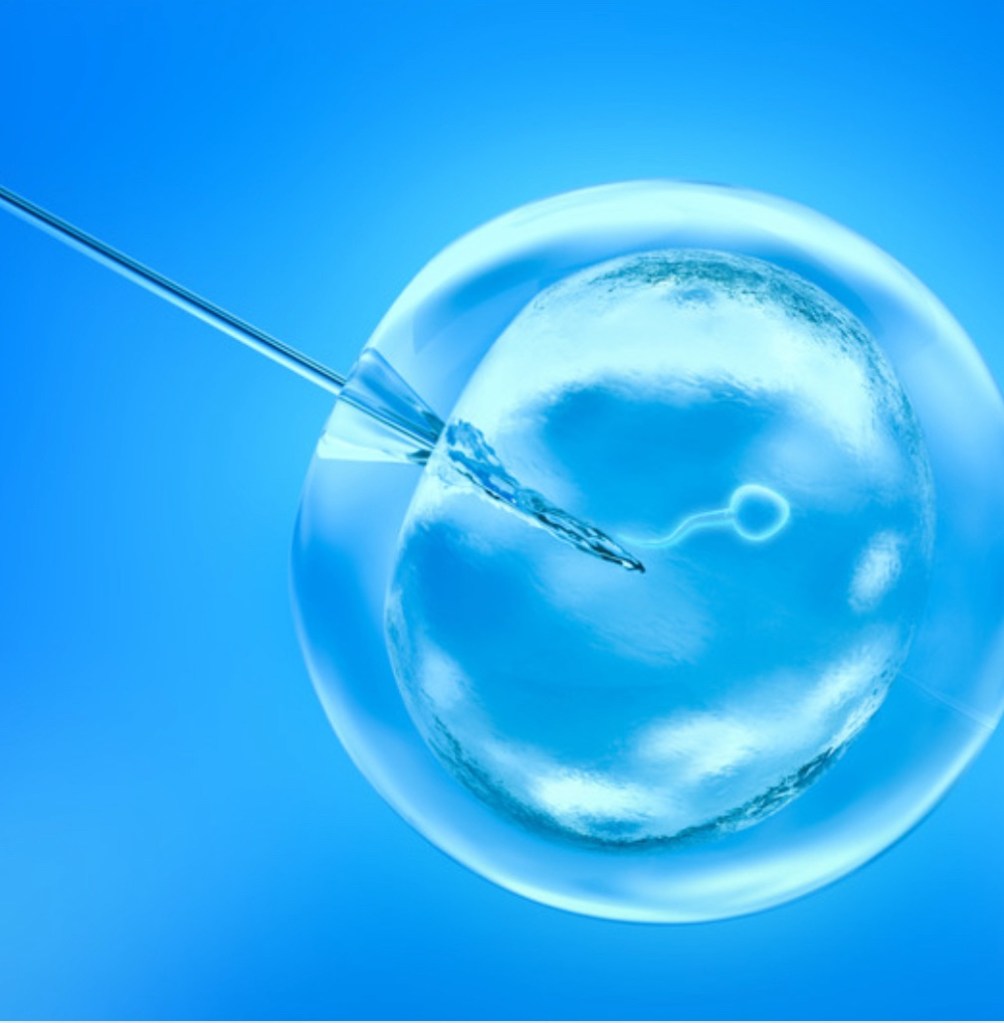
Human sperm being injected into an egg via ICSI.

For example, if the embryos are failing at day 3 then this can tell us that there is a problem with the health of the sperm.

Another example would be if the embryos are graded well but there is still no pregnancy then this could potentially mean there is an issue with the uterus, lining or progesterone receptivity.

Depending on where the procedure failed can give clues as to what is creating the unexplained infertility picture.

Unfortunately this first round is not something that should be taken lightly. Often it is a huge financial investment, not to mention the physical demands on the body, as well as the mental and emotional strain the process has on a couple.

When I work with clients I try to allow us at least 12 weeks to prepare for the next round of IVF. I take a very well-rounded consultation and full health intake to make sure we can drill down to where potential problems are sitting, and then increase the chances of a successful outcome.

Unfortunately I have seen scenarios where, had the couple not come for acupuncture, could have been a very different outcome. For example a couple who had all embryos fail at day 3 were told they needed donor eggs. No mention of improving the health of the sperm, which can be so easy to do with lifestyle and nutritional changes. Luckily this couple worked with me for 3 months and had a successful second cycle with their own eggs, and are now proud parents of a baby boy.

I’ve also seen clinics attempt a second cycle without really looking at the first one in detail. For example one client approached me after a failed fresh cycle. It was clear that there were microbiome issues and also a potential progesterone receptivity issue that we pushed to be checked during the second cycle, and the transfer was consequently halted due to low progesterone. Once we had this confirmed, a third cycle was successful after careful adjustment and monitoring of progesterone medication.

My training and continued learning and development gives me the tools to ask the right questions and see the infertility picture through a different lens. With access to the understanding of Chinese Medicine we can often see where problems lie early on.

If you are trying to conceive and need help, support or advice please get in touch.

Why is Acupuncture popular during IVF?

Acupuncture needles.

Acupuncture is becoming increasingly popular within the IVF world and many clinics recommend acupuncture to patients to help support them through the journey. But what is it about acupuncture that makes it so popular for the IVF process?

There is a huge wealth of scientific study and evidence to show that acupuncture has a positive effect on IVF outcomes. It is easy to do a quick internet search to find lots of research articles and scientific studies on this topic. It is a widely researched area and there is a lot of interest. For further information about studies and outcomes, please see this fact sheet from the British Acupuncture Council.

Let’s now focus on the physical aspects of acupuncture and the IVF process. The reproductive system is a particularly vascular system, and therefore inserting needles into that area of the body will create a micro-trauma. This sends extra blood, oxygen and nutrients into the area, helping to regulate uterine and ovarian blood flow and encourage follicular development (eggs) and endometrial development (the lining of the uterus).

Acupuncture has an impact on hormones and the communication within the endocrine system, thus having a positive effect on menstrual cycles. Specifically points on the head can have a direct effect on the pituitary gland. Likewise, serotonin and dopamine are our neurotransmitters, and acupuncture can offer regulation of these, so patients start to feel better and in balance. Acupuncture therefore can help navigate the side effects often felt from IVF drugs, such as headaches, nausea, hot flushes, low mood.

For men, needles in the lower abdomen and legs is going to increase blood flow to the testes and will positively effect the semen. Semen are constantly being manufactured within the body so changes can happen quickly and swiftly.

Alongside the physical aspect of acupuncture there is also the emotional support an acupuncturist will offer as you go through the IVF process. Being able to talk to someone knowledgeable, caring and in confidence during a very stressful time, when you might be wanting to keep your journey private from friends and family, can be really helpful and a lifeline for support during the process.

How does Acupuncture work?

I am often asked how my therapies actually work. Like, really, how to they work? What are the fundamental principles by which Acupuncture effects the client?

Woman receiving abdominal acupuncture.

Acupuncture is the insertion of very fine needles into the skin. At this very basic level, we are creating an immune response in the body, by piercing the skin. The skin is there to protect us, to act as the boundary between the interior and the exterior. The body reacts to the needles by stimulating the immune system to create more white blood cells ready to defend against a pathogen.

We can also say that the needles have a neurological effect on the body because beneath the surface of the skin we have the superficial fascia, which is our neuro-connective tissue. Think of it like cling film wrapping all the body parts together. This connective tissue runs throughout the entire body in varying different layers, separating, supporting and enclosing different body parts, but connecting them all together. By piercing this with a very fine needle at particular points stimulates the nervous system and can affect the whole body.

Fascinating!

If you would like to book in please get in touch.