What is the difference between regular acupuncture and fertility acupuncture?

Fertility acupuncture is very similar to regular acupuncture in that it will still try to address common issues such as pain, digestive issues, headaches, hormonal imbalances etc. as part of the wider picture of a fertility patient. However it focuses a lot on reproductive health and treating the meridians that target this area of health. Common points are found on the wrists, ankles, feet, lower legs, abdomen and lower back.

Fertility acupuncture aims for the optimal internal environment for each particular patient. This means that it’s not a generic set of acupuncture points for everyone; each patient is treated as an individual. There is no one size fits all in any aspect of health.
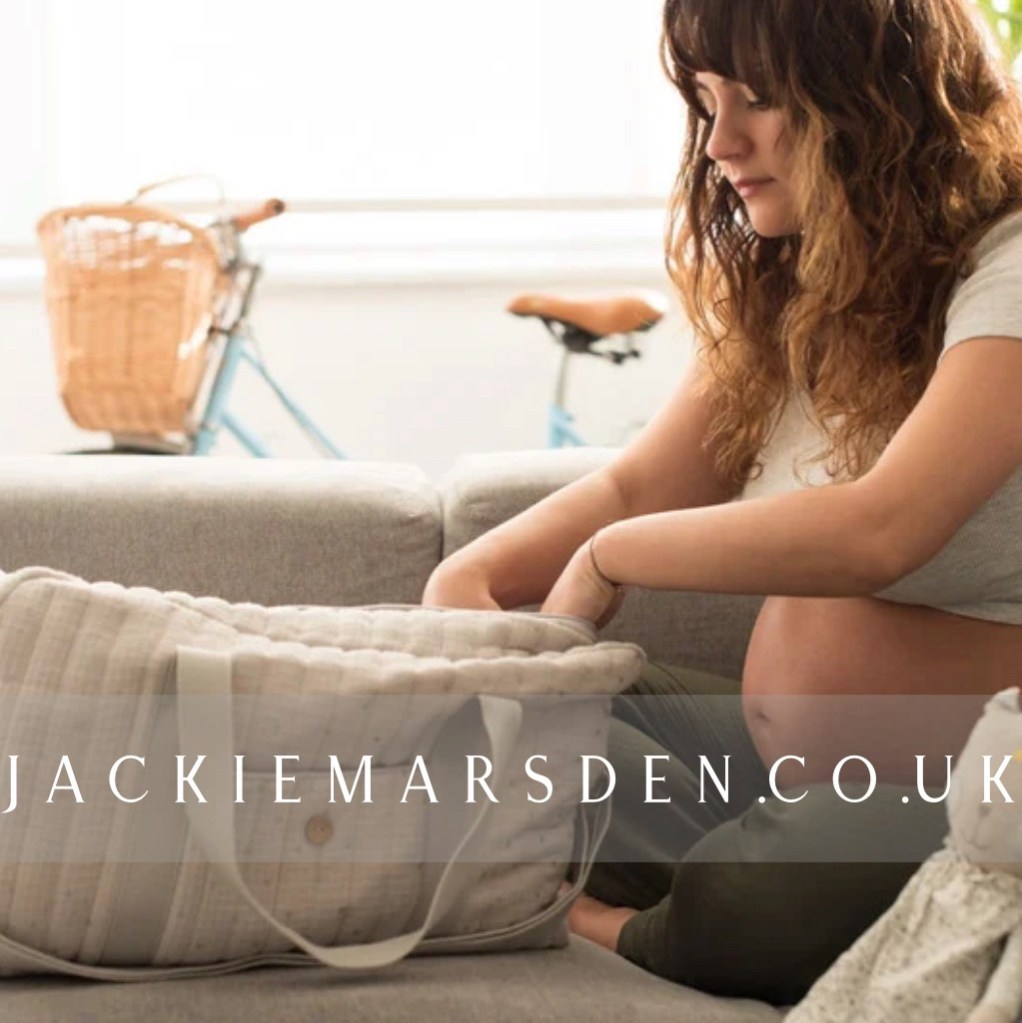
Happy pregnant woman preparing for her baby.

Fertility acupuncture tends to prioritise regulating the menstrual cycle, increasing blood flow to the ovaries and uterus, and regulating sperm health for the men. Stress management and building resilience to stress is also key when trying to conceive. This is something that is always prioritised in clinic.

When coming for fertility acupuncture it’s advisable to plan to come weekly for 3 months as this is the length of time it takes for an egg to be recruited, matured and finally ovulated. What we do now has an effect on those eggs ovulating (or collected via IVF) three months down the line.

During those 3 months we treat through the menstrual cycle, meaning that when you’re bleeding the focus is on good blood flow and emotional support as a period means no pregnancy. During the follicular phase the focus is on follicular development so good blood flow to the ovaries and uterine lining.

Fertility acupuncture works with each phase of assisted reproductive techniques such as IVF/ICSI to really enhance your response to the treatment you’re having, and manage the side effects of the medication.

When you work with a fertility acupuncturist, you gain insights and education from someone who has a regular practice in this area of health; someone who understands the process and what is involved. It’s not just needles; it’s fully rounded support.

If you would like to discuss your situation with me or would like to book in with the clinic in Warton, near Preston, Lancashire, please get in touch. Please read some of the success stories from the clinic here.
How does Acupuncture work?

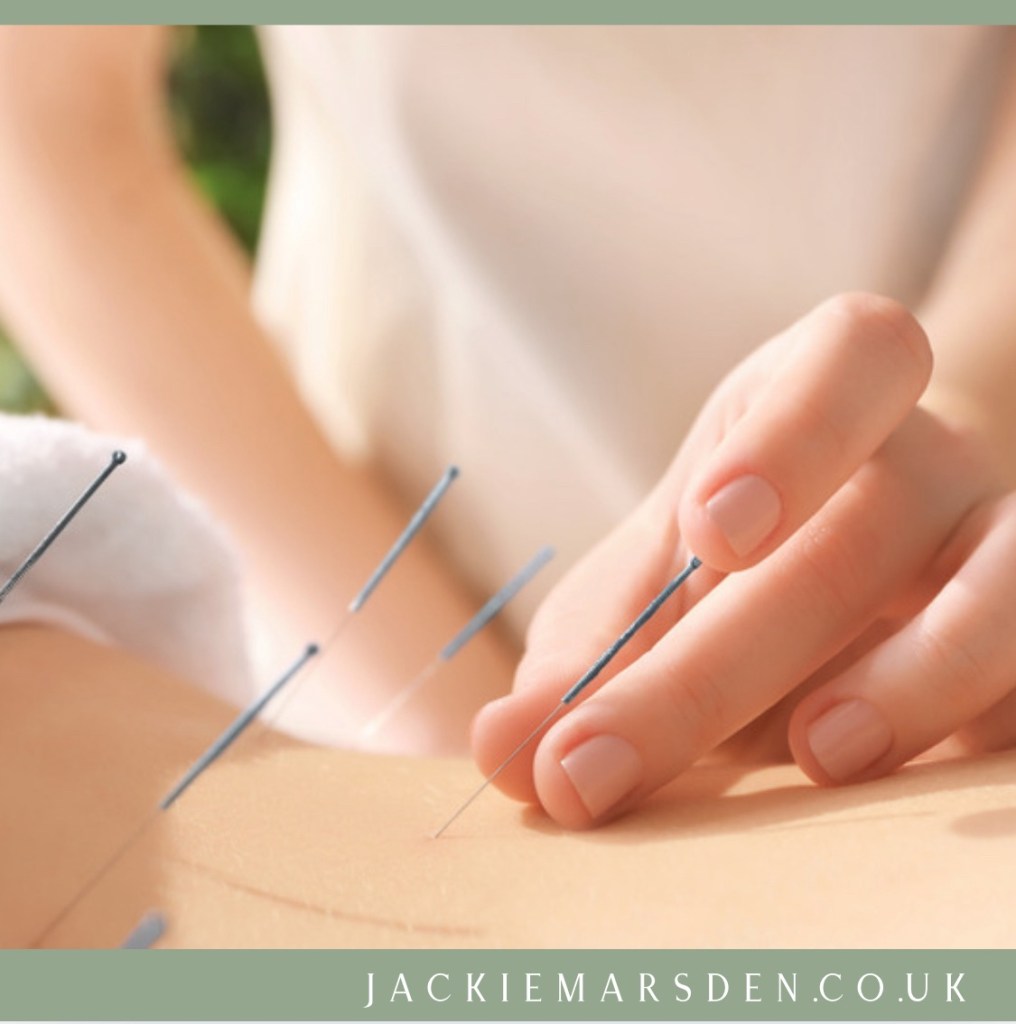
Fertility acupuncture in abdomen.

Traditional Acupuncture uses the understanding of health and wellness that’s been developed over thousands of years (Traditional Chinese Medicine). This theory uses the concept of Qi (energy) our life force energy. Qi flows up and down the meridian system which is a network of channels connecting the main organs with the rest of the body.

When we are well, the Qi is said to be flowing freely. When we are unwell, the Qi is said to be blocked, or stagnant, and not flowing as freely.

Acupuncture uses particular points on the channels to rebalance the flow of Qi and improve our physical, mental and emotional wellbeing.

A good analogy is of the body as a circuit board. An acupuncturist uses these circuits to rewire and reconnect the flow of electricity.

Evidence based research on how acupuncture works is highlights its impact on the central nervous system (CNS). The CNS governs fight or flight vs rest and digest. When we are chronically stressed we get stuck in fight or flight. Acupuncture appears to release endorphins, natural pain killers and those happy chemicals, to rebalance the CNS. The process acupuncture ignites within the body increases blood circulation, reduces inflammation, helps regulate blood sugars and reduces stress, which can all have a positive impact on our wellbeing.

If you’d like to try acupuncture for your own wellbeing book in today.

More on Endometriosis

Endometriosis comes from the retrograde menstrual blood flow. This means that when we menstruate, some of the uterine shedding doesn’t flow downwards and out through the vagina; some of it will move up through the Fallopian tubes and into the ovary, and sometimes beyond and into the pelvic cavity.

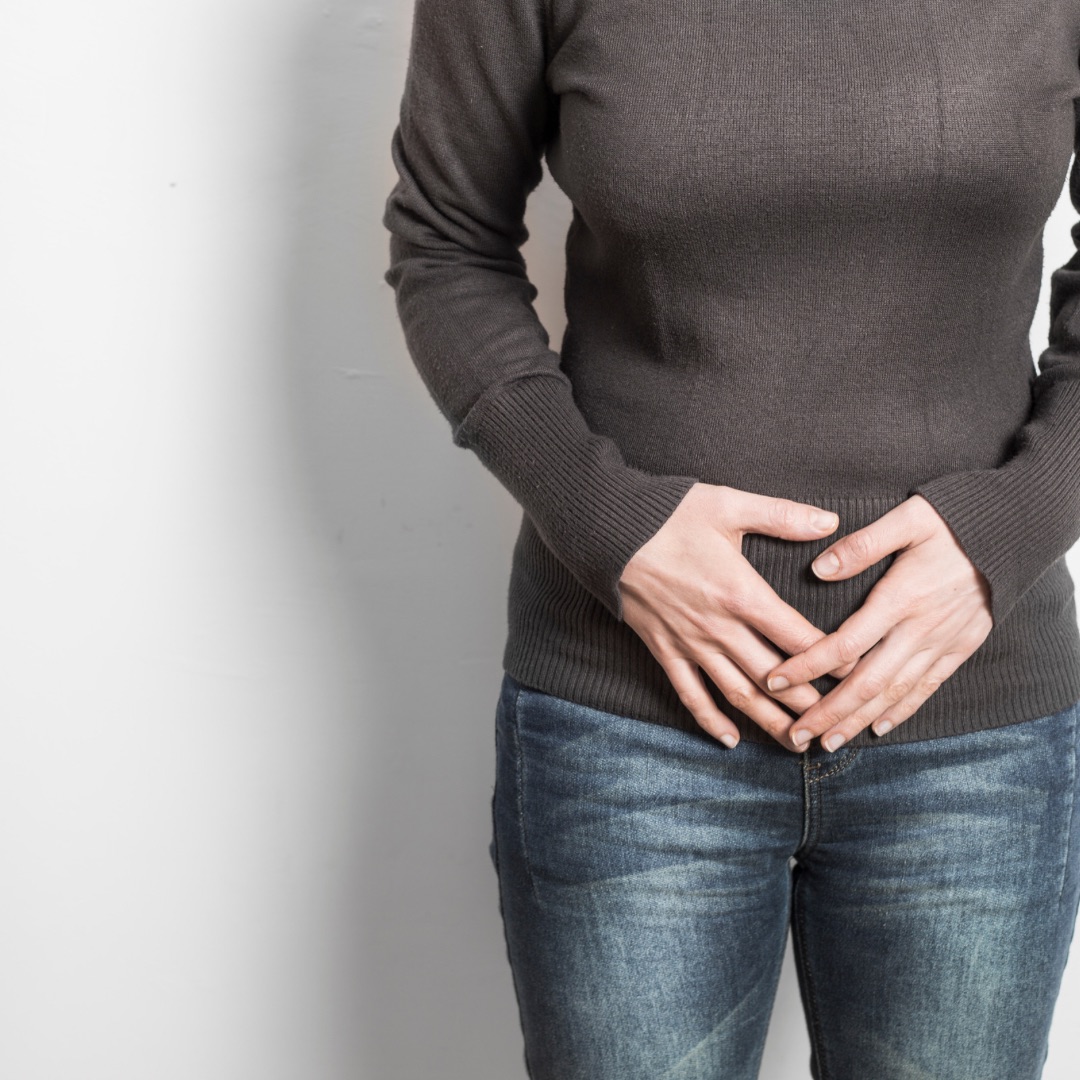
Woman experiencing period pain.

These pieces of the endometrium are then implanted outside of the uterus, and will bleed during subsequent menses. This means that there is menstrual blood outside of the uterus which the body sees as a foreign invader; the body doesn’t recognise it outside of the uterine cavity. This creates inflammation and pain, and triggers an auto-immune response.

This also can create an oestrogen-dominant state within the body, because of the excess oestrogenic tissue outside the uterine cavity.

Endometriosis doesn’t just create “period pains” and heavy bleeding. It also can have a huge impact on reproductive health, digestive health and bowel movements, urinary and bladder health, mental/emotional health. It can also cause fatigue, shortness of breath, nausea, vomiting, and pain.

In Traditional Chinese Medicine principles, we need to move Liver Qi Stagnation and clear Blood Stasis. This means that the Qi (energy) of the body is not free-flowing, which causes pain. It also means that if these continue to stagnate then the Blood cannot flow as it should and it gets locked down.

Depending on your particular symptoms and observations an acupuncture prescription will be created to help encourage the restoration of balance within the body.

If you prefer a Reflexology approach, then Reflexology Lymph Drainage could be the sequence of choice. This sequence specifically targets the lymphatic reflexes on the feet, with the intention of modulating the immune system (the white blood cells of the immune system live in the lymphatic fluid) and reducing the inflammatory effect on the body.

Some lifestyle interventions you can do to help yourself:

  • Do not wear tampons. These block the natural downward movement of menstrual blood.
  • Do not have intercourse during your period and the post-partum period.
  • Do less exercise during menses.
  • Avoid pelvic examinations and abdominal massage/pressure during menses.
  • Avoid exposure to cold water during menses.
  • Eat an anti-inflammatory diet, increasing your intake of phyto-nutrients, fruit and vegetables, nuts and seeds, and reducing refined sugars, alcohol, caffeine.
  • Remove all oestrogen-mimicking plastics and personal care products from your home. Anything from synthetic fragrances, plug-ins, candles, food stored/cooked in plastics, washing plastic tupperware/bowls/cups in really hot water and with a harsh detergent, switch to more environmentally friendly cleaning products and glass tupperware. See my other post on detoxing holistically.

For more information please see my other blog post.

Acupoints for Self Help

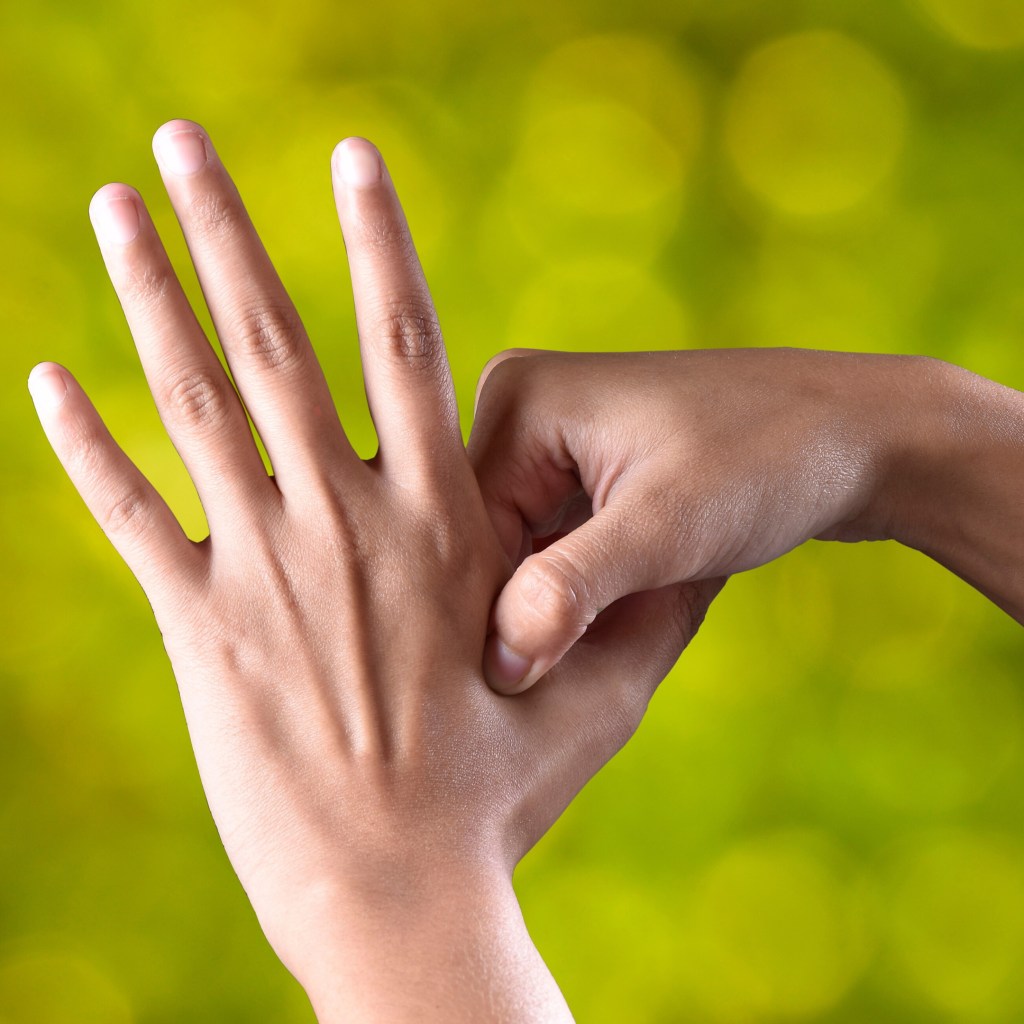
This short article outlines some key point prescriptions for common ailments that can be used at home with gentle acupressure or stick-on magnets. Use all the points within each combination bi-laterally.

These points are fairly easy to find via a search engine in order for you to see the locations. Massage each point gently for approximately 2 minutes, at least once a day but more often if you can. Notice a difference straight away or after a few sessions.

Inflammation

Any ailments caused by an excess of heat and inflammation, use Large Intestine 11 and 4, as well as Spleen 6. Magnets would be an excellent choice for this point combination as they are naturally cooling.

Pain

As a general prescription for pain, use Stomach 36, Large Intestine 4 and Liver 3.

Anxiety

For any anxiety related symptoms especially nausea, use Pericardium 6 and Heart 7, found on the wrists.

Toothache

To reduce pain and discomfort from toothache, use Stomach 44 and Large Intestine 4.

Sore Throat

To ease a sore throat use Kidney 6 and Lung 7 together.

The Power of Arnica

Arnica is a well-known homeopathic remedy and a gentle herb from the daisy family (a relative to Calendula, Chamomile, Echinacea, Yarrow and Dandelion).

For centuries Arnica has been used for bruising and sprains. It’s old names such as “fall herb” and “wound herb” signify its age-old use for the effects of trauma. Swiss mountain guides chewed Arnica leaves to prevent fatigue from climbing.

Just like the tough, hardy daisy, Arnica will help you bounce back from life’s knocks and tumbles. It reduces pain, inflammation and swelling, and increases blood circulation.

Arnica is an alpine plant growing and thriving in the most extreme conditions, making it a tough, hardy plant. It grows in nutrient-poor soil, at high altitudes and strong sunlight. It is a survivor, getting through the most difficult of times. It’s leaves are also usually full of little insects and parasites, giving it a victim persona. Its root contains essential oils which are powerful anti–inflammatory agents. So there is no wonder that Arnica is a powerful remedy not just on a physical level but also on emotional and spiritual levels too.

If you have fallen over and taken a knock, or are feeling battered and bruised from a tough exercise workout, Arnica knows that feeling. Arnica can sooth your weariness, heal your bruises, remedy the trauma and comfort your injured pride.

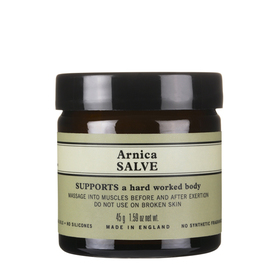
Arnica Salve (by Neal’s Yard Remedies) is potent plant power in a jar: organic essential oils and herbal extracts in pure, organic beeswax. Supporting a hard worked body, the salve can be massaged into muscles before and after exertion, stimulating muscles before workouts and easing them afterwards. Of course it is also a necessity for the organic medicine cabinet for emergency first aid for those knocks, bruises, falls and sprains.

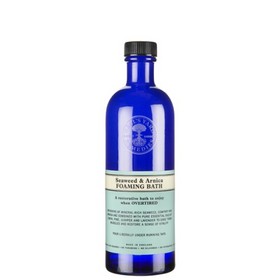
When overtired why not enjoy a restorative soak with Arnica in the bath. Infusions of mineral-rich Seaweed, Comfrey and Arnica are combined with pure essential oils of Lemon, Pine, Juniper and Lavender to ease tired muscles and restore a sense of vitality.

Especially formulated to ease weary limbs. Or why not try the Seaweed and Arnica Bath Salts?

Jackie Marsden MAR is a qualified reflexologist, acupuncturist, promoter of healthy living and independent consultant (Group Leader) for Neal’s Yard Remedies Organic.

Image courtesy of foto76 at FreeDigitalPhotos.net

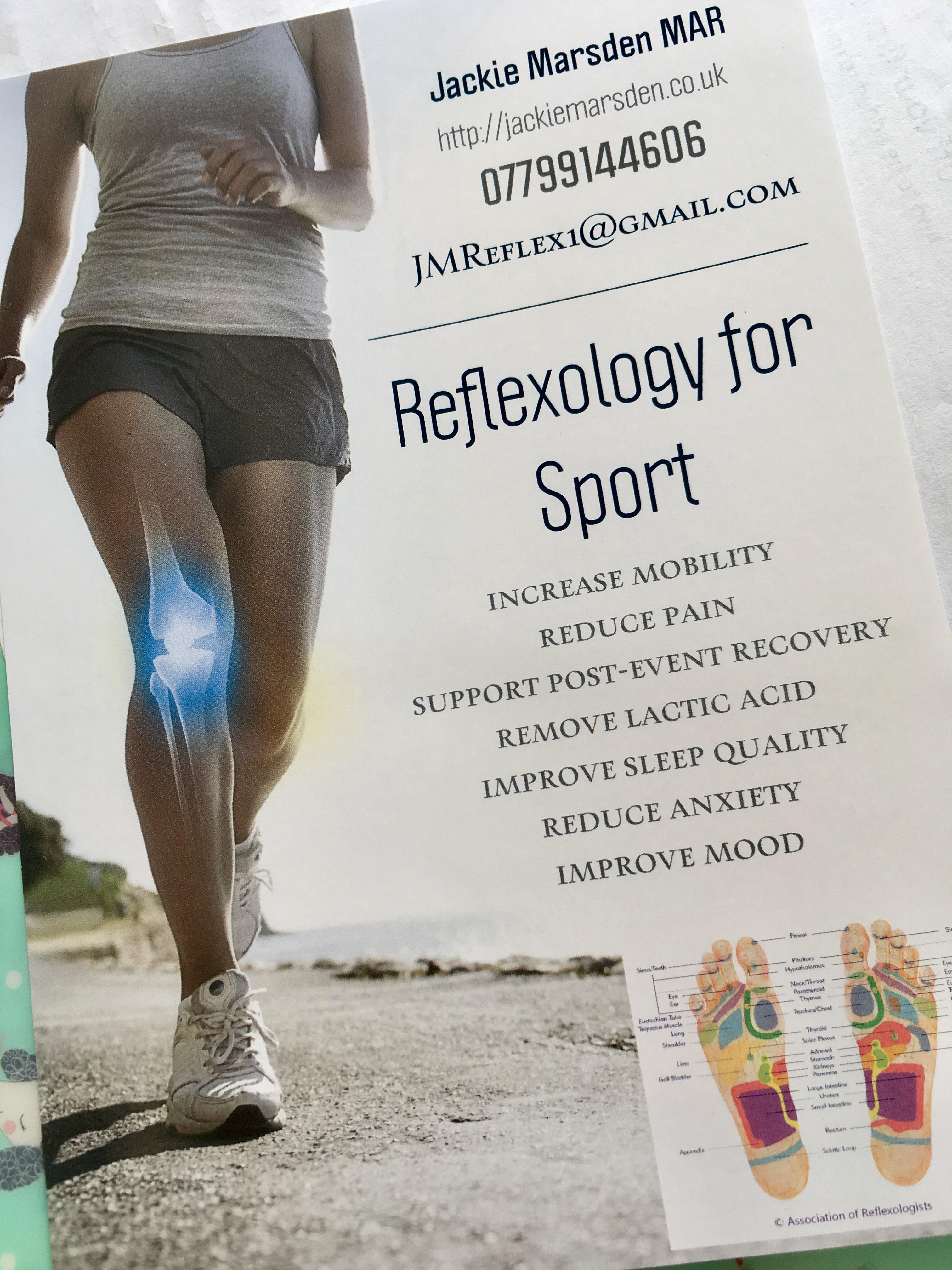
Reflexology for Sports

Sports people of any level or ability are highly motivated to perform at their best and to achieve optimum results; often they look to holistic therapies to complement treatment received for injuries.

Reflexology for optimal performance

The psychology of sport encourages individual athletes and team players to look for ways to achieve that extra one or two percent that can give them the edge on their opponents. Consequently, many now use reflexology as part of their overall regime.

What can reflexology offer?

Reflexology may help to provide increased mobility, reduced pain and support or accelerate the recovery period after an injury.  Many athletes use reflexology in a preventative capacity to encourage balance in the body and improved health in general, such as improved sleep quality, reduced anxiety and improved mood.

How does it work?

Reflexology helps to increase blood flow and encourage lymphatic drainage. Research studies show that it can remove lactic acid from the legs four times faster than massage, helping post event recovery. Increased blood circulation helps remove toxins and increase the delivery of oxygen and nutrients to the tissues, helping to support the body’s natural healing process and promote recovery from injuries. It may also assist in preventing common complaints and niggles from extended muscle exertion such as aches, pains, cramps and spasms.

What else?

The effect of stress has a very detrimental effect on the body, reducing blood flow and oxygen, causing energy to be depleted and thus functioning at a sub-optimal level. Reflexology helps to manage this by promoting deep relaxation, easing tension, giving the body time to rest and heal and it often improves sleep. It may also help with pain relief or reducing pain associated with injury.

Contact me for more information or to book an appointment.

Jackie Marsden MAR is a qualified reflexologist, acupuncturist, promoter of healthy living and independent consultant (Group Leader) for Neal’s Yard Remedies Organic.

Image courtesy of digitalart at FreeDigitalPhotos.net

[Yoga Series #3] Engage the Pelvic Floor for Spinal Health

When we talk about pelvic floor muscles it is usually relating to urinary and sexual health, pregnancy or post-partum issues and problems. But actually the pelvic floor is also fundamental to our spinal health.

ID-100197696The deepest muscles of the pelvic diaphragm run from front to back (pubic joint to coccyx). The more superficial layers are those including the anal and urethral sphincters. During yoga the focus should be on engaging the deeper fibres which encourage an upward motion of energy, permitting the diaphragm to lift the base of the rib cage forward.

I have a tendency to over extend my lumbar spine and stick out my bottom: this isn’t good for spinal health, and my yoga journey is now showing me this.

To be able to flex the lumbar spine, the psoas, abs and pelvic floor must concentrically contract. So my natural tendency to over-extend, in combination with attempting postures of deep lumbar-flexion (for example a standing or seated forward bend) without engaging the core muscles properly will lead to pain. Combine this with other personal issues such as emotional stress and poor posture during work (treatments, sitting at desk, driving) has led to much discomfort.

In yoga there are three main diaphragms (pelvic, respiratory and vocal) which come together in movements that are coordinated with inhaling and exhaling. These coordinated actions of the diaphragms (in yoga these are known as “bandhas”) create more stability in the body, protecting it from injury by redistributing mechanical stress.

For example, when performing a forward bend, if the thoracic, abdominal and pelvic cavities are not supported with the breath, then there is no single centre of gravity. This puts extreme pressure on the posterior spinal muscles with a pivotal point in the lumbo-sacral junction, which is vulnerable to damage (exactly where my back pain has been!)

Have you ever reached or bent over to do something and automatically held your breath? The body does this to try and protect our spinal structures.

Actively employing the breath which engages all three diaphragms including the all important pelvic floor muscles, offers the spinal column complete support during a forward bend, by centering gravity in the pelvis, legs and feet, and allowing the spine to relax and allow in space. Remember – build the foundation! This is explained beautifully in [1].

In understanding this during the yoga practice, as well as daily activities, I have managed to reduce my lower back pain considerably. As always, stepping onto the yoga mat takes us on a journey inside the body.

For some fabulous diagrams of the pelvic floor muscles see [2].

[1] Yoga Anatomy by Leslie Kaminoff, Amy Matthews

[2] http://www.dailybandha.com/2015/05/the-pelvic-floor.html

Image courtesy of cooldesign at FreeDigitalPhotos.net

Jackie Marsden MAR is a qualified reflexologist, promoter of healthy living and independent consultant (Team Leader) for Neal’s Yard Remedies Organic. Jackie leads and mentors a growing team of consultants (many of whom are therapists integrating organic products into their existing businesses) via the NYRO social selling channel, holding regular team meetings, one-to-one coaching via phone and facetime, and a closed facebook group. All views are my own.

Growyourbusiness

Reflexology and Fibromyalgia

What is Fibromyalgia? Fibromyalgia, also called Fibromyalgia Syndrome (FMS), is a long-term condition that causes pain all over the body. As well as widespread pain, people with Fibromyalgia may also have increased sensitivity to pain, fatigue, muscle stiffness, sleep disorders, problems with mental processes (“brain-fog”) e.g. problems with memory and concentration, dizziness and balance problems, headaches and migraines, digestive upsets. The exact cause of Fibromyalgia is unknown, but it’s thought to be related to abnormal levels of certain chemicals in the brain and changes in the way the central nervous system (brain, spinal cord and nerves) processes pain messages that are carried around the body. (1)

ID-100184055How might reflexology help Fibromyalgia sufferers? When we are stressed our bodies are on constant high alert, engaging our sympathetic nervous system ready to “fight or flight”. However this means that the parasympathetic nervous system is shut down, so things like digestion, relaxation and sleep patterns will not have optimum conditions to function properly. Pain is an obvious stress, both physically and mentally.

Reflexology is deeply relaxing which can help the body and mind break the constant stress cycle and seek re-balance. In general, we have around 7000 nerve endings in the feet, making them particularly sensitive and helpful for accessing the whole body. Reflexology might help manage and reduce the symptoms of Fibromyalgia through a tailored treatment plan specific to the patient’s particular issues. Depending on the level of intensity of pain, shortened reflexology treatments might be advisable to begin with. Below are the key symptoms of Fibromyalgia and the subsequent reflex points I can pay particular attention to during treatments:

  • Joint pain: concentrate on the relevant reflex points on the feet for joints concerned e.g. shoulder, knee, hips, jaw. Adrenal gland reflexes can be gently worked to stimulate the production of the body’s own anti-inflammatories and pain management.
  • Fatigue: pay attention to the adrenal glands and pancreas reflexes. This aims to increase energy and re-balance and regulate blood-sugar levels.
  • Sleep disorders: work the diaphragm reflex (to promote relaxation and calmer breathing), pineal and pituitary gland reflexes (to promote a re-balance of circadian rhythms and of the endocrine system in general).
  • Digestive upsets: general relaxation techniques to awaken the parasympathetic nervous system. Colon and small intestine reflex points in particular.
  • Headaches and migraines: concentrate on brain, spine, particularly cervical spine, head and neck area reflexes.
  • Dizziness and balance: concentrate on inner-ear reflex point.

Update Jan 2016 – Since first writing this blog I have trained in Reflexology Lymph Drainage and carried out a case study on a Fibromyalgia client. Further info to follow.

(1) http://www.nhs.uk/Conditions/Fibromyalgia/Pages/Introduction.aspx

Jackie Marsden MAR is a qualified reflexologist and independent consultant (Team Leader) for Neal’s Yard Remedies Organic. Jackie leads and mentors a growing team of consultants (many of whom are therapists integrating organic products into their existing businesses) via the NYRO social selling channel, holding regular team meetings, one-to-one coaching via phone and facetime, and a closed facebook group. All views are my own.

independent-consultant-long-logoGrowyourbusiness

unnamed2mooncup_banner

Image courtesy of stockimages at FreeDigitalPhotos.net