Lymphoedema – Lighten the Load

Lymphoedema can be a debilitating condition where the lymphatic system is compromised and thus a build up of fluid creates swelling in an area of the body.

Primary Lymphoedema is thought to be hereditary. Fluid starts to pool at the base of a limb due to the inadequacy of the lymphatic system’s ability to drain fluid.

Woman wearing compression bandage for lymphoedema.

Secondary Lymphoedema can appear after an operation, or after an accident or injury. The cause of fluid build up can be due to the lymphatic tissue becoming damaged, or removed (for example an axillary clearance).

Swelling can make that area of the body painful, heavy, tight and restricted. The tissues of the skin can become very uncomfortable and delicate, prone to damage and infection. It can be difficult to find clothes to fit, and can create mental/emotional instability.

The treatment for lymphoedema is compression, exercise/movement and good skincare. Sometimes Manual Lymph Drainage is offered which is a massage technique which re-reoutes the fluid away from the affected site.

Reflexology Lymph Drainage is a technique based on the principles of Manul Lymph Drainage, but transposed onto the reflexes of the feet or hands.

The beauty of this technique is that it is completely non-invasive; patients do not need to get undressed. It can be done in-clinic via the feet, or remotely via a taught self-help sequence carried out on the hands.

Much research is still being carried out around this technique; however what the reflexology community have seen up to this date is that the technique and sequence supports the theory of reflexology. By isolating and working the lymphatic reflexes of the feet or hands, has an effect on the body. As a community, we have been witness to some incredibly rewarding results for our clients.

Please contact me to have an initial discussion and to book in.

More on Endometriosis

Endometriosis comes from the retrograde menstrual blood flow. This means that when we menstruate, some of the uterine shedding doesn’t flow downwards and out through the vagina; some of it will move up through the Fallopian tubes and into the ovary, and sometimes beyond and into the pelvic cavity.

Woman experiencing period pain.

These pieces of the endometrium are then implanted outside of the uterus, and will bleed during subsequent menses. This means that there is menstrual blood outside of the uterus which the body sees as a foreign invader; the body doesn’t recognise it outside of the uterine cavity. This creates inflammation and pain, and triggers an auto-immune response.

This also can create an oestrogen-dominant state within the body, because of the excess oestrogenic tissue outside the uterine cavity.

Endometriosis doesn’t just create “period pains” and heavy bleeding. It also can have a huge impact on reproductive health, digestive health and bowel movements, urinary and bladder health, mental/emotional health. It can also cause fatigue, shortness of breath, nausea, vomiting, and pain.

In Traditional Chinese Medicine principles, we need to move Liver Qi Stagnation and clear Blood Stasis. This means that the Qi (energy) of the body is not free-flowing, which causes pain. It also means that if these continue to stagnate then the Blood cannot flow as it should and it gets locked down.

Depending on your particular symptoms and observations an acupuncture prescription will be created to help encourage the restoration of balance within the body.

If you prefer a Reflexology approach, then Reflexology Lymph Drainage could be the sequence of choice. This sequence specifically targets the lymphatic reflexes on the feet, with the intention of modulating the immune system (the white blood cells of the immune system live in the lymphatic fluid) and reducing the inflammatory effect on the body.

Some lifestyle interventions you can do to help yourself:

  • Do not wear tampons. These block the natural downward movement of menstrual blood.
  • Do not have intercourse during your period and the post-partum period.
  • Do less exercise during menses.
  • Avoid pelvic examinations and abdominal massage/pressure during menses.
  • Avoid exposure to cold water during menses.
  • Eat an anti-inflammatory diet, increasing your intake of phyto-nutrients, fruit and vegetables, nuts and seeds, and reducing refined sugars, alcohol, caffeine.
  • Remove all oestrogen-mimicking plastics and personal care products from your home. Anything from synthetic fragrances, plug-ins, candles, food stored/cooked in plastics, washing plastic tupperware/bowls/cups in really hot water and with a harsh detergent, switch to more environmentally friendly cleaning products and glass tupperware. See my other post on detoxing holistically.

For more information please see my other blog post.

How can I increase my chances of IVF success?

IVF is a process which shouldn’t be taken lightly. It is hard on couples from all angles; emotionally, mentally and physically.

IVF eggs under microscope.

The drugs used are heavy duty; creating all sorts of side effects and mood swings. The process involves physical incisions through the vaginal wall and on the ovaries – multiple cuts in fact – depending on how many follicles you have. A lot of energy is required for your body to heal. You will also be sedated and this can take time to recover from.

Then there is the agonizing wait to see if any eggs fertilized, and how well they develop to day 5 where you will then have another procedure to transfer the embryo into your womb. And the 2 week wait begins, alongside more drugs.

It is an emotional roller coaster and exhausting; taxing mentally and physically with trips in and out of the clinic for tests and scans.

For such a consuming process, wouldn’t you want to prepare the best that you can to maximise your chances of success? Its not something you should walk into without first fully investigating what the problems are with your inability to conceive naturally, and to really prepare your body and the environment within which your eggs are recruited and collected, and then transferred back for implantation and ongoing pregnancy.

Preparation is key when it comes to IVF success. Don’t allow a fertility clinic to use your first round as a diagnostic; that’s way too expensive both financially and for your health and overall wellbeing.

Find someone to help you through the process and work with a specialist who can take a deep dive into your lifestyle and nutrition, and offer you acupuncture as part of your preparation program.

Contact me for an initial chat and start your preconception journey with me today.

How can I increase my chances of getting pregnant?

If you are reading this then chances are you are trying to conceive, and perhaps you have been trying for a while now and each month is a roller coasting of emotions ranging from the highs of hopeful to the lows of that one line showing on the stick.

Woman crying, holding a negative pregnancy test.

One of the best things you can do is to take yourself off this roller coaster for at least 3-6 months. Stop “trying” and start focusing on collecting data, improving your lifestyle and nutritional choices.

Start tracking your cycle using a very basic thermometer to take your basal body temperature, and a paper chart. Mark down where your temperature is each morning before you get out of bed, and on which day of your cycle. Take note of your menstrual blood, spotting, discharge. Collecting this data for around 3 cycles can start to present patterns and markers that might indicate what is happening within your body and your cycle. Bring this with you if you decide to book in for acupuncture.

Get your bloods checked including a full hormone and thyroid panel. Get copies of these results and again bring them with you if you decide to come into clinic for acupuncture.

Really take a deep dive into your lifestyle; write down when you go to sleep, when you wake up, what you eat for each meal, whether you often get aches and pains. What exercise do you take, and what about your partner/husband? How much water do you both drink? Are you both eating a lot of processed foods? Do you use a lot of plastic?

Don’t go on this journey alone. Find a qualified practitioner to help you along the way. My fertility clients come in for weekly acupuncture where we look at everything in your life in detail and work out a plan of action to prepare you as a couple for conception, whether that is natural or IVF.

My clinic is based on the Fylde PR4. Contact me for a chat.

Feel at the endo’ your rope with Endometriosis?

Woman experiencing menstrual cramping and heavy bleeding due to endometriosis.

Endometriosis is a condition where the cells of the endometrium (the uterine lining) are laid down outside of the uterus, usually within the pelvic cavity but sometimes also further afield, like in the nostril for example.

Often endometriosis is found on the ovaries, fallopian tubes, or even the bladder and bowel.

When menses occurs, the endometriosis tissue bleeds too. This means that menstrual blood is flowing into areas where it shouldn’t. The body’s immune system will kick in, and attack the endometriosis tissue, creating high levels of inflammation and pain.

Other symptoms might include pain while emptying bladder, during bowel movements, and during or after intimacy. IBS symptoms may also be present; diarrhoea or constipation.

Often endometriosis takes a long time to diagnose, because it really can only be seen via laparoscopy or MRI, although sometimes it can be detected via ultrasound. Initially pain and IBS symptoms will be dealt with via pain killers, and heavy periods are often managed via the oral contraceptive pill. Although these firefighting methods might help, they don’t get to the root of the issue.

High levels of inflammation can cause all sorts of havoc within the body. A disordered immune system will have an impact on thyroid, joints, musculo-skeletal health, intestinal and bowel health, sexual health and mental wellbeing. Higher levels of the wrong type of bacteria can be prolific within the microbiome. Oestrogen dominance can also prevail.

What are the answers?

If you suspect you have endometriosis its imperative that your symptoms are investigated further.

Anything you can do to modulate your immune system will help. Eating an anti-inflammatory diet and removing known stimulants and food triggers is important. Seek help from an Acupuncturist specialising in fertility or women’s health, or a reflexologist specialising in Reflexology Lymph Drainage.

If you are experiencing problems and would like to book in with me please get in touch.

Does ICSI have all the answers?

Since the advent of ICSI (Intracytoplasmic Sperm Injection) problems with male factor in infertility can be addressed and bypassed with this procedure. The ICSI procedure allows particular sperm to be selected for use and manually injected into the egg by the embryologist using a microscopic needle.

But does ICSI always give us the best outcomes?

If the quality of sperm is sub-optimal, the question one has to ask is what impact will this have on the ongoing pregnancy and health of the child going forward?

In Traditional Chinese Medicine (TCM) our Jing is the substance we inherit from our parents at the moment of conception. Our Jing fuels our growth and development not just through conception and prenatal growth, but all through our lives from infancy to puberty, adulthood and beyond. Jing dictates our constitution and vitality as we move and age through life.

So if we completely disregard the quality of the sperm in favour of the ICSI procedure, what impact will have on the health of the life created? If a sperm is unable to penetrate an egg on its own, what does that say about the underlying Qi of that sperm?

So although ISCI is a wonderful and exceptional advancement in fertility medicine and assisted reproductive techniques, I do believe it should be firmly balanced with other perspectives of male health and vitality.

Sperm are continually created within the body, so taking a break for around 3 months before the next round of IVF is an optimal amount of time to put lifestyle changes in place. Dietary, lifestyle and nutritional changes can have a huge impact on sperm quality.[1] Taking this time and making this effort to improve the underlying Qi and Jing that is passed onto the next generation is fundamentally important. Things to consider:

  • Stop smoking/vaping;
  • Reduced consumption of refined sugars, processed foods,
  • Reduced consumption of alcohol;
  • Increased consumption of a wide variety of vegetables and fruit;
  • Take regular exercise;
  • Increased water intake;
  • Reduce the use of plastics for cooking and water/food storage (switch to glass)
  • Supplement with a good quality preconception multivitamin to include zinc, selenium, omega 3 fatty acids, antioxidants;
  • Reduce stress (look at meditation, reflexology, acupuncture, spending time in nature);
  • Keep mobile phone away from body [2];
  • Ejaculate frequently [3].

Other options to explore before diving straight into IVF/ICSI:

  • Having a full examination to rule out varicocele, hydrocele and other physical abnormalities;
  • Bloods taken for a full hormone profile;
  • Checking the microbiome to rule out any infection which might be causing levels of damage to the sperm.

“Mounting evidence suggests that the gut microbiome plays a key role in normal spermatogenesis and can be negatively impacted by diet and environmental perturbations.” [3]

Of course, every couple is individual, and factors such as age, for example, will also determine your route to IVF and ICSI.

If you are looking for fertility support in Lancashire please get in touch.

If you would like support through your fertility/IVF/ICSI journey with acupuncture please get in touch.

References

[1] https://pubmed.ncbi.nlm.nih.gov/32397485/

[2] https://www.ncbi.nlm.nih.gov/pmc/articles/PMC7848840/

[3] https://rbej.biomedcentral.com/articles/10.1186/1477-7827-10-115

[4] https://www.fertstertreviews.org/article/S2666-5719(23)00001-4/fulltext

PMS and it’s extremes

Woman experiencing severe menstrual cramping.

Approximately 90% of women suffer from Premenstrual Syndrome (PMS) at some point in their lives. During the few days leading up to menstruation can present with all sorts of symptoms such as bloating, irritability, frustration, anger, back ache, acne, abdominal cramping and pain, feeling tearful and emotional, as well as anxious and depressed.

Every cell in our body has a hormone receptor, so PMS can be attributed to over 200 symptoms as fluctuating hormone levels can have an impact everywhere in the body. These may be symptoms you only experience during the build up to your period, or perhaps these are symptoms you already experience, but are exacerbated at this time of your cycle.

In TCM terms, the luteal phase of your cycle e.g. the second half of your cycle between ovulation and your period, is when your body is at its most Yang. It is the part of the cycle where there is the most energy. Your body is gearing up for the possibility of a pregnancy with the surge of progesterone helping to really plump up the uterine lining for an embryo to implant. This surge of hormone and surge of energy can make us feel energised and productive, however as this starts to wane and drop just before our period starts, can suddenly leave us feeling depleted. The smooth flow of Qi is now not so smooth, as the progesterone starts to dip and body temperature starts to drop, our overall hormone levels can quickly leave us feeling grumpy and moody, and present us with physical symptoms too.

Switching between the Yang half of our cycle to the Yin half i.e. our menses, can create Qi stagnation. Getting to know your cycles by charting on a calendar, or Basal Body Temperature (BBT) charting can really help you to understand what is going on inside your body, help you identify symptoms and mood changes, and shed light onto areas that perhaps might need further attention.

For example, some people do not just suffer with “regular” PMS, but can experience more extreme versions such as Premenstrual Dysphoric Disorder (PMDD) and Premenstrual Exacerbation (PME). These extreme versions of PMS can be very difficult to deal with and manage on a monthly basis. “Experiencing PMDD can make it difficult to work, socialise and have healthy relationships. In some cases, it can also lead to suicidal thoughts.”1

Understanding your own personal cycle, the length of your follicular and luteal phases, and looking at your BBT throughout your cycle can open up possibilities to improve symptoms you’re experiencing. You might discover that phases of your cycle are too long/short or your temperature is not high enough or too high for example.

Supporting progesterone can help with PMS. To support progesterone production and your luteal phase, add more nutrient dense calories into your diet at this phase of your cycle. After all, your body is gearing up for a potential pregnancy, and some women find that they are hungrier at this time. Adding more protein, and looking at using adaptogens such as Ashwaganda to help manage stress and change. “Adaptogens are the umbrella term for fungi and plant-derived compounds that help the body adapt to stress.”[2] Magnesium is also said to help, as many of us are depleted in magnesium and it is involved in a myriad of daily bodily functions. Using a topical spray or adding in Epsom Salts to your evening bath are easy ways to get magnesium into your body. Magnesium often becomes low as a result of stress. [3]

Managing stress is also key to supporting your luteal phase. Booking in for regular reflexology or acupuncture can offer you the opportunity to feel relaxed and receive some downtime already scheduled into your diary. With acupuncture in particular, treating throughout the cycle can help you regulate and improve your quality of life. Vitamin B complex supports the body’s ability to handle stress. [3]

Understanding your cycle can help you to prepare and plan for what might be up ahead. Scheduling your diary around your cycle can help you to be more productive when you are feeling at your most energised, and avoid difficult social situations when you’re likely to be feeling fragile. You can also use your cycle to help with meal planning and snacking, and scheduling in more gentle exercise within the luteal phase.

If you would like fertility support in Lancashire and to book in with me please get in touch.

  1. https://www.mind.org.uk/information-support/types-of-mental-health-problems/premenstrual-dysphoric-disorder-pmdd/about-pmdd/
  2. https://www.parsleyhealth.com/blog/what-are-adaptogens/
  3. https://webfmd.com/hpa-axis-dysfunction-treatment/

Salts explained

Salt with a wooden spoon.

Sea salt is really good for soaking in a bath. It is believed to stimulate circulation, help ease muscle cramps, help relieve stiff joints, and soothe the skin.

Sea salt isn’t generally processed that much, it is simply evaporated off the water. So its very rich in trace minerals such as calcium, potassium, magnesium, zinc and iron.

Himalayan salts are very similar to sea salt in composition and trace minerals. However, because Himalayan salt is mined near the foothills of the Himalayan mountains, from some really ancient sea beds which were covered over with ice, lava and snow for millions of years, its thought that Himalayan salts are much purer than our regular sea salt because they are not full of our modern day pollutants.

Epsom salts aren’t actually a salt. They are magnesium, sulphur and oxygen. So when you use Epsom salts you are really using them for their magnesium content. Magnesium is needed in the body for all sorts of daily functions at a cellular level, and it is thought that in this day and age we are all lacking in magnesium due to the erosion of soil quality. Magnesium is very easily absorbed through the skin so soaking in a bath of Epsom salts is a great way to boost your magnesium levels.

Although we do need magnesium to support a whole host of bodily functions, one of the main things we all need it for is stress-management and improved sleep.

So these are the different types of salt explained, so you can now make an informed choice as to which type you would like to bathe in. Happy soaking!

View the bath salts from Neal’s Yard Remedies Organic.

Adrenal Health and Support

Adrenal health is of importance particularly going through perimenopausal years as well as menopause and beyond. So what are our adrenals and what do they do?

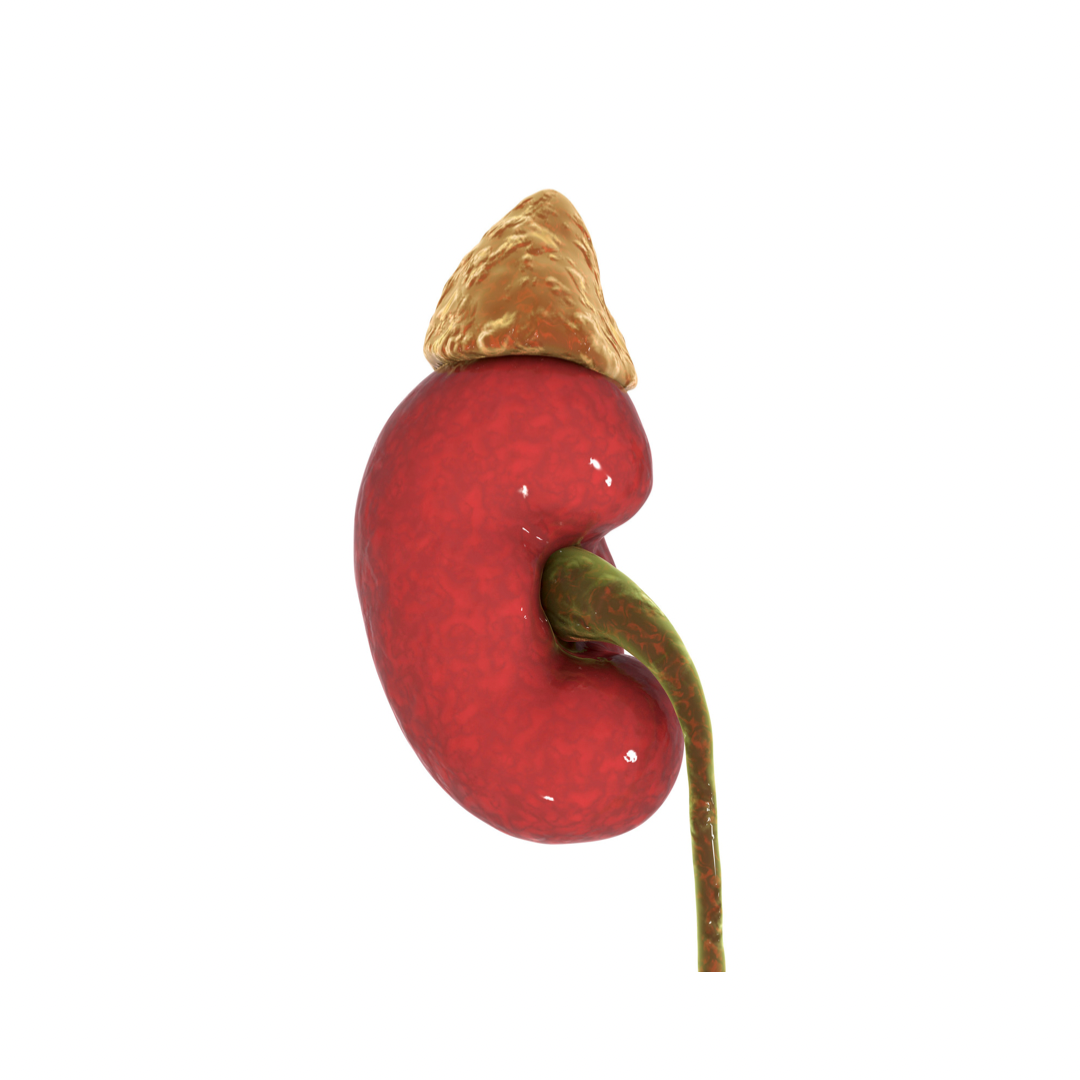
Artistic expression of a human kidney and adrenal gland.

Our adrenals are small glands that sit on top of our kidneys, and are responsible for making and releasing adrenalin and cortisol; hormones produced as part of our stress response, and our sleep/wake cycle.

Imagine you are crossing a road and suddenly seemingly out of nowhere a lorry is approaching at high speed. Immediately your adrenals create a stress response which causes your body to put all of its reserves into your limbs so that you can run fast to safety. Once safely across the road, your body is then flooded with a sense of relief and you will need to rest and recover from the experience. This would be a normal, healthy example of how our adrenals are supposed to work for us.

However, our busy and hectic modern day lives leave us stresed more than ever. Rushing from appointment to appointment, too many things on our to-do list, worries over children, finances, constant attention to our mobile phones, balancing and juggling parenting with careers, all impact our adrenals. As far as our adrenal glands are concerned, this is stress and they will be creating a stress response. A continued stress response, without the physical release or the recovery time.

Clues that your adrenals may need support include:

  • Poor sleep;
  • Changes in the way you’re able to cope with stress;
  • Blood sugar spikes;
  • Fatigue;
  • Mood swings and low mood;
  • Brain fog.

In addition to this, as we approach menopause (perimenopause can be as much as 10 years leading into menopause) our reproductive hormone levels begin to decline as the ovaries gradually stop producing oestrogen and progestrone. As this happens, our adrenals respond. They answer by making a hormone estradiol (a type of oestrogen) which plays a role in bone health, heart health and protection of the nervous system through and beyond menopause.

As we have already discussed, our adrenals create a stress response within the body in order to keep us safe and away from danger. The additional role they take on (on behalf of the ovaries) during menopause and beyond will not be prioritised over their main function. So it is hugely important to find ways of managing stress. I think we are all guilty of saying “oh, its just stress” or “I am just stressed”: stress has huge implications on our health, particularly continued stress that isn’t acknowledged or managed.

Ideas to help create balance in your life and to carve out some me-time include:

  • Booking in for a regular reflexology session,
  • Run yourself a candlelit bath with expertly blended aromatherapy products;
  • Switch to herbal teas particularly in the afternoon and evenings (liquorice is a great choice);
  • Turn your phone off for an hour;
  • Go for a walk in nature near trees or open water;
  • Add more plants to your living space;
  • Declutter.

If you are looking for fertility support in Lancashire please get in touch.

Self Help for Constipation

Constipation can vary from being an irritating problem that flares up from time to time, to a debilitating chronic condition causing abdominal pain and other complications.

Physically, constipation can be caused by all sorts of things including a lack of fluid and healthy fats and oils, a diet lacking in fibre, medication and food intolerances. 

Mentally and emotionally it can be triggered by stress, inability to let go of things such as the events from the past, and unwillingness to take in new life, new things, change. 

If there is a lot of faecal compaction the laxatives will only soften the newer stool; the compacted stool will remain. The best way to move stool is to bulk it out with insoluble fibre. This will create a larger stool to push everything through, without absorbing water which would make the stool very hard, difficult and painful to pass. Good sources of insoluble fibre are flax seeds soaked in water, or porridge oats. Both will form a “gloopiness” which is known as mucilage. This is an oily lubricant which will help assist the intestinal tract.

Both reflexology and acupuncture would be beneficial for constipation as both will offer space and time to deeply relax which will switch on the “rest and digest” and break the cycle of “fight or flight”.

Below are some self help tips you can try if you’re are suffering with constipation. These can be tried alongside the general advice of increasing water intake, increasing fibre intake, increasing healthy fats and oils and reducing white refined carbohydrates, sugary foods, caffiene, alcohol and stress.

Look up the following acupuncture points using the internet and gently massage these twice a day for 2 minutes. Do both left and right sides. San Jiao 6 (lower arm) and Gall Bladder 34 (lower leg below the knee).

Ask a friend or family member to gently massage the lower half of the soles of your feet. This general guidance will cover the small and large intestine reflexes. Here is a foot map as a general guide.

Ear points for the intestines (large circle) and rectum (smaller circle) can be gently massaged. Please see the diagram here. Add gentle pressure using finger and thumb, rotate and release. Do this no more than once to begin with, covering the whole area. Then wait as the body digests the action. Note that over stimulation can create feelings of nausia and dizziness, so “less is more” in this case. If any point is sensitive, this is a good indication of imbalance. Treat both ears.

When using the toilet, use a stool to raise up your feet so that you are replicating the squatting position, which is the best position to pass stools. For more information see Squatty Potty.

Ask a friend or family member to massage your abdomen in a clockwise direction. You could also include hips and lower back. Essential oils could also be used. A recommended book would be The Fragrant Pharmacy by Valerie Woomwood. As I’m not a qualified aromatherapist I won’t make suggestions here.

Take a table of flax seeds, cover in water, and soak. Once softened add more water and a small amount of good honey and drink. Do this twice a day. If this is completely undesirable then an alternative option would be to make up porridge using organic oats and water (no milk or sugar). Sweeten lightly with good honey.

Deep breathing exercises. In Traditional Chinese Medicine the Lung and Large Intestine channels are paired; the Lung is the Yin breathing in our essential life Qi, and the Large Intestine is letting go of waste, and the old. Spend a few minutes focusing on taking deep breaths, through the nose and into the belly, and then release. 

As with all self-help information, use at your own risk and do not substitite for prescribed medication or consultation with your GP/medical practitioner.