The Fascinating Psoas Muscle

The psoas muscles (major and minor) are the only muscles to join the upper body with the lower. The left and right psoas join the lumbar spine to the femur, thus joining the upper body with the lower body. This is quite a special function: think spiritually for a moment and the concept of linking the higher self with the earthy presence.

The psoas muscle is at the core of our functioning  bodies, creating flexibility but also providing a deep stabilizer, “supporting the human body much like an arch does in building structures”. [1]

The psoas muscle supports many of our internal organs or viscera. Think of it as a shelf for the intestines, kidneys, liver, spleen, pancreas and bladder. Any contraction of the psoas muscle will massage these organs, and due to the close proximity to them can “play a role as a reactor to these stimuli, thus affecting what is commonly termed as ‘gut feelings’.” [1]

The psoas meeting point is at the diaphragm at T12 or L1 (it can vary) and this junction in the body is known as the solar plexus. This area, a nerve network, is related to those ‘butterfly’ feelings we can get when we are nervous or excited. It is remarkable that the psoas muscle is also linked to the diaphragm and thus our breath, and those feelings which can effect the frequency of our breath such as nervousness, anxiety, excitement.

The psoas is one of the main muscles affecting the lower back, so with any lower back pain its condition warrants attention. Because of its deep central position, its closeness to our ‘gut feelings’ and our internal viscera, emotional tension can manifest in the psoas creating debilitating back pain and stiffness. If you suffer with lower back pain, ask yourself: do I feel supported in life? Am I worried/anxious/frightened? Is there a change forthcoming? Working through emotions is a key factor in dealing with back pain caused by the deep psoas, as well as finding the right balance of quality of motion and flow without restriction.

It is interesting to map the psoas muscles on the foot from a reflexology viewpoint. You can see that the psoas covers the medial arch of the foot, which is hugely important in supporting and maintaining posture and gait. It covers a very large area of the foot which only highlights (in my opinion) of its huge importance in our lives, providing support in a physical, mental and spiritual perspective. If you suffer with lower back pain, why not try reflexology or self-treat by massaging the area in red shown on the foot map?

I have been on a personal journey with this muscle. Emotional tension building up this year put me in a debilitating situation with such terrible back pain and restricted motion. It was only when discovering the psoas muscle and its functions and representations did I manage to heal myself and come through the dark and into the light.

Liz Koch says “the psoas is no ordinary muscle but a profound segue into the rich, inner and outer world of awareness and consciousness.”

[1] The Vital Psoas Muscle: Connecting Physical, Emotional and Spiritual Wellbeing by Jo-Ann Staugaard-Jones.

Jackie Marsden MAR is a qualified reflexologist, acupuncturist, promoter of healthy living and independent consultant (Group Leader) for Neal’s Yard Remedies Organic. Jackie leads and mentors a growing team of consultants (many of whom are therapists integrating organic products into their existing businesses) via the NYRO social selling channel, holding regular team meetings, one-to-one coaching via phone and Facetime, and a closed Facebook group. All views are my own.

Growyourbusiness
Photo by Lisa Fotios on Pexels.com

Make sure you are properly hydrated with clean, filtered, structured water.
[Yoga Series #1] Yoga for Foot Health

Our feet are our foundation. We often use language like “take a stand” or “stand on your own two feet”; phrases that represent our feet as an action of autonomy, and one of independence. Our feet create a stable base for us to live our lives.

Much of this is covered during yoga. I love my regular yoga practise and it really is something that unfolds over time, and is always a journey of self-discovery. It helps me listen to my body and thus get to know it. But I have recently found that my focussing more attention to my feet during my practise can really make such a huge difference to the poses and what I get out of my practise. If my feet are positioned correctly and active, then everything else follows.

So let’s look at the feet in yoga and see this in action. Being a reflexologist I’m always interested in feet! So below are a few poses I’ve selected especially for the feet.

Tadasana (Mountain Pose) This pose is all about grounding through the feet, feeling the earth energy pulling us down but at the same time our cosmic energy pulling us up through the crown. Working with this pose will over time give you a great sense of stability, just like a mountain, and this largely comes through focussing on the feet. Spreading the toes and lifting up the arches while simultaneously grounding the foot down into your mat.

Thai Goddess Squat Pose. This pose is an intense stretch of the foot flexor muscles on the plantar of the foot. Start on your hands and knees with your toes curled under. Gradually over time decrease the weight bared by the hands and shift over to the feet until you are in an upright position. The intense stretch can be painful and intense for the toes so don’t attempt this if you have any contraindication in your toes or feet. This stretch also works into the plantar fascia and the Achilles tendon. It is a great foot strengthener. Start of with holding for just a few seconds and progress over time.

ID-100258273

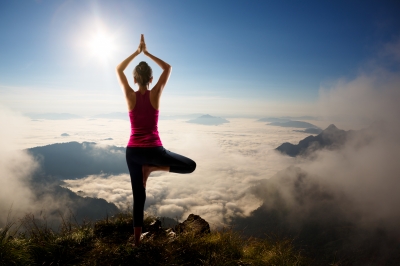
Tree pose. This is a balance, and no matter where you have your other leg or foot lifted, the grounding foot and leg is always going to get a good workout. Concentrating on the foot here is crucial – the positioning of the foot must be good to maintain balance and prevent toppling over!

Adho Mukha Svanasana (Downward Facing Dog). This is a great overall stretch for the body, both a resting and active pose, however if you concentrate on your feet during this pose it will open out a new level of discovery. Once I’m warmed up and my heels start to touch the mat, this is where focussing on grounding through the feet and toes, but lifting up through the arches can really help with alignment of the hips and engage the root lock (pelvic floor area).

Trianga Mukhaikapada Paschimottanasana. This pose is great for helping to correct dropped arches and flat feet, stretching into the foot flexors. It’s also a great stretch for the ankle. In a seated position bend one leg so that the foot is beside the outside of the hip. This can be intense for the knee so don’t attempt if your knee is contraindicated in anyway. Either sit tall for 5 breaths or bend forward at the hip holding onto the foot of the straight leg.

Please note that I a not a yoga instructor.

Read the second in this series [Yoga Series #2]: Feet are our Foundation.

Image courtesy of pat138241 at FreeDigitalPhotos.net

Jackie Marsden MAR is a qualified reflexologist and independent consultant (Team Leader) for Neal’s Yard Remedies Organic. Jackie leads and mentors a growing team of consultants (many of whom are therapists integrating organic products into their existing businesses) via the NYRO social selling channel, holding regular team meetings, one-to-one coaching via phone and facetime, and a closed facebook group. All views are my own.

Growyourbusiness

Charity Fundraiser for Eating Disorder Awareness Week

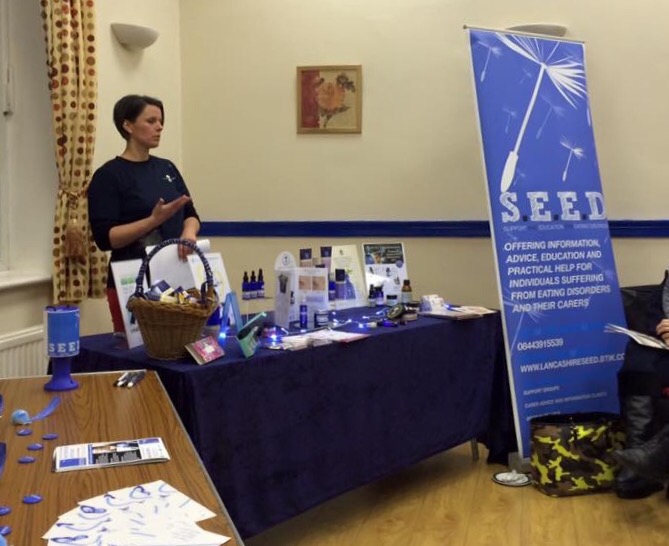
Last week was Eating Disorders Awareness Week. During this week I co-ran a fundraising event with a local Preston-based charity Support and Education for Eating Disorders (S.E.E.D). S.E.E.D is dedicated to raising awareness about eating disorders in Lancashire by providing information, resources, education, training and support for everyone affected by eating disorders and/or working with eating disorders. S.E.E.D acknowledges that the symptoms of eating disorders are an expression of deeper emotional need; they believe that people suffering can get better; that there is help available and this help should be freely accessible.

The event was a shopping evening held at Howick House in Penwortham. We started off with drinks and nibbles, and then got started.

I donated a reflexology voucher worth £35 as one of the raffle prizes, so began with a short talk on what reflexology is, how it works and some of the benefits it can have on general wellbeing.

I then moved onto Neal’s Yard Remedies Organic, showcasing the natural and organic approach, and the ethical credentials of the company. We had a bit of fun with a “smell test”, guessing the scents of different essential oils, and learning about their health benefits.

S.E.E.D’s very own Shelley Perry enjoyed a mini facial, a demonstration of the key facial products and their benefits for the skin. Shelley was very relaxed afterwards! We then tried various different products, many of which are my favourites such as the Wild Rose Body Elixir, Firming Body Cream and the Melissa Hand Polish.

Afterwards everyone relaxed with the brochures and placed enough orders for me to donate £65 of my profits to the charity, and along with the other monies raised through the raffle and refreshments, a total of £165 was raised on the night. What a great result and everyone had such an enjoyable evening!

If you are a local charity and would like to hold a similar event with me please get in touch. Watch out for another shopping evening with S.E.E.D this summer.

Jackie Marsden MAR is a qualified reflexologist and independent consultant (Team Leader) for Neal’s Yard Remedies Organic. Jackie leads and mentors a growing team of consultants (many of whom are therapists integrating organic products into their existing businesses) via the NYRO social selling channel, holding regular team meetings, one-to-one coaching via phone and facetime, and a closed facebook group. All views are my own.

Growyourbusiness

The awkward conflict of sales

Do you ever feel awkward about charging for your therapies? Do you ever feel that you are charging too much, or feel as though you should be offering your therapies for free?

With complementary therapies not widely available on the NHS, clients seek us out to help with their problems. But the monetary cost can be expensive.


If we as therapists can help someone overcome health issues but there is a financial obstacle, we would rather remove the obstacle in order for the therapy to go ahead.

There also seems to be an expectation to give away free taster sessions, or perhaps reduced rate treatments in order to allow people to try the therapy and perhaps pay for a full treatment at a later date. But is this marketing technique effective?

People like a freebie or a bargain and likely not want to pay for further sessions. Those serious about using the therapy as a method of regular relaxation and overall healing will prioritise financially in order to pay for it.

As a reflexologist I have invested a lot of time, money and energy into my training and my continued learning and experience. I feel the rate at which I charge is appropriate to that. However I am always open to negotiation if it means that I can continue to practice and help other people.

Jackie Marsden MAR is a qualified reflexologist and independent consultant (Team Leader) for Neal’s Yard Remedies Organic. Jackie leads and mentors a growing team of consultants (many of whom are therapists integrating organic products into their existing businesses) via the NYRO social selling channel, holding regular team meetings, one-to-one coaching via phone and facetime, and a closed facebook group. All views are my own.

independent-consultant-long-logo

Growyourbusiness

unnamed2

Image courtesy of Ambro at FreeDigitalPhotos.net

Holistic Approaches for Multiple Sclerosis

Multiple sclerosis (MS) is a neurological condition which affects around 100,000 people in the UK. Most people are diagnosed between the ages of 20-40, but it can affect younger and older people too. Roughly three times as many women have MS as men. [1]

MS is when the body itself attacks the myelin sheath in an auto-immune response. The myelin sheath’s function is to insulate the nerves. When it is compromised it causes the neurotransmitters to function less effectively, slowing or blocking messages between body and brain. This creates tingling sensations, fatigue, tremors, pain and trouble balancing.

Dr Mercola states “While your body does have the ability to repair myelin naturally, this process tends to become less effective as you get older. Now, however, researchers [from University of Cambridge] have uncovered a natural option that might play a major role in boosting the repair of damaged myelin in people with MS: vitamin D.”[2] This emerging research is also presented by the Multiple Sclerosis society.[3]

I have been aware of MS right from the beginning of my reflexology career through my tutor, Julie Crossman, and her experience with her close and continued work with MS sufferers. During my training and professional career it is always the nervous and digestive systems I focus on within a reflexology session for an MS sufferer. A course of Reflexology Lymph Drainage would aim to help too from the auto-immune angle: isolating the immune system reflexes intends to boost and seek rebalance.

Delayed nervous responses such as moving a hand away from a hot surface, or weakening bladder control can be debilitating. The latter example causes further problems because many sufferers deliberately drink less to try to reduce this symptom but in doing so can cause bowel problems and constipation. Less water is not going to help anyone: our bodies need around two litres per day to carry out its vital functions.

ID-100140238Following a healthy diet full of antioxidant-rich fresh fruit and vegetables and a good water intake is key. A good quality Vitamin D supplement is also important.

Reflexology can also be beneficial from an emotional angle. Dr Mercola states “More often than not, some form of hidden emotional wound can also be found in patients suffering with autoimmune diseases like MS.” This has also been my findings from other readings of the condition by Ann Gillanders. The profound relaxation that reflexology invokes can create an emotional release for some people.

[1] https://www.mssociety.org.uk/what-is-ms

[2] http://articles.mercola.com/sites/articles/archive/2015/12/21/vitamin-d-multiple-sclerosis.aspx?e_cid=20151221Z2_DNL_art_2&utm_source=dnl&utm_medium=email&utm_content=art2&utm_campaign=20151221Z2&et_cid=DM93237&et_rid=1273927785

[3] https://www.mssociety.org.uk/ms-research/emerging-areas/vitamin-d

Jackie Marsden MAR is a qualified reflexologist and independent consultant (Group Leader) for Neal’s Yard Remedies Organic. Jackie leads and mentors a growing team of consultants (many of whom are therapists integrating organic products into their existing businesses) via the NYRO social selling channel, holding regular team meetings, one-to-one coaching via phone and Facetime, and a closed Facebook group. All views are my own.

Links to carefully selected affiliates.

independent-consultant-long-logoGrowyourbusiness

unnamed2

Image courtesy of Praisaeng at FreeDigitalPhotos.net

What is Stress?

We all talk about stress in our lives, but what actually is “stress” and what does it do to our bodies? How can we be more aware and what can we do to help ourselves?

This blog offers an introduction to the topic of stress.

Our Autonomic Nervous System (ANS) is the important part of our nervous system which controls our vital bodily functions such as our heart beating and our breathing.stress

It is split into two divisions: Parasympathetic and Sympathetic. The two sides work in an integrated and complementary fashion. When one is stimulated the other one is suppressed.

When we face any type of stress, whether it’s fear, anxiety, danger or worry, our nervous system reacts in exactly the same way: it prepares to “fight or flight”. This is because it senses a threat and it works to keep us safe. So whether you are running across a road of speeding traffic, or whether you are anxious about a looming work deadline, the body will be reacting in exactly the same way.

The sympathetic division predominates. A release of adrenalin instructs the body to prepare for “fight or flight”.

Blood vessels supplying the heart, limbs, head and brain dilate enabling more blood and oxygen to reach these body parts in preparation for physical activity.

Blood pressure and heart rate rises, as does respiratory rate.

The brain and eyes are also on full alert, improving concentration and peripheral vision.

Sugar is released into the blood system for the anticipated need for additional energy. This happens in the liver.

In order to conserve energy, the blood vessels supplying the non-essential systems of the body constrict, suppressing the digestive and immune systems.

The stomach and small intestine become inhibited, delaying digestion, the onward movement of food, and the absorption of nutrients.

Once the perceived threat has gone, the body will revert back to normal and rebalance: homeostasis will be resumed.

But in our modern day life, the perceived threat might go on and on for days, weeks, months or even years. Anxiety and worries can take all sorts of forms, such as work/job worries, financial worries, health worries, deadlines, long working hours, relationships: the list is endless.

As you can imagine, the ability to relax will be difficult: the body being on constant high alert. Problems include difficulty sleeping, feeling run down, constantly catching colds and viruses due to the suppressed immune system. Good nutrition will also be compromised with the suppressed digestive system, causing Irritable Bowel Syndrome (IBS), diarrhoea, constipation etc.

It’s so important that we get a balance in our lives: time for work and time to rest/relax. We need time to allow the parasympathetic nervous system to predominate, and then allow the body time to rebalance.

This is where reflexology and other holistic therapies can be so beneficial. A regular session booked into the diary will break the constant stress cycle, and give you and your body an hour to lie back and relax: me time.

Reflexology, in particular, can be very beneficial in providing profound relaxation because of the high concentration of nerve endings in the feet: the feet are great access points for the whole body.

If you are looking for fertility support in Lancashire please get in touch.

Jackie Marsden MAR is a qualified reflexologist and independent consultant (Team Leader) for Neal’s Yard Remedies Organic. Jackie leads and mentors a growing team of consultants (many of whom are therapists integrating organic products into their existing businesses) via the NYRO social selling channel, holding regular team meetings, one-to-one coaching via phone and facetime, and a closed facebook group. All views are my own.

independent-consultant-long-logoGrowyourbusiness

unnamed2

Image courtesy of Master isolated images at FreeDigitalPhotos.net

Reflexology for sleep problems – a perspective

Sleep is such an important part of our lives, but what actually is sleep and what does it do for us?

During sleep, your body is working to support healthy brain function and maintain your physical health. In children and teens, sleep also helps support growth and development.

What happens when we don’t sleep?

The damage from sleep deficiency can harm you over time. For example, ongoing sleep deficiency can raise your risk for some chronic health problems. It also can affect how well you think, react, work, learn, and get along with others. [1] Researchers have linked poor sleep to a number of ailments, from short-term memory loss and behavioural problems, to weight gain, diabetes, and even increased risk of cancer, just to mention a few. [2]

sleep

If we spend too much time indoors, in a windowless office during the day and in front of the TV, computer screens and mobile phones in the evenings, insomnia can soon set in because our brains struggle to determine what time it is. 

The combination of light deficiency during the day and excessive light exposure at night causes your biological clocks to get out of sync.

A 30-60 minute exposure to outdoor light every day helps to anchor our circadian rhythm. [2] This means that our master clock is set to be awake and alert during the day and to rest and sleep during the night.

After sustained periods of sleep disruption, we can be left feeling agitated, grumpy, stressed and on high alert. It then becomes ever more difficult to get to sleep, and thus becomes a stress in itself, and the cycle continues.

How can I sleep naturally?

Reflexology can also help with problems like this, as it allows a time and place for deep relaxation to occur. The appointment is in your diary. You are expected to lay back. You are expected to maybe close your eyes. You are expected to relax. Once in a state of deep relaxation, the body can begin to switch off the “high alert” and allow the parasympathetic nervous system to do its work, increasing digestion, immunity, libido, and most importantly here, providing a good environment for resetting the master clock to promote a healthy sleep pattern.

Combine regular reflexology with reduced time spent in front of TV and computer screens, particularly in the evenings, reduced consumption of stimulants during the evenings (such as alcohol and caffeine), and a good dose of outdoor light during the day, and you should be well on your way to a better night’s sleep. Fabulous natural remedies for sleep!

To summarise 3 things to help you sleep:

  • Get some reflexology
  • Reduce screen time and stimulants
  • Go outside during the day

For more of me on sleep, melatonin and circadian rhythm see my other blog post on the Winter Blues.

All views are my own.

independent-consultant-long-logo
Growyourbusiness
unnamed2

[1] http://www.nhlbi.nih.gov/health/health-topics/topics/sdd/why

[2] http://articles.mercola.com/sites/articles/archive/2015/12/10/dangers-sleeping-too-much.aspx?e_cid=20151210Z2_DNL_art_1&utm_source=dnl&utm_medium=email&utm_content=art1&utm_campaign=20151210Z2&et_cid=DM92051&et_rid=1256832826

Image courtesy of Ambro at FreeDigitalPhotos.net

Combating Winter Colds and Viruses

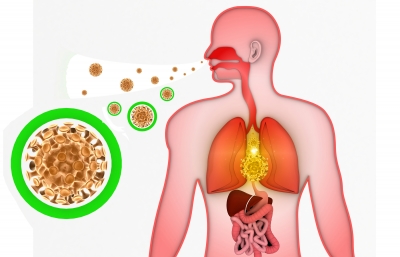
ID-100231025It’s that time of year again when the weather turns colder, the central heating goes on, and windows tend to be closed, creating a breeding ground for winter colds and viruses.

There are simple ways of combating the prevalent cold virus, and this is more in prevention rather than cure.

Immune system

Our immune system needs regular boosting so that it is ready to fight any invaders. Do this by eating lots of fresh fruit and vegetables, preferably organic. Fruit and vegetables are full of antioxidants, which fight those free radicals which are released within the body to attack.

A regular vitamin C supplement can also help boost the immune system, optimising it for attack. Have you ever drunk a glass of organic juice and noticed its acidic effect on the digestive system? This is caused by the ascorbic acid. The vitamin C supplement I use contains Calcium Ascorbate instead, which is slow release, non-acidic form of vitamin C.

Stress will also damage our immune system, prioritising our adrenalin and sympathetic nervous system, and thus neglecting those systems that are not needed for immediate survival such as immune and digestion. A regular session of reflexology can help reduce stress and evoke relaxation.

Vitamin C

Patrick Holford’s advice re. vitamin C absorption is to take around 2 grams every 4 hours. This will saturate the tissues with vitamin C and thus flushing out the cold virus, maintaining a high level of immune protection. [1] This will completely blow the Recommended Daily Allowance (RDA) out of the water, however vitamin C is water soluble and thus the body cannot store excess amounts in fat – it simply excretes via the kidneys.

The RDA was written years ago based on the nutritional value of our foods after the war – nowadays our foods are nutritionally poorer due to the depleting quality of our soil. This is why I advocate an organic based diet and lifestyle. If we don’t adopt this way of life our future foods will be nutritionally worthless.

Antioxidants

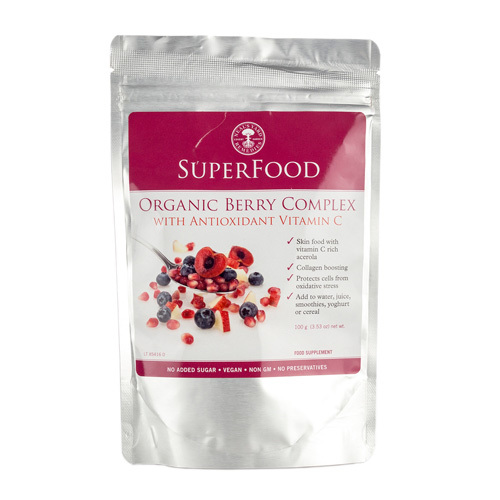
berry complexI have been using the Organic Berry Complex to continually saturate my body’s tissues throughout the day, particularly if I know I’m going to be busy with clients, driving long distances or late nights. Whiz up 2 scoops of the complex with some sprigs of mint and a blender jug full of water. Add a glug of Elderberry syrup to give a deeper taste and a richer content. It tastes amazing, so refreshing and the children love it too. Take a small glass of it regularly throughout the day to top up.

The supplements created by Neal’s Yard Remedies Organic are superior in the way they work because they are synergistic blends of carefully selected and sourced vitamins and minerals. Vitamins and minerals work with each other to do their jobs efficiently – not in isolation.

[1] Patrick Holford The Optimum Nutrition Bible pg. 289 How to kill a cold

Jackie Marsden MAR is a qualified reflexologist and independent consultant (Team Leader) for Neal’s Yard Remedies Organic. Jackie leads and mentors a growing team of consultants (many of whom are therapists integrating organic products into their existing businesses) via the NYRO social selling channel, holding regular team meetings, one-to-one coaching via phone and facetime, and a closed facebook group. All views are my own.

independent-consultant-long-logoGrowyourbusiness

unnamed2

Image courtesy of cooldesign at FreeDigitalPhotos.net

Do you suffer from the Winter Blues?

I always feel a little sad during August. Towards the end of this month the long summer days are noticeably getting shorter and the summer holidays are drawing to a close. Businesses and shops are no longer focusing on summer products and are now looking at autumn/winter collections.

Inevitably, the autumn and winter will be soon upon us. Are you one to suffer with the winter blues? Some people suffer with Seasonal Affective Disorder (SAD), which although the actual cause is still unknown, it is thought to be a depression brought on with the shorter days, lack of daylight and darker mornings. Symptoms include low mood and lack of interest in life (1).

Lack of sunlight is suggested to cause an upset in the balance of the endocrine glands situated in the brain, and thus the production of the hormones serotonin and melatonin. Serotonin is known to influence mood, social behaviour, sleep and memory, whereas melatonin is connected to the body’s natural circadian rhythm (natural body clock), sensing the onset of darkness/night time and thus makes us sleepy at the right time.(2)

Reflexology would aim to help improve the symptoms of SAD, with a treatment plan focusing on the endocrine, digestive and nervous systems (note that serotonin is also produced in the intestines). A course of treatments would endeavour to rebalance the body, asking the body to ignite its self-healing processes, and thus improve mood and feelings of lackluster.

Essential oils can be of great help during this time. Uplifting citrus oils can be particularly beneficial particularly Bergamot. Diffuse a few drops in a bowl of hot water into the room you are going to be in and close the door. Alternatively invest in an electric aromatherapy diffuser.

Other things you can do at home would be to ground yourself and recharge your body with negative ions by walking or standing barefoot in the garden or in the local park for a few minutes every day. Reconnecting with nature, either walking near trees or next to water, on the beach or beside a lake can also uplift the spirits and fill you up with negative ions, which are so powerful in making us feel good, giving us more energy, better sleep and generally feeling part of the world again.

(1) http://www.nhs.uk/conditions/Seasonal-affective-disorder/Pages/Introduction.aspx

(2) Ross and Wilson Anatomy and Physiology in Health and Illness 12th Edition

Jackie Marsden MAR is a qualified Reflexologist and an independent consultant for Neal’s Yard Remedies Organic. All views are my own.

independent-consultant-long-logo
Growyourbusiness

Are you getting enough Vitamin O?

What am I talking about? Oxygen.

I’m no expert on yoga/breathing/meditation, however what I learn and find useful for myself, I always share where needed, particularly with my clients.

Many people come to me with stress-related issues, anxiety, sleep problems. Our minds wander and we worry, we ask:

  • Why me?
  • Why (insert loved ones name here)?
  • Why did it happen?
  • I wished it hadn’t happened
  • I’m worried it will happen
  • … the list could go on but you get the idea.

While we’re wasting our time doing this, our bodies are responding with the “fight or flight” response. Heart rate quickens, blood pressure increases, our immune and digestive systems start slowing. Our breath becomes shallow.

We need something to get away from the mind’s futile worrying. What could be easier and more opportune than our breath? Take some deep, slow breaths. Allow the oxygen to fill up our chests, our tummies, our whole bodies. Sweep in through the nose, and if you can, out through the nose, if not slowly and gently through the mouth. Try counting 1,2,3,4 as you inhale, 1,2,3,4 as you exhale. Add in some pauses. Count 1,3,3,4 after every inhale and exhale.

These simple techniques should help you tune out your mind’s babble and focus on the present moment. What is actually bothering you right now at this present moment? Nothing.

Posture during these breathing exercises is important too. If you’re doing them in bed in the middle of the night then you should be horizontal and comfortable. Make sure you’re warm and you can relax your muscles. If you’re sitting then it might be useful to use a small cushion to “prop up” your seat bones (those bony bits in your bottom cheeks). Tilting the pelvis forward like this will shift the spine straighter and open up the chest area, allowing more space.

During my reflexology treatments, my sequence always starts with the diaphragm line, followed by lung reflex, to help calm the breath and aid relaxation.

When we breathe we are literally giving our whole bodies oxygen: what could be more holistic?

The breath is so obvious that it often gets overlooked, but this is one of the greatest tools we have to help ourselves.

Are you getting enough Vitamin O?

Jackie Marsden MAR is a qualified reflexologist and independent consultant (Team Leader) for Neal’s Yard Remedies Organic. Jackie leads and mentors a growing team of consultants (many of whom are therapists integrating organic products into their existing businesses) via the NYRO social selling channel, holding regular team meetings, one-to-one coaching via phone and facetime, and a closed facebook group. All views are my own.

independent-consultant-long-logoGrowyourbusiness

unnamed2

Image courtesy of hinnamsaisuy at FreeDigitalPhotos.net