
Trying to Conceive? Why Natural Skincare Matters More Than You Think

When you are trying to conceive, it is natural to focus on diet, supplements and lifestyle. You might start tracking your cycle, supporting your hormones, or eating more nourishing, fertility-friendly foods. But one area that is often overlooked is the everyday products we apply to our skin, hair and body.

We are usually careful about what we eat, but do we pay the same attention to what we put on our skin? The skin is permeable and many ingredients in personal care products are absorbed into the bloodstream. This becomes particularly relevant in the preconception phase, when you are working to create the healthiest possible internal environment for pregnancy.

The Problem with Petrochemicals

A large number of mainstream skincare, body care and cosmetic products are based on petrochemicals. These are substances derived from petroleum and crude oil. They may be used to preserve products, make them feel silky, create foam or fragrance, or simply to bulk them out because they are cheap and widely available.

Petrochemicals can burden the liver and disrupt the endocrine system. Some are known or suspected endocrine-disrupting chemicals, which means they can interfere with your hormones. This is especially important during the delicate process of trying to conceive, when hormonal balance is essential for ovulation, implantation and embryo development.

Petrochemical-Derived Ingredients to Avoid

Here are some common ingredients that may appear in your skincare products, all of which are derived from petrochemicals and can impact fertility:

  • Paraffinum liquidum (mineral oil) Often used in moisturisers, this is a by-product of petroleum refining. It forms a film on the skin that may block pores and inhibit natural detoxification.
  • Propylene glycol Common in creams and serums to help retain moisture, but it can irritate the skin and increase the penetration of other chemicals.
  • Parabens (methylparaben, propylparaben, butylparaben) Used as preservatives, they mimic oestrogen in the body and are linked to hormonal disruption.
  • Phthalates Often hidden under the word “fragrance” or “parfum,” these are plasticisers that can disrupt reproductive hormones and have been associated with reduced fertility.
  • Sodium lauryl sulphate (SLS) and sodium laureth sulphate (SLES) These are foaming agents that can irritate the skin and are often contaminated with by-products of the petrochemical industry.
  • Synthetic fragrance or parfum A single artificial fragrance can contain dozens of undisclosed chemicals, many of which are derived from crude oil and may disrupt hormones or sensitise the skin.

The Preconception Window is Precious

In the months leading up to conception, your body is preparing in subtle but powerful ways. Detoxification, hormonal signalling, egg and sperm quality, and the uterine environment are all influenced by your internal balance. Reducing your toxic load by avoiding petrochemicals is a simple but significant step that supports these natural processes.

Nourish Yourself Naturally

Choosing natural personal care products is an act of self-love. Look for certified organic or naturally formulated options that are free from petroleum-derived ingredients, artificial fragrance and synthetic preservatives.

Brands such as Neal’s Yard Remedies focus on high-quality botanical ingredients that support rather than suppress your body’s natural rhythms. Begin with the products you use most often, such as body lotion, deodorant and facial care. These small shifts create long-term benefits, not only for fertility but for overall well-being.

Conclusion

Trying to conceive is a time to simplify, nourish and connect more deeply with yourself. By making thoughtful changes to the products you use every day, you support your body in doing what it was made to do. Natural personal care is not about being perfect. It is about creating space for your hormones to settle, your liver to work freely, and your skin to breathe.

You deserve to feel safe, supported and ready. Let nature take care of you, so you can take care of what matters most.

Detoxing holistically

Woman holding a healthy green smoothie.

January is a time where we see lots of talk and discussion about detoxing after the festive break and as a kick start for the new year ahead. But is January the best time to do this? When we are still very much in mid-winter, and hibernation is still what we are craving with the mornings and evenings still so dark and the weather still so cold.

A better way to approach detoxing is to make lifestyle changes and build good habits into daily routines so that you are reducing the toxic load from the “get go” and daily habits are keeping on top of what’s left.

Reducing toxic load

Many toxins are within our homes. Consider home cleaning, laundry and personal care products, as well as home fragrance. These will contain lots of toxins such as heavy metals, petrochemicals, synthetic fragrance and parabens. Much of these ingredients are environmental oestrogens i.e. they mimic oestrogen within the body and can cause havoc with hormones, mood and weight gain. This is particularly critical if you are trying to conceive or are perimenopausal.

Foods are another area where toxic load can be reduced. Cutting back on ultra processed foods such as ready meals, ready made sauces, fast foods, packet foods can really help reduce toxic load. Choose whole foods and make meals from scratch. Teach yourself how to cook. Snack on things like fruit, nuts and seeds and cut out the junk. Choose organic where possible and rinse/wash fruit and vegetables thoroughly before eating.

Water intake should be increased. The body uses around 2 litres of water per day just to complete its daily functions. If you are not consuming this regularly then the body will source the water from itself leaving you with signs of dehydration such as dry skin, slow bowel movements and headaches.

Choose a water filter to filter out debris, pharmaceutical residues, microplastics and chemicals used in the treatment plants.

Food and water storage

Don’t store your water in plastic bottles; choose a metal or glass bottle. Don’t cook food in plastic containers and try not to store food or re-heat food in plastic. Choose glass Tupperware or simply use a regular bowl and pop a plate over the top. Avoid using clingfilm. You often don’t need to cover and wrap food; simply placing it in the fridge will be good enough if you are eating it the next day. If you want to use a wrap then look at the reusable beeswax or plant-based wraps. Plastic from bottles and storage containers will leach into the water/food, especially if you are washing in hot water using a regular detergent. Switch to an environmentally friendly brand such as Method or BioD.

Daily habits

Daily dry body brushing is a great way to keep your lymphatic system boosted which is integral to reducing toxins and inflammation. Take a body brush and gently brush in an upwards motion towards the heart. Brush up the middle of the torso, then the legs, arms and across the top of the chest. Do this every morning on dry skin before showering or moisturising to keep on top of your detox plan.

A castor oil pack worn over the right side of your abdomen can help to support your liver which is integral for detoxification. This is simply a compress soaked in castor oil and then strapped to your torso and worn for an hour. You can do this weekly to keep on top of your detox plan, or more regularly if you are using it in a more targeted way.

Oil pulling each morning with coconut oil is another way to regularly rid your body of toxins. Put around a teaspoon of coconut oil in your mouth first thing, and let it melt then swish it around your mouth for approximately 2 minutes before spitting into the bin (do not spit into the sink as it may block drains).

Detox the mind with meditation. Meditation doesn’t have to be complicated or boring. Simply sit in a comfortable position and be quiet for a length of time. Sit in the stillness. Allow yourself not to think or worry about anything for the set amount of time. It could be as little as 1 minute to begin with. Use a timer. Practice every day and note how you feel.

These approaches are a better and kinder way to detox your body, and will be practical and sustainable to build into your everyday life.

How to Manage a Stye

We have had quite a few styes in our household this year. Bathe with a warm chamomile compress for rapid healing. We put 1-2 drops of chamomile essential oil in a small bowl of warm water and then soaked cotton wool in the water to make the compress. Then relax back and place over the eye for a few minutes. We repeated this daily for a few days and the stye disappeared.

Don’t forget the mental/emotional aspect of styes which might suggest looking at the world through angry eyes. From a Traditional Chinese Medicine (TCM) view, anger manifests in the Liver which opens out into the eyes, so this all ties in.

Spend time checking into yourself.

Chamomile is gentle and calming. This same eye compress can be used for itchy eyes, red and sore eyes, hay fever.

It’s always handy to have Roman Chamomile and Lavender essential oils in your cabinet for first aid/little emergencies.

Chamomile essential oil from Neal’s Yard Remedies, next to bowl of warm water and cotton wool pads.

Salts explained

Salt with a wooden spoon.

Sea salt is really good for soaking in a bath. It is believed to stimulate circulation, help ease muscle cramps, help relieve stiff joints, and soothe the skin.

Sea salt isn’t generally processed that much, it is simply evaporated off the water. So its very rich in trace minerals such as calcium, potassium, magnesium, zinc and iron.

Himalayan salts are very similar to sea salt in composition and trace minerals. However, because Himalayan salt is mined near the foothills of the Himalayan mountains, from some really ancient sea beds which were covered over with ice, lava and snow for millions of years, its thought that Himalayan salts are much purer than our regular sea salt because they are not full of our modern day pollutants.

Epsom salts aren’t actually a salt. They are magnesium, sulphur and oxygen. So when you use Epsom salts you are really using them for their magnesium content. Magnesium is needed in the body for all sorts of daily functions at a cellular level, and it is thought that in this day and age we are all lacking in magnesium due to the erosion of soil quality. Magnesium is very easily absorbed through the skin so soaking in a bath of Epsom salts is a great way to boost your magnesium levels.

Although we do need magnesium to support a whole host of bodily functions, one of the main things we all need it for is stress-management and improved sleep.

So these are the different types of salt explained, so you can now make an informed choice as to which type you would like to bathe in. Happy soaking!

View the bath salts from Neal’s Yard Remedies Organic.

The Power of Arnica

Arnica is a well-known homeopathic remedy and a gentle herb from the daisy family (a relative to Calendula, Chamomile, Echinacea, Yarrow and Dandelion).

For centuries Arnica has been used for bruising and sprains. It’s old names such as “fall herb” and “wound herb” signify its age-old use for the effects of trauma. Swiss mountain guides chewed Arnica leaves to prevent fatigue from climbing.

Just like the tough, hardy daisy, Arnica will help you bounce back from life’s knocks and tumbles. It reduces pain, inflammation and swelling, and increases blood circulation.

Arnica is an alpine plant growing and thriving in the most extreme conditions, making it a tough, hardy plant. It grows in nutrient-poor soil, at high altitudes and strong sunlight. It is a survivor, getting through the most difficult of times. It’s leaves are also usually full of little insects and parasites, giving it a victim persona. Its root contains essential oils which are powerful anti–inflammatory agents. So there is no wonder that Arnica is a powerful remedy not just on a physical level but also on emotional and spiritual levels too.

If you have fallen over and taken a knock, or are feeling battered and bruised from a tough exercise workout, Arnica knows that feeling. Arnica can sooth your weariness, heal your bruises, remedy the trauma and comfort your injured pride.

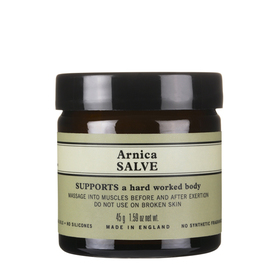
Arnica Salve (by Neal’s Yard Remedies) is potent plant power in a jar: organic essential oils and herbal extracts in pure, organic beeswax. Supporting a hard worked body, the salve can be massaged into muscles before and after exertion, stimulating muscles before workouts and easing them afterwards. Of course it is also a necessity for the organic medicine cabinet for emergency first aid for those knocks, bruises, falls and sprains.

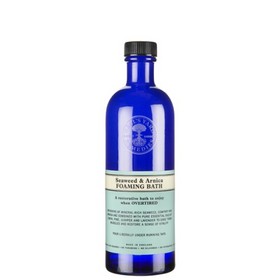
When overtired why not enjoy a restorative soak with Arnica in the bath. Infusions of mineral-rich Seaweed, Comfrey and Arnica are combined with pure essential oils of Lemon, Pine, Juniper and Lavender to ease tired muscles and restore a sense of vitality.

Especially formulated to ease weary limbs. Or why not try the Seaweed and Arnica Bath Salts?

Jackie Marsden MAR is a qualified reflexologist, acupuncturist, promoter of healthy living and independent consultant (Group Leader) for Neal’s Yard Remedies Organic.

Image courtesy of foto76 at FreeDigitalPhotos.net

It is absolutely acceptable to be a salesperson

I recently read Jane Binnion’s book The Heart of Sales. Jane is a social media and ethical sales training, and has written this book for small business owners who choose to trade ethically. This book is the inspiration behind this blog.

Many people are so frightened by the whole “sales” idea of a business, and it is not surprising really when  the term “sales person” conjures up an image of a man in a grey suit knocking on doors cold calling, or swathes of telesales staff in a windowless office harassing “innocent” people.

When I invite people to join my social selling team with Neal’s Yard Remedies Organic (NYRO), many people respond with those images of sales people in mind, saying that “sales” is just not their thing.

ID-100236331But selling is the heart of any business. If you don’t sell anything then where are you making your money? The truth is that the majority of people are selling something. Even as an holistic therapist I am a sales person. I am selling reflexology. I am exchanging a service for a price. This is absolutely acceptable because I have invested a lot of money, time and passion into my training and I am confident in my therapy and with my price.

The same can be said for NYRO. It is absolutely acceptable for me to sell these products, especially when the ingredients are sourced naturally and ethically, and suppliers are treated fairly and the company is environmentally friendly with carbon neutral status. Not to mention its pioneering efforts in organic farming and organic ingredients, and partnership with the Soil Association.

All of these factors give me confidence in my products and their price, and they make it very acceptable for me to sell them.

So yes I am a sales person but I am also much more than that. Because my business makes a difference. I am helping my customers choose the best for their health and wellbeing. I am spreading the word in organic and fair trade. I am passionate about what I do and yes, I am making a profit from that, and yes! I am selling! And yes, this is absolutely acceptable.

If you would like to know more about what I do and how you could do it too – please get in touch. It is absolutely acceptable to do so 🙂

JJackie Marsden MAR is a qualified reflexologist and independent consultant (Team Leader) for Neal’s Yard Remedies Organic.

Jackie leads and mentors a growing team of consultants (many of whom are therapists integrating organic products into their existing businesses) via the NYRO social selling channel, holding regular team meetings, one-to-one coaching via phone and facetime, and a closed facebook group. All views are my own.

independent-consultant-long-logoGrowyourbusiness

unnamed2

Image courtesy of Stuart Miles at FreeDigitalPhotos.net

Combating Winter Colds and Viruses

ID-100231025It’s that time of year again when the weather turns colder, the central heating goes on, and windows tend to be closed, creating a breeding ground for winter colds and viruses.

There are simple ways of combating the prevalent cold virus, and this is more in prevention rather than cure.

Immune system

Our immune system needs regular boosting so that it is ready to fight any invaders. Do this by eating lots of fresh fruit and vegetables, preferably organic. Fruit and vegetables are full of antioxidants, which fight those free radicals which are released within the body to attack.

A regular vitamin C supplement can also help boost the immune system, optimising it for attack. Have you ever drunk a glass of organic juice and noticed its acidic effect on the digestive system? This is caused by the ascorbic acid. The vitamin C supplement I use contains Calcium Ascorbate instead, which is slow release, non-acidic form of vitamin C.

Stress will also damage our immune system, prioritising our adrenalin and sympathetic nervous system, and thus neglecting those systems that are not needed for immediate survival such as immune and digestion. A regular session of reflexology can help reduce stress and evoke relaxation.

Vitamin C

Patrick Holford’s advice re. vitamin C absorption is to take around 2 grams every 4 hours. This will saturate the tissues with vitamin C and thus flushing out the cold virus, maintaining a high level of immune protection. [1] This will completely blow the Recommended Daily Allowance (RDA) out of the water, however vitamin C is water soluble and thus the body cannot store excess amounts in fat – it simply excretes via the kidneys.

The RDA was written years ago based on the nutritional value of our foods after the war – nowadays our foods are nutritionally poorer due to the depleting quality of our soil. This is why I advocate an organic based diet and lifestyle. If we don’t adopt this way of life our future foods will be nutritionally worthless.

Antioxidants

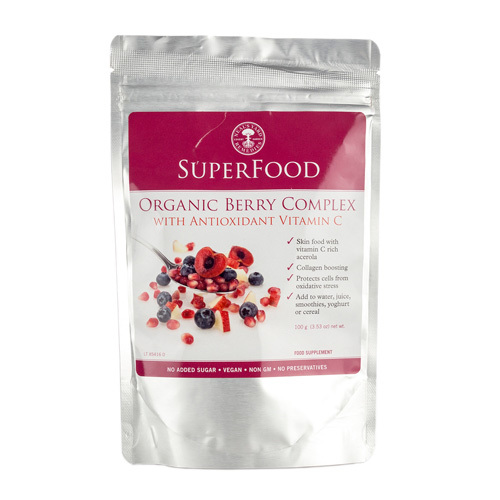
berry complexI have been using the Organic Berry Complex to continually saturate my body’s tissues throughout the day, particularly if I know I’m going to be busy with clients, driving long distances or late nights. Whiz up 2 scoops of the complex with some sprigs of mint and a blender jug full of water. Add a glug of Elderberry syrup to give a deeper taste and a richer content. It tastes amazing, so refreshing and the children love it too. Take a small glass of it regularly throughout the day to top up.

The supplements created by Neal’s Yard Remedies Organic are superior in the way they work because they are synergistic blends of carefully selected and sourced vitamins and minerals. Vitamins and minerals work with each other to do their jobs efficiently – not in isolation.

[1] Patrick Holford The Optimum Nutrition Bible pg. 289 How to kill a cold

Jackie Marsden MAR is a qualified reflexologist and independent consultant (Team Leader) for Neal’s Yard Remedies Organic. Jackie leads and mentors a growing team of consultants (many of whom are therapists integrating organic products into their existing businesses) via the NYRO social selling channel, holding regular team meetings, one-to-one coaching via phone and facetime, and a closed facebook group. All views are my own.

independent-consultant-long-logoGrowyourbusiness

unnamed2

Image courtesy of cooldesign at FreeDigitalPhotos.net

Winter is here so where will we get our Vitamin D from?

Generally known as the “sunshine vitamin”, our main source of Vitamin D is from the sun. It is needed in the body for healthy teeth and bones, but it also has links to other diseases such as mulitple sclerosis, depression, cancer, autism (lots of research is ongoing).

sunshine

Vitamin D is make via ultra violet (UV) light, and this type of light comes with health warnings during the summer months which is why we wear sun cream. There are 3 types of UV light: UVA, UVB and UVC.

UVB is the one which makes Vitamin D. During the winter months, the UK is at too higher latitude (above 35 degrees north of the equator) meaning only UVA hits the earth’s surface. There is insufficient UVB for the body to make Vitamin D during the winter months here in the UK.[1]

Vitamin D is a fat soluble vitamin, which means that it can be stored within the body (unlike water soluble vitamins such as B and C which cannot be stored and any excess will be excreted via the urine). Some people can store enough Vitamin D to last through the winter months without any problems.

However many people might be deficient in Vitamin D because they don’t go outside very much.  Examples include disease and illness forces them to stay indoors, they live a sedentary lifestyle watching TV for large proportions of the day, they work long hours in front of a computer, or they use so much sun block during the summer that their skin is not exposed to the UVB rays.

This is why a supplement is a good idea particularly over the winter months in the UK and other northern hemisphere countries. Combine the insufficient UVB and the little Vitamin D we get from our diets (oily fish and eggs) gives you a good reason to supplement.

In the UK the recommended amount is 400 international units (10 micrograms) a day for adults at risk of deficiency because of lack of sunlight. [1] But as we are all at risk of this during the winter months, my own opinion is to supplement daily.

Research data from the University of Aberdeen[1] suggests that Vitamin D status was higher for people who took sunny holidays abroad, and for those who were taking fish oils. The latter can be explained 2-fold: fish oils do contain small amounts of Vitamin D, and also fish oils are an essential fatty acid which optimises the body to store Vitamin D (remember Vitamin D is fat soluble).

Dr Mercola also suggests a Vitamin D supplement is optimised if taken alongside some healthy fat.[2] He also argues that 400IU is not enough and recommends a higher dose, however a study carried out by the University of Aberdeen showed that when the daily amount was increased from 400IU to 1000IU the marker of Vitamin D only increased by a small amount, revealing that the body is reluctant to increase to much higher levels.

It is important to remember that although you can take too much Vitamin D, there is a wide safety margin. So whether you decide to take 400IU or 1000IU or somewhere in between, it is generally a safe amount to take daily over the winter months.

As with all vitamins and minerals, they don’t work in isolation, which is why I use those formulated by Neal’s Yard Remedies Organic which are synergistic blends from plant sources surrounded by superior absorption capsules which are released within 15 minutes of entering the stomach.

Why not try the Multi Mineral and Vitamin Boost which is a synergistic blend of plant-sourced vitamins B, C, D and E and zinc. Combine with a healthy fat, such as the Organic Beauty Oil, Omega 3-6-9 or a teaspoon of coconut oil, or take a look at the Vitamin D supplement which is sourced from algae.

[1] FutureLearn course: Nutrition and Wellbeing University of Aberdeen http://www.futurelearn.com

[2] http://articles.mercola.com/sites/articles/archive/2015/05/10/vitamin-d-recommended-dietary-allowance.aspx

Jackie Marsden MAR is a qualified reflexologist and independent consultant (Team Leader) for Neal’s Yard Remedies Organic. Jackie leads and mentors a growing team of consultants (many of whom are therapists integrating organic products into their existing businesses) via the NYRO social selling channel, holding regular team meetings, one-to-one coaching via phone and facetime, and a closed facebook group. All views are my own.

independent-consultant-long-logoGrowyourbusiness

Image courtesy of Serge Bertasius Photography at FreeDigitalPhotos.net

Do you suffer from the Winter Blues?

I always feel a little sad during August. Towards the end of this month the long summer days are noticeably getting shorter and the summer holidays are drawing to a close. Businesses and shops are no longer focusing on summer products and are now looking at autumn/winter collections.

Inevitably, the autumn and winter will be soon upon us. Are you one to suffer with the winter blues? Some people suffer with Seasonal Affective Disorder (SAD), which although the actual cause is still unknown, it is thought to be a depression brought on with the shorter days, lack of daylight and darker mornings. Symptoms include low mood and lack of interest in life (1).

Lack of sunlight is suggested to cause an upset in the balance of the endocrine glands situated in the brain, and thus the production of the hormones serotonin and melatonin. Serotonin is known to influence mood, social behaviour, sleep and memory, whereas melatonin is connected to the body’s natural circadian rhythm (natural body clock), sensing the onset of darkness/night time and thus makes us sleepy at the right time.(2)

Reflexology would aim to help improve the symptoms of SAD, with a treatment plan focusing on the endocrine, digestive and nervous systems (note that serotonin is also produced in the intestines). A course of treatments would endeavour to rebalance the body, asking the body to ignite its self-healing processes, and thus improve mood and feelings of lackluster.

Essential oils can be of great help during this time. Uplifting citrus oils can be particularly beneficial particularly Bergamot. Diffuse a few drops in a bowl of hot water into the room you are going to be in and close the door. Alternatively invest in an electric aromatherapy diffuser.

Other things you can do at home would be to ground yourself and recharge your body with negative ions by walking or standing barefoot in the garden or in the local park for a few minutes every day. Reconnecting with nature, either walking near trees or next to water, on the beach or beside a lake can also uplift the spirits and fill you up with negative ions, which are so powerful in making us feel good, giving us more energy, better sleep and generally feeling part of the world again.

(1) http://www.nhs.uk/conditions/Seasonal-affective-disorder/Pages/Introduction.aspx

(2) Ross and Wilson Anatomy and Physiology in Health and Illness 12th Edition

Jackie Marsden MAR is a qualified Reflexologist and an independent consultant for Neal’s Yard Remedies Organic. All views are my own.

independent-consultant-long-logo
Growyourbusiness

Be Prepared for Biting Insects (let’s live together!)

We’re off to the midge haven of Scotland for our summer holiday, so in  true girl guide fashion I’ve followed the motto of “be prepared” and have stocked up on insect repellent and cream to apply on bites.

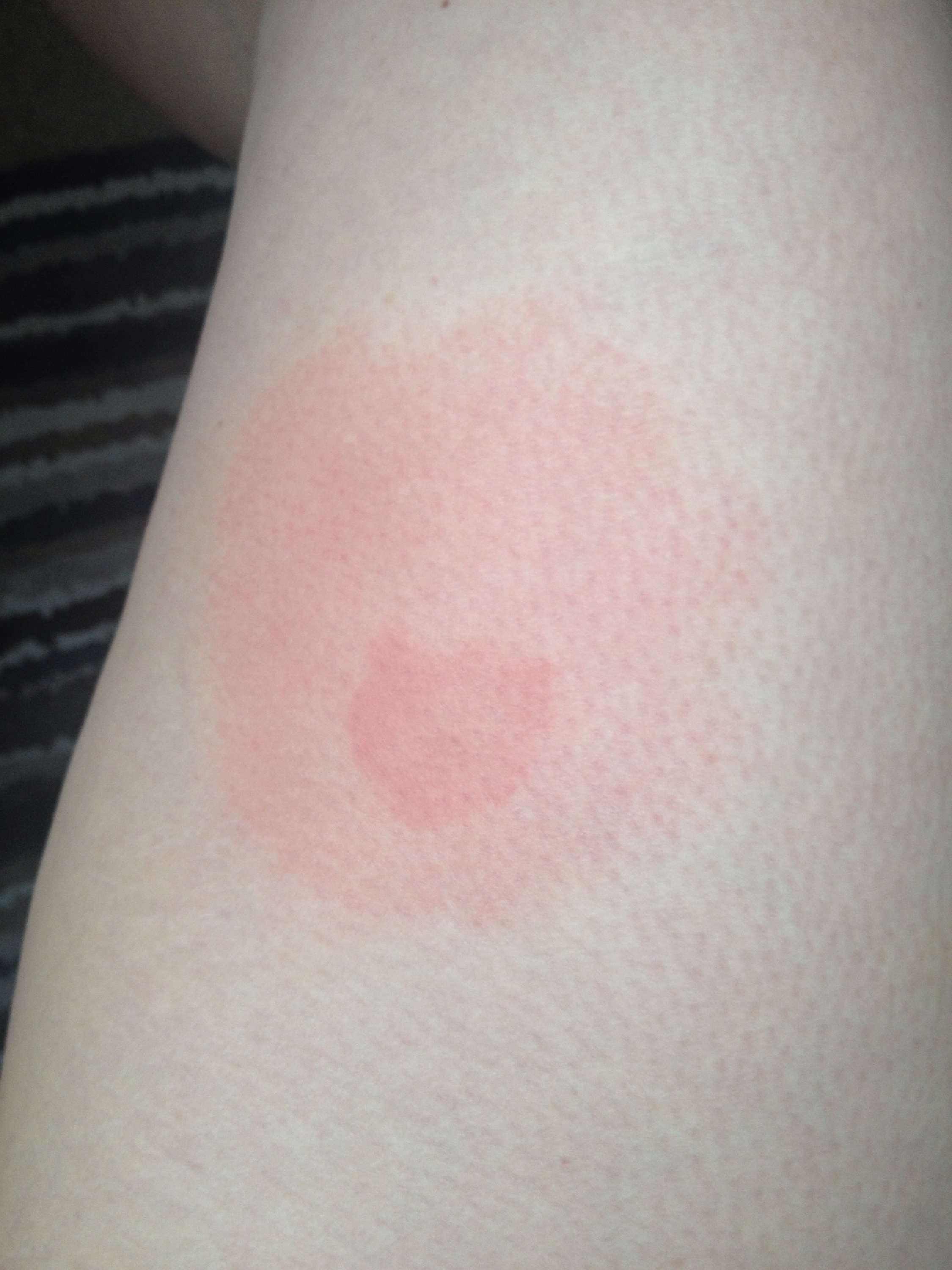
Just as well I did because just as my stock arrived I suffered this nasty bite to my thigh whilst outside in our garden, from what I can only imagine was a horse fly.

As is usually the case I only noticed it when it started to itch. Immediately applied a generous amount of Stellaria cream from Neal’s Yard Remedies. This cream is rich in almond oil and chickweed extract – exactly what the skin needs to reduce inflammation, itching and allergy. I applied approximately every 3 hours (basically when the itching re-started after the last application) and now 5 days later it no longer itches and has reduced considerably. It didn’t bother me during the night either which was surprising!

I’m sure if I hadn’t had this cream to hand the itching would have been unbearable and I probably would have been scarred from scratching.

When I was bitten I was outside taking my regular yoga practice. It’s so liberating and uplifting to practice outside, and I don’t want to stop doing this. So insect repellent to the rescue! The Neal’s Yard Remedies citronella formula spray has worked a treat ever since. With witch hazel and citronella it is cooling to the skin and smells great (but not so attractive for those pesky insects!)

If you prefer to make your own insect repellent lotion, then the following ingredients will serve well: create your own face and body lotion, citronella essential oil, thyme essential oil, lavender essential oil, pine essential oil, peppermint essential oil. Work to 2% of oils to lotion to keep it skin safe. Switch the lotion for a little alcohol (to disperse the oils) and water to make a spray instead. [Note I am not an aromatherapist however I sought this advice from a qualified colleague.]

While we’re away I will also pop a few drops of citronella in a bowl of boiling water to diffuse through the van of an evening.

Jackie Marsden is a qualified Reflexologist and Clinical Acupuncturist. She is also an independent consultant for Neal’s Yard Remedies Organic. All views are my own.

independent-consultant-long-logoGrowyourbusiness

unnamed2