Trying to Conceive? Why Natural Skincare Matters More Than You Think

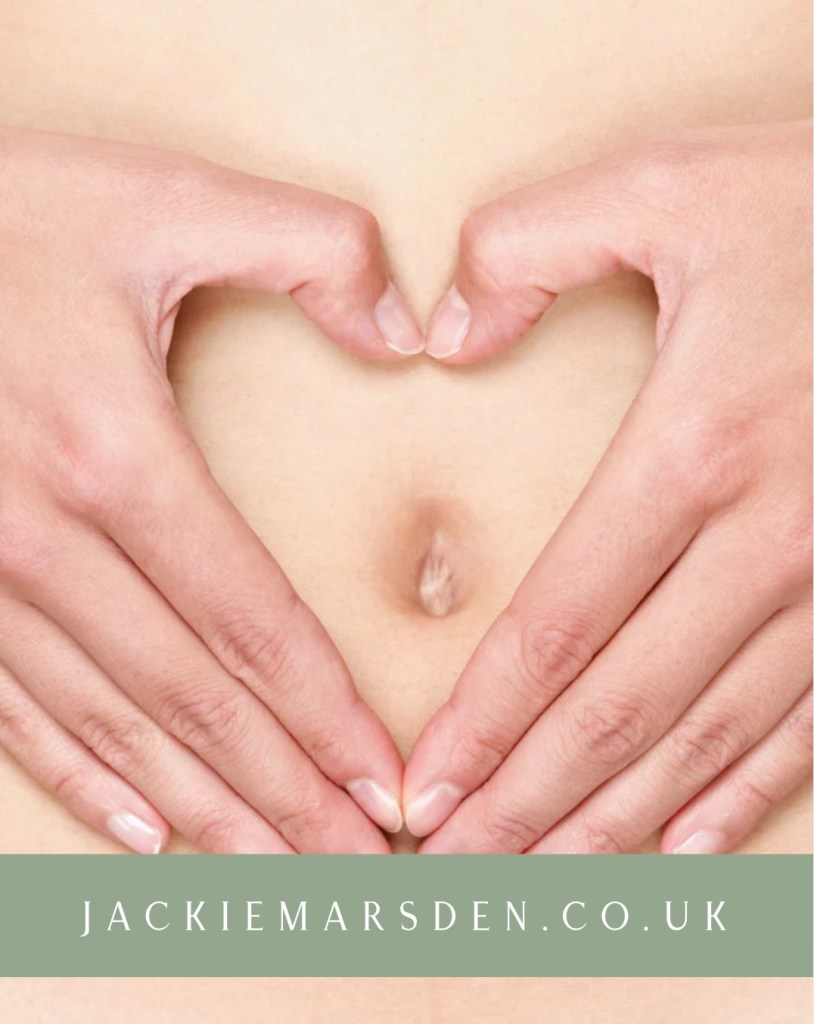
When you are trying to conceive, it is natural to focus on diet, supplements and lifestyle. You might start tracking your cycle, supporting your hormones, or eating more nourishing, fertility-friendly foods. But one area that is often overlooked is the everyday products we apply to our skin, hair and body.

We are usually careful about what we eat, but do we pay the same attention to what we put on our skin? The skin is permeable and many ingredients in personal care products are absorbed into the bloodstream. This becomes particularly relevant in the preconception phase, when you are working to create the healthiest possible internal environment for pregnancy.

The Problem with Petrochemicals

A large number of mainstream skincare, body care and cosmetic products are based on petrochemicals. These are substances derived from petroleum and crude oil. They may be used to preserve products, make them feel silky, create foam or fragrance, or simply to bulk them out because they are cheap and widely available.

Petrochemicals can burden the liver and disrupt the endocrine system. Some are known or suspected endocrine-disrupting chemicals, which means they can interfere with your hormones. This is especially important during the delicate process of trying to conceive, when hormonal balance is essential for ovulation, implantation and embryo development.

Petrochemical-Derived Ingredients to Avoid

Here are some common ingredients that may appear in your skincare products, all of which are derived from petrochemicals and can impact fertility:

  • Paraffinum liquidum (mineral oil) Often used in moisturisers, this is a by-product of petroleum refining. It forms a film on the skin that may block pores and inhibit natural detoxification.
  • Propylene glycol Common in creams and serums to help retain moisture, but it can irritate the skin and increase the penetration of other chemicals.
  • Parabens (methylparaben, propylparaben, butylparaben) Used as preservatives, they mimic oestrogen in the body and are linked to hormonal disruption.
  • Phthalates Often hidden under the word “fragrance” or “parfum,” these are plasticisers that can disrupt reproductive hormones and have been associated with reduced fertility.
  • Sodium lauryl sulphate (SLS) and sodium laureth sulphate (SLES) These are foaming agents that can irritate the skin and are often contaminated with by-products of the petrochemical industry.
  • Synthetic fragrance or parfum A single artificial fragrance can contain dozens of undisclosed chemicals, many of which are derived from crude oil and may disrupt hormones or sensitise the skin.

The Preconception Window is Precious

In the months leading up to conception, your body is preparing in subtle but powerful ways. Detoxification, hormonal signalling, egg and sperm quality, and the uterine environment are all influenced by your internal balance. Reducing your toxic load by avoiding petrochemicals is a simple but significant step that supports these natural processes.

Nourish Yourself Naturally

Choosing natural personal care products is an act of self-love. Look for certified organic or naturally formulated options that are free from petroleum-derived ingredients, artificial fragrance and synthetic preservatives.

Brands such as Neal’s Yard Remedies focus on high-quality botanical ingredients that support rather than suppress your body’s natural rhythms. Begin with the products you use most often, such as body lotion, deodorant and facial care. These small shifts create long-term benefits, not only for fertility but for overall well-being.

Conclusion

Trying to conceive is a time to simplify, nourish and connect more deeply with yourself. By making thoughtful changes to the products you use every day, you support your body in doing what it was made to do. Natural personal care is not about being perfect. It is about creating space for your hormones to settle, your liver to work freely, and your skin to breathe.

You deserve to feel safe, supported and ready. Let nature take care of you, so you can take care of what matters most.
Cortisol and Melatonin: The Yin and Yang of Your Circadian Rhythm

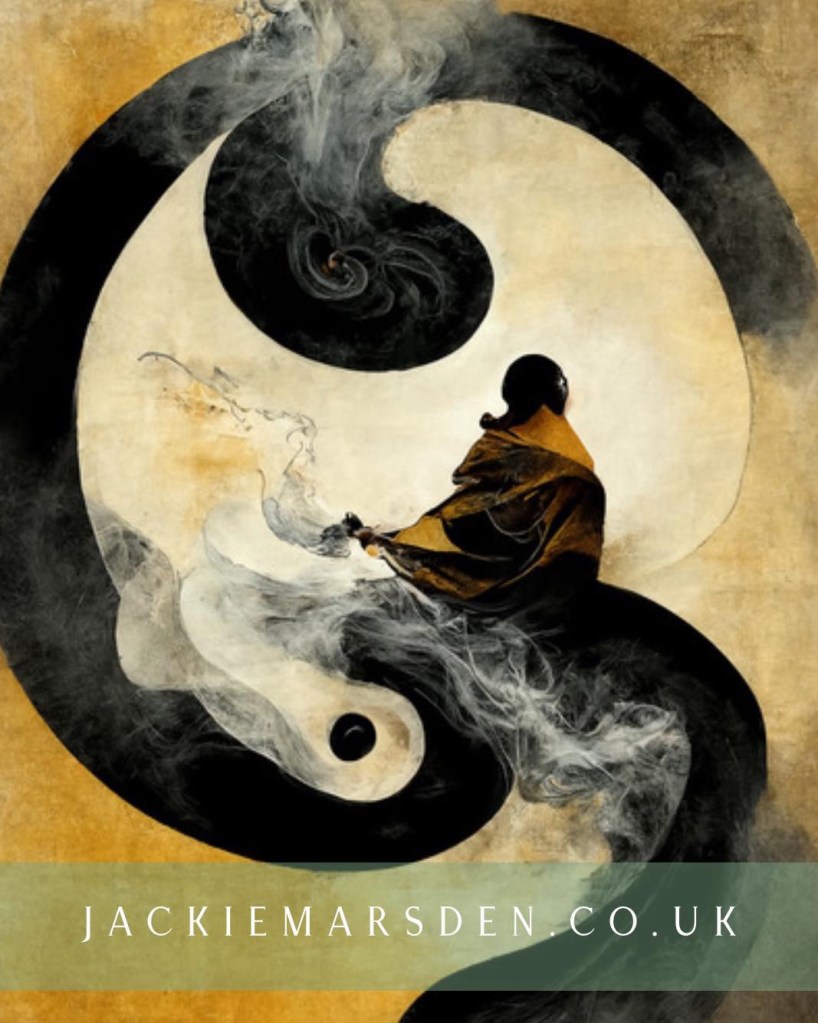
In the quiet rhythm of day and night, two powerful hormones guide our daily flow: cortisol and melatonin. These hormones play a crucial role in maintaining our body’s natural rhythm; you could think of them as the Yin and Yang of our circadian cycle: distinct in nature but working in harmony to help us feel balanced, focused, and rested.

Understanding their roles can help you align with your body’s natural flow, fostering better health and more restful sleep.

Cortisol: The Active Yang of the Day

Often labelled as the stress hormone, cortisol is essential for us to function properly, especially in the morning. It naturally rises when we wake up, helping to energize the body, sharpen focus, and prepare us for the day ahead. This is the Yang energy: active, outward, and purposeful.

Cortisol levels peak shortly after we wake up and begin to decline as the day progresses, supporting our ability to stay alert, handle stress, and perform tasks efficiently. Without sufficient cortisol, we may feel sluggish and less motivated in the morning; it’s as if we can’t quite get going.

Melatonin: The Restful Yin

As the sun begins to set, melatonin enters the scene: the Yin to cortisol’s Yang. Melatonin is often called the sleep hormone, but its job goes beyond just helping us fall asleep. It’s about inviting the body to slow down, repair, and rejuvenate during the night. When melatonin is released as daylight fades, it encourages us to rest, reduce our mental chatter, and prepare for the restorative sleep our bodies need to stay healthy.

Just as cortisol rises with daylight, melatonin rises when it gets dark. It acts as a signal that it’s time to let go and settle into rest, nurturing our recovery and internal restoration.

The Delicate Balance: Why It Matters

The relationship between cortisol and melatonin is delicate. These two hormones need to remain in a balanced dance throughout the day for you to feel your best. If cortisol remains high into the evening – perhaps due to stress, artificial light, or late-night stimulation – melatonin struggles to rise, and sleep may be disrupted. Over time, this throws the entire rhythm off course.

When this happens, it can interfere with your body’s natural recovery during sleep; affecting your energy, mood, and overall health.

Supporting Your Natural Cycle: Simple Practices for Balance

To maintain the delicate balance between cortisol and melatonin, it’s important to align your daily habits with the natural rhythms of your body. Here are a few practices to help keep your hormones in harmony:

  • Seek natural morning light: Exposure to sunlight in the morning helps signal your body that it’s time to rise and activate cortisol naturally. This simple habit can help improve your focus and alertness during the day.
  • Support rising cortisol with a healthy breakfast: Eat a balanced meal around 7am to give your body the nourishment it needs to maintain energy and focus throughout the day.
  • Avoid bright screens, intense exercise, and stimulants in the evening: These can keep cortisol levels elevated and interfere with melatonin production. Instead, opt for calming activities such as reading, meditation, or light stretching in the evening to help your body transition into rest mode.
  • Aim for regular sleep and wake times: Going to bed and waking up at the same time every day helps support your circadian rhythm and ensures your body knows when it’s time to rest.
  • Allow your digestive system to fast between 6pm and 7am: This simple practice allows your body to reset overnight, promoting better sleep and hormonal balance.
  • Get regular reflexology or acupuncture: These holistic therapies can support your body’s natural rhythm by reducing stress, improving circulation, and helping your body relax, making it easier for cortisol and melatonin to maintain balance.

Embracing the Quiet Wisdom of Yin

In a culture that often celebrates the energy of Yang – doing, pushing, and striving – we can sometimes forget the quiet wisdom of Yin. But it’s in the balance of these two forces that true health, clarity, and calm reside. When you nurture both your active and restorative energies, you create a foundation for lasting well-being and peace.

If you’re struggling to find balance in your circadian rhythm or need support with sleep, hormonal health, or stress management, reflexology and acupuncture can be powerful tools in restoring your body’s natural flow. Reach out for personalised guidance and care – together, I can help you nurture your Yin and Yang for a more vibrant and balanced life.

How does Acupuncture work?

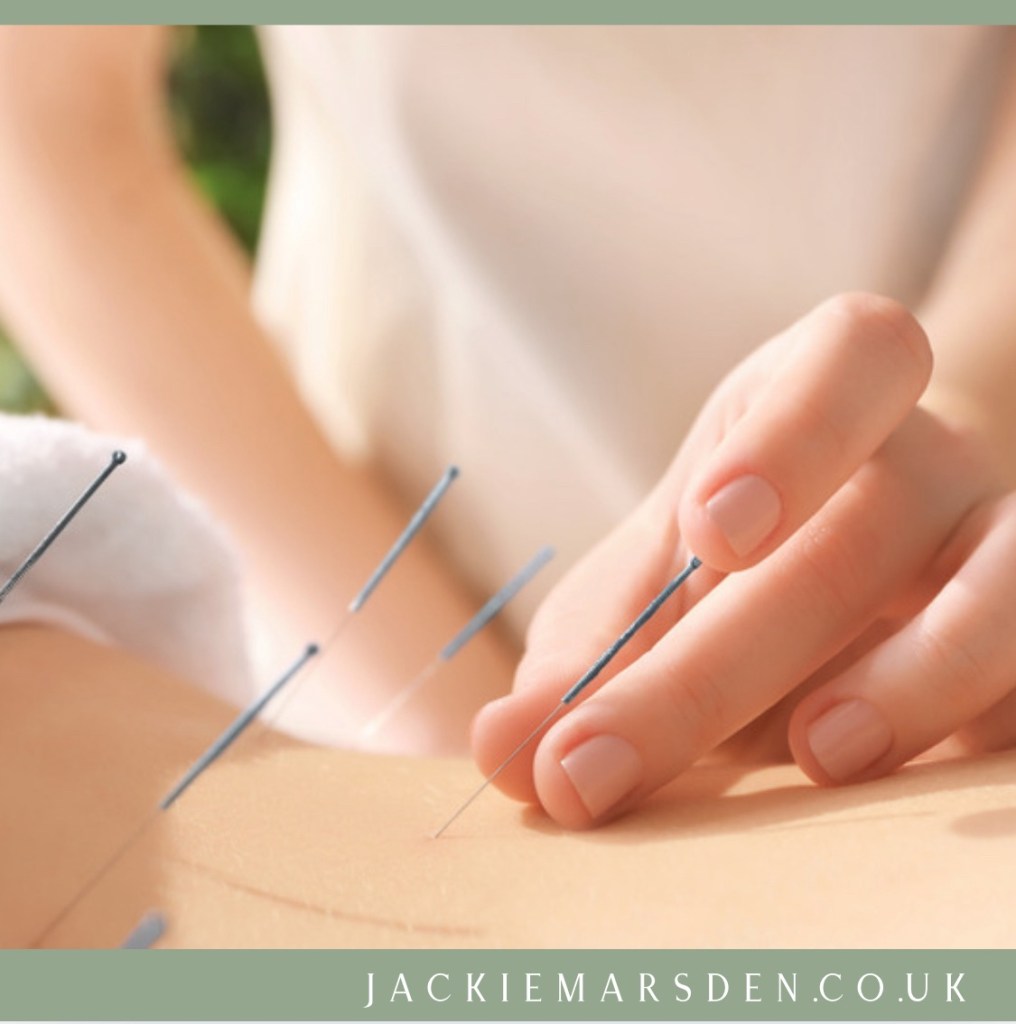
Fertility acupuncture in abdomen.

Traditional Acupuncture uses the understanding of health and wellness that’s been developed over thousands of years (Traditional Chinese Medicine). This theory uses the concept of Qi (energy) our life force energy. Qi flows up and down the meridian system which is a network of channels connecting the main organs with the rest of the body.

When we are well, the Qi is said to be flowing freely. When we are unwell, the Qi is said to be blocked, or stagnant, and not flowing as freely.

Acupuncture uses particular points on the channels to rebalance the flow of Qi and improve our physical, mental and emotional wellbeing.

A good analogy is of the body as a circuit board. An acupuncturist uses these circuits to rewire and reconnect the flow of electricity.

Evidence based research on how acupuncture works is highlights its impact on the central nervous system (CNS). The CNS governs fight or flight vs rest and digest. When we are chronically stressed we get stuck in fight or flight. Acupuncture appears to release endorphins, natural pain killers and those happy chemicals, to rebalance the CNS. The process acupuncture ignites within the body increases blood circulation, reduces inflammation, helps regulate blood sugars and reduces stress, which can all have a positive impact on our wellbeing.

If you’d like to try acupuncture for your own wellbeing book in today.

Lung Season

As summer draws to a close we start to move away from the relaxed and carefree attitudes of the warmer and longer days, and move into more serious and introspective energies of autumn. This is the season of the Lung.

Create Space

In Traditional Chinese Medicine, the season of the Lung is all about organisation, setting limits and protecting boundaries. It’s element is metal (air); clean, pure and purposeful. It is a great time to have a clear out, get organised and tidy up, creating space. It is important to be letting go of any strong attachments you have to people, objects and experiences: attachment can hinder opportunities to learn and for growth.

Breathe in, Breathe out

The Lung is all about breathing in the new, and letting go of the old or the waste. It is no surprise then to find that the Lung (yin) is paired with the Large Intestine (yang). Yin is fluid and yang is flow. We must have fluid in order to flow. If the fluid becomes depleted, or stagnated, or in excess, then this will consequently effect the flow. Traditional Chinese Medicine understands that life is all about balance: if the body and mind are out of balance then this is where dis-ease can occur.

Grief

The emotion of the Lung is sadness (grief). If we spend a lot of time re-living the past in our minds, or having strong attachments, this can deplete our Lung energy and create deficiency. Of course it is only natural and healthy to experience sadness and loss, but it must be resolved and not prolonged. It must be experienced and learned from, not perpetually endured. Grief cleanses us of what is not needed in our lives. Chronic deficiencies in Lung energy lead to depletion and consequently to depression and other issues.

Things we can do

The Lung is the only yin organ with direct contact to the exterior, and therefore we must take care of this delicate organ by protecting our wind gates and wrapping up warm with collars and scarves as the colder weather prevails.

The climate of Lung season is dryness. We can eat warm and foods that are cooked for longer; nourishing and moisturising, supporting the body and the immune system.

If we live in balance with nature, Autumn is about contracting and slowing down, looking inwards, getting ready to rest (for the winter).

Spend time deep breathing and visualising letting go of everything that no longer serves you.

These are just some simple things we can pay attention to during the season of the Lung. The element of metal gives us our sense of self worth, our own self-value. We must look inside ourselves for that.

Next up: winter – season of the Kidneys.

If you are looking for fertility support in Lancashire please get in touch.

Jackie Marsden is a Reflexologist, Acupuncturist and Foot Reading Practitioner, based at Elder Cottage Clinic, Warton, Preston.

Image courtesy of Graphics Mouse at FreeDigitalPhotos.net

Acupuncture for Infertility

Acupuncture is a tried and tested system of traditional medicine, which has been used in China and other eastern cultures for thousands of years to restore, promote and maintain good health.

Research has found that acupuncture treatments can have a positive effect on those trying for a baby and can actually aid the conception process.

Fertility focused acupuncture treatments can help to increase blood flow to the reproductive organs, balance hormonal levels, regulate the menstrual cycle and help improve the lining of the uterus and quality of eggs released. Additionally, conditions such as polycystic ovaries and endometriosis have also been shown to improve with acupuncture.

Benefits to male fertility have also been helped by acupuncture with positive effects on sperm count, sperm morphology and mobility.

Some of the positive effects of acupuncture in fertility treatments are thought to include:

  • regulates the menstrual cycle and promotes regular ovulation
  • regulates the hormones to produce larger numbers of follicles
  • improves the functions of ovaries to produce better quality eggs
  • enhances the vitality of sperm
  • relieves the side effects of drugs used in IVF
  • increases the thickness of the uterine lining so to encourage successful implantation
  • reduces the chance of miscarriage

It is known that stress has an adverse effect on the fertility hormones. Acupuncture can be used to support the process, thus enabling couples to cope with any stress and anxieties they may experience during this time. The acupuncture treatment can help promote a calm, positive and relaxed frame of mind which can bring a more successful outcome for conception.

If you are looking for fertility support in Lancashire please get in touch.

Information for this blog has been taken from British Acupuncture Council

Jackie Marsden MAR is a qualified reflexologist and clinical acupuncturist, working from Elder Cottage Clinic, Warton, nr. Preston.

[Yoga Series #4] Essential Oils for Yoga

I’m not a big fan of incense. I don’t like the burning or the smell. Its just my personal preference. Of course if I’m practising yoga as part of a class then I don’t complain; I’m not that adverse to it. However when I’m at home during my self-practise I prefer to diffuse essential oils.

ID-100120457Using a diffuser, the essential oils are diffused into the yoga practice space to create an inspiring and motivating mood and to enhance breathing.

The successful practice of yoga requires some motivation and dedication.  Yoga is a journey to a balanced body that is properly aligned with mind and spirit (yoga means union). Incorporating the intensely therapeutic properties of essential oils into the practice can help for a fulfilling journey. The following essential oils and benefits can help make yoga practice a much more unifying experience of body, mind and spiritual well-being. [1]

Vetiver, ginger and patchouli will be grounding and earth-connecting, while sandalwood and cedarwood are stabilizing, strengthening and centring. All of these essential oils will help with balance and stability in the yoga poses. A great blend for this is the Aromatherapy Blend – Vitality.  Energising ginger and clove help a depleted system recuperate, giving you essential support and vitality when you need it most. A pure essential oil blend which brings renewed vigour for life.

Myrrh, frankincense, eucalyptus and rosemary encourage the flow of energy and self-expression while helping you achieve steady, deep inhalations and exhalations. As I explained in my previous blog, the breathing process is hugely important to successful yoga practice in order to support the spine during the poses. [1]

Frankincense and Myrrh aromas have been used throughout time as aids for spiritual transcendence and peace, to manifest Heaven on Earth.  Frankincense is an excellent oil for yoga as it is fantastic for the respiratory and nervous systems. [3]

Myrrh is known to unite Heaven and Earth in a person, the spiritual with the physical. It is aromatherapy for manifestation of the spiritual in oneself.  Like with Frankincense, Myrrh works therapeutically on the nervous system, to calm the mind and instil tranquillity. It is an aroma to bring peace and inner stillness. Also like Frankincense it is also a very earthy aroma. Both Frankincense and Myrrh are ideal in supporting the philosophy of yoga! [3]

Lavender, geranium and chamomile are calming and relaxing. Try the Aromatherapy Blend – Women’s Balance, especially good for balancing our emotions relating to our female cycles.

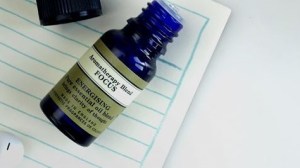
FocusBergamot, lemon and orange are all citrus oils and can provide an uplifting and energising sense to the practice. Try the Aromatherapy Blend – Focus to help you take your mind into the body for those more challenging poses, focus on your breathing and even help you onto the mat in the first place (I know I sometimes need some encouragement!)

Neroli and ylang ylang promote transcendence and spiritual expression. Try the Aromatherapy Blend De-Stress to transport you to a place of tranquillity. This one is a favourite of mine for yoga, as it smells very earthy and deep.

[1] https://www.auracacia.com/community/be-inspired/how-to-use-essential-oils-in-your-yoga-practice

[2] http://www.yogabasics.com/connect/yoga-blog/using-essential-oils-in-your-yoga-practice/

[3] http://www.care2.com/greenliving/frankincense-and-myrrh.html

Image courtesy of Worakit Sirijinda at FreeDigitalPhotos.net

Jackie Marsden MAR is a qualified reflexologist, promoter of healthy living and independent consultant (Team Leader) for Neal’s Yard Remedies Organic. Jackie leads and mentors a growing team of consultants (many of whom are therapists integrating organic products into their existing businesses) via the NYRO social selling channel, holding regular team meetings, one-to-one coaching via phone and facetime, and a closed facebook group. All views are my own.

Growyourbusiness

[Yoga series #2] Feet are our Foundation

Following on from my previous blog in this yoga series, I’m continuing with feet.

Our feet are a masterpiece of natural engineering, however this masterpiece is not used to its full advantage in our civilised world. Shoes and flat, paved surfaces block nature’s proprioception and allow the feet to be indifferent to the environment and the surroundings.

ID-100162292The less we use our feet the weaker the detailed musculature become, and the weaker the muscles then more pressure is placed on the plantar fascia, causing heel spurs and plantar fasciitis.

The practise of yoga is carried out in bare feet. This act alone reconnects us to the earth beneath us, and makes us pay attention to restoring the strength and flexibility of the foot and the lower leg. [1]

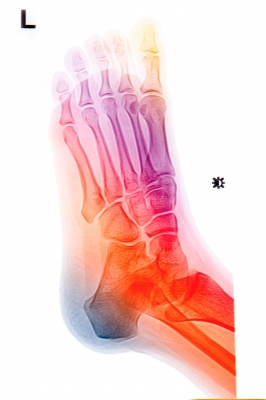
Each foot has 3 main arches: from the heel to the distal end of the first metatarsal (base of big toe), from the heel to the distal end of the fifth metatarsal (base of little toe) and the line connecting the distal ends of the first and fifth metatarsal. This creates a triangle of support for each foot. There is also a 4th arch which goes across the tarsal bones.

When we are standing in Tadasana (Mountain Pose), the arches of the feet are engaged and connecting with the support of the pelvic floor, lower abdomen, rib cage, cervical spine and the crown of the head. [1] The fundamental lessons you learn from the standing postures can illuminate the practice of other asanasas and poses. [1]

So my advice is to pay attention to your foundation: your feet. Take off your shoes and reconnect with the earth and the environment. Take time to stand quietly in Tadasana, focusing on your feet, how they feel, how your weight shifts and balances. Try “lifting” your arches and see how this ripples up through the rest of your body, improving posture and balance.

Once your foundation is improved, it is much easier to put the rest of your house in order. [1]

Read my previous blog in this series [Yoga Series #1] Yoga for Foot Health.

[1] Yoga Anatomy by Leslie Kaminoff and Amy Matthews.

Image courtesy of Praisaeng at FreeDigitalPhotos.net

Please note that I a not a yoga instructor.

Jackie Marsden MAR is a qualified reflexologist and independent consultant (Team Leader) for Neal’s Yard Remedies Organic. Jackie leads and mentors a growing team of consultants (many of whom are therapists integrating organic products into their existing businesses) via the NYRO social selling channel, holding regular team meetings, one-to-one coaching via phone and facetime, and a closed facebook group. All views are my own.

Growyourbusiness

Pace yourself

Why do we push ourselves so hard and then crash and burn?

A new start to the year sees us set goals and make new year resolutions, but perhaps we go a little too “gung-ho” when what we should do is a “soft launch”.

For example, if a new years resolution is to start exercising, then this should be a slow and gradual build up to the new goal, rather than tackling three new exercise classes in week 1 and then injuring yourself.

image1(1).JPG

Another example might be working long hours to meet a business goal; never giving yourself downtime, just piling on more and more pressure upon yourself to achieve highly and quickly. This soon results in the onset of a cold, cough or virus of some description.

The moral of this story is to maintain balance. New goals and targets take ongoing dedication and commitment at the correct pace; the pace which is right for you.

Perhaps January 1st is not the best time to set new goals or new habits for ourselves? Its the middle of winter (in the UK), and its cold and dark, not the best environment to motivate, encourage and nurture. Is it not kinder for us to set our new goals in the spring, when the weather is warmer, days are brighter and nature all around us is coming to life?

Jackie Marsden MAR is a qualified reflexologist and independent consultant (Team Leader) for Neal’s Yard Remedies Organic. Jackie leads and mentors a growing team of consultants (many of whom are therapists integrating organic products into their existing businesses) via the NYRO social selling channel, holding regular team meetings, one-to-one coaching via phone and facetime, and a closed facebook group. All views are my own.

Growyourbusiness