[Yoga Series #4] Essential Oils for Yoga

I’m not a big fan of incense. I don’t like the burning or the smell. Its just my personal preference. Of course if I’m practising yoga as part of a class then I don’t complain; I’m not that adverse to it. However when I’m at home during my self-practise I prefer to diffuse essential oils.

ID-100120457Using a diffuser, the essential oils are diffused into the yoga practice space to create an inspiring and motivating mood and to enhance breathing.

The successful practice of yoga requires some motivation and dedication.  Yoga is a journey to a balanced body that is properly aligned with mind and spirit (yoga means union). Incorporating the intensely therapeutic properties of essential oils into the practice can help for a fulfilling journey. The following essential oils and benefits can help make yoga practice a much more unifying experience of body, mind and spiritual well-being. [1]

Vetiver, ginger and patchouli will be grounding and earth-connecting, while sandalwood and cedarwood are stabilizing, strengthening and centring. All of these essential oils will help with balance and stability in the yoga poses. A great blend for this is the Aromatherapy Blend – Vitality.  Energising ginger and clove help a depleted system recuperate, giving you essential support and vitality when you need it most. A pure essential oil blend which brings renewed vigour for life.

Myrrh, frankincense, eucalyptus and rosemary encourage the flow of energy and self-expression while helping you achieve steady, deep inhalations and exhalations. As I explained in my previous blog, the breathing process is hugely important to successful yoga practice in order to support the spine during the poses. [1]

Frankincense and Myrrh aromas have been used throughout time as aids for spiritual transcendence and peace, to manifest Heaven on Earth.  Frankincense is an excellent oil for yoga as it is fantastic for the respiratory and nervous systems. [3]

Myrrh is known to unite Heaven and Earth in a person, the spiritual with the physical. It is aromatherapy for manifestation of the spiritual in oneself.  Like with Frankincense, Myrrh works therapeutically on the nervous system, to calm the mind and instil tranquillity. It is an aroma to bring peace and inner stillness. Also like Frankincense it is also a very earthy aroma. Both Frankincense and Myrrh are ideal in supporting the philosophy of yoga! [3]

Lavender, geranium and chamomile are calming and relaxing. Try the Aromatherapy Blend – Women’s Balance, especially good for balancing our emotions relating to our female cycles.
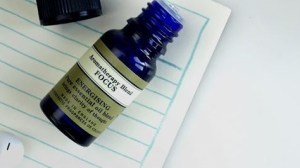
FocusBergamot, lemon and orange are all citrus oils and can provide an uplifting and energising sense to the practice. Try the Aromatherapy Blend – Focus to help you take your mind into the body for those more challenging poses, focus on your breathing and even help you onto the mat in the first place (I know I sometimes need some encouragement!)

Neroli and ylang ylang promote transcendence and spiritual expression. Try the Aromatherapy Blend De-Stress to transport you to a place of tranquillity. This one is a favourite of mine for yoga, as it smells very earthy and deep.

[1] https://www.auracacia.com/community/be-inspired/how-to-use-essential-oils-in-your-yoga-practice

[2] http://www.yogabasics.com/connect/yoga-blog/using-essential-oils-in-your-yoga-practice/

[3] http://www.care2.com/greenliving/frankincense-and-myrrh.html

Image courtesy of Worakit Sirijinda at FreeDigitalPhotos.net

Jackie Marsden MAR is a qualified reflexologist, promoter of healthy living and independent consultant (Team Leader) for Neal’s Yard Remedies Organic. Jackie leads and mentors a growing team of consultants (many of whom are therapists integrating organic products into their existing businesses) via the NYRO social selling channel, holding regular team meetings, one-to-one coaching via phone and facetime, and a closed facebook group. All views are my own.

Growyourbusiness

Coping with Seasonal Allergies

POST10Approximately 2 million people in the UK suffer with seasonal allergies.

Generally speaking, early symptoms are caused by tree pollen, and later symptoms are caused by grasses and weeds. This is known as seasonal allergic rhinitis (or more commonly referred to as hay fever).

Symptoms that continue all year are called perennial allergic rhinitis and commonly relate to indoor allergens, such as house dust mites, pets and indoor molds.

In response to exposure of an allergen (e.g. pollen) the body’s immune system overreacts and releases chemicals (histamines) which cause inflammation. Histamines work quickly, causing sneezing, itching and runny nose. The eyes may also be affected, with itching, redness and watering (allergic conjunctivitis).

Other chemicals released during this overreaction can cause a blocked or stuffy nose and sinuses, which may lead to headache and difficulty sleeping.

Rhinitis is often regarded as a trivial problem but studies have shown that it severely affects people’s quality of life. It disturbs sleep, impairs daytime concentration and the ability to carry out tasks, causes people to miss work or school, and has been shown to affect children’s school exam results. (Source Allergy UK).

Treatments that suppress the symptoms of rhinitis or hay fever are antihistamines.

Quercetin is a natural anti-histamine i.e. it is known to inhibit the manufacture and release of histamine. It is also high in antioxidants.

  • Quercetin is an flavonoid (plant pigment) commonly found in fruits and vegetables, especially onions, citrus, and apples.
  • Since over-the-counter and prescription antihistamines can have side effects like drowsiness, seizures and dry mouth, a natural option is a good choice.
  • Use with Vitamin C for an optimal effect.

Zinc also helps with hayfever. Zinc reduces histamine levels and will enhance Quercetin.

  • If you suffer with regular colds/infections – you could well be deficient in zinc. Zinc will reduce a cold by up to 7 days, because it is toxic to viruses.
  • Zinc is amazing for skin – crucial skin healing and repair, acne, blemishes etc. balances sebum.
  • Zinc balances the reproductive organs so it’s a great choice for couples wanting to conceive. Great for bones and nails.
  • NYROrganic Super Antioxidant Boost is a great synergistically blended choice. No fillers.

Any of the White tea range will be hugely antioxidant so great for any allergies/hay fever.

  • White tea facial mist – lovely and refreshing, and cooling for the face. Use as a toner and as a facial spritz throughout the day over make-up.POST8_white_tea
  • White tea toning eye gel. Again this contains the Eyebright herb for reducing inflammation around the mucus membranes, more specifically the eye area here. Keep in the fridge for that extra cooling effect.
  • Reviving white tea face mask  – the kaolin clay cools and calms the skin.

OTHER TOP TIPS:

  • Apply the bee lovely lip balm around nostrils to prevent the pollen/allergens from entering the nasal cavity.
  • Some people with an allergy to pollens (especially tree pollens) may be affected by cross-reactions between their pollen allergy and certain foods. For example, they may find that when eating certain fruits, vegetables or tree nuts, especially raw, they get an itchy mouth or throat.
  • Keep windows closed when indoors. This is most important in the early mornings, when pollen is being released, and in the evening when the air cools and pollens that have been carried up into the air begin to fall to ground level again.
  • On high pollen days, shower and wash your hair after arriving home and change your clothing.
  • Avoid drying washing on a clothes-line outside when pollen counts are high.
  • Wear wraparound sunglasses when outdoors to keep pollen allergens out of your eyes.
  • Start taking a spoon full of locally sourced honey every day as early in the year as possible to build up immunity/resilience. (Source Allergy UK)
  • Get some reflexology. Reflexology Lymph Drainage has helped others manage rhinitis.
  • Acupuncture is effective in clearing heat and modulating the immune system.

Jackie Marsden MAR is a qualified reflexologist, promoter of healthy living and independent consultant (Team Leader) for Neal’s Yard Remedies Organic. Jackie leads and mentors a growing team of consultants (many of whom are therapists integrating organic products into their existing businesses) via the NYRO social selling channel, holding regular team meetings, one-to-one coaching via phone and facetime, and a closed facebook group. All views are my own.
Growyourbusiness

[Yoga Series #3] Engage the Pelvic Floor for Spinal Health

When we talk about pelvic floor muscles it is usually relating to urinary and sexual health, pregnancy or post-partum issues and problems. But actually the pelvic floor is also fundamental to our spinal health.

ID-100197696The deepest muscles of the pelvic diaphragm run from front to back (pubic joint to coccyx). The more superficial layers are those including the anal and urethral sphincters. During yoga the focus should be on engaging the deeper fibres which encourage an upward motion of energy, permitting the diaphragm to lift the base of the rib cage forward.

I have a tendency to over extend my lumbar spine and stick out my bottom: this isn’t good for spinal health, and my yoga journey is now showing me this.

To be able to flex the lumbar spine, the psoas, abs and pelvic floor must concentrically contract. So my natural tendency to over-extend, in combination with attempting postures of deep lumbar-flexion (for example a standing or seated forward bend) without engaging the core muscles properly will lead to pain. Combine this with other personal issues such as emotional stress and poor posture during work (treatments, sitting at desk, driving) has led to much discomfort.

In yoga there are three main diaphragms (pelvic, respiratory and vocal) which come together in movements that are coordinated with inhaling and exhaling. These coordinated actions of the diaphragms (in yoga these are known as “bandhas”) create more stability in the body, protecting it from injury by redistributing mechanical stress.

For example, when performing a forward bend, if the thoracic, abdominal and pelvic cavities are not supported with the breath, then there is no single centre of gravity. This puts extreme pressure on the posterior spinal muscles with a pivotal point in the lumbo-sacral junction, which is vulnerable to damage (exactly where my back pain has been!)

Have you ever reached or bent over to do something and automatically held your breath? The body does this to try and protect our spinal structures.

Actively employing the breath which engages all three diaphragms including the all important pelvic floor muscles, offers the spinal column complete support during a forward bend, by centering gravity in the pelvis, legs and feet, and allowing the spine to relax and allow in space. Remember – build the foundation! This is explained beautifully in [1].

In understanding this during the yoga practice, as well as daily activities, I have managed to reduce my lower back pain considerably. As always, stepping onto the yoga mat takes us on a journey inside the body.

For some fabulous diagrams of the pelvic floor muscles see [2].

[1] Yoga Anatomy by Leslie Kaminoff, Amy Matthews

[2] http://www.dailybandha.com/2015/05/the-pelvic-floor.html

Image courtesy of cooldesign at FreeDigitalPhotos.net

Jackie Marsden MAR is a qualified reflexologist, promoter of healthy living and independent consultant (Team Leader) for Neal’s Yard Remedies Organic. Jackie leads and mentors a growing team of consultants (many of whom are therapists integrating organic products into their existing businesses) via the NYRO social selling channel, holding regular team meetings, one-to-one coaching via phone and facetime, and a closed facebook group. All views are my own.

Growyourbusiness

Look after your DNA with good nutrition

Did you know that 99.9% of all our genetic material is identical in humans, which is what identifies us as a species? The 0.1% of our genetic material is different from person to person and  is what makes each person unique (causing differences in things like hair and eye colour, height and nutrition needs). These differences between people are called gene variations or polymorphisms. [1] Some gene variations may cause rare diseases (and are often referred to as mutations), while others are more common (and are just described as polymorphisms). Gene mutations and polymorphisms may interact with other genes and with factors in our environment (including diet, smoking, physical activity etc), to play a role in the development of complex disease such as Type 2 diabetes, asthma, cardiovascular disease. [1]


So it is really important that we do everything we can to look after our DNA. This is particularly important for sperm health, as they are literally a little head of DNA with a tail. So if you are trying to conceive, this is great advice.

There are three main ways to look after our DNA with good nutrition:

Preventing DNA damage. We should do everything we can to try to prevent DNA damage occuring because genetic mutations can lead to serious illnesses including chronic disease and some cancers.

To help prevent DNA damage from occurring ensure your diet is rich in nutrients, such as carotenoids (orange, yellow, and red foods, and dark green leafy vegetables), and foods rich in vitamin E (seeds, nuts, avocado).

DNA synthesis. In order to help our bodies synthesise or make DNA, we need foods rich in nutrients such as folate (vitamin B9) found in dark green leafy vegetables, pulses and legumes. A number of fruits are a great source of folate too, oranges being the highest but also look at grapes, grapefruits, banana and strawberries.

Other nutrients needed for DNA synthesis are vitamin B12, zinc and magnesium. If you’re a vegan then getting B12 into your diet through food alone is going to be a challenge so a supplement of at least 10 micrograms daily is recommended because Vitamin B12 is usually found in animal products. [2]

Superfoods spirulina and chia seeds are rich in magnesium; chia also being rich in zinc, iron, calcium and niacin (see below).

DNA repair is a very important: the body has the ability to repair areas, or mutations, that may have occurred due to DNA damage.  Key supporting nutrients that can assist with DNA repair are vitamin B3, or niacin, (peanuts, sunflower seeds, mushrooms), and folate (vitamin B9).

Chlorella is the fastest growing food on the planet, so eating it dramatically increases our rate of tissue repair and renewal, helping restore the nervous system, boost immunity and potentially helping degenerative disorders.[3]

It’s important to remember that it’s not just about the nutrients in isolation: so just taking a supplement of some of these key nutrients may not provide the same benefits as eating foods rich in these nutrients. There are so many other properties of foods, such as our bioactive molecules, antioxidants and polyphenols, and fibre, which also provide an important synergistic benefit. [1]

My personal recommendation would be to add a general multi mineral and vitamin supplement on top of a well balanced diet in order to ensure you are getting all the nutrients your body needs. Organic foods are best as they will be more nutrient dense, however our soils are so depleted nowadays that we need to supplement in order to ensure we put enough into our bodies through our diet.

I personally use chlorella powder blended with orange juice, avocado, kale and spinach every morning, sprinkled with chia seeds and nuts. I know that I’m nourishing my DNA and it gives me a great start to the day!

[1] Monash University https://www.futurelearn.com/courses/food-as-medicine/1/steps/77475

[2] Vegan Society https://www.vegansociety.com/resources/nutrition-and-health/vitamins-minerals-and-nutrients/vitamin-b12-your-key-facts

[3] Little book of superfoods by Tipper Lewis

Image courtesy of samarttiw at FreeDigitalPhotos.net

Jackie Marsden MAR is a qualified reflexologist, acupuncturist and independent consultant (Group Leader) for Neal’s Yard Remedies Organic. Jackie leads and mentors a growing team of consultants (many of whom are therapists integrating organic products into their existing businesses) via the NYRO social selling channel, holding regular team meetings, one-to-one coaching via phone and facetime, and a closed facebook group. All views are my own.

Growyourbusiness

Prebiotics and probiotics

Do you know the difference between pre and probiotics? If not read on to discover more.

Probiotics are commonly known as good bacteria and are widely available in supplement form, and they can also be found in some yoghurt. On the other hand, prebiotics are fibres that stimulate the growth of beneficial bacteria that are already present in your gut. [1]

Many of the beneficial bacteria in our lower intestine feast on fibre which we can’t digest ourselves and so passes through the stomach and small intestine to be dealt with by the bacteria in our large intestine (gut). So eating a diet which is high in fibre is hugely beneficial to our gut health, because the fibre is the food for your good bacteria.

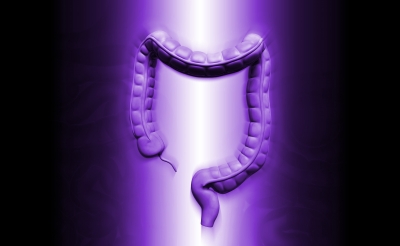
ID-10099484But do we need to take a probiotic supplement? Lots of research has been done on this and while there is mixed results from the findings, many people are agreeing that taking a probiotic supplement can help with the treatment of Travellers Diarrhoea and other gastrointestinal problems, to upper respiratory tract infections, allergies, various skin disorders, diabetes, weight loss to infantile colic.[1]

Another good time to be taking a probiotic supplement is during and after periods of antibiotic use. Antibiotics are good at killing all the bacteria, good and bad, so it is important that we put good bacteria back into our bodies to maintain a healthy gut. My mother suffered with oral thrush during courses of antibiotics for years until she discovered probiotics.

Additionally, stress can take its toll on the good bacteria of the gut.

The topic of pre and probiotics can get very complex as there are many different species of bacteria and some species can be beneficial for specific health concerns. For example, research at the University of Aberdeen has shown that eating a bowl of oats every day can clearly change the proportions of different types of bacteria in the gut, and their research has shown that some of the species that particularly increases when people eat more oats can be very good for us. These bacteria produce chemicals which are good for our hearts and for our gut lining. [2]

So my personal recommendation would be to take probiotic supplements during periods of ill health and stress, or to combat particular health concerns. But during times when health is good then eat a diet with lots of fibre including oats, and indigestible carbohydrates (oligosaccharides, dietary fibre and resistant starch). Examples of these are onions, garlic, beans and lentils, cashews, and cooked potatoes that have been cooled.

For a good, high quality supplement see Pro Bio Boost supplement from Neal’s Yard Remedies. This is suitable for vegetarians, and contains Bacillus coagulans, Lactobacillus Acidophilus, Bifido Blend 3 Strain and Inulin (a type of prebiotic/indigestible carbohydrate derived from plants). No GMO and no synthetic binders or fillers.

Or for an advanced range of probiotics and gut support supplements to promote wellbeing, take a look at Progurt. These sachets are designed to be taken over a course of 3-5 days. Each sachet is an intensive, super-strength, single dosage, equal to 40 capsules (at 25 Billion per Capsule), perfect for post antibiotics, tummy upset, gut imbalance, dairy and food intolerances, poor gut function or when travelling. Progurt are a unique formulation that were chosen to colonise and replicate. Each sachet contains Human Probiotic Isolates (HPI) identical to those found in a healthy human gut from birth. They consist of Lactic Acid Bacteria and Bifidobacteria including beneficial strains of Lactobacillus Acidophilus, Lactobacillus Bifidus and S. Thermophilus. A probiotic that understands your tummy’s past to change its future.

[1] Monash University https://www.futurelearn.com/courses/food-as-medicine/1/steps/82004

[2] http://www.bbc.co.uk/programmes/articles/4s0XkHq0HxZhjd5V2lQ2LRm/do-probiotics-do-any-good

Image courtesy of dream designs at FreeDigitalPhotos.net

Jackie Marsden MAR is a qualified reflexologist and independent consultant (Team Leader) for Neal’s Yard Remedies Organic. Jackie leads and mentors a growing team of consultants (many of whom are therapists integrating organic products into their existing businesses) via the NYRO social selling channel, holding regular team meetings, one-to-one coaching via phone and facetime, and a closed facebook group. All views are my own.
Growyourbusiness

[Yoga series #2] Feet are our Foundation

Following on from my previous blog in this yoga series, I’m continuing with feet.

Our feet are a masterpiece of natural engineering, however this masterpiece is not used to its full advantage in our civilised world. Shoes and flat, paved surfaces block nature’s proprioception and allow the feet to be indifferent to the environment and the surroundings.

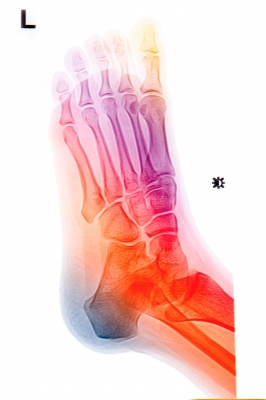
ID-100162292The less we use our feet the weaker the detailed musculature become, and the weaker the muscles then more pressure is placed on the plantar fascia, causing heel spurs and plantar fasciitis.

The practise of yoga is carried out in bare feet. This act alone reconnects us to the earth beneath us, and makes us pay attention to restoring the strength and flexibility of the foot and the lower leg. [1]

Each foot has 3 main arches: from the heel to the distal end of the first metatarsal (base of big toe), from the heel to the distal end of the fifth metatarsal (base of little toe) and the line connecting the distal ends of the first and fifth metatarsal. This creates a triangle of support for each foot. There is also a 4th arch which goes across the tarsal bones.

When we are standing in Tadasana (Mountain Pose), the arches of the feet are engaged and connecting with the support of the pelvic floor, lower abdomen, rib cage, cervical spine and the crown of the head. [1] The fundamental lessons you learn from the standing postures can illuminate the practice of other asanasas and poses. [1]

So my advice is to pay attention to your foundation: your feet. Take off your shoes and reconnect with the earth and the environment. Take time to stand quietly in Tadasana, focusing on your feet, how they feel, how your weight shifts and balances. Try “lifting” your arches and see how this ripples up through the rest of your body, improving posture and balance.

Once your foundation is improved, it is much easier to put the rest of your house in order. [1]

Read my previous blog in this series [Yoga Series #1] Yoga for Foot Health.

[1] Yoga Anatomy by Leslie Kaminoff and Amy Matthews.

Image courtesy of Praisaeng at FreeDigitalPhotos.net

Please note that I a not a yoga instructor.

Jackie Marsden MAR is a qualified reflexologist and independent consultant (Team Leader) for Neal’s Yard Remedies Organic. Jackie leads and mentors a growing team of consultants (many of whom are therapists integrating organic products into their existing businesses) via the NYRO social selling channel, holding regular team meetings, one-to-one coaching via phone and facetime, and a closed facebook group. All views are my own.
Growyourbusiness

[Yoga Series #1] Yoga for Foot Health

Our feet are our foundation. We often use language like “take a stand” or “stand on your own two feet”; phrases that represent our feet as an action of autonomy, and one of independence. Our feet create a stable base for us to live our lives.

Much of this is covered during yoga. I love my regular yoga practise and it really is something that unfolds over time, and is always a journey of self-discovery. It helps me listen to my body and thus get to know it. But I have recently found that my focussing more attention to my feet during my practise can really make such a huge difference to the poses and what I get out of my practise. If my feet are positioned correctly and active, then everything else follows.

So let’s look at the feet in yoga and see this in action. Being a reflexologist I’m always interested in feet! So below are a few poses I’ve selected especially for the feet.

Tadasana (Mountain Pose) This pose is all about grounding through the feet, feeling the earth energy pulling us down but at the same time our cosmic energy pulling us up through the crown. Working with this pose will over time give you a great sense of stability, just like a mountain, and this largely comes through focussing on the feet. Spreading the toes and lifting up the arches while simultaneously grounding the foot down into your mat.

Thai Goddess Squat Pose. This pose is an intense stretch of the foot flexor muscles on the plantar of the foot. Start on your hands and knees with your toes curled under. Gradually over time decrease the weight bared by the hands and shift over to the feet until you are in an upright position. The intense stretch can be painful and intense for the toes so don’t attempt this if you have any contraindication in your toes or feet. This stretch also works into the plantar fascia and the Achilles tendon. It is a great foot strengthener. Start of with holding for just a few seconds and progress over time.

ID-100258273

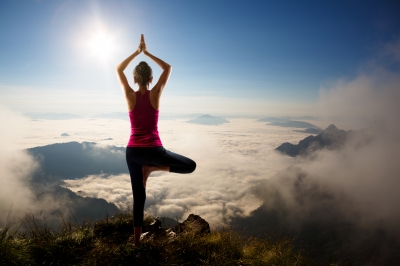
Tree pose. This is a balance, and no matter where you have your other leg or foot lifted, the grounding foot and leg is always going to get a good workout. Concentrating on the foot here is crucial – the positioning of the foot must be good to maintain balance and prevent toppling over!

Adho Mukha Svanasana (Downward Facing Dog). This is a great overall stretch for the body, both a resting and active pose, however if you concentrate on your feet during this pose it will open out a new level of discovery. Once I’m warmed up and my heels start to touch the mat, this is where focussing on grounding through the feet and toes, but lifting up through the arches can really help with alignment of the hips and engage the root lock (pelvic floor area).

Trianga Mukhaikapada Paschimottanasana. This pose is great for helping to correct dropped arches and flat feet, stretching into the foot flexors. It’s also a great stretch for the ankle. In a seated position bend one leg so that the foot is beside the outside of the hip. This can be intense for the knee so don’t attempt if your knee is contraindicated in anyway. Either sit tall for 5 breaths or bend forward at the hip holding onto the foot of the straight leg.

Please note that I a not a yoga instructor.

Read the second in this series [Yoga Series #2]: Feet are our Foundation.

Image courtesy of pat138241 at FreeDigitalPhotos.net

Jackie Marsden MAR is a qualified reflexologist and independent consultant (Team Leader) for Neal’s Yard Remedies Organic. Jackie leads and mentors a growing team of consultants (many of whom are therapists integrating organic products into their existing businesses) via the NYRO social selling channel, holding regular team meetings, one-to-one coaching via phone and facetime, and a closed facebook group. All views are my own.

Growyourbusiness

Charity Fundraiser for Eating Disorder Awareness Week

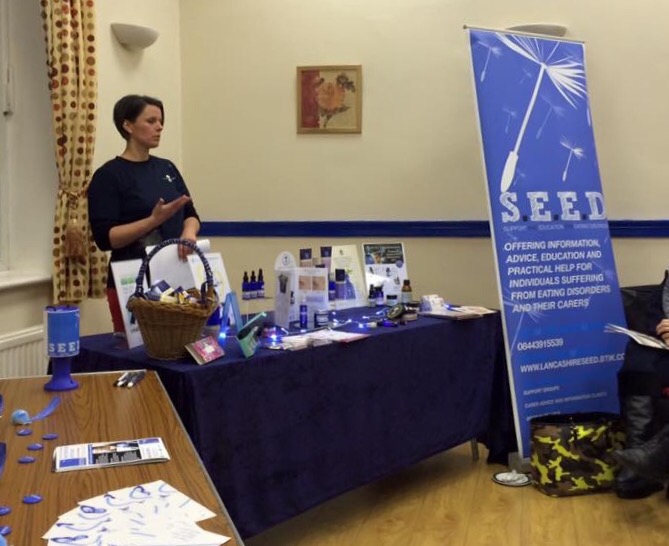
Last week was Eating Disorders Awareness Week. During this week I co-ran a fundraising event with a local Preston-based charity Support and Education for Eating Disorders (S.E.E.D). S.E.E.D is dedicated to raising awareness about eating disorders in Lancashire by providing information, resources, education, training and support for everyone affected by eating disorders and/or working with eating disorders. S.E.E.D acknowledges that the symptoms of eating disorders are an expression of deeper emotional need; they believe that people suffering can get better; that there is help available and this help should be freely accessible.

The event was a shopping evening held at Howick House in Penwortham. We started off with drinks and nibbles, and then got started.

I donated a reflexology voucher worth £35 as one of the raffle prizes, so began with a short talk on what reflexology is, how it works and some of the benefits it can have on general wellbeing.

I then moved onto Neal’s Yard Remedies Organic, showcasing the natural and organic approach, and the ethical credentials of the company. We had a bit of fun with a “smell test”, guessing the scents of different essential oils, and learning about their health benefits.

S.E.E.D’s very own Shelley Perry enjoyed a mini facial, a demonstration of the key facial products and their benefits for the skin. Shelley was very relaxed afterwards! We then tried various different products, many of which are my favourites such as the Wild Rose Body Elixir, Firming Body Cream and the Melissa Hand Polish.

Afterwards everyone relaxed with the brochures and placed enough orders for me to donate £65 of my profits to the charity, and along with the other monies raised through the raffle and refreshments, a total of £165 was raised on the night. What a great result and everyone had such an enjoyable evening!

If you are a local charity and would like to hold a similar event with me please get in touch. Watch out for another shopping evening with S.E.E.D this summer.

Jackie Marsden MAR is a qualified reflexologist and independent consultant (Team Leader) for Neal’s Yard Remedies Organic. Jackie leads and mentors a growing team of consultants (many of whom are therapists integrating organic products into their existing businesses) via the NYRO social selling channel, holding regular team meetings, one-to-one coaching via phone and facetime, and a closed facebook group. All views are my own.
Growyourbusiness

Pace yourself

Why do we push ourselves so hard and then crash and burn?

A new start to the year sees us set goals and make new year resolutions, but perhaps we go a little too “gung-ho” when what we should do is a “soft launch”.

For example, if a new years resolution is to start exercising, then this should be a slow and gradual build up to the new goal, rather than tackling three new exercise classes in week 1 and then injuring yourself.

image1(1).JPG

Another example might be working long hours to meet a business goal; never giving yourself downtime, just piling on more and more pressure upon yourself to achieve highly and quickly. This soon results in the onset of a cold, cough or virus of some description.

The moral of this story is to maintain balance. New goals and targets take ongoing dedication and commitment at the correct pace; the pace which is right for you.

Perhaps January 1st is not the best time to set new goals or new habits for ourselves? Its the middle of winter (in the UK), and its cold and dark, not the best environment to motivate, encourage and nurture. Is it not kinder for us to set our new goals in the spring, when the weather is warmer, days are brighter and nature all around us is coming to life?

Jackie Marsden MAR is a qualified reflexologist and independent consultant (Team Leader) for Neal’s Yard Remedies Organic. Jackie leads and mentors a growing team of consultants (many of whom are therapists integrating organic products into their existing businesses) via the NYRO social selling channel, holding regular team meetings, one-to-one coaching via phone and facetime, and a closed facebook group. All views are my own.

Growyourbusiness

The awkward conflict of sales

Do you ever feel awkward about charging for your therapies? Do you ever feel that you are charging too much, or feel as though you should be offering your therapies for free?

With complementary therapies not widely available on the NHS, clients seek us out to help with their problems. But the monetary cost can be expensive.


If we as therapists can help someone overcome health issues but there is a financial obstacle, we would rather remove the obstacle in order for the therapy to go ahead.

There also seems to be an expectation to give away free taster sessions, or perhaps reduced rate treatments in order to allow people to try the therapy and perhaps pay for a full treatment at a later date. But is this marketing technique effective?

People like a freebie or a bargain and likely not want to pay for further sessions. Those serious about using the therapy as a method of regular relaxation and overall healing will prioritise financially in order to pay for it.

As a reflexologist I have invested a lot of time, money and energy into my training and my continued learning and experience. I feel the rate at which I charge is appropriate to that. However I am always open to negotiation if it means that I can continue to practice and help other people.

Jackie Marsden MAR is a qualified reflexologist and independent consultant (Team Leader) for Neal’s Yard Remedies Organic. Jackie leads and mentors a growing team of consultants (many of whom are therapists integrating organic products into their existing businesses) via the NYRO social selling channel, holding regular team meetings, one-to-one coaching via phone and facetime, and a closed facebook group. All views are my own.
independent-consultant-long-logo

Growyourbusiness

unnamed2

Image courtesy of Ambro at FreeDigitalPhotos.net