Is Acupuncture Worth it for IVF?

Acupuncture is very much worth it as part of your overall plan in preparing for conception.

Woman receiving acupuncture for fertility issues in her abdomen.

It is well documented that it takes around 100 days/3 months, or 3 cycles, for an egg to be recruited and matured ready for ovulation, and similarly for a full sperm regeneration cycle to complete.

It is hugely important to give yourself time to prepare and improve your overall health and wellness, lifestyle, diet and nutritional aspects before conceiving, whether you plan to do this naturally or via IVF. If the raw materials are not in the best condition possible, then you will not be maximizing your chances for a viable conception, implantation, and ongoing pregnancy and the health of the child.

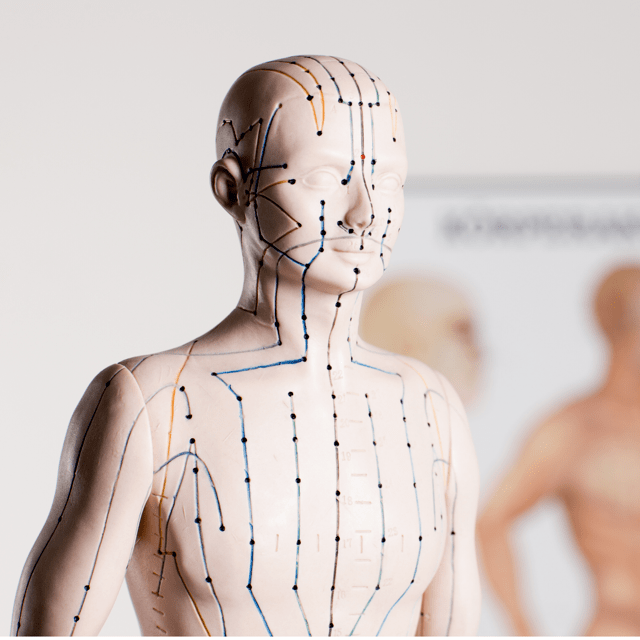
As an acupuncturist I work closely with couples to look at where problems might be hiding. Sometimes a small imbalance can lead to issues when it comes to fertility. Working holistically, I take a full medical and lifestyle history from couples trying to conceive, then work out a specific and individualized acu-point prescription to help re-balance what I see happening in the body. I look at tongues, ears, feet and feel your abdomen. I ask a lot of questions about your menstrual cycle, menstrual blood and digestive health, as this can tell us as lot about what might be happening within the body.

Acupuncture is hugely effective when it comes to IVF. Particular points can help with innervation to the ovaries and uterus, boosting Blood and Qi, giving a good bump up to the follicles, helping with uterine lining, managing oestrogen levels and holding off OHSS, as well as calming the mind and supporting the couple. It is also excellent for expediting the recovery after egg collection, and preparing the uterus for transfer. Which points are used will be individual to your own picture.

In my own clinical experience, couples who have taken the appropriate time and care to prepare for their next IVF cycle get the best results; either falling pregnant naturally or having a successful IVF cycle.

If you would like to book a full consultation to discuss your own situation please contact me. Prices can be found here.

Does ICSI have all the answers?

Since the advent of ICSI (Intracytoplasmic Sperm Injection) problems with male factor in infertility can be addressed and bypassed with this procedure. The ICSI procedure allows particular sperm to be selected for use and manually injected into the egg by the embryologist using a microscopic needle.

But does ICSI always give us the best outcomes?

If the quality of sperm is sub-optimal, the question one has to ask is what impact will this have on the ongoing pregnancy and health of the child going forward?

In Traditional Chinese Medicine (TCM) our Jing is the substance we inherit from our parents at the moment of conception. Our Jing fuels our growth and development not just through conception and prenatal growth, but all through our lives from infancy to puberty, adulthood and beyond. Jing dictates our constitution and vitality as we move and age through life.

So if we completely disregard the quality of the sperm in favour of the ICSI procedure, what impact will have on the health of the life created? If a sperm is unable to penetrate an egg on its own, what does that say about the underlying Qi of that sperm?

So although ISCI is a wonderful and exceptional advancement in fertility medicine and assisted reproductive techniques, I do believe it should be firmly balanced with other perspectives of male health and vitality.

Sperm are continually created within the body, so taking a break for around 3 months before the next round of IVF is an optimal amount of time to put lifestyle changes in place. Dietary, lifestyle and nutritional changes can have a huge impact on sperm quality.[1] Taking this time and making this effort to improve the underlying Qi and Jing that is passed onto the next generation is fundamentally important. Things to consider:

  • Stop smoking/vaping;
  • Reduced consumption of refined sugars, processed foods,
  • Reduced consumption of alcohol;
  • Increased consumption of a wide variety of vegetables and fruit;
  • Take regular exercise;
  • Increased water intake;
  • Reduce the use of plastics for cooking and water/food storage (switch to glass)
  • Supplement with a good quality preconception multivitamin to include zinc, selenium, omega 3 fatty acids, antioxidants;
  • Reduce stress (look at meditation, reflexology, acupuncture, spending time in nature);
  • Keep mobile phone away from body [2];
  • Ejaculate frequently [3].

Other options to explore before diving straight into IVF/ICSI:

  • Having a full examination to rule out varicocele, hydrocele and other physical abnormalities;
  • Bloods taken for a full hormone profile;
  • Checking the microbiome to rule out any infection which might be causing levels of damage to the sperm.

“Mounting evidence suggests that the gut microbiome plays a key role in normal spermatogenesis and can be negatively impacted by diet and environmental perturbations.” [3]

Of course, every couple is individual, and factors such as age, for example, will also determine your route to IVF and ICSI.

If you are looking for fertility support in Lancashire please get in touch.

If you would like support through your fertility/IVF/ICSI journey with acupuncture please get in touch.

References

[1] https://pubmed.ncbi.nlm.nih.gov/32397485/

[2] https://www.ncbi.nlm.nih.gov/pmc/articles/PMC7848840/

[3] https://rbej.biomedcentral.com/articles/10.1186/1477-7827-10-115

[4] https://www.fertstertreviews.org/article/S2666-5719(23)00001-4/fulltext

PMS and it’s extremes

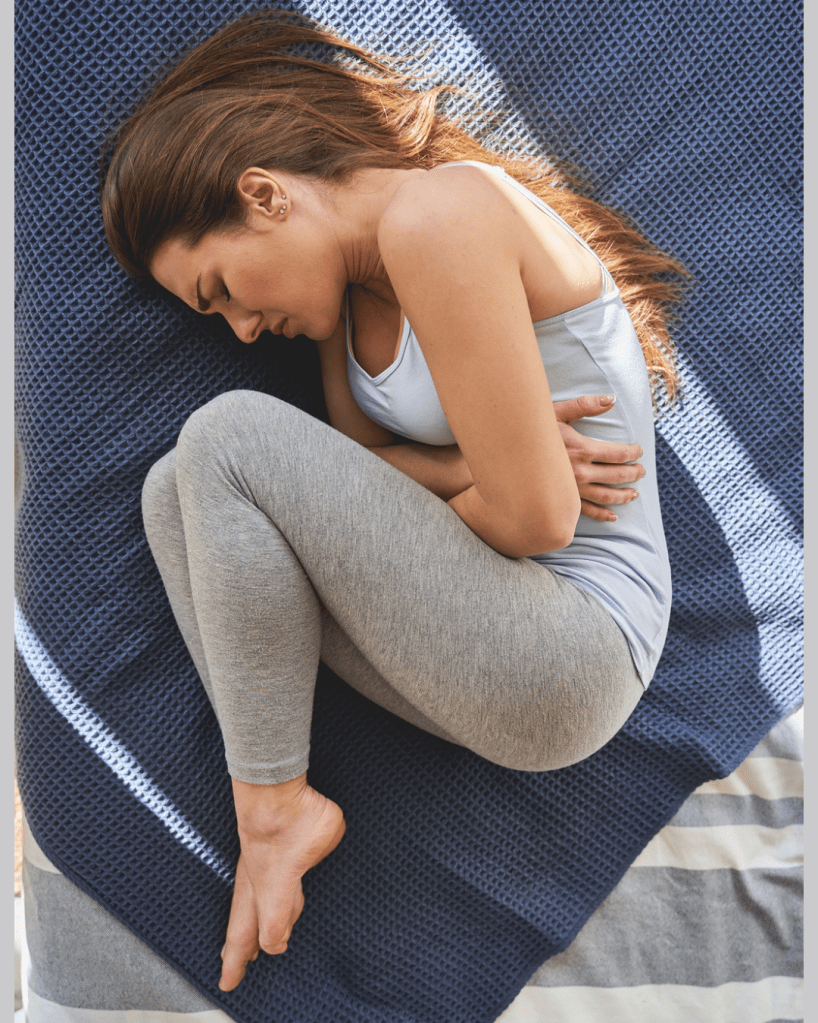
Woman experiencing severe menstrual cramping.

Approximately 90% of women suffer from Premenstrual Syndrome (PMS) at some point in their lives. During the few days leading up to menstruation can present with all sorts of symptoms such as bloating, irritability, frustration, anger, back ache, acne, abdominal cramping and pain, feeling tearful and emotional, as well as anxious and depressed.

Every cell in our body has a hormone receptor, so PMS can be attributed to over 200 symptoms as fluctuating hormone levels can have an impact everywhere in the body. These may be symptoms you only experience during the build up to your period, or perhaps these are symptoms you already experience, but are exacerbated at this time of your cycle.

In TCM terms, the luteal phase of your cycle e.g. the second half of your cycle between ovulation and your period, is when your body is at its most Yang. It is the part of the cycle where there is the most energy. Your body is gearing up for the possibility of a pregnancy with the surge of progesterone helping to really plump up the uterine lining for an embryo to implant. This surge of hormone and surge of energy can make us feel energised and productive, however as this starts to wane and drop just before our period starts, can suddenly leave us feeling depleted. The smooth flow of Qi is now not so smooth, as the progesterone starts to dip and body temperature starts to drop, our overall hormone levels can quickly leave us feeling grumpy and moody, and present us with physical symptoms too.

Switching between the Yang half of our cycle to the Yin half i.e. our menses, can create Qi stagnation. Getting to know your cycles by charting on a calendar, or Basal Body Temperature (BBT) charting can really help you to understand what is going on inside your body, help you identify symptoms and mood changes, and shed light onto areas that perhaps might need further attention.

For example, some people do not just suffer with “regular” PMS, but can experience more extreme versions such as Premenstrual Dysphoric Disorder (PMDD) and Premenstrual Exacerbation (PME). These extreme versions of PMS can be very difficult to deal with and manage on a monthly basis. “Experiencing PMDD can make it difficult to work, socialise and have healthy relationships. In some cases, it can also lead to suicidal thoughts.”1

Understanding your own personal cycle, the length of your follicular and luteal phases, and looking at your BBT throughout your cycle can open up possibilities to improve symptoms you’re experiencing. You might discover that phases of your cycle are too long/short or your temperature is not high enough or too high for example.

Supporting progesterone can help with PMS. To support progesterone production and your luteal phase, add more nutrient dense calories into your diet at this phase of your cycle. After all, your body is gearing up for a potential pregnancy, and some women find that they are hungrier at this time. Adding more protein, and looking at using adaptogens such as Ashwaganda to help manage stress and change. “Adaptogens are the umbrella term for fungi and plant-derived compounds that help the body adapt to stress.”[2] Magnesium is also said to help, as many of us are depleted in magnesium and it is involved in a myriad of daily bodily functions. Using a topical spray or adding in Epsom Salts to your evening bath are easy ways to get magnesium into your body. Magnesium often becomes low as a result of stress. [3]

Managing stress is also key to supporting your luteal phase. Booking in for regular reflexology or acupuncture can offer you the opportunity to feel relaxed and receive some downtime already scheduled into your diary. With acupuncture in particular, treating throughout the cycle can help you regulate and improve your quality of life. Vitamin B complex supports the body’s ability to handle stress. [3]

Understanding your cycle can help you to prepare and plan for what might be up ahead. Scheduling your diary around your cycle can help you to be more productive when you are feeling at your most energised, and avoid difficult social situations when you’re likely to be feeling fragile. You can also use your cycle to help with meal planning and snacking, and scheduling in more gentle exercise within the luteal phase.

If you would like fertility support in Lancashire and to book in with me please get in touch.

  1. https://www.mind.org.uk/information-support/types-of-mental-health-problems/premenstrual-dysphoric-disorder-pmdd/about-pmdd/
  2. https://www.parsleyhealth.com/blog/what-are-adaptogens/
  3. https://webfmd.com/hpa-axis-dysfunction-treatment/

When East Meets West

I often find myself pondering on the little nuances of my practice. Those little subtleties that signal you to the next revelation or lead you onto another level of awareness.

My recent pondering takes me down both the reflexology and the acupuncture avenues and meets to bring another level or dimension to my understanding.

Acupuncture needle at acupuncture point Liver 3 on the foot.

I have been using the Reflexology Lymph Drainage (RLD) technique a lot lately, and really focussing a lot of attention on this sequence; looking at the particular reflexes and how the areas of the body represented by these points actually function. One of the key points of the RLD sequence is the reflex point for the Subclavian Vein (SV). This point is on the dorsal of both feet and is situated exactly at the same acupoint Liver 3.

The SV is an important point for the RLD sequence, as this is where the lymphatic system, once finished cleaning and transporting lymph through the body, will return it back into the cardiovascular system i.e. the blood. This point gets used A LOT during the RLD sequence; after every sweep and general movement, we ask the body to deposit the lymph back to the cardiovascular system via the techniques of reflexology. It is gently stimulated a minimum of 18 times on each foot, plus additional linking at the end.

From an acupuncture point of view, this point is known as Liver 3. The energy of the Liver is to govern “spreading and draining”. By this we mean that it is responsible for maintaining the free flow of Qi (energy). Liver Qi can be restricted emotionally by anger, and physically by damp-heat. “When Liver Qi stagnates, it gives rise to sensations of pressure, distention and pain”. So these are the same symptoms that we are addressing in the RLD sequence; pressure and distention from oedema, and subsequent pain that this causes. Oedema is a “damp” symptom; fluid starts to stagnate and that is what is known as “damp”. If it stagnates for long enough it can start to warm up which is known as “damp-heat”.

On each acupuncture meridian, there is a principal or “source” point which is known as the most powerful point of that particular channel. Liver 3 is the source point for the Liver channel and it is the main point we would chose to promote free-flowing Qi. In addition, this point (or points if we are thinking bilaterally) combined with Large Intestine 4 (Li4) on the hands, make up the “four gates” which are used for the relief of pain. What is interesting to me is that Li4 is the exact same point we would use for the SV in RLD on the hands!

We might ask what this all means? It just consolidates for me that what we do from either angle, whether its from a western medical viewpoint or whether it is from a Traditional Chinese Medicine viewpoint, it all slots together. The two approaches fit neatly together side by side. They both make sense.

The Internal Seasons

I’ve had this blog idea on my “to-do” list for ages, but I’ve not been inspired to write it until today. Do you ever have that? Where something is there to be done but you’re just not inspired to do it until one day, ping! the inspiration comes.

This blog is about outlining the menstrual cycle from a TCM (Traditional Chinese Medicine) point of view, and how are cycles are similar to the seasons. By becoming more aware of our internal cycles we can really look after ourselves in understanding when times of rest, nourishment and calm are needed (Winter) and when times of high energy can bring us productivity and rejuvenation (Spring and Summer). And those times of preparation (Autumn). A bringing together of the physical and the mental/emotional.

However I feel that there is more to this blog than I originally thought. This is because it is becoming more and more apparent to me that we are not just similar to the seasons, we ARE the seasons. We don’t just live here on this planet, we ARE part of the fabric of creation itself. There is no coincidence that our cycles move in time with the moon; that the tides are pushed and pulled by the forces of the lunar cycle, that so many animals, sea creatures and insects follow the phases of the moon for their own reproduction. Everything in nature includes us. There is no separation. When we talk about “connecting with nature” I think what we are actually doing is “reconnecting with who we are”. We are nature. We don’t walk in nature, or spend time in nature; we ARE nature. This is why these times make us feel so good, because there is a sense of coming home, of becoming one, of belonging, of lessening the grips of the idea that we are seperate from the world and from each other. I find I have more and more of these moments of inner knowing, connectedness and understanding of life, and this is the first time I have been able to grab it and get it down into words.

When we discuss the theory of TCM we often mention the seasons and the weather when we talk about particular energies and meridians. TCM philosophy really harnesses the idea of connectedness with our environment and with nature. I really appreciate this concept in my own understandings of life and of health and wellbeing. I also like the idea of likening the menstrual cycle to the ebb and flow of the tides; the tides of Yin and Yang. Understanding these tides and the transitional points between the two can offer huge benefits of understanding to support one’s own monthly cycles:

Phase 1 (days 1-5) is about Blood as we menstruate, it is a restful Yin phase focusing on nourishing ourselves and taking care of ourselves. Honour this time and avoid sexual intercourse and strenuous exercise. The external pathogenic factor of Cold can penetrate particularly at this time so take note of this in the activities you pursue. Remember that Blood is flowing downwards so sanitary items such as tampons obstruct this downward movement. Better to use pads or a menstrual cup.

Phase 2 (days 6-13) is focusing on Yin as increased amounts of oestrogen cause the lining of the uterus to thicken. Eating protein and mineral-rich foods in this phase will help to replenish Blood and Yin. This phase is building towards Yang.

Day 14 is when ovulation happens, and some cramping or spotting can occur as the body prepares to move from Yin to Yang. Get to know your cycles and allow your body and mind space to transition.

Phase 3 (days 15-21) is very Yang focussed; the body is building and nourishing the uterus ready for implantation if fertilization occurs, or shedding the lining if it doesn’t. This segment of the cycle is very energetic. Remember to support yourself during this energetic time with nutrient dense foods and adequate hydration.

Phase 4 (days 22-28) focusses on Qi. As oestrogen levels drop, serotonin levels can also drop and this can affect our mood and emotions. PMS can occur, tears, frustration, anger, as well as physical symptoms such as bloating or breast tenderness. All of these symptoms are based on the lack of free flowing Qi and result in Qi stagnation. So this segment of the cycle it is important to eat clean, take gentle exercise and avoid stimulants in order to support the Liver energy to keep Qi gently flowing freely. It might be a time where you might want to reach for those sugary snacks, so try to substitute those with better choices. We can also choose to eat warming foods because Qi needs heat to keep the fluids moving. Avoiding cold foods and drinks, and exposure to cold weather, swimming and sitting on cold surfaces can all help to support this phase of the cycle.

If you are looking for fertility support in Lancashire please get in touch.

Self Help for Constipation

Constipation can vary from being an irritating problem that flares up from time to time, to a debilitating chronic condition causing abdominal pain and other complications.

Physically, constipation can be caused by all sorts of things including a lack of fluid and healthy fats and oils, a diet lacking in fibre, medication and food intolerances. 

Mentally and emotionally it can be triggered by stress, inability to let go of things such as the events from the past, and unwillingness to take in new life, new things, change. 

If there is a lot of faecal compaction the laxatives will only soften the newer stool; the compacted stool will remain. The best way to move stool is to bulk it out with insoluble fibre. This will create a larger stool to push everything through, without absorbing water which would make the stool very hard, difficult and painful to pass. Good sources of insoluble fibre are flax seeds soaked in water, or porridge oats. Both will form a “gloopiness” which is known as mucilage. This is an oily lubricant which will help assist the intestinal tract.

Both reflexology and acupuncture would be beneficial for constipation as both will offer space and time to deeply relax which will switch on the “rest and digest” and break the cycle of “fight or flight”.

Below are some self help tips you can try if you’re are suffering with constipation. These can be tried alongside the general advice of increasing water intake, increasing fibre intake, increasing healthy fats and oils and reducing white refined carbohydrates, sugary foods, caffiene, alcohol and stress.

Look up the following acupuncture points using the internet and gently massage these twice a day for 2 minutes. Do both left and right sides. San Jiao 6 (lower arm) and Gall Bladder 34 (lower leg below the knee).

Ask a friend or family member to gently massage the lower half of the soles of your feet. This general guidance will cover the small and large intestine reflexes. Here is a foot map as a general guide.

Ear points for the intestines (large circle) and rectum (smaller circle) can be gently massaged. Please see the diagram here. Add gentle pressure using finger and thumb, rotate and release. Do this no more than once to begin with, covering the whole area. Then wait as the body digests the action. Note that over stimulation can create feelings of nausia and dizziness, so “less is more” in this case. If any point is sensitive, this is a good indication of imbalance. Treat both ears.

When using the toilet, use a stool to raise up your feet so that you are replicating the squatting position, which is the best position to pass stools. For more information see Squatty Potty.

Ask a friend or family member to massage your abdomen in a clockwise direction. You could also include hips and lower back. Essential oils could also be used. A recommended book would be The Fragrant Pharmacy by Valerie Woomwood. As I’m not a qualified aromatherapist I won’t make suggestions here.

Take a table of flax seeds, cover in water, and soak. Once softened add more water and a small amount of good honey and drink. Do this twice a day. If this is completely undesirable then an alternative option would be to make up porridge using organic oats and water (no milk or sugar). Sweeten lightly with good honey.

Deep breathing exercises. In Traditional Chinese Medicine the Lung and Large Intestine channels are paired; the Lung is the Yin breathing in our essential life Qi, and the Large Intestine is letting go of waste, and the old. Spend a few minutes focusing on taking deep breaths, through the nose and into the belly, and then release. 

As with all self-help information, use at your own risk and do not substitite for prescribed medication or consultation with your GP/medical practitioner.

What are you shouldering?

In Traditional Chinese Medicine, the Large Intestine channel starts at the tip of the radial side (thumb side) of the second finger and runs up along the arm to the elbow crease then up to the anterior (front) shoulder,a cross to the neck and ending at the nose. It is a primary channel to be affected when it comes to shoulder and elbow problems.

I have recently treated many clients with acupoints on the shoulder, elbow and arm. One client in particular presented with debilitating hip and sciatic pain on the left. After assessing her feet for foot-reading and reflexology based markers it was plain to see that the right shoulder was not happy. This reflex point was screaming red and presenting with a lot of heat; it was particularly eye-catching. After discussing my findings we agreed to use acupuncture moving forward. Palpating particular points around the shoulder and into the arm indicated tenderness and a desire to be “worked” and released. After two sessions the client is enjoying significant pain reduction and improved sleep patterns.

Mentally and emotionally we can “shoulder” a lot of emotion, burden and responsibility. If we don’t address this then physical pain can manifest. What I find interesting is that the Large Intestine channel runs along here, and if we consider what it does as a physical functioning organ; to process and eliminate waste, then mentally and emotionally we have to work on “letting go” of the burdens and responsibilities that we unnecessarily place on our (metaphorical) shoulders.

In Traditional Chinese Medicine the Large Intestine is paired with the Lung. We breathe in new life force (Qi) with the Lungs and eliminate the old (waste) through the Large Intestine. In many clients I have seen with issues affecting the shoulder and/or elbow is that there is often an imbalance in the chest too (smokers, COPD, grief). If we continue to hold on to things that do not serve us, it will start backing up and impacting on how much new energy we can let in.

As a therapist I have experienced my own health issues (and continue to) as well as observed health issues in others. I can help my clients feel better but ultimately it is down to them to go away and do the work. We cannot treat the physical without looking at the mental/emotional aspect too. I share what I learn with them in clinic and through this blog in the hope that I live a life from which others can benefit by realising or recognising aspects in themselves.

Liver Season

Within Traditional Chinese Medicine (TCM), Spring is the season to support the Liver and Gallbladder.

You might think that we are a little early for talk about Spring in early February, however although it may feel very wintery still, and there may be snow on the ground or snow still yet to come, new life is already rising up from the ground with the sight of new shoots and buds, and the arrival of crocus and snowdrops.

The colour associated with the Liver is Green, and the element is Wood. If we consider what Wood is, we can see that it is both being and becoming; it is consistent yet it is always growing steadily, gently, persistently. As the tree moves into Spring we visualise it flowing and spreading its branches ready for new growth and the warmer seasons ahead.

So with Spring we feel a new surge of energy rising up, we can feel a creative impulse. We can feel on the edge of new beginnings. Yet we are only in February! So be aware that this can create a sense of irritability and impatience.

The Liver is responsible for maintaining the smooth flow of Qi and blood. This isn’t just in a physical form, but also emotionally, helping our emotions to flow smoothly. Mood swings, bad moods and anger can come from unbalanced Liver Qi. Insomnia can also be another indicator of imbalanced Liver Qi, as it’s most active time is between 1am and 3am, a period where we should be experiencing deep sleep. Other symptoms might include:

  • Headaches
  • Tendon problems
  • High Blood Pressure
  • Eye issues
  • Indigestion
  • Bloating
  • PMS

There are many things you can do to support your Liver energy at this time. But if you choose to do any of these things, do them gently! Remember the steady way the tree grows. We want to support ourselves in a kind and nurturing way, so make small changes over a period of time, and choose changes that resonate with you and where you are in your life at this moment:

  • Move. If you don’t already exercise then start doing something gentle now.
  • Tidy up your diet. Cut down on fried and fatty foods and replace them with healthy fats and oils, reduce sugar and processed foods, manage portion sizes and snacking, enjoy fresh foods, eat slowly.
  • Hydrate with plenty of water and perhaps a squeeze of lemon or some apple cider vinegar, which nourish the Liver.
  • Recreate order out of chaos: declutter emotionally/mentally as well as physically. Let go of old resentments and practice forgiveness. Make a start on your inner self.
  • Sew your seeds! Try something new, and be a little daring.
  • Book in for some acupuncture.
  • Buy yourself a new scarf!

We have talked about Liver season and it’s element of Wood and it’s colour Green, but one final aspect to point out is it’s climate: Wind. So although we feel that Spring is just around the corner, make sure you continue to wrap up warm particularly around the neck, shoulders and ears. This is known as your “Wind Gate” area and will be vulnerable to Wind invasion as we go through periods of temperamental weather, adjusting from Winter through to the warmer part of the year.

Have a great Spring!

Lung Season

As summer draws to a close we start to move away from the relaxed and carefree attitudes of the warmer and longer days, and move into more serious and introspective energies of autumn. This is the season of the Lung.

Create Space

In Traditional Chinese Medicine, the season of the Lung is all about organisation, setting limits and protecting boundaries. It’s element is metal (air); clean, pure and purposeful. It is a great time to have a clear out, get organised and tidy up, creating space. It is important to be letting go of any strong attachments you have to people, objects and experiences: attachment can hinder opportunities to learn and for growth.

Breathe in, Breathe out

The Lung is all about breathing in the new, and letting go of the old or the waste. It is no surprise then to find that the Lung (yin) is paired with the Large Intestine (yang). Yin is fluid and yang is flow. We must have fluid in order to flow. If the fluid becomes depleted, or stagnated, or in excess, then this will consequently effect the flow. Traditional Chinese Medicine understands that life is all about balance: if the body and mind are out of balance then this is where dis-ease can occur.

Grief

The emotion of the Lung is sadness (grief). If we spend a lot of time re-living the past in our minds, or having strong attachments, this can deplete our Lung energy and create deficiency. Of course it is only natural and healthy to experience sadness and loss, but it must be resolved and not prolonged. It must be experienced and learned from, not perpetually endured. Grief cleanses us of what is not needed in our lives. Chronic deficiencies in Lung energy lead to depletion and consequently to depression and other issues.

Things we can do

The Lung is the only yin organ with direct contact to the exterior, and therefore we must take care of this delicate organ by protecting our wind gates and wrapping up warm with collars and scarves as the colder weather prevails.

The climate of Lung season is dryness. We can eat warm and foods that are cooked for longer; nourishing and moisturising, supporting the body and the immune system.

If we live in balance with nature, Autumn is about contracting and slowing down, looking inwards, getting ready to rest (for the winter).

Spend time deep breathing and visualising letting go of everything that no longer serves you.

These are just some simple things we can pay attention to during the season of the Lung. The element of metal gives us our sense of self worth, our own self-value. We must look inside ourselves for that.

Next up: winter – season of the Kidneys.

If you are looking for fertility support in Lancashire please get in touch.

Jackie Marsden is a Reflexologist, Acupuncturist and Foot Reading Practitioner, based at Elder Cottage Clinic, Warton, Preston.

Image courtesy of Graphics Mouse at FreeDigitalPhotos.net

Acupuncture for Infertility

Acupuncture is a tried and tested system of traditional medicine, which has been used in China and other eastern cultures for thousands of years to restore, promote and maintain good health.

Research has found that acupuncture treatments can have a positive effect on those trying for a baby and can actually aid the conception process.

Fertility focused acupuncture treatments can help to increase blood flow to the reproductive organs, balance hormonal levels, regulate the menstrual cycle and help improve the lining of the uterus and quality of eggs released. Additionally, conditions such as polycystic ovaries and endometriosis have also been shown to improve with acupuncture.

Benefits to male fertility have also been helped by acupuncture with positive effects on sperm count, sperm morphology and mobility.

Some of the positive effects of acupuncture in fertility treatments are thought to include:

  • regulates the menstrual cycle and promotes regular ovulation
  • regulates the hormones to produce larger numbers of follicles
  • improves the functions of ovaries to produce better quality eggs
  • enhances the vitality of sperm
  • relieves the side effects of drugs used in IVF
  • increases the thickness of the uterine lining so to encourage successful implantation
  • reduces the chance of miscarriage

It is known that stress has an adverse effect on the fertility hormones. Acupuncture can be used to support the process, thus enabling couples to cope with any stress and anxieties they may experience during this time. The acupuncture treatment can help promote a calm, positive and relaxed frame of mind which can bring a more successful outcome for conception.

If you are looking for fertility support in Lancashire please get in touch.

Information for this blog has been taken from British Acupuncture Council

Jackie Marsden MAR is a qualified reflexologist and clinical acupuncturist, working from Elder Cottage Clinic, Warton, nr. Preston.