What is the difference between regular acupuncture and fertility acupuncture?

Fertility acupuncture is very similar to regular acupuncture in that it will still try to address common issues such as pain, digestive issues, headaches, hormonal imbalances etc. as part of the wider picture of a fertility patient. However it focuses a lot on reproductive health and treating the meridians that target this area of health. Common points are found on the wrists, ankles, feet, lower legs, abdomen and lower back.

Fertility acupuncture aims for the optimal internal environment for each particular patient. This means that it’s not a generic set of acupuncture points for everyone; each patient is treated as an individual. There is no one size fits all in any aspect of health.

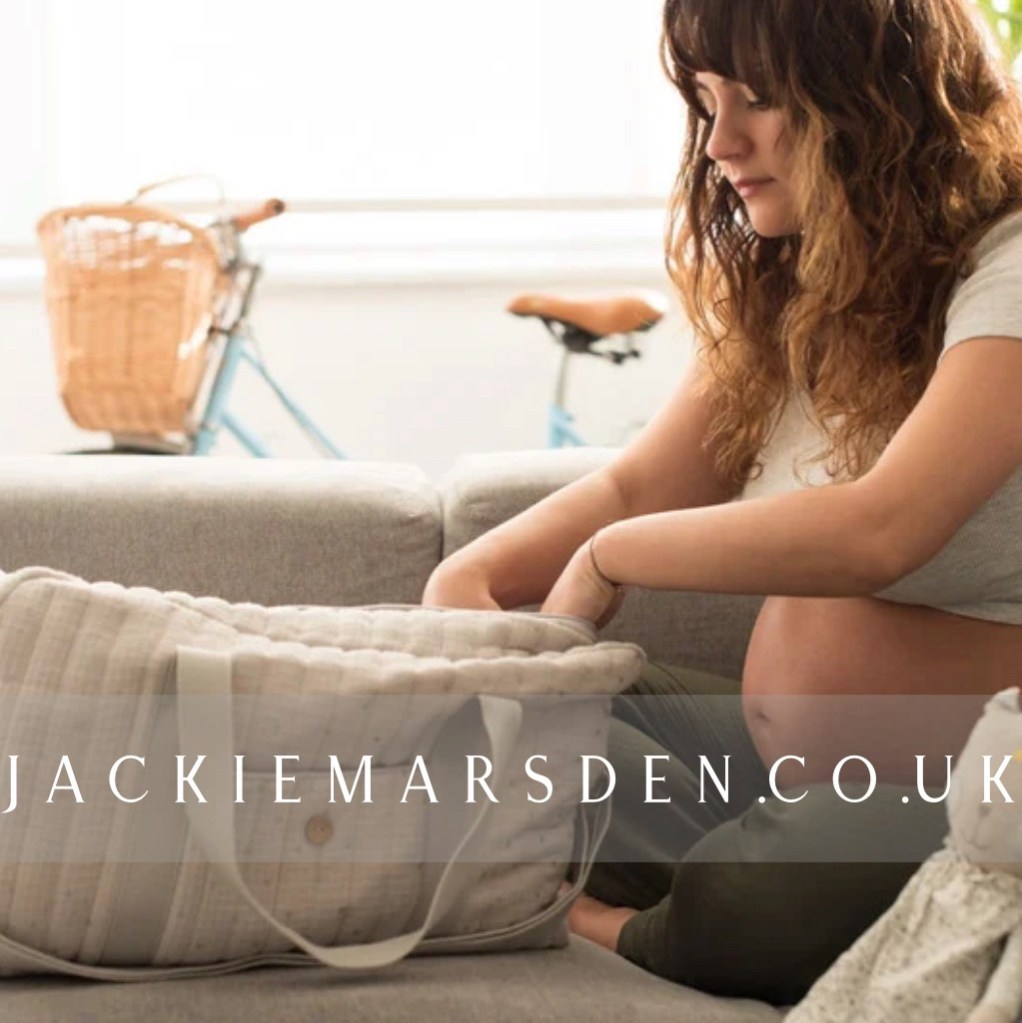
Happy pregnant woman preparing for her baby.

Fertility acupuncture tends to prioritise regulating the menstrual cycle, increasing blood flow to the ovaries and uterus, and regulating sperm health for the men. Stress management and building resilience to stress is also key when trying to conceive. This is something that is always prioritised in clinic.

When coming for fertility acupuncture it’s advisable to plan to come weekly for 3 months as this is the length of time it takes for an egg to be recruited, matured and finally ovulated. What we do now has an effect on those eggs ovulating (or collected via IVF) three months down the line.

During those 3 months we treat through the menstrual cycle, meaning that when you’re bleeding the focus is on good blood flow and emotional support as a period means no pregnancy. During the follicular phase the focus is on follicular development so good blood flow to the ovaries and uterine lining.

Fertility acupuncture works with each phase of assisted reproductive techniques such as IVF/ICSI to really enhance your response to the treatment you’re having, and manage the side effects of the medication.

When you work with a fertility acupuncturist, you gain insights and education from someone who has a regular practice in this area of health; someone who understands the process and what is involved. It’s not just needles; it’s fully rounded support.

If you would like to discuss your situation with me or would like to book in with the clinic in Warton, near Preston, Lancashire, please get in touch. Please read some of the success stories from the clinic here.

The benefits of regular reflexology

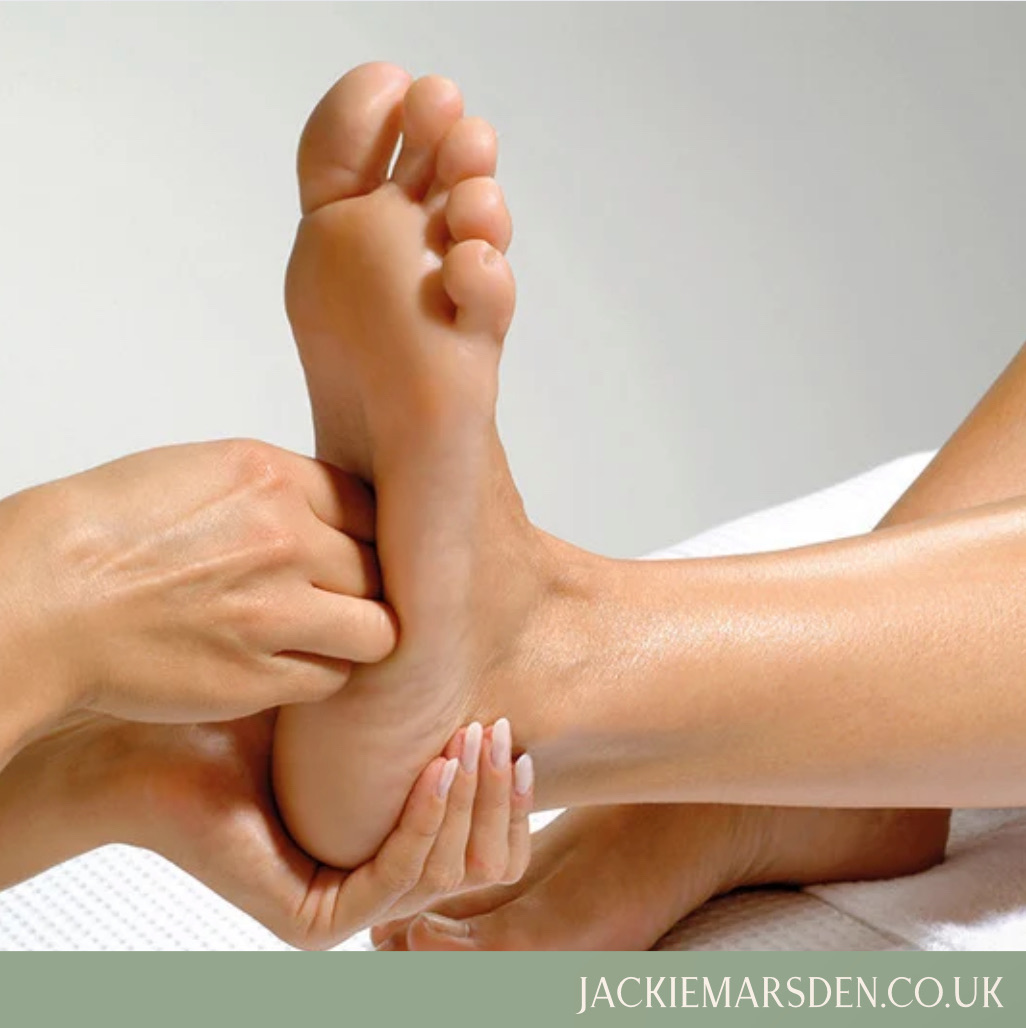
A woman receiving reflexology on her feet.

Reflexology is profoundly relaxing and this can help to reduce stress and manage anxiety. The gentle pressure applied to specific points on the feet or hands promotes a sense of calm and safety, which helps settle both the mind and body into a place where the body’s natural healing can take place.

Reflexology helps many people with relief from pain and discomfort, no matter where their particular ailments are anatomically. Reflexology can help to reduce inflammation (particularly Reflexology Lymph Drainage), and promote the release of endorphins (such as oxytocin); the body’s natural pain-relieving neurotransmitters.

Reflexology helps to improve blood circulation throughout the body. As a reflexologist, working the reflex points with intention, along with promoting an overall relaxing state for the client, allows better flow of blood and oxygen to the organs and tissues, engendering an overall sense of improved health and wellness.

I have seen time and time again, clients that come into clinic for regular reflexology sessions, huge improvements in their health, whether it is reduced pain or reduced stress and anxiety (and largely it is both), feeding into their increased sense of wellbeing and improved health.

To book in please get in touch. Sessions start with a full consultation followed by regular sessions either weekly, fortnightly or monthly.

How does Acupuncture work?

I am often asked how my therapies actually work. Like, really, how to they work? What are the fundamental principles by which Acupuncture effects the client?

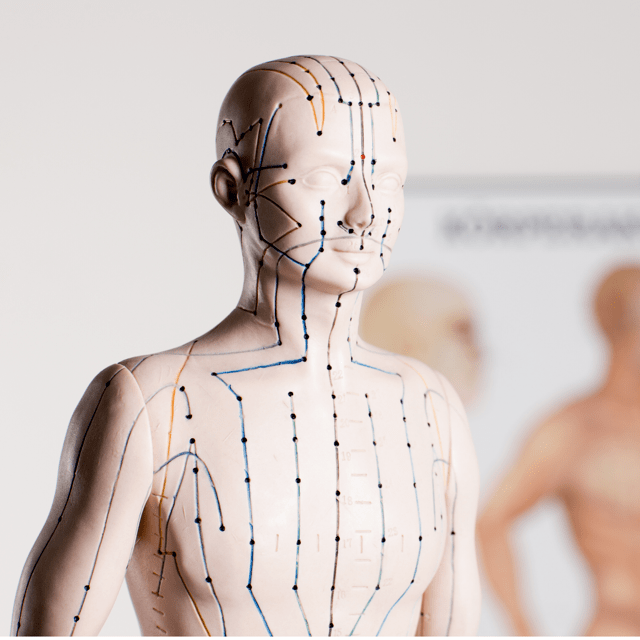
Woman receiving abdominal acupuncture.

Acupuncture is the insertion of very fine needles into the skin. At this very basic level, we are creating an immune response in the body, by piercing the skin. The skin is there to protect us, to act as the boundary between the interior and the exterior. The body reacts to the needles by stimulating the immune system to create more white blood cells ready to defend against a pathogen.

We can also say that the needles have a neurological effect on the body because beneath the surface of the skin we have the superficial fascia, which is our neuro-connective tissue. Think of it like cling film wrapping all the body parts together. This connective tissue runs throughout the entire body in varying different layers, separating, supporting and enclosing different body parts, but connecting them all together. By piercing this with a very fine needle at particular points stimulates the nervous system and can affect the whole body.

Fascinating!

If you would like to book in please get in touch.

PMS and it’s extremes

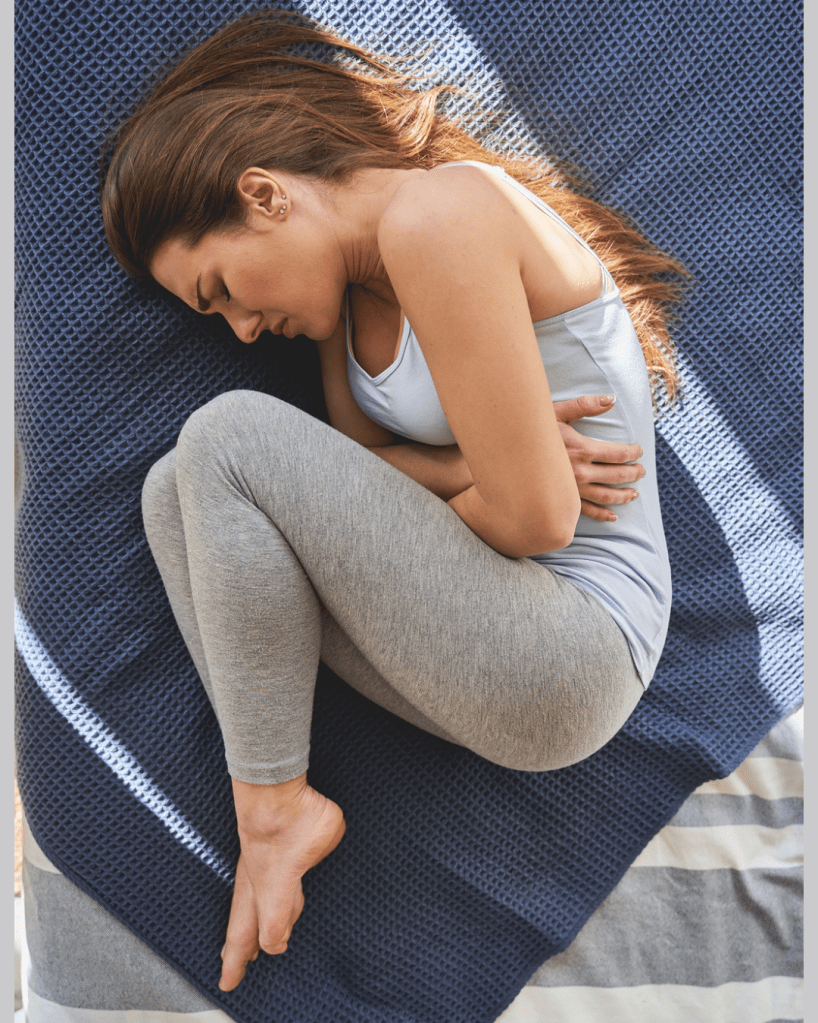
Woman experiencing severe menstrual cramping.

Approximately 90% of women suffer from Premenstrual Syndrome (PMS) at some point in their lives. During the few days leading up to menstruation can present with all sorts of symptoms such as bloating, irritability, frustration, anger, back ache, acne, abdominal cramping and pain, feeling tearful and emotional, as well as anxious and depressed.

Every cell in our body has a hormone receptor, so PMS can be attributed to over 200 symptoms as fluctuating hormone levels can have an impact everywhere in the body. These may be symptoms you only experience during the build up to your period, or perhaps these are symptoms you already experience, but are exacerbated at this time of your cycle.

In TCM terms, the luteal phase of your cycle e.g. the second half of your cycle between ovulation and your period, is when your body is at its most Yang. It is the part of the cycle where there is the most energy. Your body is gearing up for the possibility of a pregnancy with the surge of progesterone helping to really plump up the uterine lining for an embryo to implant. This surge of hormone and surge of energy can make us feel energised and productive, however as this starts to wane and drop just before our period starts, can suddenly leave us feeling depleted. The smooth flow of Qi is now not so smooth, as the progesterone starts to dip and body temperature starts to drop, our overall hormone levels can quickly leave us feeling grumpy and moody, and present us with physical symptoms too.

Switching between the Yang half of our cycle to the Yin half i.e. our menses, can create Qi stagnation. Getting to know your cycles by charting on a calendar, or Basal Body Temperature (BBT) charting can really help you to understand what is going on inside your body, help you identify symptoms and mood changes, and shed light onto areas that perhaps might need further attention.

For example, some people do not just suffer with “regular” PMS, but can experience more extreme versions such as Premenstrual Dysphoric Disorder (PMDD) and Premenstrual Exacerbation (PME). These extreme versions of PMS can be very difficult to deal with and manage on a monthly basis. “Experiencing PMDD can make it difficult to work, socialise and have healthy relationships. In some cases, it can also lead to suicidal thoughts.”1

Understanding your own personal cycle, the length of your follicular and luteal phases, and looking at your BBT throughout your cycle can open up possibilities to improve symptoms you’re experiencing. You might discover that phases of your cycle are too long/short or your temperature is not high enough or too high for example.

Supporting progesterone can help with PMS. To support progesterone production and your luteal phase, add more nutrient dense calories into your diet at this phase of your cycle. After all, your body is gearing up for a potential pregnancy, and some women find that they are hungrier at this time. Adding more protein, and looking at using adaptogens such as Ashwaganda to help manage stress and change. “Adaptogens are the umbrella term for fungi and plant-derived compounds that help the body adapt to stress.”[2] Magnesium is also said to help, as many of us are depleted in magnesium and it is involved in a myriad of daily bodily functions. Using a topical spray or adding in Epsom Salts to your evening bath are easy ways to get magnesium into your body. Magnesium often becomes low as a result of stress. [3]

Managing stress is also key to supporting your luteal phase. Booking in for regular reflexology or acupuncture can offer you the opportunity to feel relaxed and receive some downtime already scheduled into your diary. With acupuncture in particular, treating throughout the cycle can help you regulate and improve your quality of life. Vitamin B complex supports the body’s ability to handle stress. [3]

Understanding your cycle can help you to prepare and plan for what might be up ahead. Scheduling your diary around your cycle can help you to be more productive when you are feeling at your most energised, and avoid difficult social situations when you’re likely to be feeling fragile. You can also use your cycle to help with meal planning and snacking, and scheduling in more gentle exercise within the luteal phase.

If you would like fertility support in Lancashire and to book in with me please get in touch.

  1. https://www.mind.org.uk/information-support/types-of-mental-health-problems/premenstrual-dysphoric-disorder-pmdd/about-pmdd/
  2. https://www.parsleyhealth.com/blog/what-are-adaptogens/
  3. https://webfmd.com/hpa-axis-dysfunction-treatment/
Molecular Hydrogen

Hydrogen is the smallest molecule in the universe. It has only 2 atoms, and binds with oxygen to give us water – H2+0.

Molecular hydrogen is the name given to hydrogen that is released into water to give it highly antioxidant properties. There are over 1000 published studies now providing evidence that hydrogen-rich water has many health-giving and therapeutic effects.

Why is water good for you?

If we consider that, as humans, we are made up of approximately 70% water, we should really make clean, living, health-giving water and hydration our number one priority when it comes to health and nutrition.

Tap water is not the same as filtered water

Tap water is drinkable but it is full of various extras such as the growing concern around micro-plastics, chlorine, fluoride, pharmaceutical residues and hormones. Because of these, as well as poor water structure, the tap water consumed does not effectively hydrate the body and penetrate deep into the cells where it is needed. It is a bit like watering a dried up pot plant: most of the water runs straight through into the saucer.

By releasing molecular hydrogen into clean, filtered and restructured water, we are left with water that is highly bioavailable and hydrates the body much quicker and effectively that regular tap water.

How do I get molecular hydrogen into my water?

There are various ways you can get molecular hydrogen into your water. The system I use at home (and have done so since 2021 – I never promote anything I do not use myself) is the Energy Plus Undersink Filter System from Water for Health.

This is a 4 stage filtration process which sits neatly under the sink. The first two filters remove debris and particulate, and other contaminants such as chlorine and fluoride. The third filter uses bioceramics to mineralise the water to give it good structure. It then finally passes through the fourth filter which uses a magnesium substrate to release molecular hydrogen into the water.

Which water filter is best?

A water filter of this nature is my preferred way to filter water, over reverse osmosis (ro) and distilling. This is mainly down to the fact that both of these methods remove absolutely everything from the water, including the good stuff – the minerals – which not only provide all the trace elements your body needs, but also provide a basic structure to the water. So if you do choose “ro” or distilling then make sure you re-mineralise the water before drinking.

For further information please see my affiliate link here. There are currently over 1000 published studies available on the benefits of molecular hydrogen.

Water droplets suspended in mid air.

When East Meets West

I often find myself pondering on the little nuances of my practice. Those little subtleties that signal you to the next revelation or lead you onto another level of awareness.

My recent pondering takes me down both the reflexology and the acupuncture avenues and meets to bring another level or dimension to my understanding.

Acupuncture needle at acupuncture point Liver 3 on the foot.

I have been using the Reflexology Lymph Drainage (RLD) technique a lot lately, and really focussing a lot of attention on this sequence; looking at the particular reflexes and how the areas of the body represented by these points actually function. One of the key points of the RLD sequence is the reflex point for the Subclavian Vein (SV). This point is on the dorsal of both feet and is situated exactly at the same acupoint Liver 3.

The SV is an important point for the RLD sequence, as this is where the lymphatic system, once finished cleaning and transporting lymph through the body, will return it back into the cardiovascular system i.e. the blood. This point gets used A LOT during the RLD sequence; after every sweep and general movement, we ask the body to deposit the lymph back to the cardiovascular system via the techniques of reflexology. It is gently stimulated a minimum of 18 times on each foot, plus additional linking at the end.

From an acupuncture point of view, this point is known as Liver 3. The energy of the Liver is to govern “spreading and draining”. By this we mean that it is responsible for maintaining the free flow of Qi (energy). Liver Qi can be restricted emotionally by anger, and physically by damp-heat. “When Liver Qi stagnates, it gives rise to sensations of pressure, distention and pain”. So these are the same symptoms that we are addressing in the RLD sequence; pressure and distention from oedema, and subsequent pain that this causes. Oedema is a “damp” symptom; fluid starts to stagnate and that is what is known as “damp”. If it stagnates for long enough it can start to warm up which is known as “damp-heat”.

On each acupuncture meridian, there is a principal or “source” point which is known as the most powerful point of that particular channel. Liver 3 is the source point for the Liver channel and it is the main point we would chose to promote free-flowing Qi. In addition, this point (or points if we are thinking bilaterally) combined with Large Intestine 4 (Li4) on the hands, make up the “four gates” which are used for the relief of pain. What is interesting to me is that Li4 is the exact same point we would use for the SV in RLD on the hands!

We might ask what this all means? It just consolidates for me that what we do from either angle, whether its from a western medical viewpoint or whether it is from a Traditional Chinese Medicine viewpoint, it all slots together. The two approaches fit neatly together side by side. They both make sense.

What are you shouldering?

In Traditional Chinese Medicine, the Large Intestine channel starts at the tip of the radial side (thumb side) of the second finger and runs up along the arm to the elbow crease then up to the anterior (front) shoulder,a cross to the neck and ending at the nose. It is a primary channel to be affected when it comes to shoulder and elbow problems.

I have recently treated many clients with acupoints on the shoulder, elbow and arm. One client in particular presented with debilitating hip and sciatic pain on the left. After assessing her feet for foot-reading and reflexology based markers it was plain to see that the right shoulder was not happy. This reflex point was screaming red and presenting with a lot of heat; it was particularly eye-catching. After discussing my findings we agreed to use acupuncture moving forward. Palpating particular points around the shoulder and into the arm indicated tenderness and a desire to be “worked” and released. After two sessions the client is enjoying significant pain reduction and improved sleep patterns.

Mentally and emotionally we can “shoulder” a lot of emotion, burden and responsibility. If we don’t address this then physical pain can manifest. What I find interesting is that the Large Intestine channel runs along here, and if we consider what it does as a physical functioning organ; to process and eliminate waste, then mentally and emotionally we have to work on “letting go” of the burdens and responsibilities that we unnecessarily place on our (metaphorical) shoulders.

In Traditional Chinese Medicine the Large Intestine is paired with the Lung. We breathe in new life force (Qi) with the Lungs and eliminate the old (waste) through the Large Intestine. In many clients I have seen with issues affecting the shoulder and/or elbow is that there is often an imbalance in the chest too (smokers, COPD, grief). If we continue to hold on to things that do not serve us, it will start backing up and impacting on how much new energy we can let in.

As a therapist I have experienced my own health issues (and continue to) as well as observed health issues in others. I can help my clients feel better but ultimately it is down to them to go away and do the work. We cannot treat the physical without looking at the mental/emotional aspect too. I share what I learn with them in clinic and through this blog in the hope that I live a life from which others can benefit by realising or recognising aspects in themselves.

Ski Essentials

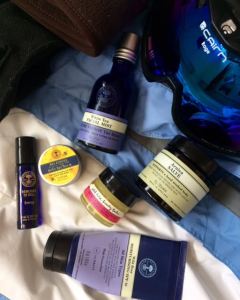
If you’re planning on hitting the piste this winter season, don’t leave without these ski essentials from Neal’s Yard Remedies Organic.

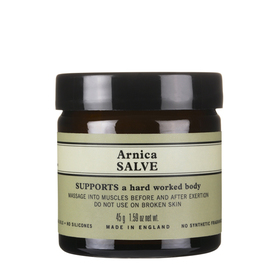
Arnica salve  This has got to be at the top of the list for essentials when skiing/snowboarding. We all use muscles that we don’t normally exercise when we go skiing! A full day skiing can take its toll on the quads, knees, shins (if you’re not used to your boots) and feet. This Arnica Salve comes in a easily-packable sized pot and is great for rubbing into those tired and weary muscles and joints to increase blood circulation, reduce inflammation and help ease out bruising, aches and pains.

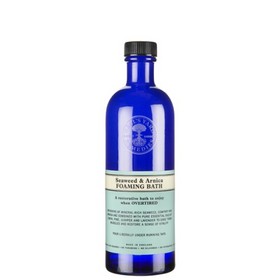
Why not also look at the Warming Salve which is great for rubbing into your joints and muscles before heading out onto the piste after breakfast? Or the Arnica and Seaweed Foam Bath for a luxurious soak afterwards.

To learn more about the Power of Arnica please read my other blog post here.

Wild Rose Moisturing SPF 30  Stay beautifully protected, nourished and nurtured in the winter sun with this organic, high level broad spectrum UVA/UVB protection. This natural moisturiser contains natural non-nano mineral filters, blended with antioxidant radiance-boosting organic wild rosehip oil, deeply nourishing organic shea butter and baobab oil. Together they protect, nurture and moisturise the skin. It is also free from harsh chemical filters, nano particles and synthetic fragrances.

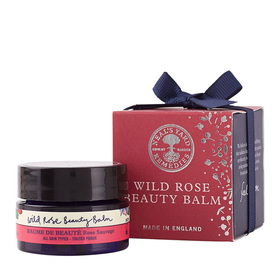
This award-winning Wild Rose Beauty Balm can be used as a rich cleanser, gentle exfoliant or deeply nourishing balm/moisturiser – to quench areas of dry or dehydrated skin. The exceptionally high levels of wild rosehip oil – a potent antioxidant proven to help repair, firm and smooth the skin – are combined with geranium, starflower, hemp and rosemary oil, to help decongest and enrich the skin, restoring its natural radiance.

This pot is ideal for packing in your suitcase: it is a cleanser, mask and moisturiser all in one so you can travel lightly! The smaller 15g pot is also small enough to fit into hand luggage.

Bee Lovely Lip Balm

Nourishes and softens your lips on the slopes with moisturising cocoa butter and beeswax. It is gentle enough for the whole family (aged 3 years and over) so great if you’re taking your little ones with you too. 3% of sales goes to charities that help Save the Bees.

Remedies to Roll: Energy

This blend of rosemary, lavender and grapefruit essential oils applied to the pulse points can help to stimulate and boost the body and mind to overcome tiredness for that much-needed pick-me-up we all need when out on the slopes all day. Comes in a little roller-ball bottle ideal for popping in your pocket.

White tea facial mist

This is a gentle facial mist to calm, refresh and rehydrate the skin – ideal for a quick, cooling spritz after lunch. Infused with antioxidant white tea, calming organic aloe vera, aromatherapeutic organic essential oils and soothing Bach Flower Remedies. This will help the face recover quickly from any sun exposure, or dryness caused from cold winds. You can also use it as a toner so no need to pack your big bottle, and  travel lightly!

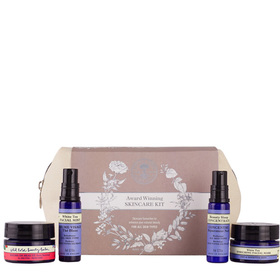
And while I’m talking about travelling lightly – how about looking at these wonderful skincare kits which come in travel-sized pots ideal for hand luggage.


Jackie Marsden MAR is a qualified reflexologist and independent consultant (Group Leader) for Neal’s Yard Remedies Organic. Jackie leads and mentors a growing team of consultants (many of whom are therapists integrating organic products into their existing businesses) via the NYRO social selling channel, holding regular team meetings, one-to-one coaching via phone and facetime, and a closed facebook group. All views are my own.

Growyourbusiness


The Power of Arnica

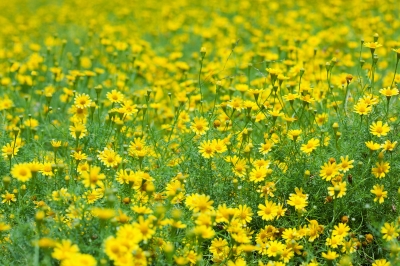
Arnica is a well-known homeopathic remedy and a gentle herb from the daisy family (a relative to Calendula, Chamomile, Echinacea, Yarrow and Dandelion).

For centuries Arnica has been used for bruising and sprains. It’s old names such as “fall herb” and “wound herb” signify its age-old use for the effects of trauma. Swiss mountain guides chewed Arnica leaves to prevent fatigue from climbing.

Just like the tough, hardy daisy, Arnica will help you bounce back from life’s knocks and tumbles. It reduces pain, inflammation and swelling, and increases blood circulation.

Arnica is an alpine plant growing and thriving in the most extreme conditions, making it a tough, hardy plant. It grows in nutrient-poor soil, at high altitudes and strong sunlight. It is a survivor, getting through the most difficult of times. It’s leaves are also usually full of little insects and parasites, giving it a victim persona. Its root contains essential oils which are powerful anti–inflammatory agents. So there is no wonder that Arnica is a powerful remedy not just on a physical level but also on emotional and spiritual levels too.

If you have fallen over and taken a knock, or are feeling battered and bruised from a tough exercise workout, Arnica knows that feeling. Arnica can sooth your weariness, heal your bruises, remedy the trauma and comfort your injured pride.

Arnica Salve (by Neal’s Yard Remedies) is potent plant power in a jar: organic essential oils and herbal extracts in pure, organic beeswax. Supporting a hard worked body, the salve can be massaged into muscles before and after exertion, stimulating muscles before workouts and easing them afterwards. Of course it is also a necessity for the organic medicine cabinet for emergency first aid for those knocks, bruises, falls and sprains.

When overtired why not enjoy a restorative soak with Arnica in the bath. Infusions of mineral-rich Seaweed, Comfrey and Arnica are combined with pure essential oils of Lemon, Pine, Juniper and Lavender to ease tired muscles and restore a sense of vitality.

Especially formulated to ease weary limbs. Or why not try the Seaweed and Arnica Bath Salts?

Jackie Marsden MAR is a qualified reflexologist, acupuncturist, promoter of healthy living and independent consultant (Group Leader) for Neal’s Yard Remedies Organic.

Image courtesy of foto76 at FreeDigitalPhotos.net

Reflexology for Sports

Sports people of any level or ability are highly motivated to perform at their best and to achieve optimum results; often they look to holistic therapies to complement treatment received for injuries.

Reflexology for optimal performance

The psychology of sport encourages individual athletes and team players to look for ways to achieve that extra one or two percent that can give them the edge on their opponents. Consequently, many now use reflexology as part of their overall regime.

What can reflexology offer?

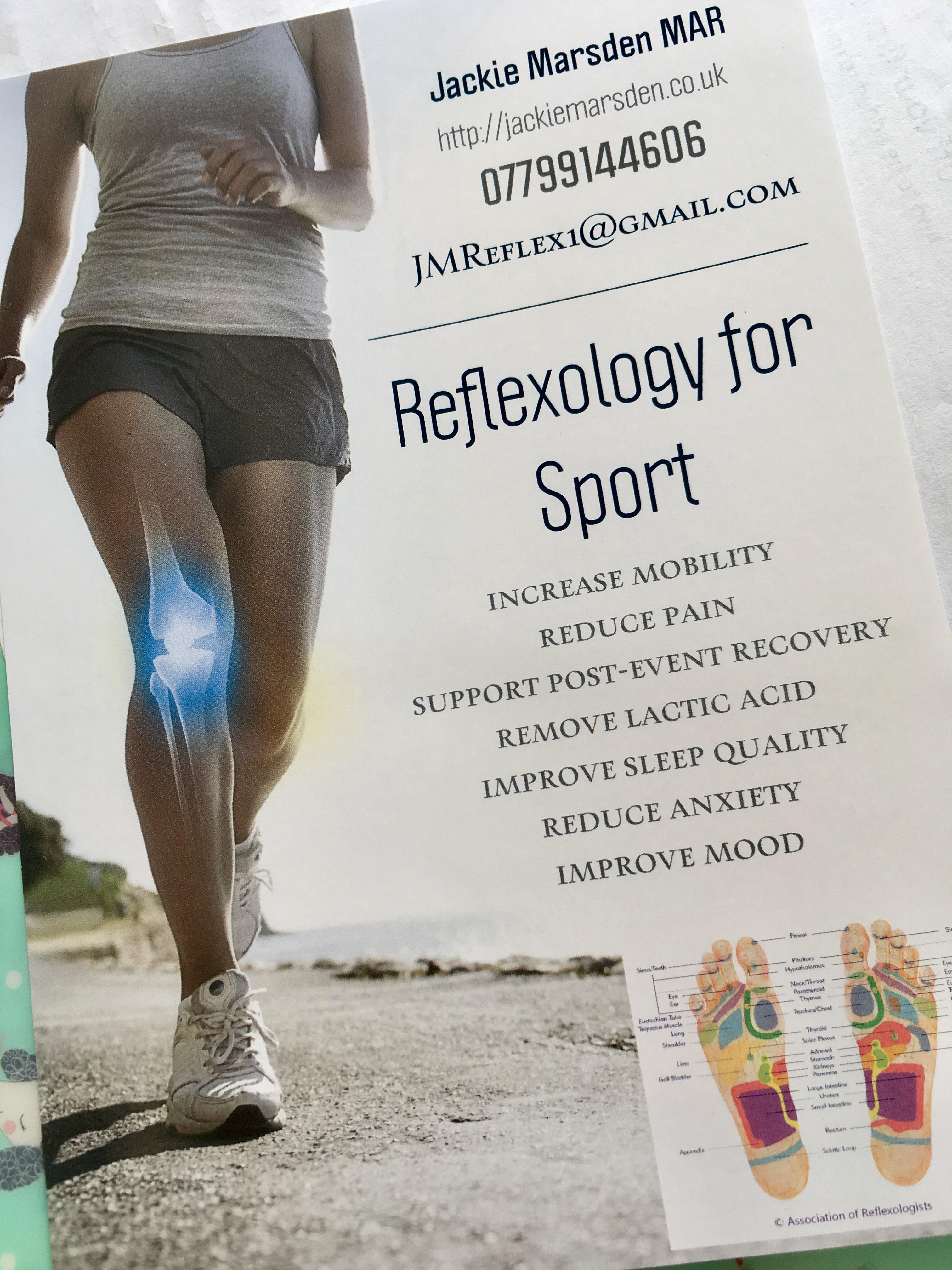
Reflexology may help to provide increased mobility, reduced pain and support or accelerate the recovery period after an injury.  Many athletes use reflexology in a preventative capacity to encourage balance in the body and improved health in general, such as improved sleep quality, reduced anxiety and improved mood.

How does it work?

Reflexology helps to increase blood flow and encourage lymphatic drainage. Research studies show that it can remove lactic acid from the legs four times faster than massage, helping post event recovery. Increased blood circulation helps remove toxins and increase the delivery of oxygen and nutrients to the tissues, helping to support the body’s natural healing process and promote recovery from injuries. It may also assist in preventing common complaints and niggles from extended muscle exertion such as aches, pains, cramps and spasms.

What else?

The effect of stress has a very detrimental effect on the body, reducing blood flow and oxygen, causing energy to be depleted and thus functioning at a sub-optimal level. Reflexology helps to manage this by promoting deep relaxation, easing tension, giving the body time to rest and heal and it often improves sleep. It may also help with pain relief or reducing pain associated with injury.

Contact me for more information or to book an appointment.

Jackie Marsden MAR is a qualified reflexologist, acupuncturist, promoter of healthy living and independent consultant (Group Leader) for Neal’s Yard Remedies Organic.

Image courtesy of digitalart at FreeDigitalPhotos.net