Shine a Light on Lipoedema

Lipoedema is a chronic disorder of the connective tissue and fat tissue, mainly affecting women. It is thought to be a genetic and inherited disease, but can skip a generation.

The onset of Lipoedema is not well understood, however it is usually via a hormonal trigger, either at puberty, after pregnancy or menopause. Once triggered, there is an abnormal laying down of adipose tissue. This usually happens around the hips, legs, buttocks, knees (although sometimes it can be found in the arms). Hands and feet are usually unaffected. The fat deposited is usually evenly balanced between each side of the body, and creates a dimpled “orange peel” appearance.

During stressful times, a “growth spurt” can happen and another laying down of additional adipose tissue happens.

Lipoedema can create difficulties in walking and general movement, finding clothes to fit comfortably, and mental/emotional trauma. The areas affected can be painful and throb; feeling heavy and touch-sensitive. Bruising can happen easily, and the condition of the skin can deteriorate if not looked after properly.

The adnormal amounts of adipose tissue can start to block the lymphatic system, creating additional swelling of lymph fluid. This condition is sometimes referred to lipo-lymphoedema.

Reflexologist holding the pituitary reflex point on the big toe.

The community of Reflexology Lymph Drainage practitioners has seen much success in managing this condition with the techniques of reflexology. Patients report that their legs feel “empty” after a treatment which lasts a few days. Patients have also experienced the fat tissue starting to soften, creating a normal “wobble” instead of a solid, thickened, unmoveable texture. Pitting indendation starts to reduce considerably in some patients.

As a reflexologist I have lots of techniques in my toolbox; endocrine work is also be applied to the reflexes to address and manage the hormonal aspect of this condition (where appropriate).

Short demo on adding in the leg reflex to the RLD sequence. This additional technique is essential in treating lipoedema patients.

If you are interested in trying Reflexology Lymph Drainage to help with Lipoedema or Lymphoedema please get in touch via phone/text.

Lymphoedema – Lighten the Load

Lymphoedema can be a debilitating condition where the lymphatic system is compromised and thus a build up of fluid creates swelling in an area of the body.

Primary Lymphoedema is thought to be hereditary. Fluid starts to pool at the base of a limb due to the inadequacy of the lymphatic system’s ability to drain fluid.

Woman wearing compression bandage for lymphoedema.

Secondary Lymphoedema can appear after an operation, or after an accident or injury. The cause of fluid build up can be due to the lymphatic tissue becoming damaged, or removed (for example an axillary clearance).

Swelling can make that area of the body painful, heavy, tight and restricted. The tissues of the skin can become very uncomfortable and delicate, prone to damage and infection. It can be difficult to find clothes to fit, and can create mental/emotional instability.

The treatment for lymphoedema is compression, exercise/movement and good skincare. Sometimes Manual Lymph Drainage is offered which is a massage technique which re-reoutes the fluid away from the affected site.

Reflexology Lymph Drainage is a technique based on the principles of Manul Lymph Drainage, but transposed onto the reflexes of the feet or hands.

The beauty of this technique is that it is completely non-invasive; patients do not need to get undressed. It can be done in-clinic via the feet, or remotely via a taught self-help sequence carried out on the hands.

Much research is still being carried out around this technique; however what the reflexology community have seen up to this date is that the technique and sequence supports the theory of reflexology. By isolating and working the lymphatic reflexes of the feet or hands, has an effect on the body. As a community, we have been witness to some incredibly rewarding results for our clients.

Please contact me to have an initial discussion and to book in.

More on Endometriosis

Endometriosis comes from the retrograde menstrual blood flow. This means that when we menstruate, some of the uterine shedding doesn’t flow downwards and out through the vagina; some of it will move up through the Fallopian tubes and into the ovary, and sometimes beyond and into the pelvic cavity.

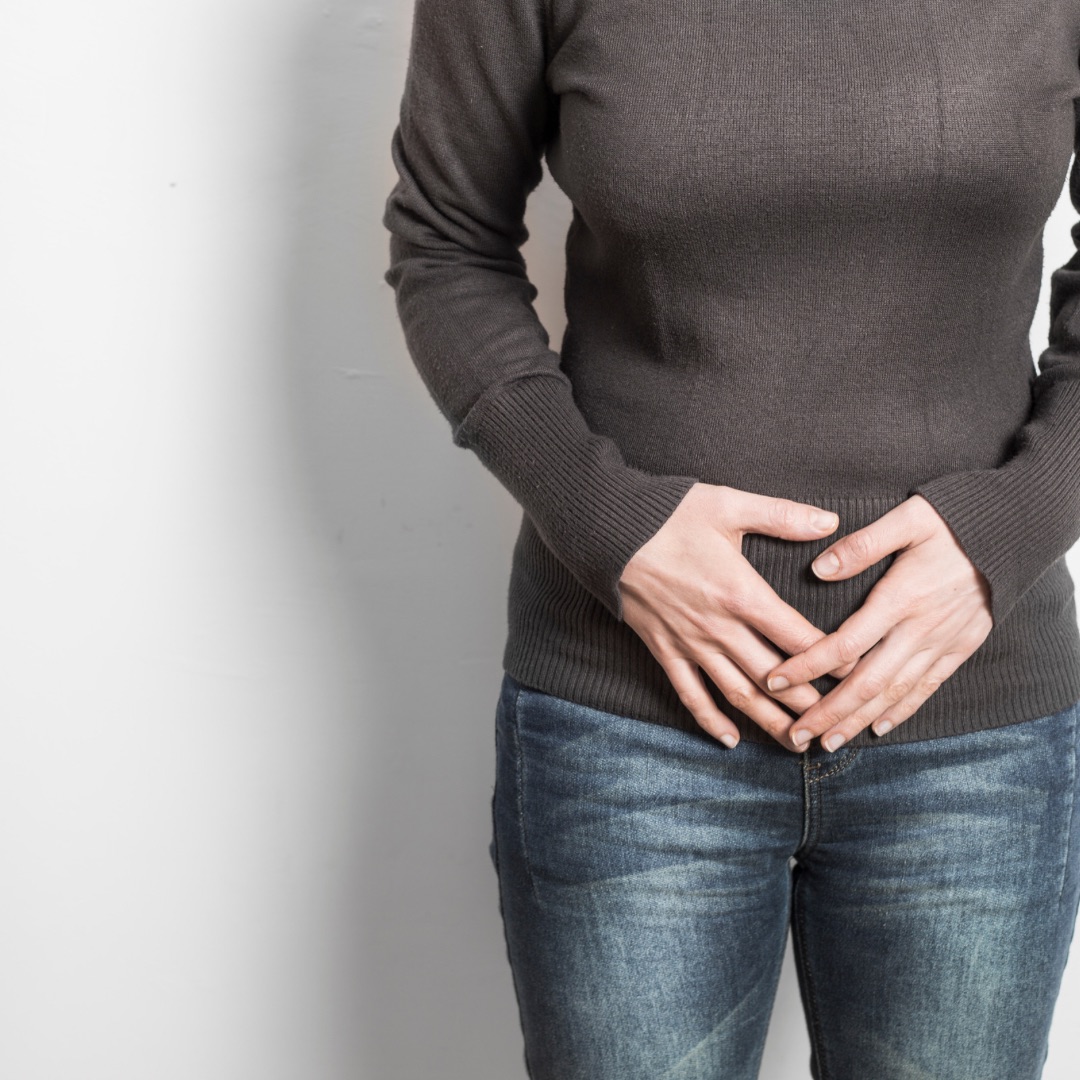
Woman experiencing period pain.

These pieces of the endometrium are then implanted outside of the uterus, and will bleed during subsequent menses. This means that there is menstrual blood outside of the uterus which the body sees as a foreign invader; the body doesn’t recognise it outside of the uterine cavity. This creates inflammation and pain, and triggers an auto-immune response.

This also can create an oestrogen-dominant state within the body, because of the excess oestrogenic tissue outside the uterine cavity.

Endometriosis doesn’t just create “period pains” and heavy bleeding. It also can have a huge impact on reproductive health, digestive health and bowel movements, urinary and bladder health, mental/emotional health. It can also cause fatigue, shortness of breath, nausea, vomiting, and pain.

In Traditional Chinese Medicine principles, we need to move Liver Qi Stagnation and clear Blood Stasis. This means that the Qi (energy) of the body is not free-flowing, which causes pain. It also means that if these continue to stagnate then the Blood cannot flow as it should and it gets locked down.

Depending on your particular symptoms and observations an acupuncture prescription will be created to help encourage the restoration of balance within the body.

If you prefer a Reflexology approach, then Reflexology Lymph Drainage could be the sequence of choice. This sequence specifically targets the lymphatic reflexes on the feet, with the intention of modulating the immune system (the white blood cells of the immune system live in the lymphatic fluid) and reducing the inflammatory effect on the body.

Some lifestyle interventions you can do to help yourself:

  • Do not wear tampons. These block the natural downward movement of menstrual blood.
  • Do not have intercourse during your period and the post-partum period.
  • Do less exercise during menses.
  • Avoid pelvic examinations and abdominal massage/pressure during menses.
  • Avoid exposure to cold water during menses.
  • Eat an anti-inflammatory diet, increasing your intake of phyto-nutrients, fruit and vegetables, nuts and seeds, and reducing refined sugars, alcohol, caffeine.
  • Remove all oestrogen-mimicking plastics and personal care products from your home. Anything from synthetic fragrances, plug-ins, candles, food stored/cooked in plastics, washing plastic tupperware/bowls/cups in really hot water and with a harsh detergent, switch to more environmentally friendly cleaning products and glass tupperware. See my other post on detoxing holistically.

For more information please see my other blog post.

Detoxing holistically

Woman holding a healthy green smoothie.

January is a time where we see lots of talk and discussion about detoxing after the festive break and as a kick start for the new year ahead. But is January the best time to do this? When we are still very much in mid-winter, and hibernation is still what we are craving with the mornings and evenings still so dark and the weather still so cold.

A better way to approach detoxing is to make lifestyle changes and build good habits into daily routines so that you are reducing the toxic load from the “get go” and daily habits are keeping on top of what’s left.

Reducing toxic load

Many toxins are within our homes. Consider home cleaning, laundry and personal care products, as well as home fragrance. These will contain lots of toxins such as heavy metals, petrochemicals, synthetic fragrance and parabens. Much of these ingredients are environmental oestrogens i.e. they mimic oestrogen within the body and can cause havoc with hormones, mood and weight gain. This is particularly critical if you are trying to conceive or are perimenopausal.

Foods are another area where toxic load can be reduced. Cutting back on ultra processed foods such as ready meals, ready made sauces, fast foods, packet foods can really help reduce toxic load. Choose whole foods and make meals from scratch. Teach yourself how to cook. Snack on things like fruit, nuts and seeds and cut out the junk. Choose organic where possible and rinse/wash fruit and vegetables thoroughly before eating.

Water intake should be increased. The body uses around 2 litres of water per day just to complete its daily functions. If you are not consuming this regularly then the body will source the water from itself leaving you with signs of dehydration such as dry skin, slow bowel movements and headaches.

Choose a water filter to filter out debris, pharmaceutical residues, microplastics and chemicals used in the treatment plants.

Food and water storage

Don’t store your water in plastic bottles; choose a metal or glass bottle. Don’t cook food in plastic containers and try not to store food or re-heat food in plastic. Choose glass Tupperware or simply use a regular bowl and pop a plate over the top. Avoid using clingfilm. You often don’t need to cover and wrap food; simply placing it in the fridge will be good enough if you are eating it the next day. If you want to use a wrap then look at the reusable beeswax or plant-based wraps. Plastic from bottles and storage containers will leach into the water/food, especially if you are washing in hot water using a regular detergent. Switch to an environmentally friendly brand such as Method or BioD.

Daily habits

Daily dry body brushing is a great way to keep your lymphatic system boosted which is integral to reducing toxins and inflammation. Take a body brush and gently brush in an upwards motion towards the heart. Brush up the middle of the torso, then the legs, arms and across the top of the chest. Do this every morning on dry skin before showering or moisturising to keep on top of your detox plan.

A castor oil pack worn over the right side of your abdomen can help to support your liver which is integral for detoxification. This is simply a compress soaked in castor oil and then strapped to your torso and worn for an hour. You can do this weekly to keep on top of your detox plan, or more regularly if you are using it in a more targeted way.

Oil pulling each morning with coconut oil is another way to regularly rid your body of toxins. Put around a teaspoon of coconut oil in your mouth first thing, and let it melt then swish it around your mouth for approximately 2 minutes before spitting into the bin (do not spit into the sink as it may block drains).

Detox the mind with meditation. Meditation doesn’t have to be complicated or boring. Simply sit in a comfortable position and be quiet for a length of time. Sit in the stillness. Allow yourself not to think or worry about anything for the set amount of time. It could be as little as 1 minute to begin with. Use a timer. Practice every day and note how you feel.

These approaches are a better and kinder way to detox your body, and will be practical and sustainable to build into your everyday life.

IVF Acupuncture – Does it Work?

IVF acupuncture is acupuncture to support you through the IVF process.

Artistic interpretation of ovaries, uterus, cervix and vagina.

Ideally you will work with me for 3 months before your IVF treatment begins so that you are fully prepared for success.

Many clients come to me after they have had an unsuccessful first round. We look at the unsuccessful cycle and review what happened, and reflect upon what can be done differently next time.

It is such an emotionally challenging and stressful time for couples; having independent support is invaluable. It’s not simply needles; it is having someone to talk to and knowing someone has your back throughout the journey.

Acupuncture points are often chosen on the lower leg, ankles and feet, wrists and abdomen. But everyone is individual and points are chosen based on your particular pattern.

Acupuncture is powerful after egg collection to help your body heal from this procedure quickly so that you are ready and energised for the embryo transfer around 5 days later.

Getting 1-2 acupuncture treatments in after egg collection, and then one before embryo transfer can be really helpful.

A “baby bank” with details of couples who have trusted in me to support them through their fertility journeys is forthcoming. I am also preparing an e-book to help you set good foundations for your fertility journey.

How can I increase my chances of IVF success?

IVF is a process which shouldn’t be taken lightly. It is hard on couples from all angles; emotionally, mentally and physically.

IVF eggs under microscope.

The drugs used are heavy duty; creating all sorts of side effects and mood swings. The process involves physical incisions through the vaginal wall and on the ovaries – multiple cuts in fact – depending on how many follicles you have. A lot of energy is required for your body to heal. You will also be sedated and this can take time to recover from.

Then there is the agonizing wait to see if any eggs fertilized, and how well they develop to day 5 where you will then have another procedure to transfer the embryo into your womb. And the 2 week wait begins, alongside more drugs.

It is an emotional roller coaster and exhausting; taxing mentally and physically with trips in and out of the clinic for tests and scans.

For such a consuming process, wouldn’t you want to prepare the best that you can to maximise your chances of success? Its not something you should walk into without first fully investigating what the problems are with your inability to conceive naturally, and to really prepare your body and the environment within which your eggs are recruited and collected, and then transferred back for implantation and ongoing pregnancy.

Preparation is key when it comes to IVF success. Don’t allow a fertility clinic to use your first round as a diagnostic; that’s way too expensive both financially and for your health and overall wellbeing.

Find someone to help you through the process and work with a specialist who can take a deep dive into your lifestyle and nutrition, and offer you acupuncture as part of your preparation program.

Contact me for an initial chat and start your preconception journey with me today.

How can I increase my chances of getting pregnant?

If you are reading this then chances are you are trying to conceive, and perhaps you have been trying for a while now and each month is a roller coasting of emotions ranging from the highs of hopeful to the lows of that one line showing on the stick.

Woman crying, holding a negative pregnancy test.

One of the best things you can do is to take yourself off this roller coaster for at least 3-6 months. Stop “trying” and start focusing on collecting data, improving your lifestyle and nutritional choices.

Start tracking your cycle using a very basic thermometer to take your basal body temperature, and a paper chart. Mark down where your temperature is each morning before you get out of bed, and on which day of your cycle. Take note of your menstrual blood, spotting, discharge. Collecting this data for around 3 cycles can start to present patterns and markers that might indicate what is happening within your body and your cycle. Bring this with you if you decide to book in for acupuncture.

Get your bloods checked including a full hormone and thyroid panel. Get copies of these results and again bring them with you if you decide to come into clinic for acupuncture.

Really take a deep dive into your lifestyle; write down when you go to sleep, when you wake up, what you eat for each meal, whether you often get aches and pains. What exercise do you take, and what about your partner/husband? How much water do you both drink? Are you both eating a lot of processed foods? Do you use a lot of plastic?

Don’t go on this journey alone. Find a qualified practitioner to help you along the way. My fertility clients come in for weekly acupuncture where we look at everything in your life in detail and work out a plan of action to prepare you as a couple for conception, whether that is natural or IVF.

My clinic is based on the Fylde PR4. Contact me for a chat.

Is Acupuncture Worth it for IVF?

Acupuncture is very much worth it as part of your overall plan in preparing for conception.

Woman receiving acupuncture for fertility issues in her abdomen.

It is well documented that it takes around 100 days/3 months, or 3 cycles, for an egg to be recruited and matured ready for ovulation, and similarly for a full sperm regeneration cycle to complete.

It is hugely important to give yourself time to prepare and improve your overall health and wellness, lifestyle, diet and nutritional aspects before conceiving, whether you plan to do this naturally or via IVF. If the raw materials are not in the best condition possible, then you will not be maximizing your chances for a viable conception, implantation, and ongoing pregnancy and the health of the child.

As an acupuncturist I work closely with couples to look at where problems might be hiding. Sometimes a small imbalance can lead to issues when it comes to fertility. Working holistically, I take a full medical and lifestyle history from couples trying to conceive, then work out a specific and individualized acu-point prescription to help re-balance what I see happening in the body. I look at tongues, ears, feet and feel your abdomen. I ask a lot of questions about your menstrual cycle, menstrual blood and digestive health, as this can tell us as lot about what might be happening within the body.

Acupuncture is hugely effective when it comes to IVF. Particular points can help with innervation to the ovaries and uterus, boosting Blood and Qi, giving a good bump up to the follicles, helping with uterine lining, managing oestrogen levels and holding off OHSS, as well as calming the mind and supporting the couple. It is also excellent for expediting the recovery after egg collection, and preparing the uterus for transfer. Which points are used will be individual to your own picture.

In my own clinical experience, couples who have taken the appropriate time and care to prepare for their next IVF cycle get the best results; either falling pregnant naturally or having a successful IVF cycle.

If you would like to book a full consultation to discuss your own situation please contact me. Prices can be found here.

Feel at the endo’ your rope with Endometriosis?

Woman experiencing menstrual cramping and heavy bleeding due to endometriosis.

Endometriosis is a condition where the cells of the endometrium (the uterine lining) are laid down outside of the uterus, usually within the pelvic cavity but sometimes also further afield, like in the nostril for example.

Often endometriosis is found on the ovaries, fallopian tubes, or even the bladder and bowel.

When menses occurs, the endometriosis tissue bleeds too. This means that menstrual blood is flowing into areas where it shouldn’t. The body’s immune system will kick in, and attack the endometriosis tissue, creating high levels of inflammation and pain.

Other symptoms might include pain while emptying bladder, during bowel movements, and during or after intimacy. IBS symptoms may also be present; diarrhoea or constipation.

Often endometriosis takes a long time to diagnose, because it really can only be seen via laparoscopy or MRI, although sometimes it can be detected via ultrasound. Initially pain and IBS symptoms will be dealt with via pain killers, and heavy periods are often managed via the oral contraceptive pill. Although these firefighting methods might help, they don’t get to the root of the issue.

High levels of inflammation can cause all sorts of havoc within the body. A disordered immune system will have an impact on thyroid, joints, musculo-skeletal health, intestinal and bowel health, sexual health and mental wellbeing. Higher levels of the wrong type of bacteria can be prolific within the microbiome. Oestrogen dominance can also prevail.

What are the answers?

If you suspect you have endometriosis its imperative that your symptoms are investigated further.

Anything you can do to modulate your immune system will help. Eating an anti-inflammatory diet and removing known stimulants and food triggers is important. Seek help from an Acupuncturist specialising in fertility or women’s health, or a reflexologist specialising in Reflexology Lymph Drainage.

If you are experiencing problems and would like to book in with me please get in touch.

Understanding AMH

AMH blood test.

If you are trying to conceive and gone down the “infertility road” a little way, then you may well have had your AMH levels checked. Many will call this your “ovarian reserve”, but as we explore further, it really isn’t that simple.

AMH stands for Anti-Mullerian Hormone. This hormone is produced by the granulosa cells, which are specific cells within a developing follicle.

Follicles take around 100 days to develop, and this must happen at a nice slow pace in order to reach ovulation. AMH is produced to prevent these delicate “pre-antral” follicles from being stimulated by Follicle Stimulating Hormone (FSH) too early. [Pre-antral means they they have left the “storage cupboard” but are now at the stage before they reach the final menstrual month where they will be competing for ovulation.]

The larger the follicles get, the more AMH they produce, until they are ready to be stimulated by FSH within the menstrual month.

Therefore, AMH levels can be used as an indicator of the number of antral or developing follicles you might have. However, this is not as simple as it sounds. It is not an indicator of dormant eggs you still have in “storage” i.e. total ovarian reserve.

In theory, if your AMH is low, this could mean that you don’t have many antral follicles coming up along the “production line”, and thus not producing as much AMH, but those that you do have could be a good size and of good quality. In contrast, you might have lots of antral follicles but not of a good size and not developing particularly well, and thus not producing much AMH.

So really, AMH is not a good indicator for determining your complete ovarian reserve. What it is useful for is for IVF clinics to gauge an idea of how many follicles they might be able to work with during an IVF cycle. But without considering other factors, a fully rounded picture cannot be seen.

Other factors to consider

Age is the main factor when looking at fertility. There will be a slow and natural decrease in AMH as we get older.

If you are a younger woman with low AMH for your age group, there are other factors to consider including vitamin and mineral deficiencies, blood flow to the pelvis, inflammation and autoimmune responses, contraceptive drugs, smoking/vaping, sleep quality, stress, infections. All of these factors can have a significant impact on the ovarian environment, and with improvements in place, AMH can rise.

My advice would be not to get fixated on AMH levels, and certainly do not look at them in isolation. Take a good look at both your own and your partner’s overall health and lifestyle, get support from an holistic practitioner. Take time to make improvements to your diet and lifestyle (remember the 100 days) to do everything in your power to improve that internal environment within which eggs are recruited and developed, within which sperm are created, and the uterine terrain in which they come together to create new life.

Other useful information

Listen to this episode of Hannah Pearn’s podcast, talking about Low AMH and what it really means for your fertility

This is a great E-book if you want to know the answers to all the burning questions you have about low AMH: https://www.explaininginfertility.com/courses/LowAMH-ebook

This was a large study which measured AMH levels in a group of 1015 women who had no known fertility issues and who all had a proven level of fertility (conceived a child within 12 months of trying and carried to full term). Almost without exception, this presented those with low AMH were more likely to conceive. Thus, this research shows that it is possible to be naturally fertile with low AMH. https://pubmed.ncbi.nlm.nih.gov/24716733/