Trying to Conceive? Why Natural Skincare Matters More Than You Think

When you are trying to conceive, it is natural to focus on diet, supplements and lifestyle. You might start tracking your cycle, supporting your hormones, or eating more nourishing, fertility-friendly foods. But one area that is often overlooked is the everyday products we apply to our skin, hair and body.

We are usually careful about what we eat, but do we pay the same attention to what we put on our skin? The skin is permeable and many ingredients in personal care products are absorbed into the bloodstream. This becomes particularly relevant in the preconception phase, when you are working to create the healthiest possible internal environment for pregnancy.

The Problem with Petrochemicals

A large number of mainstream skincare, body care and cosmetic products are based on petrochemicals. These are substances derived from petroleum and crude oil. They may be used to preserve products, make them feel silky, create foam or fragrance, or simply to bulk them out because they are cheap and widely available.

Petrochemicals can burden the liver and disrupt the endocrine system. Some are known or suspected endocrine-disrupting chemicals, which means they can interfere with your hormones. This is especially important during the delicate process of trying to conceive, when hormonal balance is essential for ovulation, implantation and embryo development.

Petrochemical-Derived Ingredients to Avoid

Here are some common ingredients that may appear in your skincare products, all of which are derived from petrochemicals and can impact fertility:

  • Paraffinum liquidum (mineral oil) Often used in moisturisers, this is a by-product of petroleum refining. It forms a film on the skin that may block pores and inhibit natural detoxification.
  • Propylene glycol Common in creams and serums to help retain moisture, but it can irritate the skin and increase the penetration of other chemicals.
  • Parabens (methylparaben, propylparaben, butylparaben) Used as preservatives, they mimic oestrogen in the body and are linked to hormonal disruption.
  • Phthalates Often hidden under the word “fragrance” or “parfum,” these are plasticisers that can disrupt reproductive hormones and have been associated with reduced fertility.
  • Sodium lauryl sulphate (SLS) and sodium laureth sulphate (SLES) These are foaming agents that can irritate the skin and are often contaminated with by-products of the petrochemical industry.
  • Synthetic fragrance or parfum A single artificial fragrance can contain dozens of undisclosed chemicals, many of which are derived from crude oil and may disrupt hormones or sensitise the skin.

The Preconception Window is Precious

In the months leading up to conception, your body is preparing in subtle but powerful ways. Detoxification, hormonal signalling, egg and sperm quality, and the uterine environment are all influenced by your internal balance. Reducing your toxic load by avoiding petrochemicals is a simple but significant step that supports these natural processes.

Nourish Yourself Naturally

Choosing natural personal care products is an act of self-love. Look for certified organic or naturally formulated options that are free from petroleum-derived ingredients, artificial fragrance and synthetic preservatives.

Brands such as Neal’s Yard Remedies focus on high-quality botanical ingredients that support rather than suppress your body’s natural rhythms. Begin with the products you use most often, such as body lotion, deodorant and facial care. These small shifts create long-term benefits, not only for fertility but for overall well-being.

Conclusion

Trying to conceive is a time to simplify, nourish and connect more deeply with yourself. By making thoughtful changes to the products you use every day, you support your body in doing what it was made to do. Natural personal care is not about being perfect. It is about creating space for your hormones to settle, your liver to work freely, and your skin to breathe.

You deserve to feel safe, supported and ready. Let nature take care of you, so you can take care of what matters most.
Cortisol and Melatonin: The Yin and Yang of Your Circadian Rhythm

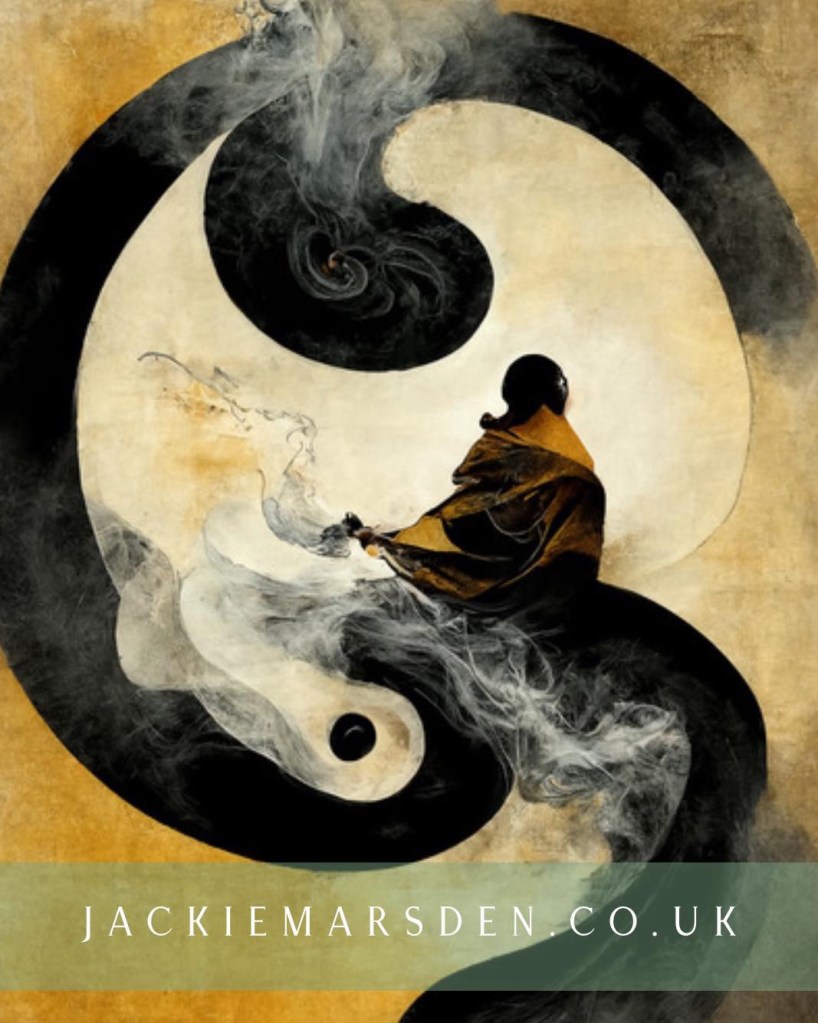
In the quiet rhythm of day and night, two powerful hormones guide our daily flow: cortisol and melatonin. These hormones play a crucial role in maintaining our body’s natural rhythm; you could think of them as the Yin and Yang of our circadian cycle: distinct in nature but working in harmony to help us feel balanced, focused, and rested.

Understanding their roles can help you align with your body’s natural flow, fostering better health and more restful sleep.

Cortisol: The Active Yang of the Day

Often labelled as the stress hormone, cortisol is essential for us to function properly, especially in the morning. It naturally rises when we wake up, helping to energize the body, sharpen focus, and prepare us for the day ahead. This is the Yang energy: active, outward, and purposeful.

Cortisol levels peak shortly after we wake up and begin to decline as the day progresses, supporting our ability to stay alert, handle stress, and perform tasks efficiently. Without sufficient cortisol, we may feel sluggish and less motivated in the morning; it’s as if we can’t quite get going.

Melatonin: The Restful Yin

As the sun begins to set, melatonin enters the scene: the Yin to cortisol’s Yang. Melatonin is often called the sleep hormone, but its job goes beyond just helping us fall asleep. It’s about inviting the body to slow down, repair, and rejuvenate during the night. When melatonin is released as daylight fades, it encourages us to rest, reduce our mental chatter, and prepare for the restorative sleep our bodies need to stay healthy.

Just as cortisol rises with daylight, melatonin rises when it gets dark. It acts as a signal that it’s time to let go and settle into rest, nurturing our recovery and internal restoration.

The Delicate Balance: Why It Matters

The relationship between cortisol and melatonin is delicate. These two hormones need to remain in a balanced dance throughout the day for you to feel your best. If cortisol remains high into the evening – perhaps due to stress, artificial light, or late-night stimulation – melatonin struggles to rise, and sleep may be disrupted. Over time, this throws the entire rhythm off course.

When this happens, it can interfere with your body’s natural recovery during sleep; affecting your energy, mood, and overall health.

Supporting Your Natural Cycle: Simple Practices for Balance

To maintain the delicate balance between cortisol and melatonin, it’s important to align your daily habits with the natural rhythms of your body. Here are a few practices to help keep your hormones in harmony:

  • Seek natural morning light: Exposure to sunlight in the morning helps signal your body that it’s time to rise and activate cortisol naturally. This simple habit can help improve your focus and alertness during the day.
  • Support rising cortisol with a healthy breakfast: Eat a balanced meal around 7am to give your body the nourishment it needs to maintain energy and focus throughout the day.
  • Avoid bright screens, intense exercise, and stimulants in the evening: These can keep cortisol levels elevated and interfere with melatonin production. Instead, opt for calming activities such as reading, meditation, or light stretching in the evening to help your body transition into rest mode.
  • Aim for regular sleep and wake times: Going to bed and waking up at the same time every day helps support your circadian rhythm and ensures your body knows when it’s time to rest.
  • Allow your digestive system to fast between 6pm and 7am: This simple practice allows your body to reset overnight, promoting better sleep and hormonal balance.
  • Get regular reflexology or acupuncture: These holistic therapies can support your body’s natural rhythm by reducing stress, improving circulation, and helping your body relax, making it easier for cortisol and melatonin to maintain balance.

Embracing the Quiet Wisdom of Yin

In a culture that often celebrates the energy of Yang – doing, pushing, and striving – we can sometimes forget the quiet wisdom of Yin. But it’s in the balance of these two forces that true health, clarity, and calm reside. When you nurture both your active and restorative energies, you create a foundation for lasting well-being and peace.

If you’re struggling to find balance in your circadian rhythm or need support with sleep, hormonal health, or stress management, reflexology and acupuncture can be powerful tools in restoring your body’s natural flow. Reach out for personalised guidance and care – together, I can help you nurture your Yin and Yang for a more vibrant and balanced life.

What is the difference between regular acupuncture and fertility acupuncture?

Fertility acupuncture is very similar to regular acupuncture in that it will still try to address common issues such as pain, digestive issues, headaches, hormonal imbalances etc. as part of the wider picture of a fertility patient. However it focuses a lot on reproductive health and treating the meridians that target this area of health. Common points are found on the wrists, ankles, feet, lower legs, abdomen and lower back.

Fertility acupuncture aims for the optimal internal environment for each particular patient. This means that it’s not a generic set of acupuncture points for everyone; each patient is treated as an individual. There is no one size fits all in any aspect of health.

Happy pregnant woman preparing for her baby.

Fertility acupuncture tends to prioritise regulating the menstrual cycle, increasing blood flow to the ovaries and uterus, and regulating sperm health for the men. Stress management and building resilience to stress is also key when trying to conceive. This is something that is always prioritised in clinic.

When coming for fertility acupuncture it’s advisable to plan to come weekly for 3 months as this is the length of time it takes for an egg to be recruited, matured and finally ovulated. What we do now has an effect on those eggs ovulating (or collected via IVF) three months down the line.

During those 3 months we treat through the menstrual cycle, meaning that when you’re bleeding the focus is on good blood flow and emotional support as a period means no pregnancy. During the follicular phase the focus is on follicular development so good blood flow to the ovaries and uterine lining.

Fertility acupuncture works with each phase of assisted reproductive techniques such as IVF/ICSI to really enhance your response to the treatment you’re having, and manage the side effects of the medication.

When you work with a fertility acupuncturist, you gain insights and education from someone who has a regular practice in this area of health; someone who understands the process and what is involved. It’s not just needles; it’s fully rounded support.

If you would like to discuss your situation with me or would like to book in with the clinic in Warton, near Preston, Lancashire, please get in touch. Please read some of the success stories from the clinic here.

How does Acupuncture work?

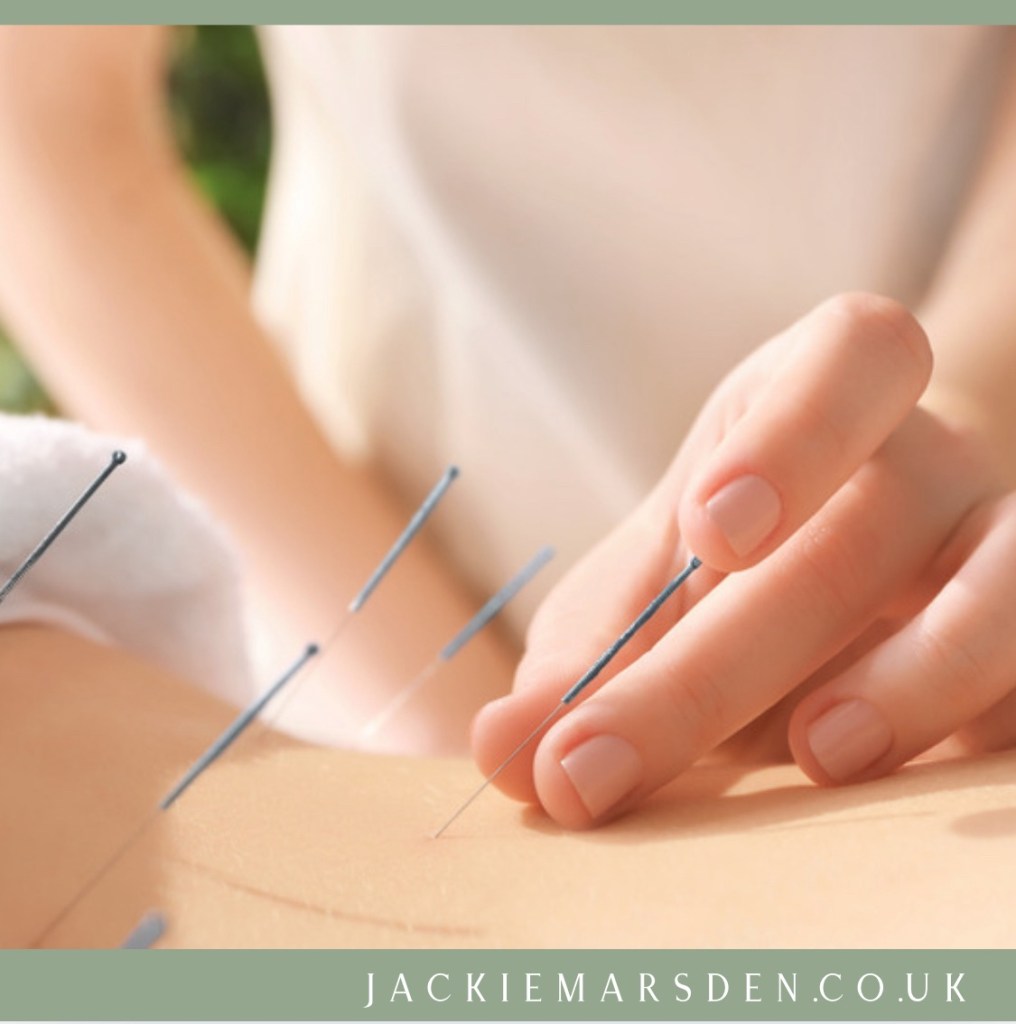
Fertility acupuncture in abdomen.

Traditional Acupuncture uses the understanding of health and wellness that’s been developed over thousands of years (Traditional Chinese Medicine). This theory uses the concept of Qi (energy) our life force energy. Qi flows up and down the meridian system which is a network of channels connecting the main organs with the rest of the body.

When we are well, the Qi is said to be flowing freely. When we are unwell, the Qi is said to be blocked, or stagnant, and not flowing as freely.

Acupuncture uses particular points on the channels to rebalance the flow of Qi and improve our physical, mental and emotional wellbeing.

A good analogy is of the body as a circuit board. An acupuncturist uses these circuits to rewire and reconnect the flow of electricity.

Evidence based research on how acupuncture works is highlights its impact on the central nervous system (CNS). The CNS governs fight or flight vs rest and digest. When we are chronically stressed we get stuck in fight or flight. Acupuncture appears to release endorphins, natural pain killers and those happy chemicals, to rebalance the CNS. The process acupuncture ignites within the body increases blood circulation, reduces inflammation, helps regulate blood sugars and reduces stress, which can all have a positive impact on our wellbeing.

If you’d like to try acupuncture for your own wellbeing book in today.

Why does IVF fail the first time?

Often the first round of IVF is used as a diagnostic. This means that the clinic will use a first round to assess where particular issues might be.

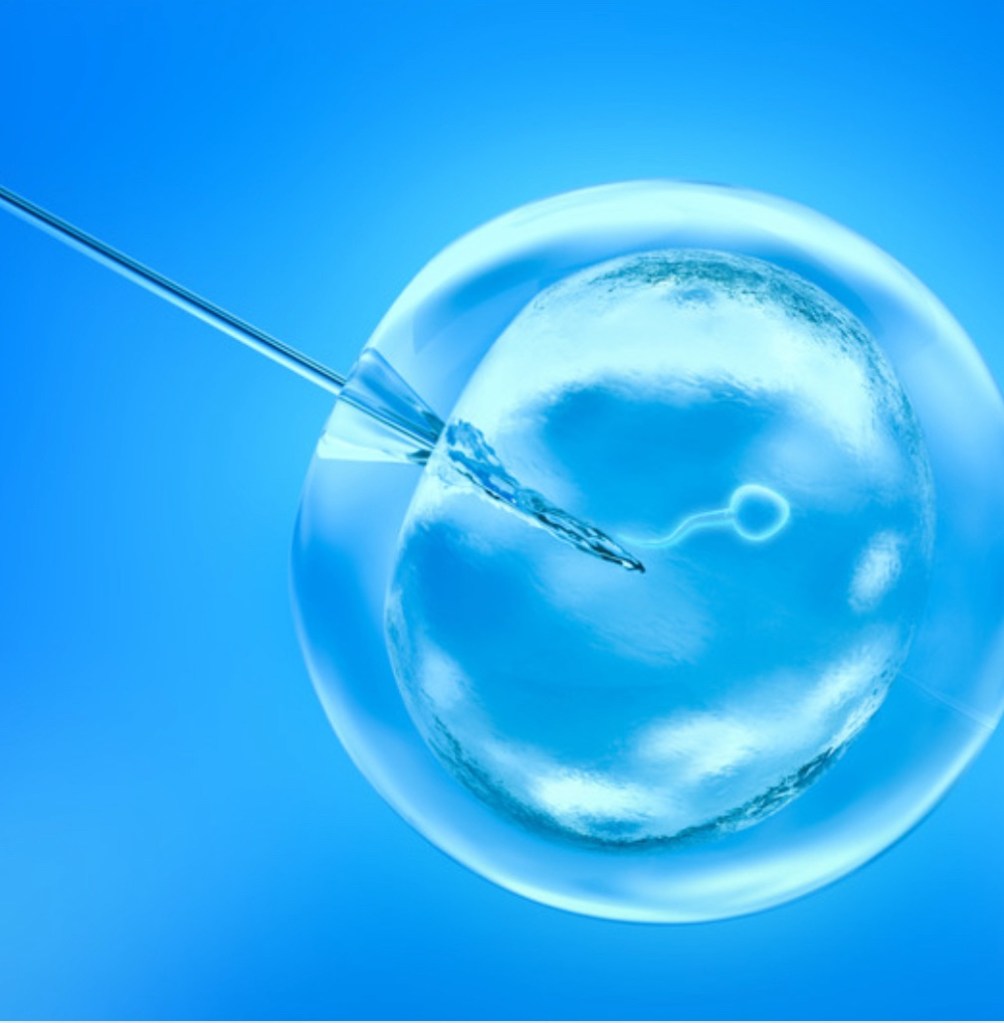
Human sperm being injected into an egg via ICSI.

For example, if the embryos are failing at day 3 then this can tell us that there is a problem with the health of the sperm.

Another example would be if the embryos are graded well but there is still no pregnancy then this could potentially mean there is an issue with the uterus, lining or progesterone receptivity.

Depending on where the procedure failed can give clues as to what is creating the unexplained infertility picture.

Unfortunately this first round is not something that should be taken lightly. Often it is a huge financial investment, not to mention the physical demands on the body, as well as the mental and emotional strain the process has on a couple.

When I work with clients I try to allow us at least 12 weeks to prepare for the next round of IVF. I take a very well-rounded consultation and full health intake to make sure we can drill down to where potential problems are sitting, and then increase the chances of a successful outcome.

Unfortunately I have seen scenarios where, had the couple not come for acupuncture, could have been a very different outcome. For example a couple who had all embryos fail at day 3 were told they needed donor eggs. No mention of improving the health of the sperm, which can be so easy to do with lifestyle and nutritional changes. Luckily this couple worked with me for 3 months and had a successful second cycle with their own eggs, and are now proud parents of a baby boy.

I’ve also seen clinics attempt a second cycle without really looking at the first one in detail. For example one client approached me after a failed fresh cycle. It was clear that there were microbiome issues and also a potential progesterone receptivity issue that we pushed to be checked during the second cycle, and the transfer was consequently halted due to low progesterone. Once we had this confirmed, a third cycle was successful after careful adjustment and monitoring of progesterone medication.

My training and continued learning and development gives me the tools to ask the right questions and see the infertility picture through a different lens. With access to the understanding of Chinese Medicine we can often see where problems lie early on.

If you are trying to conceive and need help, support or advice please get in touch.

Common obstacles to wellness

Woman receiving a facial massage.

Many people find it difficult to find the time for wellbeing. Juggling work and family commitments can be a challenge, and before we know it another week has passed and another opportunity to book in for that reflexology or acupuncture session has gone.

As women I think we often find that, in altruistic fashion, put our own needs at the bottom of the priority list. Our children/partners/work all often take priority over ourselves and what we need to keep well and feel good.

Sometimes we might even feel that having that massage or facial is actually a luxury, and not an essential, and then we simply don’t prioritise it at all, and may even cross it off the to-do list completely!

But it is so important to take care of our health while we still have it. If we become unwell and ill-health prevails, that is when we will be unable to cope with family commitments and go to work.

Preventative healthcare is so important particularly for women as we spin so many plates in our various roles as mother, sister, daughter, wife/partner, carer, money-earner, housekeeper, cook, cleaner… the list goes on! If we don’t take care of ourselves while we have so many responsibilities, the stress of it all will start to take its toll.

So put yourself first, at least once a month, for just an hour. Book in for that treatment and make sure your cup is replenished so that you’re fully topped up and resourced for the month ahead.

IVF Acupuncture – Does it Work?

IVF acupuncture is acupuncture to support you through the IVF process.

Artistic interpretation of ovaries, uterus, cervix and vagina.

Ideally you will work with me for 3 months before your IVF treatment begins so that you are fully prepared for success.

Many clients come to me after they have had an unsuccessful first round. We look at the unsuccessful cycle and review what happened, and reflect upon what can be done differently next time.

It is such an emotionally challenging and stressful time for couples; having independent support is invaluable. It’s not simply needles; it is having someone to talk to and knowing someone has your back throughout the journey.

Acupuncture points are often chosen on the lower leg, ankles and feet, wrists and abdomen. But everyone is individual and points are chosen based on your particular pattern.

Acupuncture is powerful after egg collection to help your body heal from this procedure quickly so that you are ready and energised for the embryo transfer around 5 days later.

Getting 1-2 acupuncture treatments in after egg collection, and then one before embryo transfer can be really helpful.

A “baby bank” with details of couples who have trusted in me to support them through their fertility journeys is forthcoming. I am also preparing an e-book to help you set good foundations for your fertility journey.

Adrenal Health and Support

Adrenal health is of importance particularly going through perimenopausal years as well as menopause and beyond. So what are our adrenals and what do they do?

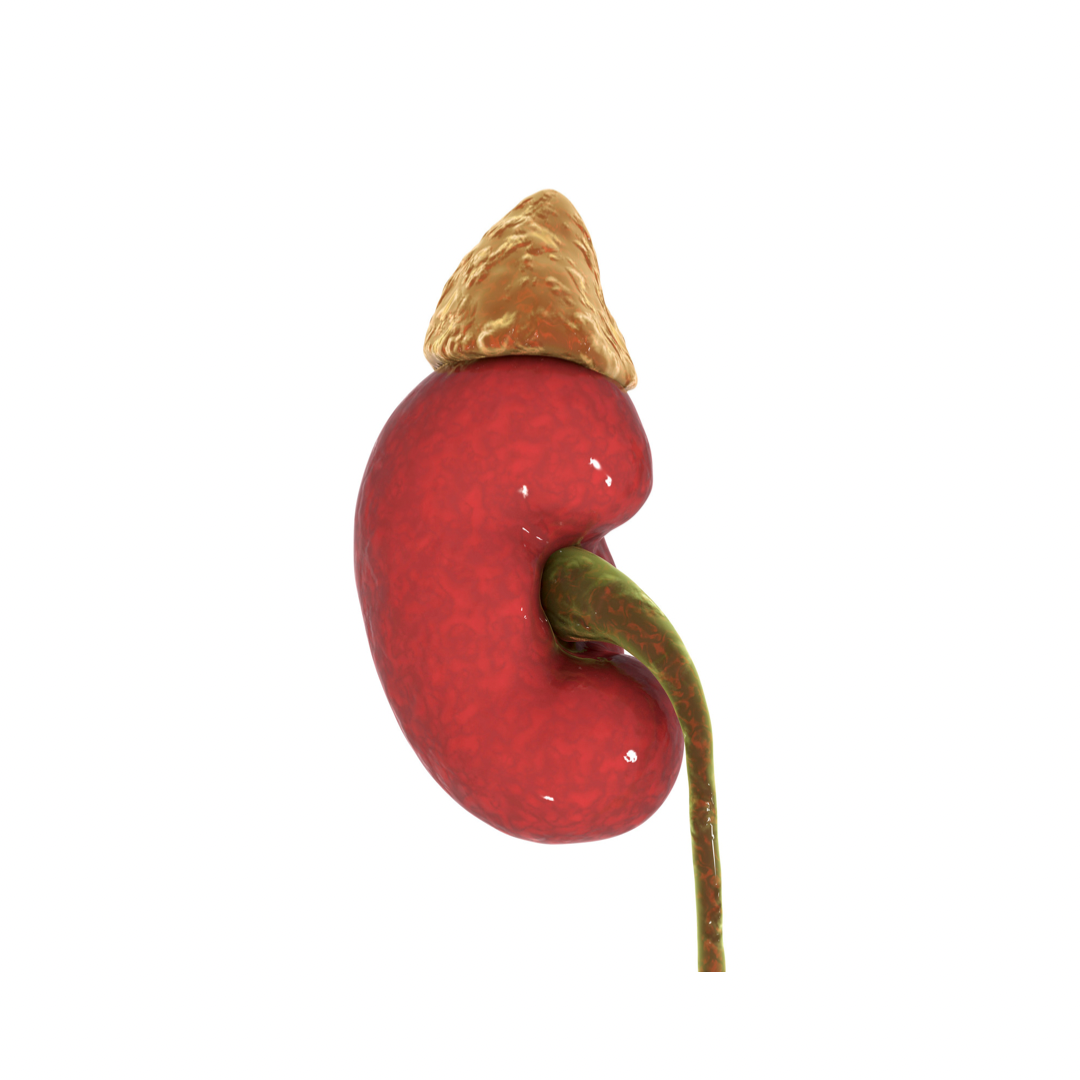
Artistic expression of a human kidney and adrenal gland.

Our adrenals are small glands that sit on top of our kidneys, and are responsible for making and releasing adrenalin and cortisol; hormones produced as part of our stress response, and our sleep/wake cycle.

Imagine you are crossing a road and suddenly seemingly out of nowhere a lorry is approaching at high speed. Immediately your adrenals create a stress response which causes your body to put all of its reserves into your limbs so that you can run fast to safety. Once safely across the road, your body is then flooded with a sense of relief and you will need to rest and recover from the experience. This would be a normal, healthy example of how our adrenals are supposed to work for us.

However, our busy and hectic modern day lives leave us stresed more than ever. Rushing from appointment to appointment, too many things on our to-do list, worries over children, finances, constant attention to our mobile phones, balancing and juggling parenting with careers, all impact our adrenals. As far as our adrenal glands are concerned, this is stress and they will be creating a stress response. A continued stress response, without the physical release or the recovery time.

Clues that your adrenals may need support include:

  • Poor sleep;
  • Changes in the way you’re able to cope with stress;
  • Blood sugar spikes;
  • Fatigue;
  • Mood swings and low mood;
  • Brain fog.

In addition to this, as we approach menopause (perimenopause can be as much as 10 years leading into menopause) our reproductive hormone levels begin to decline as the ovaries gradually stop producing oestrogen and progestrone. As this happens, our adrenals respond. They answer by making a hormone estradiol (a type of oestrogen) which plays a role in bone health, heart health and protection of the nervous system through and beyond menopause.

As we have already discussed, our adrenals create a stress response within the body in order to keep us safe and away from danger. The additional role they take on (on behalf of the ovaries) during menopause and beyond will not be prioritised over their main function. So it is hugely important to find ways of managing stress. I think we are all guilty of saying “oh, its just stress” or “I am just stressed”: stress has huge implications on our health, particularly continued stress that isn’t acknowledged or managed.

Ideas to help create balance in your life and to carve out some me-time include:

  • Booking in for a regular reflexology session,
  • Run yourself a candlelit bath with expertly blended aromatherapy products;
  • Switch to herbal teas particularly in the afternoon and evenings (liquorice is a great choice);
  • Turn your phone off for an hour;
  • Go for a walk in nature near trees or open water;
  • Add more plants to your living space;
  • Declutter.

If you are looking for fertility support in Lancashire please get in touch.

Understanding puberty in girls from a TCM perspective

We can all remember the struggles of our teenage years; problems such as acne, the start of our periods, breasts forming, getting used to wearing bras, peer pressure, increasing levels of school work and home work, not being able to get out of bed in the mornings.

As a parent, I want my own daughters to have an easier time than I did. As a therapist, I am more aware of the strains put upon children and teenagers, and how this can effect them physically, psychologically and emotionally.

In my previous blog post, I explained in general terms about our Kidney energy being responsible for our growth and development, and reproductive health. If we experience a painful puberty it is likely that we will experience a more difficult menopause. We also want to optimise fertility, pregnancy and childbirth in between these two milestones, as well as general health and wellness, and they are all interlinked.

The following behaviours can have a significant impact on a young woman’s health:

  1. Early sexual activity. This can have an impact on uterine health at such a vulnerable time, causing imbalances such as blood stasis.
  2. Excessive physical work and exercise, During puberty, this may cause weakness and deficiency in the developing body (Spleen and Kidney), which in turn can lead to stagnation. Of course this depends on the individual constitution, but it is important to be aware of as a parent.
  3. Exposure to external cold. Young women are vulnerable to invasion of external cold, particularly during puberty. Social pressure to wear clothes that reveal the lower back and abdomen, going out without a coat and scarf, prioritising their physical appearance over their well-being can leave them prone to being attacked by the external pathogen of cold. If cold attacks the uterus, it will contract and cause stagnation.
  4. The use of tampons blocks the natural downward flow of blood and can cause stagnation. There are also many other health risks associated with tampons including the exposure to environmental oestrogens which is covered in a different blog post.
  5. Emotional stress and anxiety will have a massive impact on energy levels, depleting the Kidneys and creating excess Heart energy. If it is held onto then this can cause stagnation.

Taking care during this sensitive time will have a massive impact on our young women’s health as they get older. Common problems such as period pain, irregular periods, heavy/scanty periods, infertility, endometriosis, anxiety and depression, fatigue can all be improved through gentle communication, education and sensitivity around these issues at a young age.

If you are interested in receiving some acupuncture or reflexology sessions please contact me directly for an initial chat.

If you are looking for fertility support in Lancashire please get in touch.

Jackie Marsden is a Reflexologist, Acupuncturist and Foot Reading Practitioner, based at Elder Cottage Clinic, Warton, Preston, PR4. She is a full member of the Association of Reflexologists.

A healthy mid-life means an easier menopause

The most important thing to know about the menopause is prevention, so if you are a woman in your midlife, getting the support and balance you need will help you in your menopausal years. This blog aims to explains the menopause in Traditional Chinese Medicine (TCM) terms, and gives indicators on how you can support yourself as well as receiving treatments in-clinic.

As a therapist with a predominantly female clientele, and a 40-something woman myself, I have a particular interest in this subject. Many women suffer with the two main symptoms of menopause: hot flushes and dryness (an excess of heat and a lack of moisture). In addition to these symptoms, women can also feel emotionally unstable, have difficultly sleeping and concentrating, experience frequent headaches, feel lethargic and tired, irritable, anxious, depressed and nervous.

Although the menopause usually comes at around the age of 50, the decline in the ovarian follicles and in oestrogen occurs throughout our lives. The number of follicles at birth has already halved by puberty, and continues to decline up to the menopause. Thus the menopausal symptoms can start to appear at an earlier stage in life, so we are never too young to take notice.

In TCM, from our conception, our Kidneys store our vital life essence (Jing). Jing circulates over long periods, dominating our developmental stages (usually 7 year cycles in women and 8 year cycles in men). Our Kidneys dominate growth and reproduction. They also dominate water metabolism and bone, and produce marrow (brain). So you can see that our Kidney energy is very important in not only giving us our life force and will-power, it also governs our reproductive systems, and works closely with the lungs to moisten the body, as well as strengthens our skeletal system. These are all closely linked to common health problems in women (osteoporosis, dryness, infertility, irregular menstrual cycles and fatigue to name a few).

Thinking about menopause, anything that will weaken our Kidney energy is going to have an impact on our menopause. Our busy modern day lives seem to dictate a very stressful way of living. For example, parents going out to work as well as looking after children will often feel overwhelmed and unrested, causing tiredness, fatigue and irritability. Smoking will “burn fluids” and dry out moisture. Irregular diets high in beige carbs, processed foods and sugars will create “phlegm” (this is a TCM term for thick stagnation). Too much tea, coffee and alcohol is very “yang” in nature and therefore will add heat to the body and thus aggravate symptoms such as hot flushes. Not enough fluid/water intake will have an effect on moisture levels. Emotional stress will also deplete Kidney energy.

As women, we need to create space in our lives to allow balance. We need to replenish our Kidney energy with enough rest between busy times, we need to eat and drink in moderation and eat well; foods that are nutrient dense and foods that add moisture. Drink enough fluids. Only do what we can comfortably do and don’t over stretch ourselves. If we do all of this then we will naturally regulate our day-to-day emotional stresses, but anything lying deeper should be dealt with and not “carried” as this will also deplete the Kidneys, as well as create excess Heart energy adding fire/heat, exacerbating hot flushes, irritability and dryness.

If you are interested in receiving some acupuncture or reflexology sessions please contact me directly for an initial chat.

If you are looking for fertility support in Lancashire please get in touch.

Jackie Marsden is a Reflexologist, Acupuncturist and Foot Reading Practitioner, based at Elder Cottage Clinic, Warton, Preston, PR4. She is a full member of the Association of Reflexologists.