How does Acupuncture work?

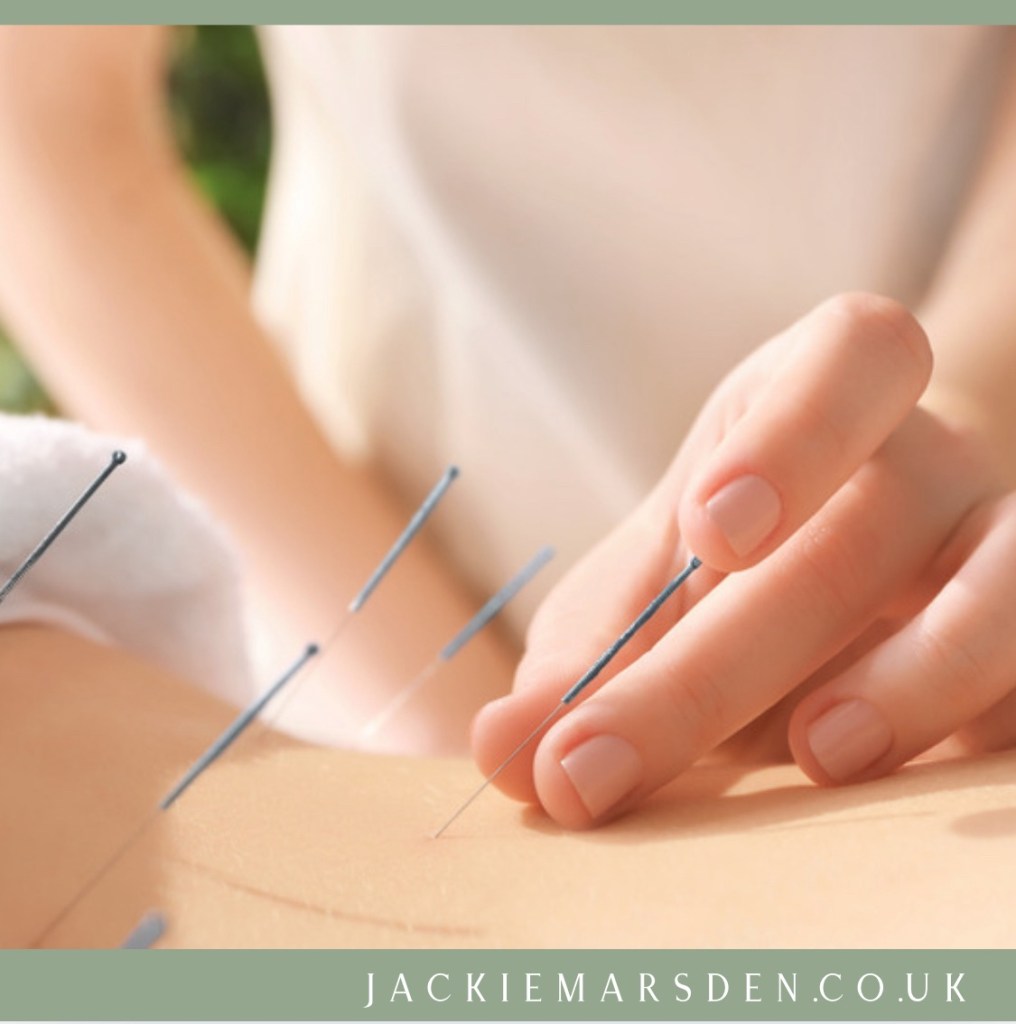
Fertility acupuncture in abdomen.

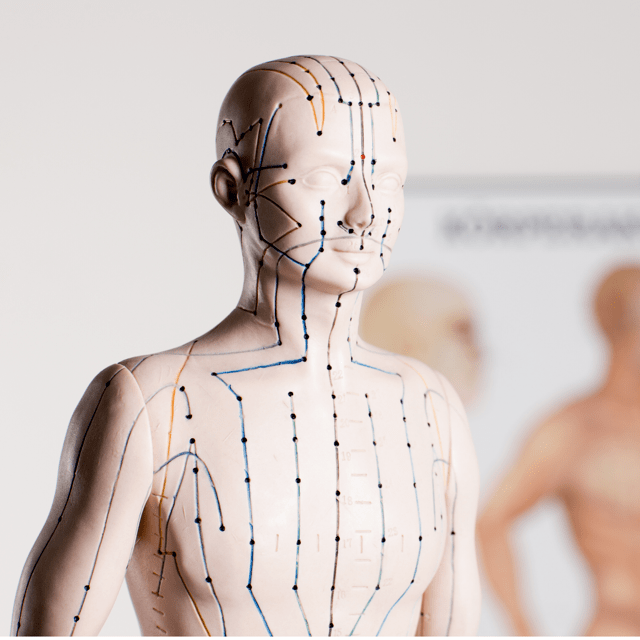
Traditional Acupuncture uses the understanding of health and wellness that’s been developed over thousands of years (Traditional Chinese Medicine). This theory uses the concept of Qi (energy) our life force energy. Qi flows up and down the meridian system which is a network of channels connecting the main organs with the rest of the body.

When we are well, the Qi is said to be flowing freely. When we are unwell, the Qi is said to be blocked, or stagnant, and not flowing as freely.

Acupuncture uses particular points on the channels to rebalance the flow of Qi and improve our physical, mental and emotional wellbeing.

A good analogy is of the body as a circuit board. An acupuncturist uses these circuits to rewire and reconnect the flow of electricity.

Evidence based research on how acupuncture works is highlights its impact on the central nervous system (CNS). The CNS governs fight or flight vs rest and digest. When we are chronically stressed we get stuck in fight or flight. Acupuncture appears to release endorphins, natural pain killers and those happy chemicals, to rebalance the CNS. The process acupuncture ignites within the body increases blood circulation, reduces inflammation, helps regulate blood sugars and reduces stress, which can all have a positive impact on our wellbeing.

If you’d like to try acupuncture for your own wellbeing book in today.

What happens when we relax?

Woman receiving reflexology on her feet.

Continuing the conversation about how acupuncture and reflexology work, let’s focus on the commonality through all of them, which is relaxation.

Our autonomic nervous system has two separate branches; the sympathetic and the parasympathetic. The autonomic nervous system looks after all of those involuntary functions and tasks that happen without us consciously having to think about it, such as heart rate, blood pressure, respiration and digestion.

The sympathetic nervous system switches on when we need to be alert, for example when we are exposed to a threat or some kind of danger. Our brain is aware of the danger, and sends chemical messengers to the adrenal glands, which then prepare the rest of the body to get ready to either run, or fight. This involves increased blood flow and oxygen to our arms and legs, increased heart and respiration rate, and extra sensitivity to stimulus as we become highly alert to sounds and the surrounding environment of the impending danger.

When the sympathetic nervous system is switched on, our parasympathetic nervous system is suppressed. Our parasympathetic nervous system governs rest, and digest. This means that when we are exposed to a threat or danger, our bodies will not prioritise tasks that are unessential for survival. These include digesting food, reproduction and sleep.

Although in modern life we are no longer facing impending danger from predators higher up the food chain, we do experience a lot of stress, anxiety and worry, and our brains and bodies interpret these feelings in exactly the same way: as impending danger.

This means that chronic stress creates all sorts of health issues as our sympathetic nervous system reacts to the relentless demands of modern life.

Relaxation is key to swinging the parasympathetic nervous system into the forefront as often as we can. Having regular sessions of reflexology or acupuncture can have a profound effect on getting the balance right. Even having the appointment in your diary can have a huge psychological effect on wellness and stress management.

Thoughts on Sleep

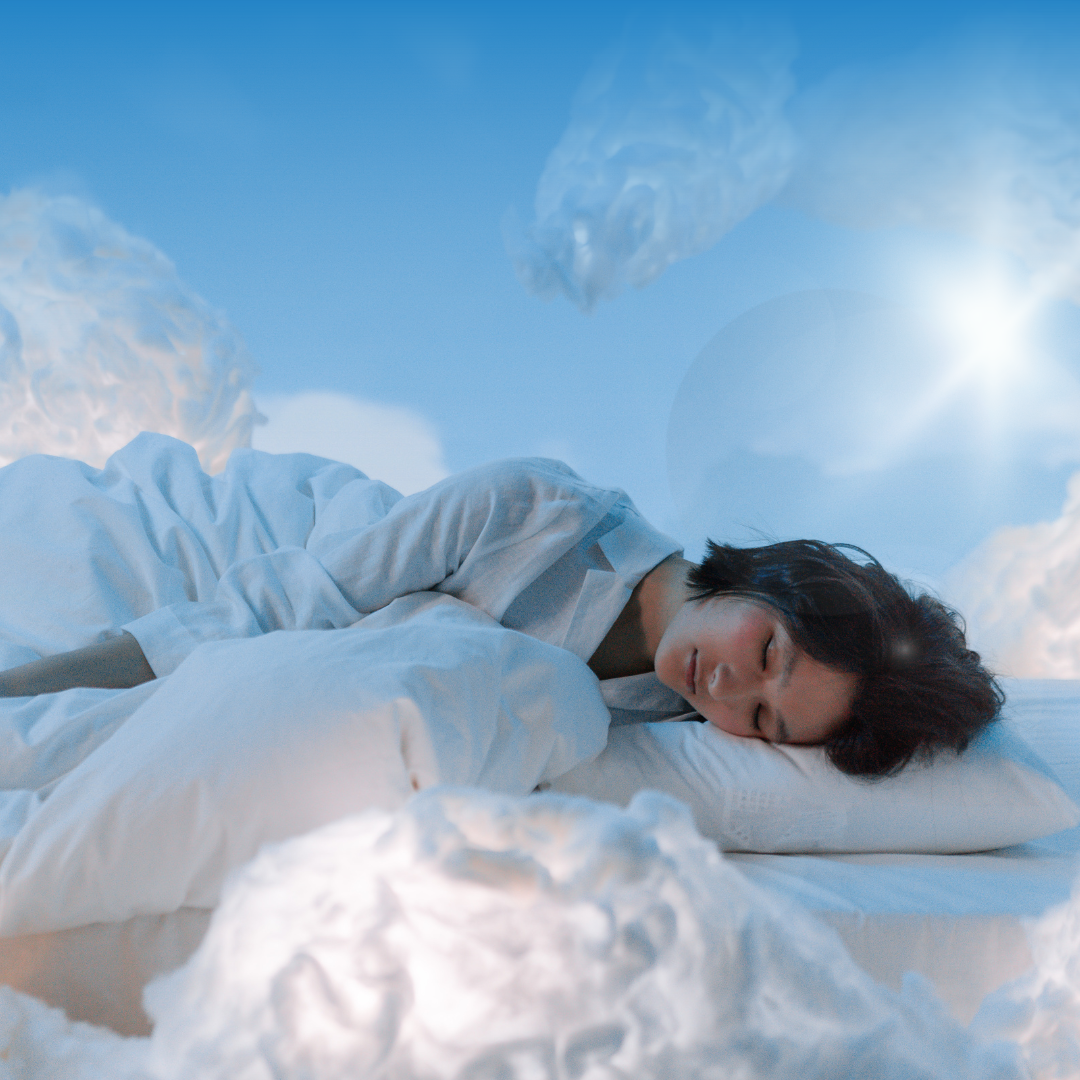
Woman sleeping peacefully.

Aside from nutrition, getting good quality sleep is probably the most important aspect for health and longevity. It is the cornerstone to good health,vitality, living longer and feeling well.

As basic as it sounds, we are designed to live with the diurnal rhythm; we wake with the light, and we sleep in the dark.

From around 5-6pm in the evening, our cortisol levels naturally start to drop, and the natural light starts to dim, and melatonin levels begin to rise. Melatonin is the hormone that makes us feel drowsy and gets us ready for a good night’s sleep.

I love to look at the Yin/Yang aspect of everything, and we can see here we have the dark night time which is Yin, and the light daytime which is Yang. We can also see that cortisol is the Yang to it’s counterpart melatonin, which is Yin. Our Yin and Yang aspects are always ebbing and flowing gently, gradually and naturally. Therefore its a really good idea to get into a winding down routine in the evening to allow our Yin to naturally deepen and do its work for a good night’s rest.

Its a great idea to adjust your daily activities (as much as is possible) to support this natural daily rhythm. Eating breakfast and your main meal, taking physical exercise and doing the main bulk of your work during the morning and earlier part of the day is best as this is when cortisol is at its highest.

As cortisol starts to drop early evening, its better to eat a smaller evening meal at least 3-4 hours before bedtime. The ‘321’ idea is an easy concept to follow:

  • Eat no later than 3 hours before bed
  • Drink no later than 2 hours before bed (any fluids)
  • No screens no later than 1 hour before bed.

If you can’t switch off your mind, meditation is helpful, as is Valerian, chamomile and magnesium. A bath with Epsom salts will give you a great boost of magnesium, and as your body temperature starts to drop afterwards, it will naturally help to make you feel sleepy. A cup of night time tea might also be useful. Try different things and see what helps you – we are all different!

We should be getting around 90 minutes of deep sleep every night and this usually happens earlier into the night. Its during the deep sleep where our body replenishes, heals and rejuvenates.

We should be getting around 2-3 hours of REM sleep a bit later on in the night, after deep sleep, and this is the type of sleep where our mind sifts, sorts through and processes everything that’s happened during the day. I believe this is why meditation can be so useful because sitting quietly and observing our thoughts for a few minutes before bed will get ahead of the sifting and sorting process that happens during REM.

We can disrupt our deep sleep by exercising too much. It’s a bit like taking a car on a very long drive; the engine will have been revved up and used a lot of oil. It will take longer to cool down and get back to normal. It’s the same with our body and mind. It can leave you wired even if you have done a lot and think you should be tired.

If you are a snorer then this will disrupt your sleep patterns, particularly if it causes apnea and wakes you everytime you’re snoring too loudly or gasping for air. It also means that you are not breathing through your nose as much. Nasal breathing increases the gas nitric oxide which is a molecule produced naturally in the body and is important for relaxing blood vessels and allowing them to widen and increase circulation (and so increasing oxygen and nutrient circulation around the body). It also helps us to feel relaxed and switch from ‘fight or flight’ to ‘rest and digest’ i.e. switching off the sympathetic nervous system and switching on the parasympathetic nervous system. Again these are the Yin and Yang aspects of health. Nasal breathing helps us to move out of Yang and into Yin.

Humming on the outbreath creates vibration which will open up the airways and increase nitric oxide, again making us feel relaxed and able to sleep better. So do some “Oms” with your evening meditation and see if you notice the difference!

Going back to snoring; snoring is usually down to raised inflammation making the airways swollen and restricted. Reducing inflammation is something to really work on if you are a snorer; losing weight, eating the rainbow, cutting down on refined carbs and sugars, processed foods, alcohol, smoking, caffeine, upping your omega 3s by eating oily fish, nuts and seeds, olive oil etc.

Working with a practitioner like myself with regular reflexology and/or acupuncture can be so useful in taking care of your overall health and wellbeing, and we can usually pinpoint areas that might be disturbing your ability to get a good night’s sleep.

Overall, getting into good habits by creating a bedtime routine or ritual that you follow each night, tailored particularly to those things that work for you, is the best way to set the stage for a good night’s sleep.

If you are interested in working with me please get in touch.

Links to carefully selected affiliates.
What are you shouldering?

In Traditional Chinese Medicine, the Large Intestine channel starts at the tip of the radial side (thumb side) of the second finger and runs up along the arm to the elbow crease then up to the anterior (front) shoulder,a cross to the neck and ending at the nose. It is a primary channel to be affected when it comes to shoulder and elbow problems.

I have recently treated many clients with acupoints on the shoulder, elbow and arm. One client in particular presented with debilitating hip and sciatic pain on the left. After assessing her feet for foot-reading and reflexology based markers it was plain to see that the right shoulder was not happy. This reflex point was screaming red and presenting with a lot of heat; it was particularly eye-catching. After discussing my findings we agreed to use acupuncture moving forward. Palpating particular points around the shoulder and into the arm indicated tenderness and a desire to be “worked” and released. After two sessions the client is enjoying significant pain reduction and improved sleep patterns.

Mentally and emotionally we can “shoulder” a lot of emotion, burden and responsibility. If we don’t address this then physical pain can manifest. What I find interesting is that the Large Intestine channel runs along here, and if we consider what it does as a physical functioning organ; to process and eliminate waste, then mentally and emotionally we have to work on “letting go” of the burdens and responsibilities that we unnecessarily place on our (metaphorical) shoulders.

In Traditional Chinese Medicine the Large Intestine is paired with the Lung. We breathe in new life force (Qi) with the Lungs and eliminate the old (waste) through the Large Intestine. In many clients I have seen with issues affecting the shoulder and/or elbow is that there is often an imbalance in the chest too (smokers, COPD, grief). If we continue to hold on to things that do not serve us, it will start backing up and impacting on how much new energy we can let in.

As a therapist I have experienced my own health issues (and continue to) as well as observed health issues in others. I can help my clients feel better but ultimately it is down to them to go away and do the work. We cannot treat the physical without looking at the mental/emotional aspect too. I share what I learn with them in clinic and through this blog in the hope that I live a life from which others can benefit by realising or recognising aspects in themselves.

Are You Getting Enough Vitamin Sea?

Vitamin Sea? What is this I hear you cry?!

During 2018 I discovered my love for wild swimming, and this has become a regular outing for me: in particular, sea-swimming, even during the winter.

What has this got to do with anything?

Well, there are many health benefits to cold water swimming, of which I won’t go into detail about here because they are not relevant to every reader.

What is relevant and universal to all, is the identification of that certain something that makes your heart sing, what excites you, what do you look forward to the most? What is that sparkly thing that gets you out of bed in the morning? What is that one element that keeps you going during the tough times?

We all have these special connections within our lives. Yours might not be sea-swimming, but it could be another sport, or it could be a particular place, activity, food, book, music, event.

It is also important to note that your special connection to something may change over time, and perhaps you fall out of love with it, or it evolves into something else. This is absolutely fine too. Don’t hold onto it if it no longer serves you. Change is always inevitable.

Continue to explore your life, try new things, keep going, be aware of everything, appreciate each moment and those moments that sparkle will stand out (if you are paying attention).

And if you do this, you will find a happiness, a contentment, an eagerness, and a drive that you wholeheartedly know.

But sometimes the hardest part is the identification. We don’t really know what it is we want, or what will bring us happiness or joy. This is where courage has to play a part; we have to face our fears. For example, it may be finding the courage to go forward alone, try something new, it might be doing something that gets the adrenaline pumping, it might be overcoming self-doubt, it might be perseverance, hard work, a struggle of some kind.

Set out to make small steps forward. The greater your fear the higher the sense of achievement. The more nervous you are, the more there is to gain. The steeper the learning curve, the further there is to travel and grow. Don’t compare yourself to others, go at your own pace. If you are surrounded in darkness, don’t try to pull the curtains drawn all at once. Be kind to yourself.

You are in control of your own well being, and what better way to be well? To find your passion and follow it.

The Fascinating Psoas Muscle

The psoas muscles (major and minor) are the only muscles to join the upper body with the lower. The left and right psoas join the lumbar spine to the femur, thus joining the upper body with the lower body. This is quite a special function: think spiritually for a moment and the concept of linking the higher self with the earthy presence.

The psoas muscle is at the core of our functioning  bodies, creating flexibility but also providing a deep stabilizer, “supporting the human body much like an arch does in building structures”. [1]

The psoas muscle supports many of our internal organs or viscera. Think of it as a shelf for the intestines, kidneys, liver, spleen, pancreas and bladder. Any contraction of the psoas muscle will massage these organs, and due to the close proximity to them can “play a role as a reactor to these stimuli, thus affecting what is commonly termed as ‘gut feelings’.” [1]

The psoas meeting point is at the diaphragm at T12 or L1 (it can vary) and this junction in the body is known as the solar plexus. This area, a nerve network, is related to those ‘butterfly’ feelings we can get when we are nervous or excited. It is remarkable that the psoas muscle is also linked to the diaphragm and thus our breath, and those feelings which can effect the frequency of our breath such as nervousness, anxiety, excitement.

The psoas is one of the main muscles affecting the lower back, so with any lower back pain its condition warrants attention. Because of its deep central position, its closeness to our ‘gut feelings’ and our internal viscera, emotional tension can manifest in the psoas creating debilitating back pain and stiffness. If you suffer with lower back pain, ask yourself: do I feel supported in life? Am I worried/anxious/frightened? Is there a change forthcoming? Working through emotions is a key factor in dealing with back pain caused by the deep psoas, as well as finding the right balance of quality of motion and flow without restriction.

It is interesting to map the psoas muscles on the foot from a reflexology viewpoint. You can see that the psoas covers the medial arch of the foot, which is hugely important in supporting and maintaining posture and gait. It covers a very large area of the foot which only highlights (in my opinion) of its huge importance in our lives, providing support in a physical, mental and spiritual perspective. If you suffer with lower back pain, why not try reflexology or self-treat by massaging the area in red shown on the foot map?

I have been on a personal journey with this muscle. Emotional tension building up this year put me in a debilitating situation with such terrible back pain and restricted motion. It was only when discovering the psoas muscle and its functions and representations did I manage to heal myself and come through the dark and into the light.

Liz Koch says “the psoas is no ordinary muscle but a profound segue into the rich, inner and outer world of awareness and consciousness.”

[1] The Vital Psoas Muscle: Connecting Physical, Emotional and Spiritual Wellbeing by Jo-Ann Staugaard-Jones.

Jackie Marsden MAR is a qualified reflexologist, acupuncturist, promoter of healthy living and independent consultant (Group Leader) for Neal’s Yard Remedies Organic. Jackie leads and mentors a growing team of consultants (many of whom are therapists integrating organic products into their existing businesses) via the NYRO social selling channel, holding regular team meetings, one-to-one coaching via phone and Facetime, and a closed Facebook group. All views are my own.

Growyourbusiness
Photo by Lisa Fotios on Pexels.com

Make sure you are properly hydrated with clean, filtered, structured water.