PMS and it’s extremes

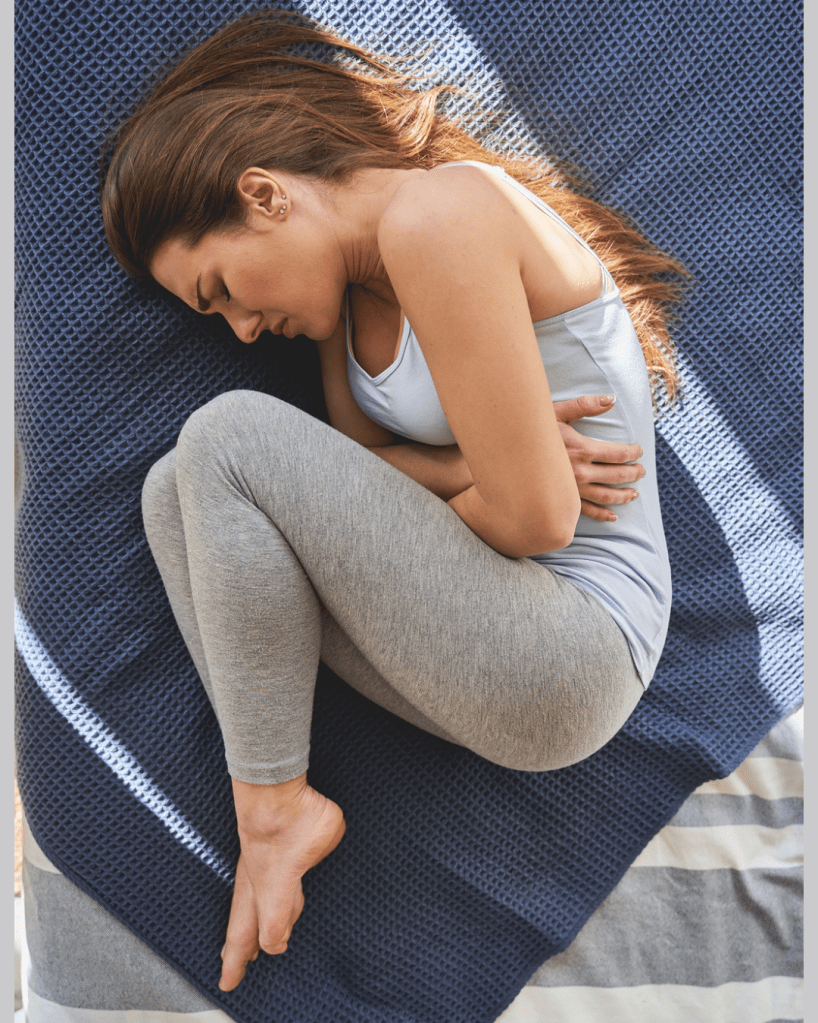
Woman experiencing severe menstrual cramping.

Approximately 90% of women suffer from Premenstrual Syndrome (PMS) at some point in their lives. During the few days leading up to menstruation can present with all sorts of symptoms such as bloating, irritability, frustration, anger, back ache, acne, abdominal cramping and pain, feeling tearful and emotional, as well as anxious and depressed.

Every cell in our body has a hormone receptor, so PMS can be attributed to over 200 symptoms as fluctuating hormone levels can have an impact everywhere in the body. These may be symptoms you only experience during the build up to your period, or perhaps these are symptoms you already experience, but are exacerbated at this time of your cycle.

In TCM terms, the luteal phase of your cycle e.g. the second half of your cycle between ovulation and your period, is when your body is at its most Yang. It is the part of the cycle where there is the most energy. Your body is gearing up for the possibility of a pregnancy with the surge of progesterone helping to really plump up the uterine lining for an embryo to implant. This surge of hormone and surge of energy can make us feel energised and productive, however as this starts to wane and drop just before our period starts, can suddenly leave us feeling depleted. The smooth flow of Qi is now not so smooth, as the progesterone starts to dip and body temperature starts to drop, our overall hormone levels can quickly leave us feeling grumpy and moody, and present us with physical symptoms too.

Switching between the Yang half of our cycle to the Yin half i.e. our menses, can create Qi stagnation. Getting to know your cycles by charting on a calendar, or Basal Body Temperature (BBT) charting can really help you to understand what is going on inside your body, help you identify symptoms and mood changes, and shed light onto areas that perhaps might need further attention.

For example, some people do not just suffer with “regular” PMS, but can experience more extreme versions such as Premenstrual Dysphoric Disorder (PMDD) and Premenstrual Exacerbation (PME). These extreme versions of PMS can be very difficult to deal with and manage on a monthly basis. “Experiencing PMDD can make it difficult to work, socialise and have healthy relationships. In some cases, it can also lead to suicidal thoughts.”1

Understanding your own personal cycle, the length of your follicular and luteal phases, and looking at your BBT throughout your cycle can open up possibilities to improve symptoms you’re experiencing. You might discover that phases of your cycle are too long/short or your temperature is not high enough or too high for example.

Supporting progesterone can help with PMS. To support progesterone production and your luteal phase, add more nutrient dense calories into your diet at this phase of your cycle. After all, your body is gearing up for a potential pregnancy, and some women find that they are hungrier at this time. Adding more protein, and looking at using adaptogens such as Ashwaganda to help manage stress and change. “Adaptogens are the umbrella term for fungi and plant-derived compounds that help the body adapt to stress.”[2] Magnesium is also said to help, as many of us are depleted in magnesium and it is involved in a myriad of daily bodily functions. Using a topical spray or adding in Epsom Salts to your evening bath are easy ways to get magnesium into your body. Magnesium often becomes low as a result of stress. [3]

Managing stress is also key to supporting your luteal phase. Booking in for regular reflexology or acupuncture can offer you the opportunity to feel relaxed and receive some downtime already scheduled into your diary. With acupuncture in particular, treating throughout the cycle can help you regulate and improve your quality of life. Vitamin B complex supports the body’s ability to handle stress. [3]

Understanding your cycle can help you to prepare and plan for what might be up ahead. Scheduling your diary around your cycle can help you to be more productive when you are feeling at your most energised, and avoid difficult social situations when you’re likely to be feeling fragile. You can also use your cycle to help with meal planning and snacking, and scheduling in more gentle exercise within the luteal phase.

If you would like fertility support in Lancashire and to book in with me please get in touch.

  1. https://www.mind.org.uk/information-support/types-of-mental-health-problems/premenstrual-dysphoric-disorder-pmdd/about-pmdd/
  2. https://www.parsleyhealth.com/blog/what-are-adaptogens/
  3. https://webfmd.com/hpa-axis-dysfunction-treatment/
Molecular Hydrogen

Hydrogen is the smallest molecule in the universe. It has only 2 atoms, and binds with oxygen to give us water – H2+0.

Molecular hydrogen is the name given to hydrogen that is released into water to give it highly antioxidant properties. There are over 1000 published studies now providing evidence that hydrogen-rich water has many health-giving and therapeutic effects.

Why is water good for you?

If we consider that, as humans, we are made up of approximately 70% water, we should really make clean, living, health-giving water and hydration our number one priority when it comes to health and nutrition.

Tap water is not the same as filtered water

Tap water is drinkable but it is full of various extras such as the growing concern around micro-plastics, chlorine, fluoride, pharmaceutical residues and hormones. Because of these, as well as poor water structure, the tap water consumed does not effectively hydrate the body and penetrate deep into the cells where it is needed. It is a bit like watering a dried up pot plant: most of the water runs straight through into the saucer.

By releasing molecular hydrogen into clean, filtered and restructured water, we are left with water that is highly bioavailable and hydrates the body much quicker and effectively that regular tap water.

How do I get molecular hydrogen into my water?

There are various ways you can get molecular hydrogen into your water. The system I use at home (and have done so since 2021 – I never promote anything I do not use myself) is the Energy Plus Undersink Filter System from Water for Health.

This is a 4 stage filtration process which sits neatly under the sink. The first two filters remove debris and particulate, and other contaminants such as chlorine and fluoride. The third filter uses bioceramics to mineralise the water to give it good structure. It then finally passes through the fourth filter which uses a magnesium substrate to release molecular hydrogen into the water.

Which water filter is best?

A water filter of this nature is my preferred way to filter water, over reverse osmosis (ro) and distilling. This is mainly down to the fact that both of these methods remove absolutely everything from the water, including the good stuff – the minerals – which not only provide all the trace elements your body needs, but also provide a basic structure to the water. So if you do choose “ro” or distilling then make sure you re-mineralise the water before drinking.

For further information please see my affiliate link here. There are currently over 1000 published studies available on the benefits of molecular hydrogen.

Water droplets suspended in mid air.

Buns won’t bake in a cold oven

Pregnant woman, happily holding her womb.

We’ve all heard the old saying “she’s got a bun in the oven”; a simple analogy of stating that someone is pregnant. But actually, this saying is true more than you might think. If you want to bake a bun, the oven must be warm right? The warmth gives all the ingredients the energy to transform together to create the desired outcome: a well-formed bun. This is all true for making babies. The environment in which the baby is conceived and implanted, and then subsequently grown and developed, needs to be one of which is warm.

One of the main areas I look at when seeing fertility clients is their tummy. I look at what they are wearing and whether they feel warm enough. Many women will wear cropped tops, or short tops that sit on the waist. Underwear may also be low sitting, which means the abdominal and lower back area where the uterus sits is not kept layered up and is prone to invasion of cold. Do you remember your mum or your gran telling you to wear a vest and tuck it into your knickers? This is absolutely sound advice for getting and staying pregnant!

Invasion of cold can also come from things like going outside with wet hair, no scarf, no coat, or sitting on cold surfaces. I’m not talking about doing it once, but repeatedly as a habit. Exposing our bodies regularly to cold exposure without warming up properly afterwards can lead to a manifestation of cold in the body. It is well known that going out in the autumn and winter with wet hair and no scarf can lead to us “catching a chill”, and this is the same for the abdominal area, which can lead to (or be a contributing factor of) fertility issues.

When the body is cold, the flow of Qi and Blood slows down. Our bodily fluids need energy from warmth to keep flowing freely and smoothly throughout the body. If the abdomen is on the cold side, this means that Qi and Blood are not flowing freely to and from the uterus, creating stagnation and leading to stasis.

Losing some weight around the middle can help a lot to increase warmth and disperse cold from this area. If you are looking at IVF you will know that there is usually advice as to the recommended BMI they recommend before starting your IVF journey. Lots of studies have also been done around obesity and pregnancy rates, indicating that a smaller waist can contribute to higher pregnancy rates.

When fertility clients come into see me, I will often ask to look at their tongue as well as palpate their tummy. The colour of the tongue can tell us a lot about what might be going on in the body from an acupuncture point of view. If the tongue shows me a blueish tinge then cold will be contributing factor to address.

Other signs of cold, or of Blood Stasis can be seen in menstrual blood, so if you are wanting to get pregnant then it is worth taking a note of your menstrual blood as well as monitoring your cycles. Look at the colour of the menstrual blood; it is bright red, or pink/orange, or dark red or purplish? What are the size of clots (if any) and the colour of those clots? Do you experience any cramping, bloating and pain before and during your period?

General things you can do to help dispel cold and warm up the abdominal area are:

  • Use a hot water bottle on your tummy or lower back regularly – if you’re sitting at your desk for a while use one then, or when relaxing on the sofa, or in bed at night.
  • Moxa patches are a great way to penetrate warmth and dispel cold. These are available in clinic. They simply attach to your tummy or lower back and will stay warm for 12-16 hours.
  • Incorporate herbs and spices into your diet. Things like ginger, garlic, cinnamon, mint, turmeric are all great for dispelling and dispersing stasis in the body and getting things warmed up and moving. Ginger & Turmeric Tea is a good way of doing this.
  • Get regular acupuncture to support your fertility journey.

If you are looking for fertility support in Lancashire please call/email me directly to have a chat and book in.

A Sensible Switch

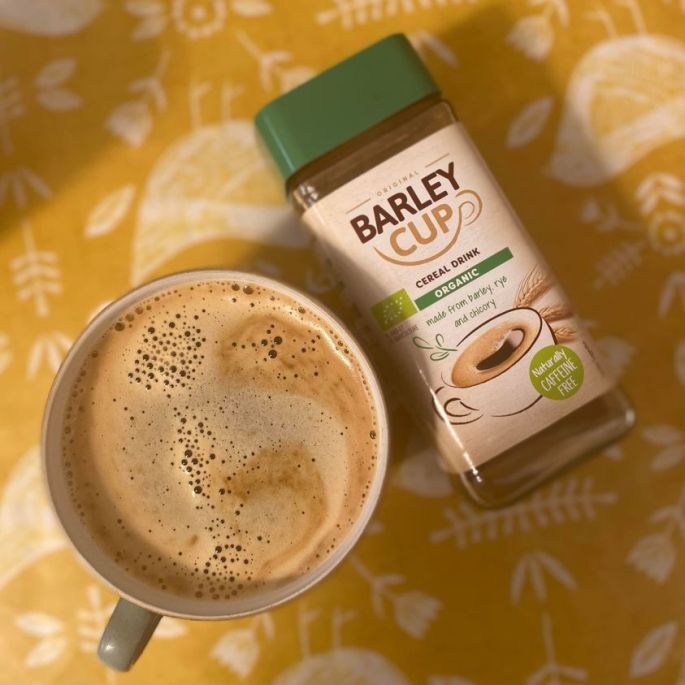
Cup of coffee made from a coffee alternative.

I thought I would write a short blog about a sensible switch that I have made over the past year. Firstly, its my daily coffee. Now although I do sometimes drink real coffee, particularly if I’m out at a meeting or with a friend and we’re in a lovely cafe, I have managed to steer away from real coffee at home. And this is because I came across the product Barley Cup while in my local health food shop back in February.

If you want to try Barley Cup I would recommend the organic version over the others, not just because it is organic, but because it tastes more like real coffee. It also looks and feels like real coffee. It forms a lovely creamy foam when you pour the hot water on (I drink my coffee black but I’m sure it would be the same for those who take milk).

Barley Cup is an instant cereal drink, made of barley, chicory and rye. It has a wonderful aroma and really does provide a substantial coffee fix without the coffee!

When East Meets West

I often find myself pondering on the little nuances of my practice. Those little subtleties that signal you to the next revelation or lead you onto another level of awareness.

My recent pondering takes me down both the reflexology and the acupuncture avenues and meets to bring another level or dimension to my understanding.

Acupuncture needle at acupuncture point Liver 3 on the foot.

I have been using the Reflexology Lymph Drainage (RLD) technique a lot lately, and really focussing a lot of attention on this sequence; looking at the particular reflexes and how the areas of the body represented by these points actually function. One of the key points of the RLD sequence is the reflex point for the Subclavian Vein (SV). This point is on the dorsal of both feet and is situated exactly at the same acupoint Liver 3.

The SV is an important point for the RLD sequence, as this is where the lymphatic system, once finished cleaning and transporting lymph through the body, will return it back into the cardiovascular system i.e. the blood. This point gets used A LOT during the RLD sequence; after every sweep and general movement, we ask the body to deposit the lymph back to the cardiovascular system via the techniques of reflexology. It is gently stimulated a minimum of 18 times on each foot, plus additional linking at the end.

From an acupuncture point of view, this point is known as Liver 3. The energy of the Liver is to govern “spreading and draining”. By this we mean that it is responsible for maintaining the free flow of Qi (energy). Liver Qi can be restricted emotionally by anger, and physically by damp-heat. “When Liver Qi stagnates, it gives rise to sensations of pressure, distention and pain”. So these are the same symptoms that we are addressing in the RLD sequence; pressure and distention from oedema, and subsequent pain that this causes. Oedema is a “damp” symptom; fluid starts to stagnate and that is what is known as “damp”. If it stagnates for long enough it can start to warm up which is known as “damp-heat”.

On each acupuncture meridian, there is a principal or “source” point which is known as the most powerful point of that particular channel. Liver 3 is the source point for the Liver channel and it is the main point we would chose to promote free-flowing Qi. In addition, this point (or points if we are thinking bilaterally) combined with Large Intestine 4 (Li4) on the hands, make up the “four gates” which are used for the relief of pain. What is interesting to me is that Li4 is the exact same point we would use for the SV in RLD on the hands!

We might ask what this all means? It just consolidates for me that what we do from either angle, whether its from a western medical viewpoint or whether it is from a Traditional Chinese Medicine viewpoint, it all slots together. The two approaches fit neatly together side by side. They both make sense.

Lymphatic Drainage using Reflexology on the Feet

I have been using the well established Reflexology Lymph Drainage technique for 6 years now. This technique isolates the reflexes of the lymphatic system using gentle circling and sweeping techniques with the intention of moving fluid in the body.

During September I have been treating a client with unilateral secondary lymphoedema in the arm, wrist and hand. We took some basic measurements in the distal (lower) arm before and after the sessions each week.

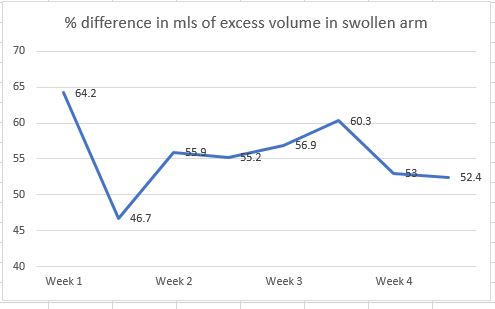
The graph below presents the results over the 4 week period. As you can see, the percentage difference in millilitres of excess fluid volume in the swollen arm compared to the unaffected arm reduces significantly after the first session, then continues to adjust then plateau after the 4th session.

Graph showing % difference in mls of excess volume in swollen arm.

Over the 4 weeks my client also noticed an improved range of motion in the wrist, and more normal sensations with the skin on the back of hand; reduced tightness and more elasticity.

My client has enjoyed the sessions so much, finding them deeply and surprisingly relaxing, and has booked another course which begins in a few weeks time.

If you are interested in trying this technique with me, or know someone who suffers with secondary lymphoedema, or other symptoms that might benefit, please get in touch for an initial chat. I offer 5 weekly sessions at a discounted price of £210. Subsequent courses are 4 weekly sessions at £150.

Other health related problems that have seen good results in the past are:

  • Heavy legs
  • Lipoedema
  • Lipo-lymphoedema
  • Autoimmune disorders
  • Injury recovery
  • Swelling
  • Recovery from cancer treatment

Elder Cottage Clinic, Warton, Preston, PR4. For more information see my dedicated pages https://fyldelymphatics.wordpress.com

The Internal Seasons

I’ve had this blog idea on my “to-do” list for ages, but I’ve not been inspired to write it until today. Do you ever have that? Where something is there to be done but you’re just not inspired to do it until one day, ping! the inspiration comes.

This blog is about outlining the menstrual cycle from a TCM (Traditional Chinese Medicine) point of view, and how are cycles are similar to the seasons. By becoming more aware of our internal cycles we can really look after ourselves in understanding when times of rest, nourishment and calm are needed (Winter) and when times of high energy can bring us productivity and rejuvenation (Spring and Summer). And those times of preparation (Autumn). A bringing together of the physical and the mental/emotional.

However I feel that there is more to this blog than I originally thought. This is because it is becoming more and more apparent to me that we are not just similar to the seasons, we ARE the seasons. We don’t just live here on this planet, we ARE part of the fabric of creation itself. There is no coincidence that our cycles move in time with the moon; that the tides are pushed and pulled by the forces of the lunar cycle, that so many animals, sea creatures and insects follow the phases of the moon for their own reproduction. Everything in nature includes us. There is no separation. When we talk about “connecting with nature” I think what we are actually doing is “reconnecting with who we are”. We are nature. We don’t walk in nature, or spend time in nature; we ARE nature. This is why these times make us feel so good, because there is a sense of coming home, of becoming one, of belonging, of lessening the grips of the idea that we are seperate from the world and from each other. I find I have more and more of these moments of inner knowing, connectedness and understanding of life, and this is the first time I have been able to grab it and get it down into words.

When we discuss the theory of TCM we often mention the seasons and the weather when we talk about particular energies and meridians. TCM philosophy really harnesses the idea of connectedness with our environment and with nature. I really appreciate this concept in my own understandings of life and of health and wellbeing. I also like the idea of likening the menstrual cycle to the ebb and flow of the tides; the tides of Yin and Yang. Understanding these tides and the transitional points between the two can offer huge benefits of understanding to support one’s own monthly cycles:

Phase 1 (days 1-5) is about Blood as we menstruate, it is a restful Yin phase focusing on nourishing ourselves and taking care of ourselves. Honour this time and avoid sexual intercourse and strenuous exercise. The external pathogenic factor of Cold can penetrate particularly at this time so take note of this in the activities you pursue. Remember that Blood is flowing downwards so sanitary items such as tampons obstruct this downward movement. Better to use pads or a menstrual cup.

Phase 2 (days 6-13) is focusing on Yin as increased amounts of oestrogen cause the lining of the uterus to thicken. Eating protein and mineral-rich foods in this phase will help to replenish Blood and Yin. This phase is building towards Yang.

Day 14 is when ovulation happens, and some cramping or spotting can occur as the body prepares to move from Yin to Yang. Get to know your cycles and allow your body and mind space to transition.

Phase 3 (days 15-21) is very Yang focussed; the body is building and nourishing the uterus ready for implantation if fertilization occurs, or shedding the lining if it doesn’t. This segment of the cycle is very energetic. Remember to support yourself during this energetic time with nutrient dense foods and adequate hydration.

Phase 4 (days 22-28) focusses on Qi. As oestrogen levels drop, serotonin levels can also drop and this can affect our mood and emotions. PMS can occur, tears, frustration, anger, as well as physical symptoms such as bloating or breast tenderness. All of these symptoms are based on the lack of free flowing Qi and result in Qi stagnation. So this segment of the cycle it is important to eat clean, take gentle exercise and avoid stimulants in order to support the Liver energy to keep Qi gently flowing freely. It might be a time where you might want to reach for those sugary snacks, so try to substitute those with better choices. We can also choose to eat warming foods because Qi needs heat to keep the fluids moving. Avoiding cold foods and drinks, and exposure to cold weather, swimming and sitting on cold surfaces can all help to support this phase of the cycle.

If you are looking for fertility support in Lancashire please get in touch.

What are you shouldering?

In Traditional Chinese Medicine, the Large Intestine channel starts at the tip of the radial side (thumb side) of the second finger and runs up along the arm to the elbow crease then up to the anterior (front) shoulder,a cross to the neck and ending at the nose. It is a primary channel to be affected when it comes to shoulder and elbow problems.

I have recently treated many clients with acupoints on the shoulder, elbow and arm. One client in particular presented with debilitating hip and sciatic pain on the left. After assessing her feet for foot-reading and reflexology based markers it was plain to see that the right shoulder was not happy. This reflex point was screaming red and presenting with a lot of heat; it was particularly eye-catching. After discussing my findings we agreed to use acupuncture moving forward. Palpating particular points around the shoulder and into the arm indicated tenderness and a desire to be “worked” and released. After two sessions the client is enjoying significant pain reduction and improved sleep patterns.

Mentally and emotionally we can “shoulder” a lot of emotion, burden and responsibility. If we don’t address this then physical pain can manifest. What I find interesting is that the Large Intestine channel runs along here, and if we consider what it does as a physical functioning organ; to process and eliminate waste, then mentally and emotionally we have to work on “letting go” of the burdens and responsibilities that we unnecessarily place on our (metaphorical) shoulders.

In Traditional Chinese Medicine the Large Intestine is paired with the Lung. We breathe in new life force (Qi) with the Lungs and eliminate the old (waste) through the Large Intestine. In many clients I have seen with issues affecting the shoulder and/or elbow is that there is often an imbalance in the chest too (smokers, COPD, grief). If we continue to hold on to things that do not serve us, it will start backing up and impacting on how much new energy we can let in.

As a therapist I have experienced my own health issues (and continue to) as well as observed health issues in others. I can help my clients feel better but ultimately it is down to them to go away and do the work. We cannot treat the physical without looking at the mental/emotional aspect too. I share what I learn with them in clinic and through this blog in the hope that I live a life from which others can benefit by realising or recognising aspects in themselves.

Brain and Cognitive Health

ID-100273701This blog gives a general understanding of cognitive health and outlines options for improving yours.

Fats

Good fats are essential to our brain health and function. A fatty brain is a healthy brain: 60% of brain tissue is fat. Good fats literally allow us to embrace change.

One type of good fat is coconut oil: If you search for coconut oil + brain fog on the internet you will find pages and pages of anecdotal evidence to suggest coconut oil can help lift brain fog and make the brain sharper, improving memory.

Coconut oil is a medium chain fat which means the body can use this type of fat as energy – another great fuel for our brains. It does this by converting into ketones which are used as a source of fuel for the body. Apparently brain cells function with far greater efficiency when they are utilizing fat (ketones) as a fuel source as opposed to sugar.

Pumpkin seed, hemp, flax, avocado and evening primrose oils are all other examples of good fats and these can be found in Beauty Oil.  They provide the essential nutrition that our skin and bodily tissue needs to renew, maintain and repair. This Beauty Oil contains nourishing omega fatty acids, essential nutrients and anti-oxidants that the skin needs to replenish itself.

Omega-3 fatty acids are often lacking in Western diets. They play a vital role in maintaining flexible and well-hydrated cell membranes, allowing for the efficient passage of water and nutrients. The best forms of Omega-3 for the body to utilise come from fish oils, and this has become a concern for many due to the increased ocean pollution. However fish oils from WHC use fish oil from smaller fish species where pollution is a lesser concern, and where processing techniques ensure an extremely clean fish oil. Optimum levels of omega-3s in the body will aid hydration at a cellular level. This is vital for a healthy blood pressure, energy levels and immunity. Adequate levels of omega-3 have also been recommended for weight management. WHC fish oils have been ranked #1 by Labdoor, and hold 5 star ratings from the International Fish Oil Standards (IFSO) program.

Reflexology

Encourage healthy brain function and balance through reflexology. This is a two-fold approach. The reflex point for the brain is on both the big toes (and thumbs). As a therapist I always dedicate attention to this area during every treatment along with the spinal chord (Central Nervous System). However the second approach to improved brain function via reflexology is the physical act of touching the feet: the sensory rich plantar area of the foot is going to stimulate and increase neurological messages from here all the way up to the brain. Think about how many messages this will create during a 50 minute reflexology treatment and you can see how the opening up of those potentially dormant neurological pathways can be so beneficial to our health.

Supplements

Other key ingredients are also fascinating to learn about when it comes to brain and cognitive health:

  • L-Glutamine. This is brain fuel. It is the only compound other than sugar that can be used by the brain for energy. It can easily cross the blood-brain barrier.
  • Choline. Aids nerve transmission by supporting myelin production. Myelin is the fatty nerve insulation that facilitates the transmission of nerve impulses. It is attacked via an auto-immune response in MS sufferers.
  • Green Tea. Contains L-theanine which helps us to keep calm, yet focussed. For example, when we meditate.
  • Ginko biloba. This is a herb from the Biloba tree. Suggested that it improves memory. Used to treat dementia. Antioxidant.

Antioxidants

What do we know about these?

Your brain uses roughly 20% of the oxygen you breathe in, so its cells are particularly susceptible to oxidative damage, known as free radical damage.

Free radicals trigger brain inflammation which contributes to ADHD, brain fog, anxiety and memory loss as well as serious neurological disorders such as stroke and Alzheimer’s.

Eat lots of organic fruit and vegetables. Berries are a Number One brain food because they are super antioxidant and also their compounds have been linked to improvements in many cognitive skills including memory, learning, reasoning skills, decision making, verbal comprehension and number capability.

Links provided are carefully selected affiliates.

Image courtesy of dream designs at FreeDigitalPhotos.net

Jackie Marsden MAR is a qualified Reflexologist and Clinical Acupuncturist. She is a promoter of healthy living and an independent consultant (Group Leader) for Neal’s Yard Remedies Organic. Jackie leads and mentors a growing team of consultants (many of whom are therapists integrating organic products into their existing businesses) via the NYRO social selling channel, holding regular team meetings, one-to-one coaching via phone and facetime, and a closed facebook group. All views are my own.

Growyourbusiness

Look after your DNA with good nutrition

Did you know that 99.9% of all our genetic material is identical in humans, which is what identifies us as a species? The 0.1% of our genetic material is different from person to person and  is what makes each person unique (causing differences in things like hair and eye colour, height and nutrition needs). These differences between people are called gene variations or polymorphisms. [1] Some gene variations may cause rare diseases (and are often referred to as mutations), while others are more common (and are just described as polymorphisms). Gene mutations and polymorphisms may interact with other genes and with factors in our environment (including diet, smoking, physical activity etc), to play a role in the development of complex disease such as Type 2 diabetes, asthma, cardiovascular disease. [1]


So it is really important that we do everything we can to look after our DNA. This is particularly important for sperm health, as they are literally a little head of DNA with a tail. So if you are trying to conceive, this is great advice.

There are three main ways to look after our DNA with good nutrition:

Preventing DNA damage. We should do everything we can to try to prevent DNA damage occuring because genetic mutations can lead to serious illnesses including chronic disease and some cancers.

To help prevent DNA damage from occurring ensure your diet is rich in nutrients, such as carotenoids (orange, yellow, and red foods, and dark green leafy vegetables), and foods rich in vitamin E (seeds, nuts, avocado).

DNA synthesis. In order to help our bodies synthesise or make DNA, we need foods rich in nutrients such as folate (vitamin B9) found in dark green leafy vegetables, pulses and legumes. A number of fruits are a great source of folate too, oranges being the highest but also look at grapes, grapefruits, banana and strawberries.

Other nutrients needed for DNA synthesis are vitamin B12, zinc and magnesium. If you’re a vegan then getting B12 into your diet through food alone is going to be a challenge so a supplement of at least 10 micrograms daily is recommended because Vitamin B12 is usually found in animal products. [2]

Superfoods spirulina and chia seeds are rich in magnesium; chia also being rich in zinc, iron, calcium and niacin (see below).

DNA repair is a very important: the body has the ability to repair areas, or mutations, that may have occurred due to DNA damage.  Key supporting nutrients that can assist with DNA repair are vitamin B3, or niacin, (peanuts, sunflower seeds, mushrooms), and folate (vitamin B9).

Chlorella is the fastest growing food on the planet, so eating it dramatically increases our rate of tissue repair and renewal, helping restore the nervous system, boost immunity and potentially helping degenerative disorders.[3]

It’s important to remember that it’s not just about the nutrients in isolation: so just taking a supplement of some of these key nutrients may not provide the same benefits as eating foods rich in these nutrients. There are so many other properties of foods, such as our bioactive molecules, antioxidants and polyphenols, and fibre, which also provide an important synergistic benefit. [1]

My personal recommendation would be to add a general multi mineral and vitamin supplement on top of a well balanced diet in order to ensure you are getting all the nutrients your body needs. Organic foods are best as they will be more nutrient dense, however our soils are so depleted nowadays that we need to supplement in order to ensure we put enough into our bodies through our diet.

I personally use chlorella powder blended with orange juice, avocado, kale and spinach every morning, sprinkled with chia seeds and nuts. I know that I’m nourishing my DNA and it gives me a great start to the day!

[1] Monash University https://www.futurelearn.com/courses/food-as-medicine/1/steps/77475

[2] Vegan Society https://www.vegansociety.com/resources/nutrition-and-health/vitamins-minerals-and-nutrients/vitamin-b12-your-key-facts

[3] Little book of superfoods by Tipper Lewis

Image courtesy of samarttiw at FreeDigitalPhotos.net

Jackie Marsden MAR is a qualified reflexologist, acupuncturist and independent consultant (Group Leader) for Neal’s Yard Remedies Organic. Jackie leads and mentors a growing team of consultants (many of whom are therapists integrating organic products into their existing businesses) via the NYRO social selling channel, holding regular team meetings, one-to-one coaching via phone and facetime, and a closed facebook group. All views are my own.

Growyourbusiness