Holistic Approaches for Multiple Sclerosis

Multiple sclerosis (MS) is a neurological condition which affects around 100,000 people in the UK. Most people are diagnosed between the ages of 20-40, but it can affect younger and older people too. Roughly three times as many women have MS as men. [1]

MS is when the body itself attacks the myelin sheath in an auto-immune response. The myelin sheath’s function is to insulate the nerves. When it is compromised it causes the neurotransmitters to function less effectively, slowing or blocking messages between body and brain. This creates tingling sensations, fatigue, tremors, pain and trouble balancing.

Dr Mercola states “While your body does have the ability to repair myelin naturally, this process tends to become less effective as you get older. Now, however, researchers [from University of Cambridge] have uncovered a natural option that might play a major role in boosting the repair of damaged myelin in people with MS: vitamin D.”[2] This emerging research is also presented by the Multiple Sclerosis society.[3]

I have been aware of MS right from the beginning of my reflexology career through my tutor, Julie Crossman, and her experience with her close and continued work with MS sufferers. During my training and professional career it is always the nervous and digestive systems I focus on within a reflexology session for an MS sufferer. A course of Reflexology Lymph Drainage would aim to help too from the auto-immune angle: isolating the immune system reflexes intends to boost and seek rebalance.

Delayed nervous responses such as moving a hand away from a hot surface, or weakening bladder control can be debilitating. The latter example causes further problems because many sufferers deliberately drink less to try to reduce this symptom but in doing so can cause bowel problems and constipation. Less water is not going to help anyone: our bodies need around two litres per day to carry out its vital functions.

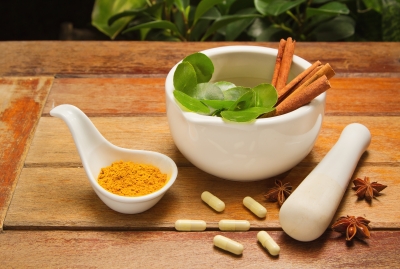
ID-100140238Following a healthy diet full of antioxidant-rich fresh fruit and vegetables and a good water intake is key. A good quality Vitamin D supplement is also important.

Reflexology can also be beneficial from an emotional angle. Dr Mercola states “More often than not, some form of hidden emotional wound can also be found in patients suffering with autoimmune diseases like MS.” This has also been my findings from other readings of the condition by Ann Gillanders. The profound relaxation that reflexology invokes can create an emotional release for some people.

[1] https://www.mssociety.org.uk/what-is-ms

[2] http://articles.mercola.com/sites/articles/archive/2015/12/21/vitamin-d-multiple-sclerosis.aspx?e_cid=20151221Z2_DNL_art_2&utm_source=dnl&utm_medium=email&utm_content=art2&utm_campaign=20151221Z2&et_cid=DM93237&et_rid=1273927785

[3] https://www.mssociety.org.uk/ms-research/emerging-areas/vitamin-d

Jackie Marsden MAR is a qualified reflexologist and independent consultant (Group Leader) for Neal’s Yard Remedies Organic. Jackie leads and mentors a growing team of consultants (many of whom are therapists integrating organic products into their existing businesses) via the NYRO social selling channel, holding regular team meetings, one-to-one coaching via phone and Facetime, and a closed Facebook group. All views are my own.

Links to carefully selected affiliates.

independent-consultant-long-logoGrowyourbusiness

unnamed2

Image courtesy of Praisaeng at FreeDigitalPhotos.net

It is absolutely acceptable to be a salesperson

I recently read Jane Binnion’s book The Heart of Sales. Jane is a social media and ethical sales training, and has written this book for small business owners who choose to trade ethically. This book is the inspiration behind this blog.

Many people are so frightened by the whole “sales” idea of a business, and it is not surprising really when  the term “sales person” conjures up an image of a man in a grey suit knocking on doors cold calling, or swathes of telesales staff in a windowless office harassing “innocent” people.

When I invite people to join my social selling team with Neal’s Yard Remedies Organic (NYRO), many people respond with those images of sales people in mind, saying that “sales” is just not their thing.

ID-100236331But selling is the heart of any business. If you don’t sell anything then where are you making your money? The truth is that the majority of people are selling something. Even as an holistic therapist I am a sales person. I am selling reflexology. I am exchanging a service for a price. This is absolutely acceptable because I have invested a lot of money, time and passion into my training and I am confident in my therapy and with my price.

The same can be said for NYRO. It is absolutely acceptable for me to sell these products, especially when the ingredients are sourced naturally and ethically, and suppliers are treated fairly and the company is environmentally friendly with carbon neutral status. Not to mention its pioneering efforts in organic farming and organic ingredients, and partnership with the Soil Association.

All of these factors give me confidence in my products and their price, and they make it very acceptable for me to sell them.

So yes I am a sales person but I am also much more than that. Because my business makes a difference. I am helping my customers choose the best for their health and wellbeing. I am spreading the word in organic and fair trade. I am passionate about what I do and yes, I am making a profit from that, and yes! I am selling! And yes, this is absolutely acceptable.

If you would like to know more about what I do and how you could do it too – please get in touch. It is absolutely acceptable to do so 🙂

JJackie Marsden MAR is a qualified reflexologist and independent consultant (Team Leader) for Neal’s Yard Remedies Organic.

Jackie leads and mentors a growing team of consultants (many of whom are therapists integrating organic products into their existing businesses) via the NYRO social selling channel, holding regular team meetings, one-to-one coaching via phone and facetime, and a closed facebook group. All views are my own.

independent-consultant-long-logoGrowyourbusiness

unnamed2

Image courtesy of Stuart Miles at FreeDigitalPhotos.net

What is Stress?

We all talk about stress in our lives, but what actually is “stress” and what does it do to our bodies? How can we be more aware and what can we do to help ourselves?

This blog offers an introduction to the topic of stress.

Our Autonomic Nervous System (ANS) is the important part of our nervous system which controls our vital bodily functions such as our heart beating and our breathing.stress
It is split into two divisions: Parasympathetic and Sympathetic. The two sides work in an integrated and complementary fashion. When one is stimulated the other one is suppressed.

When we face any type of stress, whether it’s fear, anxiety, danger or worry, our nervous system reacts in exactly the same way: it prepares to “fight or flight”. This is because it senses a threat and it works to keep us safe. So whether you are running across a road of speeding traffic, or whether you are anxious about a looming work deadline, the body will be reacting in exactly the same way.

The sympathetic division predominates. A release of adrenalin instructs the body to prepare for “fight or flight”.

Blood vessels supplying the heart, limbs, head and brain dilate enabling more blood and oxygen to reach these body parts in preparation for physical activity.

Blood pressure and heart rate rises, as does respiratory rate.

The brain and eyes are also on full alert, improving concentration and peripheral vision.

Sugar is released into the blood system for the anticipated need for additional energy. This happens in the liver.

In order to conserve energy, the blood vessels supplying the non-essential systems of the body constrict, suppressing the digestive and immune systems.

The stomach and small intestine become inhibited, delaying digestion, the onward movement of food, and the absorption of nutrients.

Once the perceived threat has gone, the body will revert back to normal and rebalance: homeostasis will be resumed.

But in our modern day life, the perceived threat might go on and on for days, weeks, months or even years. Anxiety and worries can take all sorts of forms, such as work/job worries, financial worries, health worries, deadlines, long working hours, relationships: the list is endless.

As you can imagine, the ability to relax will be difficult: the body being on constant high alert. Problems include difficulty sleeping, feeling run down, constantly catching colds and viruses due to the suppressed immune system. Good nutrition will also be compromised with the suppressed digestive system, causing Irritable Bowel Syndrome (IBS), diarrhoea, constipation etc.

It’s so important that we get a balance in our lives: time for work and time to rest/relax. We need time to allow the parasympathetic nervous system to predominate, and then allow the body time to rebalance.

This is where reflexology and other holistic therapies can be so beneficial. A regular session booked into the diary will break the constant stress cycle, and give you and your body an hour to lie back and relax: me time.

Reflexology, in particular, can be very beneficial in providing profound relaxation because of the high concentration of nerve endings in the feet: the feet are great access points for the whole body.

If you are looking for fertility support in Lancashire please get in touch.

Jackie Marsden MAR is a qualified reflexologist and independent consultant (Team Leader) for Neal’s Yard Remedies Organic. Jackie leads and mentors a growing team of consultants (many of whom are therapists integrating organic products into their existing businesses) via the NYRO social selling channel, holding regular team meetings, one-to-one coaching via phone and facetime, and a closed facebook group. All views are my own.


independent-consultant-long-logoGrowyourbusiness

unnamed2

Image courtesy of Master isolated images at FreeDigitalPhotos.net

Reflexology for sleep problems – a perspective

Sleep is such an important part of our lives, but what actually is sleep and what does it do for us?

During sleep, your body is working to support healthy brain function and maintain your physical health. In children and teens, sleep also helps support growth and development.

What happens when we don’t sleep?

The damage from sleep deficiency can harm you over time. For example, ongoing sleep deficiency can raise your risk for some chronic health problems. It also can affect how well you think, react, work, learn, and get along with others. [1] Researchers have linked poor sleep to a number of ailments, from short-term memory loss and behavioural problems, to weight gain, diabetes, and even increased risk of cancer, just to mention a few. [2]

sleep

If we spend too much time indoors, in a windowless office during the day and in front of the TV, computer screens and mobile phones in the evenings, insomnia can soon set in because our brains struggle to determine what time it is. 

The combination of light deficiency during the day and excessive light exposure at night causes your biological clocks to get out of sync.

A 30-60 minute exposure to outdoor light every day helps to anchor our circadian rhythm. [2] This means that our master clock is set to be awake and alert during the day and to rest and sleep during the night.

After sustained periods of sleep disruption, we can be left feeling agitated, grumpy, stressed and on high alert. It then becomes ever more difficult to get to sleep, and thus becomes a stress in itself, and the cycle continues.

How can I sleep naturally?

Reflexology can also help with problems like this, as it allows a time and place for deep relaxation to occur. The appointment is in your diary. You are expected to lay back. You are expected to maybe close your eyes. You are expected to relax. Once in a state of deep relaxation, the body can begin to switch off the “high alert” and allow the parasympathetic nervous system to do its work, increasing digestion, immunity, libido, and most importantly here, providing a good environment for resetting the master clock to promote a healthy sleep pattern.

Combine regular reflexology with reduced time spent in front of TV and computer screens, particularly in the evenings, reduced consumption of stimulants during the evenings (such as alcohol and caffeine), and a good dose of outdoor light during the day, and you should be well on your way to a better night’s sleep. Fabulous natural remedies for sleep!

To summarise 3 things to help you sleep:

  • Get some reflexology
  • Reduce screen time and stimulants
  • Go outside during the day

For more of me on sleep, melatonin and circadian rhythm see my other blog post on the Winter Blues.

All views are my own.

independent-consultant-long-logo
Growyourbusiness
unnamed2

[1] http://www.nhlbi.nih.gov/health/health-topics/topics/sdd/why

[2] http://articles.mercola.com/sites/articles/archive/2015/12/10/dangers-sleeping-too-much.aspx?e_cid=20151210Z2_DNL_art_1&utm_source=dnl&utm_medium=email&utm_content=art1&utm_campaign=20151210Z2&et_cid=DM92051&et_rid=1256832826

Image courtesy of Ambro at FreeDigitalPhotos.net

Combating Winter Colds and Viruses

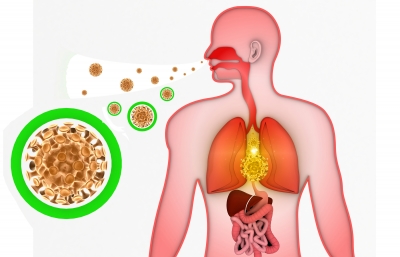
ID-100231025It’s that time of year again when the weather turns colder, the central heating goes on, and windows tend to be closed, creating a breeding ground for winter colds and viruses.

There are simple ways of combating the prevalent cold virus, and this is more in prevention rather than cure.

Immune system

Our immune system needs regular boosting so that it is ready to fight any invaders. Do this by eating lots of fresh fruit and vegetables, preferably organic. Fruit and vegetables are full of antioxidants, which fight those free radicals which are released within the body to attack.

A regular vitamin C supplement can also help boost the immune system, optimising it for attack. Have you ever drunk a glass of organic juice and noticed its acidic effect on the digestive system? This is caused by the ascorbic acid. The vitamin C supplement I use contains Calcium Ascorbate instead, which is slow release, non-acidic form of vitamin C.

Stress will also damage our immune system, prioritising our adrenalin and sympathetic nervous system, and thus neglecting those systems that are not needed for immediate survival such as immune and digestion. A regular session of reflexology can help reduce stress and evoke relaxation.

Vitamin C

Patrick Holford’s advice re. vitamin C absorption is to take around 2 grams every 4 hours. This will saturate the tissues with vitamin C and thus flushing out the cold virus, maintaining a high level of immune protection. [1] This will completely blow the Recommended Daily Allowance (RDA) out of the water, however vitamin C is water soluble and thus the body cannot store excess amounts in fat – it simply excretes via the kidneys.

The RDA was written years ago based on the nutritional value of our foods after the war – nowadays our foods are nutritionally poorer due to the depleting quality of our soil. This is why I advocate an organic based diet and lifestyle. If we don’t adopt this way of life our future foods will be nutritionally worthless.

Antioxidants

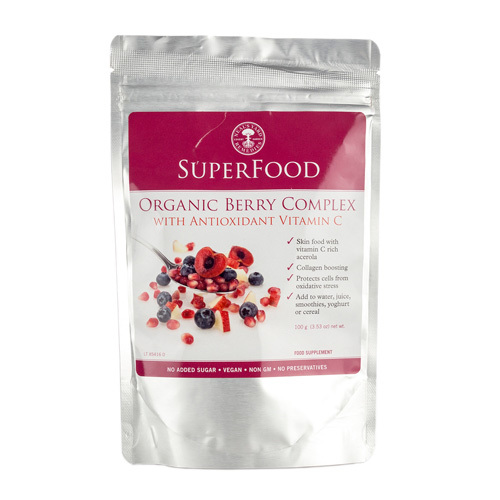
berry complexI have been using the Organic Berry Complex to continually saturate my body’s tissues throughout the day, particularly if I know I’m going to be busy with clients, driving long distances or late nights. Whiz up 2 scoops of the complex with some sprigs of mint and a blender jug full of water. Add a glug of Elderberry syrup to give a deeper taste and a richer content. It tastes amazing, so refreshing and the children love it too. Take a small glass of it regularly throughout the day to top up.

The supplements created by Neal’s Yard Remedies Organic are superior in the way they work because they are synergistic blends of carefully selected and sourced vitamins and minerals. Vitamins and minerals work with each other to do their jobs efficiently – not in isolation.

[1] Patrick Holford The Optimum Nutrition Bible pg. 289 How to kill a cold

Jackie Marsden MAR is a qualified reflexologist and independent consultant (Team Leader) for Neal’s Yard Remedies Organic. Jackie leads and mentors a growing team of consultants (many of whom are therapists integrating organic products into their existing businesses) via the NYRO social selling channel, holding regular team meetings, one-to-one coaching via phone and facetime, and a closed facebook group. All views are my own.

independent-consultant-long-logoGrowyourbusiness

unnamed2

Image courtesy of cooldesign at FreeDigitalPhotos.net

Winter is here so where will we get our Vitamin D from?

Generally known as the “sunshine vitamin”, our main source of Vitamin D is from the sun. It is needed in the body for healthy teeth and bones, but it also has links to other diseases such as mulitple sclerosis, depression, cancer, autism (lots of research is ongoing).

sunshine

Vitamin D is make via ultra violet (UV) light, and this type of light comes with health warnings during the summer months which is why we wear sun cream. There are 3 types of UV light: UVA, UVB and UVC.

UVB is the one which makes Vitamin D. During the winter months, the UK is at too higher latitude (above 35 degrees north of the equator) meaning only UVA hits the earth’s surface. There is insufficient UVB for the body to make Vitamin D during the winter months here in the UK.[1]

Vitamin D is a fat soluble vitamin, which means that it can be stored within the body (unlike water soluble vitamins such as B and C which cannot be stored and any excess will be excreted via the urine). Some people can store enough Vitamin D to last through the winter months without any problems.

However many people might be deficient in Vitamin D because they don’t go outside very much.  Examples include disease and illness forces them to stay indoors, they live a sedentary lifestyle watching TV for large proportions of the day, they work long hours in front of a computer, or they use so much sun block during the summer that their skin is not exposed to the UVB rays.

This is why a supplement is a good idea particularly over the winter months in the UK and other northern hemisphere countries. Combine the insufficient UVB and the little Vitamin D we get from our diets (oily fish and eggs) gives you a good reason to supplement.

In the UK the recommended amount is 400 international units (10 micrograms) a day for adults at risk of deficiency because of lack of sunlight. [1] But as we are all at risk of this during the winter months, my own opinion is to supplement daily.

Research data from the University of Aberdeen[1] suggests that Vitamin D status was higher for people who took sunny holidays abroad, and for those who were taking fish oils. The latter can be explained 2-fold: fish oils do contain small amounts of Vitamin D, and also fish oils are an essential fatty acid which optimises the body to store Vitamin D (remember Vitamin D is fat soluble).

Dr Mercola also suggests a Vitamin D supplement is optimised if taken alongside some healthy fat.[2] He also argues that 400IU is not enough and recommends a higher dose, however a study carried out by the University of Aberdeen showed that when the daily amount was increased from 400IU to 1000IU the marker of Vitamin D only increased by a small amount, revealing that the body is reluctant to increase to much higher levels.

It is important to remember that although you can take too much Vitamin D, there is a wide safety margin. So whether you decide to take 400IU or 1000IU or somewhere in between, it is generally a safe amount to take daily over the winter months.

As with all vitamins and minerals, they don’t work in isolation, which is why I use those formulated by Neal’s Yard Remedies Organic which are synergistic blends from plant sources surrounded by superior absorption capsules which are released within 15 minutes of entering the stomach.

Why not try the Multi Mineral and Vitamin Boost which is a synergistic blend of plant-sourced vitamins B, C, D and E and zinc. Combine with a healthy fat, such as the Organic Beauty Oil, Omega 3-6-9 or a teaspoon of coconut oil, or take a look at the Vitamin D supplement which is sourced from algae.

[1] FutureLearn course: Nutrition and Wellbeing University of Aberdeen http://www.futurelearn.com

[2] http://articles.mercola.com/sites/articles/archive/2015/05/10/vitamin-d-recommended-dietary-allowance.aspx

Jackie Marsden MAR is a qualified reflexologist and independent consultant (Team Leader) for Neal’s Yard Remedies Organic. Jackie leads and mentors a growing team of consultants (many of whom are therapists integrating organic products into their existing businesses) via the NYRO social selling channel, holding regular team meetings, one-to-one coaching via phone and facetime, and a closed facebook group. All views are my own.

independent-consultant-long-logoGrowyourbusiness

Image courtesy of Serge Bertasius Photography at FreeDigitalPhotos.net

Do you suffer from the Winter Blues?

I always feel a little sad during August. Towards the end of this month the long summer days are noticeably getting shorter and the summer holidays are drawing to a close. Businesses and shops are no longer focusing on summer products and are now looking at autumn/winter collections.

Inevitably, the autumn and winter will be soon upon us. Are you one to suffer with the winter blues? Some people suffer with Seasonal Affective Disorder (SAD), which although the actual cause is still unknown, it is thought to be a depression brought on with the shorter days, lack of daylight and darker mornings. Symptoms include low mood and lack of interest in life (1).

Lack of sunlight is suggested to cause an upset in the balance of the endocrine glands situated in the brain, and thus the production of the hormones serotonin and melatonin. Serotonin is known to influence mood, social behaviour, sleep and memory, whereas melatonin is connected to the body’s natural circadian rhythm (natural body clock), sensing the onset of darkness/night time and thus makes us sleepy at the right time.(2)

Reflexology would aim to help improve the symptoms of SAD, with a treatment plan focusing on the endocrine, digestive and nervous systems (note that serotonin is also produced in the intestines). A course of treatments would endeavour to rebalance the body, asking the body to ignite its self-healing processes, and thus improve mood and feelings of lackluster.

Essential oils can be of great help during this time. Uplifting citrus oils can be particularly beneficial particularly Bergamot. Diffuse a few drops in a bowl of hot water into the room you are going to be in and close the door. Alternatively invest in an electric aromatherapy diffuser.

Other things you can do at home would be to ground yourself and recharge your body with negative ions by walking or standing barefoot in the garden or in the local park for a few minutes every day. Reconnecting with nature, either walking near trees or next to water, on the beach or beside a lake can also uplift the spirits and fill you up with negative ions, which are so powerful in making us feel good, giving us more energy, better sleep and generally feeling part of the world again.

(1) http://www.nhs.uk/conditions/Seasonal-affective-disorder/Pages/Introduction.aspx

(2) Ross and Wilson Anatomy and Physiology in Health and Illness 12th Edition

Jackie Marsden MAR is a qualified Reflexologist and an independent consultant for Neal’s Yard Remedies Organic. All views are my own.

independent-consultant-long-logo
Growyourbusiness

Are you getting enough Vitamin O?

What am I talking about? Oxygen.

I’m no expert on yoga/breathing/meditation, however what I learn and find useful for myself, I always share where needed, particularly with my clients.

Many people come to me with stress-related issues, anxiety, sleep problems. Our minds wander and we worry, we ask:

  • Why me?
  • Why (insert loved ones name here)?
  • Why did it happen?
  • I wished it hadn’t happened
  • I’m worried it will happen
  • … the list could go on but you get the idea.

While we’re wasting our time doing this, our bodies are responding with the “fight or flight” response. Heart rate quickens, blood pressure increases, our immune and digestive systems start slowing. Our breath becomes shallow.

We need something to get away from the mind’s futile worrying. What could be easier and more opportune than our breath? Take some deep, slow breaths. Allow the oxygen to fill up our chests, our tummies, our whole bodies. Sweep in through the nose, and if you can, out through the nose, if not slowly and gently through the mouth. Try counting 1,2,3,4 as you inhale, 1,2,3,4 as you exhale. Add in some pauses. Count 1,3,3,4 after every inhale and exhale.

These simple techniques should help you tune out your mind’s babble and focus on the present moment. What is actually bothering you right now at this present moment? Nothing.

Posture during these breathing exercises is important too. If you’re doing them in bed in the middle of the night then you should be horizontal and comfortable. Make sure you’re warm and you can relax your muscles. If you’re sitting then it might be useful to use a small cushion to “prop up” your seat bones (those bony bits in your bottom cheeks). Tilting the pelvis forward like this will shift the spine straighter and open up the chest area, allowing more space.

During my reflexology treatments, my sequence always starts with the diaphragm line, followed by lung reflex, to help calm the breath and aid relaxation.

When we breathe we are literally giving our whole bodies oxygen: what could be more holistic?

The breath is so obvious that it often gets overlooked, but this is one of the greatest tools we have to help ourselves.

Are you getting enough Vitamin O?

Jackie Marsden MAR is a qualified reflexologist and independent consultant (Team Leader) for Neal’s Yard Remedies Organic. Jackie leads and mentors a growing team of consultants (many of whom are therapists integrating organic products into their existing businesses) via the NYRO social selling channel, holding regular team meetings, one-to-one coaching via phone and facetime, and a closed facebook group. All views are my own.

independent-consultant-long-logoGrowyourbusiness

unnamed2

Image courtesy of hinnamsaisuy at FreeDigitalPhotos.net

Feeling the burn? Be careful what you slap on

I think I’m safe in saying that we all look forward to the summer and the summer holidays.

The problem with the summer is the risk of sun damage to our skin, from prolonged exposure, burning and skin cancers.

We need to find a good balance between safe sun exposure for vitamin D production whilst simultaneously protecting us against skin cancer.

UV explained 

The sun’s UV (ultra violet) rays can be a danger. They both have strong links in the development of skin cancers. Here they are explained in a nutshell:

UVA: these rays penetrate deep into the skin and are strongly connected to premature aging. This is the predominant tanning ray.

UVB: these rays mostly affect the surface of the skin and cause reddening and sunburn.

The World Health Organisation have identified UV as a human carcinogen.

Which suncare product?

Firstly look for “Broad Spectrum”. This means that the product has been tested and guaranteed to provide both UVA and UVB protection.

The Neal’s Yard Remedies range is Broad Spectrum.

Many suncare products usually contain synthetic and potentially toxic chemicals e.g. sun filters, preservatives, colouring, perfume. Nano technology is often used too, however this means that these tiny particles are then absorbed by the body and can be harmful to the environment.

Neal’s Yard Remedies use a physical barrier as opposed to a chemical barrier. A certified non-nano form of zinc oxide is used, which is processed so that the particles become transparent. This allows the zinc to better cover and shield the skin while minimising the white cast that used to be a common trait of physical sunscreens.

A physical barrier is much better for us than a chemical barrier which can be absorbed through the skin and be toxic to the body.

Other suncare nasties are oxybenzone, octocrylene, honosalate, octonoxate, methylisothiazolinone, the latter a common preservative to which more than 10% of the population are allergic (Allergy UK).

Chemical suncare ingredients are linked to hormone disruption, skin allergies, and traces have even been found in mothers’ milk!

Neal’s Yard Remedies use natural mineral filters blended with deeply nourishing and organic shea butter, conditioning beeswax and moisturising oils of karanja and baobab, infused with cleansing lemongrass and soothing lavender essential oils (which are also naturally insect-repelling). Together they protect, nurture and moisturise the skin.

Jackie Marsden MAR is a qualified reflexologist and independent consultant (Team Leader) for Neal’s Yard Remedies Organic. Jackie leads and mentors a growing team of consultants (many of whom are therapists integrating organic products into their existing businesses) via the NYRO social selling channel, holding regular team meetings, one-to-one coaching via phone and facetime, and a closed facebook group. All views are my own.

independent-consultant-long-logoGrowyourbusiness

unnamed2

The Dirty Truth about Tampons (and pads)

Did you know that sanitary products are categorised as “medical devices”. “So what?” you might say. This categorisation means that manufacturers are exempt from listing the ingredients used in producing tampons and sanitary pads.

Are they really safe?

The exemption from listing the ingredients is worrying for a number of reasons. The skin around our vagina, and the vaginal tissue itself is highly vascular, leaving it permeable to a wide range of compounds. In other words,  any chemical or toxin is absorbed at a higher rate and will quite possibly enter the blood stream. Chemicals or toxins entering the body via the skin by-pass the filters of the digestive system, and thus are potentially a greater danger to our health. (1)

Other personal care products such as wipes, shampoos, washes etc. are regulated as cosmetics and thus must list all ingredients used. But shouldn’t the ingredients of tampons and sanitary pads be disclosed too? I believe that they should so that women can make informed choices on what they put on their skin and what they place inside their bodies.

Undisclosed substances contained in tampons, sanitary towels and wipes, such as preservatives, pesticides, fragrances and dyes could have possible and serious health effects emerging in the form of an allergic rash, genital irritation, the onset of asthma and an increased risk of cancer.(2) There is also a question mark over their impact on fertility.

The cost to our planet

Tampons and sanitary pads create huge waste, which is an ever increasing problem for our planet.

On average a woman will use 11,000 tampons or pads in their lifetime (3). Each one takes years to degrade. This figure is quite staggering – but then – think about how many women are on the planet and how many women to come? We are needlessly creating mountains of waste. We need to do something different.

The personal cost – what is it really?

On average a woman uses around 22 sanitary items per cycle, and spends around £90 per year. (4) Multiply this by 40 years of menstruation, each woman can spend on average £3600 on tampons and pads. Compare this to a Mooncup which cost £23.50 and will last years and years. (3)

Mooncup – what’s that?

The Mooncup is a reusable menstrual cup, around two inches long and made from soft medical grade silicone. It is worn internally a lot lower than a tampon but, while tampons and pads absorb menstrual fluid, the Mooncup collects it. This means it doesn’t cause dryness or irritation, and also that it collects far more (three times as much as a tampon!). Because the Mooncup is reusable, you only need one so it saves you money and helps the environment, too. (3)

MC-A-BG

The Mooncup is designed to be folded and inserted into the vagina, then removed, rinsed and reinserted up to every 8 hours. A light seal is formed with your vaginal walls, allowing menstrual fluid to pass into the Mooncup without leakage or odour. This seal is released for removal, allowing you to empty the contents, rinse or wipe and reinsert. Comfortable, convenient and safe: the Mooncup can be used overnight and when travelling, swimming or exercising. (3)

What next?

Buy a Mooncup, start using it, and never have to buy, use or dispose of tampons and pads ever again!

Note the links to Mooncup are my affiliate links. I am only affiliated to brands/products that I use myself, and wholeheartedly believe in.

If you are looking for fertility support in Lancashire please get in touch.

References

(1) http://articles.mercola.com/sites/articles/archive/2013/05/22/feminine-hygiene-products.aspx

(2) http://www.dailymail.co.uk/femail/article-2528510/Are-tampons-toxic-How-feminine-care-products-contain-undisclosed-ingredients-linked-allergic-rashes-asthma-cancer.html

(3) http://www.mooncup.co.uk/wc.php?u=3243

(4) http://www.theguardian.com/environment/ethicallivingblog/2009/aug/17/eco-friendly-periods-mooncup

Jackie Marsden MAR is a qualified reflexologist and independent consultant (Team Leader) for Neal’s Yard Remedies Organic. Jackie leads and mentors a growing team of consultants (many of whom are therapists integrating organic products into their existing businesses) via the NYRO social selling channel, holding regular team meetings, one-to-one coaching via phone and facetime, and a closed facebook group. All views are my own.

mooncup_bannerindependent-consultant-long-logoGrowyourbusiness