What is the difference between regular acupuncture and fertility acupuncture?

Fertility acupuncture is very similar to regular acupuncture in that it will still try to address common issues such as pain, digestive issues, headaches, hormonal imbalances etc. as part of the wider picture of a fertility patient. However it focuses a lot on reproductive health and treating the meridians that target this area of health. Common points are found on the wrists, ankles, feet, lower legs, abdomen and lower back.

Fertility acupuncture aims for the optimal internal environment for each particular patient. This means that it’s not a generic set of acupuncture points for everyone; each patient is treated as an individual. There is no one size fits all in any aspect of health.
Happy pregnant woman preparing for her baby.

Fertility acupuncture tends to prioritise regulating the menstrual cycle, increasing blood flow to the ovaries and uterus, and regulating sperm health for the men. Stress management and building resilience to stress is also key when trying to conceive. This is something that is always prioritised in clinic.

When coming for fertility acupuncture it’s advisable to plan to come weekly for 3 months as this is the length of time it takes for an egg to be recruited, matured and finally ovulated. What we do now has an effect on those eggs ovulating (or collected via IVF) three months down the line.

During those 3 months we treat through the menstrual cycle, meaning that when you’re bleeding the focus is on good blood flow and emotional support as a period means no pregnancy. During the follicular phase the focus is on follicular development so good blood flow to the ovaries and uterine lining.

Fertility acupuncture works with each phase of assisted reproductive techniques such as IVF/ICSI to really enhance your response to the treatment you’re having, and manage the side effects of the medication.

When you work with a fertility acupuncturist, you gain insights and education from someone who has a regular practice in this area of health; someone who understands the process and what is involved. It’s not just needles; it’s fully rounded support.

If you would like to discuss your situation with me or would like to book in with the clinic in Warton, near Preston, Lancashire, please get in touch. Please read some of the success stories from the clinic here.
Why does IVF fail the first time?

Often the first round of IVF is used as a diagnostic. This means that the clinic will use a first round to assess where particular issues might be.

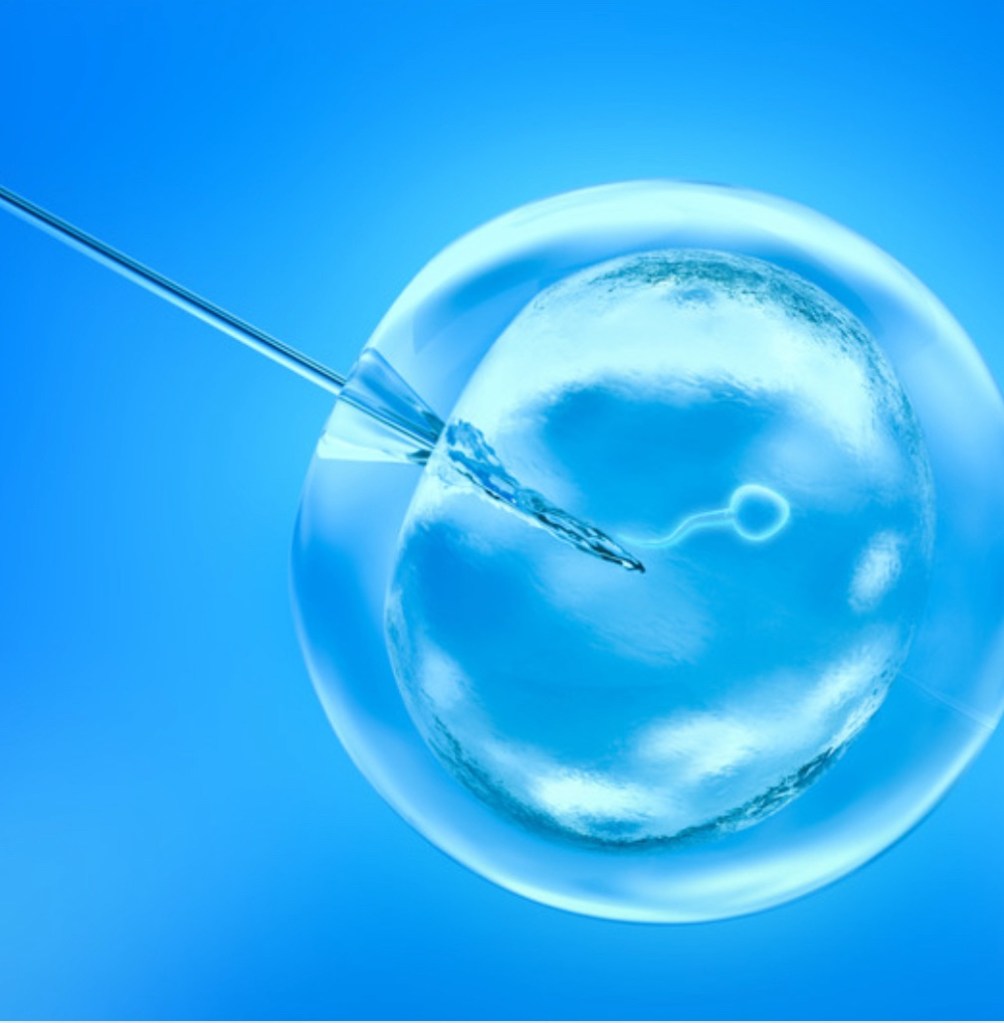
Human sperm being injected into an egg via ICSI.

For example, if the embryos are failing at day 3 then this can tell us that there is a problem with the health of the sperm.

Another example would be if the embryos are graded well but there is still no pregnancy then this could potentially mean there is an issue with the uterus, lining or progesterone receptivity.

Depending on where the procedure failed can give clues as to what is creating the unexplained infertility picture.

Unfortunately this first round is not something that should be taken lightly. Often it is a huge financial investment, not to mention the physical demands on the body, as well as the mental and emotional strain the process has on a couple.

When I work with clients I try to allow us at least 12 weeks to prepare for the next round of IVF. I take a very well-rounded consultation and full health intake to make sure we can drill down to where potential problems are sitting, and then increase the chances of a successful outcome.

Unfortunately I have seen scenarios where, had the couple not come for acupuncture, could have been a very different outcome. For example a couple who had all embryos fail at day 3 were told they needed donor eggs. No mention of improving the health of the sperm, which can be so easy to do with lifestyle and nutritional changes. Luckily this couple worked with me for 3 months and had a successful second cycle with their own eggs, and are now proud parents of a baby boy.

I’ve also seen clinics attempt a second cycle without really looking at the first one in detail. For example one client approached me after a failed fresh cycle. It was clear that there were microbiome issues and also a potential progesterone receptivity issue that we pushed to be checked during the second cycle, and the transfer was consequently halted due to low progesterone. Once we had this confirmed, a third cycle was successful after careful adjustment and monitoring of progesterone medication.

My training and continued learning and development gives me the tools to ask the right questions and see the infertility picture through a different lens. With access to the understanding of Chinese Medicine we can often see where problems lie early on.

If you are trying to conceive and need help, support or advice please get in touch.

Why is Acupuncture popular during IVF?

Acupuncture needles.

Acupuncture is becoming increasingly popular within the IVF world and many clinics recommend acupuncture to patients to help support them through the journey. But what is it about acupuncture that makes it so popular for the IVF process?

There is a huge wealth of scientific study and evidence to show that acupuncture has a positive effect on IVF outcomes. It is easy to do a quick internet search to find lots of research articles and scientific studies on this topic. It is a widely researched area and there is a lot of interest. For further information about studies and outcomes, please see this fact sheet from the British Acupuncture Council.

Let’s now focus on the physical aspects of acupuncture and the IVF process. The reproductive system is a particularly vascular system, and therefore inserting needles into that area of the body will create a micro-trauma. This sends extra blood, oxygen and nutrients into the area, helping to regulate uterine and ovarian blood flow and encourage follicular development (eggs) and endometrial development (the lining of the uterus).

Acupuncture has an impact on hormones and the communication within the endocrine system, thus having a positive effect on menstrual cycles. Specifically points on the head can have a direct effect on the pituitary gland. Likewise, serotonin and dopamine are our neurotransmitters, and acupuncture can offer regulation of these, so patients start to feel better and in balance. Acupuncture therefore can help navigate the side effects often felt from IVF drugs, such as headaches, nausea, hot flushes, low mood.

For men, needles in the lower abdomen and legs is going to increase blood flow to the testes and will positively effect the semen. Semen are constantly being manufactured within the body so changes can happen quickly and swiftly.

Alongside the physical aspect of acupuncture there is also the emotional support an acupuncturist will offer as you go through the IVF process. Being able to talk to someone knowledgeable, caring and in confidence during a very stressful time, when you might be wanting to keep your journey private from friends and family, can be really helpful and a lifeline for support during the process.

How can I increase my chances of IVF success?

IVF is a process which shouldn’t be taken lightly. It is hard on couples from all angles; emotionally, mentally and physically.

IVF eggs under microscope.

The drugs used are heavy duty; creating all sorts of side effects and mood swings. The process involves physical incisions through the vaginal wall and on the ovaries – multiple cuts in fact – depending on how many follicles you have. A lot of energy is required for your body to heal. You will also be sedated and this can take time to recover from.

Then there is the agonizing wait to see if any eggs fertilized, and how well they develop to day 5 where you will then have another procedure to transfer the embryo into your womb. And the 2 week wait begins, alongside more drugs.

It is an emotional roller coaster and exhausting; taxing mentally and physically with trips in and out of the clinic for tests and scans.

For such a consuming process, wouldn’t you want to prepare the best that you can to maximise your chances of success? Its not something you should walk into without first fully investigating what the problems are with your inability to conceive naturally, and to really prepare your body and the environment within which your eggs are recruited and collected, and then transferred back for implantation and ongoing pregnancy.

Preparation is key when it comes to IVF success. Don’t allow a fertility clinic to use your first round as a diagnostic; that’s way too expensive both financially and for your health and overall wellbeing.

Find someone to help you through the process and work with a specialist who can take a deep dive into your lifestyle and nutrition, and offer you acupuncture as part of your preparation program.

Contact me for an initial chat and start your preconception journey with me today.

How can I increase my chances of getting pregnant?

If you are reading this then chances are you are trying to conceive, and perhaps you have been trying for a while now and each month is a roller coasting of emotions ranging from the highs of hopeful to the lows of that one line showing on the stick.

Woman crying, holding a negative pregnancy test.

One of the best things you can do is to take yourself off this roller coaster for at least 3-6 months. Stop “trying” and start focusing on collecting data, improving your lifestyle and nutritional choices.

Start tracking your cycle using a very basic thermometer to take your basal body temperature, and a paper chart. Mark down where your temperature is each morning before you get out of bed, and on which day of your cycle. Take note of your menstrual blood, spotting, discharge. Collecting this data for around 3 cycles can start to present patterns and markers that might indicate what is happening within your body and your cycle. Bring this with you if you decide to book in for acupuncture.

Get your bloods checked including a full hormone and thyroid panel. Get copies of these results and again bring them with you if you decide to come into clinic for acupuncture.

Really take a deep dive into your lifestyle; write down when you go to sleep, when you wake up, what you eat for each meal, whether you often get aches and pains. What exercise do you take, and what about your partner/husband? How much water do you both drink? Are you both eating a lot of processed foods? Do you use a lot of plastic?

Don’t go on this journey alone. Find a qualified practitioner to help you along the way. My fertility clients come in for weekly acupuncture where we look at everything in your life in detail and work out a plan of action to prepare you as a couple for conception, whether that is natural or IVF.

My clinic is based on the Fylde PR4. Contact me for a chat.

Is Acupuncture Worth it for IVF?

Acupuncture is very much worth it as part of your overall plan in preparing for conception.

Woman receiving acupuncture for fertility issues in her abdomen.

It is well documented that it takes around 100 days/3 months, or 3 cycles, for an egg to be recruited and matured ready for ovulation, and similarly for a full sperm regeneration cycle to complete.

It is hugely important to give yourself time to prepare and improve your overall health and wellness, lifestyle, diet and nutritional aspects before conceiving, whether you plan to do this naturally or via IVF. If the raw materials are not in the best condition possible, then you will not be maximizing your chances for a viable conception, implantation, and ongoing pregnancy and the health of the child.

As an acupuncturist I work closely with couples to look at where problems might be hiding. Sometimes a small imbalance can lead to issues when it comes to fertility. Working holistically, I take a full medical and lifestyle history from couples trying to conceive, then work out a specific and individualized acu-point prescription to help re-balance what I see happening in the body. I look at tongues, ears, feet and feel your abdomen. I ask a lot of questions about your menstrual cycle, menstrual blood and digestive health, as this can tell us as lot about what might be happening within the body.

Acupuncture is hugely effective when it comes to IVF. Particular points can help with innervation to the ovaries and uterus, boosting Blood and Qi, giving a good bump up to the follicles, helping with uterine lining, managing oestrogen levels and holding off OHSS, as well as calming the mind and supporting the couple. It is also excellent for expediting the recovery after egg collection, and preparing the uterus for transfer. Which points are used will be individual to your own picture.

In my own clinical experience, couples who have taken the appropriate time and care to prepare for their next IVF cycle get the best results; either falling pregnant naturally or having a successful IVF cycle.

If you would like to book a full consultation to discuss your own situation please contact me. Prices can be found here.

Understanding AMH

AMH blood test.

If you are trying to conceive and gone down the “infertility road” a little way, then you may well have had your AMH levels checked. Many will call this your “ovarian reserve”, but as we explore further, it really isn’t that simple.

AMH stands for Anti-Mullerian Hormone. This hormone is produced by the granulosa cells, which are specific cells within a developing follicle.

Follicles take around 100 days to develop, and this must happen at a nice slow pace in order to reach ovulation. AMH is produced to prevent these delicate “pre-antral” follicles from being stimulated by Follicle Stimulating Hormone (FSH) too early. [Pre-antral means they they have left the “storage cupboard” but are now at the stage before they reach the final menstrual month where they will be competing for ovulation.]

The larger the follicles get, the more AMH they produce, until they are ready to be stimulated by FSH within the menstrual month.

Therefore, AMH levels can be used as an indicator of the number of antral or developing follicles you might have. However, this is not as simple as it sounds. It is not an indicator of dormant eggs you still have in “storage” i.e. total ovarian reserve.

In theory, if your AMH is low, this could mean that you don’t have many antral follicles coming up along the “production line”, and thus not producing as much AMH, but those that you do have could be a good size and of good quality. In contrast, you might have lots of antral follicles but not of a good size and not developing particularly well, and thus not producing much AMH.

So really, AMH is not a good indicator for determining your complete ovarian reserve. What it is useful for is for IVF clinics to gauge an idea of how many follicles they might be able to work with during an IVF cycle. But without considering other factors, a fully rounded picture cannot be seen.

Other factors to consider

Age is the main factor when looking at fertility. There will be a slow and natural decrease in AMH as we get older.

If you are a younger woman with low AMH for your age group, there are other factors to consider including vitamin and mineral deficiencies, blood flow to the pelvis, inflammation and autoimmune responses, contraceptive drugs, smoking/vaping, sleep quality, stress, infections. All of these factors can have a significant impact on the ovarian environment, and with improvements in place, AMH can rise.

My advice would be not to get fixated on AMH levels, and certainly do not look at them in isolation. Take a good look at both your own and your partner’s overall health and lifestyle, get support from an holistic practitioner. Take time to make improvements to your diet and lifestyle (remember the 100 days) to do everything in your power to improve that internal environment within which eggs are recruited and developed, within which sperm are created, and the uterine terrain in which they come together to create new life.

Other useful information

Listen to this episode of Hannah Pearn’s podcast, talking about Low AMH and what it really means for your fertility

This is a great E-book if you want to know the answers to all the burning questions you have about low AMH: https://www.explaininginfertility.com/courses/LowAMH-ebook

This was a large study which measured AMH levels in a group of 1015 women who had no known fertility issues and who all had a proven level of fertility (conceived a child within 12 months of trying and carried to full term). Almost without exception, this presented those with low AMH were more likely to conceive. Thus, this research shows that it is possible to be naturally fertile with low AMH. https://pubmed.ncbi.nlm.nih.gov/24716733/

Does ICSI have all the answers?

Since the advent of ICSI (Intracytoplasmic Sperm Injection) problems with male factor in infertility can be addressed and bypassed with this procedure. The ICSI procedure allows particular sperm to be selected for use and manually injected into the egg by the embryologist using a microscopic needle.

But does ICSI always give us the best outcomes?

If the quality of sperm is sub-optimal, the question one has to ask is what impact will this have on the ongoing pregnancy and health of the child going forward?

In Traditional Chinese Medicine (TCM) our Jing is the substance we inherit from our parents at the moment of conception. Our Jing fuels our growth and development not just through conception and prenatal growth, but all through our lives from infancy to puberty, adulthood and beyond. Jing dictates our constitution and vitality as we move and age through life.

So if we completely disregard the quality of the sperm in favour of the ICSI procedure, what impact will have on the health of the life created? If a sperm is unable to penetrate an egg on its own, what does that say about the underlying Qi of that sperm?

So although ISCI is a wonderful and exceptional advancement in fertility medicine and assisted reproductive techniques, I do believe it should be firmly balanced with other perspectives of male health and vitality.

Sperm are continually created within the body, so taking a break for around 3 months before the next round of IVF is an optimal amount of time to put lifestyle changes in place. Dietary, lifestyle and nutritional changes can have a huge impact on sperm quality.[1] Taking this time and making this effort to improve the underlying Qi and Jing that is passed onto the next generation is fundamentally important. Things to consider:

  • Stop smoking/vaping;
  • Reduced consumption of refined sugars, processed foods,
  • Reduced consumption of alcohol;
  • Increased consumption of a wide variety of vegetables and fruit;
  • Take regular exercise;
  • Increased water intake;
  • Reduce the use of plastics for cooking and water/food storage (switch to glass)
  • Supplement with a good quality preconception multivitamin to include zinc, selenium, omega 3 fatty acids, antioxidants;
  • Reduce stress (look at meditation, reflexology, acupuncture, spending time in nature);
  • Keep mobile phone away from body [2];
  • Ejaculate frequently [3].

Other options to explore before diving straight into IVF/ICSI:

  • Having a full examination to rule out varicocele, hydrocele and other physical abnormalities;
  • Bloods taken for a full hormone profile;
  • Checking the microbiome to rule out any infection which might be causing levels of damage to the sperm.

“Mounting evidence suggests that the gut microbiome plays a key role in normal spermatogenesis and can be negatively impacted by diet and environmental perturbations.” [3]

Of course, every couple is individual, and factors such as age, for example, will also determine your route to IVF and ICSI.

If you are looking for fertility support in Lancashire please get in touch.

If you would like support through your fertility/IVF/ICSI journey with acupuncture please get in touch.

References

[1] https://pubmed.ncbi.nlm.nih.gov/32397485/

[2] https://www.ncbi.nlm.nih.gov/pmc/articles/PMC7848840/

[3] https://rbej.biomedcentral.com/articles/10.1186/1477-7827-10-115

[4] https://www.fertstertreviews.org/article/S2666-5719(23)00001-4/fulltext

IVF: Why days 3-5 are key

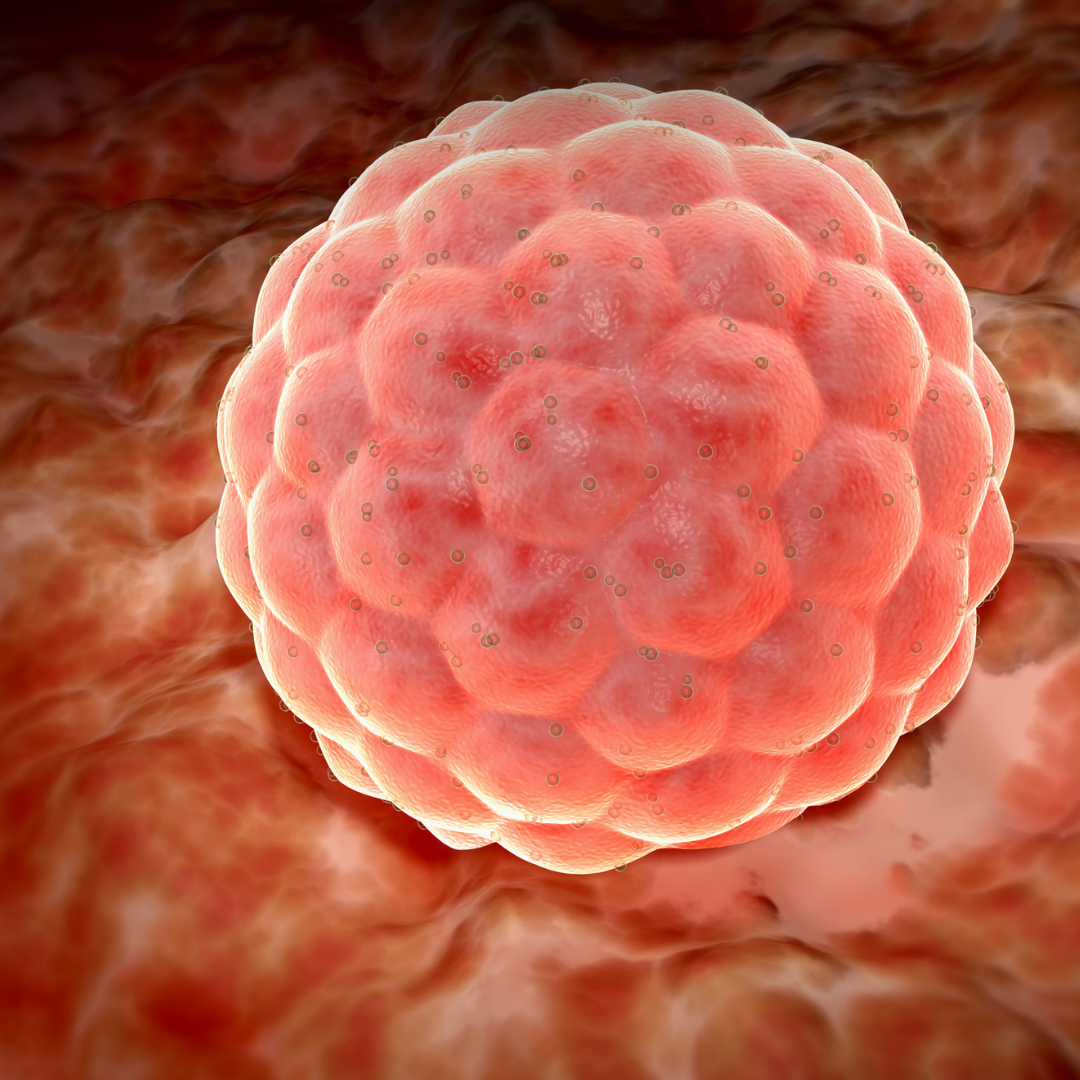
Embryo forming.

When going through IVF, and in particular ICSI (Intracytoplasmic Sperm Injection), its super important to pay as much attention to male factor as it is female.

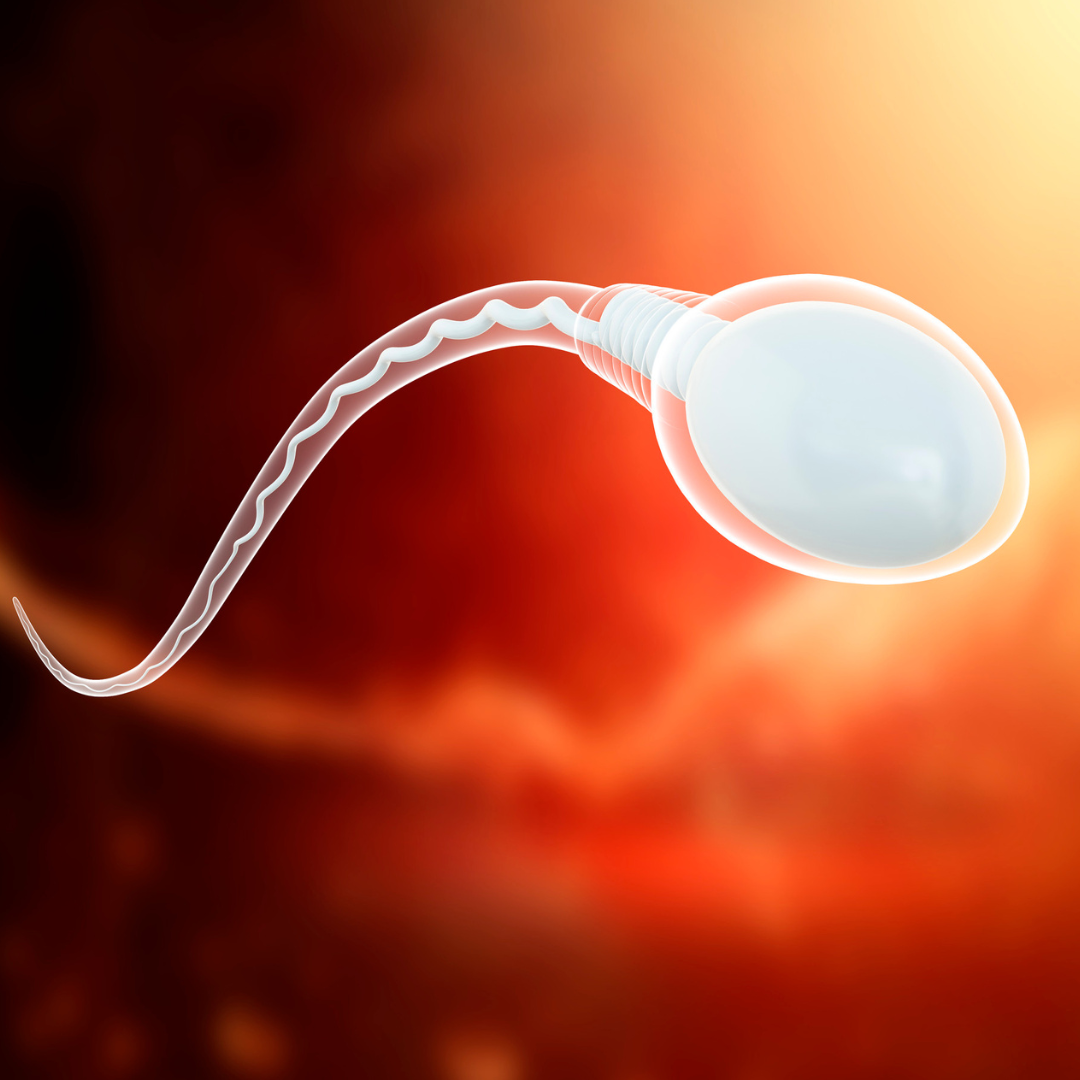
Usually when using ICSI there is an issue with sperm, and its ability to penetrate the egg for fertilisation. This might be due to poor morphology or low sperm count for example. Or perhaps you have tried IVF before and the eggs failed to fertilise naturally. ICSI allows the sperm to be injected directly into the egg by an embryologist.

Some might say that the ability of the sperm to penetrate the egg is no longer important as this penetration is bypassed by the injection technique.

However, just because the sperm is manually injected into the egg, doesn’t mean that its role is then finished!

As the embryo starts to develop, the egg’s energy is solely used to power cellular division, up to around day 3. From day 3-5, the male chromosomes start to contribute to the development of the embryo.

If you have experienced embryos that have arrested in development at this stage, it is a clear message that what’s actually underneath isn’t healthy enough, the genetic material isn’t viable enough, what’s happening with the male Qi is not good enough for the sperm to power through an embryo development.

Taking time for the man to work on and improve his health and lifestyle for the next 3 cycles before going for another round of IVF is super important and really effective.

Allowing a couple 3 months to prepare for conception, whether that be naturally or through IVF is really good advice. It takes around 100 days for an egg to mature, and the same amount of time for health improvements and lifestyle changes to be reflected in sperm.

Taking the time to really focus on your health and prepare properly really is key when you are trying to conceive.

Book in for acupuncture with me today and start your journey feeling fully supported and empowered through your fertility journey.

If you are looking for fertility support in Lancashire please get in touch.