Cortisol and Melatonin: The Yin and Yang of Your Circadian Rhythm

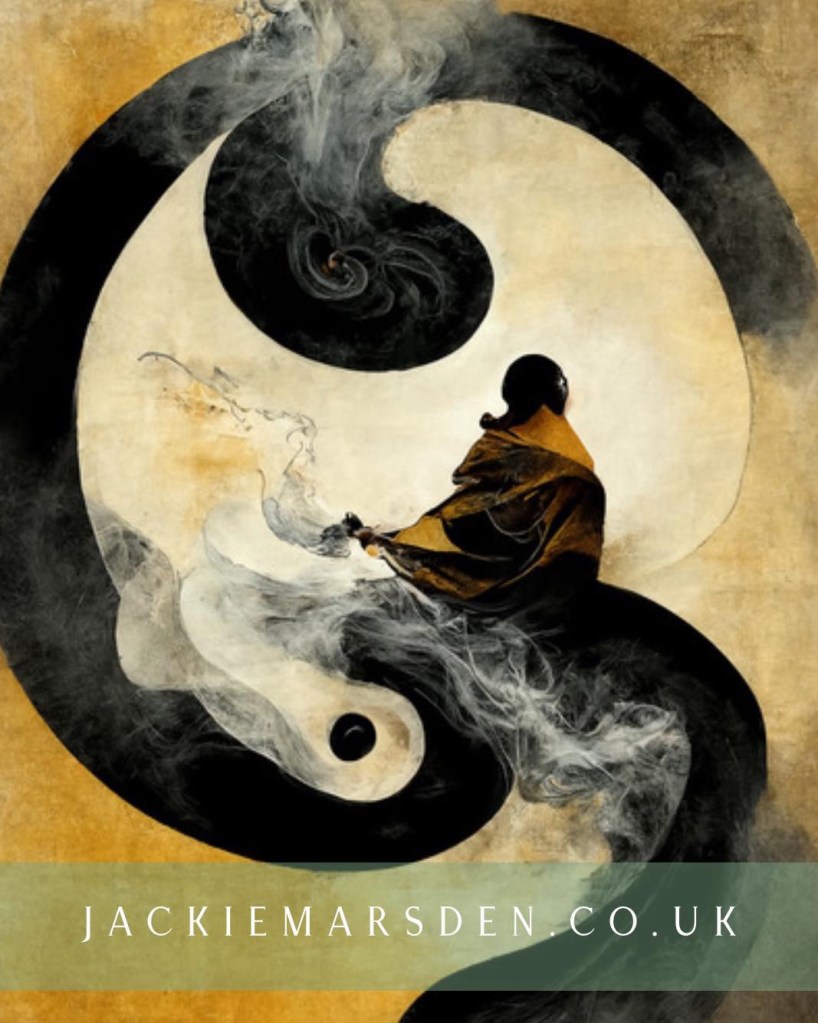
In the quiet rhythm of day and night, two powerful hormones guide our daily flow: cortisol and melatonin. These hormones play a crucial role in maintaining our body’s natural rhythm; you could think of them as the Yin and Yang of our circadian cycle: distinct in nature but working in harmony to help us feel balanced, focused, and rested.

Understanding their roles can help you align with your body’s natural flow, fostering better health and more restful sleep.

Cortisol: The Active Yang of the Day

Often labelled as the stress hormone, cortisol is essential for us to function properly, especially in the morning. It naturally rises when we wake up, helping to energize the body, sharpen focus, and prepare us for the day ahead. This is the Yang energy: active, outward, and purposeful.

Cortisol levels peak shortly after we wake up and begin to decline as the day progresses, supporting our ability to stay alert, handle stress, and perform tasks efficiently. Without sufficient cortisol, we may feel sluggish and less motivated in the morning; it’s as if we can’t quite get going.

Melatonin: The Restful Yin

As the sun begins to set, melatonin enters the scene: the Yin to cortisol’s Yang. Melatonin is often called the sleep hormone, but its job goes beyond just helping us fall asleep. It’s about inviting the body to slow down, repair, and rejuvenate during the night. When melatonin is released as daylight fades, it encourages us to rest, reduce our mental chatter, and prepare for the restorative sleep our bodies need to stay healthy.

Just as cortisol rises with daylight, melatonin rises when it gets dark. It acts as a signal that it’s time to let go and settle into rest, nurturing our recovery and internal restoration.
The Delicate Balance: Why It Matters

The relationship between cortisol and melatonin is delicate. These two hormones need to remain in a balanced dance throughout the day for you to feel your best. If cortisol remains high into the evening – perhaps due to stress, artificial light, or late-night stimulation – melatonin struggles to rise, and sleep may be disrupted. Over time, this throws the entire rhythm off course.

When this happens, it can interfere with your body’s natural recovery during sleep; affecting your energy, mood, and overall health.

Supporting Your Natural Cycle: Simple Practices for Balance

To maintain the delicate balance between cortisol and melatonin, it’s important to align your daily habits with the natural rhythms of your body. Here are a few practices to help keep your hormones in harmony:

  • Seek natural morning light: Exposure to sunlight in the morning helps signal your body that it’s time to rise and activate cortisol naturally. This simple habit can help improve your focus and alertness during the day.
  • Support rising cortisol with a healthy breakfast: Eat a balanced meal around 7am to give your body the nourishment it needs to maintain energy and focus throughout the day.
  • Avoid bright screens, intense exercise, and stimulants in the evening: These can keep cortisol levels elevated and interfere with melatonin production. Instead, opt for calming activities such as reading, meditation, or light stretching in the evening to help your body transition into rest mode.
  • Aim for regular sleep and wake times: Going to bed and waking up at the same time every day helps support your circadian rhythm and ensures your body knows when it’s time to rest.
  • Allow your digestive system to fast between 6pm and 7am: This simple practice allows your body to reset overnight, promoting better sleep and hormonal balance.
  • Get regular reflexology or acupuncture: These holistic therapies can support your body’s natural rhythm by reducing stress, improving circulation, and helping your body relax, making it easier for cortisol and melatonin to maintain balance.

Embracing the Quiet Wisdom of Yin

In a culture that often celebrates the energy of Yang – doing, pushing, and striving – we can sometimes forget the quiet wisdom of Yin. But it’s in the balance of these two forces that true health, clarity, and calm reside. When you nurture both your active and restorative energies, you create a foundation for lasting well-being and peace.

If you’re struggling to find balance in your circadian rhythm or need support with sleep, hormonal health, or stress management, reflexology and acupuncture can be powerful tools in restoring your body’s natural flow. Reach out for personalised guidance and care – together, I can help you nurture your Yin and Yang for a more vibrant and balanced life.
How does Acupuncture work?

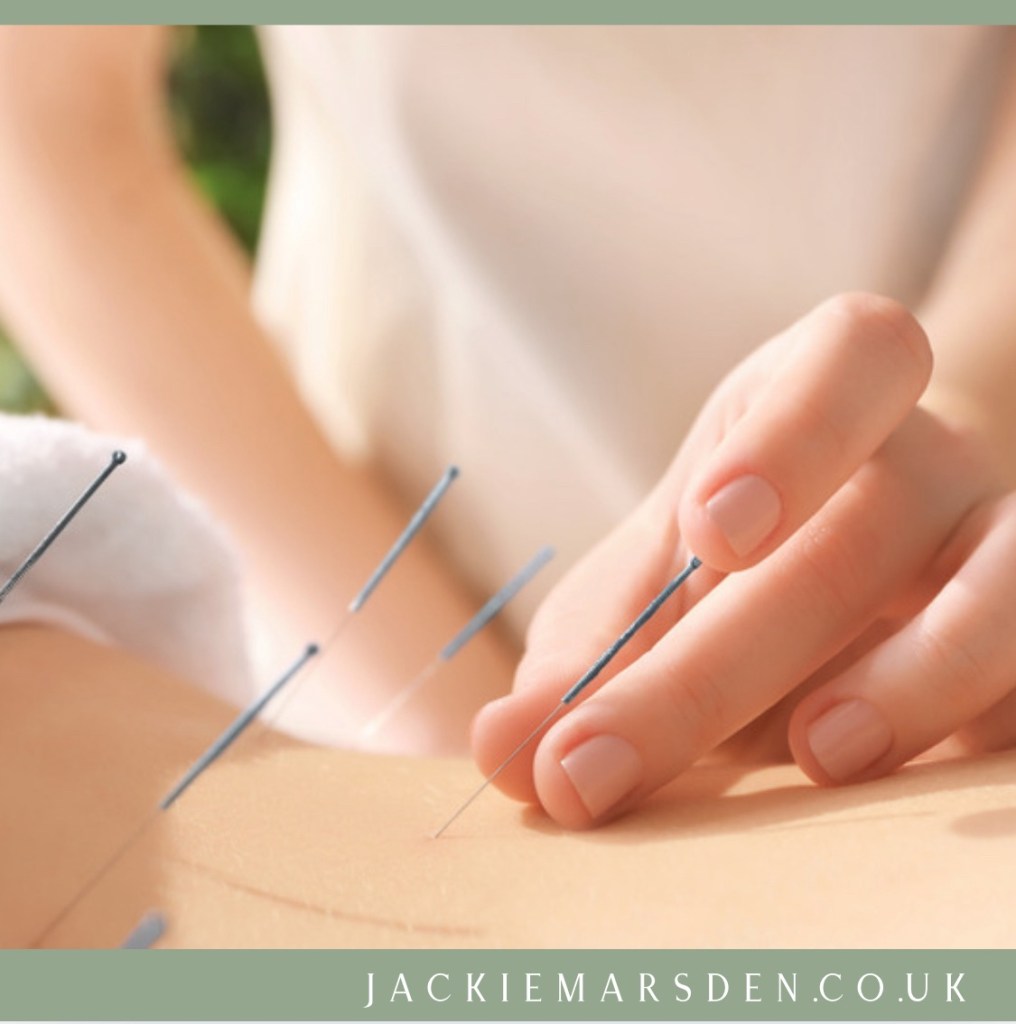
Fertility acupuncture in abdomen.

Traditional Acupuncture uses the understanding of health and wellness that’s been developed over thousands of years (Traditional Chinese Medicine). This theory uses the concept of Qi (energy) our life force energy. Qi flows up and down the meridian system which is a network of channels connecting the main organs with the rest of the body.

When we are well, the Qi is said to be flowing freely. When we are unwell, the Qi is said to be blocked, or stagnant, and not flowing as freely.

Acupuncture uses particular points on the channels to rebalance the flow of Qi and improve our physical, mental and emotional wellbeing.

A good analogy is of the body as a circuit board. An acupuncturist uses these circuits to rewire and reconnect the flow of electricity.

Evidence based research on how acupuncture works is highlights its impact on the central nervous system (CNS). The CNS governs fight or flight vs rest and digest. When we are chronically stressed we get stuck in fight or flight. Acupuncture appears to release endorphins, natural pain killers and those happy chemicals, to rebalance the CNS. The process acupuncture ignites within the body increases blood circulation, reduces inflammation, helps regulate blood sugars and reduces stress, which can all have a positive impact on our wellbeing.

If you’d like to try acupuncture for your own wellbeing book in today.

Why does IVF fail the first time?

Often the first round of IVF is used as a diagnostic. This means that the clinic will use a first round to assess where particular issues might be.

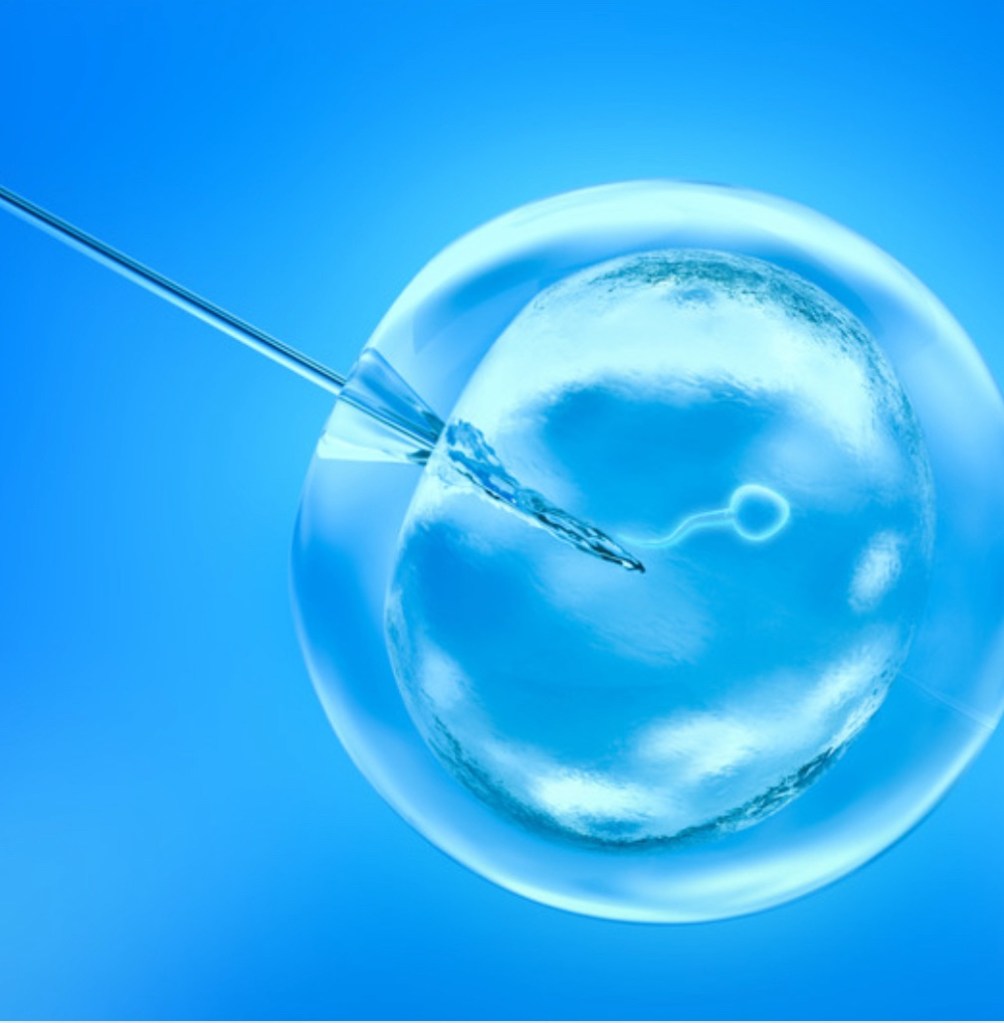
Human sperm being injected into an egg via ICSI.

For example, if the embryos are failing at day 3 then this can tell us that there is a problem with the health of the sperm.

Another example would be if the embryos are graded well but there is still no pregnancy then this could potentially mean there is an issue with the uterus, lining or progesterone receptivity.

Depending on where the procedure failed can give clues as to what is creating the unexplained infertility picture.

Unfortunately this first round is not something that should be taken lightly. Often it is a huge financial investment, not to mention the physical demands on the body, as well as the mental and emotional strain the process has on a couple.

When I work with clients I try to allow us at least 12 weeks to prepare for the next round of IVF. I take a very well-rounded consultation and full health intake to make sure we can drill down to where potential problems are sitting, and then increase the chances of a successful outcome.

Unfortunately I have seen scenarios where, had the couple not come for acupuncture, could have been a very different outcome. For example a couple who had all embryos fail at day 3 were told they needed donor eggs. No mention of improving the health of the sperm, which can be so easy to do with lifestyle and nutritional changes. Luckily this couple worked with me for 3 months and had a successful second cycle with their own eggs, and are now proud parents of a baby boy.

I’ve also seen clinics attempt a second cycle without really looking at the first one in detail. For example one client approached me after a failed fresh cycle. It was clear that there were microbiome issues and also a potential progesterone receptivity issue that we pushed to be checked during the second cycle, and the transfer was consequently halted due to low progesterone. Once we had this confirmed, a third cycle was successful after careful adjustment and monitoring of progesterone medication.

My training and continued learning and development gives me the tools to ask the right questions and see the infertility picture through a different lens. With access to the understanding of Chinese Medicine we can often see where problems lie early on.

If you are trying to conceive and need help, support or advice please get in touch.

Why is Acupuncture popular during IVF?

Acupuncture needles.

Acupuncture is becoming increasingly popular within the IVF world and many clinics recommend acupuncture to patients to help support them through the journey. But what is it about acupuncture that makes it so popular for the IVF process?

There is a huge wealth of scientific study and evidence to show that acupuncture has a positive effect on IVF outcomes. It is easy to do a quick internet search to find lots of research articles and scientific studies on this topic. It is a widely researched area and there is a lot of interest. For further information about studies and outcomes, please see this fact sheet from the British Acupuncture Council.

Let’s now focus on the physical aspects of acupuncture and the IVF process. The reproductive system is a particularly vascular system, and therefore inserting needles into that area of the body will create a micro-trauma. This sends extra blood, oxygen and nutrients into the area, helping to regulate uterine and ovarian blood flow and encourage follicular development (eggs) and endometrial development (the lining of the uterus).

Acupuncture has an impact on hormones and the communication within the endocrine system, thus having a positive effect on menstrual cycles. Specifically points on the head can have a direct effect on the pituitary gland. Likewise, serotonin and dopamine are our neurotransmitters, and acupuncture can offer regulation of these, so patients start to feel better and in balance. Acupuncture therefore can help navigate the side effects often felt from IVF drugs, such as headaches, nausea, hot flushes, low mood.

For men, needles in the lower abdomen and legs is going to increase blood flow to the testes and will positively effect the semen. Semen are constantly being manufactured within the body so changes can happen quickly and swiftly.

Alongside the physical aspect of acupuncture there is also the emotional support an acupuncturist will offer as you go through the IVF process. Being able to talk to someone knowledgeable, caring and in confidence during a very stressful time, when you might be wanting to keep your journey private from friends and family, can be really helpful and a lifeline for support during the process.

More on Endometriosis

Endometriosis comes from the retrograde menstrual blood flow. This means that when we menstruate, some of the uterine shedding doesn’t flow downwards and out through the vagina; some of it will move up through the Fallopian tubes and into the ovary, and sometimes beyond and into the pelvic cavity.

Woman experiencing period pain.

These pieces of the endometrium are then implanted outside of the uterus, and will bleed during subsequent menses. This means that there is menstrual blood outside of the uterus which the body sees as a foreign invader; the body doesn’t recognise it outside of the uterine cavity. This creates inflammation and pain, and triggers an auto-immune response.

This also can create an oestrogen-dominant state within the body, because of the excess oestrogenic tissue outside the uterine cavity.

Endometriosis doesn’t just create “period pains” and heavy bleeding. It also can have a huge impact on reproductive health, digestive health and bowel movements, urinary and bladder health, mental/emotional health. It can also cause fatigue, shortness of breath, nausea, vomiting, and pain.

In Traditional Chinese Medicine principles, we need to move Liver Qi Stagnation and clear Blood Stasis. This means that the Qi (energy) of the body is not free-flowing, which causes pain. It also means that if these continue to stagnate then the Blood cannot flow as it should and it gets locked down.

Depending on your particular symptoms and observations an acupuncture prescription will be created to help encourage the restoration of balance within the body.

If you prefer a Reflexology approach, then Reflexology Lymph Drainage could be the sequence of choice. This sequence specifically targets the lymphatic reflexes on the feet, with the intention of modulating the immune system (the white blood cells of the immune system live in the lymphatic fluid) and reducing the inflammatory effect on the body.

Some lifestyle interventions you can do to help yourself:

  • Do not wear tampons. These block the natural downward movement of menstrual blood.
  • Do not have intercourse during your period and the post-partum period.
  • Do less exercise during menses.
  • Avoid pelvic examinations and abdominal massage/pressure during menses.
  • Avoid exposure to cold water during menses.
  • Eat an anti-inflammatory diet, increasing your intake of phyto-nutrients, fruit and vegetables, nuts and seeds, and reducing refined sugars, alcohol, caffeine.
  • Remove all oestrogen-mimicking plastics and personal care products from your home. Anything from synthetic fragrances, plug-ins, candles, food stored/cooked in plastics, washing plastic tupperware/bowls/cups in really hot water and with a harsh detergent, switch to more environmentally friendly cleaning products and glass tupperware. See my other post on detoxing holistically.

For more information please see my other blog post.

How can I increase my chances of getting pregnant?

If you are reading this then chances are you are trying to conceive, and perhaps you have been trying for a while now and each month is a roller coasting of emotions ranging from the highs of hopeful to the lows of that one line showing on the stick.

Woman crying, holding a negative pregnancy test.

One of the best things you can do is to take yourself off this roller coaster for at least 3-6 months. Stop “trying” and start focusing on collecting data, improving your lifestyle and nutritional choices.

Start tracking your cycle using a very basic thermometer to take your basal body temperature, and a paper chart. Mark down where your temperature is each morning before you get out of bed, and on which day of your cycle. Take note of your menstrual blood, spotting, discharge. Collecting this data for around 3 cycles can start to present patterns and markers that might indicate what is happening within your body and your cycle. Bring this with you if you decide to book in for acupuncture.

Get your bloods checked including a full hormone and thyroid panel. Get copies of these results and again bring them with you if you decide to come into clinic for acupuncture.

Really take a deep dive into your lifestyle; write down when you go to sleep, when you wake up, what you eat for each meal, whether you often get aches and pains. What exercise do you take, and what about your partner/husband? How much water do you both drink? Are you both eating a lot of processed foods? Do you use a lot of plastic?

Don’t go on this journey alone. Find a qualified practitioner to help you along the way. My fertility clients come in for weekly acupuncture where we look at everything in your life in detail and work out a plan of action to prepare you as a couple for conception, whether that is natural or IVF.

My clinic is based on the Fylde PR4. Contact me for a chat.

Is Acupuncture Worth it for IVF?

Acupuncture is very much worth it as part of your overall plan in preparing for conception.

Woman receiving acupuncture for fertility issues in her abdomen.

It is well documented that it takes around 100 days/3 months, or 3 cycles, for an egg to be recruited and matured ready for ovulation, and similarly for a full sperm regeneration cycle to complete.

It is hugely important to give yourself time to prepare and improve your overall health and wellness, lifestyle, diet and nutritional aspects before conceiving, whether you plan to do this naturally or via IVF. If the raw materials are not in the best condition possible, then you will not be maximizing your chances for a viable conception, implantation, and ongoing pregnancy and the health of the child.

As an acupuncturist I work closely with couples to look at where problems might be hiding. Sometimes a small imbalance can lead to issues when it comes to fertility. Working holistically, I take a full medical and lifestyle history from couples trying to conceive, then work out a specific and individualized acu-point prescription to help re-balance what I see happening in the body. I look at tongues, ears, feet and feel your abdomen. I ask a lot of questions about your menstrual cycle, menstrual blood and digestive health, as this can tell us as lot about what might be happening within the body.

Acupuncture is hugely effective when it comes to IVF. Particular points can help with innervation to the ovaries and uterus, boosting Blood and Qi, giving a good bump up to the follicles, helping with uterine lining, managing oestrogen levels and holding off OHSS, as well as calming the mind and supporting the couple. It is also excellent for expediting the recovery after egg collection, and preparing the uterus for transfer. Which points are used will be individual to your own picture.

In my own clinical experience, couples who have taken the appropriate time and care to prepare for their next IVF cycle get the best results; either falling pregnant naturally or having a successful IVF cycle.

If you would like to book a full consultation to discuss your own situation please contact me. Prices can be found here.

PMS and it’s extremes

Woman experiencing severe menstrual cramping.

Approximately 90% of women suffer from Premenstrual Syndrome (PMS) at some point in their lives. During the few days leading up to menstruation can present with all sorts of symptoms such as bloating, irritability, frustration, anger, back ache, acne, abdominal cramping and pain, feeling tearful and emotional, as well as anxious and depressed.

Every cell in our body has a hormone receptor, so PMS can be attributed to over 200 symptoms as fluctuating hormone levels can have an impact everywhere in the body. These may be symptoms you only experience during the build up to your period, or perhaps these are symptoms you already experience, but are exacerbated at this time of your cycle.

In TCM terms, the luteal phase of your cycle e.g. the second half of your cycle between ovulation and your period, is when your body is at its most Yang. It is the part of the cycle where there is the most energy. Your body is gearing up for the possibility of a pregnancy with the surge of progesterone helping to really plump up the uterine lining for an embryo to implant. This surge of hormone and surge of energy can make us feel energised and productive, however as this starts to wane and drop just before our period starts, can suddenly leave us feeling depleted. The smooth flow of Qi is now not so smooth, as the progesterone starts to dip and body temperature starts to drop, our overall hormone levels can quickly leave us feeling grumpy and moody, and present us with physical symptoms too.

Switching between the Yang half of our cycle to the Yin half i.e. our menses, can create Qi stagnation. Getting to know your cycles by charting on a calendar, or Basal Body Temperature (BBT) charting can really help you to understand what is going on inside your body, help you identify symptoms and mood changes, and shed light onto areas that perhaps might need further attention.

For example, some people do not just suffer with “regular” PMS, but can experience more extreme versions such as Premenstrual Dysphoric Disorder (PMDD) and Premenstrual Exacerbation (PME). These extreme versions of PMS can be very difficult to deal with and manage on a monthly basis. “Experiencing PMDD can make it difficult to work, socialise and have healthy relationships. In some cases, it can also lead to suicidal thoughts.”1

Understanding your own personal cycle, the length of your follicular and luteal phases, and looking at your BBT throughout your cycle can open up possibilities to improve symptoms you’re experiencing. You might discover that phases of your cycle are too long/short or your temperature is not high enough or too high for example.

Supporting progesterone can help with PMS. To support progesterone production and your luteal phase, add more nutrient dense calories into your diet at this phase of your cycle. After all, your body is gearing up for a potential pregnancy, and some women find that they are hungrier at this time. Adding more protein, and looking at using adaptogens such as Ashwaganda to help manage stress and change. “Adaptogens are the umbrella term for fungi and plant-derived compounds that help the body adapt to stress.”[2] Magnesium is also said to help, as many of us are depleted in magnesium and it is involved in a myriad of daily bodily functions. Using a topical spray or adding in Epsom Salts to your evening bath are easy ways to get magnesium into your body. Magnesium often becomes low as a result of stress. [3]

Managing stress is also key to supporting your luteal phase. Booking in for regular reflexology or acupuncture can offer you the opportunity to feel relaxed and receive some downtime already scheduled into your diary. With acupuncture in particular, treating throughout the cycle can help you regulate and improve your quality of life. Vitamin B complex supports the body’s ability to handle stress. [3]

Understanding your cycle can help you to prepare and plan for what might be up ahead. Scheduling your diary around your cycle can help you to be more productive when you are feeling at your most energised, and avoid difficult social situations when you’re likely to be feeling fragile. You can also use your cycle to help with meal planning and snacking, and scheduling in more gentle exercise within the luteal phase.

If you would like fertility support in Lancashire and to book in with me please get in touch.

  1. https://www.mind.org.uk/information-support/types-of-mental-health-problems/premenstrual-dysphoric-disorder-pmdd/about-pmdd/
  2. https://www.parsleyhealth.com/blog/what-are-adaptogens/
  3. https://webfmd.com/hpa-axis-dysfunction-treatment/