How does Acupuncture work?

Fertility acupuncture in abdomen.

Traditional Acupuncture uses the understanding of health and wellness that’s been developed over thousands of years (Traditional Chinese Medicine). This theory uses the concept of Qi (energy) our life force energy. Qi flows up and down the meridian system which is a network of channels connecting the main organs with the rest of the body.

When we are well, the Qi is said to be flowing freely. When we are unwell, the Qi is said to be blocked, or stagnant, and not flowing as freely.

Acupuncture uses particular points on the channels to rebalance the flow of Qi and improve our physical, mental and emotional wellbeing.

A good analogy is of the body as a circuit board. An acupuncturist uses these circuits to rewire and reconnect the flow of electricity.

Evidence based research on how acupuncture works is highlights its impact on the central nervous system (CNS). The CNS governs fight or flight vs rest and digest. When we are chronically stressed we get stuck in fight or flight. Acupuncture appears to release endorphins, natural pain killers and those happy chemicals, to rebalance the CNS. The process acupuncture ignites within the body increases blood circulation, reduces inflammation, helps regulate blood sugars and reduces stress, which can all have a positive impact on our wellbeing.

If you’d like to try acupuncture for your own wellbeing book in today.

What happens when we relax?

Woman receiving reflexology on her feet.

Continuing the conversation about how acupuncture and reflexology work, let’s focus on the commonality through all of them, which is relaxation.

Our autonomic nervous system has two separate branches; the sympathetic and the parasympathetic. The autonomic nervous system looks after all of those involuntary functions and tasks that happen without us consciously having to think about it, such as heart rate, blood pressure, respiration and digestion.

The sympathetic nervous system switches on when we need to be alert, for example when we are exposed to a threat or some kind of danger. Our brain is aware of the danger, and sends chemical messengers to the adrenal glands, which then prepare the rest of the body to get ready to either run, or fight. This involves increased blood flow and oxygen to our arms and legs, increased heart and respiration rate, and extra sensitivity to stimulus as we become highly alert to sounds and the surrounding environment of the impending danger.

When the sympathetic nervous system is switched on, our parasympathetic nervous system is suppressed. Our parasympathetic nervous system governs rest, and digest. This means that when we are exposed to a threat or danger, our bodies will not prioritise tasks that are unessential for survival. These include digesting food, reproduction and sleep.

Although in modern life we are no longer facing impending danger from predators higher up the food chain, we do experience a lot of stress, anxiety and worry, and our brains and bodies interpret these feelings in exactly the same way: as impending danger.

This means that chronic stress creates all sorts of health issues as our sympathetic nervous system reacts to the relentless demands of modern life.

Relaxation is key to swinging the parasympathetic nervous system into the forefront as often as we can. Having regular sessions of reflexology or acupuncture can have a profound effect on getting the balance right. Even having the appointment in your diary can have a huge psychological effect on wellness and stress management.

Brain and Cognitive Health

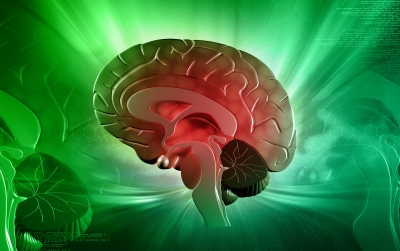
ID-100273701This blog gives a general understanding of cognitive health and outlines options for improving yours.

Fats

Good fats are essential to our brain health and function. A fatty brain is a healthy brain: 60% of brain tissue is fat. Good fats literally allow us to embrace change.

One type of good fat is coconut oil: If you search for coconut oil + brain fog on the internet you will find pages and pages of anecdotal evidence to suggest coconut oil can help lift brain fog and make the brain sharper, improving memory.

Coconut oil is a medium chain fat which means the body can use this type of fat as energy – another great fuel for our brains. It does this by converting into ketones which are used as a source of fuel for the body. Apparently brain cells function with far greater efficiency when they are utilizing fat (ketones) as a fuel source as opposed to sugar.

Pumpkin seed, hemp, flax, avocado and evening primrose oils are all other examples of good fats and these can be found in Beauty Oil.  They provide the essential nutrition that our skin and bodily tissue needs to renew, maintain and repair. This Beauty Oil contains nourishing omega fatty acids, essential nutrients and anti-oxidants that the skin needs to replenish itself.

Omega-3 fatty acids are often lacking in Western diets. They play a vital role in maintaining flexible and well-hydrated cell membranes, allowing for the efficient passage of water and nutrients. The best forms of Omega-3 for the body to utilise come from fish oils, and this has become a concern for many due to the increased ocean pollution. However fish oils from WHC use fish oil from smaller fish species where pollution is a lesser concern, and where processing techniques ensure an extremely clean fish oil. Optimum levels of omega-3s in the body will aid hydration at a cellular level. This is vital for a healthy blood pressure, energy levels and immunity. Adequate levels of omega-3 have also been recommended for weight management. WHC fish oils have been ranked #1 by Labdoor, and hold 5 star ratings from the International Fish Oil Standards (IFSO) program.

Reflexology

Encourage healthy brain function and balance through reflexology. This is a two-fold approach. The reflex point for the brain is on both the big toes (and thumbs). As a therapist I always dedicate attention to this area during every treatment along with the spinal chord (Central Nervous System). However the second approach to improved brain function via reflexology is the physical act of touching the feet: the sensory rich plantar area of the foot is going to stimulate and increase neurological messages from here all the way up to the brain. Think about how many messages this will create during a 50 minute reflexology treatment and you can see how the opening up of those potentially dormant neurological pathways can be so beneficial to our health.

Supplements

Other key ingredients are also fascinating to learn about when it comes to brain and cognitive health:

  • L-Glutamine. This is brain fuel. It is the only compound other than sugar that can be used by the brain for energy. It can easily cross the blood-brain barrier.
  • Choline. Aids nerve transmission by supporting myelin production. Myelin is the fatty nerve insulation that facilitates the transmission of nerve impulses. It is attacked via an auto-immune response in MS sufferers.
  • Green Tea. Contains L-theanine which helps us to keep calm, yet focussed. For example, when we meditate.
  • Ginko biloba. This is a herb from the Biloba tree. Suggested that it improves memory. Used to treat dementia. Antioxidant.

Antioxidants

What do we know about these?

Your brain uses roughly 20% of the oxygen you breathe in, so its cells are particularly susceptible to oxidative damage, known as free radical damage.

Free radicals trigger brain inflammation which contributes to ADHD, brain fog, anxiety and memory loss as well as serious neurological disorders such as stroke and Alzheimer’s.

Eat lots of organic fruit and vegetables. Berries are a Number One brain food because they are super antioxidant and also their compounds have been linked to improvements in many cognitive skills including memory, learning, reasoning skills, decision making, verbal comprehension and number capability.

Links provided are carefully selected affiliates.

Image courtesy of dream designs at FreeDigitalPhotos.net

Jackie Marsden MAR is a qualified Reflexologist and Clinical Acupuncturist. She is a promoter of healthy living and an independent consultant (Group Leader) for Neal’s Yard Remedies Organic. Jackie leads and mentors a growing team of consultants (many of whom are therapists integrating organic products into their existing businesses) via the NYRO social selling channel, holding regular team meetings, one-to-one coaching via phone and facetime, and a closed facebook group. All views are my own.

Growyourbusiness

[Yoga Series #4] Essential Oils for Yoga

I’m not a big fan of incense. I don’t like the burning or the smell. Its just my personal preference. Of course if I’m practising yoga as part of a class then I don’t complain; I’m not that adverse to it. However when I’m at home during my self-practise I prefer to diffuse essential oils.

ID-100120457Using a diffuser, the essential oils are diffused into the yoga practice space to create an inspiring and motivating mood and to enhance breathing.

The successful practice of yoga requires some motivation and dedication.  Yoga is a journey to a balanced body that is properly aligned with mind and spirit (yoga means union). Incorporating the intensely therapeutic properties of essential oils into the practice can help for a fulfilling journey. The following essential oils and benefits can help make yoga practice a much more unifying experience of body, mind and spiritual well-being. [1]

Vetiver, ginger and patchouli will be grounding and earth-connecting, while sandalwood and cedarwood are stabilizing, strengthening and centring. All of these essential oils will help with balance and stability in the yoga poses. A great blend for this is the Aromatherapy Blend – Vitality.  Energising ginger and clove help a depleted system recuperate, giving you essential support and vitality when you need it most. A pure essential oil blend which brings renewed vigour for life.

Myrrh, frankincense, eucalyptus and rosemary encourage the flow of energy and self-expression while helping you achieve steady, deep inhalations and exhalations. As I explained in my previous blog, the breathing process is hugely important to successful yoga practice in order to support the spine during the poses. [1]

Frankincense and Myrrh aromas have been used throughout time as aids for spiritual transcendence and peace, to manifest Heaven on Earth.  Frankincense is an excellent oil for yoga as it is fantastic for the respiratory and nervous systems. [3]

Myrrh is known to unite Heaven and Earth in a person, the spiritual with the physical. It is aromatherapy for manifestation of the spiritual in oneself.  Like with Frankincense, Myrrh works therapeutically on the nervous system, to calm the mind and instil tranquillity. It is an aroma to bring peace and inner stillness. Also like Frankincense it is also a very earthy aroma. Both Frankincense and Myrrh are ideal in supporting the philosophy of yoga! [3]

Lavender, geranium and chamomile are calming and relaxing. Try the Aromatherapy Blend – Women’s Balance, especially good for balancing our emotions relating to our female cycles.

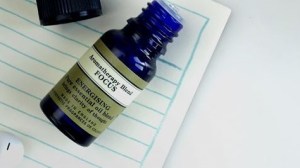
FocusBergamot, lemon and orange are all citrus oils and can provide an uplifting and energising sense to the practice. Try the Aromatherapy Blend – Focus to help you take your mind into the body for those more challenging poses, focus on your breathing and even help you onto the mat in the first place (I know I sometimes need some encouragement!)

Neroli and ylang ylang promote transcendence and spiritual expression. Try the Aromatherapy Blend De-Stress to transport you to a place of tranquillity. This one is a favourite of mine for yoga, as it smells very earthy and deep.

[1] https://www.auracacia.com/community/be-inspired/how-to-use-essential-oils-in-your-yoga-practice

[2] http://www.yogabasics.com/connect/yoga-blog/using-essential-oils-in-your-yoga-practice/

[3] http://www.care2.com/greenliving/frankincense-and-myrrh.html

Image courtesy of Worakit Sirijinda at FreeDigitalPhotos.net

Jackie Marsden MAR is a qualified reflexologist, promoter of healthy living and independent consultant (Team Leader) for Neal’s Yard Remedies Organic. Jackie leads and mentors a growing team of consultants (many of whom are therapists integrating organic products into their existing businesses) via the NYRO social selling channel, holding regular team meetings, one-to-one coaching via phone and facetime, and a closed facebook group. All views are my own.

Growyourbusiness

Do you suffer from the Winter Blues?

I always feel a little sad during August. Towards the end of this month the long summer days are noticeably getting shorter and the summer holidays are drawing to a close. Businesses and shops are no longer focusing on summer products and are now looking at autumn/winter collections.

Inevitably, the autumn and winter will be soon upon us. Are you one to suffer with the winter blues? Some people suffer with Seasonal Affective Disorder (SAD), which although the actual cause is still unknown, it is thought to be a depression brought on with the shorter days, lack of daylight and darker mornings. Symptoms include low mood and lack of interest in life (1).

Lack of sunlight is suggested to cause an upset in the balance of the endocrine glands situated in the brain, and thus the production of the hormones serotonin and melatonin. Serotonin is known to influence mood, social behaviour, sleep and memory, whereas melatonin is connected to the body’s natural circadian rhythm (natural body clock), sensing the onset of darkness/night time and thus makes us sleepy at the right time.(2)

Reflexology would aim to help improve the symptoms of SAD, with a treatment plan focusing on the endocrine, digestive and nervous systems (note that serotonin is also produced in the intestines). A course of treatments would endeavour to rebalance the body, asking the body to ignite its self-healing processes, and thus improve mood and feelings of lackluster.

Essential oils can be of great help during this time. Uplifting citrus oils can be particularly beneficial particularly Bergamot. Diffuse a few drops in a bowl of hot water into the room you are going to be in and close the door. Alternatively invest in an electric aromatherapy diffuser.

Other things you can do at home would be to ground yourself and recharge your body with negative ions by walking or standing barefoot in the garden or in the local park for a few minutes every day. Reconnecting with nature, either walking near trees or next to water, on the beach or beside a lake can also uplift the spirits and fill you up with negative ions, which are so powerful in making us feel good, giving us more energy, better sleep and generally feeling part of the world again.

(1) http://www.nhs.uk/conditions/Seasonal-affective-disorder/Pages/Introduction.aspx

(2) Ross and Wilson Anatomy and Physiology in Health and Illness 12th Edition

Jackie Marsden MAR is a qualified Reflexologist and an independent consultant for Neal’s Yard Remedies Organic. All views are my own.

independent-consultant-long-logo
Growyourbusiness