What is the difference between regular acupuncture and fertility acupuncture?

Fertility acupuncture is very similar to regular acupuncture in that it will still try to address common issues such as pain, digestive issues, headaches, hormonal imbalances etc. as part of the wider picture of a fertility patient. However it focuses a lot on reproductive health and treating the meridians that target this area of health. Common points are found on the wrists, ankles, feet, lower legs, abdomen and lower back.

Fertility acupuncture aims for the optimal internal environment for each particular patient. This means that it’s not a generic set of acupuncture points for everyone; each patient is treated as an individual. There is no one size fits all in any aspect of health.
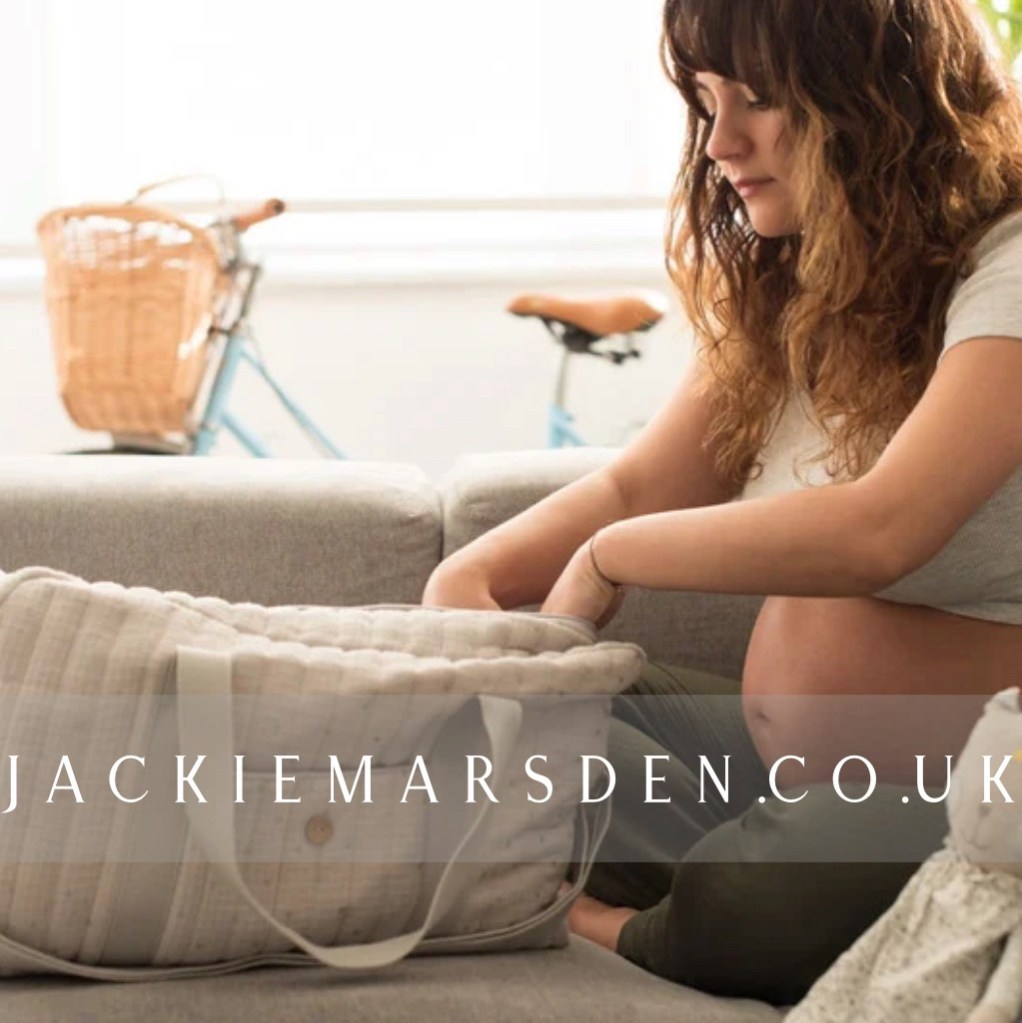
Happy pregnant woman preparing for her baby.

Fertility acupuncture tends to prioritise regulating the menstrual cycle, increasing blood flow to the ovaries and uterus, and regulating sperm health for the men. Stress management and building resilience to stress is also key when trying to conceive. This is something that is always prioritised in clinic.

When coming for fertility acupuncture it’s advisable to plan to come weekly for 3 months as this is the length of time it takes for an egg to be recruited, matured and finally ovulated. What we do now has an effect on those eggs ovulating (or collected via IVF) three months down the line.

During those 3 months we treat through the menstrual cycle, meaning that when you’re bleeding the focus is on good blood flow and emotional support as a period means no pregnancy. During the follicular phase the focus is on follicular development so good blood flow to the ovaries and uterine lining.

Fertility acupuncture works with each phase of assisted reproductive techniques such as IVF/ICSI to really enhance your response to the treatment you’re having, and manage the side effects of the medication.

When you work with a fertility acupuncturist, you gain insights and education from someone who has a regular practice in this area of health; someone who understands the process and what is involved. It’s not just needles; it’s fully rounded support.

If you would like to discuss your situation with me or would like to book in with the clinic in Warton, near Preston, Lancashire, please get in touch. Please read some of the success stories from the clinic here.

IVF Acupuncture – Does it Work?

IVF acupuncture is acupuncture to support you through the IVF process.

Artistic interpretation of ovaries, uterus, cervix and vagina.

Ideally you will work with me for 3 months before your IVF treatment begins so that you are fully prepared for success.

Many clients come to me after they have had an unsuccessful first round. We look at the unsuccessful cycle and review what happened, and reflect upon what can be done differently next time.

It is such an emotionally challenging and stressful time for couples; having independent support is invaluable. It’s not simply needles; it is having someone to talk to and knowing someone has your back throughout the journey.

Acupuncture points are often chosen on the lower leg, ankles and feet, wrists and abdomen. But everyone is individual and points are chosen based on your particular pattern.

Acupuncture is powerful after egg collection to help your body heal from this procedure quickly so that you are ready and energised for the embryo transfer around 5 days later.

Getting 1-2 acupuncture treatments in after egg collection, and then one before embryo transfer can be really helpful.

A “baby bank” with details of couples who have trusted in me to support them through their fertility journeys is forthcoming. I am also preparing an e-book to help you set good foundations for your fertility journey.

How can I increase my chances of getting pregnant?

If you are reading this then chances are you are trying to conceive, and perhaps you have been trying for a while now and each month is a roller coasting of emotions ranging from the highs of hopeful to the lows of that one line showing on the stick.

Woman crying, holding a negative pregnancy test.

One of the best things you can do is to take yourself off this roller coaster for at least 3-6 months. Stop “trying” and start focusing on collecting data, improving your lifestyle and nutritional choices.

Start tracking your cycle using a very basic thermometer to take your basal body temperature, and a paper chart. Mark down where your temperature is each morning before you get out of bed, and on which day of your cycle. Take note of your menstrual blood, spotting, discharge. Collecting this data for around 3 cycles can start to present patterns and markers that might indicate what is happening within your body and your cycle. Bring this with you if you decide to book in for acupuncture.

Get your bloods checked including a full hormone and thyroid panel. Get copies of these results and again bring them with you if you decide to come into clinic for acupuncture.

Really take a deep dive into your lifestyle; write down when you go to sleep, when you wake up, what you eat for each meal, whether you often get aches and pains. What exercise do you take, and what about your partner/husband? How much water do you both drink? Are you both eating a lot of processed foods? Do you use a lot of plastic?

Don’t go on this journey alone. Find a qualified practitioner to help you along the way. My fertility clients come in for weekly acupuncture where we look at everything in your life in detail and work out a plan of action to prepare you as a couple for conception, whether that is natural or IVF.

My clinic is based on the Fylde PR4. Contact me for a chat.

Feel at the endo’ your rope with Endometriosis?

Woman experiencing menstrual cramping and heavy bleeding due to endometriosis.

Endometriosis is a condition where the cells of the endometrium (the uterine lining) are laid down outside of the uterus, usually within the pelvic cavity but sometimes also further afield, like in the nostril for example.

Often endometriosis is found on the ovaries, fallopian tubes, or even the bladder and bowel.

When menses occurs, the endometriosis tissue bleeds too. This means that menstrual blood is flowing into areas where it shouldn’t. The body’s immune system will kick in, and attack the endometriosis tissue, creating high levels of inflammation and pain.

Other symptoms might include pain while emptying bladder, during bowel movements, and during or after intimacy. IBS symptoms may also be present; diarrhoea or constipation.

Often endometriosis takes a long time to diagnose, because it really can only be seen via laparoscopy or MRI, although sometimes it can be detected via ultrasound. Initially pain and IBS symptoms will be dealt with via pain killers, and heavy periods are often managed via the oral contraceptive pill. Although these firefighting methods might help, they don’t get to the root of the issue.

High levels of inflammation can cause all sorts of havoc within the body. A disordered immune system will have an impact on thyroid, joints, musculo-skeletal health, intestinal and bowel health, sexual health and mental wellbeing. Higher levels of the wrong type of bacteria can be prolific within the microbiome. Oestrogen dominance can also prevail.

What are the answers?

If you suspect you have endometriosis its imperative that your symptoms are investigated further.

Anything you can do to modulate your immune system will help. Eating an anti-inflammatory diet and removing known stimulants and food triggers is important. Seek help from an Acupuncturist specialising in fertility or women’s health, or a reflexologist specialising in Reflexology Lymph Drainage.

If you are experiencing problems and would like to book in with me please get in touch.

Understanding AMH

AMH blood test.

If you are trying to conceive and gone down the “infertility road” a little way, then you may well have had your AMH levels checked. Many will call this your “ovarian reserve”, but as we explore further, it really isn’t that simple.

AMH stands for Anti-Mullerian Hormone. This hormone is produced by the granulosa cells, which are specific cells within a developing follicle.

Follicles take around 100 days to develop, and this must happen at a nice slow pace in order to reach ovulation. AMH is produced to prevent these delicate “pre-antral” follicles from being stimulated by Follicle Stimulating Hormone (FSH) too early. [Pre-antral means they they have left the “storage cupboard” but are now at the stage before they reach the final menstrual month where they will be competing for ovulation.]

The larger the follicles get, the more AMH they produce, until they are ready to be stimulated by FSH within the menstrual month.

Therefore, AMH levels can be used as an indicator of the number of antral or developing follicles you might have. However, this is not as simple as it sounds. It is not an indicator of dormant eggs you still have in “storage” i.e. total ovarian reserve.

In theory, if your AMH is low, this could mean that you don’t have many antral follicles coming up along the “production line”, and thus not producing as much AMH, but those that you do have could be a good size and of good quality. In contrast, you might have lots of antral follicles but not of a good size and not developing particularly well, and thus not producing much AMH.

So really, AMH is not a good indicator for determining your complete ovarian reserve. What it is useful for is for IVF clinics to gauge an idea of how many follicles they might be able to work with during an IVF cycle. But without considering other factors, a fully rounded picture cannot be seen.

Other factors to consider

Age is the main factor when looking at fertility. There will be a slow and natural decrease in AMH as we get older.

If you are a younger woman with low AMH for your age group, there are other factors to consider including vitamin and mineral deficiencies, blood flow to the pelvis, inflammation and autoimmune responses, contraceptive drugs, smoking/vaping, sleep quality, stress, infections. All of these factors can have a significant impact on the ovarian environment, and with improvements in place, AMH can rise.

My advice would be not to get fixated on AMH levels, and certainly do not look at them in isolation. Take a good look at both your own and your partner’s overall health and lifestyle, get support from an holistic practitioner. Take time to make improvements to your diet and lifestyle (remember the 100 days) to do everything in your power to improve that internal environment within which eggs are recruited and developed, within which sperm are created, and the uterine terrain in which they come together to create new life.

Other useful information

Listen to this episode of Hannah Pearn’s podcast, talking about Low AMH and what it really means for your fertility

This is a great E-book if you want to know the answers to all the burning questions you have about low AMH: https://www.explaininginfertility.com/courses/LowAMH-ebook

This was a large study which measured AMH levels in a group of 1015 women who had no known fertility issues and who all had a proven level of fertility (conceived a child within 12 months of trying and carried to full term). Almost without exception, this presented those with low AMH were more likely to conceive. Thus, this research shows that it is possible to be naturally fertile with low AMH. https://pubmed.ncbi.nlm.nih.gov/24716733/