In Traditional Chinese Medicine (TCM), the vitality of life is held in the Ming Men, the Gate of Life. This is an acupuncture point located on the lower back, roughly opposite – and at the same level as – the navel, in the area of the Dan Tien (the body’s energy centre). It sits between the Kidneys and, from a TCM perspective, draws on Kidney Yin and Yang to distribute balanced Qi throughout the body.
When the Ming Men is strong, Fire arises, and vitality flourishes. This shows up as good energy levels, healthy circulation, strong libido, good fertility, a calm mind, and a regular, robust digestive system. This is because Fire is needed to warm and activate the digestive organs.
When the Ming Men is weak, this may lead to fatigue, poor digestion with loose stools, anxiety, low libido, infertility, and back problems. It often creates an overall sense of deficiency – feeling under par or depleted.
Night sweats and hot flushes are signs that Ming Men Fire is fluctuating, flaring up and then dropping down rather than maintaining a stable, balanced heat.
Ming Men Fire drives Blood circulation, supports the Heart, and in TCM the Heart houses the Mind (Shen). This means the Ming Men provides not only physical vitality but also mental and emotional vitality. And because mental and emotional resilience are deeply connected to physical health, supporting the Ming Men offers a truly holistic approach to wellbeing.
How to support your Ming Men?
Breathwork, focusing on gently drawing the navel toward the spine
Acupressure or massage to the lower back
Keeping the lower back warm to nourish and protect the Ming Men
And of course, regular acupuncture sessions
Keep your fire burning bright with me at Elder Cottage Clinic, Warton PR4 and book in for acupuncture today.
When you are trying to conceive, it is natural to focus on diet, supplements and lifestyle. You might start tracking your cycle, supporting your hormones, or eating more nourishing, fertility-friendly foods. But one area that is often overlooked is the everyday products we apply to our skin, hair and body.
We are usually careful about what we eat, but do we pay the same attention to what we put on our skin? The skin is permeable and many ingredients in personal care products are absorbed into the bloodstream. This becomes particularly relevant in the preconception phase, when you are working to create the healthiest possible internal environment for pregnancy.
The Problem with Petrochemicals
A large number of mainstream skincare, body care and cosmetic products are based on petrochemicals. These are substances derived from petroleum and crude oil. They may be used to preserve products, make them feel silky, create foam or fragrance, or simply to bulk them out because they are cheap and widely available.
Petrochemicals can burden the liver and disrupt the endocrine system. Some are known or suspected endocrine-disrupting chemicals, which means they can interfere with your hormones. This is especially important during the delicate process of trying to conceive, when hormonal balance is essential for ovulation, implantation and embryo development.
Petrochemical-Derived Ingredients to Avoid
Here are some common ingredients that may appear in your skincare products, all of which are derived from petrochemicals and can impact fertility:
Paraffinum liquidum (mineral oil) Often used in moisturisers, this is a by-product of petroleum refining. It forms a film on the skin that may block pores and inhibit natural detoxification.
Propylene glycol Common in creams and serums to help retain moisture, but it can irritate the skin and increase the penetration of other chemicals.
Parabens (methylparaben, propylparaben, butylparaben) Used as preservatives, they mimic oestrogen in the body and are linked to hormonal disruption.
Phthalates Often hidden under the word “fragrance” or “parfum,” these are plasticisers that can disrupt reproductive hormones and have been associated with reduced fertility.
Sodium lauryl sulphate (SLS) and sodium laureth sulphate (SLES) These are foaming agents that can irritate the skin and are often contaminated with by-products of the petrochemical industry.
Synthetic fragrance or parfum A single artificial fragrance can contain dozens of undisclosed chemicals, many of which are derived from crude oil and may disrupt hormones or sensitise the skin.
The Preconception Window is Precious
In the months leading up to conception, your body is preparing in subtle but powerful ways. Detoxification, hormonal signalling, egg and sperm quality, and the uterine environment are all influenced by your internal balance. Reducing your toxic load by avoiding petrochemicals is a simple but significant step that supports these natural processes.
Nourish Yourself Naturally
Choosing natural personal care products is an act of self-love. Look for certified organic or naturally formulated options that are free from petroleum-derived ingredients, artificial fragrance and synthetic preservatives.
Brands such as Neal’s Yard Remedies focus on high-quality botanical ingredients that support rather than suppress your body’s natural rhythms. Begin with the products you use most often, such as body lotion, deodorant and facial care. These small shifts create long-term benefits, not only for fertility but for overall well-being.
Conclusion
Trying to conceive is a time to simplify, nourish and connect more deeply with yourself. By making thoughtful changes to the products you use every day, you support your body in doing what it was made to do. Natural personal care is not about being perfect. It is about creating space for your hormones to settle, your liver to work freely, and your skin to breathe.
You deserve to feel safe, supported and ready. Let nature take care of you, so you can take care of what matters most.
Fertility acupuncture is very similar to regular acupuncture in that it will still try to address common issues such as pain, digestive issues, headaches, hormonal imbalances etc. as part of the wider picture of a fertility patient. However it focuses a lot on reproductive health and treating the meridians that target this area of health. Common points are found on the wrists, ankles, feet, lower legs, abdomen and lower back.
Fertility acupuncture aims for the optimal internal environment for each particular patient. This means that it’s not a generic set of acupuncture points for everyone; each patient is treated as an individual. There is no one size fits all in any aspect of health.
Fertility acupuncture tends to prioritise regulating the menstrual cycle, increasing blood flow to the ovaries and uterus, and regulating sperm health for the men. Stress management and building resilience to stress is also key when trying to conceive. This is something that is always prioritised in clinic.
When coming for fertility acupuncture it’s advisable to plan to come weekly for 3 months as this is the length of time it takes for an egg to be recruited, matured and finally ovulated. What we do now has an effect on those eggs ovulating (or collected via IVF) three months down the line.
During those 3 months we treat through the menstrual cycle, meaning that when you’re bleeding the focus is on good blood flow and emotional support as a period means no pregnancy. During the follicular phase the focus is on follicular development so good blood flow to the ovaries and uterine lining.
Fertility acupuncture works with each phase of assisted reproductive techniques such as IVF/ICSI to really enhance your response to the treatment you’re having, and manage the side effects of the medication.
When you work with a fertility acupuncturist, you gain insights and education from someone who has a regular practice in this area of health; someone who understands the process and what is involved. It’s not just needles; it’s fully rounded support.
If you would like to discuss your situation with me or would like to book in with the clinic in Warton, near Preston, Lancashire, please get in touch. Please read some of the success stories from the clinic here.
Ear seeding and ear acupuncture (or auricular therapy) is growing in popularity, but this is an ancient concept with its roots as far back as ancient Egypt, Greece and Persia. Ear acupuncture is an adjunctive technique which is useful in clinic to support fertility clients.
This post will go over some key ear acupuncture points I regularly use to support my fertility clients in addition to their body acupuncture prescriptions. I use ear acupuncture to reinforce the main treatment I give on the body. Other practitioners may use it as a stand alone treatment, and this is also appropriate.
Zigong (1)
In Chinese Medicine Zigong also means Uterus, or “Palace of the Child”. This point is found just on the edge of the small crater-like structure in the top of the ear called the triangula fossa.
ShenMen (2)
ShenMen means “Spirit Gate” and is useful to promote a sense of calm. Particularly useful when stress is prominent. This point is similar to the body point Heart 7: in Chinese Medicine the Heart houses the Mind, and also governs Blood. So you can see why this point is particularly useful in fertility support.
Kidney (3), Liver (4), Spleen (5)
These points help reinforce the main treatment protocol. In Chinese Medicine, the Kidneys are known as the “Root of Life”, storing Essence and governing birth, growth, reproduction and development; the Liver stores Blood and promotes the smooth flow of Qi; the Spleen governs transformation and transportation (e.g. digestion) and controls Blood.
Endocrine (6)
The Endocrine point is used with the intention of regulating the endocrine system. So useful for balancing hormones. It is found at the meeting point of the ear folds.
Sympathetic Nerve (7)
The Sympathetic Nerve point is used to help regulate the sympathetic nervous system which is part of the autonomous nervous system and prepares the body for “fight or flight”. It is the body’s stress response; the body’s way of keeping us safe and away from danger. This point, therefore, is useful to help combat stress and to promote sense of calm. It is also useful where immune system modulation might be needed, and in the presence of inflammation. The sympathetic and parasympathetic branches of the autonomous nervous system work in a “see-saw” way, and its about getting that balance right to promote overall health and to boost chances of conception and ongoing pregnancy.
Ear acupuncture targets specific points linked to fertility, helping to balance hormones and improve well-being.
If you are trying to conceive, or preparing for IVF, feel lost or unsupported, please get in touch. If you are wanting private blood tests please contact The Diabetes Lady, Maureen Chadwick on 07706 353127.
Often the first round of IVF is used as a diagnostic. This means that the clinic will use a first round to assess where particular issues might be.
For example, if the embryos are failing at day 3 then this can tell us that there is a problem with the health of the sperm.
Another example would be if the embryos are graded well but there is still no pregnancy then this could potentially mean there is an issue with the uterus, lining or progesterone receptivity.
Depending on where the procedure failed can give clues as to what is creating the unexplained infertility picture.
Unfortunately this first round is not something that should be taken lightly. Often it is a huge financial investment, not to mention the physical demands on the body, as well as the mental and emotional strain the process has on a couple.
When I work with clients I try to allow us at least 12 weeks to prepare for the next round of IVF. I take a very well-rounded consultation and full health intake to make sure we can drill down to where potential problems are sitting, and then increase the chances of a successful outcome.
Unfortunately I have seen scenarios where, had the couple not come for acupuncture, could have been a very different outcome. For example a couple who had all embryos fail at day 3 were told they needed donor eggs. No mention of improving the health of the sperm, which can be so easy to do with lifestyle and nutritional changes. Luckily this couple worked with me for 3 months and had a successful second cycle with their own eggs, and are now proud parents of a baby boy.
I’ve also seen clinics attempt a second cycle without really looking at the first one in detail. For example one client approached me after a failed fresh cycle. It was clear that there were microbiome issues and also a potential progesterone receptivity issue that we pushed to be checked during the second cycle, and the transfer was consequently halted due to low progesterone. Once we had this confirmed, a third cycle was successful after careful adjustment and monitoring of progesterone medication.
My training and continued learning and development gives me the tools to ask the right questions and see the infertility picture through a different lens. With access to the understanding of Chinese Medicine we can often see where problems lie early on.
If you are trying to conceive and need help, support or advice please get in touch.
IVF acupuncture is acupuncture to support you through the IVF process.
Ideally you will work with me for 3 months before your IVF treatment begins so that you are fully prepared for success.
Many clients come to me after they have had an unsuccessful first round. We look at the unsuccessful cycle and review what happened, and reflect upon what can be done differently next time.
It is such an emotionally challenging and stressful time for couples; having independent support is invaluable. It’s not simply needles; it is having someone to talk to and knowing someone has your back throughout the journey.
Acupuncture points are often chosen on the lower leg, ankles and feet, wrists and abdomen. But everyone is individual and points are chosen based on your particular pattern.
Acupuncture is powerful after egg collection to help your body heal from this procedure quickly so that you are ready and energised for the embryo transfer around 5 days later.
Getting 1-2 acupuncture treatments in after egg collection, and then one before embryo transfer can be really helpful.
A “baby bank” with details of couples who have trusted in me to support them through their fertility journeys is forthcoming. I am also preparing an e-book to help you set good foundations for your fertility journey.
IVF is a process which shouldn’t be taken lightly. It is hard on couples from all angles; emotionally, mentally and physically.
The drugs used are heavy duty; creating all sorts of side effects and mood swings. The process involves physical incisions through the vaginal wall and on the ovaries – multiple cuts in fact – depending on how many follicles you have. A lot of energy is required for your body to heal. You will also be sedated and this can take time to recover from.
Then there is the agonizing wait to see if any eggs fertilized, and how well they develop to day 5 where you will then have another procedure to transfer the embryo into your womb. And the 2 week wait begins, alongside more drugs.
It is an emotional roller coaster and exhausting; taxing mentally and physically with trips in and out of the clinic for tests and scans.
For such a consuming process, wouldn’t you want to prepare the best that you can to maximise your chances of success? Its not something you should walk into without first fully investigating what the problems are with your inability to conceive naturally, and to really prepare your body and the environment within which your eggs are recruited and collected, and then transferred back for implantation and ongoing pregnancy.
Preparation is key when it comes to IVF success. Don’t allow a fertility clinic to use your first round as a diagnostic; that’s way too expensive both financially and for your health and overall wellbeing.
Find someone to help you through the process and work with a specialist who can take a deep dive into your lifestyle and nutrition, and offer you acupuncture as part of your preparation program.
Contact me for an initial chat and start your preconception journey with me today.
If you are reading this then chances are you are trying to conceive, and perhaps you have been trying for a while now and each month is a roller coasting of emotions ranging from the highs of hopeful to the lows of that one line showing on the stick.
One of the best things you can do is to take yourself off this roller coaster for at least 3-6 months. Stop “trying” and start focusing on collecting data, improving your lifestyle and nutritional choices.
Start tracking your cycle using a very basic thermometer to take your basal body temperature, and a paper chart. Mark down where your temperature is each morning before you get out of bed, and on which day of your cycle. Take note of your menstrual blood, spotting, discharge. Collecting this data for around 3 cycles can start to present patterns and markers that might indicate what is happening within your body and your cycle. Bring this with you if you decide to book in for acupuncture.
Get your bloods checked including a full hormone and thyroid panel. Get copies of these results and again bring them with you if you decide to come into clinic for acupuncture.
Really take a deep dive into your lifestyle; write down when you go to sleep, when you wake up, what you eat for each meal, whether you often get aches and pains. What exercise do you take, and what about your partner/husband? How much water do you both drink? Are you both eating a lot of processed foods? Do you use a lot of plastic?
Don’t go on this journey alone. Find a qualified practitioner to help you along the way. My fertility clients come in for weekly acupuncture where we look at everything in your life in detail and work out a plan of action to prepare you as a couple for conception, whether that is natural or IVF.
My clinic is based on the Fylde PR4. Contact me for a chat.
Acupuncture is very much worth it as part of your overall plan in preparing for conception.
It is well documented that it takes around 100 days/3 months, or 3 cycles, for an egg to be recruited and matured ready for ovulation, and similarly for a full sperm regeneration cycle to complete.
It is hugely important to give yourself time to prepare and improve your overall health and wellness, lifestyle, diet and nutritional aspects before conceiving, whether you plan to do this naturally or via IVF. If the raw materials are not in the best condition possible, then you will not be maximizing your chances for a viable conception, implantation, and ongoing pregnancy and the health of the child.
As an acupuncturist I work closely with couples to look at where problems might be hiding. Sometimes a small imbalance can lead to issues when it comes to fertility. Working holistically, I take a full medical and lifestyle history from couples trying to conceive, then work out a specific and individualized acu-point prescription to help re-balance what I see happening in the body. I look at tongues, ears, feet and feel your abdomen. I ask a lot of questions about your menstrual cycle, menstrual blood and digestive health, as this can tell us as lot about what might be happening within the body.
Acupuncture is hugely effective when it comes to IVF. Particular points can help with innervation to the ovaries and uterus, boosting Blood and Qi, giving a good bump up to the follicles, helping with uterine lining, managing oestrogen levels and holding off OHSS, as well as calming the mind and supporting the couple. It is also excellent for expediting the recovery after egg collection, and preparing the uterus for transfer. Which points are used will be individual to your own picture.
In my own clinical experience, couples who have taken the appropriate time and care to prepare for their next IVF cycle get the best results; either falling pregnant naturally or having a successful IVF cycle.
If you would like to book a full consultation to discuss your own situation please contact me. Prices can be found here.
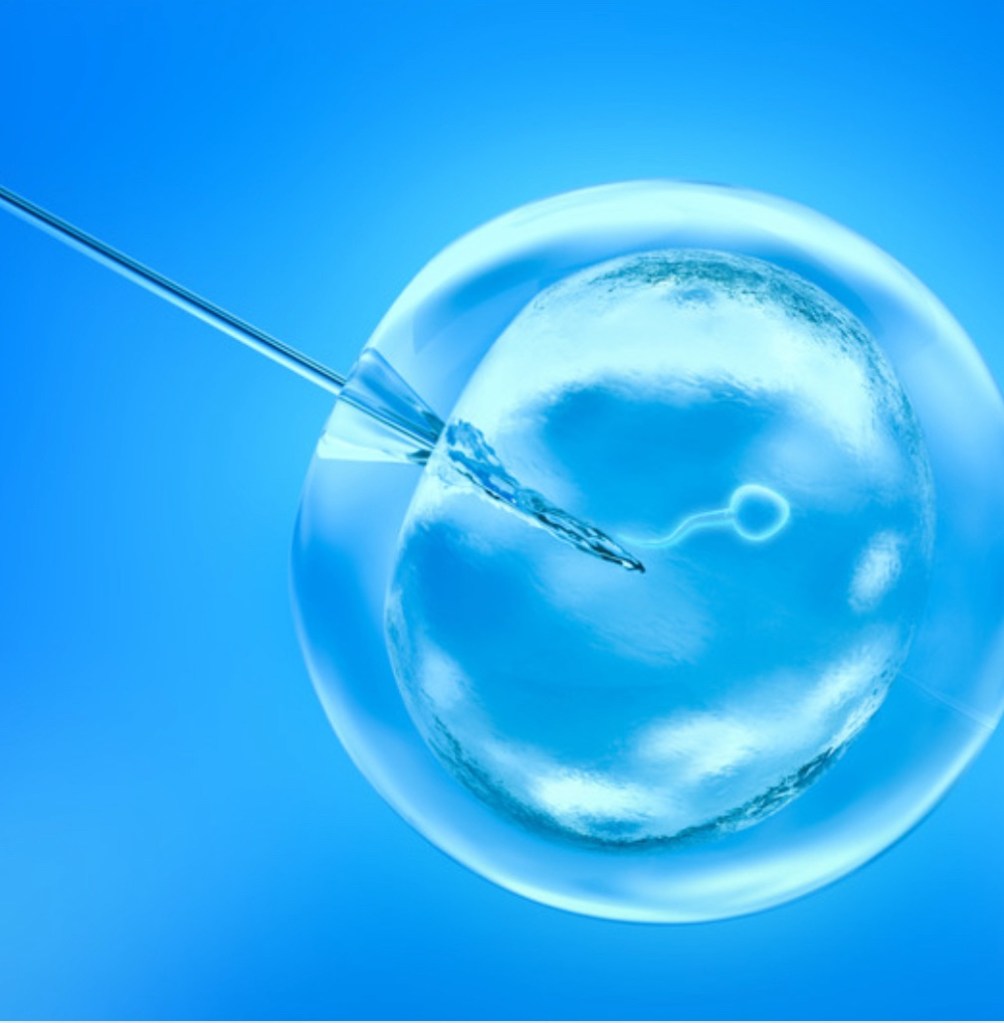
Since the advent of ICSI (Intracytoplasmic Sperm Injection) problems with male factor in infertility can be addressed and bypassed with this procedure. The ICSI procedure allows particular sperm to be selected for use and manually injected into the egg by the embryologist using a microscopic needle.
But does ICSI always give us the best outcomes?
If the quality of sperm is sub-optimal, the question one has to ask is what impact will this have on the ongoing pregnancy and health of the child going forward?
In Traditional Chinese Medicine (TCM) our Jing is the substance we inherit from our parents at the moment of conception. Our Jing fuels our growth and development not just through conception and prenatal growth, but all through our lives from infancy to puberty, adulthood and beyond. Jing dictates our constitution and vitality as we move and age through life.
So if we completely disregard the quality of the sperm in favour of the ICSI procedure, what impact will have on the health of the life created? If a sperm is unable to penetrate an egg on its own, what does that say about the underlying Qi of that sperm?
So although ISCI is a wonderful and exceptional advancement in fertility medicine and assisted reproductive techniques, I do believe it should be firmly balanced with other perspectives of male health and vitality.
Sperm are continually created within the body, so taking a break for around 3 months before the next round of IVF is an optimal amount of time to put lifestyle changes in place. Dietary, lifestyle and nutritional changes can have a huge impact on sperm quality.[1] Taking this time and making this effort to improve the underlying Qi and Jing that is passed onto the next generation is fundamentally important. Things to consider:
Stop smoking/vaping;
Reduced consumption of refined sugars, processed foods,
Reduced consumption of alcohol;
Increased consumption of a wide variety of vegetables and fruit;
Take regular exercise;
Increased water intake;
Reduce the use of plastics for cooking and water/food storage (switch to glass)
Supplement with a good quality preconception multivitamin to include zinc, selenium, omega 3 fatty acids, antioxidants;
Reduce stress (look at meditation, reflexology, acupuncture, spending time in nature);
Keep mobile phone away from body [2];
Ejaculate frequently [3].
Other options to explore before diving straight into IVF/ICSI:
Having a full examination to rule out varicocele, hydrocele and other physical abnormalities;
Bloods taken for a full hormone profile;
Checking the microbiome to rule out any infection which might be causing levels of damage to the sperm.
“Mounting evidence suggests that the gut microbiome plays a key role in normal spermatogenesis and can be negatively impacted by diet and environmental perturbations.” [3]
Of course, every couple is individual, and factors such as age, for example, will also determine your route to IVF and ICSI.
If you are looking for fertility support in Lancashire please get in touch.
If you would like support through your fertility/IVF/ICSI journey with acupuncture please get in touch.




 Elder Cottage Clinic, Warton, PR4