Reflexology for Band of Sisters

I spent the summer solstice, 21 June 2014, giving reflexology to a wonderful group of women who have a loved one with a career limiting /ending injury or illness attributable to service in the forces since 2001.

Help for Heroes Band of Brothers and Band of Sisters offer a listening ear, emotional support, and fellowship to our heroes and their families. Band of Brothers offer support for the wounded, and Band of Sisters offer support for the families.

I was privileged to be invited to participate in a pamper weekend for Help for Heroes Band of Sisters members on a respite break at the new Phoenix House Recovery Centre in Catterick Garrison. Members enjoyed a well-deserved time out, with the opportunity to bond, form new friendships and have a break from pressures at home.  Meeting other women in the same situation can make a huge difference: realising that they are not alone can be a huge relief.

Therapies on offer were full body massage, Indian head massage and reflexology. Reflexology proved hugely popular and my slots filled up the fastest! Every client of the day relaxed deeply into their treatments, closing their eyes and snuggling under the blanket, while I sensitively worked away at their feet. Before beginning the day, I checked that none of the ladies were allergic or hypersensitive to anything, and then I put a drop of balancing geranium and a drop of calming lavender into a small bowl of hot water and allowed it to diffuse through my therapy room. With the lights dimmed and my Relaxator chair at the ready, comfort and luxury awaited the Band of Sisters members! Afterwards I gave them each some Neal’s Yard sample sachets to take away so they could give themselves a mini-facial.

20140620_Pamper 505Alongside the complementary therapies on offer, the members could also participate in other interesting activities such as cup cake decorating, jewellery making, NIA[1] and pilates, or just choose to relax and unwind as they wished.

The summer solstice is a highly spiritual time for some, described in many ancient texts as the time of enlightenment: the return of the individual into the divine source. It feels apt that I was called to give my therapy to these women on this particular day; the act of healing is not just about one individual giving to another, but on a more spiritual level it is also the becoming of one: joining, energy and flow.

[1] NIA – Neuromuscular Integrative Action. A blend of yoga, martial arts, and dance, is one of the latest trends in mind-body fitness fusion.

Jackie Marsden MAR is a qualified reflexologist and independent consultant (Team Leader) for Neal’s Yard Remedies Organic. Jackie leads and mentors a growing team of consultants (many of whom are therapists integrating organic products into their existing businesses) via the NYRO social selling channel, holding regular team meetings, one-to-one coaching via phone and facetime, and a closed facebook group. All views are my own.


independent-consultant-long-logoGrowyourbusiness

unnamed2mooncup_banner

What is Reflexology?

I recently participated in a pamper evening, and it surprised me that many did not know what reflexology was! I don’t remember a time when I have ever not known what reflexology is, which upon reflection, says an awful lot! So here is a brief guide to what reflexology is, where it came from and what it aims to achieve.

Reflexology – What is it?

Reflexology is a “hand’s on” treatment which is applied to the feet (or hands) but its philosophy is to treat the whole body i.e. it takes a holistic approach to healing. It is based on the idea that the feet are mini-maps of the body, and by applying pressure techniques to particular reflex areas on the feet will have a stimulating effect elsewhere in the body.

It is a fact that there are over 7000 nerve endings in each foot, so by therapeutically stimulating these nerve endings will achieve a deep sense of relaxation. It is estimated that 75% of disease is stress-related, so regular relaxation is highly recommended.

Overall, through tension-relieving and energy releasing, a reflexology treatment aims to promote the body’s self-healing abilities.

BKPA2080d

Where did it originate?

Reflexology has been known to man for thousands of years, practised by the early Indians, Chinese and Egyptians. However, reflexology as we know it today has its origins in America with an Ear, Nose and Throat specialist Dr William Fitzgerald, who founded “Zone Therapy” in the early 1900s. He discovered that certain areas, when applied with pressure, relieved pain and created numbness, but also when the pressure was removed, the cause of the pain was largely reduced too. Once these areas had been mapped they were known as “zones”. Dr Fitzgerald’s physiotherapist, Eunice Ingham, took great interest and became a pioneer in Zone Therapy throughout the USA. Ingham then devised a map of the body within the feet and the hands, developing and evolving “Zone Therapy” into “Reflexology”. Dawn Bayly brought Reflexology to the UK in 1966 after studying with Ingham in the USA and set up the Bayly School of Reflexology. Hanne Marquardt and Joseph Corvo also discovered Ingham’s Zone Therapy and worked on and evolved variations of Zone Therapy around the same time, the latter also taking into account the pressure points in the face.

Reflexology is an holistic therapy, working on the whole body and the person, not just the symptoms of the illness or disease. It has become one of the most popular forms of complementary therapy practised today.

What can it do for me?

Reflexology may bring relief to a wide range of conditions such as stress, anxiety, asthma, irritable bowel syndrome, sciatica, depression, back pain and is safe and suitable for all ages.

Reflexology offers an individual some dedicated “me time” to relax and unwind, offering deep relaxation and combating stress.

Jackie Marsden MAR is a qualified reflexologist and independent consultant (Team Leader) for Neal’s Yard Remedies Organic. Jackie leads and mentors a growing team of consultants (many of whom are therapists integrating organic products into their existing businesses) via the NYRO social selling channel, holding regular team meetings, one-to-one coaching via phone and facetime, and a closed facebook group. All views are my own.

independent-consultant-long-logoGrowyourbusiness

unnamed2mooncup_banner

Image copyright Jackie Marsden 2016

Manage your stress

A few months ago I stumbled across these three paragraphs on Facebook. They describe such a great analogy that I wanted to share it with the readers of my blog.*

A psychologist walked around a room while teaching stress management to an audience. As she raised a glass of water, everyone expected they’d be asked the “half empty or half full” question. Instead, with a smile on her face, she inquired: “How heavy is this glass of water?”

Answers called out ranged from 8 oz. to 20 oz.

She replied, “The absolute weight doesn’t matter. It depends on how long I hold it. If I hold it for a minute, it’s not a problem. If I hold it for an hour, I’ll have an ache in my arm. If I hold it for a day, my arm will feel numb and paralyzed. In each case, the weight of the glass doesn’t change, but the longer I hold it, the heavier it becomes.” She continued, “The stresses and worries in life are like that glass of water. Think about them for a while and nothing happens. Think about them a bit longer and they begin to hurt. And if you think about them all day long, you will feel paralyzed – incapable of doing anything.”

ID-10051886It is so important to take stress seriously. We all suffer from stress in some form or another, whether it be physical, emotional, continual worries, relationship difficulties, financial problems, stressful job (to name but a few). However small, if they are not addressed, then the “glass” will become heavier, and over time could contribute to ill health.

It is estimated that 75% of disease and illness is caused by stress. We need stress in the short term, for example, to give us that adrenalin rush to cross the road before the approaching car. However, if our bodies remain in this heightened state of alert for long periods then physical strain will be put onto the body.  One common problem in particular relates to digestive issues: if the body is on constant high alert then the digestive system will be on shut down, and thus problems such as IBS present themselves. And then I could write a whole new post about that!

Reflexology takes an holistic approach:  a therapist will take into consideration a client’s integral biology: looking at the complete environment in which the client exists, in an attempt to reduce stress and restore balance. Sometimes just being able to talk about a particular worry or problem can be hugely beneficial, and combined with a relaxing hour of treatment, can create substantial relief.

*Apologies for not knowing who wrote this piece, as I would be grateful to credit the original author.

Jackie Marsden MAR is a qualified Reflexologist and Clinical Acupuncturist. She is also an independent consultant (Group Leader) for Neal’s Yard Remedies Organic. Jackie leads and mentors a growing team of consultants (many of whom are therapists integrating organic products into their existing businesses) via the NYRO social selling channel, holding regular team meetings, one-to-one coaching via phone and WhatsApp, and a closed Facebook group. All views are my own.

independent-consultant-long-logoGrowyourbusiness

unnamed2

mooncup_banner

Image courtesy of photostock / FreeDigitalPhotos.net

Perimenopause : an overview

What is Perimenopause?

Perimenopause is when the body begins preparation for the stage in life where child bearing will not be the biological focus. This usually happens in a woman’s 40s and is a gradual build-up to menopause, when the menstrual cycle ceases completely. Perimenopause starts with a gradual decline in progesterone and can cause some of the following symptoms:

  • Weight gain
  • Cracked, dry or loose skin (caused by less collagen)
  • Low sex drive and/or more difficulty reaching orgasm
  • Anxiety
  • Tearfulness (especially week before period)
  • Restless sleep
  • Increased menstrual cramps
  • Night sweats [1]

These uncomfortable symptoms are because the body is trying to adjust to the relative oestrogen excess.

Not only do the sex hormones (oestrogen and progesterone) have to make the transition, so do other hormones. For example, cortisol levels (a stress hormone) will increase, and insulin resistance can be more common. Because of this, it is vitally important to eat a healthy, balanced diet and to find ways of managing and/or coping with stress.

Before menopause, the ovaries are the major oestrogen secretors. However, as they become less active during perimenopause and menopause, the balance shifts until finally around half of the body’s oestrogen and progesterone is made in the adrenal glands. If stress levels are high, the adrenal glands will always prioritise the secretion of the stress hormones over the creation of sex hormones. Thus, finding ways of lowering stress will ensure the adequate amount of sex hormones is produced in a woman’s body in her 40s and beyond, maintaining balance.[1]

In addition, the body might look elsewhere for oestrogen once the ovaries start to slow down. This could easily lead to weight gain because fat cells are a key source of oestrogen storage. Furthermore, if a woman is already obese before menopause then the fat cells may create too much oestrogen in comparison to progesterone, leading to increased oestrogen dominance. [1]

Oestrogen dominance is also likely during prolonged periods of stress. This is because the stress hormone cortisol competes with progesterone. Thus progesterone levels decrease, inducing an imbalance of oestrogen and progesterone. [2] Signs of decreased progesterone, and oestrogen dominance, are:

  • Decreased sex drive
  • Irregular or otherwise absent periods
  • Bloating
  • Breast swelling and tenderness
  • Mood swings (irritability and/or depression)
  • Weight gain (particularly abdomen and hips)
  • Cold hands and feet
  • Headaches, especially pre-menstrual [3]

ImageHow to cope

Find ways of managing/coping with stress that work for you. Ideas: regular reflexology or massage treatments, daily meditation, regular exercise, better time management, spending more time outdoors, spending time with animals/nature, keeping a diary or journal.

Eat a healthy balanced diet. Try to avoid white, refined carbohydrates such as pasta, bread, cake and biscuits. Make a switch to fresh vegetables, white meat and fish, pulses and whole grains.

Switch to organic. Eating organically can be expensive; if you cannot afford to go completely organic, try to avoid the Environmental Working Group’s (EWG) “Dirty Dozen”. This means if nothing else, always buy the following as organic produce (or avoid altogether): apples, celery, cherry tomatoes, cucumber, grapes, hot peppers, nectarines, peaches, potatoes, spinach, strawberries, peppers, kale and courgettes. The EWG’s “Clean 15” is a list which can be classed as “safe non-organic”: asparagus, avocados, cabbage, melon, sweetcorn, aubergine, grapefruit, kiwi, mango, mushrooms, onions, papaya, pineapple, frozen peas, sweet potatoes. [4]

Reduce use of stimulants such as caffeine and alcohol. Stimulants send the body’s hormones on a roller-coaster ride of high peaks followed by low drops creating a multitude of problems including cravings and fatigue.

Don’t be too hard on yourself. Don’t eliminate everything from your diet and make yourself miserable. Allow yourself that morning coffee; enjoy a piece of cake once a week; switch to a darker variety of chocolate with less sugar; enjoy a weekend glass of wine.

If you are looking for fertility support in Lancashire please get in touch.

References

[1] Is it me or my hormones? by Marcelle Pick 2013

[2] The Optimum Nutrition Bible by Patrick Holford 2004

[3] The Wisdom of Menopause by Dr. Christiane Northrup 2009

[4] Environmental Working Group http://www.ewg.org/foodnews/

Jackie Marsden MAR is a qualified reflexologist and independent consultant (Team Leader) for Neal’s Yard Remedies Organic. Jackie leads and mentors a growing team of consultants (many of whom are therapists integrating organic products into their existing businesses) via the NYRO social selling channel, holding regular team meetings, one-to-one coaching via phone and facetime, and a closed facebook group. All views are my own.

independent-consultant-long-logoGrowyourbusiness

unnamed2mooncup_banner

Image courtesy of stockimages / FreeDigitalPhotos.net

Why Reflexology?

Many of my clients ask me, “what made you want to become a reflexologist?” and this is certainly an interesting question.

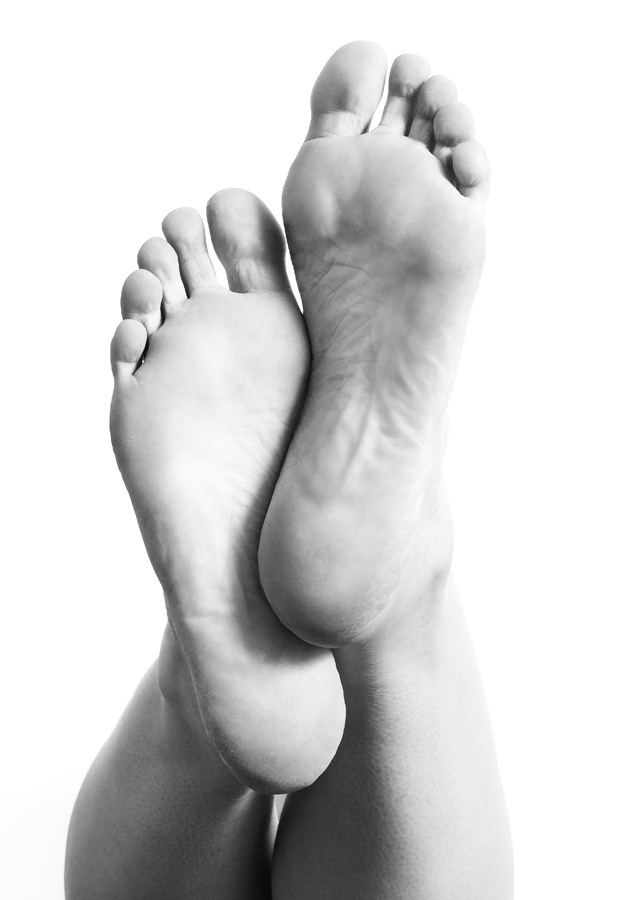
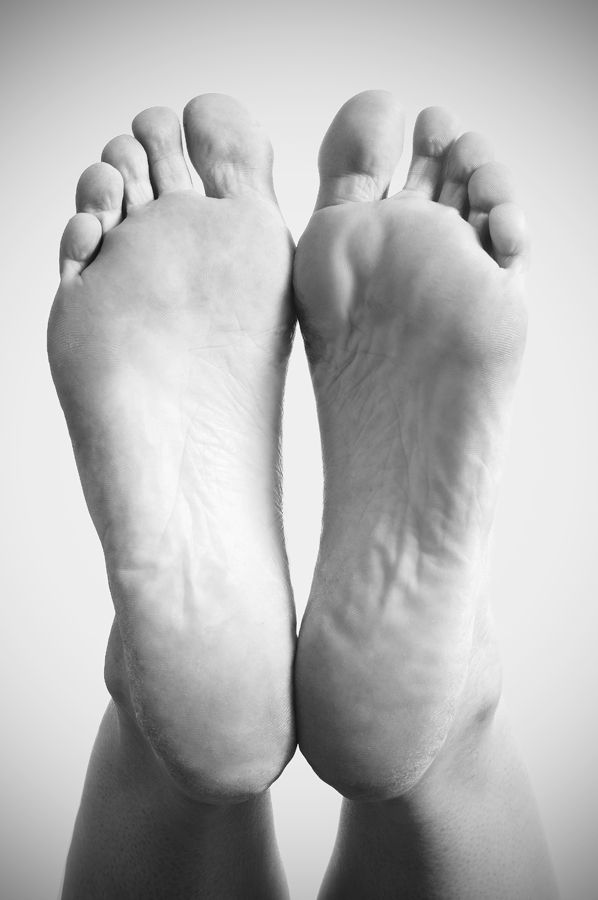
The short answer is that it just “came” to me. I woke one morning and knew that this is what I wanted to do.Feet together

Building up to this answer, I enjoyed regular reflexology during my first pregnancy. I always found it hugely relaxing, and liked the thought that by having reflexology my baby was receiving benefits from the treatment too. However, even back then, I still believe reflexology came to me; it found me.

I was introduced to Dr. Gowri Motha’s Gentle Birth Method by my yoga teacher, and was enlightened to improving my lifestyle and well-being in order to optimize my pregnancy and to give birth to a healthy baby. Throughout the book, each week of pregnancy gave information and advice and included here were various recommended complementary therapies. I wasn’t able to afford every treatment it suggested (however tempting it seemed!) but the one that leapt out at me was, yes you’ve guessed it, reflexology.

My reflexology training is hugely rewarding and satisfying. I have a greater understanding of the human body,  not just anatomically, but also those deeper aspects such as stress, emotions and thought processes – they each impact on our physical well-being and should not be underestimated. Taking an holistic approach to healing is something of which I am particularly passionate. I doubt I will ever stop learning and developing my knowledge and experience on this incredible journey.

Jackie Marsden MAR is a qualified reflexologist and independent consultant (Team Leader) for Neal’s Yard Remedies Organic. Jackie leads and mentors a growing team of consultants (many of whom are therapists integrating organic products into their existing businesses) via the NYRO social selling channel, holding regular team meetings, one-to-one coaching via phone and facetime, and a closed facebook group. All views are my own.
independent-consultant-long-logoGrowyourbusiness

unnamed2mooncup_banner

Image copyright Jackie Marsden 2016