What is the difference between regular acupuncture and fertility acupuncture?

Fertility acupuncture is very similar to regular acupuncture in that it will still try to address common issues such as pain, digestive issues, headaches, hormonal imbalances etc. as part of the wider picture of a fertility patient. However it focuses a lot on reproductive health and treating the meridians that target this area of health. Common points are found on the wrists, ankles, feet, lower legs, abdomen and lower back.

Fertility acupuncture aims for the optimal internal environment for each particular patient. This means that it’s not a generic set of acupuncture points for everyone; each patient is treated as an individual. There is no one size fits all in any aspect of health.

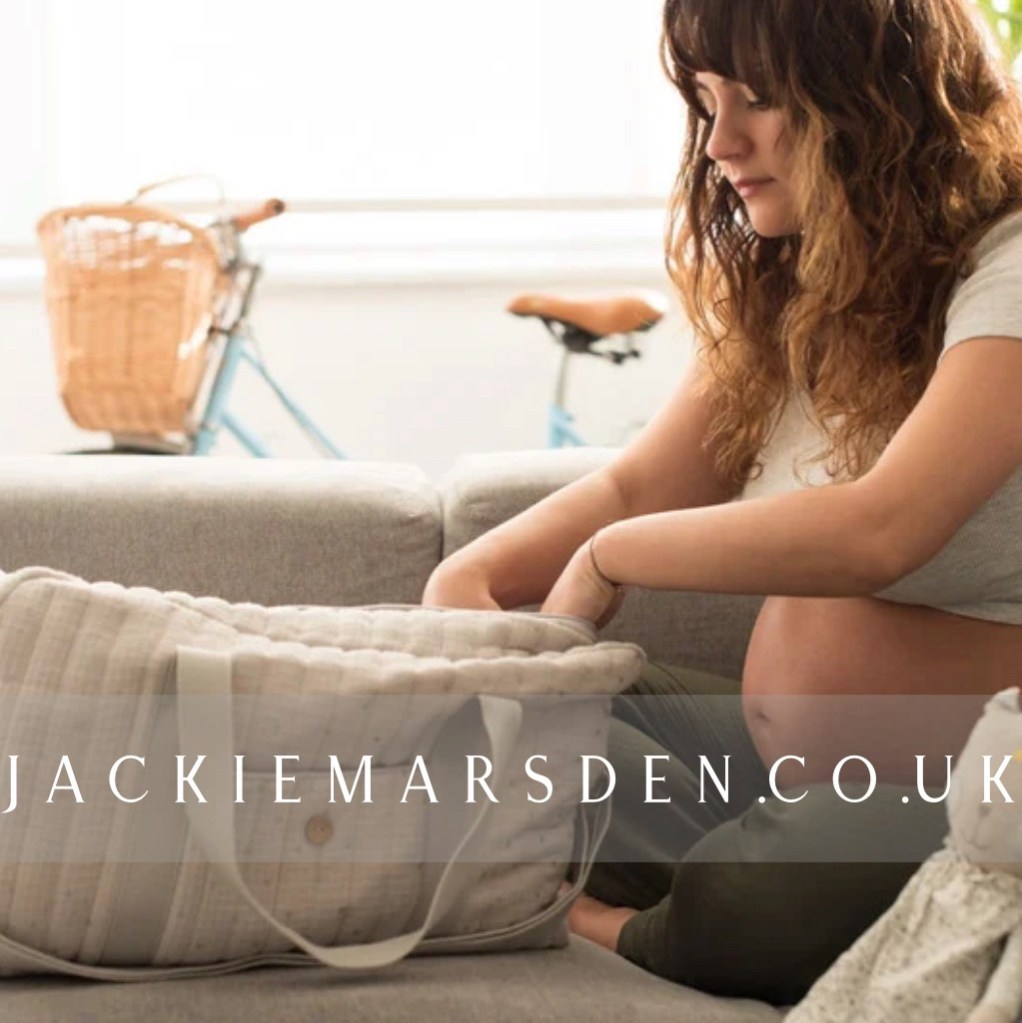
Happy pregnant woman preparing for her baby.

Fertility acupuncture tends to prioritise regulating the menstrual cycle, increasing blood flow to the ovaries and uterus, and regulating sperm health for the men. Stress management and building resilience to stress is also key when trying to conceive. This is something that is always prioritised in clinic.

When coming for fertility acupuncture it’s advisable to plan to come weekly for 3 months as this is the length of time it takes for an egg to be recruited, matured and finally ovulated. What we do now has an effect on those eggs ovulating (or collected via IVF) three months down the line.

During those 3 months we treat through the menstrual cycle, meaning that when you’re bleeding the focus is on good blood flow and emotional support as a period means no pregnancy. During the follicular phase the focus is on follicular development so good blood flow to the ovaries and uterine lining.

Fertility acupuncture works with each phase of assisted reproductive techniques such as IVF/ICSI to really enhance your response to the treatment you’re having, and manage the side effects of the medication.

When you work with a fertility acupuncturist, you gain insights and education from someone who has a regular practice in this area of health; someone who understands the process and what is involved. It’s not just needles; it’s fully rounded support.

If you would like to discuss your situation with me or would like to book in with the clinic in Warton, near Preston, Lancashire, please get in touch. Please read some of the success stories from the clinic here.

The benefits of regular reflexology

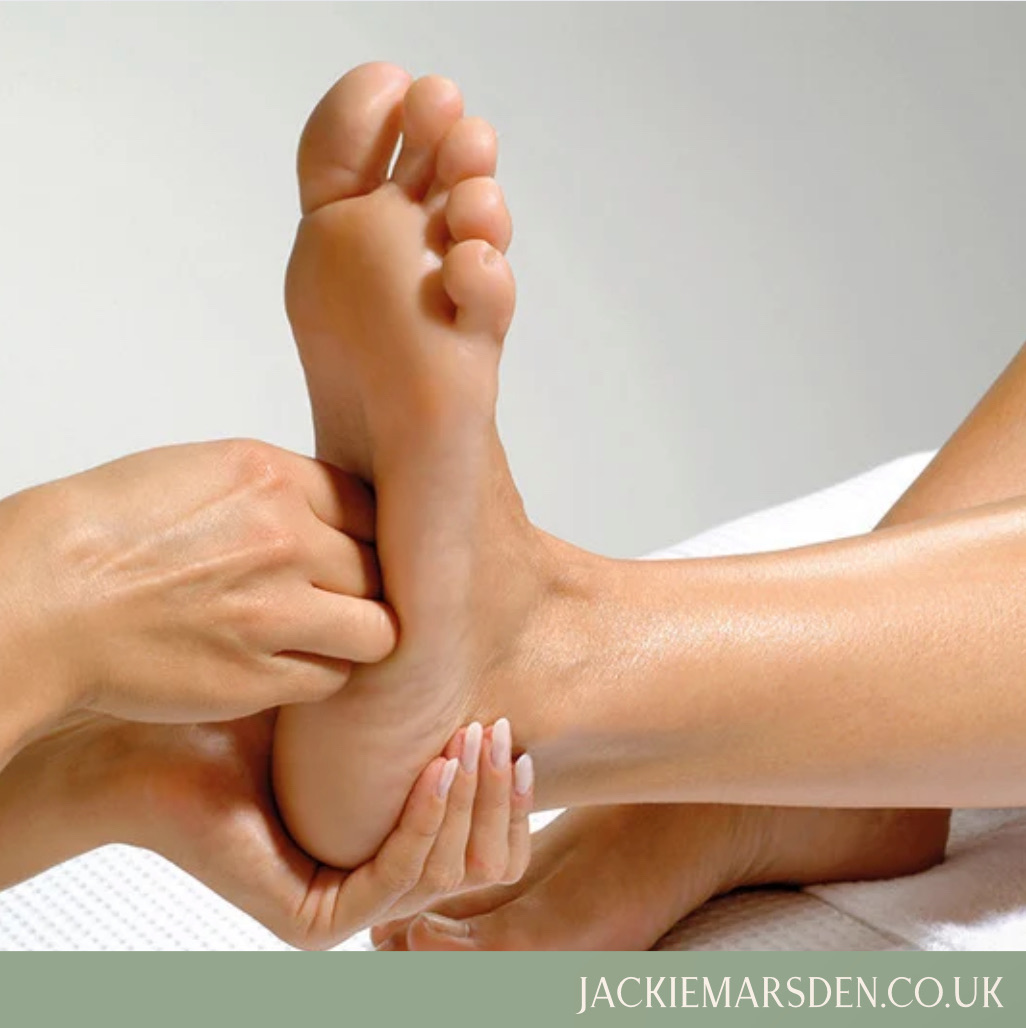
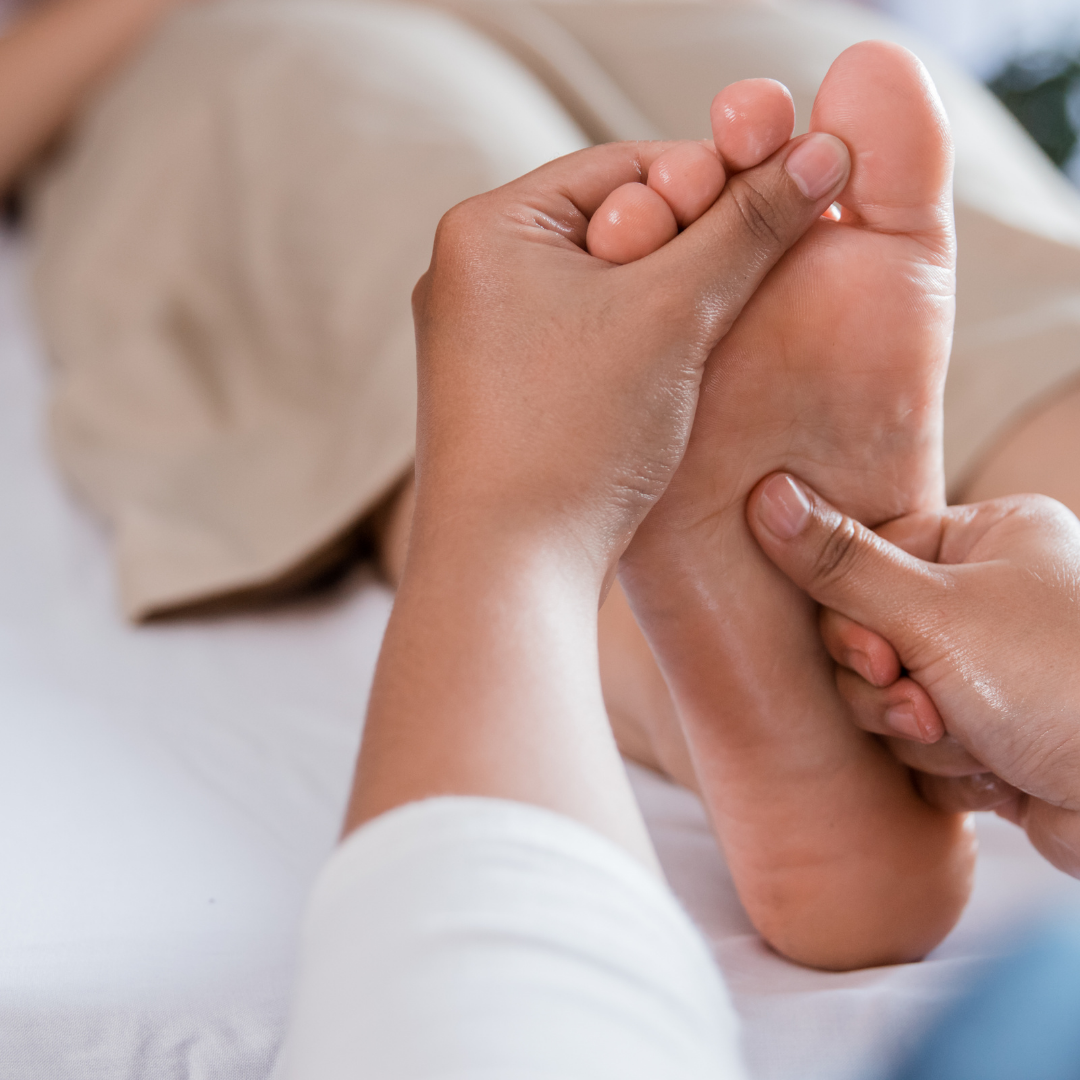
A woman receiving reflexology on her feet.

Reflexology is profoundly relaxing and this can help to reduce stress and manage anxiety. The gentle pressure applied to specific points on the feet or hands promotes a sense of calm and safety, which helps settle both the mind and body into a place where the body’s natural healing can take place.

Reflexology helps many people with relief from pain and discomfort, no matter where their particular ailments are anatomically. Reflexology can help to reduce inflammation (particularly Reflexology Lymph Drainage), and promote the release of endorphins (such as oxytocin); the body’s natural pain-relieving neurotransmitters.

Reflexology helps to improve blood circulation throughout the body. As a reflexologist, working the reflex points with intention, along with promoting an overall relaxing state for the client, allows better flow of blood and oxygen to the organs and tissues, engendering an overall sense of improved health and wellness.

I have seen time and time again, clients that come into clinic for regular reflexology sessions, huge improvements in their health, whether it is reduced pain or reduced stress and anxiety (and largely it is both), feeding into their increased sense of wellbeing and improved health.

To book in please get in touch. Sessions start with a full consultation followed by regular sessions either weekly, fortnightly or monthly.

Why does IVF fail the first time?

Often the first round of IVF is used as a diagnostic. This means that the clinic will use a first round to assess where particular issues might be.

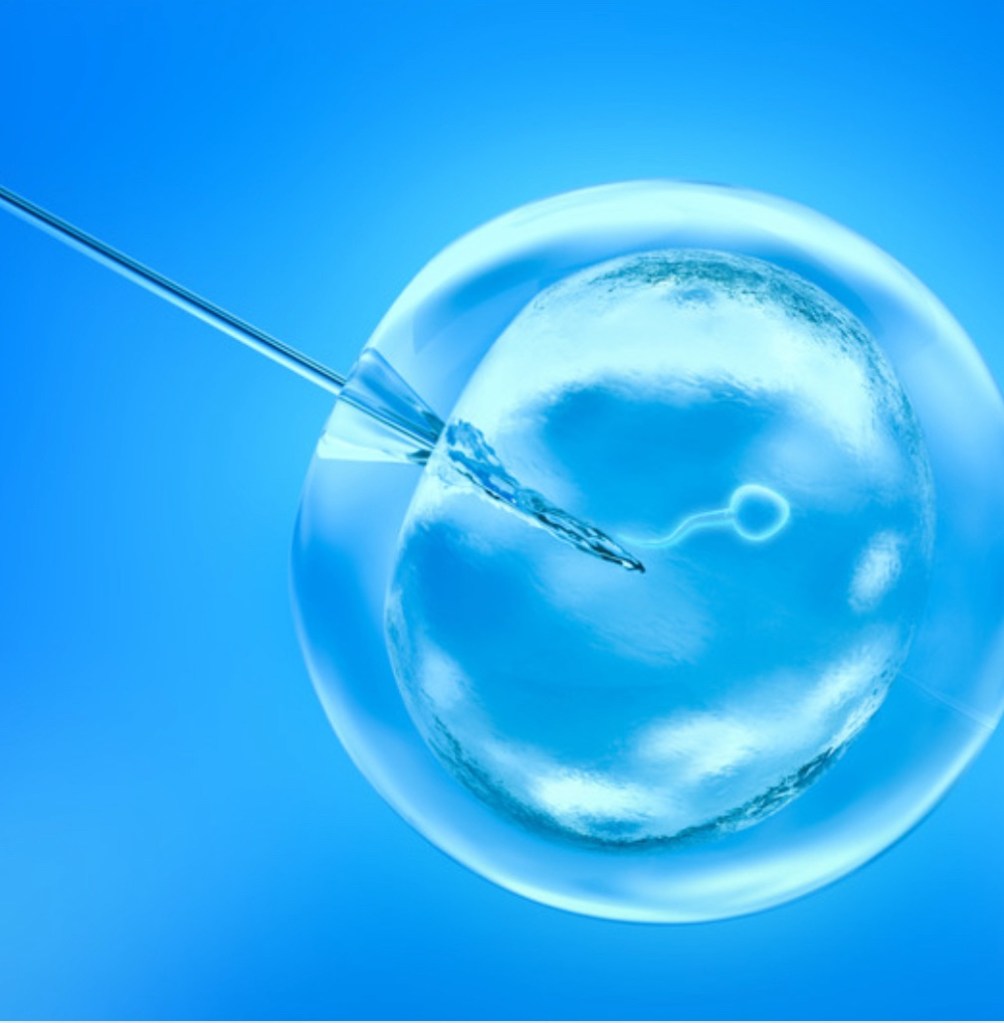
Human sperm being injected into an egg via ICSI.

For example, if the embryos are failing at day 3 then this can tell us that there is a problem with the health of the sperm.

Another example would be if the embryos are graded well but there is still no pregnancy then this could potentially mean there is an issue with the uterus, lining or progesterone receptivity.

Depending on where the procedure failed can give clues as to what is creating the unexplained infertility picture.

Unfortunately this first round is not something that should be taken lightly. Often it is a huge financial investment, not to mention the physical demands on the body, as well as the mental and emotional strain the process has on a couple.

When I work with clients I try to allow us at least 12 weeks to prepare for the next round of IVF. I take a very well-rounded consultation and full health intake to make sure we can drill down to where potential problems are sitting, and then increase the chances of a successful outcome.

Unfortunately I have seen scenarios where, had the couple not come for acupuncture, could have been a very different outcome. For example a couple who had all embryos fail at day 3 were told they needed donor eggs. No mention of improving the health of the sperm, which can be so easy to do with lifestyle and nutritional changes. Luckily this couple worked with me for 3 months and had a successful second cycle with their own eggs, and are now proud parents of a baby boy.

I’ve also seen clinics attempt a second cycle without really looking at the first one in detail. For example one client approached me after a failed fresh cycle. It was clear that there were microbiome issues and also a potential progesterone receptivity issue that we pushed to be checked during the second cycle, and the transfer was consequently halted due to low progesterone. Once we had this confirmed, a third cycle was successful after careful adjustment and monitoring of progesterone medication.

My training and continued learning and development gives me the tools to ask the right questions and see the infertility picture through a different lens. With access to the understanding of Chinese Medicine we can often see where problems lie early on.

If you are trying to conceive and need help, support or advice please get in touch.

Understanding Morning Sickness and Chinese Medicine in Pregnancy

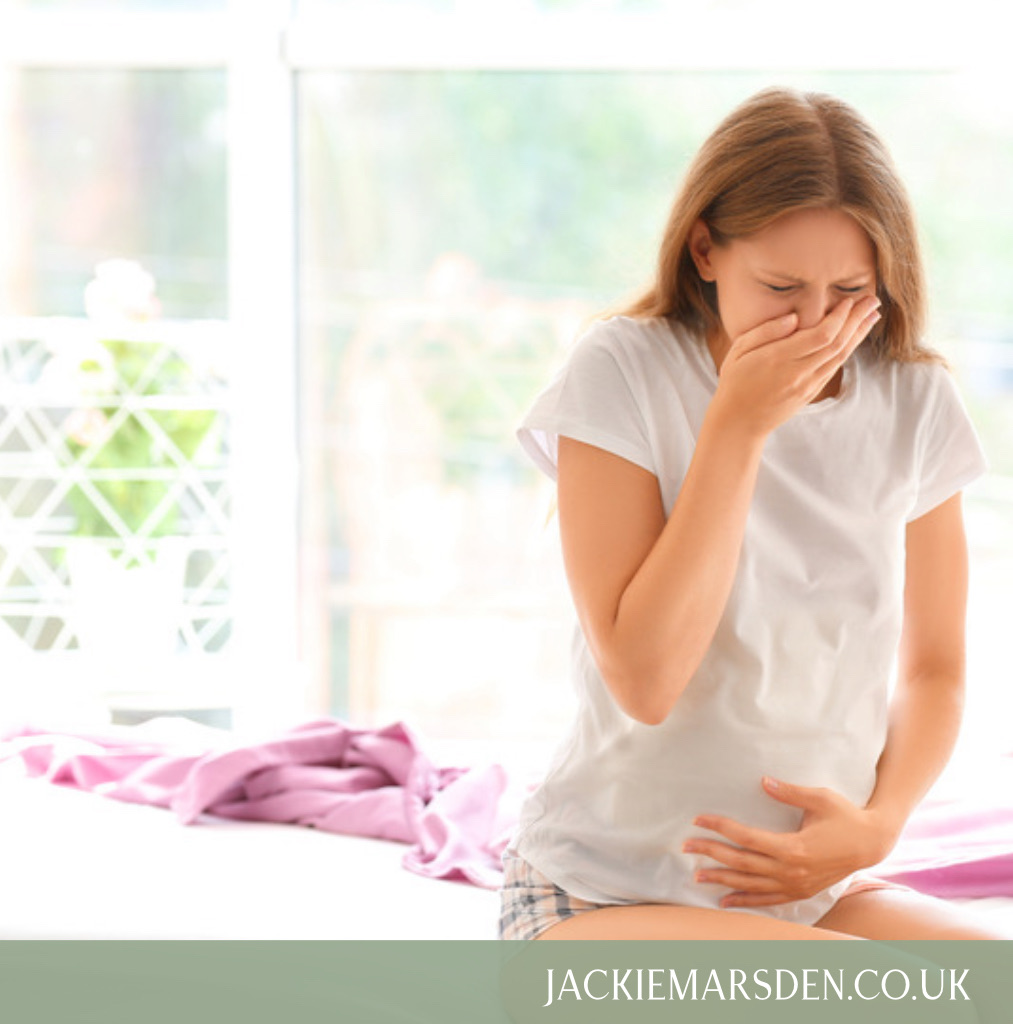
Pregnant woman experiencing morning sickness and nausea.

Morning sickness is a general term we use to describe the feeling of nausea associated with pregnancy.

Although many women who experience morning sickness only feel ill in the mornings, many women actually feel ill all through the day and night. So it isn’t always about feeling sick just in the mornings.

When we sleep, we lay down for a long period during the night, and this can cause fluids to “sit around” and start to stagnate. Gentle movement such as walking out in the fresh air can help to get that fluid moving and circulating again. Ginger tea can also help with this.

Pregnancy uses up a lot of Qi, and many women feel worse when they don’t allow themselves enough rest. Perhaps still working 9-5, perhaps still pushing forward with other commitments and goals. If we use up a lot of Qi doing these things on top of pregnancy then there is little Qi left to move fluids around the body efficiently, creating the feeling of nausea. Adequate rest is really important.

Let’s talk a little bit about Chinese Medicine. The Chong Mai is the Sea of Blood and this will be sending Blood to the Uterus to nourish the foetus. This can overflow and start backing up, particularly in early pregnancy, creating the sense of nausea. This is why morning sickness often improves as the pregnancy progresses, as the foetus grows and the body adapts to the new life growing inside. The Chong Mai is closely linked with the Stomach channel. As the natural movement of Qi within the Stomach is downwards, “Rebellious Qi” describes it rebelling upwards, creating the feeling of nausea. Acupuncture can help to strengthen the descending action of the Qi to alleviate symptoms.

Sea bands are based on Pericardium 6 acupuncture point on the wrist which harmonises the Stomach and alleviates nausea and vomiting. My clients are often sent home with stick-on magnets to use on this point and perhaps others depending on the individual pattern. Using these in between acupuncture sessions can be really beneficial.

How does reflexology work?

Reflexologist touching the solar plexus reflex point on a woman’s foot.

Reflexology is based on the philosophy that the entire body is mapped onto the feet. However, this doesn’t explain simply, how touching the feet can affect the body in such a profound way.

The feet are a sensory-rich area of the body. We have around 7000 nerve endings in the feet. By stimulating these nerve endings through the power of touch, a reflexologist sends signals from the feet up to the brain, via the spinal cord, and thus encompassing the whole body. A typical reflexology session lasts around 45 minutes, so imagine how many of these signals are sent, received and processed throughout that period of time!

These neurological pathways are opened up and in some ways reawakened, particularly if the client tends to keep feet covered in socks and shoes. This is a lot of stimulation for the brain to receive, and therefore creates a profound state of relaxation as the body relaxes into the sensation of gentle touch.

It is generally accepted that gentle touch stimulates the production of oxytocin, our love hormone, helping us emotionally. And relaxation switches on the parasympathetic nervous system (rest and digest), which is the Yin to the Yang of the sympathetic nervous system (fight and flight).

Ultimately the power of touch, stimulating the sensory-rich feet, over the period of time, creates profound relaxation, promotes much healing and a return to homeostasis.

What happens when we relax?

Woman receiving reflexology on her feet.

Continuing the conversation about how acupuncture and reflexology work, let’s focus on the commonality through all of them, which is relaxation.

Our autonomic nervous system has two separate branches; the sympathetic and the parasympathetic. The autonomic nervous system looks after all of those involuntary functions and tasks that happen without us consciously having to think about it, such as heart rate, blood pressure, respiration and digestion.

The sympathetic nervous system switches on when we need to be alert, for example when we are exposed to a threat or some kind of danger. Our brain is aware of the danger, and sends chemical messengers to the adrenal glands, which then prepare the rest of the body to get ready to either run, or fight. This involves increased blood flow and oxygen to our arms and legs, increased heart and respiration rate, and extra sensitivity to stimulus as we become highly alert to sounds and the surrounding environment of the impending danger.

When the sympathetic nervous system is switched on, our parasympathetic nervous system is suppressed. Our parasympathetic nervous system governs rest, and digest. This means that when we are exposed to a threat or danger, our bodies will not prioritise tasks that are unessential for survival. These include digesting food, reproduction and sleep.

Although in modern life we are no longer facing impending danger from predators higher up the food chain, we do experience a lot of stress, anxiety and worry, and our brains and bodies interpret these feelings in exactly the same way: as impending danger.

This means that chronic stress creates all sorts of health issues as our sympathetic nervous system reacts to the relentless demands of modern life.

Relaxation is key to swinging the parasympathetic nervous system into the forefront as often as we can. Having regular sessions of reflexology or acupuncture can have a profound effect on getting the balance right. Even having the appointment in your diary can have a huge psychological effect on wellness and stress management.

Common obstacles to wellness

Woman receiving a facial massage.

Many people find it difficult to find the time for wellbeing. Juggling work and family commitments can be a challenge, and before we know it another week has passed and another opportunity to book in for that reflexology or acupuncture session has gone.

As women I think we often find that, in altruistic fashion, put our own needs at the bottom of the priority list. Our children/partners/work all often take priority over ourselves and what we need to keep well and feel good.

Sometimes we might even feel that having that massage or facial is actually a luxury, and not an essential, and then we simply don’t prioritise it at all, and may even cross it off the to-do list completely!

But it is so important to take care of our health while we still have it. If we become unwell and ill-health prevails, that is when we will be unable to cope with family commitments and go to work.

Preventative healthcare is so important particularly for women as we spin so many plates in our various roles as mother, sister, daughter, wife/partner, carer, money-earner, housekeeper, cook, cleaner… the list goes on! If we don’t take care of ourselves while we have so many responsibilities, the stress of it all will start to take its toll.

So put yourself first, at least once a month, for just an hour. Book in for that treatment and make sure your cup is replenished so that you’re fully topped up and resourced for the month ahead.

Thoughts on Sleep

Woman sleeping peacefully.

Aside from nutrition, getting good quality sleep is probably the most important aspect for health and longevity. It is the cornerstone to good health,vitality, living longer and feeling well.

As basic as it sounds, we are designed to live with the diurnal rhythm; we wake with the light, and we sleep in the dark.

From around 5-6pm in the evening, our cortisol levels naturally start to drop, and the natural light starts to dim, and melatonin levels begin to rise. Melatonin is the hormone that makes us feel drowsy and gets us ready for a good night’s sleep.

I love to look at the Yin/Yang aspect of everything, and we can see here we have the dark night time which is Yin, and the light daytime which is Yang. We can also see that cortisol is the Yang to it’s counterpart melatonin, which is Yin. Our Yin and Yang aspects are always ebbing and flowing gently, gradually and naturally. Therefore its a really good idea to get into a winding down routine in the evening to allow our Yin to naturally deepen and do its work for a good night’s rest.

Its a great idea to adjust your daily activities (as much as is possible) to support this natural daily rhythm. Eating breakfast and your main meal, taking physical exercise and doing the main bulk of your work during the morning and earlier part of the day is best as this is when cortisol is at its highest.

As cortisol starts to drop early evening, its better to eat a smaller evening meal at least 3-4 hours before bedtime. The ‘321’ idea is an easy concept to follow:

  • Eat no later than 3 hours before bed
  • Drink no later than 2 hours before bed (any fluids)
  • No screens no later than 1 hour before bed.

If you can’t switch off your mind, meditation is helpful, as is Valerian, chamomile and magnesium. A bath with Epsom salts will give you a great boost of magnesium, and as your body temperature starts to drop afterwards, it will naturally help to make you feel sleepy. A cup of night time tea might also be useful. Try different things and see what helps you – we are all different!

We should be getting around 90 minutes of deep sleep every night and this usually happens earlier into the night. Its during the deep sleep where our body replenishes, heals and rejuvenates.

We should be getting around 2-3 hours of REM sleep a bit later on in the night, after deep sleep, and this is the type of sleep where our mind sifts, sorts through and processes everything that’s happened during the day. I believe this is why meditation can be so useful because sitting quietly and observing our thoughts for a few minutes before bed will get ahead of the sifting and sorting process that happens during REM.

We can disrupt our deep sleep by exercising too much. It’s a bit like taking a car on a very long drive; the engine will have been revved up and used a lot of oil. It will take longer to cool down and get back to normal. It’s the same with our body and mind. It can leave you wired even if you have done a lot and think you should be tired.

If you are a snorer then this will disrupt your sleep patterns, particularly if it causes apnea and wakes you everytime you’re snoring too loudly or gasping for air. It also means that you are not breathing through your nose as much. Nasal breathing increases the gas nitric oxide which is a molecule produced naturally in the body and is important for relaxing blood vessels and allowing them to widen and increase circulation (and so increasing oxygen and nutrient circulation around the body). It also helps us to feel relaxed and switch from ‘fight or flight’ to ‘rest and digest’ i.e. switching off the sympathetic nervous system and switching on the parasympathetic nervous system. Again these are the Yin and Yang aspects of health. Nasal breathing helps us to move out of Yang and into Yin.

Humming on the outbreath creates vibration which will open up the airways and increase nitric oxide, again making us feel relaxed and able to sleep better. So do some “Oms” with your evening meditation and see if you notice the difference!

Going back to snoring; snoring is usually down to raised inflammation making the airways swollen and restricted. Reducing inflammation is something to really work on if you are a snorer; losing weight, eating the rainbow, cutting down on refined carbs and sugars, processed foods, alcohol, smoking, caffeine, upping your omega 3s by eating oily fish, nuts and seeds, olive oil etc.

Working with a practitioner like myself with regular reflexology and/or acupuncture can be so useful in taking care of your overall health and wellbeing, and we can usually pinpoint areas that might be disturbing your ability to get a good night’s sleep.

Overall, getting into good habits by creating a bedtime routine or ritual that you follow each night, tailored particularly to those things that work for you, is the best way to set the stage for a good night’s sleep.

If you are interested in working with me please get in touch.

Links to carefully selected affiliates.
Shine a Light on Lipoedema

Lipoedema is a chronic disorder of the connective tissue and fat tissue, mainly affecting women. It is thought to be a genetic and inherited disease, but can skip a generation.

The onset of Lipoedema is not well understood, however it is usually via a hormonal trigger, either at puberty, after pregnancy or menopause. Once triggered, there is an abnormal laying down of adipose tissue. This usually happens around the hips, legs, buttocks, knees (although sometimes it can be found in the arms). Hands and feet are usually unaffected. The fat deposited is usually evenly balanced between each side of the body, and creates a dimpled “orange peel” appearance.

During stressful times, a “growth spurt” can happen and another laying down of additional adipose tissue happens.

Lipoedema can create difficulties in walking and general movement, finding clothes to fit comfortably, and mental/emotional trauma. The areas affected can be painful and throb; feeling heavy and touch-sensitive. Bruising can happen easily, and the condition of the skin can deteriorate if not looked after properly.

The adnormal amounts of adipose tissue can start to block the lymphatic system, creating additional swelling of lymph fluid. This condition is sometimes referred to lipo-lymphoedema.

Reflexologist holding the pituitary reflex point on the big toe.

The community of Reflexology Lymph Drainage practitioners has seen much success in managing this condition with the techniques of reflexology. Patients report that their legs feel “empty” after a treatment which lasts a few days. Patients have also experienced the fat tissue starting to soften, creating a normal “wobble” instead of a solid, thickened, unmoveable texture. Pitting indendation starts to reduce considerably in some patients.

As a reflexologist I have lots of techniques in my toolbox; endocrine work is also be applied to the reflexes to address and manage the hormonal aspect of this condition (where appropriate).

Short demo on adding in the leg reflex to the RLD sequence. This additional technique is essential in treating lipoedema patients.

If you are interested in trying Reflexology Lymph Drainage to help with Lipoedema or Lymphoedema please get in touch via phone/text.

Lymphoedema – Lighten the Load

Lymphoedema can be a debilitating condition where the lymphatic system is compromised and thus a build up of fluid creates swelling in an area of the body.

Primary Lymphoedema is thought to be hereditary. Fluid starts to pool at the base of a limb due to the inadequacy of the lymphatic system’s ability to drain fluid.

Woman wearing compression bandage for lymphoedema.

Secondary Lymphoedema can appear after an operation, or after an accident or injury. The cause of fluid build up can be due to the lymphatic tissue becoming damaged, or removed (for example an axillary clearance).

Swelling can make that area of the body painful, heavy, tight and restricted. The tissues of the skin can become very uncomfortable and delicate, prone to damage and infection. It can be difficult to find clothes to fit, and can create mental/emotional instability.

The treatment for lymphoedema is compression, exercise/movement and good skincare. Sometimes Manual Lymph Drainage is offered which is a massage technique which re-reoutes the fluid away from the affected site.

Reflexology Lymph Drainage is a technique based on the principles of Manul Lymph Drainage, but transposed onto the reflexes of the feet or hands.

The beauty of this technique is that it is completely non-invasive; patients do not need to get undressed. It can be done in-clinic via the feet, or remotely via a taught self-help sequence carried out on the hands.

Much research is still being carried out around this technique; however what the reflexology community have seen up to this date is that the technique and sequence supports the theory of reflexology. By isolating and working the lymphatic reflexes of the feet or hands, has an effect on the body. As a community, we have been witness to some incredibly rewarding results for our clients.

Please contact me to have an initial discussion and to book in.