Does ICSI have all the answers?

Since the advent of ICSI (Intracytoplasmic Sperm Injection) problems with male factor in infertility can be addressed and bypassed with this procedure. The ICSI procedure allows particular sperm to be selected for use and manually injected into the egg by the embryologist using a microscopic needle.

But does ICSI always give us the best outcomes?

If the quality of sperm is sub-optimal, the question one has to ask is what impact will this have on the ongoing pregnancy and health of the child going forward?

In Traditional Chinese Medicine (TCM) our Jing is the substance we inherit from our parents at the moment of conception. Our Jing fuels our growth and development not just through conception and prenatal growth, but all through our lives from infancy to puberty, adulthood and beyond. Jing dictates our constitution and vitality as we move and age through life.

So if we completely disregard the quality of the sperm in favour of the ICSI procedure, what impact will have on the health of the life created? If a sperm is unable to penetrate an egg on its own, what does that say about the underlying Qi of that sperm?

So although ISCI is a wonderful and exceptional advancement in fertility medicine and assisted reproductive techniques, I do believe it should be firmly balanced with other perspectives of male health and vitality.

Sperm are continually created within the body, so taking a break for around 3 months before the next round of IVF is an optimal amount of time to put lifestyle changes in place. Dietary, lifestyle and nutritional changes can have a huge impact on sperm quality.[1] Taking this time and making this effort to improve the underlying Qi and Jing that is passed onto the next generation is fundamentally important. Things to consider:

  • Stop smoking/vaping;
  • Reduced consumption of refined sugars, processed foods,
  • Reduced consumption of alcohol;
  • Increased consumption of a wide variety of vegetables and fruit;
  • Take regular exercise;
  • Increased water intake;
  • Reduce the use of plastics for cooking and water/food storage (switch to glass)
  • Supplement with a good quality preconception multivitamin to include zinc, selenium, omega 3 fatty acids, antioxidants;
  • Reduce stress (look at meditation, reflexology, acupuncture, spending time in nature);
  • Keep mobile phone away from body [2];
  • Ejaculate frequently [3].

Other options to explore before diving straight into IVF/ICSI:

  • Having a full examination to rule out varicocele, hydrocele and other physical abnormalities;
  • Bloods taken for a full hormone profile;
  • Checking the microbiome to rule out any infection which might be causing levels of damage to the sperm.

“Mounting evidence suggests that the gut microbiome plays a key role in normal spermatogenesis and can be negatively impacted by diet and environmental perturbations.” [3]

Of course, every couple is individual, and factors such as age, for example, will also determine your route to IVF and ICSI.

If you are looking for fertility support in Lancashire please get in touch.

If you would like support through your fertility/IVF/ICSI journey with acupuncture please get in touch.

References

[1] https://pubmed.ncbi.nlm.nih.gov/32397485/

[2] https://www.ncbi.nlm.nih.gov/pmc/articles/PMC7848840/

[3] https://rbej.biomedcentral.com/articles/10.1186/1477-7827-10-115

[4] https://www.fertstertreviews.org/article/S2666-5719(23)00001-4/fulltext

PMS and it’s extremes

Woman experiencing severe menstrual cramping.

Approximately 90% of women suffer from Premenstrual Syndrome (PMS) at some point in their lives. During the few days leading up to menstruation can present with all sorts of symptoms such as bloating, irritability, frustration, anger, back ache, acne, abdominal cramping and pain, feeling tearful and emotional, as well as anxious and depressed.

Every cell in our body has a hormone receptor, so PMS can be attributed to over 200 symptoms as fluctuating hormone levels can have an impact everywhere in the body. These may be symptoms you only experience during the build up to your period, or perhaps these are symptoms you already experience, but are exacerbated at this time of your cycle.

In TCM terms, the luteal phase of your cycle e.g. the second half of your cycle between ovulation and your period, is when your body is at its most Yang. It is the part of the cycle where there is the most energy. Your body is gearing up for the possibility of a pregnancy with the surge of progesterone helping to really plump up the uterine lining for an embryo to implant. This surge of hormone and surge of energy can make us feel energised and productive, however as this starts to wane and drop just before our period starts, can suddenly leave us feeling depleted. The smooth flow of Qi is now not so smooth, as the progesterone starts to dip and body temperature starts to drop, our overall hormone levels can quickly leave us feeling grumpy and moody, and present us with physical symptoms too.

Switching between the Yang half of our cycle to the Yin half i.e. our menses, can create Qi stagnation. Getting to know your cycles by charting on a calendar, or Basal Body Temperature (BBT) charting can really help you to understand what is going on inside your body, help you identify symptoms and mood changes, and shed light onto areas that perhaps might need further attention.

For example, some people do not just suffer with “regular” PMS, but can experience more extreme versions such as Premenstrual Dysphoric Disorder (PMDD) and Premenstrual Exacerbation (PME). These extreme versions of PMS can be very difficult to deal with and manage on a monthly basis. “Experiencing PMDD can make it difficult to work, socialise and have healthy relationships. In some cases, it can also lead to suicidal thoughts.”1

Understanding your own personal cycle, the length of your follicular and luteal phases, and looking at your BBT throughout your cycle can open up possibilities to improve symptoms you’re experiencing. You might discover that phases of your cycle are too long/short or your temperature is not high enough or too high for example.

Supporting progesterone can help with PMS. To support progesterone production and your luteal phase, add more nutrient dense calories into your diet at this phase of your cycle. After all, your body is gearing up for a potential pregnancy, and some women find that they are hungrier at this time. Adding more protein, and looking at using adaptogens such as Ashwaganda to help manage stress and change. “Adaptogens are the umbrella term for fungi and plant-derived compounds that help the body adapt to stress.”[2] Magnesium is also said to help, as many of us are depleted in magnesium and it is involved in a myriad of daily bodily functions. Using a topical spray or adding in Epsom Salts to your evening bath are easy ways to get magnesium into your body. Magnesium often becomes low as a result of stress. [3]

Managing stress is also key to supporting your luteal phase. Booking in for regular reflexology or acupuncture can offer you the opportunity to feel relaxed and receive some downtime already scheduled into your diary. With acupuncture in particular, treating throughout the cycle can help you regulate and improve your quality of life. Vitamin B complex supports the body’s ability to handle stress. [3]

Understanding your cycle can help you to prepare and plan for what might be up ahead. Scheduling your diary around your cycle can help you to be more productive when you are feeling at your most energised, and avoid difficult social situations when you’re likely to be feeling fragile. You can also use your cycle to help with meal planning and snacking, and scheduling in more gentle exercise within the luteal phase.

If you would like fertility support in Lancashire and to book in with me please get in touch.

  1. https://www.mind.org.uk/information-support/types-of-mental-health-problems/premenstrual-dysphoric-disorder-pmdd/about-pmdd/
  2. https://www.parsleyhealth.com/blog/what-are-adaptogens/
  3. https://webfmd.com/hpa-axis-dysfunction-treatment/

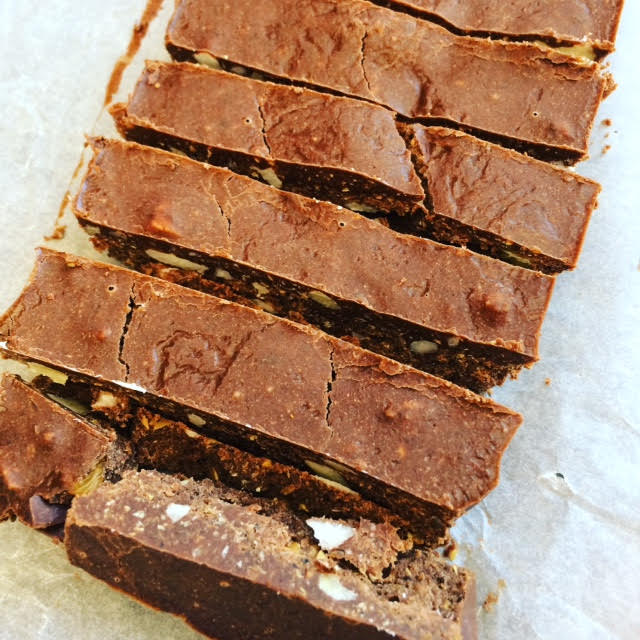
[Recipe #1] Plant-Based Protein Slices

These nutty and chocolate-y slices are exactly what you need if you’re looking for a healthy snack to complement a higher fat/lower carb diet, or if you’re looking for an innocent sweet treat after a meal.

I’m not really one for writing or following recipes: I tend to just throw things together with whatever I have in the cupboards and hope for the best! So when I posted these slices on Instagram I felt a little out of my depth with people asking after the recipe… however, after promising I would share it, here it is:

Ingredients:

  • 3-4 tablespoons of Organic Virgin Coconut Oil
  • 3-4 tablespoons of protein powder. I used That Protein Blissful Brown Rice and Raw Cacao Super Protein. If you didn’t want to use protein powder then just raw Cacao powder would suffice here.
  • 2 tablespoons of Pecan nut pieces.
  • 2 tablespoons of Walnut pieces.
  • 2 tablespoons of Brazil nut pieces (note – use whichever nuts you prefer. Macadamia would also work here).
  • 2 tablespoons of Lidl Alesto Super Seed Mix. This contains milled Golden Linseed, milled hulled Hemp Seeds and milled Chia Seeds.
  • 2 Tablespoons of Holland and Barrett Organic Omega Shake. This contains Pumpkin Seeds, Sunflower Seeds, Brown Linseeds.
  • 1 scoop of Neal’s Yard Remedies Organic Fibre Blend. This powder contains Apple Powder, Psyllium Seed Husk Powder, Inulin Powder, Chia Seed Powder, Hemp Protein Powder, Fructooligosaccharides, Bacillus coagulans for a healthy gut (optional).
  • 1 teaspoon of Agave Syrup and 1 teaspoon of Manuka Honey (these are to sweeten. You can use whatever sweeteners you like and adjust the amounts to taste).

Method:

  1. Line the base of a regular loaf tin.
  2. On a low heat, slowly melt the coconut oil and then remove from heat.
  3. Stir in the remaining ingredients one by one until they represent a pan of delicious melted nutty-chocolate.
  4. Carefully pour into the lined tin and refrigerate overnight.
  5. Once set, slice into portions and enjoy!

Jackie Marsden MAR is a qualified reflexologist, acupuncturist, promoter of healthy living and independent consultant (Group Leader) for Neal’s Yard Remedies Organic. Jackie leads and mentors a growing team of consultants (many of whom are therapists integrating organic products into their existing businesses) via the NYRO social selling channel, holding regular team meetings, one-to-one coaching via phone and facetime, and a closed facebook group. All views are her own.

Brain and Cognitive Health

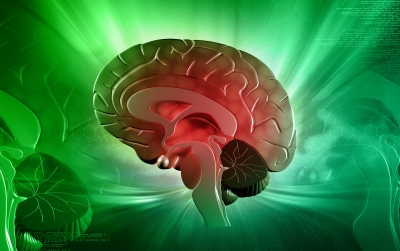
ID-100273701This blog gives a general understanding of cognitive health and outlines options for improving yours.

Fats

Good fats are essential to our brain health and function. A fatty brain is a healthy brain: 60% of brain tissue is fat. Good fats literally allow us to embrace change.

One type of good fat is coconut oil: If you search for coconut oil + brain fog on the internet you will find pages and pages of anecdotal evidence to suggest coconut oil can help lift brain fog and make the brain sharper, improving memory.

Coconut oil is a medium chain fat which means the body can use this type of fat as energy – another great fuel for our brains. It does this by converting into ketones which are used as a source of fuel for the body. Apparently brain cells function with far greater efficiency when they are utilizing fat (ketones) as a fuel source as opposed to sugar.

Pumpkin seed, hemp, flax, avocado and evening primrose oils are all other examples of good fats and these can be found in Beauty Oil.  They provide the essential nutrition that our skin and bodily tissue needs to renew, maintain and repair. This Beauty Oil contains nourishing omega fatty acids, essential nutrients and anti-oxidants that the skin needs to replenish itself.

Omega-3 fatty acids are often lacking in Western diets. They play a vital role in maintaining flexible and well-hydrated cell membranes, allowing for the efficient passage of water and nutrients. The best forms of Omega-3 for the body to utilise come from fish oils, and this has become a concern for many due to the increased ocean pollution. However fish oils from WHC use fish oil from smaller fish species where pollution is a lesser concern, and where processing techniques ensure an extremely clean fish oil. Optimum levels of omega-3s in the body will aid hydration at a cellular level. This is vital for a healthy blood pressure, energy levels and immunity. Adequate levels of omega-3 have also been recommended for weight management. WHC fish oils have been ranked #1 by Labdoor, and hold 5 star ratings from the International Fish Oil Standards (IFSO) program.

Reflexology

Encourage healthy brain function and balance through reflexology. This is a two-fold approach. The reflex point for the brain is on both the big toes (and thumbs). As a therapist I always dedicate attention to this area during every treatment along with the spinal chord (Central Nervous System). However the second approach to improved brain function via reflexology is the physical act of touching the feet: the sensory rich plantar area of the foot is going to stimulate and increase neurological messages from here all the way up to the brain. Think about how many messages this will create during a 50 minute reflexology treatment and you can see how the opening up of those potentially dormant neurological pathways can be so beneficial to our health.

Supplements

Other key ingredients are also fascinating to learn about when it comes to brain and cognitive health:

  • L-Glutamine. This is brain fuel. It is the only compound other than sugar that can be used by the brain for energy. It can easily cross the blood-brain barrier.
  • Choline. Aids nerve transmission by supporting myelin production. Myelin is the fatty nerve insulation that facilitates the transmission of nerve impulses. It is attacked via an auto-immune response in MS sufferers.
  • Green Tea. Contains L-theanine which helps us to keep calm, yet focussed. For example, when we meditate.
  • Ginko biloba. This is a herb from the Biloba tree. Suggested that it improves memory. Used to treat dementia. Antioxidant.

Antioxidants

What do we know about these?

Your brain uses roughly 20% of the oxygen you breathe in, so its cells are particularly susceptible to oxidative damage, known as free radical damage.

Free radicals trigger brain inflammation which contributes to ADHD, brain fog, anxiety and memory loss as well as serious neurological disorders such as stroke and Alzheimer’s.

Eat lots of organic fruit and vegetables. Berries are a Number One brain food because they are super antioxidant and also their compounds have been linked to improvements in many cognitive skills including memory, learning, reasoning skills, decision making, verbal comprehension and number capability.

Links provided are carefully selected affiliates.

Image courtesy of dream designs at FreeDigitalPhotos.net

Jackie Marsden MAR is a qualified Reflexologist and Clinical Acupuncturist. She is a promoter of healthy living and an independent consultant (Group Leader) for Neal’s Yard Remedies Organic. Jackie leads and mentors a growing team of consultants (many of whom are therapists integrating organic products into their existing businesses) via the NYRO social selling channel, holding regular team meetings, one-to-one coaching via phone and facetime, and a closed facebook group. All views are my own.

Growyourbusiness

Coping with Seasonal Allergies

POST10Approximately 2 million people in the UK suffer with seasonal allergies.

Generally speaking, early symptoms are caused by tree pollen, and later symptoms are caused by grasses and weeds. This is known as seasonal allergic rhinitis (or more commonly referred to as hay fever).

Symptoms that continue all year are called perennial allergic rhinitis and commonly relate to indoor allergens, such as house dust mites, pets and indoor molds.

In response to exposure of an allergen (e.g. pollen) the body’s immune system overreacts and releases chemicals (histamines) which cause inflammation. Histamines work quickly, causing sneezing, itching and runny nose. The eyes may also be affected, with itching, redness and watering (allergic conjunctivitis).

Other chemicals released during this overreaction can cause a blocked or stuffy nose and sinuses, which may lead to headache and difficulty sleeping.

Rhinitis is often regarded as a trivial problem but studies have shown that it severely affects people’s quality of life. It disturbs sleep, impairs daytime concentration and the ability to carry out tasks, causes people to miss work or school, and has been shown to affect children’s school exam results. (Source Allergy UK).

Treatments that suppress the symptoms of rhinitis or hay fever are antihistamines.

Quercetin is a natural anti-histamine i.e. it is known to inhibit the manufacture and release of histamine. It is also high in antioxidants.

  • Quercetin is an flavonoid (plant pigment) commonly found in fruits and vegetables, especially onions, citrus, and apples.
  • Since over-the-counter and prescription antihistamines can have side effects like drowsiness, seizures and dry mouth, a natural option is a good choice.
  • Use with Vitamin C for an optimal effect.

Zinc also helps with hayfever. Zinc reduces histamine levels and will enhance Quercetin.

  • If you suffer with regular colds/infections – you could well be deficient in zinc. Zinc will reduce a cold by up to 7 days, because it is toxic to viruses.
  • Zinc is amazing for skin – crucial skin healing and repair, acne, blemishes etc. balances sebum.
  • Zinc balances the reproductive organs so it’s a great choice for couples wanting to conceive. Great for bones and nails.
  • NYROrganic Super Antioxidant Boost is a great synergistically blended choice. No fillers.

Any of the White tea range will be hugely antioxidant so great for any allergies/hay fever.

  • White tea facial mist – lovely and refreshing, and cooling for the face. Use as a toner and as a facial spritz throughout the day over make-up.POST8_white_tea
  • White tea toning eye gel. Again this contains the Eyebright herb for reducing inflammation around the mucus membranes, more specifically the eye area here. Keep in the fridge for that extra cooling effect.
  • Reviving white tea face mask  – the kaolin clay cools and calms the skin.

OTHER TOP TIPS:

  • Apply the bee lovely lip balm around nostrils to prevent the pollen/allergens from entering the nasal cavity.
  • Some people with an allergy to pollens (especially tree pollens) may be affected by cross-reactions between their pollen allergy and certain foods. For example, they may find that when eating certain fruits, vegetables or tree nuts, especially raw, they get an itchy mouth or throat.
  • Keep windows closed when indoors. This is most important in the early mornings, when pollen is being released, and in the evening when the air cools and pollens that have been carried up into the air begin to fall to ground level again.
  • On high pollen days, shower and wash your hair after arriving home and change your clothing.
  • Avoid drying washing on a clothes-line outside when pollen counts are high.
  • Wear wraparound sunglasses when outdoors to keep pollen allergens out of your eyes.
  • Start taking a spoon full of locally sourced honey every day as early in the year as possible to build up immunity/resilience. (Source Allergy UK)
  • Get some reflexology. Reflexology Lymph Drainage has helped others manage rhinitis.
  • Acupuncture is effective in clearing heat and modulating the immune system.

Jackie Marsden MAR is a qualified reflexologist, promoter of healthy living and independent consultant (Team Leader) for Neal’s Yard Remedies Organic. Jackie leads and mentors a growing team of consultants (many of whom are therapists integrating organic products into their existing businesses) via the NYRO social selling channel, holding regular team meetings, one-to-one coaching via phone and facetime, and a closed facebook group. All views are my own.

Growyourbusiness

Look after your DNA with good nutrition

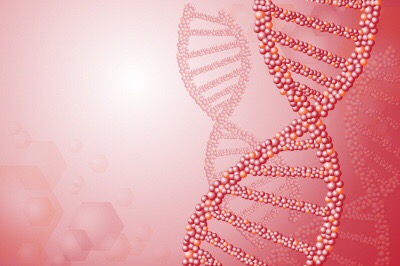
Did you know that 99.9% of all our genetic material is identical in humans, which is what identifies us as a species? The 0.1% of our genetic material is different from person to person and  is what makes each person unique (causing differences in things like hair and eye colour, height and nutrition needs). These differences between people are called gene variations or polymorphisms. [1] Some gene variations may cause rare diseases (and are often referred to as mutations), while others are more common (and are just described as polymorphisms). Gene mutations and polymorphisms may interact with other genes and with factors in our environment (including diet, smoking, physical activity etc), to play a role in the development of complex disease such as Type 2 diabetes, asthma, cardiovascular disease. [1]


So it is really important that we do everything we can to look after our DNA. This is particularly important for sperm health, as they are literally a little head of DNA with a tail. So if you are trying to conceive, this is great advice.

There are three main ways to look after our DNA with good nutrition:

Preventing DNA damage. We should do everything we can to try to prevent DNA damage occuring because genetic mutations can lead to serious illnesses including chronic disease and some cancers.

To help prevent DNA damage from occurring ensure your diet is rich in nutrients, such as carotenoids (orange, yellow, and red foods, and dark green leafy vegetables), and foods rich in vitamin E (seeds, nuts, avocado).

DNA synthesis. In order to help our bodies synthesise or make DNA, we need foods rich in nutrients such as folate (vitamin B9) found in dark green leafy vegetables, pulses and legumes. A number of fruits are a great source of folate too, oranges being the highest but also look at grapes, grapefruits, banana and strawberries.

Other nutrients needed for DNA synthesis are vitamin B12, zinc and magnesium. If you’re a vegan then getting B12 into your diet through food alone is going to be a challenge so a supplement of at least 10 micrograms daily is recommended because Vitamin B12 is usually found in animal products. [2]

Superfoods spirulina and chia seeds are rich in magnesium; chia also being rich in zinc, iron, calcium and niacin (see below).

DNA repair is a very important: the body has the ability to repair areas, or mutations, that may have occurred due to DNA damage.  Key supporting nutrients that can assist with DNA repair are vitamin B3, or niacin, (peanuts, sunflower seeds, mushrooms), and folate (vitamin B9).

Chlorella is the fastest growing food on the planet, so eating it dramatically increases our rate of tissue repair and renewal, helping restore the nervous system, boost immunity and potentially helping degenerative disorders.[3]

It’s important to remember that it’s not just about the nutrients in isolation: so just taking a supplement of some of these key nutrients may not provide the same benefits as eating foods rich in these nutrients. There are so many other properties of foods, such as our bioactive molecules, antioxidants and polyphenols, and fibre, which also provide an important synergistic benefit. [1]

My personal recommendation would be to add a general multi mineral and vitamin supplement on top of a well balanced diet in order to ensure you are getting all the nutrients your body needs. Organic foods are best as they will be more nutrient dense, however our soils are so depleted nowadays that we need to supplement in order to ensure we put enough into our bodies through our diet.

I personally use chlorella powder blended with orange juice, avocado, kale and spinach every morning, sprinkled with chia seeds and nuts. I know that I’m nourishing my DNA and it gives me a great start to the day!

[1] Monash University https://www.futurelearn.com/courses/food-as-medicine/1/steps/77475

[2] Vegan Society https://www.vegansociety.com/resources/nutrition-and-health/vitamins-minerals-and-nutrients/vitamin-b12-your-key-facts

[3] Little book of superfoods by Tipper Lewis

Image courtesy of samarttiw at FreeDigitalPhotos.net

Jackie Marsden MAR is a qualified reflexologist, acupuncturist and independent consultant (Group Leader) for Neal’s Yard Remedies Organic. Jackie leads and mentors a growing team of consultants (many of whom are therapists integrating organic products into their existing businesses) via the NYRO social selling channel, holding regular team meetings, one-to-one coaching via phone and facetime, and a closed facebook group. All views are my own.

Growyourbusiness

Prebiotics and probiotics

Do you know the difference between pre and probiotics? If not read on to discover more.

Probiotics are commonly known as good bacteria and are widely available in supplement form, and they can also be found in some yoghurt. On the other hand, prebiotics are fibres that stimulate the growth of beneficial bacteria that are already present in your gut. [1]

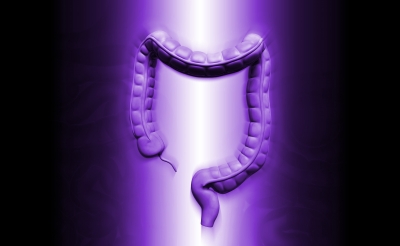
Many of the beneficial bacteria in our lower intestine feast on fibre which we can’t digest ourselves and so passes through the stomach and small intestine to be dealt with by the bacteria in our large intestine (gut). So eating a diet which is high in fibre is hugely beneficial to our gut health, because the fibre is the food for your good bacteria.

ID-10099484But do we need to take a probiotic supplement? Lots of research has been done on this and while there is mixed results from the findings, many people are agreeing that taking a probiotic supplement can help with the treatment of Travellers Diarrhoea and other gastrointestinal problems, to upper respiratory tract infections, allergies, various skin disorders, diabetes, weight loss to infantile colic.[1]

Another good time to be taking a probiotic supplement is during and after periods of antibiotic use. Antibiotics are good at killing all the bacteria, good and bad, so it is important that we put good bacteria back into our bodies to maintain a healthy gut. My mother suffered with oral thrush during courses of antibiotics for years until she discovered probiotics.

Additionally, stress can take its toll on the good bacteria of the gut.

The topic of pre and probiotics can get very complex as there are many different species of bacteria and some species can be beneficial for specific health concerns. For example, research at the University of Aberdeen has shown that eating a bowl of oats every day can clearly change the proportions of different types of bacteria in the gut, and their research has shown that some of the species that particularly increases when people eat more oats can be very good for us. These bacteria produce chemicals which are good for our hearts and for our gut lining. [2]

So my personal recommendation would be to take probiotic supplements during periods of ill health and stress, or to combat particular health concerns. But during times when health is good then eat a diet with lots of fibre including oats, and indigestible carbohydrates (oligosaccharides, dietary fibre and resistant starch). Examples of these are onions, garlic, beans and lentils, cashews, and cooked potatoes that have been cooled.

For a good, high quality supplement see Pro Bio Boost supplement from Neal’s Yard Remedies. This is suitable for vegetarians, and contains Bacillus coagulans, Lactobacillus Acidophilus, Bifido Blend 3 Strain and Inulin (a type of prebiotic/indigestible carbohydrate derived from plants). No GMO and no synthetic binders or fillers.

Or for an advanced range of probiotics and gut support supplements to promote wellbeing, take a look at Progurt. These sachets are designed to be taken over a course of 3-5 days. Each sachet is an intensive, super-strength, single dosage, equal to 40 capsules (at 25 Billion per Capsule), perfect for post antibiotics, tummy upset, gut imbalance, dairy and food intolerances, poor gut function or when travelling. Progurt are a unique formulation that were chosen to colonise and replicate. Each sachet contains Human Probiotic Isolates (HPI) identical to those found in a healthy human gut from birth. They consist of Lactic Acid Bacteria and Bifidobacteria including beneficial strains of Lactobacillus Acidophilus, Lactobacillus Bifidus and S. Thermophilus. A probiotic that understands your tummy’s past to change its future.

[1] Monash University https://www.futurelearn.com/courses/food-as-medicine/1/steps/82004

[2] http://www.bbc.co.uk/programmes/articles/4s0XkHq0HxZhjd5V2lQ2LRm/do-probiotics-do-any-good

Image courtesy of dream designs at FreeDigitalPhotos.net

Jackie Marsden MAR is a qualified reflexologist and independent consultant (Team Leader) for Neal’s Yard Remedies Organic. Jackie leads and mentors a growing team of consultants (many of whom are therapists integrating organic products into their existing businesses) via the NYRO social selling channel, holding regular team meetings, one-to-one coaching via phone and facetime, and a closed facebook group. All views are my own.

Growyourbusiness

Holistic Approaches for Multiple Sclerosis

Multiple sclerosis (MS) is a neurological condition which affects around 100,000 people in the UK. Most people are diagnosed between the ages of 20-40, but it can affect younger and older people too. Roughly three times as many women have MS as men. [1]

MS is when the body itself attacks the myelin sheath in an auto-immune response. The myelin sheath’s function is to insulate the nerves. When it is compromised it causes the neurotransmitters to function less effectively, slowing or blocking messages between body and brain. This creates tingling sensations, fatigue, tremors, pain and trouble balancing.

Dr Mercola states “While your body does have the ability to repair myelin naturally, this process tends to become less effective as you get older. Now, however, researchers [from University of Cambridge] have uncovered a natural option that might play a major role in boosting the repair of damaged myelin in people with MS: vitamin D.”[2] This emerging research is also presented by the Multiple Sclerosis society.[3]

I have been aware of MS right from the beginning of my reflexology career through my tutor, Julie Crossman, and her experience with her close and continued work with MS sufferers. During my training and professional career it is always the nervous and digestive systems I focus on within a reflexology session for an MS sufferer. A course of Reflexology Lymph Drainage would aim to help too from the auto-immune angle: isolating the immune system reflexes intends to boost and seek rebalance.

Delayed nervous responses such as moving a hand away from a hot surface, or weakening bladder control can be debilitating. The latter example causes further problems because many sufferers deliberately drink less to try to reduce this symptom but in doing so can cause bowel problems and constipation. Less water is not going to help anyone: our bodies need around two litres per day to carry out its vital functions.

ID-100140238Following a healthy diet full of antioxidant-rich fresh fruit and vegetables and a good water intake is key. A good quality Vitamin D supplement is also important.

Reflexology can also be beneficial from an emotional angle. Dr Mercola states “More often than not, some form of hidden emotional wound can also be found in patients suffering with autoimmune diseases like MS.” This has also been my findings from other readings of the condition by Ann Gillanders. The profound relaxation that reflexology invokes can create an emotional release for some people.

[1] https://www.mssociety.org.uk/what-is-ms

[2] http://articles.mercola.com/sites/articles/archive/2015/12/21/vitamin-d-multiple-sclerosis.aspx?e_cid=20151221Z2_DNL_art_2&utm_source=dnl&utm_medium=email&utm_content=art2&utm_campaign=20151221Z2&et_cid=DM93237&et_rid=1273927785

[3] https://www.mssociety.org.uk/ms-research/emerging-areas/vitamin-d

Jackie Marsden MAR is a qualified reflexologist and independent consultant (Group Leader) for Neal’s Yard Remedies Organic. Jackie leads and mentors a growing team of consultants (many of whom are therapists integrating organic products into their existing businesses) via the NYRO social selling channel, holding regular team meetings, one-to-one coaching via phone and Facetime, and a closed Facebook group. All views are my own.

Links to carefully selected affiliates.

independent-consultant-long-logoGrowyourbusiness

unnamed2

Image courtesy of Praisaeng at FreeDigitalPhotos.net

Combating Winter Colds and Viruses

ID-100231025It’s that time of year again when the weather turns colder, the central heating goes on, and windows tend to be closed, creating a breeding ground for winter colds and viruses.

There are simple ways of combating the prevalent cold virus, and this is more in prevention rather than cure.

Immune system

Our immune system needs regular boosting so that it is ready to fight any invaders. Do this by eating lots of fresh fruit and vegetables, preferably organic. Fruit and vegetables are full of antioxidants, which fight those free radicals which are released within the body to attack.

A regular vitamin C supplement can also help boost the immune system, optimising it for attack. Have you ever drunk a glass of organic juice and noticed its acidic effect on the digestive system? This is caused by the ascorbic acid. The vitamin C supplement I use contains Calcium Ascorbate instead, which is slow release, non-acidic form of vitamin C.

Stress will also damage our immune system, prioritising our adrenalin and sympathetic nervous system, and thus neglecting those systems that are not needed for immediate survival such as immune and digestion. A regular session of reflexology can help reduce stress and evoke relaxation.

Vitamin C

Patrick Holford’s advice re. vitamin C absorption is to take around 2 grams every 4 hours. This will saturate the tissues with vitamin C and thus flushing out the cold virus, maintaining a high level of immune protection. [1] This will completely blow the Recommended Daily Allowance (RDA) out of the water, however vitamin C is water soluble and thus the body cannot store excess amounts in fat – it simply excretes via the kidneys.

The RDA was written years ago based on the nutritional value of our foods after the war – nowadays our foods are nutritionally poorer due to the depleting quality of our soil. This is why I advocate an organic based diet and lifestyle. If we don’t adopt this way of life our future foods will be nutritionally worthless.

Antioxidants

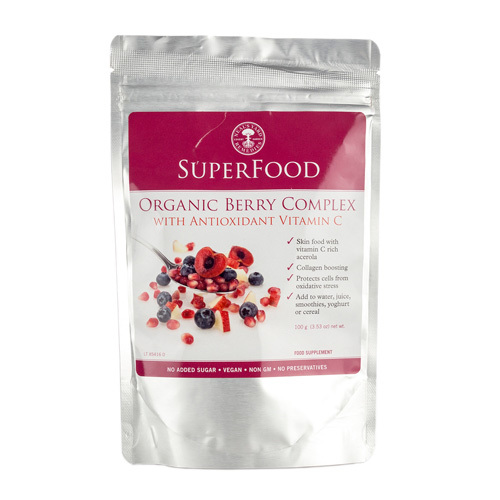
berry complexI have been using the Organic Berry Complex to continually saturate my body’s tissues throughout the day, particularly if I know I’m going to be busy with clients, driving long distances or late nights. Whiz up 2 scoops of the complex with some sprigs of mint and a blender jug full of water. Add a glug of Elderberry syrup to give a deeper taste and a richer content. It tastes amazing, so refreshing and the children love it too. Take a small glass of it regularly throughout the day to top up.

The supplements created by Neal’s Yard Remedies Organic are superior in the way they work because they are synergistic blends of carefully selected and sourced vitamins and minerals. Vitamins and minerals work with each other to do their jobs efficiently – not in isolation.

[1] Patrick Holford The Optimum Nutrition Bible pg. 289 How to kill a cold

Jackie Marsden MAR is a qualified reflexologist and independent consultant (Team Leader) for Neal’s Yard Remedies Organic. Jackie leads and mentors a growing team of consultants (many of whom are therapists integrating organic products into their existing businesses) via the NYRO social selling channel, holding regular team meetings, one-to-one coaching via phone and facetime, and a closed facebook group. All views are my own.

independent-consultant-long-logoGrowyourbusiness

unnamed2

Image courtesy of cooldesign at FreeDigitalPhotos.net