
Thoughts on Sleep

Woman sleeping peacefully.

Aside from nutrition, getting good quality sleep is probably the most important aspect for health and longevity. It is the cornerstone to good health,vitality, living longer and feeling well.

As basic as it sounds, we are designed to live with the diurnal rhythm; we wake with the light, and we sleep in the dark.

From around 5-6pm in the evening, our cortisol levels naturally start to drop, and the natural light starts to dim, and melatonin levels begin to rise. Melatonin is the hormone that makes us feel drowsy and gets us ready for a good night’s sleep.

I love to look at the Yin/Yang aspect of everything, and we can see here we have the dark night time which is Yin, and the light daytime which is Yang. We can also see that cortisol is the Yang to it’s counterpart melatonin, which is Yin. Our Yin and Yang aspects are always ebbing and flowing gently, gradually and naturally. Therefore its a really good idea to get into a winding down routine in the evening to allow our Yin to naturally deepen and do its work for a good night’s rest.

Its a great idea to adjust your daily activities (as much as is possible) to support this natural daily rhythm. Eating breakfast and your main meal, taking physical exercise and doing the main bulk of your work during the morning and earlier part of the day is best as this is when cortisol is at its highest.

As cortisol starts to drop early evening, its better to eat a smaller evening meal at least 3-4 hours before bedtime. The ‘321’ idea is an easy concept to follow:

  • Eat no later than 3 hours before bed
  • Drink no later than 2 hours before bed (any fluids)
  • No screens no later than 1 hour before bed.

If you can’t switch off your mind, meditation is helpful, as is Valerian, chamomile and magnesium. A bath with Epsom salts will give you a great boost of magnesium, and as your body temperature starts to drop afterwards, it will naturally help to make you feel sleepy. A cup of night time tea might also be useful. Try different things and see what helps you – we are all different!

We should be getting around 90 minutes of deep sleep every night and this usually happens earlier into the night. Its during the deep sleep where our body replenishes, heals and rejuvenates.

We should be getting around 2-3 hours of REM sleep a bit later on in the night, after deep sleep, and this is the type of sleep where our mind sifts, sorts through and processes everything that’s happened during the day. I believe this is why meditation can be so useful because sitting quietly and observing our thoughts for a few minutes before bed will get ahead of the sifting and sorting process that happens during REM.

We can disrupt our deep sleep by exercising too much. It’s a bit like taking a car on a very long drive; the engine will have been revved up and used a lot of oil. It will take longer to cool down and get back to normal. It’s the same with our body and mind. It can leave you wired even if you have done a lot and think you should be tired.

If you are a snorer then this will disrupt your sleep patterns, particularly if it causes apnea and wakes you everytime you’re snoring too loudly or gasping for air. It also means that you are not breathing through your nose as much. Nasal breathing increases the gas nitric oxide which is a molecule produced naturally in the body and is important for relaxing blood vessels and allowing them to widen and increase circulation (and so increasing oxygen and nutrient circulation around the body). It also helps us to feel relaxed and switch from ‘fight or flight’ to ‘rest and digest’ i.e. switching off the sympathetic nervous system and switching on the parasympathetic nervous system. Again these are the Yin and Yang aspects of health. Nasal breathing helps us to move out of Yang and into Yin.

Humming on the outbreath creates vibration which will open up the airways and increase nitric oxide, again making us feel relaxed and able to sleep better. So do some “Oms” with your evening meditation and see if you notice the difference!

Going back to snoring; snoring is usually down to raised inflammation making the airways swollen and restricted. Reducing inflammation is something to really work on if you are a snorer; losing weight, eating the rainbow, cutting down on refined carbs and sugars, processed foods, alcohol, smoking, caffeine, upping your omega 3s by eating oily fish, nuts and seeds, olive oil etc.

Working with a practitioner like myself with regular reflexology and/or acupuncture can be so useful in taking care of your overall health and wellbeing, and we can usually pinpoint areas that might be disturbing your ability to get a good night’s sleep.

Overall, getting into good habits by creating a bedtime routine or ritual that you follow each night, tailored particularly to those things that work for you, is the best way to set the stage for a good night’s sleep.

If you are interested in working with me please get in touch.

Links to carefully selected affiliates.

Does ICSI have all the answers?

Since the advent of ICSI (Intracytoplasmic Sperm Injection) problems with male factor in infertility can be addressed and bypassed with this procedure. The ICSI procedure allows particular sperm to be selected for use and manually injected into the egg by the embryologist using a microscopic needle.

But does ICSI always give us the best outcomes?

If the quality of sperm is sub-optimal, the question one has to ask is what impact will this have on the ongoing pregnancy and health of the child going forward?

In Traditional Chinese Medicine (TCM) our Jing is the substance we inherit from our parents at the moment of conception. Our Jing fuels our growth and development not just through conception and prenatal growth, but all through our lives from infancy to puberty, adulthood and beyond. Jing dictates our constitution and vitality as we move and age through life.

So if we completely disregard the quality of the sperm in favour of the ICSI procedure, what impact will have on the health of the life created? If a sperm is unable to penetrate an egg on its own, what does that say about the underlying Qi of that sperm?

So although ISCI is a wonderful and exceptional advancement in fertility medicine and assisted reproductive techniques, I do believe it should be firmly balanced with other perspectives of male health and vitality.

Sperm are continually created within the body, so taking a break for around 3 months before the next round of IVF is an optimal amount of time to put lifestyle changes in place. Dietary, lifestyle and nutritional changes can have a huge impact on sperm quality.[1] Taking this time and making this effort to improve the underlying Qi and Jing that is passed onto the next generation is fundamentally important. Things to consider:

  • Stop smoking/vaping;
  • Reduced consumption of refined sugars, processed foods,
  • Reduced consumption of alcohol;
  • Increased consumption of a wide variety of vegetables and fruit;
  • Take regular exercise;
  • Increased water intake;
  • Reduce the use of plastics for cooking and water/food storage (switch to glass)
  • Supplement with a good quality preconception multivitamin to include zinc, selenium, omega 3 fatty acids, antioxidants;
  • Reduce stress (look at meditation, reflexology, acupuncture, spending time in nature);
  • Keep mobile phone away from body [2];
  • Ejaculate frequently [3].

Other options to explore before diving straight into IVF/ICSI:

  • Having a full examination to rule out varicocele, hydrocele and other physical abnormalities;
  • Bloods taken for a full hormone profile;
  • Checking the microbiome to rule out any infection which might be causing levels of damage to the sperm.

“Mounting evidence suggests that the gut microbiome plays a key role in normal spermatogenesis and can be negatively impacted by diet and environmental perturbations.” [3]

Of course, every couple is individual, and factors such as age, for example, will also determine your route to IVF and ICSI.

If you are looking for fertility support in Lancashire please get in touch.

If you would like support through your fertility/IVF/ICSI journey with acupuncture please get in touch.

References

[1] https://pubmed.ncbi.nlm.nih.gov/32397485/

[2] https://www.ncbi.nlm.nih.gov/pmc/articles/PMC7848840/

[3] https://rbej.biomedcentral.com/articles/10.1186/1477-7827-10-115

[4] https://www.fertstertreviews.org/article/S2666-5719(23)00001-4/fulltext

Salts explained

Salt with a wooden spoon.

Sea salt is really good for soaking in a bath. It is believed to stimulate circulation, help ease muscle cramps, help relieve stiff joints, and soothe the skin.

Sea salt isn’t generally processed that much, it is simply evaporated off the water. So its very rich in trace minerals such as calcium, potassium, magnesium, zinc and iron.

Himalayan salts are very similar to sea salt in composition and trace minerals. However, because Himalayan salt is mined near the foothills of the Himalayan mountains, from some really ancient sea beds which were covered over with ice, lava and snow for millions of years, its thought that Himalayan salts are much purer than our regular sea salt because they are not full of our modern day pollutants.

Epsom salts aren’t actually a salt. They are magnesium, sulphur and oxygen. So when you use Epsom salts you are really using them for their magnesium content. Magnesium is needed in the body for all sorts of daily functions at a cellular level, and it is thought that in this day and age we are all lacking in magnesium due to the erosion of soil quality. Magnesium is very easily absorbed through the skin so soaking in a bath of Epsom salts is a great way to boost your magnesium levels.

Although we do need magnesium to support a whole host of bodily functions, one of the main things we all need it for is stress-management and improved sleep.

So these are the different types of salt explained, so you can now make an informed choice as to which type you would like to bathe in. Happy soaking!

View the bath salts from Neal’s Yard Remedies Organic.

Liver Season

Within Traditional Chinese Medicine (TCM), Spring is the season to support the Liver and Gallbladder.

You might think that we are a little early for talk about Spring in early February, however although it may feel very wintery still, and there may be snow on the ground or snow still yet to come, new life is already rising up from the ground with the sight of new shoots and buds, and the arrival of crocus and snowdrops.

The colour associated with the Liver is Green, and the element is Wood. If we consider what Wood is, we can see that it is both being and becoming; it is consistent yet it is always growing steadily, gently, persistently. As the tree moves into Spring we visualise it flowing and spreading its branches ready for new growth and the warmer seasons ahead.

So with Spring we feel a new surge of energy rising up, we can feel a creative impulse. We can feel on the edge of new beginnings. Yet we are only in February! So be aware that this can create a sense of irritability and impatience.

The Liver is responsible for maintaining the smooth flow of Qi and blood. This isn’t just in a physical form, but also emotionally, helping our emotions to flow smoothly. Mood swings, bad moods and anger can come from unbalanced Liver Qi. Insomnia can also be another indicator of imbalanced Liver Qi, as it’s most active time is between 1am and 3am, a period where we should be experiencing deep sleep. Other symptoms might include:

  • Headaches
  • Tendon problems
  • High Blood Pressure
  • Eye issues
  • Indigestion
  • Bloating
  • PMS

There are many things you can do to support your Liver energy at this time. But if you choose to do any of these things, do them gently! Remember the steady way the tree grows. We want to support ourselves in a kind and nurturing way, so make small changes over a period of time, and choose changes that resonate with you and where you are in your life at this moment:

  • Move. If you don’t already exercise then start doing something gentle now.
  • Tidy up your diet. Cut down on fried and fatty foods and replace them with healthy fats and oils, reduce sugar and processed foods, manage portion sizes and snacking, enjoy fresh foods, eat slowly.
  • Hydrate with plenty of water and perhaps a squeeze of lemon or some apple cider vinegar, which nourish the Liver.
  • Recreate order out of chaos: declutter emotionally/mentally as well as physically. Let go of old resentments and practice forgiveness. Make a start on your inner self.
  • Sew your seeds! Try something new, and be a little daring.
  • Book in for some acupuncture.
  • Buy yourself a new scarf!

We have talked about Liver season and it’s element of Wood and it’s colour Green, but one final aspect to point out is it’s climate: Wind. So although we feel that Spring is just around the corner, make sure you continue to wrap up warm particularly around the neck, shoulders and ears. This is known as your “Wind Gate” area and will be vulnerable to Wind invasion as we go through periods of temperamental weather, adjusting from Winter through to the warmer part of the year.

Have a great Spring!

Understanding puberty in girls from a TCM perspective

We can all remember the struggles of our teenage years; problems such as acne, the start of our periods, breasts forming, getting used to wearing bras, peer pressure, increasing levels of school work and home work, not being able to get out of bed in the mornings.

As a parent, I want my own daughters to have an easier time than I did. As a therapist, I am more aware of the strains put upon children and teenagers, and how this can effect them physically, psychologically and emotionally.

In my previous blog post, I explained in general terms about our Kidney energy being responsible for our growth and development, and reproductive health. If we experience a painful puberty it is likely that we will experience a more difficult menopause. We also want to optimise fertility, pregnancy and childbirth in between these two milestones, as well as general health and wellness, and they are all interlinked.

The following behaviours can have a significant impact on a young woman’s health:

  1. Early sexual activity. This can have an impact on uterine health at such a vulnerable time, causing imbalances such as blood stasis.
  2. Excessive physical work and exercise, During puberty, this may cause weakness and deficiency in the developing body (Spleen and Kidney), which in turn can lead to stagnation. Of course this depends on the individual constitution, but it is important to be aware of as a parent.
  3. Exposure to external cold. Young women are vulnerable to invasion of external cold, particularly during puberty. Social pressure to wear clothes that reveal the lower back and abdomen, going out without a coat and scarf, prioritising their physical appearance over their well-being can leave them prone to being attacked by the external pathogen of cold. If cold attacks the uterus, it will contract and cause stagnation.
  4. The use of tampons blocks the natural downward flow of blood and can cause stagnation. There are also many other health risks associated with tampons including the exposure to environmental oestrogens which is covered in a different blog post.
  5. Emotional stress and anxiety will have a massive impact on energy levels, depleting the Kidneys and creating excess Heart energy. If it is held onto then this can cause stagnation.

Taking care during this sensitive time will have a massive impact on our young women’s health as they get older. Common problems such as period pain, irregular periods, heavy/scanty periods, infertility, endometriosis, anxiety and depression, fatigue can all be improved through gentle communication, education and sensitivity around these issues at a young age.

If you are interested in receiving some acupuncture or reflexology sessions please contact me directly for an initial chat.

If you are looking for fertility support in Lancashire please get in touch.

Jackie Marsden is a Reflexologist, Acupuncturist and Foot Reading Practitioner, based at Elder Cottage Clinic, Warton, Preston, PR4. She is a full member of the Association of Reflexologists.

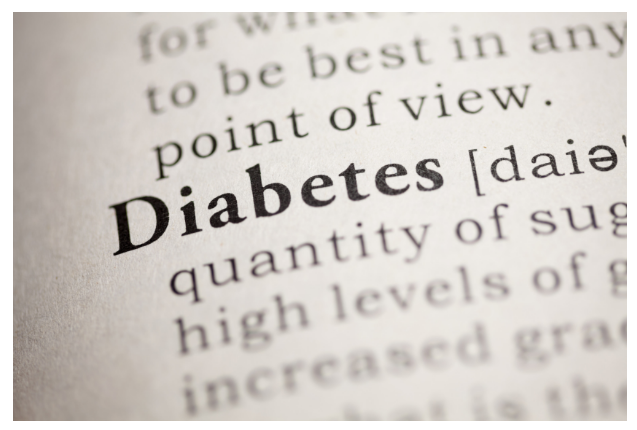
Reflexology for Diabetics

It is well known that people with diabetes need to look after their feet. In very basic terms, when the blood is not releasing the sugars into the cells of the body, the blood can get syrupy and thick, which means that it isn’t flowing smoothly and is not getting to the extremities as efficiently and as effectively as it should. Because of this, some of the smaller blood vessels become restricted and nerve endings can start to become damaged, causing peripheral neuropathy.

My first ever reflexology client I booked after qualifying was an elderly lady with type 2 diabetes. She was keen to have her feet touched and worked on because of the peripheral neuropathy she was experiencing. Her symptoms were numbness and tingling, making it difficult for her to walk and difficult to sleep. She found the treatments soothing, comforting and relaxing.

It is well known that reflexology can improve circulation within the body: the main contraindication for the treatment is thrombosis and clotting, simply because the improved flow of blood could cause the clot to move. With this in mind, it is a great treatment for diabetics.

Being diagnosed with any type of diabetes, but especially type 2 diabetes diagnosis in later life, can be very difficult to manage.  A massive change in lifestyle, eating habits and general discipline around food choices, exercise, blood sugar monitoring and medication timings can be very stressful not just for those with diabetes but also the surrounding friends and family. This is where regular reflexology treatments can be so beneficial for so many of life’s illnesses and problems, because it is such a great stress-buster.

Regular reflexology will also optimize the condition and health of the skin of the feet and ankles. As diabetics will have restricted blood flow (particularly to the extremities), this can cause excessive dryness, making the skin fragile and thin, and causing serious problems if a wound occurs. Healing will take much longer and may lead to other complications such as infections and ulcers. Ensuring that the skin is thoroughly moisturized and nourished will be hugely beneficial in maintaining the overall health of the feet.

In addition to general reflexology, the specialized sequence of Reflexology Lymph Drainage (RLD) may also be a good choice to make in a multi-faceted approach to managing diabetes. Diabetes causes the lymph vessels to become weak and too permeable, compromising the flow of lymph and thus the immune system.[1] We know that it is likely that the RLD sequence has a causal effect on the lymphatic system through studies conducted and results published around managing breast cancer related lymphoedema.[2] Of course more research is needed to present evidence, but I wholeheartedly believe in the modality of reflexology and the powerful effect it can have on the mind and body.

If you need further support in managing your diabetes take a look at my colleague The Diabetes Lady for online coaching and individualised advice.

Book in for reflexology today.

[1] http://revistaseletronicas.pucrs.br/ojs/index.php/scientiamedica/article/view/10095

[2] http://www.reflexologylymphdrainage.co.uk/abstract-2016.html

Jackie Marsden is a Reflexologist, Acupuncturist and Foot Reading Practitioner, based at Elder Cottage Clinic, Warton, Preston, PR4. She is a full member of the Association of Reflexologists.

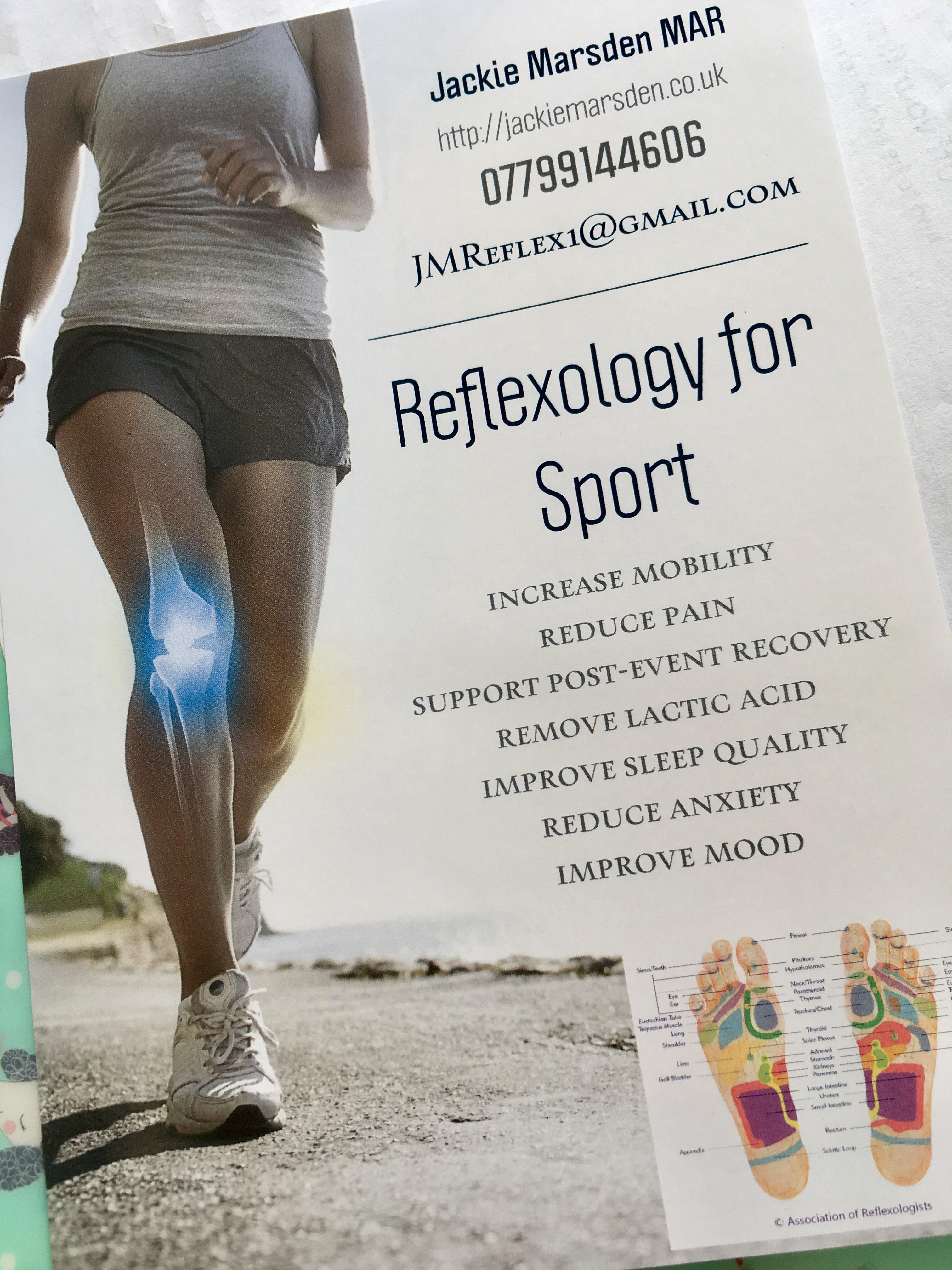
Reflexology for Sports

Sports people of any level or ability are highly motivated to perform at their best and to achieve optimum results; often they look to holistic therapies to complement treatment received for injuries.

Reflexology for optimal performance

The psychology of sport encourages individual athletes and team players to look for ways to achieve that extra one or two percent that can give them the edge on their opponents. Consequently, many now use reflexology as part of their overall regime.

What can reflexology offer?

Reflexology may help to provide increased mobility, reduced pain and support or accelerate the recovery period after an injury.  Many athletes use reflexology in a preventative capacity to encourage balance in the body and improved health in general, such as improved sleep quality, reduced anxiety and improved mood.

How does it work?

Reflexology helps to increase blood flow and encourage lymphatic drainage. Research studies show that it can remove lactic acid from the legs four times faster than massage, helping post event recovery. Increased blood circulation helps remove toxins and increase the delivery of oxygen and nutrients to the tissues, helping to support the body’s natural healing process and promote recovery from injuries. It may also assist in preventing common complaints and niggles from extended muscle exertion such as aches, pains, cramps and spasms.

What else?

The effect of stress has a very detrimental effect on the body, reducing blood flow and oxygen, causing energy to be depleted and thus functioning at a sub-optimal level. Reflexology helps to manage this by promoting deep relaxation, easing tension, giving the body time to rest and heal and it often improves sleep. It may also help with pain relief or reducing pain associated with injury.

Contact me for more information or to book an appointment.

Jackie Marsden MAR is a qualified reflexologist, acupuncturist, promoter of healthy living and independent consultant (Group Leader) for Neal’s Yard Remedies Organic.

Image courtesy of digitalart at FreeDigitalPhotos.net

Coping with Seasonal Allergies

POST10Approximately 2 million people in the UK suffer with seasonal allergies.

Generally speaking, early symptoms are caused by tree pollen, and later symptoms are caused by grasses and weeds. This is known as seasonal allergic rhinitis (or more commonly referred to as hay fever).

Symptoms that continue all year are called perennial allergic rhinitis and commonly relate to indoor allergens, such as house dust mites, pets and indoor molds.

In response to exposure of an allergen (e.g. pollen) the body’s immune system overreacts and releases chemicals (histamines) which cause inflammation. Histamines work quickly, causing sneezing, itching and runny nose. The eyes may also be affected, with itching, redness and watering (allergic conjunctivitis).

Other chemicals released during this overreaction can cause a blocked or stuffy nose and sinuses, which may lead to headache and difficulty sleeping.

Rhinitis is often regarded as a trivial problem but studies have shown that it severely affects people’s quality of life. It disturbs sleep, impairs daytime concentration and the ability to carry out tasks, causes people to miss work or school, and has been shown to affect children’s school exam results. (Source Allergy UK).

Treatments that suppress the symptoms of rhinitis or hay fever are antihistamines.

Quercetin is a natural anti-histamine i.e. it is known to inhibit the manufacture and release of histamine. It is also high in antioxidants.

  • Quercetin is an flavonoid (plant pigment) commonly found in fruits and vegetables, especially onions, citrus, and apples.
  • Since over-the-counter and prescription antihistamines can have side effects like drowsiness, seizures and dry mouth, a natural option is a good choice.
  • Use with Vitamin C for an optimal effect.

Zinc also helps with hayfever. Zinc reduces histamine levels and will enhance Quercetin.

  • If you suffer with regular colds/infections – you could well be deficient in zinc. Zinc will reduce a cold by up to 7 days, because it is toxic to viruses.
  • Zinc is amazing for skin – crucial skin healing and repair, acne, blemishes etc. balances sebum.
  • Zinc balances the reproductive organs so it’s a great choice for couples wanting to conceive. Great for bones and nails.
  • NYROrganic Super Antioxidant Boost is a great synergistically blended choice. No fillers.

Any of the White tea range will be hugely antioxidant so great for any allergies/hay fever.

  • White tea facial mist – lovely and refreshing, and cooling for the face. Use as a toner and as a facial spritz throughout the day over make-up.POST8_white_tea
  • White tea toning eye gel. Again this contains the Eyebright herb for reducing inflammation around the mucus membranes, more specifically the eye area here. Keep in the fridge for that extra cooling effect.
  • Reviving white tea face mask  – the kaolin clay cools and calms the skin.

OTHER TOP TIPS:

  • Apply the bee lovely lip balm around nostrils to prevent the pollen/allergens from entering the nasal cavity.
  • Some people with an allergy to pollens (especially tree pollens) may be affected by cross-reactions between their pollen allergy and certain foods. For example, they may find that when eating certain fruits, vegetables or tree nuts, especially raw, they get an itchy mouth or throat.
  • Keep windows closed when indoors. This is most important in the early mornings, when pollen is being released, and in the evening when the air cools and pollens that have been carried up into the air begin to fall to ground level again.
  • On high pollen days, shower and wash your hair after arriving home and change your clothing.
  • Avoid drying washing on a clothes-line outside when pollen counts are high.
  • Wear wraparound sunglasses when outdoors to keep pollen allergens out of your eyes.
  • Start taking a spoon full of locally sourced honey every day as early in the year as possible to build up immunity/resilience. (Source Allergy UK)
  • Get some reflexology. Reflexology Lymph Drainage has helped others manage rhinitis.
  • Acupuncture is effective in clearing heat and modulating the immune system.

Jackie Marsden MAR is a qualified reflexologist, promoter of healthy living and independent consultant (Team Leader) for Neal’s Yard Remedies Organic. Jackie leads and mentors a growing team of consultants (many of whom are therapists integrating organic products into their existing businesses) via the NYRO social selling channel, holding regular team meetings, one-to-one coaching via phone and facetime, and a closed facebook group. All views are my own.

Growyourbusiness

Reflexology for sleep problems – a perspective

Sleep is such an important part of our lives, but what actually is sleep and what does it do for us?

During sleep, your body is working to support healthy brain function and maintain your physical health. In children and teens, sleep also helps support growth and development.

What happens when we don’t sleep?

The damage from sleep deficiency can harm you over time. For example, ongoing sleep deficiency can raise your risk for some chronic health problems. It also can affect how well you think, react, work, learn, and get along with others. [1] Researchers have linked poor sleep to a number of ailments, from short-term memory loss and behavioural problems, to weight gain, diabetes, and even increased risk of cancer, just to mention a few. [2]

sleep

If we spend too much time indoors, in a windowless office during the day and in front of the TV, computer screens and mobile phones in the evenings, insomnia can soon set in because our brains struggle to determine what time it is. 

The combination of light deficiency during the day and excessive light exposure at night causes your biological clocks to get out of sync.

A 30-60 minute exposure to outdoor light every day helps to anchor our circadian rhythm. [2] This means that our master clock is set to be awake and alert during the day and to rest and sleep during the night.

After sustained periods of sleep disruption, we can be left feeling agitated, grumpy, stressed and on high alert. It then becomes ever more difficult to get to sleep, and thus becomes a stress in itself, and the cycle continues.

How can I sleep naturally?

Reflexology can also help with problems like this, as it allows a time and place for deep relaxation to occur. The appointment is in your diary. You are expected to lay back. You are expected to maybe close your eyes. You are expected to relax. Once in a state of deep relaxation, the body can begin to switch off the “high alert” and allow the parasympathetic nervous system to do its work, increasing digestion, immunity, libido, and most importantly here, providing a good environment for resetting the master clock to promote a healthy sleep pattern.

Combine regular reflexology with reduced time spent in front of TV and computer screens, particularly in the evenings, reduced consumption of stimulants during the evenings (such as alcohol and caffeine), and a good dose of outdoor light during the day, and you should be well on your way to a better night’s sleep. Fabulous natural remedies for sleep!

To summarise 3 things to help you sleep:

  • Get some reflexology
  • Reduce screen time and stimulants
  • Go outside during the day

For more of me on sleep, melatonin and circadian rhythm see my other blog post on the Winter Blues.

All views are my own.

independent-consultant-long-logo
Growyourbusiness
unnamed2

[1] http://www.nhlbi.nih.gov/health/health-topics/topics/sdd/why

[2] http://articles.mercola.com/sites/articles/archive/2015/12/10/dangers-sleeping-too-much.aspx?e_cid=20151210Z2_DNL_art_1&utm_source=dnl&utm_medium=email&utm_content=art1&utm_campaign=20151210Z2&et_cid=DM92051&et_rid=1256832826

Image courtesy of Ambro at FreeDigitalPhotos.net