Cortisol and Melatonin: The Yin and Yang of Your Circadian Rhythm

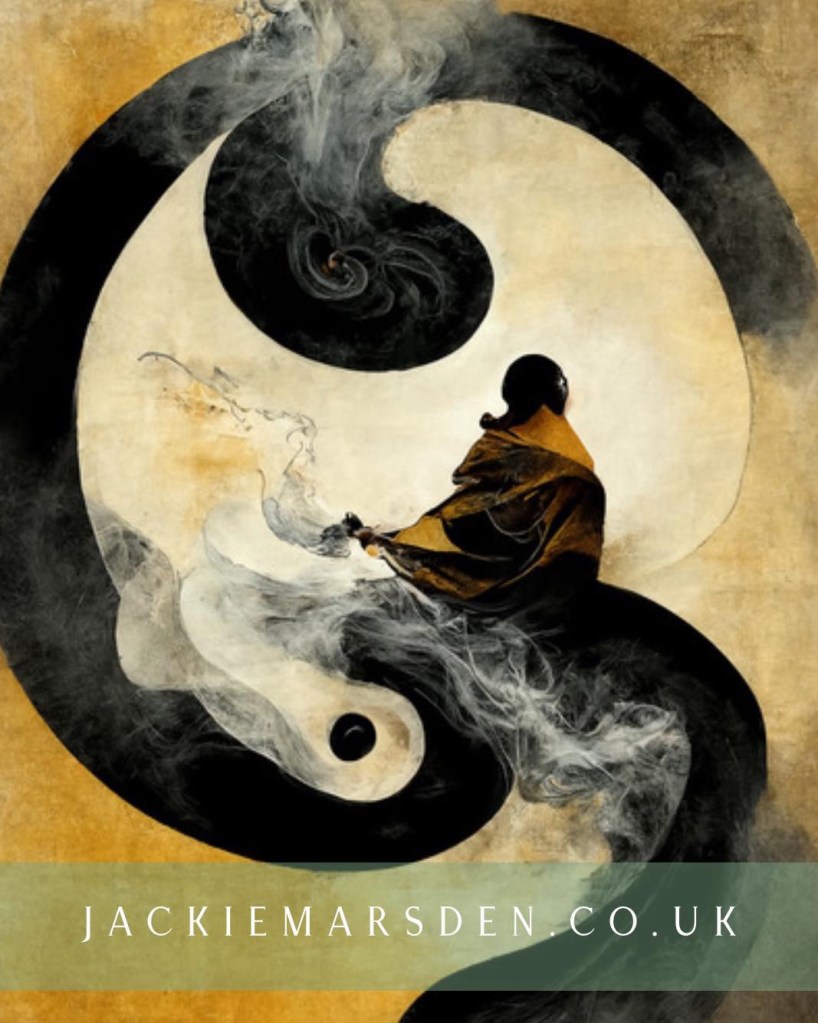
In the quiet rhythm of day and night, two powerful hormones guide our daily flow: cortisol and melatonin. These hormones play a crucial role in maintaining our body’s natural rhythm; you could think of them as the Yin and Yang of our circadian cycle: distinct in nature but working in harmony to help us feel balanced, focused, and rested.

Understanding their roles can help you align with your body’s natural flow, fostering better health and more restful sleep.

Cortisol: The Active Yang of the Day

Often labelled as the stress hormone, cortisol is essential for us to function properly, especially in the morning. It naturally rises when we wake up, helping to energize the body, sharpen focus, and prepare us for the day ahead. This is the Yang energy: active, outward, and purposeful.

Cortisol levels peak shortly after we wake up and begin to decline as the day progresses, supporting our ability to stay alert, handle stress, and perform tasks efficiently. Without sufficient cortisol, we may feel sluggish and less motivated in the morning; it’s as if we can’t quite get going.

Melatonin: The Restful Yin

As the sun begins to set, melatonin enters the scene: the Yin to cortisol’s Yang. Melatonin is often called the sleep hormone, but its job goes beyond just helping us fall asleep. It’s about inviting the body to slow down, repair, and rejuvenate during the night. When melatonin is released as daylight fades, it encourages us to rest, reduce our mental chatter, and prepare for the restorative sleep our bodies need to stay healthy.

Just as cortisol rises with daylight, melatonin rises when it gets dark. It acts as a signal that it’s time to let go and settle into rest, nurturing our recovery and internal restoration.
The Delicate Balance: Why It Matters

The relationship between cortisol and melatonin is delicate. These two hormones need to remain in a balanced dance throughout the day for you to feel your best. If cortisol remains high into the evening – perhaps due to stress, artificial light, or late-night stimulation – melatonin struggles to rise, and sleep may be disrupted. Over time, this throws the entire rhythm off course.

When this happens, it can interfere with your body’s natural recovery during sleep; affecting your energy, mood, and overall health.

Supporting Your Natural Cycle: Simple Practices for Balance

To maintain the delicate balance between cortisol and melatonin, it’s important to align your daily habits with the natural rhythms of your body. Here are a few practices to help keep your hormones in harmony:

  • Seek natural morning light: Exposure to sunlight in the morning helps signal your body that it’s time to rise and activate cortisol naturally. This simple habit can help improve your focus and alertness during the day.
  • Support rising cortisol with a healthy breakfast: Eat a balanced meal around 7am to give your body the nourishment it needs to maintain energy and focus throughout the day.
  • Avoid bright screens, intense exercise, and stimulants in the evening: These can keep cortisol levels elevated and interfere with melatonin production. Instead, opt for calming activities such as reading, meditation, or light stretching in the evening to help your body transition into rest mode.
  • Aim for regular sleep and wake times: Going to bed and waking up at the same time every day helps support your circadian rhythm and ensures your body knows when it’s time to rest.
  • Allow your digestive system to fast between 6pm and 7am: This simple practice allows your body to reset overnight, promoting better sleep and hormonal balance.
  • Get regular reflexology or acupuncture: These holistic therapies can support your body’s natural rhythm by reducing stress, improving circulation, and helping your body relax, making it easier for cortisol and melatonin to maintain balance.

Embracing the Quiet Wisdom of Yin

In a culture that often celebrates the energy of Yang – doing, pushing, and striving – we can sometimes forget the quiet wisdom of Yin. But it’s in the balance of these two forces that true health, clarity, and calm reside. When you nurture both your active and restorative energies, you create a foundation for lasting well-being and peace.

If you’re struggling to find balance in your circadian rhythm or need support with sleep, hormonal health, or stress management, reflexology and acupuncture can be powerful tools in restoring your body’s natural flow. Reach out for personalised guidance and care – together, I can help you nurture your Yin and Yang for a more vibrant and balanced life.
What is the difference between regular acupuncture and fertility acupuncture?

Fertility acupuncture is very similar to regular acupuncture in that it will still try to address common issues such as pain, digestive issues, headaches, hormonal imbalances etc. as part of the wider picture of a fertility patient. However it focuses a lot on reproductive health and treating the meridians that target this area of health. Common points are found on the wrists, ankles, feet, lower legs, abdomen and lower back.

Fertility acupuncture aims for the optimal internal environment for each particular patient. This means that it’s not a generic set of acupuncture points for everyone; each patient is treated as an individual. There is no one size fits all in any aspect of health.

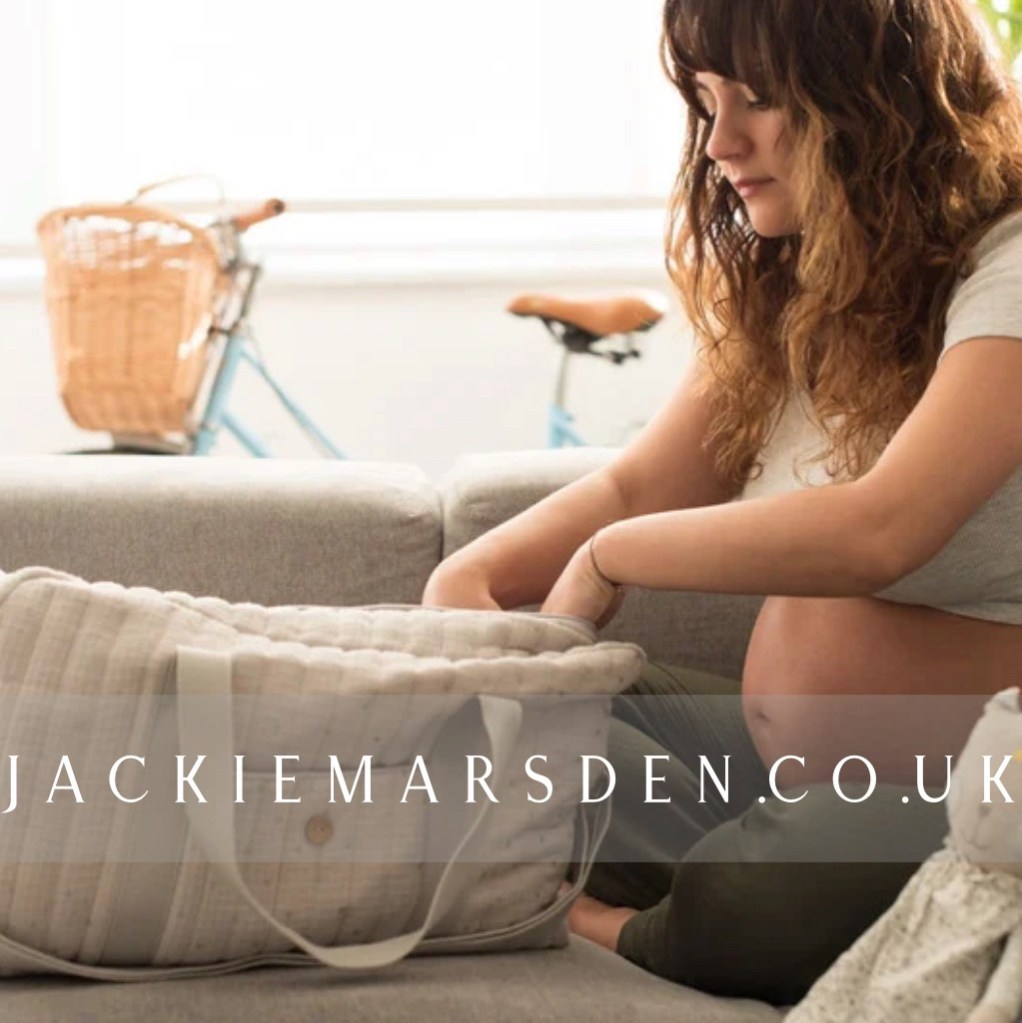
Happy pregnant woman preparing for her baby.

Fertility acupuncture tends to prioritise regulating the menstrual cycle, increasing blood flow to the ovaries and uterus, and regulating sperm health for the men. Stress management and building resilience to stress is also key when trying to conceive. This is something that is always prioritised in clinic.

When coming for fertility acupuncture it’s advisable to plan to come weekly for 3 months as this is the length of time it takes for an egg to be recruited, matured and finally ovulated. What we do now has an effect on those eggs ovulating (or collected via IVF) three months down the line.

During those 3 months we treat through the menstrual cycle, meaning that when you’re bleeding the focus is on good blood flow and emotional support as a period means no pregnancy. During the follicular phase the focus is on follicular development so good blood flow to the ovaries and uterine lining.

Fertility acupuncture works with each phase of assisted reproductive techniques such as IVF/ICSI to really enhance your response to the treatment you’re having, and manage the side effects of the medication.

When you work with a fertility acupuncturist, you gain insights and education from someone who has a regular practice in this area of health; someone who understands the process and what is involved. It’s not just needles; it’s fully rounded support.

If you would like to discuss your situation with me or would like to book in with the clinic in Warton, near Preston, Lancashire, please get in touch. Please read some of the success stories from the clinic here.

How does Acupuncture work?

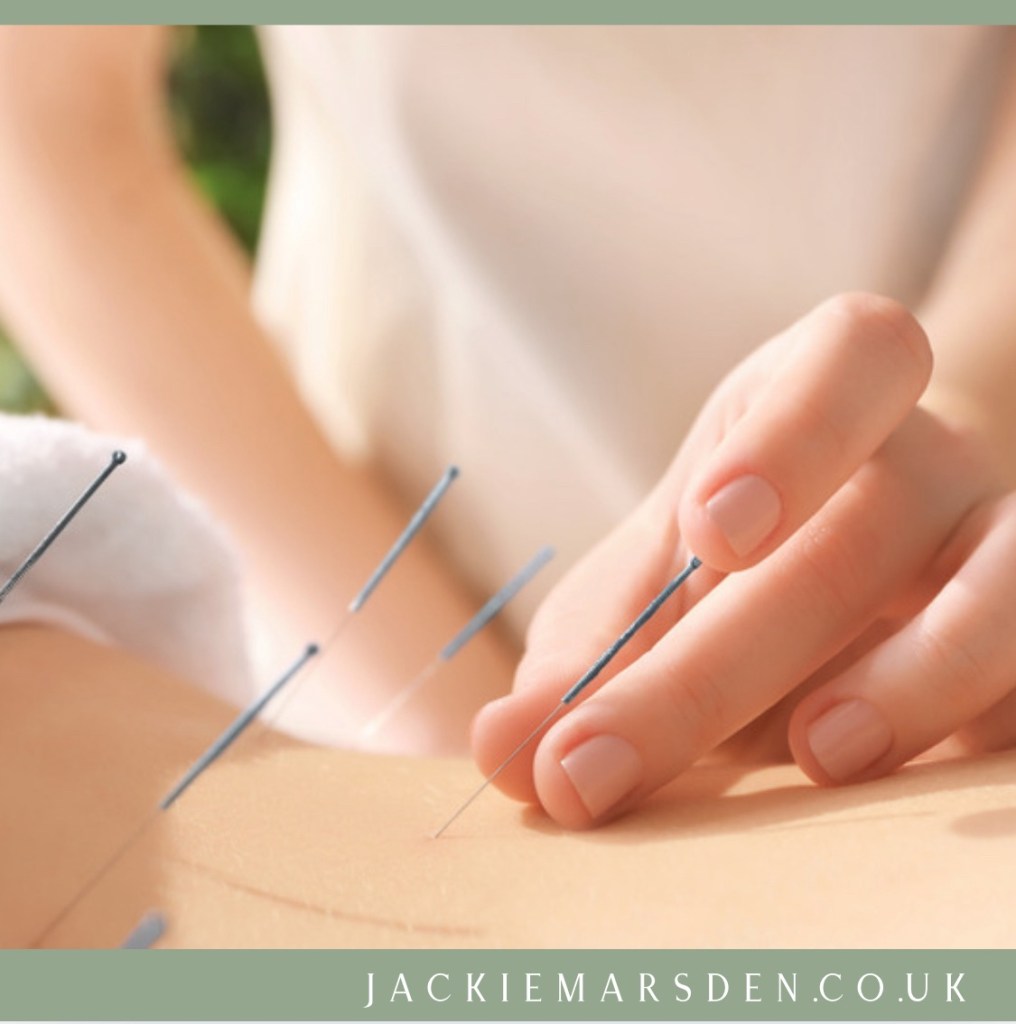
Fertility acupuncture in abdomen.

Traditional Acupuncture uses the understanding of health and wellness that’s been developed over thousands of years (Traditional Chinese Medicine). This theory uses the concept of Qi (energy) our life force energy. Qi flows up and down the meridian system which is a network of channels connecting the main organs with the rest of the body.

When we are well, the Qi is said to be flowing freely. When we are unwell, the Qi is said to be blocked, or stagnant, and not flowing as freely.

Acupuncture uses particular points on the channels to rebalance the flow of Qi and improve our physical, mental and emotional wellbeing.

A good analogy is of the body as a circuit board. An acupuncturist uses these circuits to rewire and reconnect the flow of electricity.

Evidence based research on how acupuncture works is highlights its impact on the central nervous system (CNS). The CNS governs fight or flight vs rest and digest. When we are chronically stressed we get stuck in fight or flight. Acupuncture appears to release endorphins, natural pain killers and those happy chemicals, to rebalance the CNS. The process acupuncture ignites within the body increases blood circulation, reduces inflammation, helps regulate blood sugars and reduces stress, which can all have a positive impact on our wellbeing.

If you’d like to try acupuncture for your own wellbeing book in today.

Why does IVF fail the first time?

Often the first round of IVF is used as a diagnostic. This means that the clinic will use a first round to assess where particular issues might be.

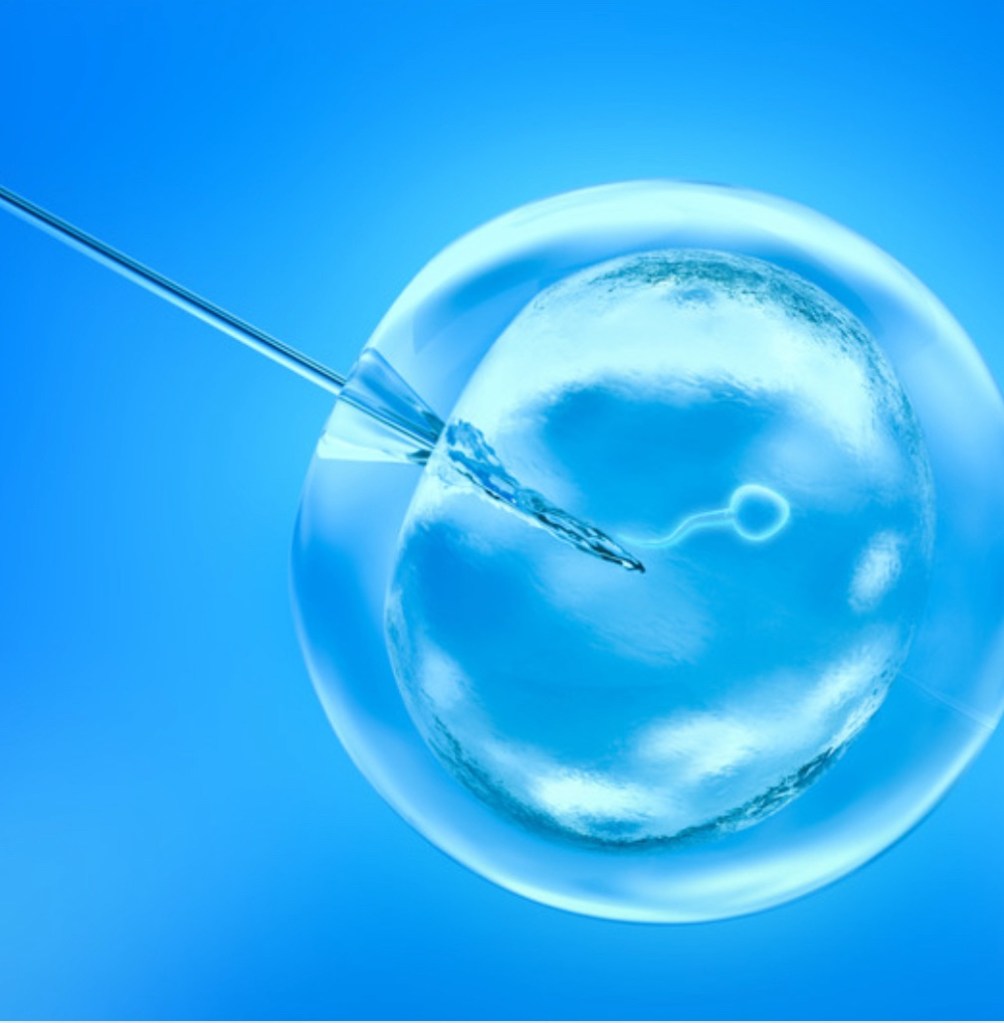
Human sperm being injected into an egg via ICSI.

For example, if the embryos are failing at day 3 then this can tell us that there is a problem with the health of the sperm.

Another example would be if the embryos are graded well but there is still no pregnancy then this could potentially mean there is an issue with the uterus, lining or progesterone receptivity.

Depending on where the procedure failed can give clues as to what is creating the unexplained infertility picture.

Unfortunately this first round is not something that should be taken lightly. Often it is a huge financial investment, not to mention the physical demands on the body, as well as the mental and emotional strain the process has on a couple.

When I work with clients I try to allow us at least 12 weeks to prepare for the next round of IVF. I take a very well-rounded consultation and full health intake to make sure we can drill down to where potential problems are sitting, and then increase the chances of a successful outcome.

Unfortunately I have seen scenarios where, had the couple not come for acupuncture, could have been a very different outcome. For example a couple who had all embryos fail at day 3 were told they needed donor eggs. No mention of improving the health of the sperm, which can be so easy to do with lifestyle and nutritional changes. Luckily this couple worked with me for 3 months and had a successful second cycle with their own eggs, and are now proud parents of a baby boy.

I’ve also seen clinics attempt a second cycle without really looking at the first one in detail. For example one client approached me after a failed fresh cycle. It was clear that there were microbiome issues and also a potential progesterone receptivity issue that we pushed to be checked during the second cycle, and the transfer was consequently halted due to low progesterone. Once we had this confirmed, a third cycle was successful after careful adjustment and monitoring of progesterone medication.

My training and continued learning and development gives me the tools to ask the right questions and see the infertility picture through a different lens. With access to the understanding of Chinese Medicine we can often see where problems lie early on.

If you are trying to conceive and need help, support or advice please get in touch.

IVF Acupuncture – Does it Work?

IVF acupuncture is acupuncture to support you through the IVF process.

Artistic interpretation of ovaries, uterus, cervix and vagina.

Ideally you will work with me for 3 months before your IVF treatment begins so that you are fully prepared for success.

Many clients come to me after they have had an unsuccessful first round. We look at the unsuccessful cycle and review what happened, and reflect upon what can be done differently next time.

It is such an emotionally challenging and stressful time for couples; having independent support is invaluable. It’s not simply needles; it is having someone to talk to and knowing someone has your back throughout the journey.

Acupuncture points are often chosen on the lower leg, ankles and feet, wrists and abdomen. But everyone is individual and points are chosen based on your particular pattern.

Acupuncture is powerful after egg collection to help your body heal from this procedure quickly so that you are ready and energised for the embryo transfer around 5 days later.

Getting 1-2 acupuncture treatments in after egg collection, and then one before embryo transfer can be really helpful.

A “baby bank” with details of couples who have trusted in me to support them through their fertility journeys is forthcoming. I am also preparing an e-book to help you set good foundations for your fertility journey.

Stress is a thief

Woman feeling stressed.

Stress is bandied about a lot across the internet and social media. But lets cut to the chase.

When you are chronically stressed (and this can be any type of stress, worry or fear because the body treats it all the same; as a threat) then your adrenal glands will secrete more of the hormone cortisol in order to keep you safe.

However, cortisol is made up of various ingredients, one of which is pregnenolone. This is where the steal happens. Pregnenolone is a key building block for the sex hormones: oestrogen, progesterone and testosterone. When the body is stressed, it believes it is under threat, and the priority is survival. So of course, the body will prioritise using the ingredients to create cortisol, the stress hormone, over using it to create our sex hormones. Because if your cycle is irregular, or you have unusual mid-cycle bleeding for example, these are not life-threatening. But the body will interpret any stress as life threatening, so other processes of less importance will be “put on the back-burner”.

So if you are having fertility issues of any kind, identifying areas of stress in your life can be a pivotal starting point. Really take some time reviewing your daily activities and routines and see where things could be improved. Spend some time sitting quietly and try not to think about anything. If this is difficult, write down the thoughts or worries that keep reappearing. Other things to consider:

  • Meditation or some sort of spiritual connection
  • Reflexology and/or acupuncture, massage
  • Gentle exercise allowing time for recovery afterwards
  • Setting time aside to do the things you love to do

If you are looking for fertility support in Lancashire please call/email me directly to have a chat and book in.

Reflexology for Diabetics

It is well known that people with diabetes need to look after their feet. In very basic terms, when the blood is not releasing the sugars into the cells of the body, the blood can get syrupy and thick, which means that it isn’t flowing smoothly and is not getting to the extremities as efficiently and as effectively as it should. Because of this, some of the smaller blood vessels become restricted and nerve endings can start to become damaged, causing peripheral neuropathy.

My first ever reflexology client I booked after qualifying was an elderly lady with type 2 diabetes. She was keen to have her feet touched and worked on because of the peripheral neuropathy she was experiencing. Her symptoms were numbness and tingling, making it difficult for her to walk and difficult to sleep. She found the treatments soothing, comforting and relaxing.

It is well known that reflexology can improve circulation within the body: the main contraindication for the treatment is thrombosis and clotting, simply because the improved flow of blood could cause the clot to move. With this in mind, it is a great treatment for diabetics.

Being diagnosed with any type of diabetes, but especially type 2 diabetes diagnosis in later life, can be very difficult to manage.  A massive change in lifestyle, eating habits and general discipline around food choices, exercise, blood sugar monitoring and medication timings can be very stressful not just for those with diabetes but also the surrounding friends and family. This is where regular reflexology treatments can be so beneficial for so many of life’s illnesses and problems, because it is such a great stress-buster.

Regular reflexology will also optimize the condition and health of the skin of the feet and ankles. As diabetics will have restricted blood flow (particularly to the extremities), this can cause excessive dryness, making the skin fragile and thin, and causing serious problems if a wound occurs. Healing will take much longer and may lead to other complications such as infections and ulcers. Ensuring that the skin is thoroughly moisturized and nourished will be hugely beneficial in maintaining the overall health of the feet.

In addition to general reflexology, the specialized sequence of Reflexology Lymph Drainage (RLD) may also be a good choice to make in a multi-faceted approach to managing diabetes. Diabetes causes the lymph vessels to become weak and too permeable, compromising the flow of lymph and thus the immune system.[1] We know that it is likely that the RLD sequence has a causal effect on the lymphatic system through studies conducted and results published around managing breast cancer related lymphoedema.[2] Of course more research is needed to present evidence, but I wholeheartedly believe in the modality of reflexology and the powerful effect it can have on the mind and body.

If you need further support in managing your diabetes take a look at my colleague The Diabetes Lady for online coaching and individualised advice.

Book in for reflexology today.

[1] http://revistaseletronicas.pucrs.br/ojs/index.php/scientiamedica/article/view/10095

[2] http://www.reflexologylymphdrainage.co.uk/abstract-2016.html

Jackie Marsden is a Reflexologist, Acupuncturist and Foot Reading Practitioner, based at Elder Cottage Clinic, Warton, Preston, PR4. She is a full member of the Association of Reflexologists.

Are you getting enough Vitamin O?

What am I talking about? Oxygen.

I’m no expert on yoga/breathing/meditation, however what I learn and find useful for myself, I always share where needed, particularly with my clients.

Many people come to me with stress-related issues, anxiety, sleep problems. Our minds wander and we worry, we ask:

  • Why me?
  • Why (insert loved ones name here)?
  • Why did it happen?
  • I wished it hadn’t happened
  • I’m worried it will happen
  • … the list could go on but you get the idea.

While we’re wasting our time doing this, our bodies are responding with the “fight or flight” response. Heart rate quickens, blood pressure increases, our immune and digestive systems start slowing. Our breath becomes shallow.

We need something to get away from the mind’s futile worrying. What could be easier and more opportune than our breath? Take some deep, slow breaths. Allow the oxygen to fill up our chests, our tummies, our whole bodies. Sweep in through the nose, and if you can, out through the nose, if not slowly and gently through the mouth. Try counting 1,2,3,4 as you inhale, 1,2,3,4 as you exhale. Add in some pauses. Count 1,3,3,4 after every inhale and exhale.

These simple techniques should help you tune out your mind’s babble and focus on the present moment. What is actually bothering you right now at this present moment? Nothing.

Posture during these breathing exercises is important too. If you’re doing them in bed in the middle of the night then you should be horizontal and comfortable. Make sure you’re warm and you can relax your muscles. If you’re sitting then it might be useful to use a small cushion to “prop up” your seat bones (those bony bits in your bottom cheeks). Tilting the pelvis forward like this will shift the spine straighter and open up the chest area, allowing more space.

During my reflexology treatments, my sequence always starts with the diaphragm line, followed by lung reflex, to help calm the breath and aid relaxation.

When we breathe we are literally giving our whole bodies oxygen: what could be more holistic?

The breath is so obvious that it often gets overlooked, but this is one of the greatest tools we have to help ourselves.

Are you getting enough Vitamin O?

Jackie Marsden MAR is a qualified reflexologist and independent consultant (Team Leader) for Neal’s Yard Remedies Organic. Jackie leads and mentors a growing team of consultants (many of whom are therapists integrating organic products into their existing businesses) via the NYRO social selling channel, holding regular team meetings, one-to-one coaching via phone and facetime, and a closed facebook group. All views are my own.

independent-consultant-long-logoGrowyourbusiness

unnamed2

Image courtesy of hinnamsaisuy at FreeDigitalPhotos.net