
Why does IVF fail the first time?

Often the first round of IVF is used as a diagnostic. This means that the clinic will use a first round to assess where particular issues might be.
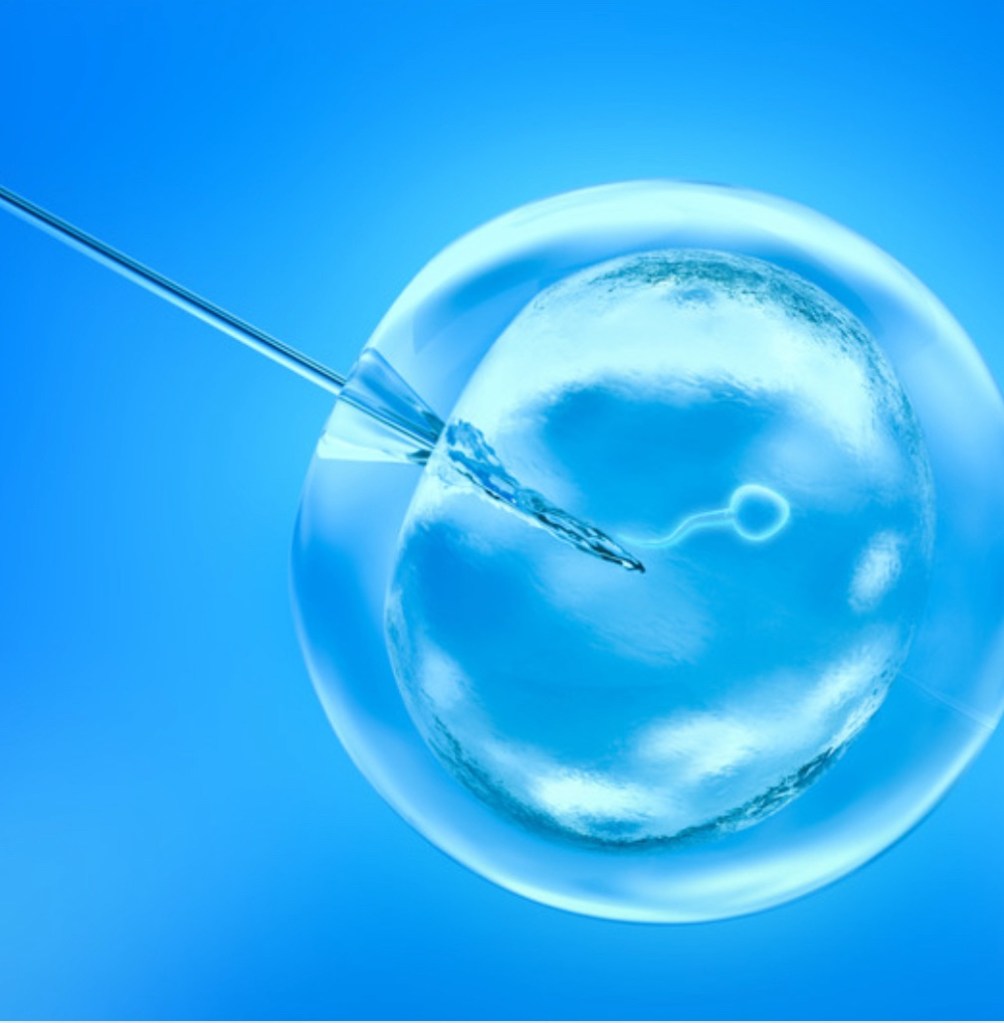
Human sperm being injected into an egg via ICSI.

For example, if the embryos are failing at day 3 then this can tell us that there is a problem with the health of the sperm.

Another example would be if the embryos are graded well but there is still no pregnancy then this could potentially mean there is an issue with the uterus, lining or progesterone receptivity.

Depending on where the procedure failed can give clues as to what is creating the unexplained infertility picture.

Unfortunately this first round is not something that should be taken lightly. Often it is a huge financial investment, not to mention the physical demands on the body, as well as the mental and emotional strain the process has on a couple.

When I work with clients I try to allow us at least 12 weeks to prepare for the next round of IVF. I take a very well-rounded consultation and full health intake to make sure we can drill down to where potential problems are sitting, and then increase the chances of a successful outcome.

Unfortunately I have seen scenarios where, had the couple not come for acupuncture, could have been a very different outcome. For example a couple who had all embryos fail at day 3 were told they needed donor eggs. No mention of improving the health of the sperm, which can be so easy to do with lifestyle and nutritional changes. Luckily this couple worked with me for 3 months and had a successful second cycle with their own eggs, and are now proud parents of a baby boy.

I’ve also seen clinics attempt a second cycle without really looking at the first one in detail. For example one client approached me after a failed fresh cycle. It was clear that there were microbiome issues and also a potential progesterone receptivity issue that we pushed to be checked during the second cycle, and the transfer was consequently halted due to low progesterone. Once we had this confirmed, a third cycle was successful after careful adjustment and monitoring of progesterone medication.

My training and continued learning and development gives me the tools to ask the right questions and see the infertility picture through a different lens. With access to the understanding of Chinese Medicine we can often see where problems lie early on.

If you are trying to conceive and need help, support or advice please get in touch.

Understanding Morning Sickness and Chinese Medicine in Pregnancy

Pregnant woman experiencing morning sickness and nausea.

Morning sickness is a general term we use to describe the feeling of nausea associated with pregnancy.

Although many women who experience morning sickness only feel ill in the mornings, many women actually feel ill all through the day and night. So it isn’t always about feeling sick just in the mornings.

When we sleep, we lay down for a long period during the night, and this can cause fluids to “sit around” and start to stagnate. Gentle movement such as walking out in the fresh air can help to get that fluid moving and circulating again. Ginger tea can also help with this.

Pregnancy uses up a lot of Qi, and many women feel worse when they don’t allow themselves enough rest. Perhaps still working 9-5, perhaps still pushing forward with other commitments and goals. If we use up a lot of Qi doing these things on top of pregnancy then there is little Qi left to move fluids around the body efficiently, creating the feeling of nausea. Adequate rest is really important.

Let’s talk a little bit about Chinese Medicine. The Chong Mai is the Sea of Blood and this will be sending Blood to the Uterus to nourish the foetus. This can overflow and start backing up, particularly in early pregnancy, creating the sense of nausea. This is why morning sickness often improves as the pregnancy progresses, as the foetus grows and the body adapts to the new life growing inside. The Chong Mai is closely linked with the Stomach channel. As the natural movement of Qi within the Stomach is downwards, “Rebellious Qi” describes it rebelling upwards, creating the feeling of nausea. Acupuncture can help to strengthen the descending action of the Qi to alleviate symptoms.

Sea bands are based on Pericardium 6 acupuncture point on the wrist which harmonises the Stomach and alleviates nausea and vomiting. My clients are often sent home with stick-on magnets to use on this point and perhaps others depending on the individual pattern. Using these in between acupuncture sessions can be really beneficial.

Does ICSI have all the answers?

Since the advent of ICSI (Intracytoplasmic Sperm Injection) problems with male factor in infertility can be addressed and bypassed with this procedure. The ICSI procedure allows particular sperm to be selected for use and manually injected into the egg by the embryologist using a microscopic needle.

But does ICSI always give us the best outcomes?

If the quality of sperm is sub-optimal, the question one has to ask is what impact will this have on the ongoing pregnancy and health of the child going forward?

In Traditional Chinese Medicine (TCM) our Jing is the substance we inherit from our parents at the moment of conception. Our Jing fuels our growth and development not just through conception and prenatal growth, but all through our lives from infancy to puberty, adulthood and beyond. Jing dictates our constitution and vitality as we move and age through life.

So if we completely disregard the quality of the sperm in favour of the ICSI procedure, what impact will have on the health of the life created? If a sperm is unable to penetrate an egg on its own, what does that say about the underlying Qi of that sperm?

So although ISCI is a wonderful and exceptional advancement in fertility medicine and assisted reproductive techniques, I do believe it should be firmly balanced with other perspectives of male health and vitality.

Sperm are continually created within the body, so taking a break for around 3 months before the next round of IVF is an optimal amount of time to put lifestyle changes in place. Dietary, lifestyle and nutritional changes can have a huge impact on sperm quality.[1] Taking this time and making this effort to improve the underlying Qi and Jing that is passed onto the next generation is fundamentally important. Things to consider:

  • Stop smoking/vaping;
  • Reduced consumption of refined sugars, processed foods,
  • Reduced consumption of alcohol;
  • Increased consumption of a wide variety of vegetables and fruit;
  • Take regular exercise;
  • Increased water intake;
  • Reduce the use of plastics for cooking and water/food storage (switch to glass)
  • Supplement with a good quality preconception multivitamin to include zinc, selenium, omega 3 fatty acids, antioxidants;
  • Reduce stress (look at meditation, reflexology, acupuncture, spending time in nature);
  • Keep mobile phone away from body [2];
  • Ejaculate frequently [3].

Other options to explore before diving straight into IVF/ICSI:

  • Having a full examination to rule out varicocele, hydrocele and other physical abnormalities;
  • Bloods taken for a full hormone profile;
  • Checking the microbiome to rule out any infection which might be causing levels of damage to the sperm.

“Mounting evidence suggests that the gut microbiome plays a key role in normal spermatogenesis and can be negatively impacted by diet and environmental perturbations.” [3]

Of course, every couple is individual, and factors such as age, for example, will also determine your route to IVF and ICSI.

If you are looking for fertility support in Lancashire please get in touch.

If you would like support through your fertility/IVF/ICSI journey with acupuncture please get in touch.

References

[1] https://pubmed.ncbi.nlm.nih.gov/32397485/

[2] https://www.ncbi.nlm.nih.gov/pmc/articles/PMC7848840/

[3] https://rbej.biomedcentral.com/articles/10.1186/1477-7827-10-115

[4] https://www.fertstertreviews.org/article/S2666-5719(23)00001-4/fulltext