What is the difference between regular acupuncture and fertility acupuncture?

Fertility acupuncture is very similar to regular acupuncture in that it will still try to address common issues such as pain, digestive issues, headaches, hormonal imbalances etc. as part of the wider picture of a fertility patient. However it focuses a lot on reproductive health and treating the meridians that target this area of health. Common points are found on the wrists, ankles, feet, lower legs, abdomen and lower back.

Fertility acupuncture aims for the optimal internal environment for each particular patient. This means that it’s not a generic set of acupuncture points for everyone; each patient is treated as an individual. There is no one size fits all in any aspect of health.
Happy pregnant woman preparing for her baby.

Fertility acupuncture tends to prioritise regulating the menstrual cycle, increasing blood flow to the ovaries and uterus, and regulating sperm health for the men. Stress management and building resilience to stress is also key when trying to conceive. This is something that is always prioritised in clinic.

When coming for fertility acupuncture it’s advisable to plan to come weekly for 3 months as this is the length of time it takes for an egg to be recruited, matured and finally ovulated. What we do now has an effect on those eggs ovulating (or collected via IVF) three months down the line.

During those 3 months we treat through the menstrual cycle, meaning that when you’re bleeding the focus is on good blood flow and emotional support as a period means no pregnancy. During the follicular phase the focus is on follicular development so good blood flow to the ovaries and uterine lining.

Fertility acupuncture works with each phase of assisted reproductive techniques such as IVF/ICSI to really enhance your response to the treatment you’re having, and manage the side effects of the medication.

When you work with a fertility acupuncturist, you gain insights and education from someone who has a regular practice in this area of health; someone who understands the process and what is involved. It’s not just needles; it’s fully rounded support.

If you would like to discuss your situation with me or would like to book in with the clinic in Warton, near Preston, Lancashire, please get in touch. Please read some of the success stories from the clinic here.

IVF Acupuncture – Does it Work?

IVF acupuncture is acupuncture to support you through the IVF process.

Artistic interpretation of ovaries, uterus, cervix and vagina.

Ideally you will work with me for 3 months before your IVF treatment begins so that you are fully prepared for success.

Many clients come to me after they have had an unsuccessful first round. We look at the unsuccessful cycle and review what happened, and reflect upon what can be done differently next time.

It is such an emotionally challenging and stressful time for couples; having independent support is invaluable. It’s not simply needles; it is having someone to talk to and knowing someone has your back throughout the journey.

Acupuncture points are often chosen on the lower leg, ankles and feet, wrists and abdomen. But everyone is individual and points are chosen based on your particular pattern.

Acupuncture is powerful after egg collection to help your body heal from this procedure quickly so that you are ready and energised for the embryo transfer around 5 days later.

Getting 1-2 acupuncture treatments in after egg collection, and then one before embryo transfer can be really helpful.

A “baby bank” with details of couples who have trusted in me to support them through their fertility journeys is forthcoming. I am also preparing an e-book to help you set good foundations for your fertility journey.

Is Acupuncture Worth it for IVF?

Acupuncture is very much worth it as part of your overall plan in preparing for conception.

Woman receiving acupuncture for fertility issues in her abdomen.

It is well documented that it takes around 100 days/3 months, or 3 cycles, for an egg to be recruited and matured ready for ovulation, and similarly for a full sperm regeneration cycle to complete.

It is hugely important to give yourself time to prepare and improve your overall health and wellness, lifestyle, diet and nutritional aspects before conceiving, whether you plan to do this naturally or via IVF. If the raw materials are not in the best condition possible, then you will not be maximizing your chances for a viable conception, implantation, and ongoing pregnancy and the health of the child.

As an acupuncturist I work closely with couples to look at where problems might be hiding. Sometimes a small imbalance can lead to issues when it comes to fertility. Working holistically, I take a full medical and lifestyle history from couples trying to conceive, then work out a specific and individualized acu-point prescription to help re-balance what I see happening in the body. I look at tongues, ears, feet and feel your abdomen. I ask a lot of questions about your menstrual cycle, menstrual blood and digestive health, as this can tell us as lot about what might be happening within the body.

Acupuncture is hugely effective when it comes to IVF. Particular points can help with innervation to the ovaries and uterus, boosting Blood and Qi, giving a good bump up to the follicles, helping with uterine lining, managing oestrogen levels and holding off OHSS, as well as calming the mind and supporting the couple. It is also excellent for expediting the recovery after egg collection, and preparing the uterus for transfer. Which points are used will be individual to your own picture.

In my own clinical experience, couples who have taken the appropriate time and care to prepare for their next IVF cycle get the best results; either falling pregnant naturally or having a successful IVF cycle.

If you would like to book a full consultation to discuss your own situation please contact me. Prices can be found here.

Does ICSI have all the answers?

Since the advent of ICSI (Intracytoplasmic Sperm Injection) problems with male factor in infertility can be addressed and bypassed with this procedure. The ICSI procedure allows particular sperm to be selected for use and manually injected into the egg by the embryologist using a microscopic needle.

But does ICSI always give us the best outcomes?

If the quality of sperm is sub-optimal, the question one has to ask is what impact will this have on the ongoing pregnancy and health of the child going forward?

In Traditional Chinese Medicine (TCM) our Jing is the substance we inherit from our parents at the moment of conception. Our Jing fuels our growth and development not just through conception and prenatal growth, but all through our lives from infancy to puberty, adulthood and beyond. Jing dictates our constitution and vitality as we move and age through life.

So if we completely disregard the quality of the sperm in favour of the ICSI procedure, what impact will have on the health of the life created? If a sperm is unable to penetrate an egg on its own, what does that say about the underlying Qi of that sperm?

So although ISCI is a wonderful and exceptional advancement in fertility medicine and assisted reproductive techniques, I do believe it should be firmly balanced with other perspectives of male health and vitality.

Sperm are continually created within the body, so taking a break for around 3 months before the next round of IVF is an optimal amount of time to put lifestyle changes in place. Dietary, lifestyle and nutritional changes can have a huge impact on sperm quality.[1] Taking this time and making this effort to improve the underlying Qi and Jing that is passed onto the next generation is fundamentally important. Things to consider:

  • Stop smoking/vaping;
  • Reduced consumption of refined sugars, processed foods,
  • Reduced consumption of alcohol;
  • Increased consumption of a wide variety of vegetables and fruit;
  • Take regular exercise;
  • Increased water intake;
  • Reduce the use of plastics for cooking and water/food storage (switch to glass)
  • Supplement with a good quality preconception multivitamin to include zinc, selenium, omega 3 fatty acids, antioxidants;
  • Reduce stress (look at meditation, reflexology, acupuncture, spending time in nature);
  • Keep mobile phone away from body [2];
  • Ejaculate frequently [3].

Other options to explore before diving straight into IVF/ICSI:

  • Having a full examination to rule out varicocele, hydrocele and other physical abnormalities;
  • Bloods taken for a full hormone profile;
  • Checking the microbiome to rule out any infection which might be causing levels of damage to the sperm.

“Mounting evidence suggests that the gut microbiome plays a key role in normal spermatogenesis and can be negatively impacted by diet and environmental perturbations.” [3]

Of course, every couple is individual, and factors such as age, for example, will also determine your route to IVF and ICSI.

If you are looking for fertility support in Lancashire please get in touch.

If you would like support through your fertility/IVF/ICSI journey with acupuncture please get in touch.

References

[1] https://pubmed.ncbi.nlm.nih.gov/32397485/

[2] https://www.ncbi.nlm.nih.gov/pmc/articles/PMC7848840/

[3] https://rbej.biomedcentral.com/articles/10.1186/1477-7827-10-115

[4] https://www.fertstertreviews.org/article/S2666-5719(23)00001-4/fulltext

Buns won’t bake in a cold oven

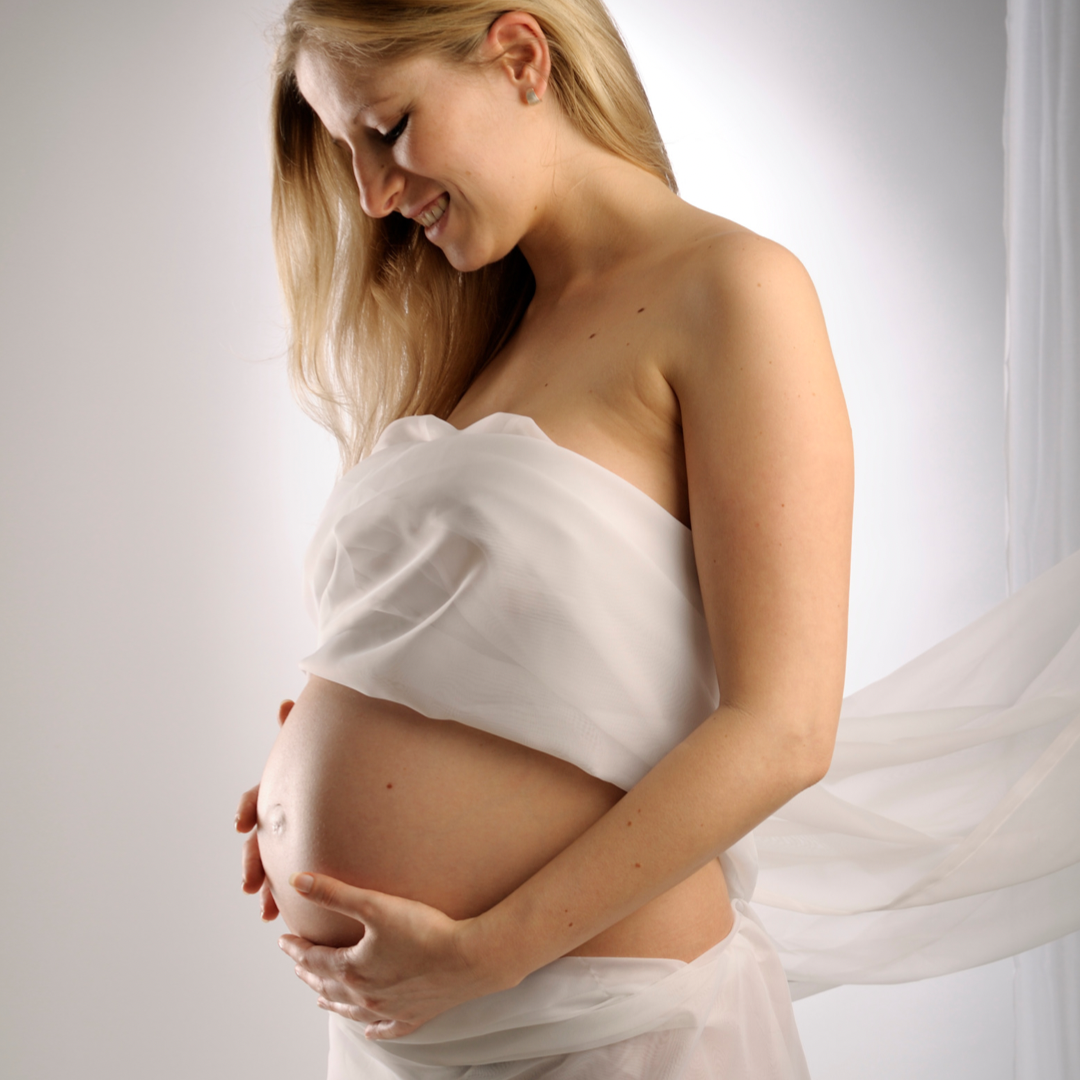
Pregnant woman, happily holding her womb.

We’ve all heard the old saying “she’s got a bun in the oven”; a simple analogy of stating that someone is pregnant. But actually, this saying is true more than you might think. If you want to bake a bun, the oven must be warm right? The warmth gives all the ingredients the energy to transform together to create the desired outcome: a well-formed bun. This is all true for making babies. The environment in which the baby is conceived and implanted, and then subsequently grown and developed, needs to be one of which is warm.

One of the main areas I look at when seeing fertility clients is their tummy. I look at what they are wearing and whether they feel warm enough. Many women will wear cropped tops, or short tops that sit on the waist. Underwear may also be low sitting, which means the abdominal and lower back area where the uterus sits is not kept layered up and is prone to invasion of cold. Do you remember your mum or your gran telling you to wear a vest and tuck it into your knickers? This is absolutely sound advice for getting and staying pregnant!

Invasion of cold can also come from things like going outside with wet hair, no scarf, no coat, or sitting on cold surfaces. I’m not talking about doing it once, but repeatedly as a habit. Exposing our bodies regularly to cold exposure without warming up properly afterwards can lead to a manifestation of cold in the body. It is well known that going out in the autumn and winter with wet hair and no scarf can lead to us “catching a chill”, and this is the same for the abdominal area, which can lead to (or be a contributing factor of) fertility issues.

When the body is cold, the flow of Qi and Blood slows down. Our bodily fluids need energy from warmth to keep flowing freely and smoothly throughout the body. If the abdomen is on the cold side, this means that Qi and Blood are not flowing freely to and from the uterus, creating stagnation and leading to stasis.

Losing some weight around the middle can help a lot to increase warmth and disperse cold from this area. If you are looking at IVF you will know that there is usually advice as to the recommended BMI they recommend before starting your IVF journey. Lots of studies have also been done around obesity and pregnancy rates, indicating that a smaller waist can contribute to higher pregnancy rates.

When fertility clients come into see me, I will often ask to look at their tongue as well as palpate their tummy. The colour of the tongue can tell us a lot about what might be going on in the body from an acupuncture point of view. If the tongue shows me a blueish tinge then cold will be contributing factor to address.

Other signs of cold, or of Blood Stasis can be seen in menstrual blood, so if you are wanting to get pregnant then it is worth taking a note of your menstrual blood as well as monitoring your cycles. Look at the colour of the menstrual blood; it is bright red, or pink/orange, or dark red or purplish? What are the size of clots (if any) and the colour of those clots? Do you experience any cramping, bloating and pain before and during your period?

General things you can do to help dispel cold and warm up the abdominal area are:

  • Use a hot water bottle on your tummy or lower back regularly – if you’re sitting at your desk for a while use one then, or when relaxing on the sofa, or in bed at night.
  • Moxa patches are a great way to penetrate warmth and dispel cold. These are available in clinic. They simply attach to your tummy or lower back and will stay warm for 12-16 hours.
  • Incorporate herbs and spices into your diet. Things like ginger, garlic, cinnamon, mint, turmeric are all great for dispelling and dispersing stasis in the body and getting things warmed up and moving. Ginger & Turmeric Tea is a good way of doing this.
  • Get regular acupuncture to support your fertility journey.

If you are looking for fertility support in Lancashire please call/email me directly to have a chat and book in.