Detoxing holistically

Woman holding a healthy green smoothie.

January is a time where we see lots of talk and discussion about detoxing after the festive break and as a kick start for the new year ahead. But is January the best time to do this? When we are still very much in mid-winter, and hibernation is still what we are craving with the mornings and evenings still so dark and the weather still so cold.

A better way to approach detoxing is to make lifestyle changes and build good habits into daily routines so that you are reducing the toxic load from the “get go” and daily habits are keeping on top of what’s left.

Reducing toxic load

Many toxins are within our homes. Consider home cleaning, laundry and personal care products, as well as home fragrance. These will contain lots of toxins such as heavy metals, petrochemicals, synthetic fragrance and parabens. Much of these ingredients are environmental oestrogens i.e. they mimic oestrogen within the body and can cause havoc with hormones, mood and weight gain. This is particularly critical if you are trying to conceive or are perimenopausal.

Foods are another area where toxic load can be reduced. Cutting back on ultra processed foods such as ready meals, ready made sauces, fast foods, packet foods can really help reduce toxic load. Choose whole foods and make meals from scratch. Teach yourself how to cook. Snack on things like fruit, nuts and seeds and cut out the junk. Choose organic where possible and rinse/wash fruit and vegetables thoroughly before eating.

Water intake should be increased. The body uses around 2 litres of water per day just to complete its daily functions. If you are not consuming this regularly then the body will source the water from itself leaving you with signs of dehydration such as dry skin, slow bowel movements and headaches.

Choose a water filter to filter out debris, pharmaceutical residues, microplastics and chemicals used in the treatment plants.

Food and water storage

Don’t store your water in plastic bottles; choose a metal or glass bottle. Don’t cook food in plastic containers and try not to store food or re-heat food in plastic. Choose glass Tupperware or simply use a regular bowl and pop a plate over the top. Avoid using clingfilm. You often don’t need to cover and wrap food; simply placing it in the fridge will be good enough if you are eating it the next day. If you want to use a wrap then look at the reusable beeswax or plant-based wraps. Plastic from bottles and storage containers will leach into the water/food, especially if you are washing in hot water using a regular detergent. Switch to an environmentally friendly brand such as Method or BioD.

Daily habits

Daily dry body brushing is a great way to keep your lymphatic system boosted which is integral to reducing toxins and inflammation. Take a body brush and gently brush in an upwards motion towards the heart. Brush up the middle of the torso, then the legs, arms and across the top of the chest. Do this every morning on dry skin before showering or moisturising to keep on top of your detox plan.

A castor oil pack worn over the right side of your abdomen can help to support your liver which is integral for detoxification. This is simply a compress soaked in castor oil and then strapped to your torso and worn for an hour. You can do this weekly to keep on top of your detox plan, or more regularly if you are using it in a more targeted way.

Oil pulling each morning with coconut oil is another way to regularly rid your body of toxins. Put around a teaspoon of coconut oil in your mouth first thing, and let it melt then swish it around your mouth for approximately 2 minutes before spitting into the bin (do not spit into the sink as it may block drains).

Detox the mind with meditation. Meditation doesn’t have to be complicated or boring. Simply sit in a comfortable position and be quiet for a length of time. Sit in the stillness. Allow yourself not to think or worry about anything for the set amount of time. It could be as little as 1 minute to begin with. Use a timer. Practice every day and note how you feel.

These approaches are a better and kinder way to detox your body, and will be practical and sustainable to build into your everyday life.

How can I increase my chances of IVF success?

IVF is a process which shouldn’t be taken lightly. It is hard on couples from all angles; emotionally, mentally and physically.

IVF eggs under microscope.

The drugs used are heavy duty; creating all sorts of side effects and mood swings. The process involves physical incisions through the vaginal wall and on the ovaries – multiple cuts in fact – depending on how many follicles you have. A lot of energy is required for your body to heal. You will also be sedated and this can take time to recover from.

Then there is the agonizing wait to see if any eggs fertilized, and how well they develop to day 5 where you will then have another procedure to transfer the embryo into your womb. And the 2 week wait begins, alongside more drugs.

It is an emotional roller coaster and exhausting; taxing mentally and physically with trips in and out of the clinic for tests and scans.

For such a consuming process, wouldn’t you want to prepare the best that you can to maximise your chances of success? Its not something you should walk into without first fully investigating what the problems are with your inability to conceive naturally, and to really prepare your body and the environment within which your eggs are recruited and collected, and then transferred back for implantation and ongoing pregnancy.

Preparation is key when it comes to IVF success. Don’t allow a fertility clinic to use your first round as a diagnostic; that’s way too expensive both financially and for your health and overall wellbeing.

Find someone to help you through the process and work with a specialist who can take a deep dive into your lifestyle and nutrition, and offer you acupuncture as part of your preparation program.

Contact me for an initial chat and start your preconception journey with me today.

Is Acupuncture Worth it for IVF?

Acupuncture is very much worth it as part of your overall plan in preparing for conception.

Woman receiving acupuncture for fertility issues in her abdomen.

It is well documented that it takes around 100 days/3 months, or 3 cycles, for an egg to be recruited and matured ready for ovulation, and similarly for a full sperm regeneration cycle to complete.

It is hugely important to give yourself time to prepare and improve your overall health and wellness, lifestyle, diet and nutritional aspects before conceiving, whether you plan to do this naturally or via IVF. If the raw materials are not in the best condition possible, then you will not be maximizing your chances for a viable conception, implantation, and ongoing pregnancy and the health of the child.

As an acupuncturist I work closely with couples to look at where problems might be hiding. Sometimes a small imbalance can lead to issues when it comes to fertility. Working holistically, I take a full medical and lifestyle history from couples trying to conceive, then work out a specific and individualized acu-point prescription to help re-balance what I see happening in the body. I look at tongues, ears, feet and feel your abdomen. I ask a lot of questions about your menstrual cycle, menstrual blood and digestive health, as this can tell us as lot about what might be happening within the body.

Acupuncture is hugely effective when it comes to IVF. Particular points can help with innervation to the ovaries and uterus, boosting Blood and Qi, giving a good bump up to the follicles, helping with uterine lining, managing oestrogen levels and holding off OHSS, as well as calming the mind and supporting the couple. It is also excellent for expediting the recovery after egg collection, and preparing the uterus for transfer. Which points are used will be individual to your own picture.

In my own clinical experience, couples who have taken the appropriate time and care to prepare for their next IVF cycle get the best results; either falling pregnant naturally or having a successful IVF cycle.

If you would like to book a full consultation to discuss your own situation please contact me. Prices can be found here.

Feel at the endo’ your rope with Endometriosis?

Woman experiencing menstrual cramping and heavy bleeding due to endometriosis.

Endometriosis is a condition where the cells of the endometrium (the uterine lining) are laid down outside of the uterus, usually within the pelvic cavity but sometimes also further afield, like in the nostril for example.

Often endometriosis is found on the ovaries, fallopian tubes, or even the bladder and bowel.

When menses occurs, the endometriosis tissue bleeds too. This means that menstrual blood is flowing into areas where it shouldn’t. The body’s immune system will kick in, and attack the endometriosis tissue, creating high levels of inflammation and pain.

Other symptoms might include pain while emptying bladder, during bowel movements, and during or after intimacy. IBS symptoms may also be present; diarrhoea or constipation.

Often endometriosis takes a long time to diagnose, because it really can only be seen via laparoscopy or MRI, although sometimes it can be detected via ultrasound. Initially pain and IBS symptoms will be dealt with via pain killers, and heavy periods are often managed via the oral contraceptive pill. Although these firefighting methods might help, they don’t get to the root of the issue.

High levels of inflammation can cause all sorts of havoc within the body. A disordered immune system will have an impact on thyroid, joints, musculo-skeletal health, intestinal and bowel health, sexual health and mental wellbeing. Higher levels of the wrong type of bacteria can be prolific within the microbiome. Oestrogen dominance can also prevail.

What are the answers?

If you suspect you have endometriosis its imperative that your symptoms are investigated further.

Anything you can do to modulate your immune system will help. Eating an anti-inflammatory diet and removing known stimulants and food triggers is important. Seek help from an Acupuncturist specialising in fertility or women’s health, or a reflexologist specialising in Reflexology Lymph Drainage.

If you are experiencing problems and would like to book in with me please get in touch.

Does ICSI have all the answers?

Since the advent of ICSI (Intracytoplasmic Sperm Injection) problems with male factor in infertility can be addressed and bypassed with this procedure. The ICSI procedure allows particular sperm to be selected for use and manually injected into the egg by the embryologist using a microscopic needle.

But does ICSI always give us the best outcomes?

If the quality of sperm is sub-optimal, the question one has to ask is what impact will this have on the ongoing pregnancy and health of the child going forward?

In Traditional Chinese Medicine (TCM) our Jing is the substance we inherit from our parents at the moment of conception. Our Jing fuels our growth and development not just through conception and prenatal growth, but all through our lives from infancy to puberty, adulthood and beyond. Jing dictates our constitution and vitality as we move and age through life.

So if we completely disregard the quality of the sperm in favour of the ICSI procedure, what impact will have on the health of the life created? If a sperm is unable to penetrate an egg on its own, what does that say about the underlying Qi of that sperm?

So although ISCI is a wonderful and exceptional advancement in fertility medicine and assisted reproductive techniques, I do believe it should be firmly balanced with other perspectives of male health and vitality.

Sperm are continually created within the body, so taking a break for around 3 months before the next round of IVF is an optimal amount of time to put lifestyle changes in place. Dietary, lifestyle and nutritional changes can have a huge impact on sperm quality.[1] Taking this time and making this effort to improve the underlying Qi and Jing that is passed onto the next generation is fundamentally important. Things to consider:

  • Stop smoking/vaping;
  • Reduced consumption of refined sugars, processed foods,
  • Reduced consumption of alcohol;
  • Increased consumption of a wide variety of vegetables and fruit;
  • Take regular exercise;
  • Increased water intake;
  • Reduce the use of plastics for cooking and water/food storage (switch to glass)
  • Supplement with a good quality preconception multivitamin to include zinc, selenium, omega 3 fatty acids, antioxidants;
  • Reduce stress (look at meditation, reflexology, acupuncture, spending time in nature);
  • Keep mobile phone away from body [2];
  • Ejaculate frequently [3].

Other options to explore before diving straight into IVF/ICSI:

  • Having a full examination to rule out varicocele, hydrocele and other physical abnormalities;
  • Bloods taken for a full hormone profile;
  • Checking the microbiome to rule out any infection which might be causing levels of damage to the sperm.

“Mounting evidence suggests that the gut microbiome plays a key role in normal spermatogenesis and can be negatively impacted by diet and environmental perturbations.” [3]

Of course, every couple is individual, and factors such as age, for example, will also determine your route to IVF and ICSI.

If you are looking for fertility support in Lancashire please get in touch.

If you would like support through your fertility/IVF/ICSI journey with acupuncture please get in touch.

References

[1] https://pubmed.ncbi.nlm.nih.gov/32397485/

[2] https://www.ncbi.nlm.nih.gov/pmc/articles/PMC7848840/

[3] https://rbej.biomedcentral.com/articles/10.1186/1477-7827-10-115

[4] https://www.fertstertreviews.org/article/S2666-5719(23)00001-4/fulltext

PMS and it’s extremes

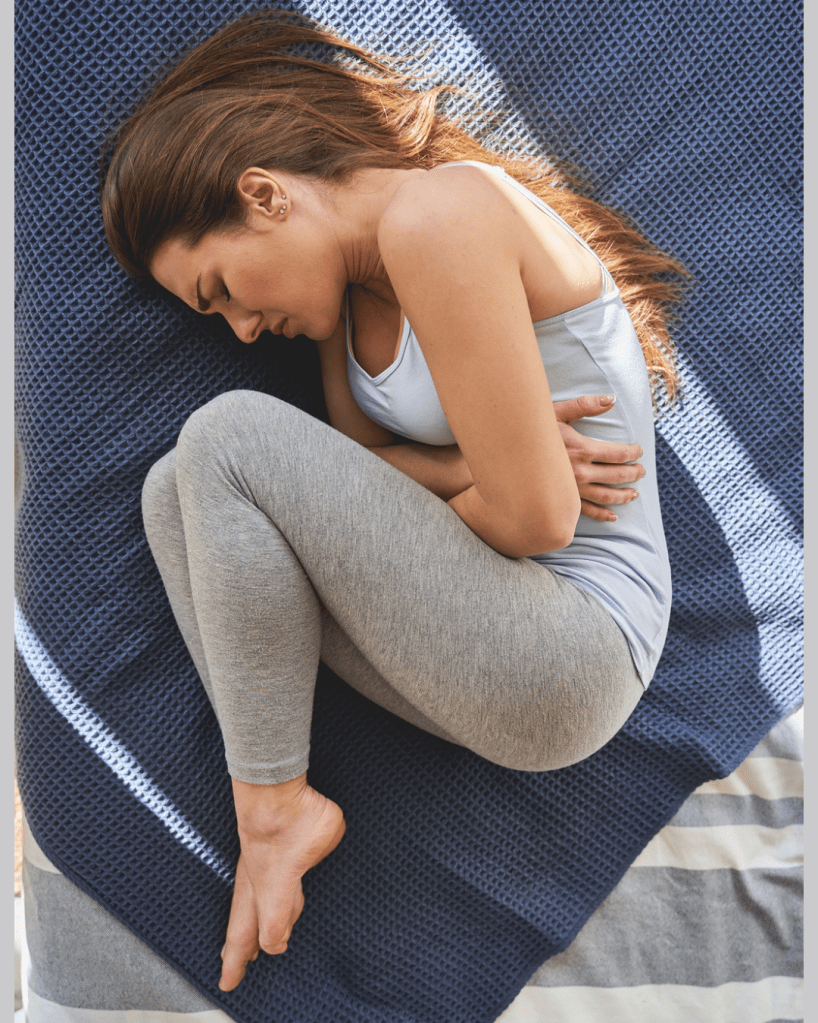
Woman experiencing severe menstrual cramping.

Approximately 90% of women suffer from Premenstrual Syndrome (PMS) at some point in their lives. During the few days leading up to menstruation can present with all sorts of symptoms such as bloating, irritability, frustration, anger, back ache, acne, abdominal cramping and pain, feeling tearful and emotional, as well as anxious and depressed.

Every cell in our body has a hormone receptor, so PMS can be attributed to over 200 symptoms as fluctuating hormone levels can have an impact everywhere in the body. These may be symptoms you only experience during the build up to your period, or perhaps these are symptoms you already experience, but are exacerbated at this time of your cycle.

In TCM terms, the luteal phase of your cycle e.g. the second half of your cycle between ovulation and your period, is when your body is at its most Yang. It is the part of the cycle where there is the most energy. Your body is gearing up for the possibility of a pregnancy with the surge of progesterone helping to really plump up the uterine lining for an embryo to implant. This surge of hormone and surge of energy can make us feel energised and productive, however as this starts to wane and drop just before our period starts, can suddenly leave us feeling depleted. The smooth flow of Qi is now not so smooth, as the progesterone starts to dip and body temperature starts to drop, our overall hormone levels can quickly leave us feeling grumpy and moody, and present us with physical symptoms too.

Switching between the Yang half of our cycle to the Yin half i.e. our menses, can create Qi stagnation. Getting to know your cycles by charting on a calendar, or Basal Body Temperature (BBT) charting can really help you to understand what is going on inside your body, help you identify symptoms and mood changes, and shed light onto areas that perhaps might need further attention.

For example, some people do not just suffer with “regular” PMS, but can experience more extreme versions such as Premenstrual Dysphoric Disorder (PMDD) and Premenstrual Exacerbation (PME). These extreme versions of PMS can be very difficult to deal with and manage on a monthly basis. “Experiencing PMDD can make it difficult to work, socialise and have healthy relationships. In some cases, it can also lead to suicidal thoughts.”1

Understanding your own personal cycle, the length of your follicular and luteal phases, and looking at your BBT throughout your cycle can open up possibilities to improve symptoms you’re experiencing. You might discover that phases of your cycle are too long/short or your temperature is not high enough or too high for example.

Supporting progesterone can help with PMS. To support progesterone production and your luteal phase, add more nutrient dense calories into your diet at this phase of your cycle. After all, your body is gearing up for a potential pregnancy, and some women find that they are hungrier at this time. Adding more protein, and looking at using adaptogens such as Ashwaganda to help manage stress and change. “Adaptogens are the umbrella term for fungi and plant-derived compounds that help the body adapt to stress.”[2] Magnesium is also said to help, as many of us are depleted in magnesium and it is involved in a myriad of daily bodily functions. Using a topical spray or adding in Epsom Salts to your evening bath are easy ways to get magnesium into your body. Magnesium often becomes low as a result of stress. [3]

Managing stress is also key to supporting your luteal phase. Booking in for regular reflexology or acupuncture can offer you the opportunity to feel relaxed and receive some downtime already scheduled into your diary. With acupuncture in particular, treating throughout the cycle can help you regulate and improve your quality of life. Vitamin B complex supports the body’s ability to handle stress. [3]

Understanding your cycle can help you to prepare and plan for what might be up ahead. Scheduling your diary around your cycle can help you to be more productive when you are feeling at your most energised, and avoid difficult social situations when you’re likely to be feeling fragile. You can also use your cycle to help with meal planning and snacking, and scheduling in more gentle exercise within the luteal phase.

If you would like fertility support in Lancashire and to book in with me please get in touch.

  1. https://www.mind.org.uk/information-support/types-of-mental-health-problems/premenstrual-dysphoric-disorder-pmdd/about-pmdd/
  2. https://www.parsleyhealth.com/blog/what-are-adaptogens/
  3. https://webfmd.com/hpa-axis-dysfunction-treatment/

Molecular Hydrogen

Hydrogen is the smallest molecule in the universe. It has only 2 atoms, and binds with oxygen to give us water – H2+0.

Molecular hydrogen is the name given to hydrogen that is released into water to give it highly antioxidant properties. There are over 1000 published studies now providing evidence that hydrogen-rich water has many health-giving and therapeutic effects.

Why is water good for you?

If we consider that, as humans, we are made up of approximately 70% water, we should really make clean, living, health-giving water and hydration our number one priority when it comes to health and nutrition.

Tap water is not the same as filtered water

Tap water is drinkable but it is full of various extras such as the growing concern around micro-plastics, chlorine, fluoride, pharmaceutical residues and hormones. Because of these, as well as poor water structure, the tap water consumed does not effectively hydrate the body and penetrate deep into the cells where it is needed. It is a bit like watering a dried up pot plant: most of the water runs straight through into the saucer.

By releasing molecular hydrogen into clean, filtered and restructured water, we are left with water that is highly bioavailable and hydrates the body much quicker and effectively that regular tap water.

How do I get molecular hydrogen into my water?

There are various ways you can get molecular hydrogen into your water. The system I use at home (and have done so since 2021 – I never promote anything I do not use myself) is the Energy Plus Undersink Filter System from Water for Health.

This is a 4 stage filtration process which sits neatly under the sink. The first two filters remove debris and particulate, and other contaminants such as chlorine and fluoride. The third filter uses bioceramics to mineralise the water to give it good structure. It then finally passes through the fourth filter which uses a magnesium substrate to release molecular hydrogen into the water.

Which water filter is best?

A water filter of this nature is my preferred way to filter water, over reverse osmosis (ro) and distilling. This is mainly down to the fact that both of these methods remove absolutely everything from the water, including the good stuff – the minerals – which not only provide all the trace elements your body needs, but also provide a basic structure to the water. So if you do choose “ro” or distilling then make sure you re-mineralise the water before drinking.

For further information please see my affiliate link here. There are currently over 1000 published studies available on the benefits of molecular hydrogen.

Water droplets suspended in mid air.

Buns won’t bake in a cold oven

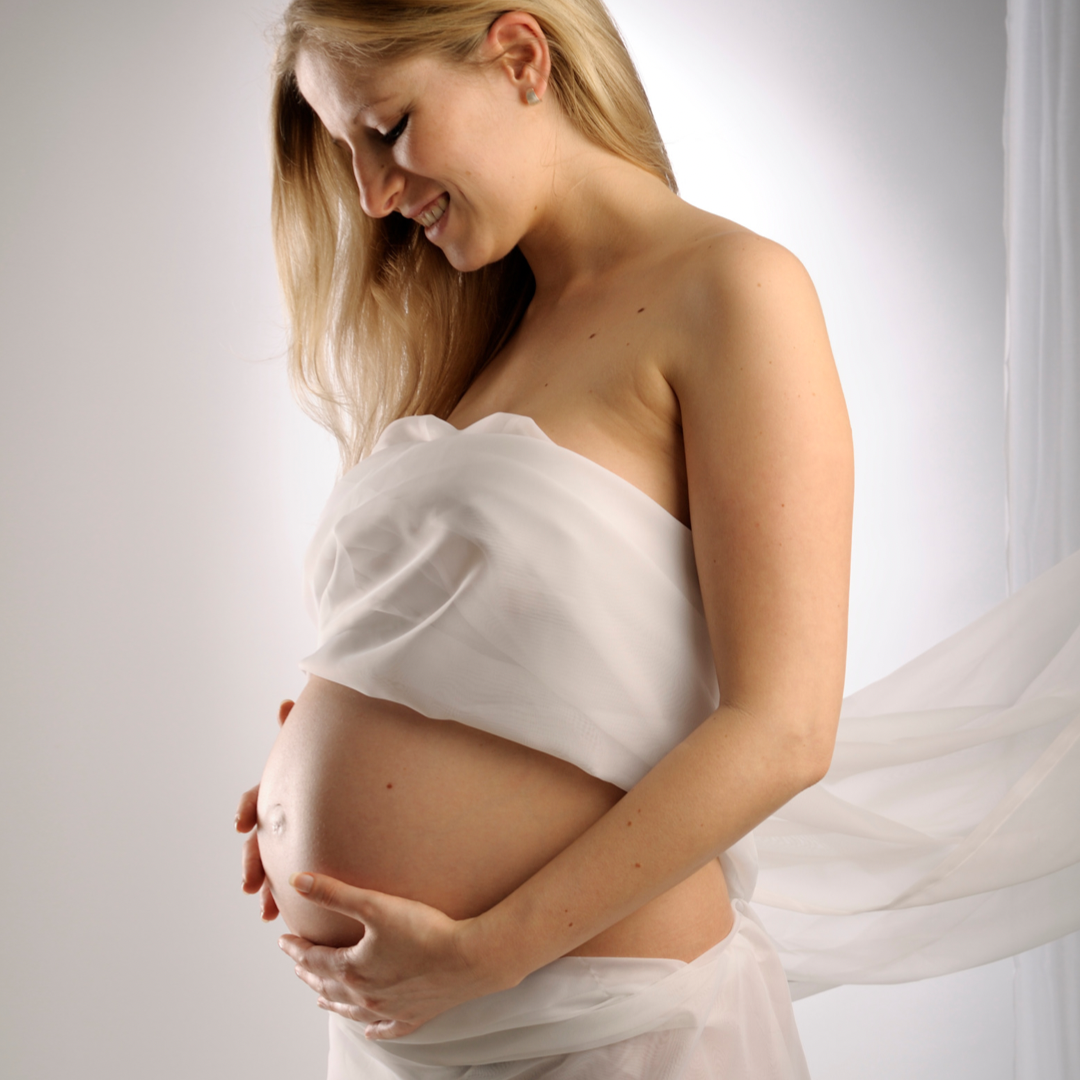
Pregnant woman, happily holding her womb.

We’ve all heard the old saying “she’s got a bun in the oven”; a simple analogy of stating that someone is pregnant. But actually, this saying is true more than you might think. If you want to bake a bun, the oven must be warm right? The warmth gives all the ingredients the energy to transform together to create the desired outcome: a well-formed bun. This is all true for making babies. The environment in which the baby is conceived and implanted, and then subsequently grown and developed, needs to be one of which is warm.

One of the main areas I look at when seeing fertility clients is their tummy. I look at what they are wearing and whether they feel warm enough. Many women will wear cropped tops, or short tops that sit on the waist. Underwear may also be low sitting, which means the abdominal and lower back area where the uterus sits is not kept layered up and is prone to invasion of cold. Do you remember your mum or your gran telling you to wear a vest and tuck it into your knickers? This is absolutely sound advice for getting and staying pregnant!

Invasion of cold can also come from things like going outside with wet hair, no scarf, no coat, or sitting on cold surfaces. I’m not talking about doing it once, but repeatedly as a habit. Exposing our bodies regularly to cold exposure without warming up properly afterwards can lead to a manifestation of cold in the body. It is well known that going out in the autumn and winter with wet hair and no scarf can lead to us “catching a chill”, and this is the same for the abdominal area, which can lead to (or be a contributing factor of) fertility issues.

When the body is cold, the flow of Qi and Blood slows down. Our bodily fluids need energy from warmth to keep flowing freely and smoothly throughout the body. If the abdomen is on the cold side, this means that Qi and Blood are not flowing freely to and from the uterus, creating stagnation and leading to stasis.

Losing some weight around the middle can help a lot to increase warmth and disperse cold from this area. If you are looking at IVF you will know that there is usually advice as to the recommended BMI they recommend before starting your IVF journey. Lots of studies have also been done around obesity and pregnancy rates, indicating that a smaller waist can contribute to higher pregnancy rates.

When fertility clients come into see me, I will often ask to look at their tongue as well as palpate their tummy. The colour of the tongue can tell us a lot about what might be going on in the body from an acupuncture point of view. If the tongue shows me a blueish tinge then cold will be contributing factor to address.

Other signs of cold, or of Blood Stasis can be seen in menstrual blood, so if you are wanting to get pregnant then it is worth taking a note of your menstrual blood as well as monitoring your cycles. Look at the colour of the menstrual blood; it is bright red, or pink/orange, or dark red or purplish? What are the size of clots (if any) and the colour of those clots? Do you experience any cramping, bloating and pain before and during your period?

General things you can do to help dispel cold and warm up the abdominal area are:

  • Use a hot water bottle on your tummy or lower back regularly – if you’re sitting at your desk for a while use one then, or when relaxing on the sofa, or in bed at night.
  • Moxa patches are a great way to penetrate warmth and dispel cold. These are available in clinic. They simply attach to your tummy or lower back and will stay warm for 12-16 hours.
  • Incorporate herbs and spices into your diet. Things like ginger, garlic, cinnamon, mint, turmeric are all great for dispelling and dispersing stasis in the body and getting things warmed up and moving. Ginger & Turmeric Tea is a good way of doing this.
  • Get regular acupuncture to support your fertility journey.

If you are looking for fertility support in Lancashire please call/email me directly to have a chat and book in.

A Sensible Switch

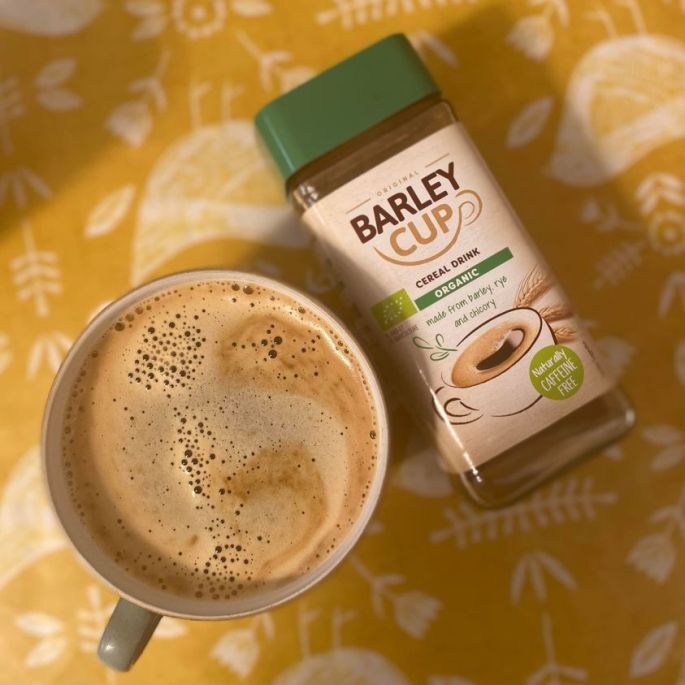
Cup of coffee made from a coffee alternative.

I thought I would write a short blog about a sensible switch that I have made over the past year. Firstly, its my daily coffee. Now although I do sometimes drink real coffee, particularly if I’m out at a meeting or with a friend and we’re in a lovely cafe, I have managed to steer away from real coffee at home. And this is because I came across the product Barley Cup while in my local health food shop back in February.

If you want to try Barley Cup I would recommend the organic version over the others, not just because it is organic, but because it tastes more like real coffee. It also looks and feels like real coffee. It forms a lovely creamy foam when you pour the hot water on (I drink my coffee black but I’m sure it would be the same for those who take milk).

Barley Cup is an instant cereal drink, made of barley, chicory and rye. It has a wonderful aroma and really does provide a substantial coffee fix without the coffee!

When East Meets West

I often find myself pondering on the little nuances of my practice. Those little subtleties that signal you to the next revelation or lead you onto another level of awareness.

My recent pondering takes me down both the reflexology and the acupuncture avenues and meets to bring another level or dimension to my understanding.

Acupuncture needle at acupuncture point Liver 3 on the foot.

I have been using the Reflexology Lymph Drainage (RLD) technique a lot lately, and really focussing a lot of attention on this sequence; looking at the particular reflexes and how the areas of the body represented by these points actually function. One of the key points of the RLD sequence is the reflex point for the Subclavian Vein (SV). This point is on the dorsal of both feet and is situated exactly at the same acupoint Liver 3.

The SV is an important point for the RLD sequence, as this is where the lymphatic system, once finished cleaning and transporting lymph through the body, will return it back into the cardiovascular system i.e. the blood. This point gets used A LOT during the RLD sequence; after every sweep and general movement, we ask the body to deposit the lymph back to the cardiovascular system via the techniques of reflexology. It is gently stimulated a minimum of 18 times on each foot, plus additional linking at the end.

From an acupuncture point of view, this point is known as Liver 3. The energy of the Liver is to govern “spreading and draining”. By this we mean that it is responsible for maintaining the free flow of Qi (energy). Liver Qi can be restricted emotionally by anger, and physically by damp-heat. “When Liver Qi stagnates, it gives rise to sensations of pressure, distention and pain”. So these are the same symptoms that we are addressing in the RLD sequence; pressure and distention from oedema, and subsequent pain that this causes. Oedema is a “damp” symptom; fluid starts to stagnate and that is what is known as “damp”. If it stagnates for long enough it can start to warm up which is known as “damp-heat”.

On each acupuncture meridian, there is a principal or “source” point which is known as the most powerful point of that particular channel. Liver 3 is the source point for the Liver channel and it is the main point we would chose to promote free-flowing Qi. In addition, this point (or points if we are thinking bilaterally) combined with Large Intestine 4 (Li4) on the hands, make up the “four gates” which are used for the relief of pain. What is interesting to me is that Li4 is the exact same point we would use for the SV in RLD on the hands!

We might ask what this all means? It just consolidates for me that what we do from either angle, whether its from a western medical viewpoint or whether it is from a Traditional Chinese Medicine viewpoint, it all slots together. The two approaches fit neatly together side by side. They both make sense.