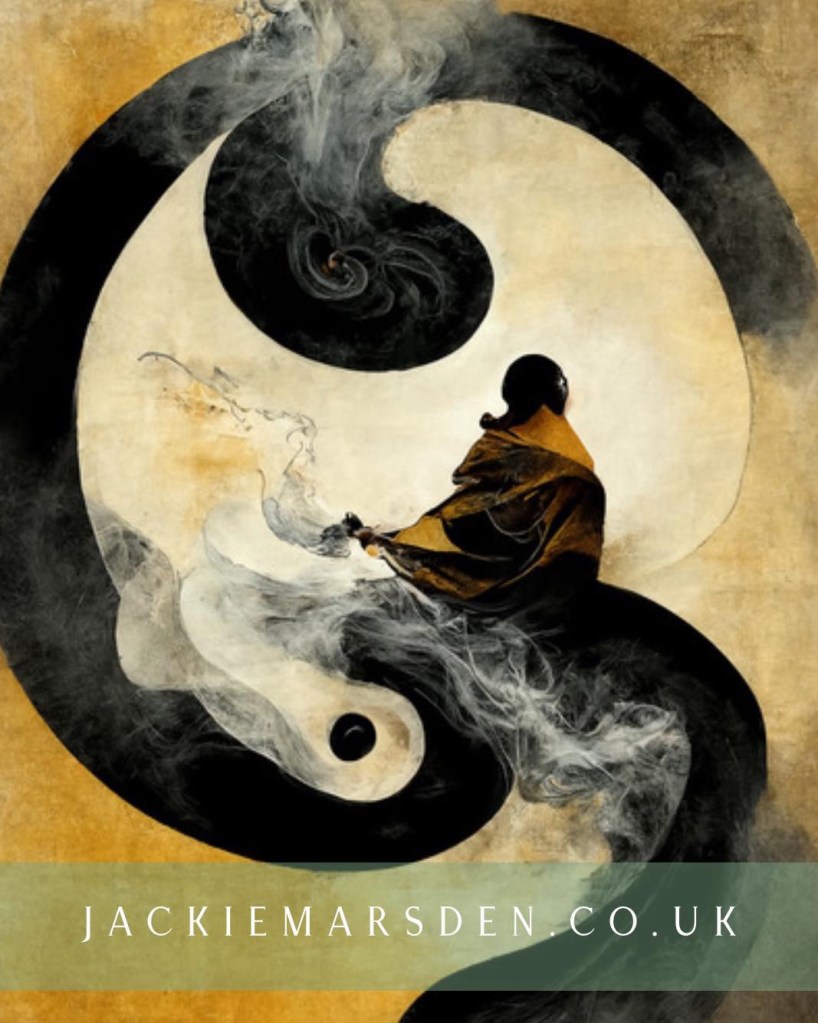
Cortisol and Melatonin: The Yin and Yang of Your Circadian Rhythm

In the quiet rhythm of day and night, two powerful hormones guide our daily flow: cortisol and melatonin. These hormones play a crucial role in maintaining our body’s natural rhythm; you could think of them as the Yin and Yang of our circadian cycle: distinct in nature but working in harmony to help us feel balanced, focused, and rested.

Understanding their roles can help you align with your body’s natural flow, fostering better health and more restful sleep.

Cortisol: The Active Yang of the Day

Often labelled as the stress hormone, cortisol is essential for us to function properly, especially in the morning. It naturally rises when we wake up, helping to energize the body, sharpen focus, and prepare us for the day ahead. This is the Yang energy: active, outward, and purposeful.

Cortisol levels peak shortly after we wake up and begin to decline as the day progresses, supporting our ability to stay alert, handle stress, and perform tasks efficiently. Without sufficient cortisol, we may feel sluggish and less motivated in the morning; it’s as if we can’t quite get going.

Melatonin: The Restful Yin

As the sun begins to set, melatonin enters the scene: the Yin to cortisol’s Yang. Melatonin is often called the sleep hormone, but its job goes beyond just helping us fall asleep. It’s about inviting the body to slow down, repair, and rejuvenate during the night. When melatonin is released as daylight fades, it encourages us to rest, reduce our mental chatter, and prepare for the restorative sleep our bodies need to stay healthy.

Just as cortisol rises with daylight, melatonin rises when it gets dark. It acts as a signal that it’s time to let go and settle into rest, nurturing our recovery and internal restoration.
The Delicate Balance: Why It Matters

The relationship between cortisol and melatonin is delicate. These two hormones need to remain in a balanced dance throughout the day for you to feel your best. If cortisol remains high into the evening – perhaps due to stress, artificial light, or late-night stimulation – melatonin struggles to rise, and sleep may be disrupted. Over time, this throws the entire rhythm off course.

When this happens, it can interfere with your body’s natural recovery during sleep; affecting your energy, mood, and overall health.

Supporting Your Natural Cycle: Simple Practices for Balance

To maintain the delicate balance between cortisol and melatonin, it’s important to align your daily habits with the natural rhythms of your body. Here are a few practices to help keep your hormones in harmony:

  • Seek natural morning light: Exposure to sunlight in the morning helps signal your body that it’s time to rise and activate cortisol naturally. This simple habit can help improve your focus and alertness during the day.
  • Support rising cortisol with a healthy breakfast: Eat a balanced meal around 7am to give your body the nourishment it needs to maintain energy and focus throughout the day.
  • Avoid bright screens, intense exercise, and stimulants in the evening: These can keep cortisol levels elevated and interfere with melatonin production. Instead, opt for calming activities such as reading, meditation, or light stretching in the evening to help your body transition into rest mode.
  • Aim for regular sleep and wake times: Going to bed and waking up at the same time every day helps support your circadian rhythm and ensures your body knows when it’s time to rest.
  • Allow your digestive system to fast between 6pm and 7am: This simple practice allows your body to reset overnight, promoting better sleep and hormonal balance.
  • Get regular reflexology or acupuncture: These holistic therapies can support your body’s natural rhythm by reducing stress, improving circulation, and helping your body relax, making it easier for cortisol and melatonin to maintain balance.

Embracing the Quiet Wisdom of Yin

In a culture that often celebrates the energy of Yang – doing, pushing, and striving – we can sometimes forget the quiet wisdom of Yin. But it’s in the balance of these two forces that true health, clarity, and calm reside. When you nurture both your active and restorative energies, you create a foundation for lasting well-being and peace.

If you’re struggling to find balance in your circadian rhythm or need support with sleep, hormonal health, or stress management, reflexology and acupuncture can be powerful tools in restoring your body’s natural flow. Reach out for personalised guidance and care – together, I can help you nurture your Yin and Yang for a more vibrant and balanced life.

What happens when we relax?

Woman receiving reflexology on her feet.

Continuing the conversation about how acupuncture and reflexology work, let’s focus on the commonality through all of them, which is relaxation.

Our autonomic nervous system has two separate branches; the sympathetic and the parasympathetic. The autonomic nervous system looks after all of those involuntary functions and tasks that happen without us consciously having to think about it, such as heart rate, blood pressure, respiration and digestion.

The sympathetic nervous system switches on when we need to be alert, for example when we are exposed to a threat or some kind of danger. Our brain is aware of the danger, and sends chemical messengers to the adrenal glands, which then prepare the rest of the body to get ready to either run, or fight. This involves increased blood flow and oxygen to our arms and legs, increased heart and respiration rate, and extra sensitivity to stimulus as we become highly alert to sounds and the surrounding environment of the impending danger.

When the sympathetic nervous system is switched on, our parasympathetic nervous system is suppressed. Our parasympathetic nervous system governs rest, and digest. This means that when we are exposed to a threat or danger, our bodies will not prioritise tasks that are unessential for survival. These include digesting food, reproduction and sleep.

Although in modern life we are no longer facing impending danger from predators higher up the food chain, we do experience a lot of stress, anxiety and worry, and our brains and bodies interpret these feelings in exactly the same way: as impending danger.

This means that chronic stress creates all sorts of health issues as our sympathetic nervous system reacts to the relentless demands of modern life.

Relaxation is key to swinging the parasympathetic nervous system into the forefront as often as we can. Having regular sessions of reflexology or acupuncture can have a profound effect on getting the balance right. Even having the appointment in your diary can have a huge psychological effect on wellness and stress management.

Stress is a thief

Woman feeling stressed.

Stress is bandied about a lot across the internet and social media. But lets cut to the chase.

When you are chronically stressed (and this can be any type of stress, worry or fear because the body treats it all the same; as a threat) then your adrenal glands will secrete more of the hormone cortisol in order to keep you safe.

However, cortisol is made up of various ingredients, one of which is pregnenolone. This is where the steal happens. Pregnenolone is a key building block for the sex hormones: oestrogen, progesterone and testosterone. When the body is stressed, it believes it is under threat, and the priority is survival. So of course, the body will prioritise using the ingredients to create cortisol, the stress hormone, over using it to create our sex hormones. Because if your cycle is irregular, or you have unusual mid-cycle bleeding for example, these are not life-threatening. But the body will interpret any stress as life threatening, so other processes of less importance will be “put on the back-burner”.

So if you are having fertility issues of any kind, identifying areas of stress in your life can be a pivotal starting point. Really take some time reviewing your daily activities and routines and see where things could be improved. Spend some time sitting quietly and try not to think about anything. If this is difficult, write down the thoughts or worries that keep reappearing. Other things to consider:

  • Meditation or some sort of spiritual connection
  • Reflexology and/or acupuncture, massage
  • Gentle exercise allowing time for recovery afterwards
  • Setting time aside to do the things you love to do

If you are looking for fertility support in Lancashire please call/email me directly to have a chat and book in.

Adrenal Health and Support

Adrenal health is of importance particularly going through perimenopausal years as well as menopause and beyond. So what are our adrenals and what do they do?

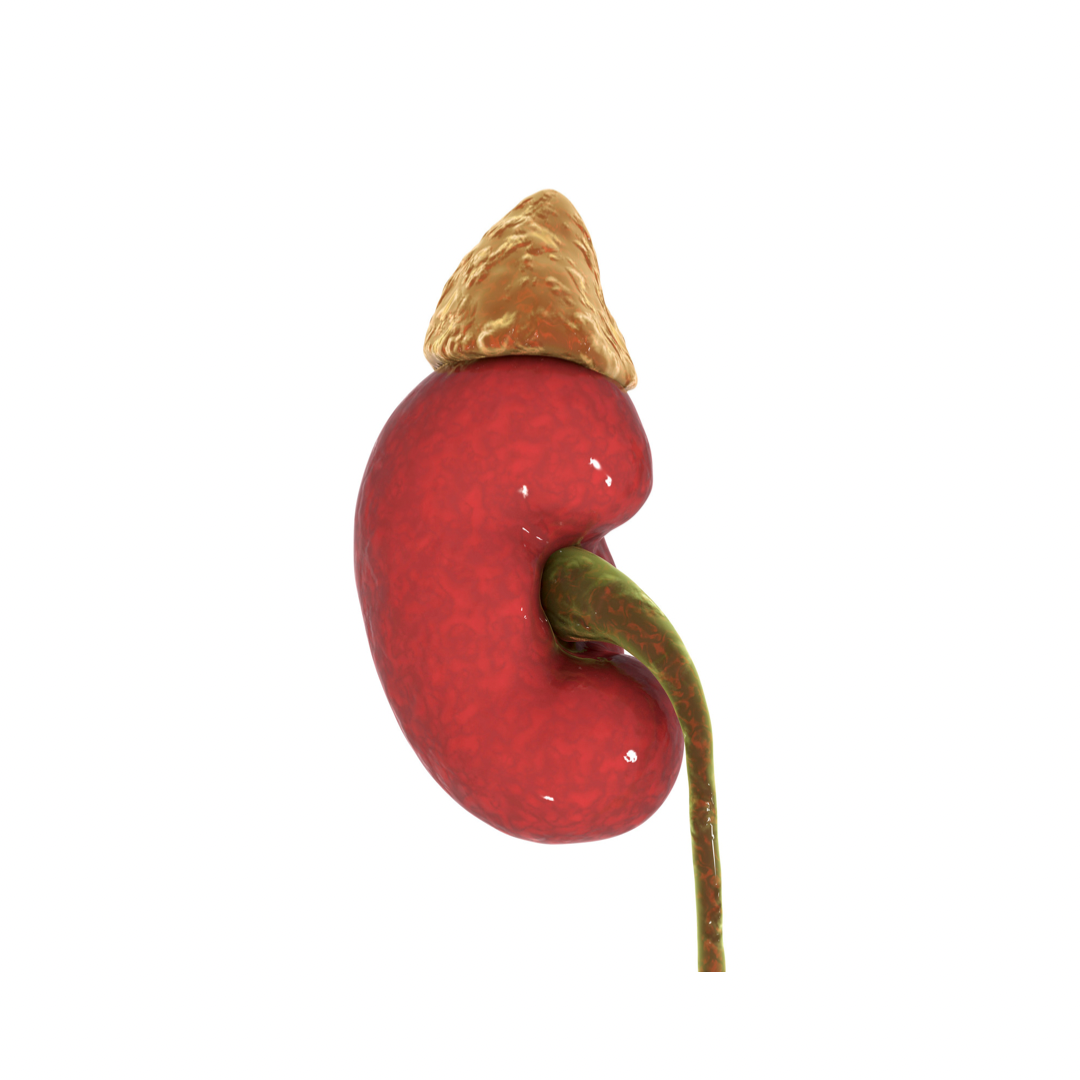
Artistic expression of a human kidney and adrenal gland.

Our adrenals are small glands that sit on top of our kidneys, and are responsible for making and releasing adrenalin and cortisol; hormones produced as part of our stress response, and our sleep/wake cycle.

Imagine you are crossing a road and suddenly seemingly out of nowhere a lorry is approaching at high speed. Immediately your adrenals create a stress response which causes your body to put all of its reserves into your limbs so that you can run fast to safety. Once safely across the road, your body is then flooded with a sense of relief and you will need to rest and recover from the experience. This would be a normal, healthy example of how our adrenals are supposed to work for us.

However, our busy and hectic modern day lives leave us stresed more than ever. Rushing from appointment to appointment, too many things on our to-do list, worries over children, finances, constant attention to our mobile phones, balancing and juggling parenting with careers, all impact our adrenals. As far as our adrenal glands are concerned, this is stress and they will be creating a stress response. A continued stress response, without the physical release or the recovery time.

Clues that your adrenals may need support include:

  • Poor sleep;
  • Changes in the way you’re able to cope with stress;
  • Blood sugar spikes;
  • Fatigue;
  • Mood swings and low mood;
  • Brain fog.

In addition to this, as we approach menopause (perimenopause can be as much as 10 years leading into menopause) our reproductive hormone levels begin to decline as the ovaries gradually stop producing oestrogen and progestrone. As this happens, our adrenals respond. They answer by making a hormone estradiol (a type of oestrogen) which plays a role in bone health, heart health and protection of the nervous system through and beyond menopause.

As we have already discussed, our adrenals create a stress response within the body in order to keep us safe and away from danger. The additional role they take on (on behalf of the ovaries) during menopause and beyond will not be prioritised over their main function. So it is hugely important to find ways of managing stress. I think we are all guilty of saying “oh, its just stress” or “I am just stressed”: stress has huge implications on our health, particularly continued stress that isn’t acknowledged or managed.

Ideas to help create balance in your life and to carve out some me-time include:

  • Booking in for a regular reflexology session,
  • Run yourself a candlelit bath with expertly blended aromatherapy products;
  • Switch to herbal teas particularly in the afternoon and evenings (liquorice is a great choice);
  • Turn your phone off for an hour;
  • Go for a walk in nature near trees or open water;
  • Add more plants to your living space;
  • Declutter.

If you are looking for fertility support in Lancashire please get in touch.