What is the difference between regular acupuncture and fertility acupuncture?

Fertility acupuncture is very similar to regular acupuncture in that it will still try to address common issues such as pain, digestive issues, headaches, hormonal imbalances etc. as part of the wider picture of a fertility patient. However it focuses a lot on reproductive health and treating the meridians that target this area of health. Common points are found on the wrists, ankles, feet, lower legs, abdomen and lower back.

Fertility acupuncture aims for the optimal internal environment for each particular patient. This means that it’s not a generic set of acupuncture points for everyone; each patient is treated as an individual. There is no one size fits all in any aspect of health.

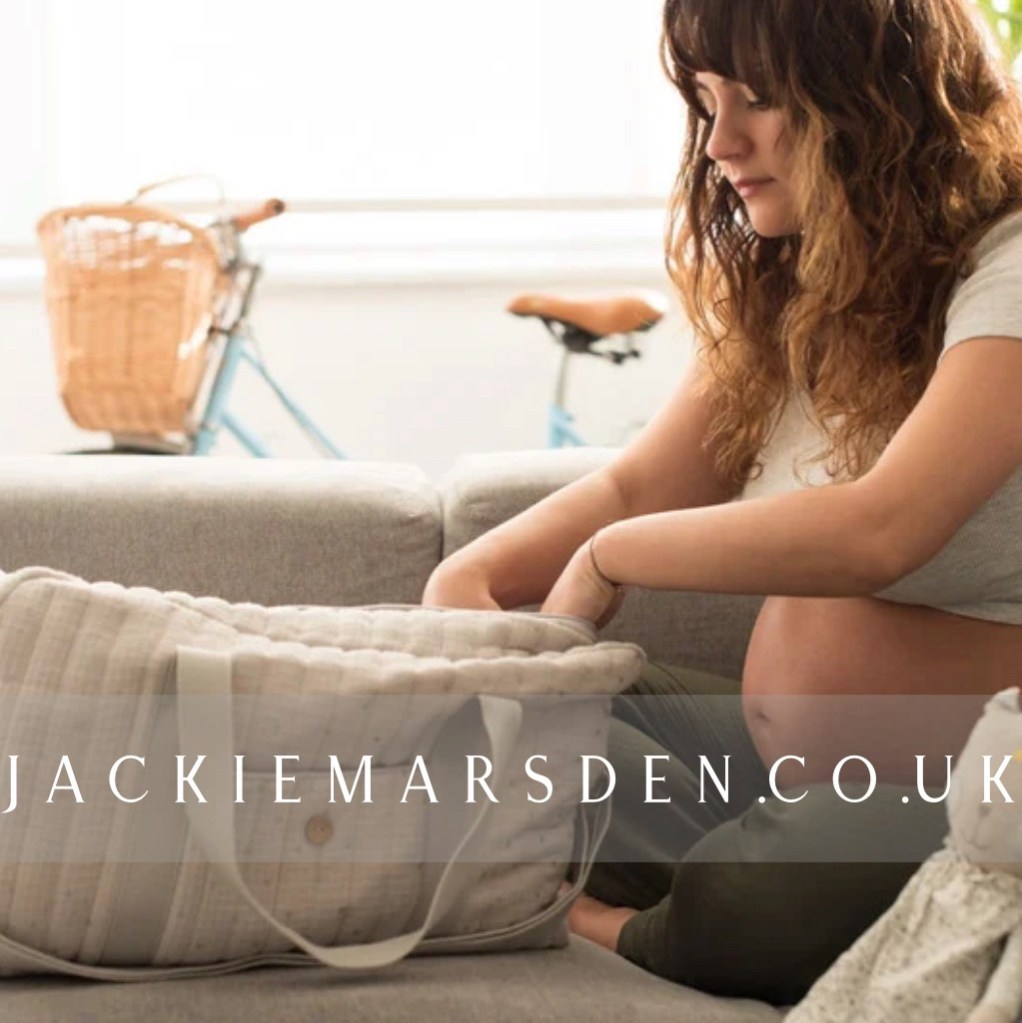
Happy pregnant woman preparing for her baby.

Fertility acupuncture tends to prioritise regulating the menstrual cycle, increasing blood flow to the ovaries and uterus, and regulating sperm health for the men. Stress management and building resilience to stress is also key when trying to conceive. This is something that is always prioritised in clinic.

When coming for fertility acupuncture it’s advisable to plan to come weekly for 3 months as this is the length of time it takes for an egg to be recruited, matured and finally ovulated. What we do now has an effect on those eggs ovulating (or collected via IVF) three months down the line.

During those 3 months we treat through the menstrual cycle, meaning that when you’re bleeding the focus is on good blood flow and emotional support as a period means no pregnancy. During the follicular phase the focus is on follicular development so good blood flow to the ovaries and uterine lining.

Fertility acupuncture works with each phase of assisted reproductive techniques such as IVF/ICSI to really enhance your response to the treatment you’re having, and manage the side effects of the medication.

When you work with a fertility acupuncturist, you gain insights and education from someone who has a regular practice in this area of health; someone who understands the process and what is involved. It’s not just needles; it’s fully rounded support.

If you would like to discuss your situation with me or would like to book in with the clinic in Warton, near Preston, Lancashire, please get in touch. Please read some of the success stories from the clinic here.

The benefits of regular reflexology

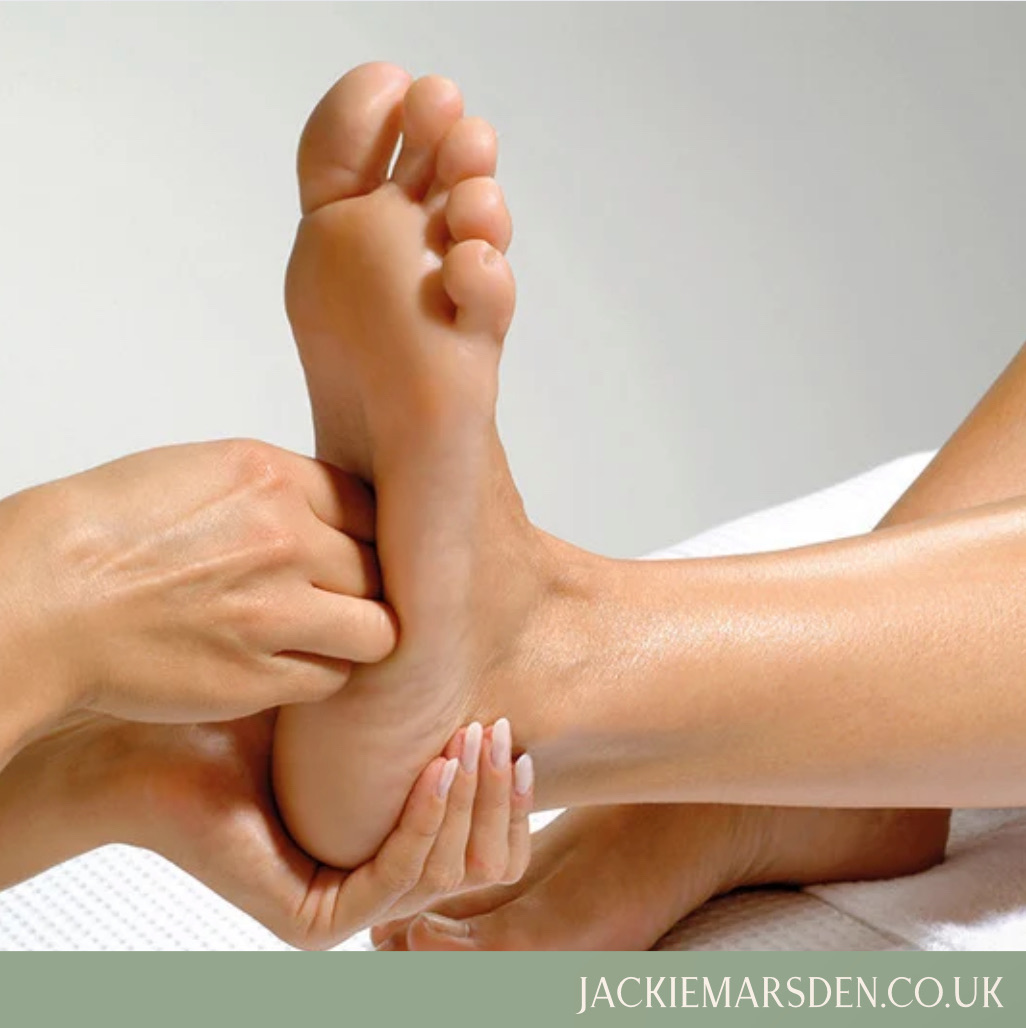
A woman receiving reflexology on her feet.

Reflexology is profoundly relaxing and this can help to reduce stress and manage anxiety. The gentle pressure applied to specific points on the feet or hands promotes a sense of calm and safety, which helps settle both the mind and body into a place where the body’s natural healing can take place.

Reflexology helps many people with relief from pain and discomfort, no matter where their particular ailments are anatomically. Reflexology can help to reduce inflammation (particularly Reflexology Lymph Drainage), and promote the release of endorphins (such as oxytocin); the body’s natural pain-relieving neurotransmitters.

Reflexology helps to improve blood circulation throughout the body. As a reflexologist, working the reflex points with intention, along with promoting an overall relaxing state for the client, allows better flow of blood and oxygen to the organs and tissues, engendering an overall sense of improved health and wellness.

I have seen time and time again, clients that come into clinic for regular reflexology sessions, huge improvements in their health, whether it is reduced pain or reduced stress and anxiety (and largely it is both), feeding into their increased sense of wellbeing and improved health.

To book in please get in touch. Sessions start with a full consultation followed by regular sessions either weekly, fortnightly or monthly.

Ear points for fertility support

Ear seeding and ear acupuncture (or auricular therapy) is growing in popularity, but this is an ancient concept with its roots as far back as ancient Egypt, Greece and Persia. Ear acupuncture is an adjunctive technique which is useful in clinic to support fertility clients.

This post will go over some key ear acupuncture points I regularly use to support my fertility clients in addition to their body acupuncture prescriptions. I use ear acupuncture to reinforce the main treatment I give on the body. Other practitioners may use it as a stand alone treatment, and this is also appropriate.

Zigong (1)

In Chinese Medicine Zigong also means Uterus, or “Palace of the Child”. This point is found just on the edge of the small crater-like structure in the top of the ear called the triangula fossa.

ShenMen (2)

ShenMen means “Spirit Gate” and is useful to promote a sense of calm. Particularly useful when stress is prominent. This point is similar to the body point Heart 7: in Chinese Medicine the Heart houses the Mind, and also governs Blood. So you can see why this point is particularly useful in fertility support.

Kidney (3), Liver (4), Spleen (5)

These points help reinforce the main treatment protocol. In Chinese Medicine, the Kidneys are known as the “Root of Life”, storing Essence and governing birth, growth, reproduction and development; the Liver stores Blood and promotes the smooth flow of Qi; the Spleen governs transformation and transportation (e.g. digestion) and controls Blood.

Endocrine (6)

The Endocrine point is used with the intention of regulating the endocrine system. So useful for balancing hormones. It is found at the meeting point of the ear folds.

Sympathetic Nerve (7)

The Sympathetic Nerve point is used to help regulate the sympathetic nervous system which is part of the autonomous nervous system and prepares the body for “fight or flight”. It is the body’s stress response; the body’s way of keeping us safe and away from danger. This point, therefore, is useful to help combat stress and to promote sense of calm. It is also useful where immune system modulation might be needed, and in the presence of inflammation. The sympathetic and parasympathetic branches of the autonomous nervous system work in a “see-saw” way, and its about getting that balance right to promote overall health and to boost chances of conception and ongoing pregnancy.

Diagram of ear acupuncture points for fertility support.
Ear acupuncture targets specific points linked to fertility, helping to balance hormones and improve well-being.

If you are trying to conceive, or preparing for IVF, feel lost or unsupported, please get in touch. If you are wanting private blood tests please contact The Diabetes Lady, Maureen Chadwick on 07706 353127.

Common obstacles to wellness

Woman receiving a facial massage.

Many people find it difficult to find the time for wellbeing. Juggling work and family commitments can be a challenge, and before we know it another week has passed and another opportunity to book in for that reflexology or acupuncture session has gone.

As women I think we often find that, in altruistic fashion, put our own needs at the bottom of the priority list. Our children/partners/work all often take priority over ourselves and what we need to keep well and feel good.

Sometimes we might even feel that having that massage or facial is actually a luxury, and not an essential, and then we simply don’t prioritise it at all, and may even cross it off the to-do list completely!

But it is so important to take care of our health while we still have it. If we become unwell and ill-health prevails, that is when we will be unable to cope with family commitments and go to work.

Preventative healthcare is so important particularly for women as we spin so many plates in our various roles as mother, sister, daughter, wife/partner, carer, money-earner, housekeeper, cook, cleaner… the list goes on! If we don’t take care of ourselves while we have so many responsibilities, the stress of it all will start to take its toll.

So put yourself first, at least once a month, for just an hour. Book in for that treatment and make sure your cup is replenished so that you’re fully topped up and resourced for the month ahead.

How does Acupuncture work?

I am often asked how my therapies actually work. Like, really, how to they work? What are the fundamental principles by which Acupuncture effects the client?

Woman receiving abdominal acupuncture.

Acupuncture is the insertion of very fine needles into the skin. At this very basic level, we are creating an immune response in the body, by piercing the skin. The skin is there to protect us, to act as the boundary between the interior and the exterior. The body reacts to the needles by stimulating the immune system to create more white blood cells ready to defend against a pathogen.

We can also say that the needles have a neurological effect on the body because beneath the surface of the skin we have the superficial fascia, which is our neuro-connective tissue. Think of it like cling film wrapping all the body parts together. This connective tissue runs throughout the entire body in varying different layers, separating, supporting and enclosing different body parts, but connecting them all together. By piercing this with a very fine needle at particular points stimulates the nervous system and can affect the whole body.

Fascinating!

If you would like to book in please get in touch.

How can I increase my chances of IVF success?

IVF is a process which shouldn’t be taken lightly. It is hard on couples from all angles; emotionally, mentally and physically.

IVF eggs under microscope.

The drugs used are heavy duty; creating all sorts of side effects and mood swings. The process involves physical incisions through the vaginal wall and on the ovaries – multiple cuts in fact – depending on how many follicles you have. A lot of energy is required for your body to heal. You will also be sedated and this can take time to recover from.

Then there is the agonizing wait to see if any eggs fertilized, and how well they develop to day 5 where you will then have another procedure to transfer the embryo into your womb. And the 2 week wait begins, alongside more drugs.

It is an emotional roller coaster and exhausting; taxing mentally and physically with trips in and out of the clinic for tests and scans.

For such a consuming process, wouldn’t you want to prepare the best that you can to maximise your chances of success? Its not something you should walk into without first fully investigating what the problems are with your inability to conceive naturally, and to really prepare your body and the environment within which your eggs are recruited and collected, and then transferred back for implantation and ongoing pregnancy.

Preparation is key when it comes to IVF success. Don’t allow a fertility clinic to use your first round as a diagnostic; that’s way too expensive both financially and for your health and overall wellbeing.

Find someone to help you through the process and work with a specialist who can take a deep dive into your lifestyle and nutrition, and offer you acupuncture as part of your preparation program.

Contact me for an initial chat and start your preconception journey with me today.

Does ICSI have all the answers?

Since the advent of ICSI (Intracytoplasmic Sperm Injection) problems with male factor in infertility can be addressed and bypassed with this procedure. The ICSI procedure allows particular sperm to be selected for use and manually injected into the egg by the embryologist using a microscopic needle.

But does ICSI always give us the best outcomes?

If the quality of sperm is sub-optimal, the question one has to ask is what impact will this have on the ongoing pregnancy and health of the child going forward?

In Traditional Chinese Medicine (TCM) our Jing is the substance we inherit from our parents at the moment of conception. Our Jing fuels our growth and development not just through conception and prenatal growth, but all through our lives from infancy to puberty, adulthood and beyond. Jing dictates our constitution and vitality as we move and age through life.

So if we completely disregard the quality of the sperm in favour of the ICSI procedure, what impact will have on the health of the life created? If a sperm is unable to penetrate an egg on its own, what does that say about the underlying Qi of that sperm?

So although ISCI is a wonderful and exceptional advancement in fertility medicine and assisted reproductive techniques, I do believe it should be firmly balanced with other perspectives of male health and vitality.

Sperm are continually created within the body, so taking a break for around 3 months before the next round of IVF is an optimal amount of time to put lifestyle changes in place. Dietary, lifestyle and nutritional changes can have a huge impact on sperm quality.[1] Taking this time and making this effort to improve the underlying Qi and Jing that is passed onto the next generation is fundamentally important. Things to consider:

  • Stop smoking/vaping;
  • Reduced consumption of refined sugars, processed foods,
  • Reduced consumption of alcohol;
  • Increased consumption of a wide variety of vegetables and fruit;
  • Take regular exercise;
  • Increased water intake;
  • Reduce the use of plastics for cooking and water/food storage (switch to glass)
  • Supplement with a good quality preconception multivitamin to include zinc, selenium, omega 3 fatty acids, antioxidants;
  • Reduce stress (look at meditation, reflexology, acupuncture, spending time in nature);
  • Keep mobile phone away from body [2];
  • Ejaculate frequently [3].

Other options to explore before diving straight into IVF/ICSI:

  • Having a full examination to rule out varicocele, hydrocele and other physical abnormalities;
  • Bloods taken for a full hormone profile;
  • Checking the microbiome to rule out any infection which might be causing levels of damage to the sperm.

“Mounting evidence suggests that the gut microbiome plays a key role in normal spermatogenesis and can be negatively impacted by diet and environmental perturbations.” [3]

Of course, every couple is individual, and factors such as age, for example, will also determine your route to IVF and ICSI.

If you are looking for fertility support in Lancashire please get in touch.

If you would like support through your fertility/IVF/ICSI journey with acupuncture please get in touch.

References

[1] https://pubmed.ncbi.nlm.nih.gov/32397485/

[2] https://www.ncbi.nlm.nih.gov/pmc/articles/PMC7848840/

[3] https://rbej.biomedcentral.com/articles/10.1186/1477-7827-10-115

[4] https://www.fertstertreviews.org/article/S2666-5719(23)00001-4/fulltext

PMS and it’s extremes

Woman experiencing severe menstrual cramping.

Approximately 90% of women suffer from Premenstrual Syndrome (PMS) at some point in their lives. During the few days leading up to menstruation can present with all sorts of symptoms such as bloating, irritability, frustration, anger, back ache, acne, abdominal cramping and pain, feeling tearful and emotional, as well as anxious and depressed.

Every cell in our body has a hormone receptor, so PMS can be attributed to over 200 symptoms as fluctuating hormone levels can have an impact everywhere in the body. These may be symptoms you only experience during the build up to your period, or perhaps these are symptoms you already experience, but are exacerbated at this time of your cycle.

In TCM terms, the luteal phase of your cycle e.g. the second half of your cycle between ovulation and your period, is when your body is at its most Yang. It is the part of the cycle where there is the most energy. Your body is gearing up for the possibility of a pregnancy with the surge of progesterone helping to really plump up the uterine lining for an embryo to implant. This surge of hormone and surge of energy can make us feel energised and productive, however as this starts to wane and drop just before our period starts, can suddenly leave us feeling depleted. The smooth flow of Qi is now not so smooth, as the progesterone starts to dip and body temperature starts to drop, our overall hormone levels can quickly leave us feeling grumpy and moody, and present us with physical symptoms too.

Switching between the Yang half of our cycle to the Yin half i.e. our menses, can create Qi stagnation. Getting to know your cycles by charting on a calendar, or Basal Body Temperature (BBT) charting can really help you to understand what is going on inside your body, help you identify symptoms and mood changes, and shed light onto areas that perhaps might need further attention.

For example, some people do not just suffer with “regular” PMS, but can experience more extreme versions such as Premenstrual Dysphoric Disorder (PMDD) and Premenstrual Exacerbation (PME). These extreme versions of PMS can be very difficult to deal with and manage on a monthly basis. “Experiencing PMDD can make it difficult to work, socialise and have healthy relationships. In some cases, it can also lead to suicidal thoughts.”1

Understanding your own personal cycle, the length of your follicular and luteal phases, and looking at your BBT throughout your cycle can open up possibilities to improve symptoms you’re experiencing. You might discover that phases of your cycle are too long/short or your temperature is not high enough or too high for example.

Supporting progesterone can help with PMS. To support progesterone production and your luteal phase, add more nutrient dense calories into your diet at this phase of your cycle. After all, your body is gearing up for a potential pregnancy, and some women find that they are hungrier at this time. Adding more protein, and looking at using adaptogens such as Ashwaganda to help manage stress and change. “Adaptogens are the umbrella term for fungi and plant-derived compounds that help the body adapt to stress.”[2] Magnesium is also said to help, as many of us are depleted in magnesium and it is involved in a myriad of daily bodily functions. Using a topical spray or adding in Epsom Salts to your evening bath are easy ways to get magnesium into your body. Magnesium often becomes low as a result of stress. [3]

Managing stress is also key to supporting your luteal phase. Booking in for regular reflexology or acupuncture can offer you the opportunity to feel relaxed and receive some downtime already scheduled into your diary. With acupuncture in particular, treating throughout the cycle can help you regulate and improve your quality of life. Vitamin B complex supports the body’s ability to handle stress. [3]

Understanding your cycle can help you to prepare and plan for what might be up ahead. Scheduling your diary around your cycle can help you to be more productive when you are feeling at your most energised, and avoid difficult social situations when you’re likely to be feeling fragile. You can also use your cycle to help with meal planning and snacking, and scheduling in more gentle exercise within the luteal phase.

If you would like fertility support in Lancashire and to book in with me please get in touch.

  1. https://www.mind.org.uk/information-support/types-of-mental-health-problems/premenstrual-dysphoric-disorder-pmdd/about-pmdd/
  2. https://www.parsleyhealth.com/blog/what-are-adaptogens/
  3. https://webfmd.com/hpa-axis-dysfunction-treatment/
Molecular Hydrogen

Hydrogen is the smallest molecule in the universe. It has only 2 atoms, and binds with oxygen to give us water – H2+0.

Molecular hydrogen is the name given to hydrogen that is released into water to give it highly antioxidant properties. There are over 1000 published studies now providing evidence that hydrogen-rich water has many health-giving and therapeutic effects.

Why is water good for you?

If we consider that, as humans, we are made up of approximately 70% water, we should really make clean, living, health-giving water and hydration our number one priority when it comes to health and nutrition.

Tap water is not the same as filtered water

Tap water is drinkable but it is full of various extras such as the growing concern around micro-plastics, chlorine, fluoride, pharmaceutical residues and hormones. Because of these, as well as poor water structure, the tap water consumed does not effectively hydrate the body and penetrate deep into the cells where it is needed. It is a bit like watering a dried up pot plant: most of the water runs straight through into the saucer.

By releasing molecular hydrogen into clean, filtered and restructured water, we are left with water that is highly bioavailable and hydrates the body much quicker and effectively that regular tap water.

How do I get molecular hydrogen into my water?

There are various ways you can get molecular hydrogen into your water. The system I use at home (and have done so since 2021 – I never promote anything I do not use myself) is the Energy Plus Undersink Filter System from Water for Health.

This is a 4 stage filtration process which sits neatly under the sink. The first two filters remove debris and particulate, and other contaminants such as chlorine and fluoride. The third filter uses bioceramics to mineralise the water to give it good structure. It then finally passes through the fourth filter which uses a magnesium substrate to release molecular hydrogen into the water.

Which water filter is best?

A water filter of this nature is my preferred way to filter water, over reverse osmosis (ro) and distilling. This is mainly down to the fact that both of these methods remove absolutely everything from the water, including the good stuff – the minerals – which not only provide all the trace elements your body needs, but also provide a basic structure to the water. So if you do choose “ro” or distilling then make sure you re-mineralise the water before drinking.

For further information please see my affiliate link here. There are currently over 1000 published studies available on the benefits of molecular hydrogen.

Water droplets suspended in mid air.

Salts explained

Salt with a wooden spoon.

Sea salt is really good for soaking in a bath. It is believed to stimulate circulation, help ease muscle cramps, help relieve stiff joints, and soothe the skin.

Sea salt isn’t generally processed that much, it is simply evaporated off the water. So its very rich in trace minerals such as calcium, potassium, magnesium, zinc and iron.

Himalayan salts are very similar to sea salt in composition and trace minerals. However, because Himalayan salt is mined near the foothills of the Himalayan mountains, from some really ancient sea beds which were covered over with ice, lava and snow for millions of years, its thought that Himalayan salts are much purer than our regular sea salt because they are not full of our modern day pollutants.

Epsom salts aren’t actually a salt. They are magnesium, sulphur and oxygen. So when you use Epsom salts you are really using them for their magnesium content. Magnesium is needed in the body for all sorts of daily functions at a cellular level, and it is thought that in this day and age we are all lacking in magnesium due to the erosion of soil quality. Magnesium is very easily absorbed through the skin so soaking in a bath of Epsom salts is a great way to boost your magnesium levels.

Although we do need magnesium to support a whole host of bodily functions, one of the main things we all need it for is stress-management and improved sleep.

So these are the different types of salt explained, so you can now make an informed choice as to which type you would like to bathe in. Happy soaking!

View the bath salts from Neal’s Yard Remedies Organic.