Do you know the difference between pre and probiotics? If not read on to discover more.
Probiotics are commonly known as good bacteria and are widely available in supplement form, and they can also be found in some yoghurt. On the other hand, prebiotics are fibres that stimulate the growth of beneficial bacteria that are already present in your gut. [1]
Many of the beneficial bacteria in our lower intestine feast on fibre which we can’t digest ourselves and so passes through the stomach and small intestine to be dealt with by the bacteria in our large intestine (gut). So eating a diet which is high in fibre is hugely beneficial to our gut health, because the fibre is the food for your good bacteria.
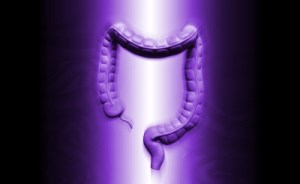 But do we need to take a probiotic supplement? Lots of research has been done on this and while there is mixed results from the findings, many people are agreeing that taking a probiotic supplement can help with the treatment of Travellers Diarrhoea and other gastrointestinal problems, to upper respiratory tract infections, allergies, various skin disorders, diabetes, weight loss to infantile colic.[1]
Another good time to be taking a probiotic supplement is during and after periods of antibiotic use. Antibiotics are good at killing all the bacteria, good and bad, so it is important that we put good bacteria back into our bodies to maintain a healthy gut. My mother suffered with oral thrush during courses of antibiotics for years until she discovered probiotics.
Additionally, stress can take its toll on the good bacteria of the gut.
The topic of pre and probiotics can get very complex as there are many different species of bacteria and some species can be beneficial for specific health concerns. For example, research at the University of Aberdeen has shown that eating a bowl of oats every day can clearly change the proportions of different types of bacteria in the gut, and their research has shown that some of the species that particularly increases when people eat more oats can be very good for us. These bacteria produce chemicals which are good for our hearts and for our gut lining. [2]
So my personal recommendation would be to take probiotic supplements during periods of ill health and stress, or to combat particular health concerns. But during times when health is good then eat a diet with lots of fibre including oats, and indigestible carbohydrates (oligosaccharides, dietary fibre and resistant starch). Examples of these are onions, garlic, beans and lentils, cashews, and cooked potatoes that have been cooled.
For a good, high quality supplement see Pro Bio Boost supplement from Neal’s Yard Remedies. This is suitable for vegetarians, and contains Bacillus coagulans, Lactobacillus Acidophilus, Bifido Blend 3 Strain and Inulin (a type of prebiotic/indigestible carbohydrate derived from plants). No GMO and no synthetic binders or fillers.
Or for an advanced range of probiotics and gut support supplements to promote wellbeing, take a look at Progurt. These sachets are designed to be taken over a course of 3-5 days. Each sachet is an intensive, super-strength, single dosage, equal to 40 capsules (at 25 Billion per Capsule), perfect for post antibiotics, tummy upset, gut imbalance, dairy and food intolerances, poor gut function or when travelling. Progurt are a unique formulation that were chosen to colonise and replicate. Each sachet contains Human Probiotic Isolates (HPI) identical to those found in a healthy human gut from birth. They consist of Lactic Acid Bacteria and Bifidobacteria including beneficial strains of Lactobacillus Acidophilus, Lactobacillus Bifidus and S. Thermophilus. A probiotic that understands your tummy’s past to change its future.
[1] Monash University https://www.futurelearn.com/courses/food-as-medicine/1/steps/82004
[2] http://www.bbc.co.uk/programmes/articles/4s0XkHq0HxZhjd5V2lQ2LRm/do-probiotics-do-any-good
Image courtesy of dream designs at FreeDigitalPhotos.net
Jackie Marsden MAR is a qualified reflexologist and independent consultant (Team Leader) for Neal’s Yard Remedies Organic. Jackie leads and mentors a growing team of consultants (many of whom are therapists integrating organic products into their existing businesses) via the NYRO social selling channel, holding regular team meetings, one-to-one coaching via phone and facetime, and a closed facebook group. All views are my own.


 Elder Cottage Clinic, Warton, PR4