Cortisol and Melatonin: The Yin and Yang of Your Circadian Rhythm

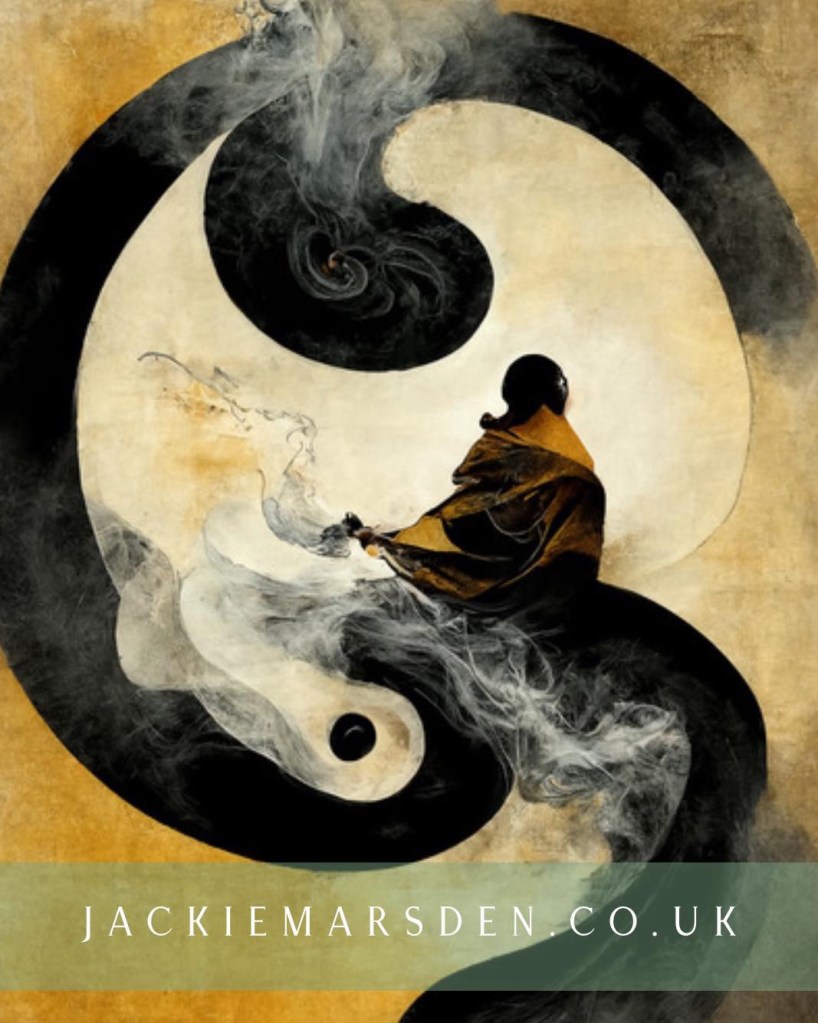
In the quiet rhythm of day and night, two powerful hormones guide our daily flow: cortisol and melatonin. These hormones play a crucial role in maintaining our body’s natural rhythm; you could think of them as the Yin and Yang of our circadian cycle: distinct in nature but working in harmony to help us feel balanced, focused, and rested.

Understanding their roles can help you align with your body’s natural flow, fostering better health and more restful sleep.

Cortisol: The Active Yang of the Day

Often labelled as the stress hormone, cortisol is essential for us to function properly, especially in the morning. It naturally rises when we wake up, helping to energize the body, sharpen focus, and prepare us for the day ahead. This is the Yang energy: active, outward, and purposeful.

Cortisol levels peak shortly after we wake up and begin to decline as the day progresses, supporting our ability to stay alert, handle stress, and perform tasks efficiently. Without sufficient cortisol, we may feel sluggish and less motivated in the morning; it’s as if we can’t quite get going.

Melatonin: The Restful Yin

As the sun begins to set, melatonin enters the scene: the Yin to cortisol’s Yang. Melatonin is often called the sleep hormone, but its job goes beyond just helping us fall asleep. It’s about inviting the body to slow down, repair, and rejuvenate during the night. When melatonin is released as daylight fades, it encourages us to rest, reduce our mental chatter, and prepare for the restorative sleep our bodies need to stay healthy.

Just as cortisol rises with daylight, melatonin rises when it gets dark. It acts as a signal that it’s time to let go and settle into rest, nurturing our recovery and internal restoration.
The Delicate Balance: Why It Matters

The relationship between cortisol and melatonin is delicate. These two hormones need to remain in a balanced dance throughout the day for you to feel your best. If cortisol remains high into the evening – perhaps due to stress, artificial light, or late-night stimulation – melatonin struggles to rise, and sleep may be disrupted. Over time, this throws the entire rhythm off course.

When this happens, it can interfere with your body’s natural recovery during sleep; affecting your energy, mood, and overall health.

Supporting Your Natural Cycle: Simple Practices for Balance

To maintain the delicate balance between cortisol and melatonin, it’s important to align your daily habits with the natural rhythms of your body. Here are a few practices to help keep your hormones in harmony:

  • Seek natural morning light: Exposure to sunlight in the morning helps signal your body that it’s time to rise and activate cortisol naturally. This simple habit can help improve your focus and alertness during the day.
  • Support rising cortisol with a healthy breakfast: Eat a balanced meal around 7am to give your body the nourishment it needs to maintain energy and focus throughout the day.
  • Avoid bright screens, intense exercise, and stimulants in the evening: These can keep cortisol levels elevated and interfere with melatonin production. Instead, opt for calming activities such as reading, meditation, or light stretching in the evening to help your body transition into rest mode.
  • Aim for regular sleep and wake times: Going to bed and waking up at the same time every day helps support your circadian rhythm and ensures your body knows when it’s time to rest.
  • Allow your digestive system to fast between 6pm and 7am: This simple practice allows your body to reset overnight, promoting better sleep and hormonal balance.
  • Get regular reflexology or acupuncture: These holistic therapies can support your body’s natural rhythm by reducing stress, improving circulation, and helping your body relax, making it easier for cortisol and melatonin to maintain balance.

Embracing the Quiet Wisdom of Yin

In a culture that often celebrates the energy of Yang – doing, pushing, and striving – we can sometimes forget the quiet wisdom of Yin. But it’s in the balance of these two forces that true health, clarity, and calm reside. When you nurture both your active and restorative energies, you create a foundation for lasting well-being and peace.

If you’re struggling to find balance in your circadian rhythm or need support with sleep, hormonal health, or stress management, reflexology and acupuncture can be powerful tools in restoring your body’s natural flow. Reach out for personalised guidance and care – together, I can help you nurture your Yin and Yang for a more vibrant and balanced life.
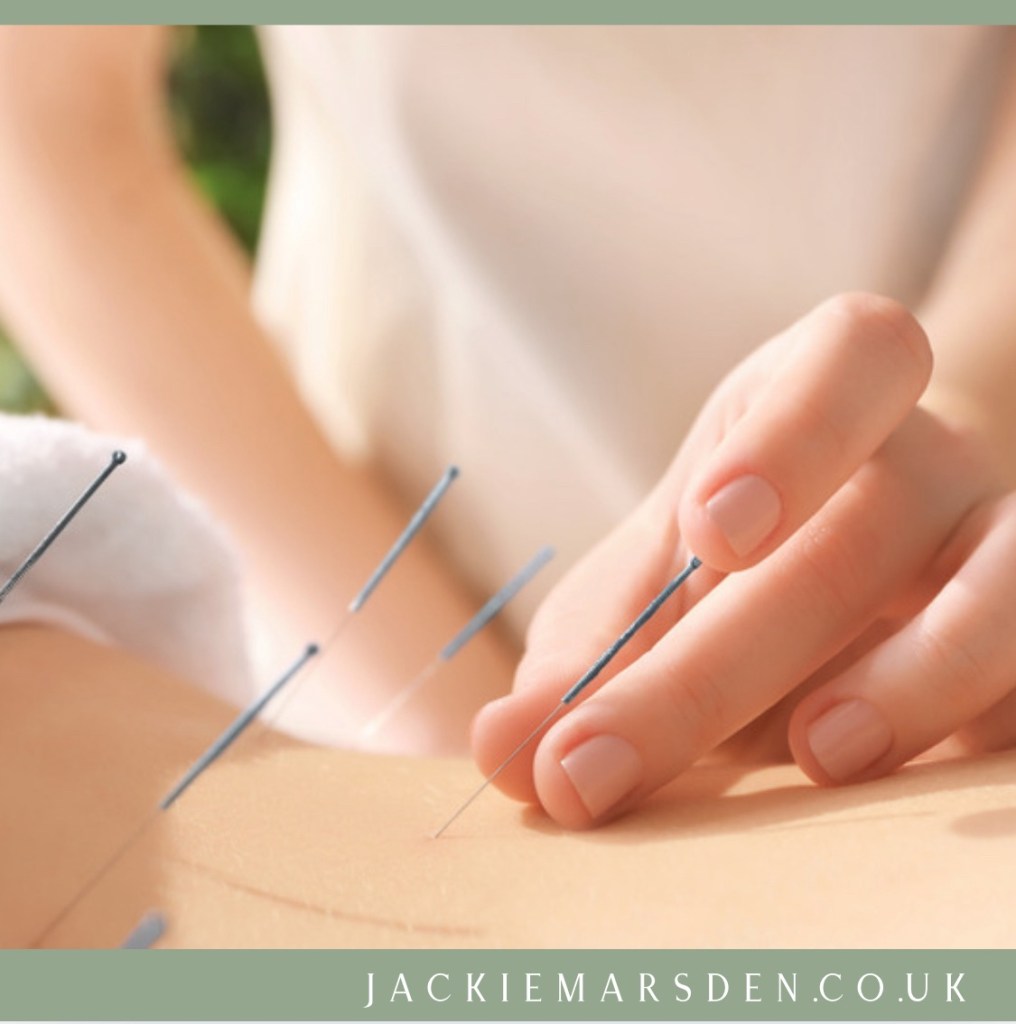
How does Acupuncture work?

Fertility acupuncture in abdomen.

Traditional Acupuncture uses the understanding of health and wellness that’s been developed over thousands of years (Traditional Chinese Medicine). This theory uses the concept of Qi (energy) our life force energy. Qi flows up and down the meridian system which is a network of channels connecting the main organs with the rest of the body.

When we are well, the Qi is said to be flowing freely. When we are unwell, the Qi is said to be blocked, or stagnant, and not flowing as freely.

Acupuncture uses particular points on the channels to rebalance the flow of Qi and improve our physical, mental and emotional wellbeing.

A good analogy is of the body as a circuit board. An acupuncturist uses these circuits to rewire and reconnect the flow of electricity.

Evidence based research on how acupuncture works is highlights its impact on the central nervous system (CNS). The CNS governs fight or flight vs rest and digest. When we are chronically stressed we get stuck in fight or flight. Acupuncture appears to release endorphins, natural pain killers and those happy chemicals, to rebalance the CNS. The process acupuncture ignites within the body increases blood circulation, reduces inflammation, helps regulate blood sugars and reduces stress, which can all have a positive impact on our wellbeing.

If you’d like to try acupuncture for your own wellbeing book in today.

Reflexology for sleep problems – a perspective

Sleep is such an important part of our lives, but what actually is sleep and what does it do for us?

During sleep, your body is working to support healthy brain function and maintain your physical health. In children and teens, sleep also helps support growth and development.

What happens when we don’t sleep?

The damage from sleep deficiency can harm you over time. For example, ongoing sleep deficiency can raise your risk for some chronic health problems. It also can affect how well you think, react, work, learn, and get along with others. [1] Researchers have linked poor sleep to a number of ailments, from short-term memory loss and behavioural problems, to weight gain, diabetes, and even increased risk of cancer, just to mention a few. [2]

sleep

If we spend too much time indoors, in a windowless office during the day and in front of the TV, computer screens and mobile phones in the evenings, insomnia can soon set in because our brains struggle to determine what time it is. 

The combination of light deficiency during the day and excessive light exposure at night causes your biological clocks to get out of sync.

A 30-60 minute exposure to outdoor light every day helps to anchor our circadian rhythm. [2] This means that our master clock is set to be awake and alert during the day and to rest and sleep during the night.

After sustained periods of sleep disruption, we can be left feeling agitated, grumpy, stressed and on high alert. It then becomes ever more difficult to get to sleep, and thus becomes a stress in itself, and the cycle continues.

How can I sleep naturally?

Reflexology can also help with problems like this, as it allows a time and place for deep relaxation to occur. The appointment is in your diary. You are expected to lay back. You are expected to maybe close your eyes. You are expected to relax. Once in a state of deep relaxation, the body can begin to switch off the “high alert” and allow the parasympathetic nervous system to do its work, increasing digestion, immunity, libido, and most importantly here, providing a good environment for resetting the master clock to promote a healthy sleep pattern.

Combine regular reflexology with reduced time spent in front of TV and computer screens, particularly in the evenings, reduced consumption of stimulants during the evenings (such as alcohol and caffeine), and a good dose of outdoor light during the day, and you should be well on your way to a better night’s sleep. Fabulous natural remedies for sleep!

To summarise 3 things to help you sleep:

  • Get some reflexology
  • Reduce screen time and stimulants
  • Go outside during the day

For more of me on sleep, melatonin and circadian rhythm see my other blog post on the Winter Blues.

All views are my own.

independent-consultant-long-logo
Growyourbusiness
unnamed2

[1] http://www.nhlbi.nih.gov/health/health-topics/topics/sdd/why

[2] http://articles.mercola.com/sites/articles/archive/2015/12/10/dangers-sleeping-too-much.aspx?e_cid=20151210Z2_DNL_art_1&utm_source=dnl&utm_medium=email&utm_content=art1&utm_campaign=20151210Z2&et_cid=DM92051&et_rid=1256832826

Image courtesy of Ambro at FreeDigitalPhotos.net

Do you suffer from the Winter Blues?

I always feel a little sad during August. Towards the end of this month the long summer days are noticeably getting shorter and the summer holidays are drawing to a close. Businesses and shops are no longer focusing on summer products and are now looking at autumn/winter collections.

Inevitably, the autumn and winter will be soon upon us. Are you one to suffer with the winter blues? Some people suffer with Seasonal Affective Disorder (SAD), which although the actual cause is still unknown, it is thought to be a depression brought on with the shorter days, lack of daylight and darker mornings. Symptoms include low mood and lack of interest in life (1).

Lack of sunlight is suggested to cause an upset in the balance of the endocrine glands situated in the brain, and thus the production of the hormones serotonin and melatonin. Serotonin is known to influence mood, social behaviour, sleep and memory, whereas melatonin is connected to the body’s natural circadian rhythm (natural body clock), sensing the onset of darkness/night time and thus makes us sleepy at the right time.(2)

Reflexology would aim to help improve the symptoms of SAD, with a treatment plan focusing on the endocrine, digestive and nervous systems (note that serotonin is also produced in the intestines). A course of treatments would endeavour to rebalance the body, asking the body to ignite its self-healing processes, and thus improve mood and feelings of lackluster.

Essential oils can be of great help during this time. Uplifting citrus oils can be particularly beneficial particularly Bergamot. Diffuse a few drops in a bowl of hot water into the room you are going to be in and close the door. Alternatively invest in an electric aromatherapy diffuser.

Other things you can do at home would be to ground yourself and recharge your body with negative ions by walking or standing barefoot in the garden or in the local park for a few minutes every day. Reconnecting with nature, either walking near trees or next to water, on the beach or beside a lake can also uplift the spirits and fill you up with negative ions, which are so powerful in making us feel good, giving us more energy, better sleep and generally feeling part of the world again.

(1) http://www.nhs.uk/conditions/Seasonal-affective-disorder/Pages/Introduction.aspx

(2) Ross and Wilson Anatomy and Physiology in Health and Illness 12th Edition

Jackie Marsden MAR is a qualified Reflexologist and an independent consultant for Neal’s Yard Remedies Organic. All views are my own.

independent-consultant-long-logo
Growyourbusiness

Are you getting enough Vitamin O?

What am I talking about? Oxygen.

I’m no expert on yoga/breathing/meditation, however what I learn and find useful for myself, I always share where needed, particularly with my clients.

Many people come to me with stress-related issues, anxiety, sleep problems. Our minds wander and we worry, we ask:

  • Why me?
  • Why (insert loved ones name here)?
  • Why did it happen?
  • I wished it hadn’t happened
  • I’m worried it will happen
  • … the list could go on but you get the idea.

While we’re wasting our time doing this, our bodies are responding with the “fight or flight” response. Heart rate quickens, blood pressure increases, our immune and digestive systems start slowing. Our breath becomes shallow.

We need something to get away from the mind’s futile worrying. What could be easier and more opportune than our breath? Take some deep, slow breaths. Allow the oxygen to fill up our chests, our tummies, our whole bodies. Sweep in through the nose, and if you can, out through the nose, if not slowly and gently through the mouth. Try counting 1,2,3,4 as you inhale, 1,2,3,4 as you exhale. Add in some pauses. Count 1,3,3,4 after every inhale and exhale.

These simple techniques should help you tune out your mind’s babble and focus on the present moment. What is actually bothering you right now at this present moment? Nothing.

Posture during these breathing exercises is important too. If you’re doing them in bed in the middle of the night then you should be horizontal and comfortable. Make sure you’re warm and you can relax your muscles. If you’re sitting then it might be useful to use a small cushion to “prop up” your seat bones (those bony bits in your bottom cheeks). Tilting the pelvis forward like this will shift the spine straighter and open up the chest area, allowing more space.

During my reflexology treatments, my sequence always starts with the diaphragm line, followed by lung reflex, to help calm the breath and aid relaxation.

When we breathe we are literally giving our whole bodies oxygen: what could be more holistic?

The breath is so obvious that it often gets overlooked, but this is one of the greatest tools we have to help ourselves.

Are you getting enough Vitamin O?

Jackie Marsden MAR is a qualified reflexologist and independent consultant (Team Leader) for Neal’s Yard Remedies Organic. Jackie leads and mentors a growing team of consultants (many of whom are therapists integrating organic products into their existing businesses) via the NYRO social selling channel, holding regular team meetings, one-to-one coaching via phone and facetime, and a closed facebook group. All views are my own.

independent-consultant-long-logoGrowyourbusiness

unnamed2

Image courtesy of hinnamsaisuy at FreeDigitalPhotos.net

Reflexology and Fibromyalgia

What is Fibromyalgia? Fibromyalgia, also called Fibromyalgia Syndrome (FMS), is a long-term condition that causes pain all over the body. As well as widespread pain, people with Fibromyalgia may also have increased sensitivity to pain, fatigue, muscle stiffness, sleep disorders, problems with mental processes (“brain-fog”) e.g. problems with memory and concentration, dizziness and balance problems, headaches and migraines, digestive upsets. The exact cause of Fibromyalgia is unknown, but it’s thought to be related to abnormal levels of certain chemicals in the brain and changes in the way the central nervous system (brain, spinal cord and nerves) processes pain messages that are carried around the body. (1)

ID-100184055How might reflexology help Fibromyalgia sufferers? When we are stressed our bodies are on constant high alert, engaging our sympathetic nervous system ready to “fight or flight”. However this means that the parasympathetic nervous system is shut down, so things like digestion, relaxation and sleep patterns will not have optimum conditions to function properly. Pain is an obvious stress, both physically and mentally.

Reflexology is deeply relaxing which can help the body and mind break the constant stress cycle and seek re-balance. In general, we have around 7000 nerve endings in the feet, making them particularly sensitive and helpful for accessing the whole body. Reflexology might help manage and reduce the symptoms of Fibromyalgia through a tailored treatment plan specific to the patient’s particular issues. Depending on the level of intensity of pain, shortened reflexology treatments might be advisable to begin with. Below are the key symptoms of Fibromyalgia and the subsequent reflex points I can pay particular attention to during treatments:

  • Joint pain: concentrate on the relevant reflex points on the feet for joints concerned e.g. shoulder, knee, hips, jaw. Adrenal gland reflexes can be gently worked to stimulate the production of the body’s own anti-inflammatories and pain management.
  • Fatigue: pay attention to the adrenal glands and pancreas reflexes. This aims to increase energy and re-balance and regulate blood-sugar levels.
  • Sleep disorders: work the diaphragm reflex (to promote relaxation and calmer breathing), pineal and pituitary gland reflexes (to promote a re-balance of circadian rhythms and of the endocrine system in general).
  • Digestive upsets: general relaxation techniques to awaken the parasympathetic nervous system. Colon and small intestine reflex points in particular.
  • Headaches and migraines: concentrate on brain, spine, particularly cervical spine, head and neck area reflexes.
  • Dizziness and balance: concentrate on inner-ear reflex point.

Update Jan 2016 – Since first writing this blog I have trained in Reflexology Lymph Drainage and carried out a case study on a Fibromyalgia client. Further info to follow.

(1) http://www.nhs.uk/Conditions/Fibromyalgia/Pages/Introduction.aspx

Jackie Marsden MAR is a qualified reflexologist and independent consultant (Team Leader) for Neal’s Yard Remedies Organic. Jackie leads and mentors a growing team of consultants (many of whom are therapists integrating organic products into their existing businesses) via the NYRO social selling channel, holding regular team meetings, one-to-one coaching via phone and facetime, and a closed facebook group. All views are my own.

independent-consultant-long-logoGrowyourbusiness

unnamed2mooncup_banner

Image courtesy of stockimages at FreeDigitalPhotos.net