Trying to Conceive? Why Natural Skincare Matters More Than You Think

When you are trying to conceive, it is natural to focus on diet, supplements and lifestyle. You might start tracking your cycle, supporting your hormones, or eating more nourishing, fertility-friendly foods. But one area that is often overlooked is the everyday products we apply to our skin, hair and body.

We are usually careful about what we eat, but do we pay the same attention to what we put on our skin? The skin is permeable and many ingredients in personal care products are absorbed into the bloodstream. This becomes particularly relevant in the preconception phase, when you are working to create the healthiest possible internal environment for pregnancy.

The Problem with Petrochemicals

A large number of mainstream skincare, body care and cosmetic products are based on petrochemicals. These are substances derived from petroleum and crude oil. They may be used to preserve products, make them feel silky, create foam or fragrance, or simply to bulk them out because they are cheap and widely available.

Petrochemicals can burden the liver and disrupt the endocrine system. Some are known or suspected endocrine-disrupting chemicals, which means they can interfere with your hormones. This is especially important during the delicate process of trying to conceive, when hormonal balance is essential for ovulation, implantation and embryo development.

Petrochemical-Derived Ingredients to Avoid

Here are some common ingredients that may appear in your skincare products, all of which are derived from petrochemicals and can impact fertility:

  • Paraffinum liquidum (mineral oil) Often used in moisturisers, this is a by-product of petroleum refining. It forms a film on the skin that may block pores and inhibit natural detoxification.
  • Propylene glycol Common in creams and serums to help retain moisture, but it can irritate the skin and increase the penetration of other chemicals.
  • Parabens (methylparaben, propylparaben, butylparaben) Used as preservatives, they mimic oestrogen in the body and are linked to hormonal disruption.
  • Phthalates Often hidden under the word “fragrance” or “parfum,” these are plasticisers that can disrupt reproductive hormones and have been associated with reduced fertility.
  • Sodium lauryl sulphate (SLS) and sodium laureth sulphate (SLES) These are foaming agents that can irritate the skin and are often contaminated with by-products of the petrochemical industry.
  • Synthetic fragrance or parfum A single artificial fragrance can contain dozens of undisclosed chemicals, many of which are derived from crude oil and may disrupt hormones or sensitise the skin.

The Preconception Window is Precious

In the months leading up to conception, your body is preparing in subtle but powerful ways. Detoxification, hormonal signalling, egg and sperm quality, and the uterine environment are all influenced by your internal balance. Reducing your toxic load by avoiding petrochemicals is a simple but significant step that supports these natural processes.

Nourish Yourself Naturally

Choosing natural personal care products is an act of self-love. Look for certified organic or naturally formulated options that are free from petroleum-derived ingredients, artificial fragrance and synthetic preservatives.

Brands such as Neal’s Yard Remedies focus on high-quality botanical ingredients that support rather than suppress your body’s natural rhythms. Begin with the products you use most often, such as body lotion, deodorant and facial care. These small shifts create long-term benefits, not only for fertility but for overall well-being.

Conclusion

Trying to conceive is a time to simplify, nourish and connect more deeply with yourself. By making thoughtful changes to the products you use every day, you support your body in doing what it was made to do. Natural personal care is not about being perfect. It is about creating space for your hormones to settle, your liver to work freely, and your skin to breathe.

You deserve to feel safe, supported and ready. Let nature take care of you, so you can take care of what matters most.
Cortisol and Melatonin: The Yin and Yang of Your Circadian Rhythm

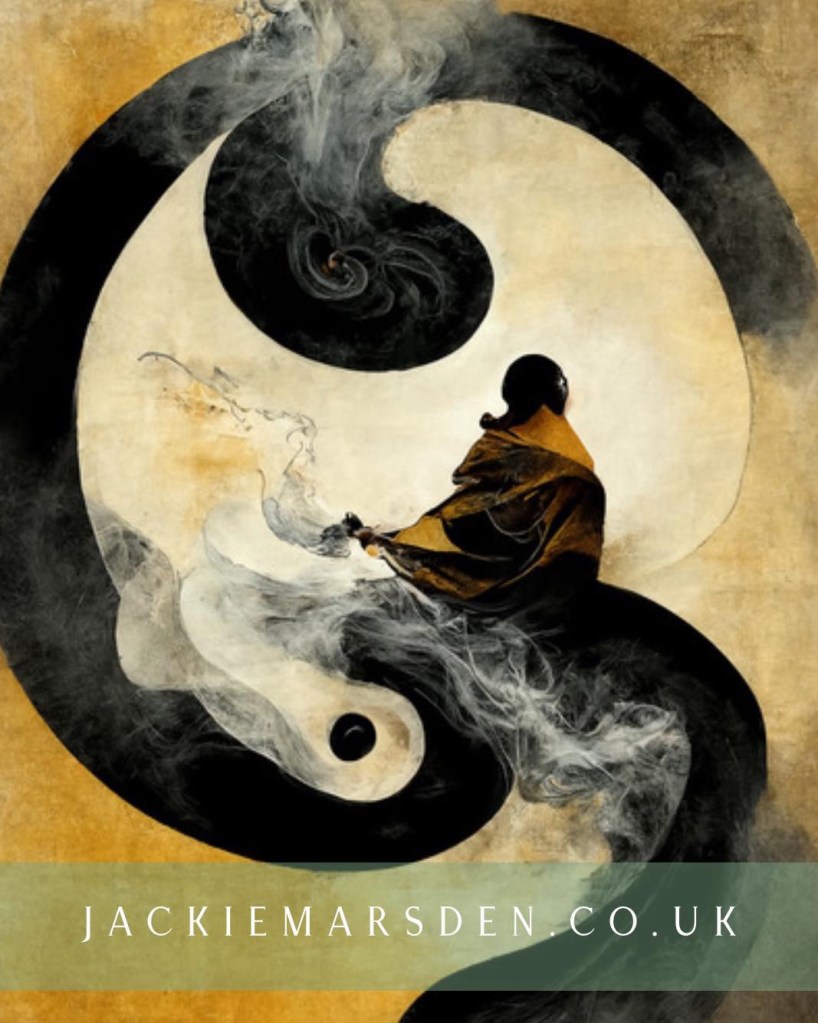
In the quiet rhythm of day and night, two powerful hormones guide our daily flow: cortisol and melatonin. These hormones play a crucial role in maintaining our body’s natural rhythm; you could think of them as the Yin and Yang of our circadian cycle: distinct in nature but working in harmony to help us feel balanced, focused, and rested.

Understanding their roles can help you align with your body’s natural flow, fostering better health and more restful sleep.

Cortisol: The Active Yang of the Day

Often labelled as the stress hormone, cortisol is essential for us to function properly, especially in the morning. It naturally rises when we wake up, helping to energize the body, sharpen focus, and prepare us for the day ahead. This is the Yang energy: active, outward, and purposeful.

Cortisol levels peak shortly after we wake up and begin to decline as the day progresses, supporting our ability to stay alert, handle stress, and perform tasks efficiently. Without sufficient cortisol, we may feel sluggish and less motivated in the morning; it’s as if we can’t quite get going.

Melatonin: The Restful Yin

As the sun begins to set, melatonin enters the scene: the Yin to cortisol’s Yang. Melatonin is often called the sleep hormone, but its job goes beyond just helping us fall asleep. It’s about inviting the body to slow down, repair, and rejuvenate during the night. When melatonin is released as daylight fades, it encourages us to rest, reduce our mental chatter, and prepare for the restorative sleep our bodies need to stay healthy.

Just as cortisol rises with daylight, melatonin rises when it gets dark. It acts as a signal that it’s time to let go and settle into rest, nurturing our recovery and internal restoration.

The Delicate Balance: Why It Matters

The relationship between cortisol and melatonin is delicate. These two hormones need to remain in a balanced dance throughout the day for you to feel your best. If cortisol remains high into the evening – perhaps due to stress, artificial light, or late-night stimulation – melatonin struggles to rise, and sleep may be disrupted. Over time, this throws the entire rhythm off course.

When this happens, it can interfere with your body’s natural recovery during sleep; affecting your energy, mood, and overall health.

Supporting Your Natural Cycle: Simple Practices for Balance

To maintain the delicate balance between cortisol and melatonin, it’s important to align your daily habits with the natural rhythms of your body. Here are a few practices to help keep your hormones in harmony:

  • Seek natural morning light: Exposure to sunlight in the morning helps signal your body that it’s time to rise and activate cortisol naturally. This simple habit can help improve your focus and alertness during the day.
  • Support rising cortisol with a healthy breakfast: Eat a balanced meal around 7am to give your body the nourishment it needs to maintain energy and focus throughout the day.
  • Avoid bright screens, intense exercise, and stimulants in the evening: These can keep cortisol levels elevated and interfere with melatonin production. Instead, opt for calming activities such as reading, meditation, or light stretching in the evening to help your body transition into rest mode.
  • Aim for regular sleep and wake times: Going to bed and waking up at the same time every day helps support your circadian rhythm and ensures your body knows when it’s time to rest.
  • Allow your digestive system to fast between 6pm and 7am: This simple practice allows your body to reset overnight, promoting better sleep and hormonal balance.
  • Get regular reflexology or acupuncture: These holistic therapies can support your body’s natural rhythm by reducing stress, improving circulation, and helping your body relax, making it easier for cortisol and melatonin to maintain balance.

Embracing the Quiet Wisdom of Yin

In a culture that often celebrates the energy of Yang – doing, pushing, and striving – we can sometimes forget the quiet wisdom of Yin. But it’s in the balance of these two forces that true health, clarity, and calm reside. When you nurture both your active and restorative energies, you create a foundation for lasting well-being and peace.

If you’re struggling to find balance in your circadian rhythm or need support with sleep, hormonal health, or stress management, reflexology and acupuncture can be powerful tools in restoring your body’s natural flow. Reach out for personalised guidance and care – together, I can help you nurture your Yin and Yang for a more vibrant and balanced life.

What is the difference between regular acupuncture and fertility acupuncture?

Fertility acupuncture is very similar to regular acupuncture in that it will still try to address common issues such as pain, digestive issues, headaches, hormonal imbalances etc. as part of the wider picture of a fertility patient. However it focuses a lot on reproductive health and treating the meridians that target this area of health. Common points are found on the wrists, ankles, feet, lower legs, abdomen and lower back.

Fertility acupuncture aims for the optimal internal environment for each particular patient. This means that it’s not a generic set of acupuncture points for everyone; each patient is treated as an individual. There is no one size fits all in any aspect of health.

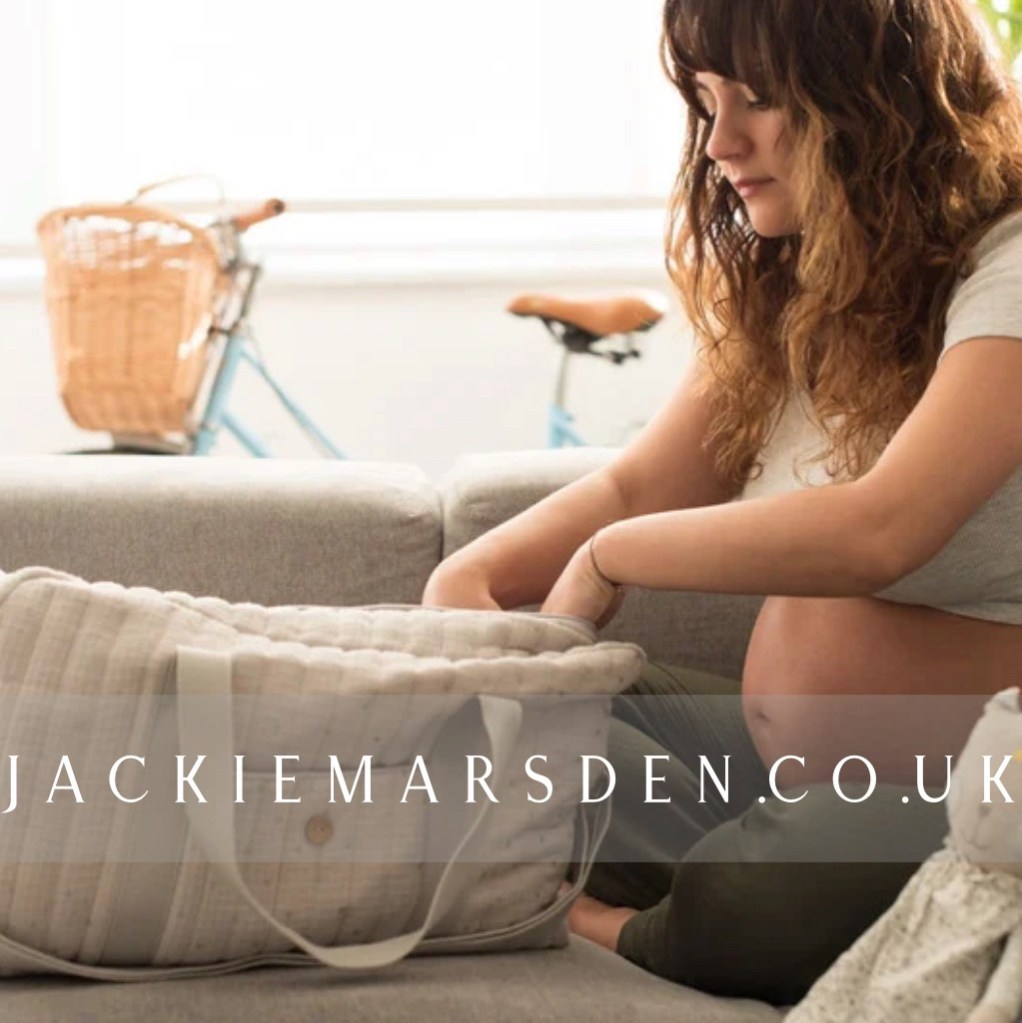
Happy pregnant woman preparing for her baby.

Fertility acupuncture tends to prioritise regulating the menstrual cycle, increasing blood flow to the ovaries and uterus, and regulating sperm health for the men. Stress management and building resilience to stress is also key when trying to conceive. This is something that is always prioritised in clinic.

When coming for fertility acupuncture it’s advisable to plan to come weekly for 3 months as this is the length of time it takes for an egg to be recruited, matured and finally ovulated. What we do now has an effect on those eggs ovulating (or collected via IVF) three months down the line.

During those 3 months we treat through the menstrual cycle, meaning that when you’re bleeding the focus is on good blood flow and emotional support as a period means no pregnancy. During the follicular phase the focus is on follicular development so good blood flow to the ovaries and uterine lining.

Fertility acupuncture works with each phase of assisted reproductive techniques such as IVF/ICSI to really enhance your response to the treatment you’re having, and manage the side effects of the medication.

When you work with a fertility acupuncturist, you gain insights and education from someone who has a regular practice in this area of health; someone who understands the process and what is involved. It’s not just needles; it’s fully rounded support.

If you would like to discuss your situation with me or would like to book in with the clinic in Warton, near Preston, Lancashire, please get in touch. Please read some of the success stories from the clinic here.

How does Acupuncture work?

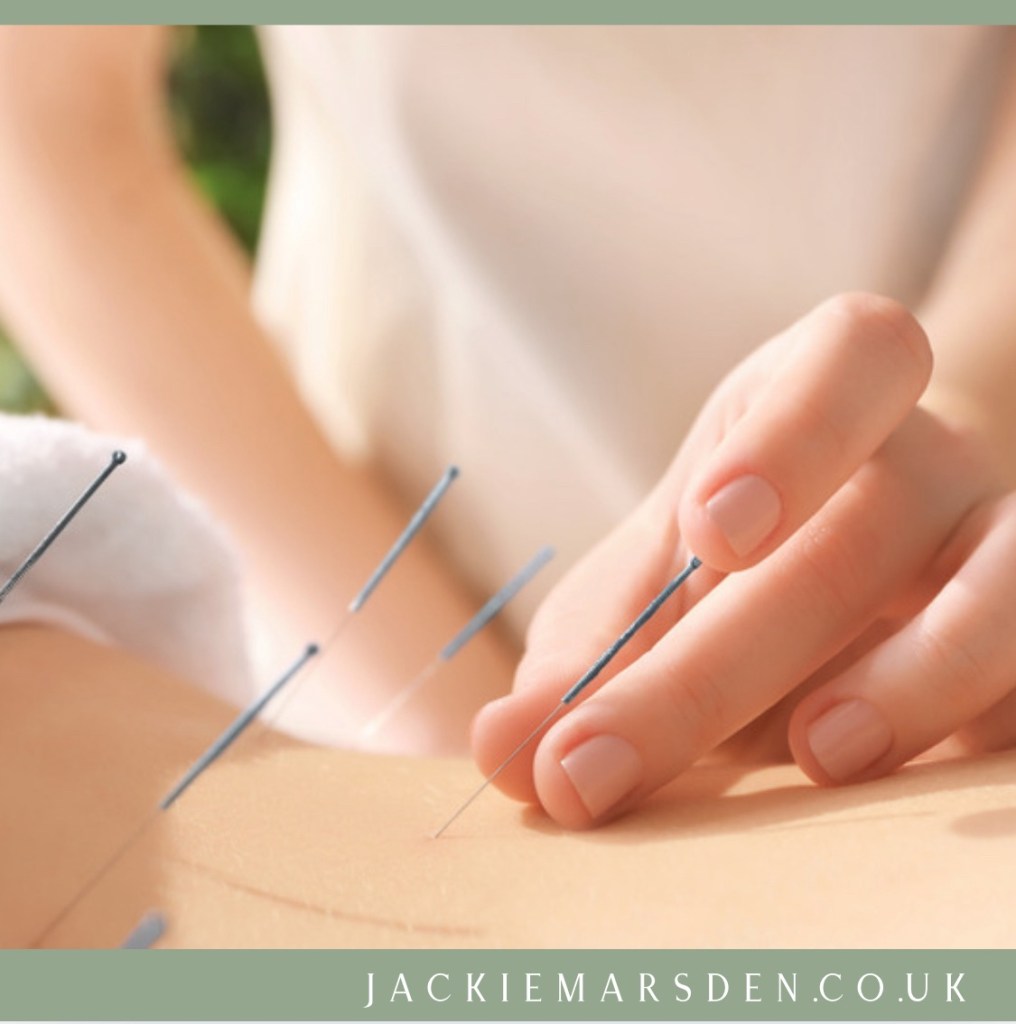
Fertility acupuncture in abdomen.

Traditional Acupuncture uses the understanding of health and wellness that’s been developed over thousands of years (Traditional Chinese Medicine). This theory uses the concept of Qi (energy) our life force energy. Qi flows up and down the meridian system which is a network of channels connecting the main organs with the rest of the body.

When we are well, the Qi is said to be flowing freely. When we are unwell, the Qi is said to be blocked, or stagnant, and not flowing as freely.

Acupuncture uses particular points on the channels to rebalance the flow of Qi and improve our physical, mental and emotional wellbeing.

A good analogy is of the body as a circuit board. An acupuncturist uses these circuits to rewire and reconnect the flow of electricity.

Evidence based research on how acupuncture works is highlights its impact on the central nervous system (CNS). The CNS governs fight or flight vs rest and digest. When we are chronically stressed we get stuck in fight or flight. Acupuncture appears to release endorphins, natural pain killers and those happy chemicals, to rebalance the CNS. The process acupuncture ignites within the body increases blood circulation, reduces inflammation, helps regulate blood sugars and reduces stress, which can all have a positive impact on our wellbeing.

If you’d like to try acupuncture for your own wellbeing book in today.

Common obstacles to wellness

Woman receiving a facial massage.

Many people find it difficult to find the time for wellbeing. Juggling work and family commitments can be a challenge, and before we know it another week has passed and another opportunity to book in for that reflexology or acupuncture session has gone.

As women I think we often find that, in altruistic fashion, put our own needs at the bottom of the priority list. Our children/partners/work all often take priority over ourselves and what we need to keep well and feel good.

Sometimes we might even feel that having that massage or facial is actually a luxury, and not an essential, and then we simply don’t prioritise it at all, and may even cross it off the to-do list completely!

But it is so important to take care of our health while we still have it. If we become unwell and ill-health prevails, that is when we will be unable to cope with family commitments and go to work.

Preventative healthcare is so important particularly for women as we spin so many plates in our various roles as mother, sister, daughter, wife/partner, carer, money-earner, housekeeper, cook, cleaner… the list goes on! If we don’t take care of ourselves while we have so many responsibilities, the stress of it all will start to take its toll.

So put yourself first, at least once a month, for just an hour. Book in for that treatment and make sure your cup is replenished so that you’re fully topped up and resourced for the month ahead.

IVF Acupuncture – Does it Work?

IVF acupuncture is acupuncture to support you through the IVF process.

Artistic interpretation of ovaries, uterus, cervix and vagina.

Ideally you will work with me for 3 months before your IVF treatment begins so that you are fully prepared for success.

Many clients come to me after they have had an unsuccessful first round. We look at the unsuccessful cycle and review what happened, and reflect upon what can be done differently next time.

It is such an emotionally challenging and stressful time for couples; having independent support is invaluable. It’s not simply needles; it is having someone to talk to and knowing someone has your back throughout the journey.

Acupuncture points are often chosen on the lower leg, ankles and feet, wrists and abdomen. But everyone is individual and points are chosen based on your particular pattern.

Acupuncture is powerful after egg collection to help your body heal from this procedure quickly so that you are ready and energised for the embryo transfer around 5 days later.

Getting 1-2 acupuncture treatments in after egg collection, and then one before embryo transfer can be really helpful.

A “baby bank” with details of couples who have trusted in me to support them through their fertility journeys is forthcoming. I am also preparing an e-book to help you set good foundations for your fertility journey.

Salts explained

Salt with a wooden spoon.

Sea salt is really good for soaking in a bath. It is believed to stimulate circulation, help ease muscle cramps, help relieve stiff joints, and soothe the skin.

Sea salt isn’t generally processed that much, it is simply evaporated off the water. So its very rich in trace minerals such as calcium, potassium, magnesium, zinc and iron.

Himalayan salts are very similar to sea salt in composition and trace minerals. However, because Himalayan salt is mined near the foothills of the Himalayan mountains, from some really ancient sea beds which were covered over with ice, lava and snow for millions of years, its thought that Himalayan salts are much purer than our regular sea salt because they are not full of our modern day pollutants.

Epsom salts aren’t actually a salt. They are magnesium, sulphur and oxygen. So when you use Epsom salts you are really using them for their magnesium content. Magnesium is needed in the body for all sorts of daily functions at a cellular level, and it is thought that in this day and age we are all lacking in magnesium due to the erosion of soil quality. Magnesium is very easily absorbed through the skin so soaking in a bath of Epsom salts is a great way to boost your magnesium levels.

Although we do need magnesium to support a whole host of bodily functions, one of the main things we all need it for is stress-management and improved sleep.

So these are the different types of salt explained, so you can now make an informed choice as to which type you would like to bathe in. Happy soaking!

View the bath salts from Neal’s Yard Remedies Organic.

Reflexology for Diabetics

It is well known that people with diabetes need to look after their feet. In very basic terms, when the blood is not releasing the sugars into the cells of the body, the blood can get syrupy and thick, which means that it isn’t flowing smoothly and is not getting to the extremities as efficiently and as effectively as it should. Because of this, some of the smaller blood vessels become restricted and nerve endings can start to become damaged, causing peripheral neuropathy.

My first ever reflexology client I booked after qualifying was an elderly lady with type 2 diabetes. She was keen to have her feet touched and worked on because of the peripheral neuropathy she was experiencing. Her symptoms were numbness and tingling, making it difficult for her to walk and difficult to sleep. She found the treatments soothing, comforting and relaxing.

It is well known that reflexology can improve circulation within the body: the main contraindication for the treatment is thrombosis and clotting, simply because the improved flow of blood could cause the clot to move. With this in mind, it is a great treatment for diabetics.

Being diagnosed with any type of diabetes, but especially type 2 diabetes diagnosis in later life, can be very difficult to manage.  A massive change in lifestyle, eating habits and general discipline around food choices, exercise, blood sugar monitoring and medication timings can be very stressful not just for those with diabetes but also the surrounding friends and family. This is where regular reflexology treatments can be so beneficial for so many of life’s illnesses and problems, because it is such a great stress-buster.

Regular reflexology will also optimize the condition and health of the skin of the feet and ankles. As diabetics will have restricted blood flow (particularly to the extremities), this can cause excessive dryness, making the skin fragile and thin, and causing serious problems if a wound occurs. Healing will take much longer and may lead to other complications such as infections and ulcers. Ensuring that the skin is thoroughly moisturized and nourished will be hugely beneficial in maintaining the overall health of the feet.

In addition to general reflexology, the specialized sequence of Reflexology Lymph Drainage (RLD) may also be a good choice to make in a multi-faceted approach to managing diabetes. Diabetes causes the lymph vessels to become weak and too permeable, compromising the flow of lymph and thus the immune system.[1] We know that it is likely that the RLD sequence has a causal effect on the lymphatic system through studies conducted and results published around managing breast cancer related lymphoedema.[2] Of course more research is needed to present evidence, but I wholeheartedly believe in the modality of reflexology and the powerful effect it can have on the mind and body.

If you need further support in managing your diabetes take a look at my colleague The Diabetes Lady for online coaching and individualised advice.

Book in for reflexology today.

[1] http://revistaseletronicas.pucrs.br/ojs/index.php/scientiamedica/article/view/10095

[2] http://www.reflexologylymphdrainage.co.uk/abstract-2016.html

Jackie Marsden is a Reflexologist, Acupuncturist and Foot Reading Practitioner, based at Elder Cottage Clinic, Warton, Preston, PR4. She is a full member of the Association of Reflexologists.

What is Reflexology?

I recently participated in a pamper evening, and it surprised me that many did not know what reflexology was! I don’t remember a time when I have ever not known what reflexology is, which upon reflection, says an awful lot! So here is a brief guide to what reflexology is, where it came from and what it aims to achieve.

Reflexology – What is it?

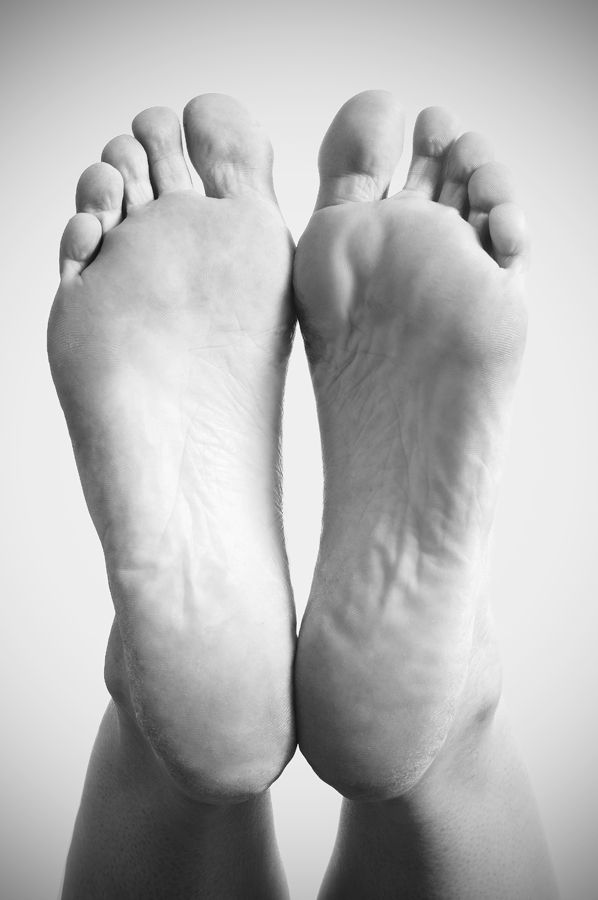
Reflexology is a “hand’s on” treatment which is applied to the feet (or hands) but its philosophy is to treat the whole body i.e. it takes a holistic approach to healing. It is based on the idea that the feet are mini-maps of the body, and by applying pressure techniques to particular reflex areas on the feet will have a stimulating effect elsewhere in the body.

It is a fact that there are over 7000 nerve endings in each foot, so by therapeutically stimulating these nerve endings will achieve a deep sense of relaxation. It is estimated that 75% of disease is stress-related, so regular relaxation is highly recommended.

Overall, through tension-relieving and energy releasing, a reflexology treatment aims to promote the body’s self-healing abilities.

BKPA2080d

Where did it originate?

Reflexology has been known to man for thousands of years, practised by the early Indians, Chinese and Egyptians. However, reflexology as we know it today has its origins in America with an Ear, Nose and Throat specialist Dr William Fitzgerald, who founded “Zone Therapy” in the early 1900s. He discovered that certain areas, when applied with pressure, relieved pain and created numbness, but also when the pressure was removed, the cause of the pain was largely reduced too. Once these areas had been mapped they were known as “zones”. Dr Fitzgerald’s physiotherapist, Eunice Ingham, took great interest and became a pioneer in Zone Therapy throughout the USA. Ingham then devised a map of the body within the feet and the hands, developing and evolving “Zone Therapy” into “Reflexology”. Dawn Bayly brought Reflexology to the UK in 1966 after studying with Ingham in the USA and set up the Bayly School of Reflexology. Hanne Marquardt and Joseph Corvo also discovered Ingham’s Zone Therapy and worked on and evolved variations of Zone Therapy around the same time, the latter also taking into account the pressure points in the face.

Reflexology is an holistic therapy, working on the whole body and the person, not just the symptoms of the illness or disease. It has become one of the most popular forms of complementary therapy practised today.

What can it do for me?

Reflexology may bring relief to a wide range of conditions such as stress, anxiety, asthma, irritable bowel syndrome, sciatica, depression, back pain and is safe and suitable for all ages.

Reflexology offers an individual some dedicated “me time” to relax and unwind, offering deep relaxation and combating stress.

Jackie Marsden MAR is a qualified reflexologist and independent consultant (Team Leader) for Neal’s Yard Remedies Organic. Jackie leads and mentors a growing team of consultants (many of whom are therapists integrating organic products into their existing businesses) via the NYRO social selling channel, holding regular team meetings, one-to-one coaching via phone and facetime, and a closed facebook group. All views are my own.

independent-consultant-long-logoGrowyourbusiness

unnamed2mooncup_banner

Image copyright Jackie Marsden 2016

Manage your stress

A few months ago I stumbled across these three paragraphs on Facebook. They describe such a great analogy that I wanted to share it with the readers of my blog.*

A psychologist walked around a room while teaching stress management to an audience. As she raised a glass of water, everyone expected they’d be asked the “half empty or half full” question. Instead, with a smile on her face, she inquired: “How heavy is this glass of water?”

Answers called out ranged from 8 oz. to 20 oz.

She replied, “The absolute weight doesn’t matter. It depends on how long I hold it. If I hold it for a minute, it’s not a problem. If I hold it for an hour, I’ll have an ache in my arm. If I hold it for a day, my arm will feel numb and paralyzed. In each case, the weight of the glass doesn’t change, but the longer I hold it, the heavier it becomes.” She continued, “The stresses and worries in life are like that glass of water. Think about them for a while and nothing happens. Think about them a bit longer and they begin to hurt. And if you think about them all day long, you will feel paralyzed – incapable of doing anything.”

ID-10051886It is so important to take stress seriously. We all suffer from stress in some form or another, whether it be physical, emotional, continual worries, relationship difficulties, financial problems, stressful job (to name but a few). However small, if they are not addressed, then the “glass” will become heavier, and over time could contribute to ill health.

It is estimated that 75% of disease and illness is caused by stress. We need stress in the short term, for example, to give us that adrenalin rush to cross the road before the approaching car. However, if our bodies remain in this heightened state of alert for long periods then physical strain will be put onto the body.  One common problem in particular relates to digestive issues: if the body is on constant high alert then the digestive system will be on shut down, and thus problems such as IBS present themselves. And then I could write a whole new post about that!

Reflexology takes an holistic approach:  a therapist will take into consideration a client’s integral biology: looking at the complete environment in which the client exists, in an attempt to reduce stress and restore balance. Sometimes just being able to talk about a particular worry or problem can be hugely beneficial, and combined with a relaxing hour of treatment, can create substantial relief.

*Apologies for not knowing who wrote this piece, as I would be grateful to credit the original author.

Jackie Marsden MAR is a qualified Reflexologist and Clinical Acupuncturist. She is also an independent consultant (Group Leader) for Neal’s Yard Remedies Organic. Jackie leads and mentors a growing team of consultants (many of whom are therapists integrating organic products into their existing businesses) via the NYRO social selling channel, holding regular team meetings, one-to-one coaching via phone and WhatsApp, and a closed Facebook group. All views are my own.

independent-consultant-long-logoGrowyourbusiness

unnamed2

mooncup_banner

Image courtesy of photostock / FreeDigitalPhotos.net