What is the difference between regular acupuncture and fertility acupuncture?

Fertility acupuncture is very similar to regular acupuncture in that it will still try to address common issues such as pain, digestive issues, headaches, hormonal imbalances etc. as part of the wider picture of a fertility patient. However it focuses a lot on reproductive health and treating the meridians that target this area of health. Common points are found on the wrists, ankles, feet, lower legs, abdomen and lower back.

Fertility acupuncture aims for the optimal internal environment for each particular patient. This means that it’s not a generic set of acupuncture points for everyone; each patient is treated as an individual. There is no one size fits all in any aspect of health.
Happy pregnant woman preparing for her baby.

Fertility acupuncture tends to prioritise regulating the menstrual cycle, increasing blood flow to the ovaries and uterus, and regulating sperm health for the men. Stress management and building resilience to stress is also key when trying to conceive. This is something that is always prioritised in clinic.

When coming for fertility acupuncture it’s advisable to plan to come weekly for 3 months as this is the length of time it takes for an egg to be recruited, matured and finally ovulated. What we do now has an effect on those eggs ovulating (or collected via IVF) three months down the line.

During those 3 months we treat through the menstrual cycle, meaning that when you’re bleeding the focus is on good blood flow and emotional support as a period means no pregnancy. During the follicular phase the focus is on follicular development so good blood flow to the ovaries and uterine lining.

Fertility acupuncture works with each phase of assisted reproductive techniques such as IVF/ICSI to really enhance your response to the treatment you’re having, and manage the side effects of the medication.

When you work with a fertility acupuncturist, you gain insights and education from someone who has a regular practice in this area of health; someone who understands the process and what is involved. It’s not just needles; it’s fully rounded support.

If you would like to discuss your situation with me or would like to book in with the clinic in Warton, near Preston, Lancashire, please get in touch. Please read some of the success stories from the clinic here.
Why does IVF fail the first time?

Often the first round of IVF is used as a diagnostic. This means that the clinic will use a first round to assess where particular issues might be.

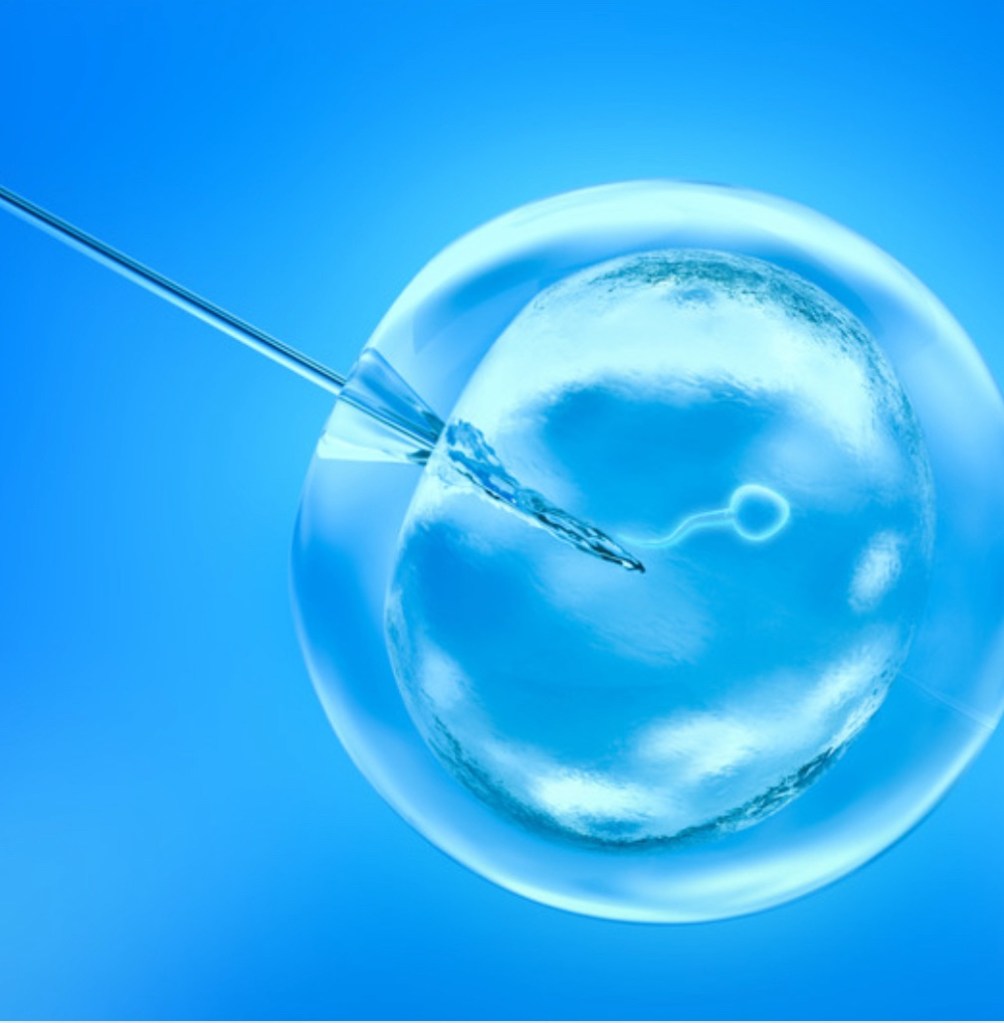
Human sperm being injected into an egg via ICSI.

For example, if the embryos are failing at day 3 then this can tell us that there is a problem with the health of the sperm.

Another example would be if the embryos are graded well but there is still no pregnancy then this could potentially mean there is an issue with the uterus, lining or progesterone receptivity.

Depending on where the procedure failed can give clues as to what is creating the unexplained infertility picture.

Unfortunately this first round is not something that should be taken lightly. Often it is a huge financial investment, not to mention the physical demands on the body, as well as the mental and emotional strain the process has on a couple.

When I work with clients I try to allow us at least 12 weeks to prepare for the next round of IVF. I take a very well-rounded consultation and full health intake to make sure we can drill down to where potential problems are sitting, and then increase the chances of a successful outcome.

Unfortunately I have seen scenarios where, had the couple not come for acupuncture, could have been a very different outcome. For example a couple who had all embryos fail at day 3 were told they needed donor eggs. No mention of improving the health of the sperm, which can be so easy to do with lifestyle and nutritional changes. Luckily this couple worked with me for 3 months and had a successful second cycle with their own eggs, and are now proud parents of a baby boy.

I’ve also seen clinics attempt a second cycle without really looking at the first one in detail. For example one client approached me after a failed fresh cycle. It was clear that there were microbiome issues and also a potential progesterone receptivity issue that we pushed to be checked during the second cycle, and the transfer was consequently halted due to low progesterone. Once we had this confirmed, a third cycle was successful after careful adjustment and monitoring of progesterone medication.

My training and continued learning and development gives me the tools to ask the right questions and see the infertility picture through a different lens. With access to the understanding of Chinese Medicine we can often see where problems lie early on.

If you are trying to conceive and need help, support or advice please get in touch.

IVF Acupuncture – Does it Work?

IVF acupuncture is acupuncture to support you through the IVF process.

Artistic interpretation of ovaries, uterus, cervix and vagina.

Ideally you will work with me for 3 months before your IVF treatment begins so that you are fully prepared for success.

Many clients come to me after they have had an unsuccessful first round. We look at the unsuccessful cycle and review what happened, and reflect upon what can be done differently next time.

It is such an emotionally challenging and stressful time for couples; having independent support is invaluable. It’s not simply needles; it is having someone to talk to and knowing someone has your back throughout the journey.

Acupuncture points are often chosen on the lower leg, ankles and feet, wrists and abdomen. But everyone is individual and points are chosen based on your particular pattern.

Acupuncture is powerful after egg collection to help your body heal from this procedure quickly so that you are ready and energised for the embryo transfer around 5 days later.

Getting 1-2 acupuncture treatments in after egg collection, and then one before embryo transfer can be really helpful.

A “baby bank” with details of couples who have trusted in me to support them through their fertility journeys is forthcoming. I am also preparing an e-book to help you set good foundations for your fertility journey.

Understanding puberty in girls from a TCM perspective

We can all remember the struggles of our teenage years; problems such as acne, the start of our periods, breasts forming, getting used to wearing bras, peer pressure, increasing levels of school work and home work, not being able to get out of bed in the mornings.

As a parent, I want my own daughters to have an easier time than I did. As a therapist, I am more aware of the strains put upon children and teenagers, and how this can effect them physically, psychologically and emotionally.

In my previous blog post, I explained in general terms about our Kidney energy being responsible for our growth and development, and reproductive health. If we experience a painful puberty it is likely that we will experience a more difficult menopause. We also want to optimise fertility, pregnancy and childbirth in between these two milestones, as well as general health and wellness, and they are all interlinked.

The following behaviours can have a significant impact on a young woman’s health:

  1. Early sexual activity. This can have an impact on uterine health at such a vulnerable time, causing imbalances such as blood stasis.
  2. Excessive physical work and exercise, During puberty, this may cause weakness and deficiency in the developing body (Spleen and Kidney), which in turn can lead to stagnation. Of course this depends on the individual constitution, but it is important to be aware of as a parent.
  3. Exposure to external cold. Young women are vulnerable to invasion of external cold, particularly during puberty. Social pressure to wear clothes that reveal the lower back and abdomen, going out without a coat and scarf, prioritising their physical appearance over their well-being can leave them prone to being attacked by the external pathogen of cold. If cold attacks the uterus, it will contract and cause stagnation.
  4. The use of tampons blocks the natural downward flow of blood and can cause stagnation. There are also many other health risks associated with tampons including the exposure to environmental oestrogens which is covered in a different blog post.
  5. Emotional stress and anxiety will have a massive impact on energy levels, depleting the Kidneys and creating excess Heart energy. If it is held onto then this can cause stagnation.

Taking care during this sensitive time will have a massive impact on our young women’s health as they get older. Common problems such as period pain, irregular periods, heavy/scanty periods, infertility, endometriosis, anxiety and depression, fatigue can all be improved through gentle communication, education and sensitivity around these issues at a young age.

If you are interested in receiving some acupuncture or reflexology sessions please contact me directly for an initial chat.

If you are looking for fertility support in Lancashire please get in touch.

Jackie Marsden is a Reflexologist, Acupuncturist and Foot Reading Practitioner, based at Elder Cottage Clinic, Warton, Preston, PR4. She is a full member of the Association of Reflexologists.

Acupuncture for Infertility

Acupuncture is a tried and tested system of traditional medicine, which has been used in China and other eastern cultures for thousands of years to restore, promote and maintain good health.

Research has found that acupuncture treatments can have a positive effect on those trying for a baby and can actually aid the conception process.

Fertility focused acupuncture treatments can help to increase blood flow to the reproductive organs, balance hormonal levels, regulate the menstrual cycle and help improve the lining of the uterus and quality of eggs released. Additionally, conditions such as polycystic ovaries and endometriosis have also been shown to improve with acupuncture.

Benefits to male fertility have also been helped by acupuncture with positive effects on sperm count, sperm morphology and mobility.

Some of the positive effects of acupuncture in fertility treatments are thought to include:

  • regulates the menstrual cycle and promotes regular ovulation
  • regulates the hormones to produce larger numbers of follicles
  • improves the functions of ovaries to produce better quality eggs
  • enhances the vitality of sperm
  • relieves the side effects of drugs used in IVF
  • increases the thickness of the uterine lining so to encourage successful implantation
  • reduces the chance of miscarriage

It is known that stress has an adverse effect on the fertility hormones. Acupuncture can be used to support the process, thus enabling couples to cope with any stress and anxieties they may experience during this time. The acupuncture treatment can help promote a calm, positive and relaxed frame of mind which can bring a more successful outcome for conception.

If you are looking for fertility support in Lancashire please get in touch.

Information for this blog has been taken from British Acupuncture Council

Jackie Marsden MAR is a qualified reflexologist and clinical acupuncturist, working from Elder Cottage Clinic, Warton, nr. Preston.

The Dirty Truth about Tampons (and pads)

Did you know that sanitary products are categorised as “medical devices”. “So what?” you might say. This categorisation means that manufacturers are exempt from listing the ingredients used in producing tampons and sanitary pads.

Are they really safe?

The exemption from listing the ingredients is worrying for a number of reasons. The skin around our vagina, and the vaginal tissue itself is highly vascular, leaving it permeable to a wide range of compounds. In other words,  any chemical or toxin is absorbed at a higher rate and will quite possibly enter the blood stream. Chemicals or toxins entering the body via the skin by-pass the filters of the digestive system, and thus are potentially a greater danger to our health. (1)

Other personal care products such as wipes, shampoos, washes etc. are regulated as cosmetics and thus must list all ingredients used. But shouldn’t the ingredients of tampons and sanitary pads be disclosed too? I believe that they should so that women can make informed choices on what they put on their skin and what they place inside their bodies.

Undisclosed substances contained in tampons, sanitary towels and wipes, such as preservatives, pesticides, fragrances and dyes could have possible and serious health effects emerging in the form of an allergic rash, genital irritation, the onset of asthma and an increased risk of cancer.(2) There is also a question mark over their impact on fertility.

The cost to our planet

Tampons and sanitary pads create huge waste, which is an ever increasing problem for our planet.

On average a woman will use 11,000 tampons or pads in their lifetime (3). Each one takes years to degrade. This figure is quite staggering – but then – think about how many women are on the planet and how many women to come? We are needlessly creating mountains of waste. We need to do something different.

The personal cost – what is it really?

On average a woman uses around 22 sanitary items per cycle, and spends around £90 per year. (4) Multiply this by 40 years of menstruation, each woman can spend on average £3600 on tampons and pads. Compare this to a Mooncup which cost £23.50 and will last years and years. (3)

Mooncup – what’s that?

The Mooncup is a reusable menstrual cup, around two inches long and made from soft medical grade silicone. It is worn internally a lot lower than a tampon but, while tampons and pads absorb menstrual fluid, the Mooncup collects it. This means it doesn’t cause dryness or irritation, and also that it collects far more (three times as much as a tampon!). Because the Mooncup is reusable, you only need one so it saves you money and helps the environment, too. (3)

MC-A-BG

The Mooncup is designed to be folded and inserted into the vagina, then removed, rinsed and reinserted up to every 8 hours. A light seal is formed with your vaginal walls, allowing menstrual fluid to pass into the Mooncup without leakage or odour. This seal is released for removal, allowing you to empty the contents, rinse or wipe and reinsert. Comfortable, convenient and safe: the Mooncup can be used overnight and when travelling, swimming or exercising. (3)

What next?

Buy a Mooncup, start using it, and never have to buy, use or dispose of tampons and pads ever again!

Note the links to Mooncup are my affiliate links. I am only affiliated to brands/products that I use myself, and wholeheartedly believe in.

If you are looking for fertility support in Lancashire please get in touch.

References

(1) http://articles.mercola.com/sites/articles/archive/2013/05/22/feminine-hygiene-products.aspx

(2) http://www.dailymail.co.uk/femail/article-2528510/Are-tampons-toxic-How-feminine-care-products-contain-undisclosed-ingredients-linked-allergic-rashes-asthma-cancer.html

(3) http://www.mooncup.co.uk/wc.php?u=3243

(4) http://www.theguardian.com/environment/ethicallivingblog/2009/aug/17/eco-friendly-periods-mooncup

Jackie Marsden MAR is a qualified reflexologist and independent consultant (Team Leader) for Neal’s Yard Remedies Organic. Jackie leads and mentors a growing team of consultants (many of whom are therapists integrating organic products into their existing businesses) via the NYRO social selling channel, holding regular team meetings, one-to-one coaching via phone and facetime, and a closed facebook group. All views are my own.

mooncup_bannerindependent-consultant-long-logoGrowyourbusiness