Lymphoedema – Lighten the Load

Lymphoedema can be a debilitating condition where the lymphatic system is compromised and thus a build up of fluid creates swelling in an area of the body.

Primary Lymphoedema is thought to be hereditary. Fluid starts to pool at the base of a limb due to the inadequacy of the lymphatic system’s ability to drain fluid.

Woman wearing compression bandage for lymphoedema.

Secondary Lymphoedema can appear after an operation, or after an accident or injury. The cause of fluid build up can be due to the lymphatic tissue becoming damaged, or removed (for example an axillary clearance).

Swelling can make that area of the body painful, heavy, tight and restricted. The tissues of the skin can become very uncomfortable and delicate, prone to damage and infection. It can be difficult to find clothes to fit, and can create mental/emotional instability.

The treatment for lymphoedema is compression, exercise/movement and good skincare. Sometimes Manual Lymph Drainage is offered which is a massage technique which re-reoutes the fluid away from the affected site.

Reflexology Lymph Drainage is a technique based on the principles of Manul Lymph Drainage, but transposed onto the reflexes of the feet or hands.

The beauty of this technique is that it is completely non-invasive; patients do not need to get undressed. It can be done in-clinic via the feet, or remotely via a taught self-help sequence carried out on the hands.

Much research is still being carried out around this technique; however what the reflexology community have seen up to this date is that the technique and sequence supports the theory of reflexology. By isolating and working the lymphatic reflexes of the feet or hands, has an effect on the body. As a community, we have been witness to some incredibly rewarding results for our clients.

Please contact me to have an initial discussion and to book in.
Lymphatic Drainage using Reflexology on the Feet

I have been using the well established Reflexology Lymph Drainage technique for 6 years now. This technique isolates the reflexes of the lymphatic system using gentle circling and sweeping techniques with the intention of moving fluid in the body.

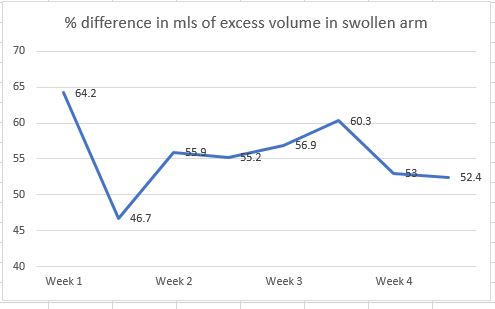
During September I have been treating a client with unilateral secondary lymphoedema in the arm, wrist and hand. We took some basic measurements in the distal (lower) arm before and after the sessions each week.

The graph below presents the results over the 4 week period. As you can see, the percentage difference in millilitres of excess fluid volume in the swollen arm compared to the unaffected arm reduces significantly after the first session, then continues to adjust then plateau after the 4th session.

Graph showing % difference in mls of excess volume in swollen arm.

Over the 4 weeks my client also noticed an improved range of motion in the wrist, and more normal sensations with the skin on the back of hand; reduced tightness and more elasticity.

My client has enjoyed the sessions so much, finding them deeply and surprisingly relaxing, and has booked another course which begins in a few weeks time.

If you are interested in trying this technique with me, or know someone who suffers with secondary lymphoedema, or other symptoms that might benefit, please get in touch for an initial chat. I offer 5 weekly sessions at a discounted price of £210. Subsequent courses are 4 weekly sessions at £150.

Other health related problems that have seen good results in the past are:

  • Heavy legs
  • Lipoedema
  • Lipo-lymphoedema
  • Autoimmune disorders
  • Injury recovery
  • Swelling
  • Recovery from cancer treatment

Elder Cottage Clinic, Warton, Preston, PR4. For more information see my dedicated pages https://fyldelymphatics.wordpress.com

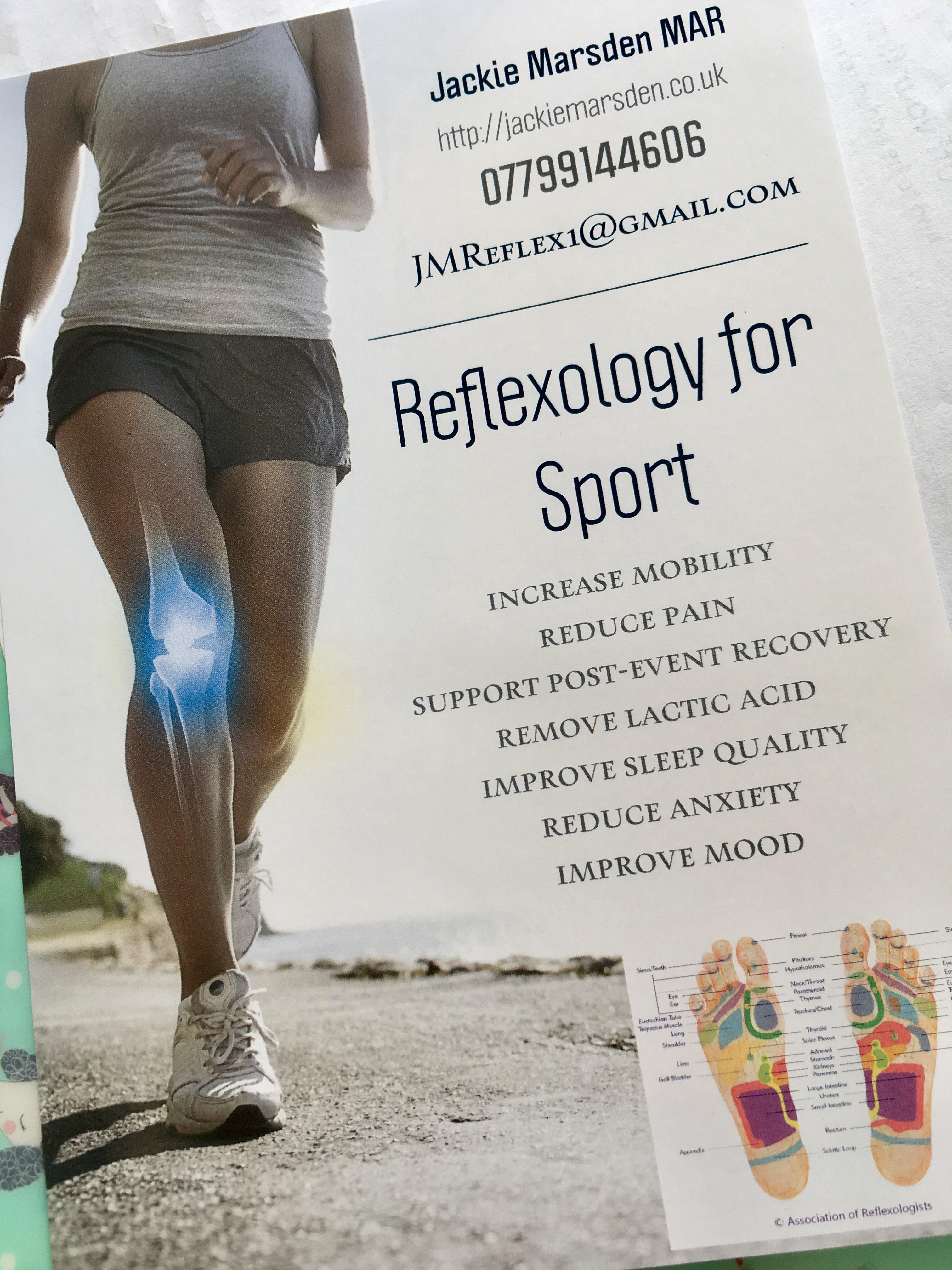
Reflexology for Sports

Sports people of any level or ability are highly motivated to perform at their best and to achieve optimum results; often they look to holistic therapies to complement treatment received for injuries.

Reflexology for optimal performance

The psychology of sport encourages individual athletes and team players to look for ways to achieve that extra one or two percent that can give them the edge on their opponents. Consequently, many now use reflexology as part of their overall regime.

What can reflexology offer?

Reflexology may help to provide increased mobility, reduced pain and support or accelerate the recovery period after an injury.  Many athletes use reflexology in a preventative capacity to encourage balance in the body and improved health in general, such as improved sleep quality, reduced anxiety and improved mood.

How does it work?

Reflexology helps to increase blood flow and encourage lymphatic drainage. Research studies show that it can remove lactic acid from the legs four times faster than massage, helping post event recovery. Increased blood circulation helps remove toxins and increase the delivery of oxygen and nutrients to the tissues, helping to support the body’s natural healing process and promote recovery from injuries. It may also assist in preventing common complaints and niggles from extended muscle exertion such as aches, pains, cramps and spasms.

What else?

The effect of stress has a very detrimental effect on the body, reducing blood flow and oxygen, causing energy to be depleted and thus functioning at a sub-optimal level. Reflexology helps to manage this by promoting deep relaxation, easing tension, giving the body time to rest and heal and it often improves sleep. It may also help with pain relief or reducing pain associated with injury.

Contact me for more information or to book an appointment.

Jackie Marsden MAR is a qualified reflexologist, acupuncturist, promoter of healthy living and independent consultant (Group Leader) for Neal’s Yard Remedies Organic.

Image courtesy of digitalart at FreeDigitalPhotos.net