Trying to Conceive? Why Natural Skincare Matters More Than You Think

When you are trying to conceive, it is natural to focus on diet, supplements and lifestyle. You might start tracking your cycle, supporting your hormones, or eating more nourishing, fertility-friendly foods. But one area that is often overlooked is the everyday products we apply to our skin, hair and body.

We are usually careful about what we eat, but do we pay the same attention to what we put on our skin? The skin is permeable and many ingredients in personal care products are absorbed into the bloodstream. This becomes particularly relevant in the preconception phase, when you are working to create the healthiest possible internal environment for pregnancy.

The Problem with Petrochemicals

A large number of mainstream skincare, body care and cosmetic products are based on petrochemicals. These are substances derived from petroleum and crude oil. They may be used to preserve products, make them feel silky, create foam or fragrance, or simply to bulk them out because they are cheap and widely available.

Petrochemicals can burden the liver and disrupt the endocrine system. Some are known or suspected endocrine-disrupting chemicals, which means they can interfere with your hormones. This is especially important during the delicate process of trying to conceive, when hormonal balance is essential for ovulation, implantation and embryo development.

Petrochemical-Derived Ingredients to Avoid

Here are some common ingredients that may appear in your skincare products, all of which are derived from petrochemicals and can impact fertility:

  • Paraffinum liquidum (mineral oil) Often used in moisturisers, this is a by-product of petroleum refining. It forms a film on the skin that may block pores and inhibit natural detoxification.
  • Propylene glycol Common in creams and serums to help retain moisture, but it can irritate the skin and increase the penetration of other chemicals.
  • Parabens (methylparaben, propylparaben, butylparaben) Used as preservatives, they mimic oestrogen in the body and are linked to hormonal disruption.
  • Phthalates Often hidden under the word “fragrance” or “parfum,” these are plasticisers that can disrupt reproductive hormones and have been associated with reduced fertility.
  • Sodium lauryl sulphate (SLS) and sodium laureth sulphate (SLES) These are foaming agents that can irritate the skin and are often contaminated with by-products of the petrochemical industry.
  • Synthetic fragrance or parfum A single artificial fragrance can contain dozens of undisclosed chemicals, many of which are derived from crude oil and may disrupt hormones or sensitise the skin.

The Preconception Window is Precious

In the months leading up to conception, your body is preparing in subtle but powerful ways. Detoxification, hormonal signalling, egg and sperm quality, and the uterine environment are all influenced by your internal balance. Reducing your toxic load by avoiding petrochemicals is a simple but significant step that supports these natural processes.

Nourish Yourself Naturally

Choosing natural personal care products is an act of self-love. Look for certified organic or naturally formulated options that are free from petroleum-derived ingredients, artificial fragrance and synthetic preservatives.

Brands such as Neal’s Yard Remedies focus on high-quality botanical ingredients that support rather than suppress your body’s natural rhythms. Begin with the products you use most often, such as body lotion, deodorant and facial care. These small shifts create long-term benefits, not only for fertility but for overall well-being.

Conclusion

Trying to conceive is a time to simplify, nourish and connect more deeply with yourself. By making thoughtful changes to the products you use every day, you support your body in doing what it was made to do. Natural personal care is not about being perfect. It is about creating space for your hormones to settle, your liver to work freely, and your skin to breathe.

You deserve to feel safe, supported and ready. Let nature take care of you, so you can take care of what matters most.
What is the difference between regular acupuncture and fertility acupuncture?

Fertility acupuncture is very similar to regular acupuncture in that it will still try to address common issues such as pain, digestive issues, headaches, hormonal imbalances etc. as part of the wider picture of a fertility patient. However it focuses a lot on reproductive health and treating the meridians that target this area of health. Common points are found on the wrists, ankles, feet, lower legs, abdomen and lower back.

Fertility acupuncture aims for the optimal internal environment for each particular patient. This means that it’s not a generic set of acupuncture points for everyone; each patient is treated as an individual. There is no one size fits all in any aspect of health.

Happy pregnant woman preparing for her baby.

Fertility acupuncture tends to prioritise regulating the menstrual cycle, increasing blood flow to the ovaries and uterus, and regulating sperm health for the men. Stress management and building resilience to stress is also key when trying to conceive. This is something that is always prioritised in clinic.

When coming for fertility acupuncture it’s advisable to plan to come weekly for 3 months as this is the length of time it takes for an egg to be recruited, matured and finally ovulated. What we do now has an effect on those eggs ovulating (or collected via IVF) three months down the line.

During those 3 months we treat through the menstrual cycle, meaning that when you’re bleeding the focus is on good blood flow and emotional support as a period means no pregnancy. During the follicular phase the focus is on follicular development so good blood flow to the ovaries and uterine lining.

Fertility acupuncture works with each phase of assisted reproductive techniques such as IVF/ICSI to really enhance your response to the treatment you’re having, and manage the side effects of the medication.

When you work with a fertility acupuncturist, you gain insights and education from someone who has a regular practice in this area of health; someone who understands the process and what is involved. It’s not just needles; it’s fully rounded support.

If you would like to discuss your situation with me or would like to book in with the clinic in Warton, near Preston, Lancashire, please get in touch. Please read some of the success stories from the clinic here.

Why does IVF fail the first time?

Often the first round of IVF is used as a diagnostic. This means that the clinic will use a first round to assess where particular issues might be.

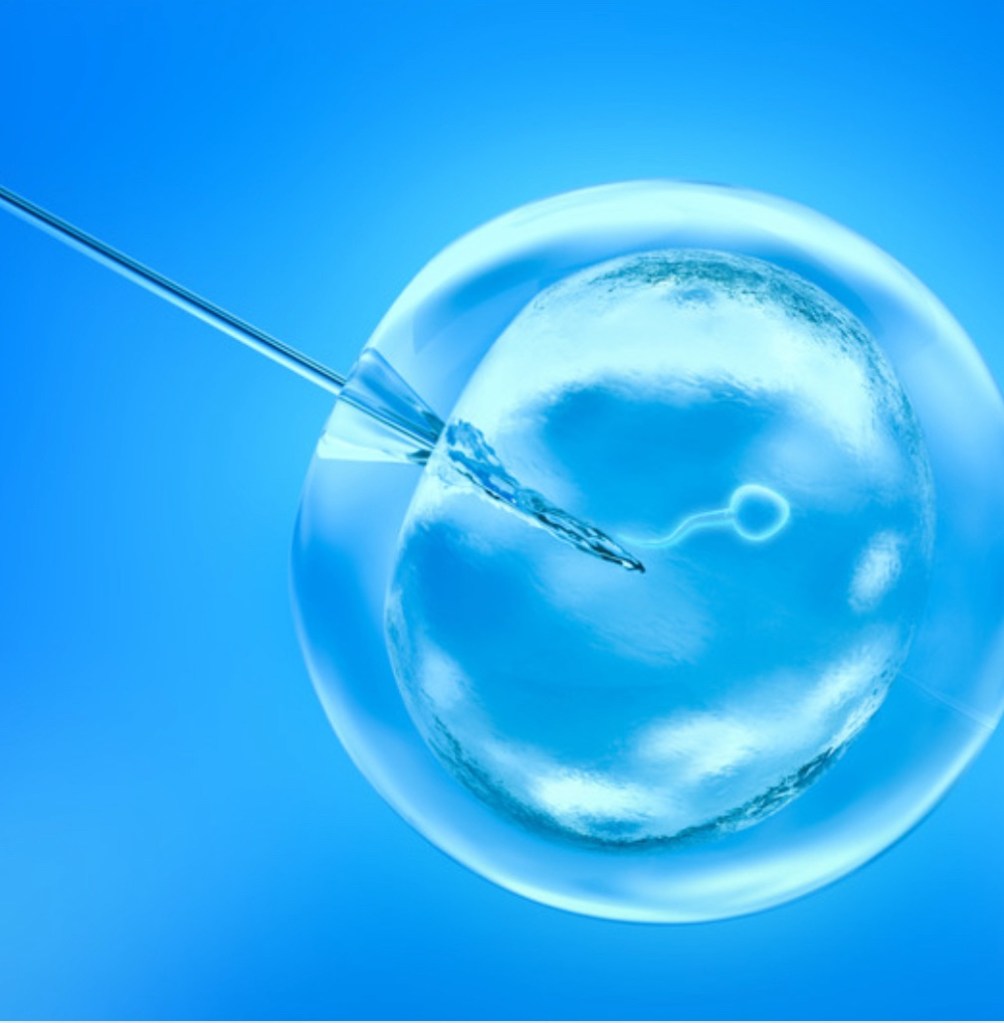
Human sperm being injected into an egg via ICSI.

For example, if the embryos are failing at day 3 then this can tell us that there is a problem with the health of the sperm.

Another example would be if the embryos are graded well but there is still no pregnancy then this could potentially mean there is an issue with the uterus, lining or progesterone receptivity.

Depending on where the procedure failed can give clues as to what is creating the unexplained infertility picture.

Unfortunately this first round is not something that should be taken lightly. Often it is a huge financial investment, not to mention the physical demands on the body, as well as the mental and emotional strain the process has on a couple.

When I work with clients I try to allow us at least 12 weeks to prepare for the next round of IVF. I take a very well-rounded consultation and full health intake to make sure we can drill down to where potential problems are sitting, and then increase the chances of a successful outcome.

Unfortunately I have seen scenarios where, had the couple not come for acupuncture, could have been a very different outcome. For example a couple who had all embryos fail at day 3 were told they needed donor eggs. No mention of improving the health of the sperm, which can be so easy to do with lifestyle and nutritional changes. Luckily this couple worked with me for 3 months and had a successful second cycle with their own eggs, and are now proud parents of a baby boy.

I’ve also seen clinics attempt a second cycle without really looking at the first one in detail. For example one client approached me after a failed fresh cycle. It was clear that there were microbiome issues and also a potential progesterone receptivity issue that we pushed to be checked during the second cycle, and the transfer was consequently halted due to low progesterone. Once we had this confirmed, a third cycle was successful after careful adjustment and monitoring of progesterone medication.

My training and continued learning and development gives me the tools to ask the right questions and see the infertility picture through a different lens. With access to the understanding of Chinese Medicine we can often see where problems lie early on.

If you are trying to conceive and need help, support or advice please get in touch.

IVF Acupuncture – Does it Work?

IVF acupuncture is acupuncture to support you through the IVF process.

Artistic interpretation of ovaries, uterus, cervix and vagina.

Ideally you will work with me for 3 months before your IVF treatment begins so that you are fully prepared for success.

Many clients come to me after they have had an unsuccessful first round. We look at the unsuccessful cycle and review what happened, and reflect upon what can be done differently next time.

It is such an emotionally challenging and stressful time for couples; having independent support is invaluable. It’s not simply needles; it is having someone to talk to and knowing someone has your back throughout the journey.

Acupuncture points are often chosen on the lower leg, ankles and feet, wrists and abdomen. But everyone is individual and points are chosen based on your particular pattern.

Acupuncture is powerful after egg collection to help your body heal from this procedure quickly so that you are ready and energised for the embryo transfer around 5 days later.

Getting 1-2 acupuncture treatments in after egg collection, and then one before embryo transfer can be really helpful.

A “baby bank” with details of couples who have trusted in me to support them through their fertility journeys is forthcoming. I am also preparing an e-book to help you set good foundations for your fertility journey.

How can I increase my chances of IVF success?

IVF is a process which shouldn’t be taken lightly. It is hard on couples from all angles; emotionally, mentally and physically.

IVF eggs under microscope.

The drugs used are heavy duty; creating all sorts of side effects and mood swings. The process involves physical incisions through the vaginal wall and on the ovaries – multiple cuts in fact – depending on how many follicles you have. A lot of energy is required for your body to heal. You will also be sedated and this can take time to recover from.

Then there is the agonizing wait to see if any eggs fertilized, and how well they develop to day 5 where you will then have another procedure to transfer the embryo into your womb. And the 2 week wait begins, alongside more drugs.

It is an emotional roller coaster and exhausting; taxing mentally and physically with trips in and out of the clinic for tests and scans.

For such a consuming process, wouldn’t you want to prepare the best that you can to maximise your chances of success? Its not something you should walk into without first fully investigating what the problems are with your inability to conceive naturally, and to really prepare your body and the environment within which your eggs are recruited and collected, and then transferred back for implantation and ongoing pregnancy.

Preparation is key when it comes to IVF success. Don’t allow a fertility clinic to use your first round as a diagnostic; that’s way too expensive both financially and for your health and overall wellbeing.

Find someone to help you through the process and work with a specialist who can take a deep dive into your lifestyle and nutrition, and offer you acupuncture as part of your preparation program.

Contact me for an initial chat and start your preconception journey with me today.

Stress is a thief

Woman feeling stressed.

Stress is bandied about a lot across the internet and social media. But lets cut to the chase.

When you are chronically stressed (and this can be any type of stress, worry or fear because the body treats it all the same; as a threat) then your adrenal glands will secrete more of the hormone cortisol in order to keep you safe.

However, cortisol is made up of various ingredients, one of which is pregnenolone. This is where the steal happens. Pregnenolone is a key building block for the sex hormones: oestrogen, progesterone and testosterone. When the body is stressed, it believes it is under threat, and the priority is survival. So of course, the body will prioritise using the ingredients to create cortisol, the stress hormone, over using it to create our sex hormones. Because if your cycle is irregular, or you have unusual mid-cycle bleeding for example, these are not life-threatening. But the body will interpret any stress as life threatening, so other processes of less importance will be “put on the back-burner”.

So if you are having fertility issues of any kind, identifying areas of stress in your life can be a pivotal starting point. Really take some time reviewing your daily activities and routines and see where things could be improved. Spend some time sitting quietly and try not to think about anything. If this is difficult, write down the thoughts or worries that keep reappearing. Other things to consider:

  • Meditation or some sort of spiritual connection
  • Reflexology and/or acupuncture, massage
  • Gentle exercise allowing time for recovery afterwards
  • Setting time aside to do the things you love to do

If you are looking for fertility support in Lancashire please call/email me directly to have a chat and book in.

Buns won’t bake in a cold oven

Pregnant woman, happily holding her womb.

We’ve all heard the old saying “she’s got a bun in the oven”; a simple analogy of stating that someone is pregnant. But actually, this saying is true more than you might think. If you want to bake a bun, the oven must be warm right? The warmth gives all the ingredients the energy to transform together to create the desired outcome: a well-formed bun. This is all true for making babies. The environment in which the baby is conceived and implanted, and then subsequently grown and developed, needs to be one of which is warm.

One of the main areas I look at when seeing fertility clients is their tummy. I look at what they are wearing and whether they feel warm enough. Many women will wear cropped tops, or short tops that sit on the waist. Underwear may also be low sitting, which means the abdominal and lower back area where the uterus sits is not kept layered up and is prone to invasion of cold. Do you remember your mum or your gran telling you to wear a vest and tuck it into your knickers? This is absolutely sound advice for getting and staying pregnant!

Invasion of cold can also come from things like going outside with wet hair, no scarf, no coat, or sitting on cold surfaces. I’m not talking about doing it once, but repeatedly as a habit. Exposing our bodies regularly to cold exposure without warming up properly afterwards can lead to a manifestation of cold in the body. It is well known that going out in the autumn and winter with wet hair and no scarf can lead to us “catching a chill”, and this is the same for the abdominal area, which can lead to (or be a contributing factor of) fertility issues.

When the body is cold, the flow of Qi and Blood slows down. Our bodily fluids need energy from warmth to keep flowing freely and smoothly throughout the body. If the abdomen is on the cold side, this means that Qi and Blood are not flowing freely to and from the uterus, creating stagnation and leading to stasis.

Losing some weight around the middle can help a lot to increase warmth and disperse cold from this area. If you are looking at IVF you will know that there is usually advice as to the recommended BMI they recommend before starting your IVF journey. Lots of studies have also been done around obesity and pregnancy rates, indicating that a smaller waist can contribute to higher pregnancy rates.

When fertility clients come into see me, I will often ask to look at their tongue as well as palpate their tummy. The colour of the tongue can tell us a lot about what might be going on in the body from an acupuncture point of view. If the tongue shows me a blueish tinge then cold will be contributing factor to address.

Other signs of cold, or of Blood Stasis can be seen in menstrual blood, so if you are wanting to get pregnant then it is worth taking a note of your menstrual blood as well as monitoring your cycles. Look at the colour of the menstrual blood; it is bright red, or pink/orange, or dark red or purplish? What are the size of clots (if any) and the colour of those clots? Do you experience any cramping, bloating and pain before and during your period?

General things you can do to help dispel cold and warm up the abdominal area are:

  • Use a hot water bottle on your tummy or lower back regularly – if you’re sitting at your desk for a while use one then, or when relaxing on the sofa, or in bed at night.
  • Moxa patches are a great way to penetrate warmth and dispel cold. These are available in clinic. They simply attach to your tummy or lower back and will stay warm for 12-16 hours.
  • Incorporate herbs and spices into your diet. Things like ginger, garlic, cinnamon, mint, turmeric are all great for dispelling and dispersing stasis in the body and getting things warmed up and moving. Ginger & Turmeric Tea is a good way of doing this.
  • Get regular acupuncture to support your fertility journey.

If you are looking for fertility support in Lancashire please call/email me directly to have a chat and book in.