In Traditional Chinese Medicine (TCM), the vitality of life is held in the Ming Men, the Gate of Life. This is an acupuncture point located on the lower back, roughly opposite – and at the same level as – the navel, in the area of the Dan Tien (the body’s energy centre). It sits between the Kidneys and, from a TCM perspective, draws on Kidney Yin and Yang to distribute balanced Qi throughout the body.
When the Ming Men is strong, Fire arises, and vitality flourishes. This shows up as good energy levels, healthy circulation, strong libido, good fertility, a calm mind, and a regular, robust digestive system. This is because Fire is needed to warm and activate the digestive organs.
When the Ming Men is weak, this may lead to fatigue, poor digestion with loose stools, anxiety, low libido, infertility, and back problems. It often creates an overall sense of deficiency – feeling under par or depleted.
Night sweats and hot flushes are signs that Ming Men Fire is fluctuating, flaring up and then dropping down rather than maintaining a stable, balanced heat.
Ming Men Fire drives Blood circulation, supports the Heart, and in TCM the Heart houses the Mind (Shen). This means the Ming Men provides not only physical vitality but also mental and emotional vitality. And because mental and emotional resilience are deeply connected to physical health, supporting the Ming Men offers a truly holistic approach to wellbeing.
How to support your Ming Men?
Breathwork, focusing on gently drawing the navel toward the spine
Acupressure or massage to the lower back
Keeping the lower back warm to nourish and protect the Ming Men
And of course, regular acupuncture sessions
Keep your fire burning bright with me at Elder Cottage Clinic, Warton PR4 and book in for acupuncture today.
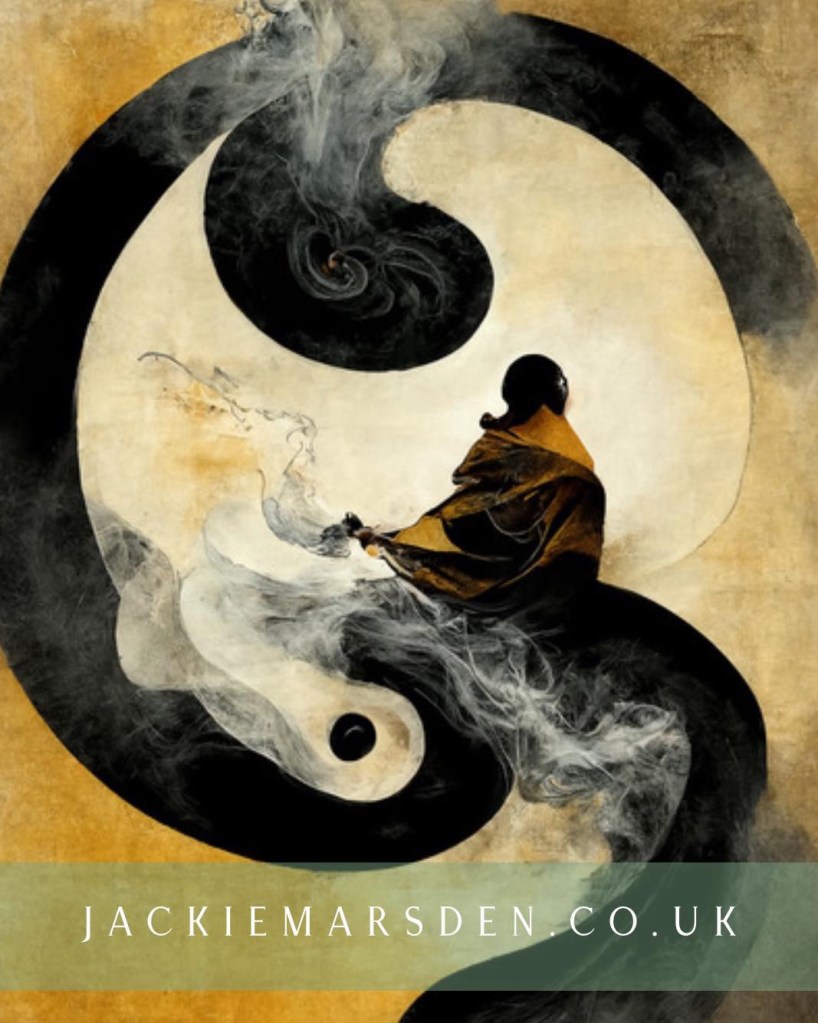
In the quiet rhythm of day and night, two powerful hormones guide our daily flow: cortisol and melatonin. These hormones play a crucial role in maintaining our body’s natural rhythm; you could think of them as the Yin and Yang of our circadian cycle: distinct in nature but working in harmony to help us feel balanced, focused, and rested.
Understanding their roles can help you align with your body’s natural flow, fostering better health and more restful sleep.
Cortisol: The Active Yang of the Day
Often labelled as the stress hormone, cortisol is essential for us to function properly, especially in the morning. It naturally rises when we wake up, helping to energize the body, sharpen focus, and prepare us for the day ahead. This is the Yang energy: active, outward, and purposeful.
Cortisol levels peak shortly after we wake up and begin to decline as the day progresses, supporting our ability to stay alert, handle stress, and perform tasks efficiently. Without sufficient cortisol, we may feel sluggish and less motivated in the morning; it’s as if we can’t quite get going.
Melatonin: The Restful Yin
As the sun begins to set, melatonin enters the scene: the Yin to cortisol’s Yang. Melatonin is often called the sleep hormone, but its job goes beyond just helping us fall asleep. It’s about inviting the body to slow down, repair, and rejuvenate during the night. When melatonin is released as daylight fades, it encourages us to rest, reduce our mental chatter, and prepare for the restorative sleep our bodies need to stay healthy.
Just as cortisol rises with daylight, melatonin rises when it gets dark. It acts as a signal that it’s time to let go and settle into rest, nurturing our recovery and internal restoration.
The Delicate Balance: Why It Matters
The relationship between cortisol and melatonin is delicate. These two hormones need to remain in a balanced dance throughout the day for you to feel your best. If cortisol remains high into the evening – perhaps due to stress, artificial light, or late-night stimulation – melatonin struggles to rise, and sleep may be disrupted. Over time, this throws the entire rhythm off course.
When this happens, it can interfere with your body’s natural recovery during sleep; affecting your energy, mood, and overall health.
Supporting Your Natural Cycle: Simple Practices for Balance
To maintain the delicate balance between cortisol and melatonin, it’s important to align your daily habits with the natural rhythms of your body. Here are a few practices to help keep your hormones in harmony:
Seek natural morning light: Exposure to sunlight in the morning helps signal your body that it’s time to rise and activate cortisol naturally. This simple habit can help improve your focus and alertness during the day.
Support rising cortisol with a healthy breakfast: Eat a balanced meal around 7am to give your body the nourishment it needs to maintain energy and focus throughout the day.
Avoid bright screens, intense exercise, and stimulants in the evening: These can keep cortisol levels elevated and interfere with melatonin production. Instead, opt for calming activities such as reading, meditation, or light stretching in the evening to help your body transition into rest mode.
Aim for regular sleep and wake times: Going to bed and waking up at the same time every day helps support your circadian rhythm and ensures your body knows when it’s time to rest.
Allow your digestive system to fast between 6pm and 7am: This simple practice allows your body to reset overnight, promoting better sleep and hormonal balance.
Get regular reflexology or acupuncture: These holistic therapies can support your body’s natural rhythm by reducing stress, improving circulation, and helping your body relax, making it easier for cortisol and melatonin to maintain balance.
Embracing the Quiet Wisdom of Yin
In a culture that often celebrates the energy of Yang – doing, pushing, and striving – we can sometimes forget the quiet wisdom of Yin. But it’s in the balance of these two forces that true health, clarity, and calm reside. When you nurture both your active and restorative energies, you create a foundation for lasting well-being and peace.
If you’re struggling to find balance in your circadian rhythm or need support with sleep, hormonal health, or stress management, reflexology and acupuncture can be powerful tools in restoring your body’s natural flow. Reach out for personalised guidance and care – together, I can help you nurture your Yin and Yang for a more vibrant and balanced life.
Fertility acupuncture is very similar to regular acupuncture in that it will still try to address common issues such as pain, digestive issues, headaches, hormonal imbalances etc. as part of the wider picture of a fertility patient. However it focuses a lot on reproductive health and treating the meridians that target this area of health. Common points are found on the wrists, ankles, feet, lower legs, abdomen and lower back.
Fertility acupuncture aims for the optimal internal environment for each particular patient. This means that it’s not a generic set of acupuncture points for everyone; each patient is treated as an individual. There is no one size fits all in any aspect of health.
Fertility acupuncture tends to prioritise regulating the menstrual cycle, increasing blood flow to the ovaries and uterus, and regulating sperm health for the men. Stress management and building resilience to stress is also key when trying to conceive. This is something that is always prioritised in clinic.
When coming for fertility acupuncture it’s advisable to plan to come weekly for 3 months as this is the length of time it takes for an egg to be recruited, matured and finally ovulated. What we do now has an effect on those eggs ovulating (or collected via IVF) three months down the line.
During those 3 months we treat through the menstrual cycle, meaning that when you’re bleeding the focus is on good blood flow and emotional support as a period means no pregnancy. During the follicular phase the focus is on follicular development so good blood flow to the ovaries and uterine lining.
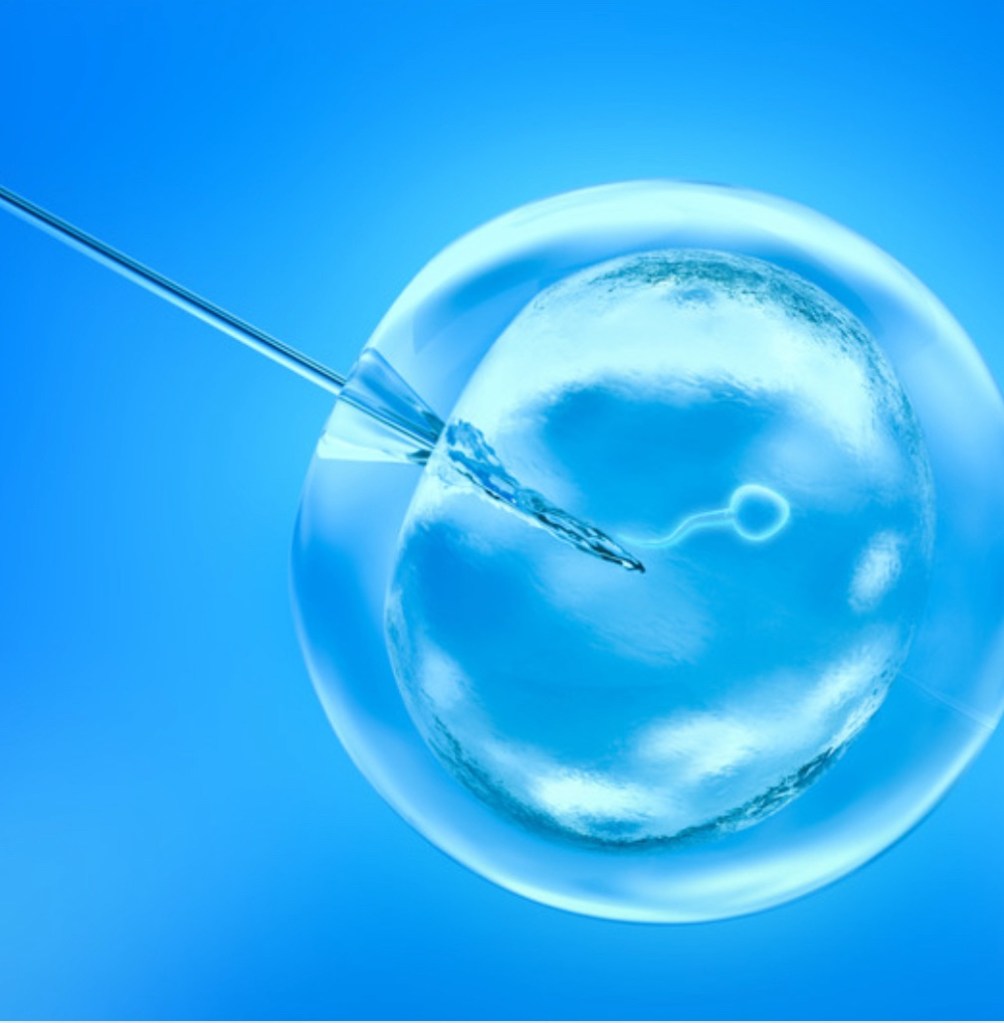
Fertility acupuncture works with each phase of assisted reproductive techniques such as IVF/ICSI to really enhance your response to the treatment you’re having, and manage the side effects of the medication.
When you work with a fertility acupuncturist, you gain insights and education from someone who has a regular practice in this area of health; someone who understands the process and what is involved. It’s not just needles; it’s fully rounded support.
If you would like to discuss your situation with me or would like to book in with the clinic in Warton, near Preston, Lancashire, please get in touch. Please read some of the success stories from the clinic here.
Traditional Acupuncture uses the understanding of health and wellness that’s been developed over thousands of years (Traditional Chinese Medicine). This theory uses the concept of Qi (energy) our life force energy. Qi flows up and down the meridian system which is a network of channels connecting the main organs with the rest of the body.
When we are well, the Qi is said to be flowing freely. When we are unwell, the Qi is said to be blocked, or stagnant, and not flowing as freely.
Acupuncture uses particular points on the channels to rebalance the flow of Qi and improve our physical, mental and emotional wellbeing.
A good analogy is of the body as a circuit board. An acupuncturist uses these circuits to rewire and reconnect the flow of electricity.
Evidence based research on how acupuncture works is highlights its impact on the central nervous system (CNS). The CNS governs fight or flight vs rest and digest. When we are chronically stressed we get stuck in fight or flight. Acupuncture appears to release endorphins, natural pain killers and those happy chemicals, to rebalance the CNS. The process acupuncture ignites within the body increases blood circulation, reduces inflammation, helps regulate blood sugars and reduces stress, which can all have a positive impact on our wellbeing.
If you’d like to try acupuncture for your own wellbeing book in today.
Ear seeding and ear acupuncture (or auricular therapy) is growing in popularity, but this is an ancient concept with its roots as far back as ancient Egypt, Greece and Persia. Ear acupuncture is an adjunctive technique which is useful in clinic to support fertility clients.
This post will go over some key ear acupuncture points I regularly use to support my fertility clients in addition to their body acupuncture prescriptions. I use ear acupuncture to reinforce the main treatment I give on the body. Other practitioners may use it as a stand alone treatment, and this is also appropriate.
Zigong (1)
In Chinese Medicine Zigong also means Uterus, or “Palace of the Child”. This point is found just on the edge of the small crater-like structure in the top of the ear called the triangula fossa.
ShenMen (2)
ShenMen means “Spirit Gate” and is useful to promote a sense of calm. Particularly useful when stress is prominent. This point is similar to the body point Heart 7: in Chinese Medicine the Heart houses the Mind, and also governs Blood. So you can see why this point is particularly useful in fertility support.
Kidney (3), Liver (4), Spleen (5)
These points help reinforce the main treatment protocol. In Chinese Medicine, the Kidneys are known as the “Root of Life”, storing Essence and governing birth, growth, reproduction and development; the Liver stores Blood and promotes the smooth flow of Qi; the Spleen governs transformation and transportation (e.g. digestion) and controls Blood.
Endocrine (6)
The Endocrine point is used with the intention of regulating the endocrine system. So useful for balancing hormones. It is found at the meeting point of the ear folds.
Sympathetic Nerve (7)
The Sympathetic Nerve point is used to help regulate the sympathetic nervous system which is part of the autonomous nervous system and prepares the body for “fight or flight”. It is the body’s stress response; the body’s way of keeping us safe and away from danger. This point, therefore, is useful to help combat stress and to promote sense of calm. It is also useful where immune system modulation might be needed, and in the presence of inflammation. The sympathetic and parasympathetic branches of the autonomous nervous system work in a “see-saw” way, and its about getting that balance right to promote overall health and to boost chances of conception and ongoing pregnancy.
Ear acupuncture targets specific points linked to fertility, helping to balance hormones and improve well-being.
If you are trying to conceive, or preparing for IVF, feel lost or unsupported, please get in touch. If you are wanting private blood tests please contact The Diabetes Lady, Maureen Chadwick on 07706 353127.
Often the first round of IVF is used as a diagnostic. This means that the clinic will use a first round to assess where particular issues might be.
For example, if the embryos are failing at day 3 then this can tell us that there is a problem with the health of the sperm.
Another example would be if the embryos are graded well but there is still no pregnancy then this could potentially mean there is an issue with the uterus, lining or progesterone receptivity.
Depending on where the procedure failed can give clues as to what is creating the unexplained infertility picture.
Unfortunately this first round is not something that should be taken lightly. Often it is a huge financial investment, not to mention the physical demands on the body, as well as the mental and emotional strain the process has on a couple.
When I work with clients I try to allow us at least 12 weeks to prepare for the next round of IVF. I take a very well-rounded consultation and full health intake to make sure we can drill down to where potential problems are sitting, and then increase the chances of a successful outcome.
Unfortunately I have seen scenarios where, had the couple not come for acupuncture, could have been a very different outcome. For example a couple who had all embryos fail at day 3 were told they needed donor eggs. No mention of improving the health of the sperm, which can be so easy to do with lifestyle and nutritional changes. Luckily this couple worked with me for 3 months and had a successful second cycle with their own eggs, and are now proud parents of a baby boy.
I’ve also seen clinics attempt a second cycle without really looking at the first one in detail. For example one client approached me after a failed fresh cycle. It was clear that there were microbiome issues and also a potential progesterone receptivity issue that we pushed to be checked during the second cycle, and the transfer was consequently halted due to low progesterone. Once we had this confirmed, a third cycle was successful after careful adjustment and monitoring of progesterone medication.
My training and continued learning and development gives me the tools to ask the right questions and see the infertility picture through a different lens. With access to the understanding of Chinese Medicine we can often see where problems lie early on.
If you are trying to conceive and need help, support or advice please get in touch.
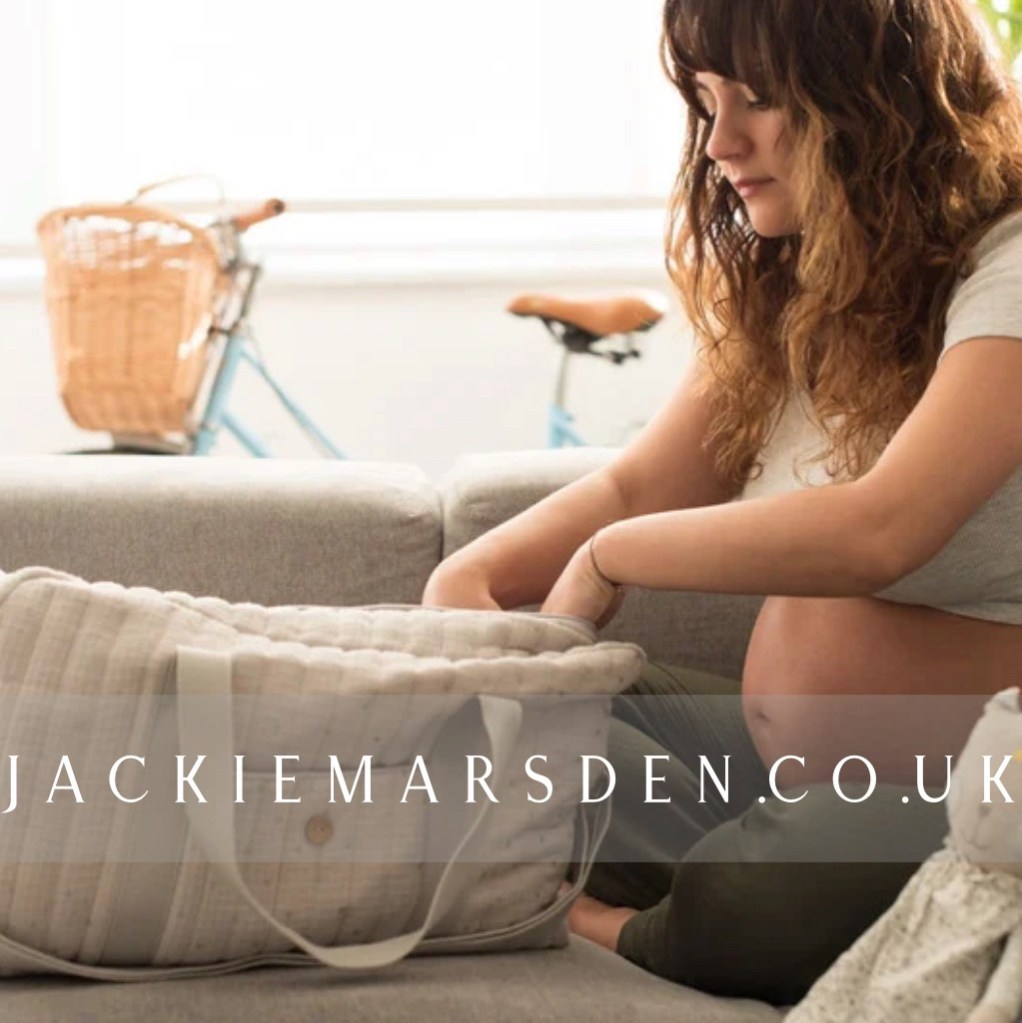
Morning sickness is a general term we use to describe the feeling of nausea associated with pregnancy.
Although many women who experience morning sickness only feel ill in the mornings, many women actually feel ill all through the day and night. So it isn’t always about feeling sick just in the mornings.
When we sleep, we lay down for a long period during the night, and this can cause fluids to “sit around” and start to stagnate. Gentle movement such as walking out in the fresh air can help to get that fluid moving and circulating again. Ginger tea can also help with this.
Pregnancy uses up a lot of Qi, and many women feel worse when they don’t allow themselves enough rest. Perhaps still working 9-5, perhaps still pushing forward with other commitments and goals. If we use up a lot of Qi doing these things on top of pregnancy then there is little Qi left to move fluids around the body efficiently, creating the feeling of nausea. Adequate rest is really important.
Let’s talk a little bit about Chinese Medicine. The Chong Mai is the Sea of Blood and this will be sending Blood to the Uterus to nourish the foetus. This can overflow and start backing up, particularly in early pregnancy, creating the sense of nausea. This is why morning sickness often improves as the pregnancy progresses, as the foetus grows and the body adapts to the new life growing inside. The Chong Mai is closely linked with the Stomach channel. As the natural movement of Qi within the Stomach is downwards, “Rebellious Qi” describes it rebelling upwards, creating the feeling of nausea. Acupuncture can help to strengthen the descending action of the Qi to alleviate symptoms.
Sea bands are based on Pericardium 6 acupuncture point on the wrist which harmonises the Stomach and alleviates nausea and vomiting. My clients are often sent home with stick-on magnets to use on this point and perhaps others depending on the individual pattern. Using these in between acupuncture sessions can be really beneficial.
Acupuncture is becoming increasingly popular within the IVF world and many clinics recommend acupuncture to patients to help support them through the journey. But what is it about acupuncture that makes it so popular for the IVF process?
There is a huge wealth of scientific study and evidence to show that acupuncture has a positive effect on IVF outcomes. It is easy to do a quick internet search to find lots of research articles and scientific studies on this topic. It is a widely researched area and there is a lot of interest. For further information about studies and outcomes, please see this fact sheet from the British Acupuncture Council.
Let’s now focus on the physical aspects of acupuncture and the IVF process. The reproductive system is a particularly vascular system, and therefore inserting needles into that area of the body will create a micro-trauma. This sends extra blood, oxygen and nutrients into the area, helping to regulate uterine and ovarian blood flow and encourage follicular development (eggs) and endometrial development (the lining of the uterus).
Acupuncture has an impact on hormones and the communication within the endocrine system, thus having a positive effect on menstrual cycles. Specifically points on the head can have a direct effect on the pituitary gland. Likewise, serotonin and dopamine are our neurotransmitters, and acupuncture can offer regulation of these, so patients start to feel better and in balance. Acupuncture therefore can help navigate the side effects often felt from IVF drugs, such as headaches, nausea, hot flushes, low mood.
For men, needles in the lower abdomen and legs is going to increase blood flow to the testes and will positively effect the semen. Semen are constantly being manufactured within the body so changes can happen quickly and swiftly.
Alongside the physical aspect of acupuncture there is also the emotional support an acupuncturist will offer as you go through the IVF process. Being able to talk to someone knowledgeable, caring and in confidence during a very stressful time, when you might be wanting to keep your journey private from friends and family, can be really helpful and a lifeline for support during the process.
Many people find it difficult to find the time for wellbeing. Juggling work and family commitments can be a challenge, and before we know it another week has passed and another opportunity to book in for that reflexology or acupuncture session has gone.
As women I think we often find that, in altruistic fashion, put our own needs at the bottom of the priority list. Our children/partners/work all often take priority over ourselves and what we need to keep well and feel good.
Sometimes we might even feel that having that massage or facial is actually a luxury, and not an essential, and then we simply don’t prioritise it at all, and may even cross it off the to-do list completely!
But it is so important to take care of our health while we still have it. If we become unwell and ill-health prevails, that is when we will be unable to cope with family commitments and go to work.
Preventative healthcare is so important particularly for women as we spin so many plates in our various roles as mother, sister, daughter, wife/partner, carer, money-earner, housekeeper, cook, cleaner… the list goes on! If we don’t take care of ourselves while we have so many responsibilities, the stress of it all will start to take its toll.
So put yourself first, at least once a month, for just an hour. Book in for that treatment and make sure your cup is replenished so that you’re fully topped up and resourced for the month ahead.
I am often asked how my therapies actually work. Like, really, how to they work? What are the fundamental principles by which Acupuncture effects the client?
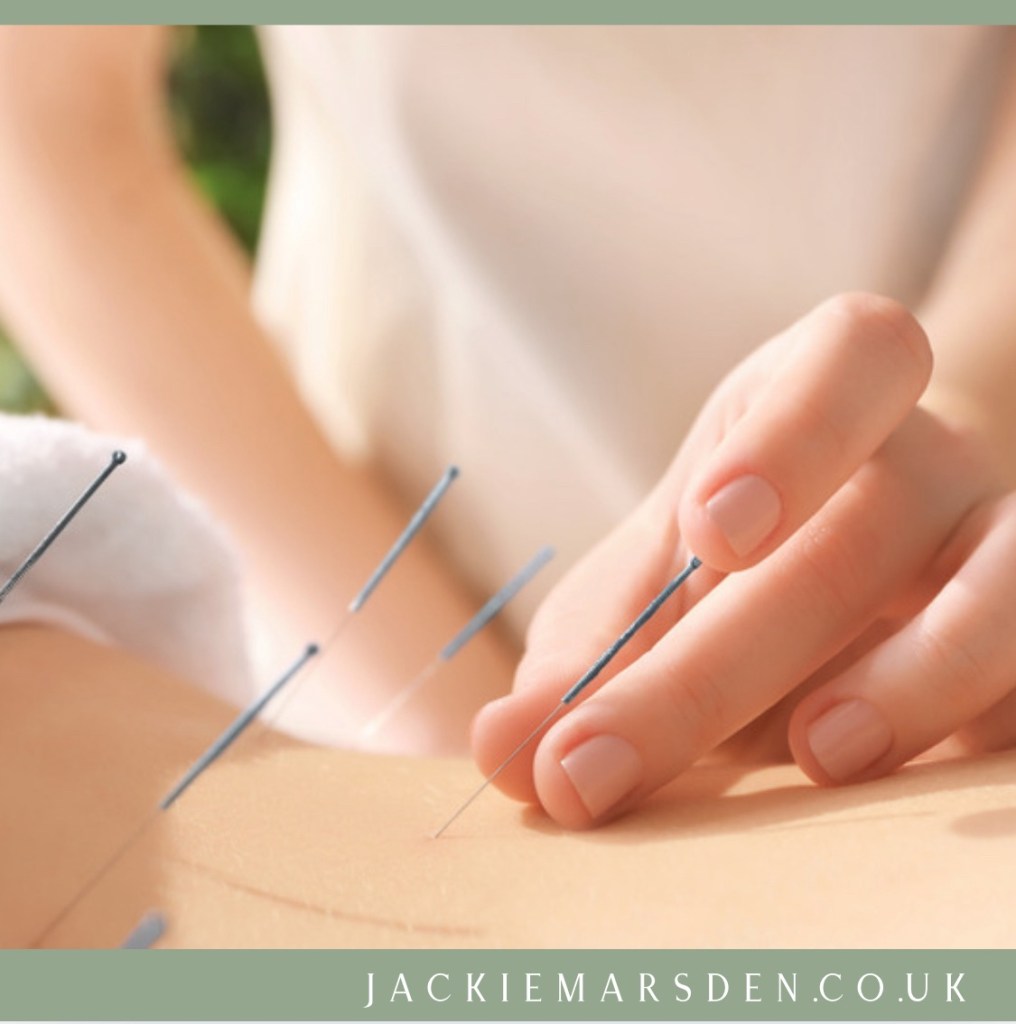
Acupuncture is the insertion of very fine needles into the skin. At this very basic level, we are creating an immune response in the body, by piercing the skin. The skin is there to protect us, to act as the boundary between the interior and the exterior. The body reacts to the needles by stimulating the immune system to create more white blood cells ready to defend against a pathogen.
We can also say that the needles have a neurological effect on the body because beneath the surface of the skin we have the superficial fascia, which is our neuro-connective tissue. Think of it like cling film wrapping all the body parts together. This connective tissue runs throughout the entire body in varying different layers, separating, supporting and enclosing different body parts, but connecting them all together. By piercing this with a very fine needle at particular points stimulates the nervous system and can affect the whole body.





 Elder Cottage Clinic, Warton, PR4