Reflexology for sleep problems – a perspective

Sleep is such an important part of our lives, but what actually is sleep and what does it do for us?

During sleep, your body is working to support healthy brain function and maintain your physical health. In children and teens, sleep also helps support growth and development.

What happens when we don’t sleep?

The damage from sleep deficiency can harm you over time. For example, ongoing sleep deficiency can raise your risk for some chronic health problems. It also can affect how well you think, react, work, learn, and get along with others. [1] Researchers have linked poor sleep to a number of ailments, from short-term memory loss and behavioural problems, to weight gain, diabetes, and even increased risk of cancer, just to mention a few. [2]

sleep

If we spend too much time indoors, in a windowless office during the day and in front of the TV, computer screens and mobile phones in the evenings, insomnia can soon set in because our brains struggle to determine what time it is. 

The combination of light deficiency during the day and excessive light exposure at night causes your biological clocks to get out of sync.

A 30-60 minute exposure to outdoor light every day helps to anchor our circadian rhythm. [2] This means that our master clock is set to be awake and alert during the day and to rest and sleep during the night.

After sustained periods of sleep disruption, we can be left feeling agitated, grumpy, stressed and on high alert. It then becomes ever more difficult to get to sleep, and thus becomes a stress in itself, and the cycle continues.

How can I sleep naturally?

Reflexology can also help with problems like this, as it allows a time and place for deep relaxation to occur. The appointment is in your diary. You are expected to lay back. You are expected to maybe close your eyes. You are expected to relax. Once in a state of deep relaxation, the body can begin to switch off the “high alert” and allow the parasympathetic nervous system to do its work, increasing digestion, immunity, libido, and most importantly here, providing a good environment for resetting the master clock to promote a healthy sleep pattern.

Combine regular reflexology with reduced time spent in front of TV and computer screens, particularly in the evenings, reduced consumption of stimulants during the evenings (such as alcohol and caffeine), and a good dose of outdoor light during the day, and you should be well on your way to a better night’s sleep. Fabulous natural remedies for sleep!

To summarise 3 things to help you sleep:

  • Get some reflexology
  • Reduce screen time and stimulants
  • Go outside during the day

For more of me on sleep, melatonin and circadian rhythm see my other blog post on the Winter Blues.

All views are my own.

independent-consultant-long-logo
Growyourbusiness
unnamed2

[1] http://www.nhlbi.nih.gov/health/health-topics/topics/sdd/why

[2] http://articles.mercola.com/sites/articles/archive/2015/12/10/dangers-sleeping-too-much.aspx?e_cid=20151210Z2_DNL_art_1&utm_source=dnl&utm_medium=email&utm_content=art1&utm_campaign=20151210Z2&et_cid=DM92051&et_rid=1256832826

Image courtesy of Ambro at FreeDigitalPhotos.net
Combating Winter Colds and Viruses

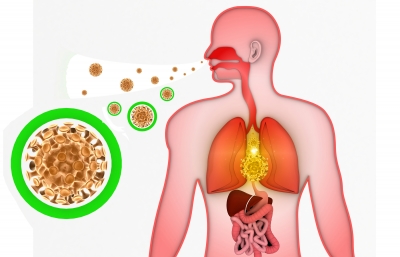
ID-100231025It’s that time of year again when the weather turns colder, the central heating goes on, and windows tend to be closed, creating a breeding ground for winter colds and viruses.

There are simple ways of combating the prevalent cold virus, and this is more in prevention rather than cure.

Immune system

Our immune system needs regular boosting so that it is ready to fight any invaders. Do this by eating lots of fresh fruit and vegetables, preferably organic. Fruit and vegetables are full of antioxidants, which fight those free radicals which are released within the body to attack.

A regular vitamin C supplement can also help boost the immune system, optimising it for attack. Have you ever drunk a glass of organic juice and noticed its acidic effect on the digestive system? This is caused by the ascorbic acid. The vitamin C supplement I use contains Calcium Ascorbate instead, which is slow release, non-acidic form of vitamin C.

Stress will also damage our immune system, prioritising our adrenalin and sympathetic nervous system, and thus neglecting those systems that are not needed for immediate survival such as immune and digestion. A regular session of reflexology can help reduce stress and evoke relaxation.

Vitamin C

Patrick Holford’s advice re. vitamin C absorption is to take around 2 grams every 4 hours. This will saturate the tissues with vitamin C and thus flushing out the cold virus, maintaining a high level of immune protection. [1] This will completely blow the Recommended Daily Allowance (RDA) out of the water, however vitamin C is water soluble and thus the body cannot store excess amounts in fat – it simply excretes via the kidneys.

The RDA was written years ago based on the nutritional value of our foods after the war – nowadays our foods are nutritionally poorer due to the depleting quality of our soil. This is why I advocate an organic based diet and lifestyle. If we don’t adopt this way of life our future foods will be nutritionally worthless.

Antioxidants

berry complexI have been using the Organic Berry Complex to continually saturate my body’s tissues throughout the day, particularly if I know I’m going to be busy with clients, driving long distances or late nights. Whiz up 2 scoops of the complex with some sprigs of mint and a blender jug full of water. Add a glug of Elderberry syrup to give a deeper taste and a richer content. It tastes amazing, so refreshing and the children love it too. Take a small glass of it regularly throughout the day to top up.

The supplements created by Neal’s Yard Remedies Organic are superior in the way they work because they are synergistic blends of carefully selected and sourced vitamins and minerals. Vitamins and minerals work with each other to do their jobs efficiently – not in isolation.

[1] Patrick Holford The Optimum Nutrition Bible pg. 289 How to kill a cold

Jackie Marsden MAR is a qualified reflexologist and independent consultant (Team Leader) for Neal’s Yard Remedies Organic. Jackie leads and mentors a growing team of consultants (many of whom are therapists integrating organic products into their existing businesses) via the NYRO social selling channel, holding regular team meetings, one-to-one coaching via phone and facetime, and a closed facebook group. All views are my own.

independent-consultant-long-logoGrowyourbusiness

unnamed2

Image courtesy of cooldesign at FreeDigitalPhotos.net
Do you suffer from the Winter Blues?

I always feel a little sad during August. Towards the end of this month the long summer days are noticeably getting shorter and the summer holidays are drawing to a close. Businesses and shops are no longer focusing on summer products and are now looking at autumn/winter collections.

Inevitably, the autumn and winter will be soon upon us. Are you one to suffer with the winter blues? Some people suffer with Seasonal Affective Disorder (SAD), which although the actual cause is still unknown, it is thought to be a depression brought on with the shorter days, lack of daylight and darker mornings. Symptoms include low mood and lack of interest in life (1).

Lack of sunlight is suggested to cause an upset in the balance of the endocrine glands situated in the brain, and thus the production of the hormones serotonin and melatonin. Serotonin is known to influence mood, social behaviour, sleep and memory, whereas melatonin is connected to the body’s natural circadian rhythm (natural body clock), sensing the onset of darkness/night time and thus makes us sleepy at the right time.(2)

Reflexology would aim to help improve the symptoms of SAD, with a treatment plan focusing on the endocrine, digestive and nervous systems (note that serotonin is also produced in the intestines). A course of treatments would endeavour to rebalance the body, asking the body to ignite its self-healing processes, and thus improve mood and feelings of lackluster.

Essential oils can be of great help during this time. Uplifting citrus oils can be particularly beneficial particularly Bergamot. Diffuse a few drops in a bowl of hot water into the room you are going to be in and close the door. Alternatively invest in an electric aromatherapy diffuser.

Other things you can do at home would be to ground yourself and recharge your body with negative ions by walking or standing barefoot in the garden or in the local park for a few minutes every day. Reconnecting with nature, either walking near trees or next to water, on the beach or beside a lake can also uplift the spirits and fill you up with negative ions, which are so powerful in making us feel good, giving us more energy, better sleep and generally feeling part of the world again.

(1) http://www.nhs.uk/conditions/Seasonal-affective-disorder/Pages/Introduction.aspx

(2) Ross and Wilson Anatomy and Physiology in Health and Illness 12th Edition

Jackie Marsden MAR is a qualified Reflexologist and an independent consultant for Neal’s Yard Remedies Organic. All views are my own.

independent-consultant-long-logo
Growyourbusiness

Are you getting enough Vitamin O?

What am I talking about? Oxygen.

I’m no expert on yoga/breathing/meditation, however what I learn and find useful for myself, I always share where needed, particularly with my clients.

Many people come to me with stress-related issues, anxiety, sleep problems. Our minds wander and we worry, we ask:

  • Why me?
  • Why (insert loved ones name here)?
  • Why did it happen?
  • I wished it hadn’t happened
  • I’m worried it will happen
  • … the list could go on but you get the idea.

While we’re wasting our time doing this, our bodies are responding with the “fight or flight” response. Heart rate quickens, blood pressure increases, our immune and digestive systems start slowing. Our breath becomes shallow.

We need something to get away from the mind’s futile worrying. What could be easier and more opportune than our breath? Take some deep, slow breaths. Allow the oxygen to fill up our chests, our tummies, our whole bodies. Sweep in through the nose, and if you can, out through the nose, if not slowly and gently through the mouth. Try counting 1,2,3,4 as you inhale, 1,2,3,4 as you exhale. Add in some pauses. Count 1,3,3,4 after every inhale and exhale.

These simple techniques should help you tune out your mind’s babble and focus on the present moment. What is actually bothering you right now at this present moment? Nothing.

Posture during these breathing exercises is important too. If you’re doing them in bed in the middle of the night then you should be horizontal and comfortable. Make sure you’re warm and you can relax your muscles. If you’re sitting then it might be useful to use a small cushion to “prop up” your seat bones (those bony bits in your bottom cheeks). Tilting the pelvis forward like this will shift the spine straighter and open up the chest area, allowing more space.

During my reflexology treatments, my sequence always starts with the diaphragm line, followed by lung reflex, to help calm the breath and aid relaxation.

When we breathe we are literally giving our whole bodies oxygen: what could be more holistic?

The breath is so obvious that it often gets overlooked, but this is one of the greatest tools we have to help ourselves.

Are you getting enough Vitamin O?

Jackie Marsden MAR is a qualified reflexologist and independent consultant (Team Leader) for Neal’s Yard Remedies Organic. Jackie leads and mentors a growing team of consultants (many of whom are therapists integrating organic products into their existing businesses) via the NYRO social selling channel, holding regular team meetings, one-to-one coaching via phone and facetime, and a closed facebook group. All views are my own.

independent-consultant-long-logoGrowyourbusiness

unnamed2

Image courtesy of hinnamsaisuy at FreeDigitalPhotos.net

Chicken Pox: A Mother’s and Therapist’s Perspective

My youngest daughter has recently contracted the common virus known as Chicken Pox (herpes varicella-zoster).

The virus can cause a high temperature, loss of appetite and the well known spots or rash. The spots start off looking like red spots, then they blister and finally scab over.

Once the blisters have scabbed over the child is no longer contagious, even though the scabs are still present and can still look alarming, particularly to other parents! They can take up to two weeks to fade and disappear.

Chicken Pox
Chicken Pox

During the blistering and early scabbing stages in particularly, itching can be pretty debilitating. My daughter didn’t try to scratch the spots but just stood there and cried in despair! At this point I used Calendula and Oat lotion. I chose this over the “traditional” calamine lotion because I always want to avoid synthetic preservatives that are found in many products nowadays.

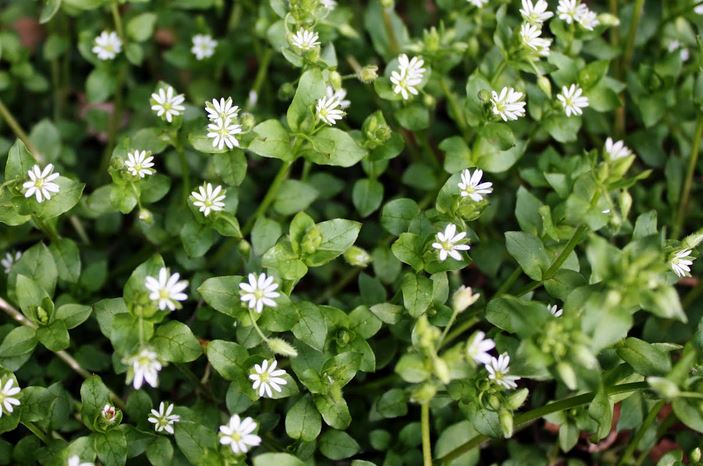
Calendula and oat lotion is deeply soothing and calming, with anti-inflammatory properties. In addition to this, it also contains Stellaria media (Chickweed) extract, a traditional herb renowned for cooling and soothing itching or red skin: ideal for Chicken Pox.

Chickweed
Stellaria media (Chickweed)

Oats for chicken pox:

We had only one full day of itching and feeling miserable in general. I used the Calendula & Oat lotion regularly during this day, as well as giving her a porridge oat bath for chicken pox. To do this I simply put half a cup of organic porridge oats into an old sock and knotted the top. Then I placed it under the running water when filling up the tub.

calendula_oat

I genuinely believe that the two above remedies reduced the time of itching and discomfort for my daughter (and subsequently me!) and am now prepared for my older daughter to contract the virus too!

In addition to the above, I really wanted to give reflexology, however my youngest daughter is very much a person who knows her own mind and would not be persuaded. I would have liked to give some short and gently zone therapy with emphasis on the thymus and lymphatics to help the immune system fight the virus, and the solar plexus for calming. My older daughter is more welcoming to the therapy and she is already receiving reflexology regularly in the anticipation of catching the virus.

It should go without saying, that in addition to topical lotions and medicines such as paracetamol, what the body needs the most in situations like this is water, and plenty of it.

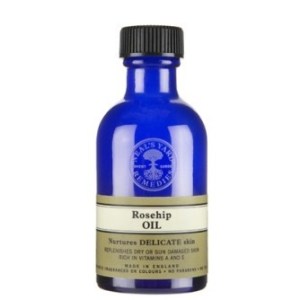
Now that the worst is over for my youngest daughter, I am now applying Organic Rosehip Seed Oil to reduce any potential scarring. Rosehip seed oil contains vitamin A, vitamin C and the essential fatty acids omega-3 and omega-6, which are fantastic ingredients to encourage skin rejuvenation, moisture replenishment, and healing.

rosehip

Jackie Marsden MAR is a qualified reflexologist and independent consultant (Team Leader) for Neal’s Yard Remedies Organic. Jackie leads and mentors a growing team of consultants (many of whom are therapists integrating organic products into their existing businesses) via the NYRO social selling channel, holding regular team meetings, one-to-one coaching via phone and facetime, and a closed facebook group. All views are my own.

independent-consultant-long-logoGrowyourbusiness

unnamed2mooncup_banner

What can we do for Eczema?

Eczema is dry, itchy, flaky, red and inflamed skin (and sometimes worse). It is largely a chronic condition meaning that it is long-lasting and can be controlled but not cured.

Those suffering with eczema usually suffer also with other conditions such as asthma and hay fever. This is because they are all types of allergies; the body has an inappropriate allergic reaction to antigens that are usually harmless (e.g. animal hair, pollen, dust). When the body reacts in this way it releases huge amounts of histamine which then causes inflammation, itching, sneezing, wheezing etc. It is usually the immune response that causes the damage to the body, not the allergen itself. (1)

So what can we do for eczema, and why do people suffer with eczema? I believe it has a lot to do with the gut. If we don’t have good gut health then the toxic overload is too much for our bodies and the skin will try to help by excreting those toxins. Remember that the skin is an outlet as well as a protective barrier and receptor. So cleaning up diets, eliminating processed foods, sugar, caffeine etc. and increasing the intake of vegetables and water is going to have a profound effect in the long term. I think we all have room for improvement with our diets!

But in the shorter term something is needed to apply to the skin to reduce the symptoms and give relief. This is particularly true for children whom are a large group of atopic (hereditary) eczema suffers.  Any petroleum-based products are not going to do this. The skin might feel soft and moisturised initially but after continued use the product will block the skin’s pores, causing imbalances in the skin’s natural equilibrium and resulting in even more problems.

Sodium Lauryl Sulfate (SLS) and its replacement, Sodium Laureth Sulfate (SLES) are both known irritants. Beware of products labelled “sensitive”. Many products on the market are full of chemicals that have no place on the skin. However, most people can tolerate them. For those who can’t, the manufacturer removes the problem chemicals, and replaces them with some that are actually worse, on the basis that the customer is unlikely to react to both. (2)

The following products are those which myself and colleagues have seen to be helpful with treating eczema:

NYRO baby balm. This balm protects and calms the skin with a combination of gentle, moisturising ingredients, including olive oil, coconut oil and shea nut butter. Apply as required to affected areas. One mother kindly shared these amazing photographs of her daughter’s eczema, before and after using the NYRO baby balm for 6 weeks.

eczema before

eczema after

For small patches of eczema or dermatitis, consider the NYRO Stellaria Cream  which is fabulous at reducing itching. Chickweed, a traditional herb renowned for cooling and soothing itching or red skin, is the active ingredient in this formula.

Another fantastic product to try is the anti-inflammatory and deeply soothing Calendula and Oat Lotion, which is suitable for extreme dryness and sensitive skin.

calendula_oatOne particular customer has experienced great success with seemingly uncontrollable eczema by the daily application of organic virgin coconut oil. Try to find a coconut oil that is raw, unrefined, unbleached, and processed without heat to retain its unique balance of nutrients. Applied directly to the skin, coconut oil makes an extremely effective conditioning treatment, gently soothing dry, sensitive skin or scalps.

As a reflexologist, I am very much aware of the power of stress and what it can do to the body. If you are suffering with eczema it could be exacerbated by stress, or vica versa. A course of reflexology might help the situation, calming the sympathetic nervous system and in turn stimulating the parasympathetic nervous system and allowing the body to regain a state of relaxation and homeostasis. During the reflexology sessions particular emphasis would be paid to specific reflex points, particularly those of the digestive system, endocrine system, lymphatics and immune systems.

In Traditional Chinese Medicine (TCM) the lungs are linked to the colon; they share the same meridian. This ties in with the commonalities between eczema, asthma and hayfever, and highlights another reason to look to improve digestive health. They are both organs of elimination.

Along with a cleaned-up diet, a cleansing and healing supplement such as aloe vera juice and/or beauty oil might also be used to help with the healing and replenishing process.  Aloe vera juice is an excellent digestive tonic. Beauty oil is a blend of avocado, hemp, flax and evening primrose oils.

(1) Ross & Wilson Anatomy & Physiology  in Health and Illness. p371

(2) Closed discussion thread

Jackie Marsden MAR is a qualified reflexologist and independent consultant (Team Leader) for Neal’s Yard Remedies Organic. Jackie leads and mentors a growing team of consultants (many of whom are therapists integrating organic products into their existing businesses) via the NYRO social selling channel, holding regular team meetings, one-to-one coaching via phone and facetime, and a closed facebook group. All views are my own.

independent-consultant-long-logoGrowyourbusiness

unnamed2mooncup_banner

Reflexology and Fibromyalgia

What is Fibromyalgia? Fibromyalgia, also called Fibromyalgia Syndrome (FMS), is a long-term condition that causes pain all over the body. As well as widespread pain, people with Fibromyalgia may also have increased sensitivity to pain, fatigue, muscle stiffness, sleep disorders, problems with mental processes (“brain-fog”) e.g. problems with memory and concentration, dizziness and balance problems, headaches and migraines, digestive upsets. The exact cause of Fibromyalgia is unknown, but it’s thought to be related to abnormal levels of certain chemicals in the brain and changes in the way the central nervous system (brain, spinal cord and nerves) processes pain messages that are carried around the body. (1)

ID-100184055How might reflexology help Fibromyalgia sufferers? When we are stressed our bodies are on constant high alert, engaging our sympathetic nervous system ready to “fight or flight”. However this means that the parasympathetic nervous system is shut down, so things like digestion, relaxation and sleep patterns will not have optimum conditions to function properly. Pain is an obvious stress, both physically and mentally.

Reflexology is deeply relaxing which can help the body and mind break the constant stress cycle and seek re-balance. In general, we have around 7000 nerve endings in the feet, making them particularly sensitive and helpful for accessing the whole body. Reflexology might help manage and reduce the symptoms of Fibromyalgia through a tailored treatment plan specific to the patient’s particular issues. Depending on the level of intensity of pain, shortened reflexology treatments might be advisable to begin with. Below are the key symptoms of Fibromyalgia and the subsequent reflex points I can pay particular attention to during treatments:

  • Joint pain: concentrate on the relevant reflex points on the feet for joints concerned e.g. shoulder, knee, hips, jaw. Adrenal gland reflexes can be gently worked to stimulate the production of the body’s own anti-inflammatories and pain management.
  • Fatigue: pay attention to the adrenal glands and pancreas reflexes. This aims to increase energy and re-balance and regulate blood-sugar levels.
  • Sleep disorders: work the diaphragm reflex (to promote relaxation and calmer breathing), pineal and pituitary gland reflexes (to promote a re-balance of circadian rhythms and of the endocrine system in general).
  • Digestive upsets: general relaxation techniques to awaken the parasympathetic nervous system. Colon and small intestine reflex points in particular.
  • Headaches and migraines: concentrate on brain, spine, particularly cervical spine, head and neck area reflexes.
  • Dizziness and balance: concentrate on inner-ear reflex point.

Update Jan 2016 – Since first writing this blog I have trained in Reflexology Lymph Drainage and carried out a case study on a Fibromyalgia client. Further info to follow.

(1) http://www.nhs.uk/Conditions/Fibromyalgia/Pages/Introduction.aspx

Jackie Marsden MAR is a qualified reflexologist and independent consultant (Team Leader) for Neal’s Yard Remedies Organic. Jackie leads and mentors a growing team of consultants (many of whom are therapists integrating organic products into their existing businesses) via the NYRO social selling channel, holding regular team meetings, one-to-one coaching via phone and facetime, and a closed facebook group. All views are my own.

independent-consultant-long-logoGrowyourbusiness

unnamed2mooncup_banner

Image courtesy of stockimages at FreeDigitalPhotos.net

Fundraiser at Seven Wellbeing Centre

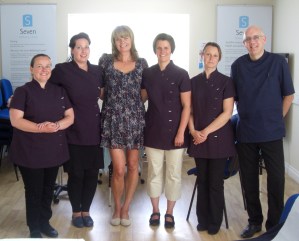
On Saturday 26th July 2014, myself and my fellow reflexology students participated in a fundraiser day where the Seven Wellbeing Centre booked us out to private clients in order to raise money for Butterwick Hospice Care.

Students and Tutor
From left: Ruth Laidler, Cheryl Corner, Julie Crossman (Tutor), Jackie Marsden, Claire Goodison, Stuart Gibson.

Seven Wellbeing Centre is a complementary therapies and holistic training centre based in Stockton on Tees, Teesside. It is social enterprise subsidiary of Butterwick Hospice Care, which means if you train with them (as I do) you are directly helping support Butterwick Hospice Care as all profits are fed directly back into the charity.

The day started at 9:30am and we all had 6 clients throughout the day, so it really had a “clinic” feel where we had to manage our time carefully so that we didn’t keep our next client waiting, but simultaneously ensuring that our current client felt at ease and well attended to.

After the treatment our clients were invited to sit down for a cup of tea and slice of cake! We raised around £350 which all went to the Butterwick Hospice in Stockton. The Hospice offers a wide range of supportive day services for people suffering life limiting illnesses and offers care and support to patients families.  If you’d like to learn more about Butterwick Hospice Care, please see http://www.butterwick.org.uk/. Similarly, if you’d like to learn more about Seven Wellbeing Centre, please see http://www.sevenwellbeingcentre.org.uk/

Jackie Marsden MAR is a qualified reflexologist and independent consultant (Team Leader) for Neal’s Yard Remedies Organic. Jackie leads and mentors a growing team of consultants (many of whom are therapists integrating organic products into their existing businesses) via the NYRO social selling channel, holding regular team meetings, one-to-one coaching via phone and facetime, and a closed facebook group. All views are my own.

independent-consultant-long-logoGrowyourbusiness

unnamed2

mooncup_banner

Dry Eye Syndrome

Dry eye syndrome can occur when the eyes do not produce enough tears or the tears evaporate too quickly. This can leave incredibly dry eyes, or the other extreme, the eyes can water continually to try and remedy the imbalance.  This condition can affect up to 60% of menopausal/perimenopausal women. There is some evidence that shows imbalances in progesterone, testosterone and oestrogen can affect the eye. There are progesterone, testosterone and oestrogen receptors on the cornea and the meibomion glands (sebaceous glands located on the rim of the eyelid).[1] This means that there is a connection between tears and the sex hormones. There is an understanding that dry eyes can result from a deficiency in any one of the sex hormones.

ID-100202869In treating a client with dry eye syndrome, I developed a treatment plan focusing on re-balance and detoxification. Attention to the endocrine system is key, along with the liver, gallbladder, and also the urinary system, particularly the kidney.

In Traditional Chinese Medicine (TCM) the organ of the liver rules the eye; the eye it its outlet. So dry eyes might be an indicator that the body is not efficient in detoxifying or there might be an imbalance which is preventing this from happening optimally.

The eye and the kidney, in reflexology terms, are within the same zone, zone 2. In addition, thinking about meridians (the TCM energy channels) the kidney’s paired meridian is the bladder, and this starts in the medial aspect of the eye. For this reason I decided to pay attention to the urinary system during the treatments.

Sure enough, some nodules presented around the bladder and ureter on the left foot. The following day my client contacted me to tell me that she discovered she was suffering with cystitis. It was fascinating to to find symptoms of an imbalance presenting in the feet before it had presented itself to the person. My client self-treated the cystitis with an over-the-counter remedy which cleared it up in two days. But one could argue, without the reflexology treatment, the bout might have lasted longer, or been more severe.

Another interesting consequence of the treatment was that the client’s eyes stopped watering during the treatment. An instant effect like this I find truly remarkable, even though they continued to water after the treatment.

Let’s return to the liver: TCM would suggest that the liver be worked as the eye is the outlet for this organ, but also it’s pairing: the gall bladder. Emotionally the liver is associated with anger, so as a therapist it is beneficial to remain open minded about what is going on “inside” your client, mentally and emotionally, and not just recently, but long-standing emotions that can manifest in different ways. Similarly, the kidney is associated with the emotion of fear, and this conjures up images of water (crying, tears, weeping, bed-wetting, urinating).

Similarly to my advice given for perimenopause, eating a balanced diet of whole foods, whole grains, organic vegetables and fruit, reduced sugar and processed foods, and a reduction in the use of stimulants such as caffeine and alcohol, can help in re-balancing. In addition, an uptake in omega-3 can also help reduce inflammation caused by dry eye syndrome, as well as balance tear stimulation and the secretion of sebum which assists eye lubrication.

Another client who suffers with chronic dry eye syndrome as an after effect of cancer treatment, has been successful in dramatically improving symptoms by taking re-hydration salts daily. (Please consult your GP if you are currently on medication such as water or blood pressure tablets before trying this.)

Dehydration can be a cause of a wide range of health problems, and by installing a filter to restructure the tap water you are drinking to make it more bioavailable to the body is a good idea.

In addition to these options, omega 7, found in Sea Buckthorn Oil, is widely recommended by many for help with dryness during perimenopause and menopause. Not just dry eyes, but also dry skin, and intimate dryness. I recommend those made by Cytoplan. Please reach out to me if you need help or advice.

THIS IS NOT A SUBSTITUTE FOR MEDICAL ADVICE. PLEASE CONSULT YOUR MEDICAL PRACTITIONER OR GP.

[1] http://www.womentowomen.com

Jackie Marsden MAR is a qualified reflexologist and independent consultant (Team Leader) for Neal’s Yard Remedies Organic. Jackie leads and mentors a growing team of consultants (many of whom are therapists integrating organic products into their existing businesses) via the NYRO social selling channel, holding regular team meetings, one-to-one coaching via phone and Facetime, and a closed Facebook group. All views are my own.

independent-consultant-long-logoGrowyourbusiness

unnamed2

mooncup_banner

Image courtesy of stockimages / FreeDigitalPhotos.net

Barefoot Benefits

I have recently started to remain barefooted more often. Largely because we are now in summer and it is fantastic to take the opportunity to wear summer clothes and leave the sock draw alone. However, there are incredible health benefits to spending more time barefooted, not only from a physical point of view, but also on a more spiritual level.

ID-10034793

Did you know that the feet are the most sensory-rich parts of the body? Huge concentrations of proprioceptors are in the feet, found within the joints, connective tissue and muscle. The feet alone have as many proprioceptors as the entire spinal column! [1] Here surely lies the science behind the art of reflexology? But wait a minute – what are proprioceptors?

Proprioceptors are nerve endings and sensory receptors located within our joints, connective tissue and muscles – not just in the feet but all over the body. Proprioception is the ability to perceive the motion and position of our body. When our proprioceptors identify pressure or movement, they send messages to the brain to understand orientation. What is important to remember that the feet are rich in proprioceptive nerve endings.

When walking barefoot, our tactile pathways feel the surface of the ground, proprioceptors respond to pressure, and the terrain creates slight imbalances that create neuro-muscular strength, spacial orientation, balance, and coordination. [1]

There is a constant flow of information regarding the status and function of the musculo-skeletal system from proprioceptors to the spinal cord and the brain. When there is a breakdown in communication, or when improper information is supplied, efficiency of movement decreases. This breakdown can cause minor to severe problems with postural coordination and/or joint alignment, ranging from an occasional “niggle” to the source of chronic, unresolved pain. [2]

Shoes create a barrier between the sensitive soles of our feet and the ground. By going barefoot, proprioceptors are optimally stimulated, and the sensory experience is opened up. Are we, as a modern society, shutting down an important sensory area by continually wearing shoes? Are we disconnecting ourselves from our surroundings? Could the continual wearing of shoes be a major player in inflammation and pain? There is growing evidence to support the idea that “free electrons from the earth neutralize the positively charged free radicals that are the hallmark of chronic inflammation.”[3] But this is for a separate blog post.

Spending time barefooted also encourages presence of mind and conscious awareness. While walking barefooted, the information sent via proprioceptors inhibit other peripheral sensory input. This creates focus and awareness; we become more tuned in to our surroundings.[1] I have found that it makes me more “present” or “in the moment”. Having the heightened sensory experiences from the soles of my feet connecting all the way up through my body allows a more intimate connection with my environment.

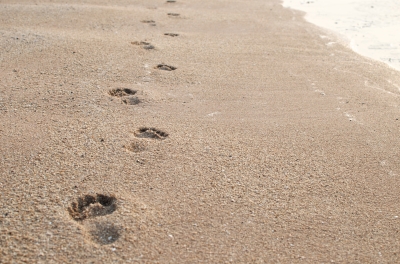
It is truly amazing and exhilarating to feel the cool wet grass under my feet, or the sharp stones of the beach making me wince and focus only on the moment, the now. It is surprising how warm our garden path feels under my feet when it still feels chilly enough to wear a sweater and body warmer. These small observations represent an enormous sensory dimension that we are all excluding from our lives through shoe-wearing.

As Dr. Kacie Flegal rightly states, “It is never too late to encourage the proprioceptive in our own bodies as we continue to grow new neural connections, even as we age. Often, it is this system that becomes inhibited as adults. We lose balance and focus in our bodies and our lives and, as a result, may lose profound connections to our environment, ourselves, and other people.” [1]

I believe all of the above have strong links to the science behind reflexology. I believe that reflexology treatments awaken the sensory proprioceptors that are largely dormant from our constant shoe-wearing.  Rediscover yourself barefoot. Let’s celebrate our feet, touch them, use them, let’s set them free!

References

[1] Dr. Kacie Flegal http://www.naturalchildmagazine.com/1210/barefoot-babies.htm

[2] Dr. Dan Lommell http://www.lommell.com/new_page_123.htm

[3] J Altern Complement Med. 2007 Nov;13(9):955-67.

Jackie Marsden MAR is a qualified reflexologist and independent consultant (Team Leader) for Neal’s Yard Remedies Organic. Jackie leads and mentors a growing team of consultants (many of whom are therapists integrating organic products into their existing businesses) via the NYRO social selling channel, holding regular team meetings, one-to-one coaching via phone and facetime, and a closed facebook group. All views are my own.

independent-consultant-long-logoGrowyourbusiness

unnamed2mooncup_banner

Image courtesy of vorakorn / FreeDigitalPhotos.net