Brain and Cognitive Health

ID-100273701This blog gives a general understanding of cognitive health and outlines options for improving yours.

Fats

Good fats are essential to our brain health and function. A fatty brain is a healthy brain: 60% of brain tissue is fat. Good fats literally allow us to embrace change.

One type of good fat is coconut oil: If you search for coconut oil + brain fog on the internet you will find pages and pages of anecdotal evidence to suggest coconut oil can help lift brain fog and make the brain sharper, improving memory.

Coconut oil is a medium chain fat which means the body can use this type of fat as energy – another great fuel for our brains. It does this by converting into ketones which are used as a source of fuel for the body. Apparently brain cells function with far greater efficiency when they are utilizing fat (ketones) as a fuel source as opposed to sugar.

Pumpkin seed, hemp, flax, avocado and evening primrose oils are all other examples of good fats and these can be found in Beauty Oil.  They provide the essential nutrition that our skin and bodily tissue needs to renew, maintain and repair. This Beauty Oil contains nourishing omega fatty acids, essential nutrients and anti-oxidants that the skin needs to replenish itself.

Omega-3 fatty acids are often lacking in Western diets. They play a vital role in maintaining flexible and well-hydrated cell membranes, allowing for the efficient passage of water and nutrients. The best forms of Omega-3 for the body to utilise come from fish oils, and this has become a concern for many due to the increased ocean pollution. However fish oils from WHC use fish oil from smaller fish species where pollution is a lesser concern, and where processing techniques ensure an extremely clean fish oil. Optimum levels of omega-3s in the body will aid hydration at a cellular level. This is vital for a healthy blood pressure, energy levels and immunity. Adequate levels of omega-3 have also been recommended for weight management. WHC fish oils have been ranked #1 by Labdoor, and hold 5 star ratings from the International Fish Oil Standards (IFSO) program.

Reflexology

Encourage healthy brain function and balance through reflexology. This is a two-fold approach. The reflex point for the brain is on both the big toes (and thumbs). As a therapist I always dedicate attention to this area during every treatment along with the spinal chord (Central Nervous System). However the second approach to improved brain function via reflexology is the physical act of touching the feet: the sensory rich plantar area of the foot is going to stimulate and increase neurological messages from here all the way up to the brain. Think about how many messages this will create during a 50 minute reflexology treatment and you can see how the opening up of those potentially dormant neurological pathways can be so beneficial to our health.

Supplements

Other key ingredients are also fascinating to learn about when it comes to brain and cognitive health:

  • L-Glutamine. This is brain fuel. It is the only compound other than sugar that can be used by the brain for energy. It can easily cross the blood-brain barrier.
  • Choline. Aids nerve transmission by supporting myelin production. Myelin is the fatty nerve insulation that facilitates the transmission of nerve impulses. It is attacked via an auto-immune response in MS sufferers.
  • Green Tea. Contains L-theanine which helps us to keep calm, yet focussed. For example, when we meditate.
  • Ginko biloba. This is a herb from the Biloba tree. Suggested that it improves memory. Used to treat dementia. Antioxidant.

Antioxidants

What do we know about these?

Your brain uses roughly 20% of the oxygen you breathe in, so its cells are particularly susceptible to oxidative damage, known as free radical damage.

Free radicals trigger brain inflammation which contributes to ADHD, brain fog, anxiety and memory loss as well as serious neurological disorders such as stroke and Alzheimer’s.

Eat lots of organic fruit and vegetables. Berries are a Number One brain food because they are super antioxidant and also their compounds have been linked to improvements in many cognitive skills including memory, learning, reasoning skills, decision making, verbal comprehension and number capability.

Links provided are carefully selected affiliates.

Image courtesy of dream designs at FreeDigitalPhotos.net

Jackie Marsden MAR is a qualified Reflexologist and Clinical Acupuncturist. She is a promoter of healthy living and an independent consultant (Group Leader) for Neal’s Yard Remedies Organic. Jackie leads and mentors a growing team of consultants (many of whom are therapists integrating organic products into their existing businesses) via the NYRO social selling channel, holding regular team meetings, one-to-one coaching via phone and facetime, and a closed facebook group. All views are my own.

Growyourbusiness

My Healthy Kitchen

If you’ve been following me on Instagram or Twitter you will have seen me posting some beautifully tasty looking meals and snacks from my own kitchen. Many (not all) of these foods are recipes inspired by Ella Mills (Woodward) from her books and blog “Deliciously Ella”.

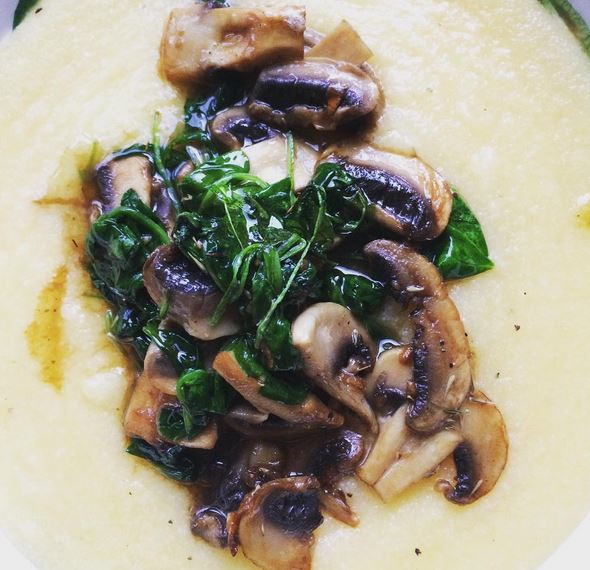
polenta

Ella’s story is pretty amazing. In a nutshell, she has recovered and healed herself from a rare disease affecting the nervous system known as Postural Tachycardia Syndrome which had her bed bound for around 16 hours a day at the young age of 19. After  months of suffering and a myriad of steroids and medication (which also came with their own side effects) Ella decided to do her own research and finally decided to become a gluten-free vegan and heal herself through nutrition. This journey has inspired her to get cooking, discover mew foods and experiment in the kitchen, which is where her blog started.

coconut_slab

Ella’s recipes have been enlightening for me. They have opened up a door in my kitchen to combat my own sugar addiction through making delicious healthy but sweet snacks that actually satiate rather than driving the cravings even further. I’ve also learned new cooking techniques and flavour combinations which form a basis of my knowledge for my own creations and adaptations. A huge revelation also is that cooking in this way is super quick!

bolognaise

What is even more exciting is that Ella has been collaborating with Neal’s Yard Remedies to create her very own facial wash and moisturiser! A fusion of rose, cucumber and lime suitable for all skin types. If you would like a sample please get in touch! I’m also taking pre-orders for the eagerly anticipated launch on 4th August 2016. Why not book a party with me and let me bring the new products to you and your friends?

If you’re interested in what I’ve been cooking recently follow my blog for the forthcoming recipes. In the mean time why not check out Deliciously Ella’s Superfood Brownies made with our Organic Greens Complex and our Organic Virgin Coconut Oil. I’ve made these a few times and they taste amazing.

Jackie Marsden MAR is a qualified reflexologist, promoter of healthy living and independent consultant (Team Leader) for Neal’s Yard Remedies Organic. Jackie leads and mentors a growing team of consultants (many of whom are therapists integrating organic products into their existing businesses) via the NYRO social selling channel, holding regular team meetings, one-to-one coaching via phone and facetime, and a closed facebook group. All views are my own.

Growyourbusiness

Coping with Seasonal Allergies

POST10Approximately 2 million people in the UK suffer with seasonal allergies.

Generally speaking, early symptoms are caused by tree pollen, and later symptoms are caused by grasses and weeds. This is known as seasonal allergic rhinitis (or more commonly referred to as hay fever).

Symptoms that continue all year are called perennial allergic rhinitis and commonly relate to indoor allergens, such as house dust mites, pets and indoor molds.

In response to exposure of an allergen (e.g. pollen) the body’s immune system overreacts and releases chemicals (histamines) which cause inflammation. Histamines work quickly, causing sneezing, itching and runny nose. The eyes may also be affected, with itching, redness and watering (allergic conjunctivitis).

Other chemicals released during this overreaction can cause a blocked or stuffy nose and sinuses, which may lead to headache and difficulty sleeping.

Rhinitis is often regarded as a trivial problem but studies have shown that it severely affects people’s quality of life. It disturbs sleep, impairs daytime concentration and the ability to carry out tasks, causes people to miss work or school, and has been shown to affect children’s school exam results. (Source Allergy UK).

Treatments that suppress the symptoms of rhinitis or hay fever are antihistamines.

Quercetin is a natural anti-histamine i.e. it is known to inhibit the manufacture and release of histamine. It is also high in antioxidants.

  • Quercetin is an flavonoid (plant pigment) commonly found in fruits and vegetables, especially onions, citrus, and apples.
  • Since over-the-counter and prescription antihistamines can have side effects like drowsiness, seizures and dry mouth, a natural option is a good choice.
  • Use with Vitamin C for an optimal effect.

Zinc also helps with hayfever. Zinc reduces histamine levels and will enhance Quercetin.

  • If you suffer with regular colds/infections – you could well be deficient in zinc. Zinc will reduce a cold by up to 7 days, because it is toxic to viruses.
  • Zinc is amazing for skin – crucial skin healing and repair, acne, blemishes etc. balances sebum.
  • Zinc balances the reproductive organs so it’s a great choice for couples wanting to conceive. Great for bones and nails.
  • NYROrganic Super Antioxidant Boost is a great synergistically blended choice. No fillers.

Any of the White tea range will be hugely antioxidant so great for any allergies/hay fever.

  • White tea facial mist – lovely and refreshing, and cooling for the face. Use as a toner and as a facial spritz throughout the day over make-up.POST8_white_tea
  • White tea toning eye gel. Again this contains the Eyebright herb for reducing inflammation around the mucus membranes, more specifically the eye area here. Keep in the fridge for that extra cooling effect.
  • Reviving white tea face mask  – the kaolin clay cools and calms the skin.

OTHER TOP TIPS:

  • Apply the bee lovely lip balm around nostrils to prevent the pollen/allergens from entering the nasal cavity.
  • Some people with an allergy to pollens (especially tree pollens) may be affected by cross-reactions between their pollen allergy and certain foods. For example, they may find that when eating certain fruits, vegetables or tree nuts, especially raw, they get an itchy mouth or throat.
  • Keep windows closed when indoors. This is most important in the early mornings, when pollen is being released, and in the evening when the air cools and pollens that have been carried up into the air begin to fall to ground level again.
  • On high pollen days, shower and wash your hair after arriving home and change your clothing.
  • Avoid drying washing on a clothes-line outside when pollen counts are high.
  • Wear wraparound sunglasses when outdoors to keep pollen allergens out of your eyes.
  • Start taking a spoon full of locally sourced honey every day as early in the year as possible to build up immunity/resilience. (Source Allergy UK)
  • Get some reflexology. Reflexology Lymph Drainage has helped others manage rhinitis.
  • Acupuncture is effective in clearing heat and modulating the immune system.

Jackie Marsden MAR is a qualified reflexologist, promoter of healthy living and independent consultant (Team Leader) for Neal’s Yard Remedies Organic. Jackie leads and mentors a growing team of consultants (many of whom are therapists integrating organic products into their existing businesses) via the NYRO social selling channel, holding regular team meetings, one-to-one coaching via phone and facetime, and a closed facebook group. All views are my own.

Growyourbusiness

Look after your DNA with good nutrition

Did you know that 99.9% of all our genetic material is identical in humans, which is what identifies us as a species? The 0.1% of our genetic material is different from person to person and  is what makes each person unique (causing differences in things like hair and eye colour, height and nutrition needs). These differences between people are called gene variations or polymorphisms. [1] Some gene variations may cause rare diseases (and are often referred to as mutations), while others are more common (and are just described as polymorphisms). Gene mutations and polymorphisms may interact with other genes and with factors in our environment (including diet, smoking, physical activity etc), to play a role in the development of complex disease such as Type 2 diabetes, asthma, cardiovascular disease. [1]


So it is really important that we do everything we can to look after our DNA. This is particularly important for sperm health, as they are literally a little head of DNA with a tail. So if you are trying to conceive, this is great advice.

There are three main ways to look after our DNA with good nutrition:

Preventing DNA damage. We should do everything we can to try to prevent DNA damage occuring because genetic mutations can lead to serious illnesses including chronic disease and some cancers.

To help prevent DNA damage from occurring ensure your diet is rich in nutrients, such as carotenoids (orange, yellow, and red foods, and dark green leafy vegetables), and foods rich in vitamin E (seeds, nuts, avocado).

DNA synthesis. In order to help our bodies synthesise or make DNA, we need foods rich in nutrients such as folate (vitamin B9) found in dark green leafy vegetables, pulses and legumes. A number of fruits are a great source of folate too, oranges being the highest but also look at grapes, grapefruits, banana and strawberries.

Other nutrients needed for DNA synthesis are vitamin B12, zinc and magnesium. If you’re a vegan then getting B12 into your diet through food alone is going to be a challenge so a supplement of at least 10 micrograms daily is recommended because Vitamin B12 is usually found in animal products. [2]

Superfoods spirulina and chia seeds are rich in magnesium; chia also being rich in zinc, iron, calcium and niacin (see below).

DNA repair is a very important: the body has the ability to repair areas, or mutations, that may have occurred due to DNA damage.  Key supporting nutrients that can assist with DNA repair are vitamin B3, or niacin, (peanuts, sunflower seeds, mushrooms), and folate (vitamin B9).

Chlorella is the fastest growing food on the planet, so eating it dramatically increases our rate of tissue repair and renewal, helping restore the nervous system, boost immunity and potentially helping degenerative disorders.[3]

It’s important to remember that it’s not just about the nutrients in isolation: so just taking a supplement of some of these key nutrients may not provide the same benefits as eating foods rich in these nutrients. There are so many other properties of foods, such as our bioactive molecules, antioxidants and polyphenols, and fibre, which also provide an important synergistic benefit. [1]

My personal recommendation would be to add a general multi mineral and vitamin supplement on top of a well balanced diet in order to ensure you are getting all the nutrients your body needs. Organic foods are best as they will be more nutrient dense, however our soils are so depleted nowadays that we need to supplement in order to ensure we put enough into our bodies through our diet.

I personally use chlorella powder blended with orange juice, avocado, kale and spinach every morning, sprinkled with chia seeds and nuts. I know that I’m nourishing my DNA and it gives me a great start to the day!

[1] Monash University https://www.futurelearn.com/courses/food-as-medicine/1/steps/77475

[2] Vegan Society https://www.vegansociety.com/resources/nutrition-and-health/vitamins-minerals-and-nutrients/vitamin-b12-your-key-facts

[3] Little book of superfoods by Tipper Lewis

Image courtesy of samarttiw at FreeDigitalPhotos.net

Jackie Marsden MAR is a qualified reflexologist, acupuncturist and independent consultant (Group Leader) for Neal’s Yard Remedies Organic. Jackie leads and mentors a growing team of consultants (many of whom are therapists integrating organic products into their existing businesses) via the NYRO social selling channel, holding regular team meetings, one-to-one coaching via phone and facetime, and a closed facebook group. All views are my own.

Growyourbusiness

Prebiotics and probiotics

Do you know the difference between pre and probiotics? If not read on to discover more.

Probiotics are commonly known as good bacteria and are widely available in supplement form, and they can also be found in some yoghurt. On the other hand, prebiotics are fibres that stimulate the growth of beneficial bacteria that are already present in your gut. [1]

Many of the beneficial bacteria in our lower intestine feast on fibre which we can’t digest ourselves and so passes through the stomach and small intestine to be dealt with by the bacteria in our large intestine (gut). So eating a diet which is high in fibre is hugely beneficial to our gut health, because the fibre is the food for your good bacteria.

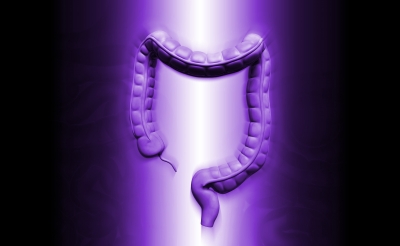
ID-10099484But do we need to take a probiotic supplement? Lots of research has been done on this and while there is mixed results from the findings, many people are agreeing that taking a probiotic supplement can help with the treatment of Travellers Diarrhoea and other gastrointestinal problems, to upper respiratory tract infections, allergies, various skin disorders, diabetes, weight loss to infantile colic.[1]

Another good time to be taking a probiotic supplement is during and after periods of antibiotic use. Antibiotics are good at killing all the bacteria, good and bad, so it is important that we put good bacteria back into our bodies to maintain a healthy gut. My mother suffered with oral thrush during courses of antibiotics for years until she discovered probiotics.

Additionally, stress can take its toll on the good bacteria of the gut.

The topic of pre and probiotics can get very complex as there are many different species of bacteria and some species can be beneficial for specific health concerns. For example, research at the University of Aberdeen has shown that eating a bowl of oats every day can clearly change the proportions of different types of bacteria in the gut, and their research has shown that some of the species that particularly increases when people eat more oats can be very good for us. These bacteria produce chemicals which are good for our hearts and for our gut lining. [2]

So my personal recommendation would be to take probiotic supplements during periods of ill health and stress, or to combat particular health concerns. But during times when health is good then eat a diet with lots of fibre including oats, and indigestible carbohydrates (oligosaccharides, dietary fibre and resistant starch). Examples of these are onions, garlic, beans and lentils, cashews, and cooked potatoes that have been cooled.

For a good, high quality supplement see Pro Bio Boost supplement from Neal’s Yard Remedies. This is suitable for vegetarians, and contains Bacillus coagulans, Lactobacillus Acidophilus, Bifido Blend 3 Strain and Inulin (a type of prebiotic/indigestible carbohydrate derived from plants). No GMO and no synthetic binders or fillers.

Or for an advanced range of probiotics and gut support supplements to promote wellbeing, take a look at Progurt. These sachets are designed to be taken over a course of 3-5 days. Each sachet is an intensive, super-strength, single dosage, equal to 40 capsules (at 25 Billion per Capsule), perfect for post antibiotics, tummy upset, gut imbalance, dairy and food intolerances, poor gut function or when travelling. Progurt are a unique formulation that were chosen to colonise and replicate. Each sachet contains Human Probiotic Isolates (HPI) identical to those found in a healthy human gut from birth. They consist of Lactic Acid Bacteria and Bifidobacteria including beneficial strains of Lactobacillus Acidophilus, Lactobacillus Bifidus and S. Thermophilus. A probiotic that understands your tummy’s past to change its future.

[1] Monash University https://www.futurelearn.com/courses/food-as-medicine/1/steps/82004

[2] http://www.bbc.co.uk/programmes/articles/4s0XkHq0HxZhjd5V2lQ2LRm/do-probiotics-do-any-good

Image courtesy of dream designs at FreeDigitalPhotos.net

Jackie Marsden MAR is a qualified reflexologist and independent consultant (Team Leader) for Neal’s Yard Remedies Organic. Jackie leads and mentors a growing team of consultants (many of whom are therapists integrating organic products into their existing businesses) via the NYRO social selling channel, holding regular team meetings, one-to-one coaching via phone and facetime, and a closed facebook group. All views are my own.

Growyourbusiness

Holistic Approaches for Multiple Sclerosis

Multiple sclerosis (MS) is a neurological condition which affects around 100,000 people in the UK. Most people are diagnosed between the ages of 20-40, but it can affect younger and older people too. Roughly three times as many women have MS as men. [1]

MS is when the body itself attacks the myelin sheath in an auto-immune response. The myelin sheath’s function is to insulate the nerves. When it is compromised it causes the neurotransmitters to function less effectively, slowing or blocking messages between body and brain. This creates tingling sensations, fatigue, tremors, pain and trouble balancing.

Dr Mercola states “While your body does have the ability to repair myelin naturally, this process tends to become less effective as you get older. Now, however, researchers [from University of Cambridge] have uncovered a natural option that might play a major role in boosting the repair of damaged myelin in people with MS: vitamin D.”[2] This emerging research is also presented by the Multiple Sclerosis society.[3]

I have been aware of MS right from the beginning of my reflexology career through my tutor, Julie Crossman, and her experience with her close and continued work with MS sufferers. During my training and professional career it is always the nervous and digestive systems I focus on within a reflexology session for an MS sufferer. A course of Reflexology Lymph Drainage would aim to help too from the auto-immune angle: isolating the immune system reflexes intends to boost and seek rebalance.

Delayed nervous responses such as moving a hand away from a hot surface, or weakening bladder control can be debilitating. The latter example causes further problems because many sufferers deliberately drink less to try to reduce this symptom but in doing so can cause bowel problems and constipation. Less water is not going to help anyone: our bodies need around two litres per day to carry out its vital functions.

ID-100140238Following a healthy diet full of antioxidant-rich fresh fruit and vegetables and a good water intake is key. A good quality Vitamin D supplement is also important.

Reflexology can also be beneficial from an emotional angle. Dr Mercola states “More often than not, some form of hidden emotional wound can also be found in patients suffering with autoimmune diseases like MS.” This has also been my findings from other readings of the condition by Ann Gillanders. The profound relaxation that reflexology invokes can create an emotional release for some people.

[1] https://www.mssociety.org.uk/what-is-ms

[2] http://articles.mercola.com/sites/articles/archive/2015/12/21/vitamin-d-multiple-sclerosis.aspx?e_cid=20151221Z2_DNL_art_2&utm_source=dnl&utm_medium=email&utm_content=art2&utm_campaign=20151221Z2&et_cid=DM93237&et_rid=1273927785

[3] https://www.mssociety.org.uk/ms-research/emerging-areas/vitamin-d

Jackie Marsden MAR is a qualified reflexologist and independent consultant (Group Leader) for Neal’s Yard Remedies Organic. Jackie leads and mentors a growing team of consultants (many of whom are therapists integrating organic products into their existing businesses) via the NYRO social selling channel, holding regular team meetings, one-to-one coaching via phone and Facetime, and a closed Facebook group. All views are my own.

Links to carefully selected affiliates.

independent-consultant-long-logoGrowyourbusiness

unnamed2

Image courtesy of Praisaeng at FreeDigitalPhotos.net

Combating Winter Colds and Viruses

ID-100231025It’s that time of year again when the weather turns colder, the central heating goes on, and windows tend to be closed, creating a breeding ground for winter colds and viruses.

There are simple ways of combating the prevalent cold virus, and this is more in prevention rather than cure.

Immune system

Our immune system needs regular boosting so that it is ready to fight any invaders. Do this by eating lots of fresh fruit and vegetables, preferably organic. Fruit and vegetables are full of antioxidants, which fight those free radicals which are released within the body to attack.

A regular vitamin C supplement can also help boost the immune system, optimising it for attack. Have you ever drunk a glass of organic juice and noticed its acidic effect on the digestive system? This is caused by the ascorbic acid. The vitamin C supplement I use contains Calcium Ascorbate instead, which is slow release, non-acidic form of vitamin C.

Stress will also damage our immune system, prioritising our adrenalin and sympathetic nervous system, and thus neglecting those systems that are not needed for immediate survival such as immune and digestion. A regular session of reflexology can help reduce stress and evoke relaxation.

Vitamin C

Patrick Holford’s advice re. vitamin C absorption is to take around 2 grams every 4 hours. This will saturate the tissues with vitamin C and thus flushing out the cold virus, maintaining a high level of immune protection. [1] This will completely blow the Recommended Daily Allowance (RDA) out of the water, however vitamin C is water soluble and thus the body cannot store excess amounts in fat – it simply excretes via the kidneys.

The RDA was written years ago based on the nutritional value of our foods after the war – nowadays our foods are nutritionally poorer due to the depleting quality of our soil. This is why I advocate an organic based diet and lifestyle. If we don’t adopt this way of life our future foods will be nutritionally worthless.

Antioxidants

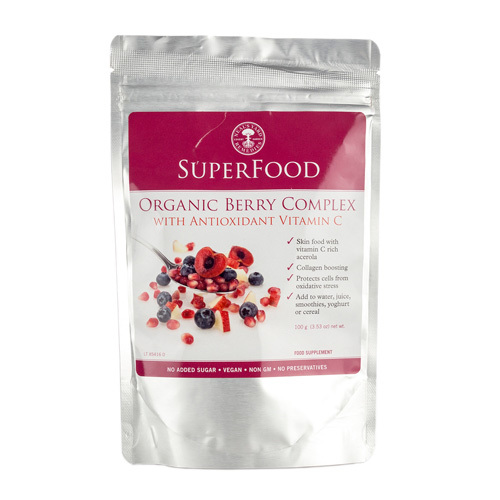
berry complexI have been using the Organic Berry Complex to continually saturate my body’s tissues throughout the day, particularly if I know I’m going to be busy with clients, driving long distances or late nights. Whiz up 2 scoops of the complex with some sprigs of mint and a blender jug full of water. Add a glug of Elderberry syrup to give a deeper taste and a richer content. It tastes amazing, so refreshing and the children love it too. Take a small glass of it regularly throughout the day to top up.

The supplements created by Neal’s Yard Remedies Organic are superior in the way they work because they are synergistic blends of carefully selected and sourced vitamins and minerals. Vitamins and minerals work with each other to do their jobs efficiently – not in isolation.

[1] Patrick Holford The Optimum Nutrition Bible pg. 289 How to kill a cold

Jackie Marsden MAR is a qualified reflexologist and independent consultant (Team Leader) for Neal’s Yard Remedies Organic. Jackie leads and mentors a growing team of consultants (many of whom are therapists integrating organic products into their existing businesses) via the NYRO social selling channel, holding regular team meetings, one-to-one coaching via phone and facetime, and a closed facebook group. All views are my own.

independent-consultant-long-logoGrowyourbusiness

unnamed2

Image courtesy of cooldesign at FreeDigitalPhotos.net

Cooking oils (with a focus on coconut)

A couple of years ago it was brought to my attention that cooking with olive oil is a big no no. I recently asked a nutritionist about this and she concurred. When olive oil is heated to a high temperature, its molecular structure changes and it turns into a trans fat. Instead, enjoy olive oil raw drizzled over your salad.

ID-10041887

The best oils to use for cooking are ground nut oil (peanut) or rapeseed oil: these can be heated to a high temperature without the molecular structure changing. In addition, coconut oil is also a great oil for cooking. Being a saturated fat (which basically means the hydrogen molecules are spaced differently to those of an unsaturated fat) it can be difficult to work with, because it is solid a room temperature. So if you want to drizzle it over your chicken for example, then it needs to be melted first.

Coconut oil is a medium chain triglyceride and is used immediately as energy for the body, just like carbohydrates would be.  So if you’re trying to cut down on those white refined carbs, and need an energy boost, coconut oil can be a great ally! Personally I dip a spoon into the pot and eat it raw for a little pick-me-up, or spread it on oat cakes as a butter substitute. Its really good in a cup of coffee too! (Handy if you’re trying to cut out added sugar.) It’s also a great addition to smoothies to give them a really silky smooth texture. A personal favourite is 1 banana, half an avocado, a wedge of lemon, 1 dessert spoon of coconut oil, 1 dessert spoon of almond butter, 1 teaspoon of greens powder.

Jackie Marsden MAR is a qualified reflexologist and independent consultant (Team Leader) for Neal’s Yard Remedies Organic. Jackie leads and mentors a growing team of consultants (many of whom are therapists integrating organic products into their existing businesses) via the NYRO social selling channel, holding regular team meetings, one-to-one coaching via phone and facetime, and a closed facebook group. All views are my own.
independent-consultant-long-logoGrowyourbusiness

unnamed2

Image courtesy of Idea go / FreeDigitalPhotos.net

Perimenopause : an overview

What is Perimenopause?

Perimenopause is when the body begins preparation for the stage in life where child bearing will not be the biological focus. This usually happens in a woman’s 40s and is a gradual build-up to menopause, when the menstrual cycle ceases completely. Perimenopause starts with a gradual decline in progesterone and can cause some of the following symptoms:

  • Weight gain
  • Cracked, dry or loose skin (caused by less collagen)
  • Low sex drive and/or more difficulty reaching orgasm
  • Anxiety
  • Tearfulness (especially week before period)
  • Restless sleep
  • Increased menstrual cramps
  • Night sweats [1]

These uncomfortable symptoms are because the body is trying to adjust to the relative oestrogen excess.

Not only do the sex hormones (oestrogen and progesterone) have to make the transition, so do other hormones. For example, cortisol levels (a stress hormone) will increase, and insulin resistance can be more common. Because of this, it is vitally important to eat a healthy, balanced diet and to find ways of managing and/or coping with stress.

Before menopause, the ovaries are the major oestrogen secretors. However, as they become less active during perimenopause and menopause, the balance shifts until finally around half of the body’s oestrogen and progesterone is made in the adrenal glands. If stress levels are high, the adrenal glands will always prioritise the secretion of the stress hormones over the creation of sex hormones. Thus, finding ways of lowering stress will ensure the adequate amount of sex hormones is produced in a woman’s body in her 40s and beyond, maintaining balance.[1]

In addition, the body might look elsewhere for oestrogen once the ovaries start to slow down. This could easily lead to weight gain because fat cells are a key source of oestrogen storage. Furthermore, if a woman is already obese before menopause then the fat cells may create too much oestrogen in comparison to progesterone, leading to increased oestrogen dominance. [1]

Oestrogen dominance is also likely during prolonged periods of stress. This is because the stress hormone cortisol competes with progesterone. Thus progesterone levels decrease, inducing an imbalance of oestrogen and progesterone. [2] Signs of decreased progesterone, and oestrogen dominance, are:

  • Decreased sex drive
  • Irregular or otherwise absent periods
  • Bloating
  • Breast swelling and tenderness
  • Mood swings (irritability and/or depression)
  • Weight gain (particularly abdomen and hips)
  • Cold hands and feet
  • Headaches, especially pre-menstrual [3]

ImageHow to cope

Find ways of managing/coping with stress that work for you. Ideas: regular reflexology or massage treatments, daily meditation, regular exercise, better time management, spending more time outdoors, spending time with animals/nature, keeping a diary or journal.

Eat a healthy balanced diet. Try to avoid white, refined carbohydrates such as pasta, bread, cake and biscuits. Make a switch to fresh vegetables, white meat and fish, pulses and whole grains.

Switch to organic. Eating organically can be expensive; if you cannot afford to go completely organic, try to avoid the Environmental Working Group’s (EWG) “Dirty Dozen”. This means if nothing else, always buy the following as organic produce (or avoid altogether): apples, celery, cherry tomatoes, cucumber, grapes, hot peppers, nectarines, peaches, potatoes, spinach, strawberries, peppers, kale and courgettes. The EWG’s “Clean 15” is a list which can be classed as “safe non-organic”: asparagus, avocados, cabbage, melon, sweetcorn, aubergine, grapefruit, kiwi, mango, mushrooms, onions, papaya, pineapple, frozen peas, sweet potatoes. [4]

Reduce use of stimulants such as caffeine and alcohol. Stimulants send the body’s hormones on a roller-coaster ride of high peaks followed by low drops creating a multitude of problems including cravings and fatigue.

Don’t be too hard on yourself. Don’t eliminate everything from your diet and make yourself miserable. Allow yourself that morning coffee; enjoy a piece of cake once a week; switch to a darker variety of chocolate with less sugar; enjoy a weekend glass of wine.

If you are looking for fertility support in Lancashire please get in touch.

References

[1] Is it me or my hormones? by Marcelle Pick 2013

[2] The Optimum Nutrition Bible by Patrick Holford 2004

[3] The Wisdom of Menopause by Dr. Christiane Northrup 2009

[4] Environmental Working Group http://www.ewg.org/foodnews/

Jackie Marsden MAR is a qualified reflexologist and independent consultant (Team Leader) for Neal’s Yard Remedies Organic. Jackie leads and mentors a growing team of consultants (many of whom are therapists integrating organic products into their existing businesses) via the NYRO social selling channel, holding regular team meetings, one-to-one coaching via phone and facetime, and a closed facebook group. All views are my own.
independent-consultant-long-logoGrowyourbusiness

unnamed2mooncup_banner

Image courtesy of stockimages / FreeDigitalPhotos.net