
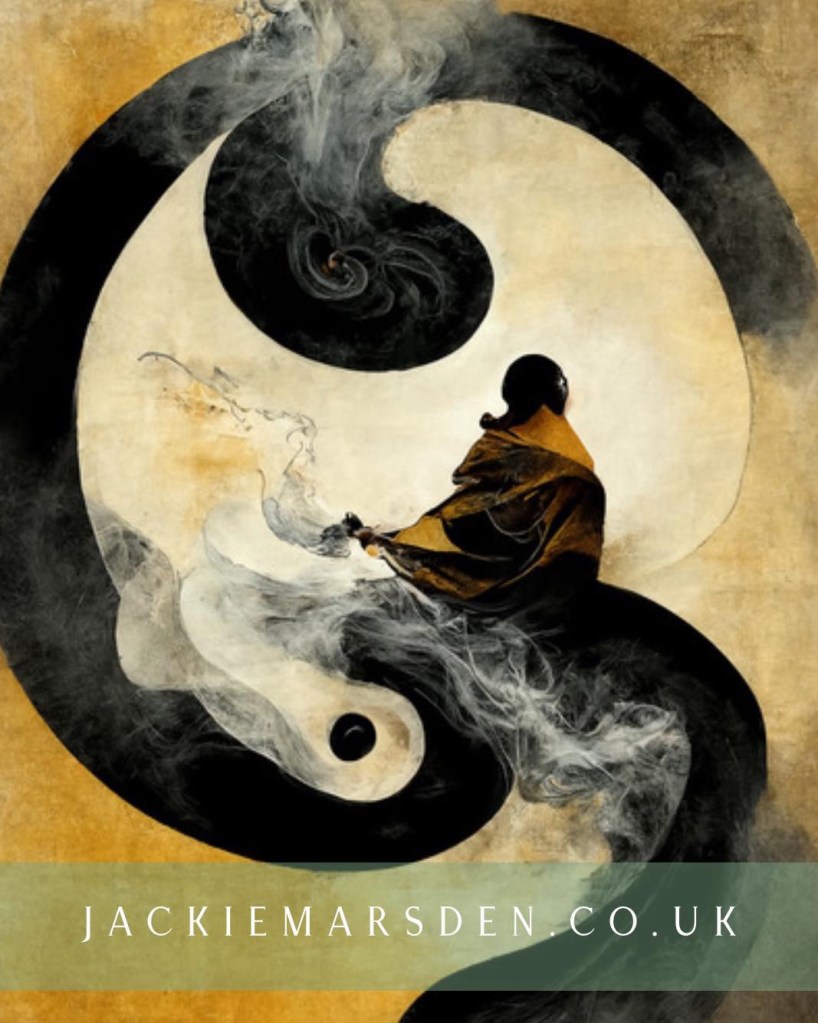
In the quiet rhythm of day and night, two powerful hormones guide our daily flow: cortisol and melatonin. These hormones play a crucial role in maintaining our body’s natural rhythm; you could think of them as the Yin and Yang of our circadian cycle: distinct in nature but working in harmony to help us feel balanced, focused, and rested.
Understanding their roles can help you align with your body’s natural flow, fostering better health and more restful sleep.
Cortisol: The Active Yang of the Day
Often labelled as the stress hormone, cortisol is essential for us to function properly, especially in the morning. It naturally rises when we wake up, helping to energize the body, sharpen focus, and prepare us for the day ahead. This is the Yang energy: active, outward, and purposeful.
Cortisol levels peak shortly after we wake up and begin to decline as the day progresses, supporting our ability to stay alert, handle stress, and perform tasks efficiently. Without sufficient cortisol, we may feel sluggish and less motivated in the morning; it’s as if we can’t quite get going.
Melatonin: The Restful Yin
As the sun begins to set, melatonin enters the scene: the Yin to cortisol’s Yang. Melatonin is often called the sleep hormone, but its job goes beyond just helping us fall asleep. It’s about inviting the body to slow down, repair, and rejuvenate during the night. When melatonin is released as daylight fades, it encourages us to rest, reduce our mental chatter, and prepare for the restorative sleep our bodies need to stay healthy.
Just as cortisol rises with daylight, melatonin rises when it gets dark. It acts as a signal that it’s time to let go and settle into rest, nurturing our recovery and internal restoration.
The Delicate Balance: Why It Matters
The relationship between cortisol and melatonin is delicate. These two hormones need to remain in a balanced dance throughout the day for you to feel your best. If cortisol remains high into the evening – perhaps due to stress, artificial light, or late-night stimulation – melatonin struggles to rise, and sleep may be disrupted. Over time, this throws the entire rhythm off course.
When this happens, it can interfere with your body’s natural recovery during sleep; affecting your energy, mood, and overall health.
Supporting Your Natural Cycle: Simple Practices for Balance
To maintain the delicate balance between cortisol and melatonin, it’s important to align your daily habits with the natural rhythms of your body. Here are a few practices to help keep your hormones in harmony:
- Seek natural morning light: Exposure to sunlight in the morning helps signal your body that it’s time to rise and activate cortisol naturally. This simple habit can help improve your focus and alertness during the day.
- Support rising cortisol with a healthy breakfast: Eat a balanced meal around 7am to give your body the nourishment it needs to maintain energy and focus throughout the day.
- Avoid bright screens, intense exercise, and stimulants in the evening: These can keep cortisol levels elevated and interfere with melatonin production. Instead, opt for calming activities such as reading, meditation, or light stretching in the evening to help your body transition into rest mode.
- Aim for regular sleep and wake times: Going to bed and waking up at the same time every day helps support your circadian rhythm and ensures your body knows when it’s time to rest.
- Allow your digestive system to fast between 6pm and 7am: This simple practice allows your body to reset overnight, promoting better sleep and hormonal balance.
- Get regular reflexology or acupuncture: These holistic therapies can support your body’s natural rhythm by reducing stress, improving circulation, and helping your body relax, making it easier for cortisol and melatonin to maintain balance.
Embracing the Quiet Wisdom of Yin
In a culture that often celebrates the energy of Yang – doing, pushing, and striving – we can sometimes forget the quiet wisdom of Yin. But it’s in the balance of these two forces that true health, clarity, and calm reside. When you nurture both your active and restorative energies, you create a foundation for lasting well-being and peace.
If you’re struggling to find balance in your circadian rhythm or need support with sleep, hormonal health, or stress management, reflexology and acupuncture can be powerful tools in restoring your body’s natural flow. Reach out for personalised guidance and care – together, I can help you nurture your Yin and Yang for a more vibrant and balanced life.
 Elder Cottage Clinic, Warton, PR4