How does Acupuncture work?

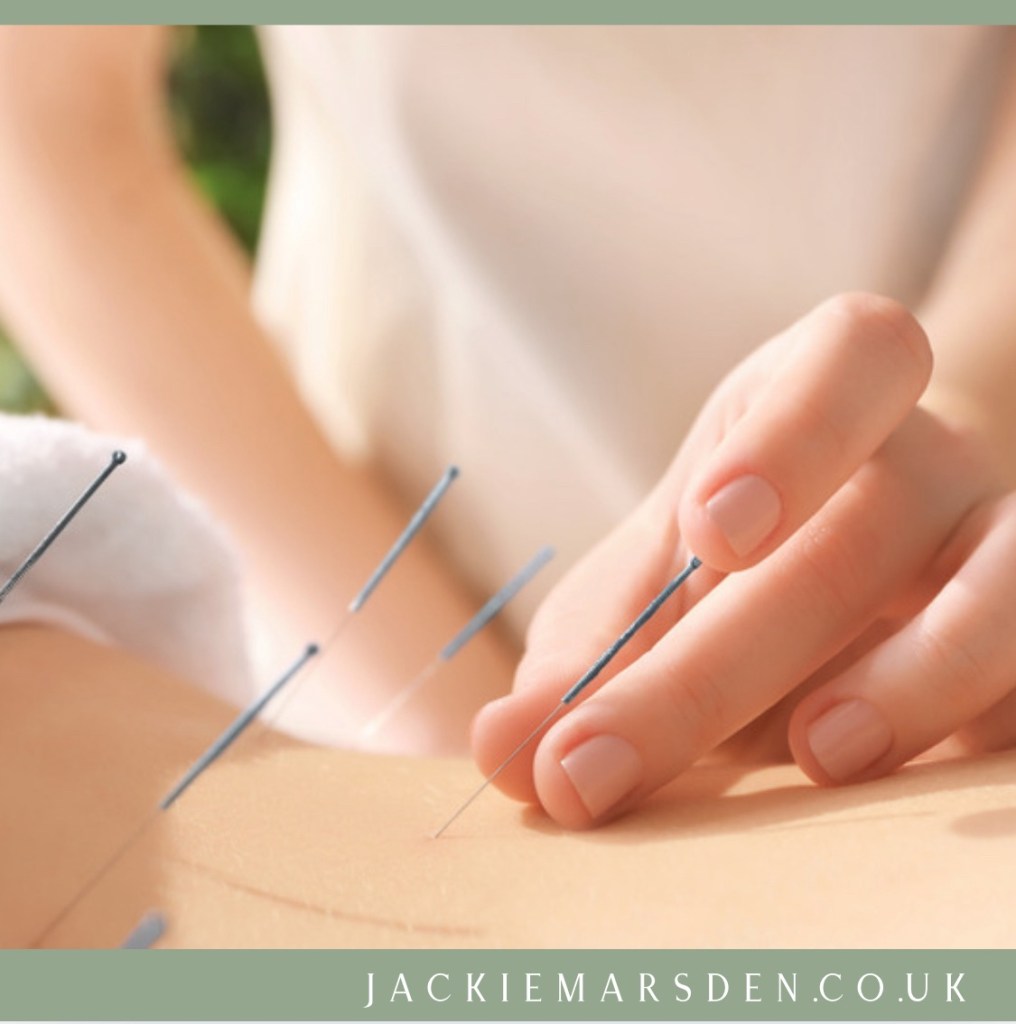
Fertility acupuncture in abdomen.

Traditional Acupuncture uses the understanding of health and wellness that’s been developed over thousands of years (Traditional Chinese Medicine). This theory uses the concept of Qi (energy) our life force energy. Qi flows up and down the meridian system which is a network of channels connecting the main organs with the rest of the body.

When we are well, the Qi is said to be flowing freely. When we are unwell, the Qi is said to be blocked, or stagnant, and not flowing as freely.

Acupuncture uses particular points on the channels to rebalance the flow of Qi and improve our physical, mental and emotional wellbeing.

A good analogy is of the body as a circuit board. An acupuncturist uses these circuits to rewire and reconnect the flow of electricity.

Evidence based research on how acupuncture works is highlights its impact on the central nervous system (CNS). The CNS governs fight or flight vs rest and digest. When we are chronically stressed we get stuck in fight or flight. Acupuncture appears to release endorphins, natural pain killers and those happy chemicals, to rebalance the CNS. The process acupuncture ignites within the body increases blood circulation, reduces inflammation, helps regulate blood sugars and reduces stress, which can all have a positive impact on our wellbeing.

If you’d like to try acupuncture for your own wellbeing book in today.

What happens when we relax?

Woman receiving reflexology on her feet.

Continuing the conversation about how acupuncture and reflexology work, let’s focus on the commonality through all of them, which is relaxation.

Our autonomic nervous system has two separate branches; the sympathetic and the parasympathetic. The autonomic nervous system looks after all of those involuntary functions and tasks that happen without us consciously having to think about it, such as heart rate, blood pressure, respiration and digestion.

The sympathetic nervous system switches on when we need to be alert, for example when we are exposed to a threat or some kind of danger. Our brain is aware of the danger, and sends chemical messengers to the adrenal glands, which then prepare the rest of the body to get ready to either run, or fight. This involves increased blood flow and oxygen to our arms and legs, increased heart and respiration rate, and extra sensitivity to stimulus as we become highly alert to sounds and the surrounding environment of the impending danger.

When the sympathetic nervous system is switched on, our parasympathetic nervous system is suppressed. Our parasympathetic nervous system governs rest, and digest. This means that when we are exposed to a threat or danger, our bodies will not prioritise tasks that are unessential for survival. These include digesting food, reproduction and sleep.

Although in modern life we are no longer facing impending danger from predators higher up the food chain, we do experience a lot of stress, anxiety and worry, and our brains and bodies interpret these feelings in exactly the same way: as impending danger.

This means that chronic stress creates all sorts of health issues as our sympathetic nervous system reacts to the relentless demands of modern life.

Relaxation is key to swinging the parasympathetic nervous system into the forefront as often as we can. Having regular sessions of reflexology or acupuncture can have a profound effect on getting the balance right. Even having the appointment in your diary can have a huge psychological effect on wellness and stress management.

What is Stress?

We all talk about stress in our lives, but what actually is “stress” and what does it do to our bodies? How can we be more aware and what can we do to help ourselves?

This blog offers an introduction to the topic of stress.

Our Autonomic Nervous System (ANS) is the important part of our nervous system which controls our vital bodily functions such as our heart beating and our breathing.stress

It is split into two divisions: Parasympathetic and Sympathetic. The two sides work in an integrated and complementary fashion. When one is stimulated the other one is suppressed.

When we face any type of stress, whether it’s fear, anxiety, danger or worry, our nervous system reacts in exactly the same way: it prepares to “fight or flight”. This is because it senses a threat and it works to keep us safe. So whether you are running across a road of speeding traffic, or whether you are anxious about a looming work deadline, the body will be reacting in exactly the same way.

The sympathetic division predominates. A release of adrenalin instructs the body to prepare for “fight or flight”.

Blood vessels supplying the heart, limbs, head and brain dilate enabling more blood and oxygen to reach these body parts in preparation for physical activity.

Blood pressure and heart rate rises, as does respiratory rate.

The brain and eyes are also on full alert, improving concentration and peripheral vision.

Sugar is released into the blood system for the anticipated need for additional energy. This happens in the liver.

In order to conserve energy, the blood vessels supplying the non-essential systems of the body constrict, suppressing the digestive and immune systems.

The stomach and small intestine become inhibited, delaying digestion, the onward movement of food, and the absorption of nutrients.

Once the perceived threat has gone, the body will revert back to normal and rebalance: homeostasis will be resumed.

But in our modern day life, the perceived threat might go on and on for days, weeks, months or even years. Anxiety and worries can take all sorts of forms, such as work/job worries, financial worries, health worries, deadlines, long working hours, relationships: the list is endless.

As you can imagine, the ability to relax will be difficult: the body being on constant high alert. Problems include difficulty sleeping, feeling run down, constantly catching colds and viruses due to the suppressed immune system. Good nutrition will also be compromised with the suppressed digestive system, causing Irritable Bowel Syndrome (IBS), diarrhoea, constipation etc.

It’s so important that we get a balance in our lives: time for work and time to rest/relax. We need time to allow the parasympathetic nervous system to predominate, and then allow the body time to rebalance.

This is where reflexology and other holistic therapies can be so beneficial. A regular session booked into the diary will break the constant stress cycle, and give you and your body an hour to lie back and relax: me time.

Reflexology, in particular, can be very beneficial in providing profound relaxation because of the high concentration of nerve endings in the feet: the feet are great access points for the whole body.

If you are looking for fertility support in Lancashire please get in touch.

Jackie Marsden MAR is a qualified reflexologist and independent consultant (Team Leader) for Neal’s Yard Remedies Organic. Jackie leads and mentors a growing team of consultants (many of whom are therapists integrating organic products into their existing businesses) via the NYRO social selling channel, holding regular team meetings, one-to-one coaching via phone and facetime, and a closed facebook group. All views are my own.


independent-consultant-long-logoGrowyourbusiness

unnamed2

Image courtesy of Master isolated images at FreeDigitalPhotos.net

Reflexology for sleep problems – a perspective

Sleep is such an important part of our lives, but what actually is sleep and what does it do for us?

During sleep, your body is working to support healthy brain function and maintain your physical health. In children and teens, sleep also helps support growth and development.

What happens when we don’t sleep?

The damage from sleep deficiency can harm you over time. For example, ongoing sleep deficiency can raise your risk for some chronic health problems. It also can affect how well you think, react, work, learn, and get along with others. [1] Researchers have linked poor sleep to a number of ailments, from short-term memory loss and behavioural problems, to weight gain, diabetes, and even increased risk of cancer, just to mention a few. [2]

sleep

If we spend too much time indoors, in a windowless office during the day and in front of the TV, computer screens and mobile phones in the evenings, insomnia can soon set in because our brains struggle to determine what time it is. 

The combination of light deficiency during the day and excessive light exposure at night causes your biological clocks to get out of sync.

A 30-60 minute exposure to outdoor light every day helps to anchor our circadian rhythm. [2] This means that our master clock is set to be awake and alert during the day and to rest and sleep during the night.

After sustained periods of sleep disruption, we can be left feeling agitated, grumpy, stressed and on high alert. It then becomes ever more difficult to get to sleep, and thus becomes a stress in itself, and the cycle continues.

How can I sleep naturally?

Reflexology can also help with problems like this, as it allows a time and place for deep relaxation to occur. The appointment is in your diary. You are expected to lay back. You are expected to maybe close your eyes. You are expected to relax. Once in a state of deep relaxation, the body can begin to switch off the “high alert” and allow the parasympathetic nervous system to do its work, increasing digestion, immunity, libido, and most importantly here, providing a good environment for resetting the master clock to promote a healthy sleep pattern.

Combine regular reflexology with reduced time spent in front of TV and computer screens, particularly in the evenings, reduced consumption of stimulants during the evenings (such as alcohol and caffeine), and a good dose of outdoor light during the day, and you should be well on your way to a better night’s sleep. Fabulous natural remedies for sleep!

To summarise 3 things to help you sleep:

  • Get some reflexology
  • Reduce screen time and stimulants
  • Go outside during the day

For more of me on sleep, melatonin and circadian rhythm see my other blog post on the Winter Blues.

All views are my own.

independent-consultant-long-logo
Growyourbusiness
unnamed2

[1] http://www.nhlbi.nih.gov/health/health-topics/topics/sdd/why

[2] http://articles.mercola.com/sites/articles/archive/2015/12/10/dangers-sleeping-too-much.aspx?e_cid=20151210Z2_DNL_art_1&utm_source=dnl&utm_medium=email&utm_content=art1&utm_campaign=20151210Z2&et_cid=DM92051&et_rid=1256832826

Image courtesy of Ambro at FreeDigitalPhotos.net

Reflexology and Fibromyalgia

What is Fibromyalgia? Fibromyalgia, also called Fibromyalgia Syndrome (FMS), is a long-term condition that causes pain all over the body. As well as widespread pain, people with Fibromyalgia may also have increased sensitivity to pain, fatigue, muscle stiffness, sleep disorders, problems with mental processes (“brain-fog”) e.g. problems with memory and concentration, dizziness and balance problems, headaches and migraines, digestive upsets. The exact cause of Fibromyalgia is unknown, but it’s thought to be related to abnormal levels of certain chemicals in the brain and changes in the way the central nervous system (brain, spinal cord and nerves) processes pain messages that are carried around the body. (1)

ID-100184055How might reflexology help Fibromyalgia sufferers? When we are stressed our bodies are on constant high alert, engaging our sympathetic nervous system ready to “fight or flight”. However this means that the parasympathetic nervous system is shut down, so things like digestion, relaxation and sleep patterns will not have optimum conditions to function properly. Pain is an obvious stress, both physically and mentally.

Reflexology is deeply relaxing which can help the body and mind break the constant stress cycle and seek re-balance. In general, we have around 7000 nerve endings in the feet, making them particularly sensitive and helpful for accessing the whole body. Reflexology might help manage and reduce the symptoms of Fibromyalgia through a tailored treatment plan specific to the patient’s particular issues. Depending on the level of intensity of pain, shortened reflexology treatments might be advisable to begin with. Below are the key symptoms of Fibromyalgia and the subsequent reflex points I can pay particular attention to during treatments:

  • Joint pain: concentrate on the relevant reflex points on the feet for joints concerned e.g. shoulder, knee, hips, jaw. Adrenal gland reflexes can be gently worked to stimulate the production of the body’s own anti-inflammatories and pain management.
  • Fatigue: pay attention to the adrenal glands and pancreas reflexes. This aims to increase energy and re-balance and regulate blood-sugar levels.
  • Sleep disorders: work the diaphragm reflex (to promote relaxation and calmer breathing), pineal and pituitary gland reflexes (to promote a re-balance of circadian rhythms and of the endocrine system in general).
  • Digestive upsets: general relaxation techniques to awaken the parasympathetic nervous system. Colon and small intestine reflex points in particular.
  • Headaches and migraines: concentrate on brain, spine, particularly cervical spine, head and neck area reflexes.
  • Dizziness and balance: concentrate on inner-ear reflex point.

Update Jan 2016 – Since first writing this blog I have trained in Reflexology Lymph Drainage and carried out a case study on a Fibromyalgia client. Further info to follow.

(1) http://www.nhs.uk/Conditions/Fibromyalgia/Pages/Introduction.aspx

Jackie Marsden MAR is a qualified reflexologist and independent consultant (Team Leader) for Neal’s Yard Remedies Organic. Jackie leads and mentors a growing team of consultants (many of whom are therapists integrating organic products into their existing businesses) via the NYRO social selling channel, holding regular team meetings, one-to-one coaching via phone and facetime, and a closed facebook group. All views are my own.

independent-consultant-long-logoGrowyourbusiness

unnamed2mooncup_banner

Image courtesy of stockimages at FreeDigitalPhotos.net