Eczema is dry, itchy, flaky, red and inflamed skin (and sometimes worse). It is largely a chronic condition meaning that it is long-lasting and can be controlled but not cured.
Those suffering with eczema usually suffer also with other conditions such as asthma and hay fever. This is because they are all types of allergies; the body has an inappropriate allergic reaction to antigens that are usually harmless (e.g. animal hair, pollen, dust). When the body reacts in this way it releases huge amounts of histamine which then causes inflammation, itching, sneezing, wheezing etc. It is usually the immune response that causes the damage to the body, not the allergen itself. (1)
So what can we do for eczema, and why do people suffer with eczema? I believe it has a lot to do with the gut. If we don’t have good gut health then the toxic overload is too much for our bodies and the skin will try to help by excreting those toxins. Remember that the skin is an outlet as well as a protective barrier and receptor. So cleaning up diets, eliminating processed foods, sugar, caffeine etc. and increasing the intake of vegetables and water is going to have a profound effect in the long term. I think we all have room for improvement with our diets!
But in the shorter term something is needed to apply to the skin to reduce the symptoms and give relief. This is particularly true for children whom are a large group of atopic (hereditary) eczema suffers. Any petroleum-based products are not going to do this. The skin might feel soft and moisturised initially but after continued use the product will block the skin’s pores, causing imbalances in the skin’s natural equilibrium and resulting in even more problems.
Sodium Lauryl Sulfate (SLS) and its replacement, Sodium Laureth Sulfate (SLES) are both known irritants. Beware of products labelled “sensitive”. Many products on the market are full of chemicals that have no place on the skin. However, most people can tolerate them. For those who can’t, the manufacturer removes the problem chemicals, and replaces them with some that are actually worse, on the basis that the customer is unlikely to react to both. (2)
The following products are those which myself and colleagues have seen to be helpful with treating eczema:
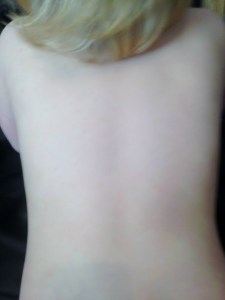
NYRO baby balm. This balm protects and calms the skin with a combination of gentle, moisturising ingredients, including olive oil, coconut oil and shea nut butter. Apply as required to affected areas. One mother kindly shared these amazing photographs of her daughter’s eczema, before and after using the NYRO baby balm for 6 weeks.

For small patches of eczema or dermatitis, consider the NYRO Stellaria Cream which is fabulous at reducing itching. Chickweed, a traditional herb renowned for cooling and soothing itching or red skin, is the active ingredient in this formula.
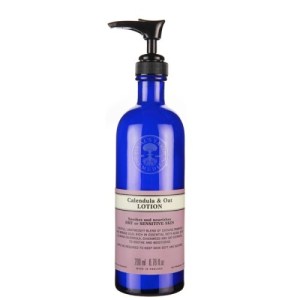
Another fantastic product to try is the anti-inflammatory and deeply soothing Calendula and Oat Lotion, which is suitable for extreme dryness and sensitive skin.
 One particular customer has experienced great success with seemingly uncontrollable eczema by the daily application of organic virgin coconut oil. Try to find a coconut oil that is raw, unrefined, unbleached, and processed without heat to retain its unique balance of nutrients. Applied directly to the skin, coconut oil makes an extremely effective conditioning treatment, gently soothing dry, sensitive skin or scalps.
As a reflexologist, I am very much aware of the power of stress and what it can do to the body. If you are suffering with eczema it could be exacerbated by stress, or vica versa. A course of reflexology might help the situation, calming the sympathetic nervous system and in turn stimulating the parasympathetic nervous system and allowing the body to regain a state of relaxation and homeostasis. During the reflexology sessions particular emphasis would be paid to specific reflex points, particularly those of the digestive system, endocrine system, lymphatics and immune systems.
In Traditional Chinese Medicine (TCM) the lungs are linked to the colon; they share the same meridian. This ties in with the commonalities between eczema, asthma and hayfever, and highlights another reason to look to improve digestive health. They are both organs of elimination.
Along with a cleaned-up diet, a cleansing and healing supplement such as aloe vera juice and/or beauty oil might also be used to help with the healing and replenishing process. Aloe vera juice is an excellent digestive tonic. Beauty oil is a blend of avocado, hemp, flax and evening primrose oils.
(1) Ross & Wilson Anatomy & Physiology in Health and Illness. p371
(2) Closed discussion thread
Jackie Marsden MAR is a qualified reflexologist and independent consultant (Team Leader) for Neal’s Yard Remedies Organic. Jackie leads and mentors a growing team of consultants (many of whom are therapists integrating organic products into their existing businesses) via the NYRO social selling channel, holding regular team meetings, one-to-one coaching via phone and facetime, and a closed facebook group. All views are my own.









 Elder Cottage Clinic, Warton, PR4