How does Acupuncture work?

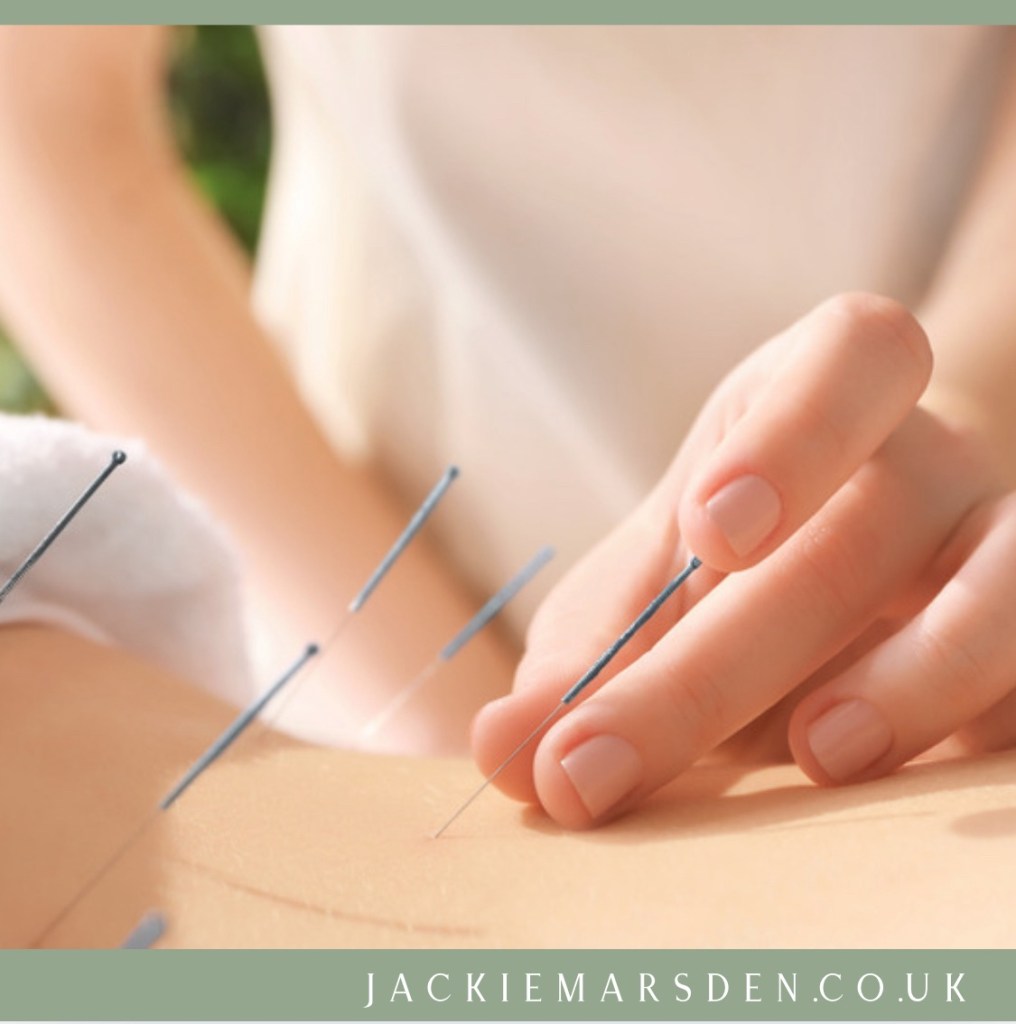
Fertility acupuncture in abdomen.

Traditional Acupuncture uses the understanding of health and wellness that’s been developed over thousands of years (Traditional Chinese Medicine). This theory uses the concept of Qi (energy) our life force energy. Qi flows up and down the meridian system which is a network of channels connecting the main organs with the rest of the body.

When we are well, the Qi is said to be flowing freely. When we are unwell, the Qi is said to be blocked, or stagnant, and not flowing as freely.

Acupuncture uses particular points on the channels to rebalance the flow of Qi and improve our physical, mental and emotional wellbeing.

A good analogy is of the body as a circuit board. An acupuncturist uses these circuits to rewire and reconnect the flow of electricity.

Evidence based research on how acupuncture works is highlights its impact on the central nervous system (CNS). The CNS governs fight or flight vs rest and digest. When we are chronically stressed we get stuck in fight or flight. Acupuncture appears to release endorphins, natural pain killers and those happy chemicals, to rebalance the CNS. The process acupuncture ignites within the body increases blood circulation, reduces inflammation, helps regulate blood sugars and reduces stress, which can all have a positive impact on our wellbeing.

If you’d like to try acupuncture for your own wellbeing book in today.

What happens when we relax?

Woman receiving reflexology on her feet.

Continuing the conversation about how acupuncture and reflexology work, let’s focus on the commonality through all of them, which is relaxation.

Our autonomic nervous system has two separate branches; the sympathetic and the parasympathetic. The autonomic nervous system looks after all of those involuntary functions and tasks that happen without us consciously having to think about it, such as heart rate, blood pressure, respiration and digestion.

The sympathetic nervous system switches on when we need to be alert, for example when we are exposed to a threat or some kind of danger. Our brain is aware of the danger, and sends chemical messengers to the adrenal glands, which then prepare the rest of the body to get ready to either run, or fight. This involves increased blood flow and oxygen to our arms and legs, increased heart and respiration rate, and extra sensitivity to stimulus as we become highly alert to sounds and the surrounding environment of the impending danger.

When the sympathetic nervous system is switched on, our parasympathetic nervous system is suppressed. Our parasympathetic nervous system governs rest, and digest. This means that when we are exposed to a threat or danger, our bodies will not prioritise tasks that are unessential for survival. These include digesting food, reproduction and sleep.

Although in modern life we are no longer facing impending danger from predators higher up the food chain, we do experience a lot of stress, anxiety and worry, and our brains and bodies interpret these feelings in exactly the same way: as impending danger.

This means that chronic stress creates all sorts of health issues as our sympathetic nervous system reacts to the relentless demands of modern life.

Relaxation is key to swinging the parasympathetic nervous system into the forefront as often as we can. Having regular sessions of reflexology or acupuncture can have a profound effect on getting the balance right. Even having the appointment in your diary can have a huge psychological effect on wellness and stress management.