Salts explained

Salt with a wooden spoon.

Sea salt is really good for soaking in a bath. It is believed to stimulate circulation, help ease muscle cramps, help relieve stiff joints, and soothe the skin.

Sea salt isn’t generally processed that much, it is simply evaporated off the water. So its very rich in trace minerals such as calcium, potassium, magnesium, zinc and iron.

Himalayan salts are very similar to sea salt in composition and trace minerals. However, because Himalayan salt is mined near the foothills of the Himalayan mountains, from some really ancient sea beds which were covered over with ice, lava and snow for millions of years, its thought that Himalayan salts are much purer than our regular sea salt because they are not full of our modern day pollutants.

Epsom salts aren’t actually a salt. They are magnesium, sulphur and oxygen. So when you use Epsom salts you are really using them for their magnesium content. Magnesium is needed in the body for all sorts of daily functions at a cellular level, and it is thought that in this day and age we are all lacking in magnesium due to the erosion of soil quality. Magnesium is very easily absorbed through the skin so soaking in a bath of Epsom salts is a great way to boost your magnesium levels.

Although we do need magnesium to support a whole host of bodily functions, one of the main things we all need it for is stress-management and improved sleep.

So these are the different types of salt explained, so you can now make an informed choice as to which type you would like to bathe in. Happy soaking!
View the bath salts from Neal’s Yard Remedies Organic.

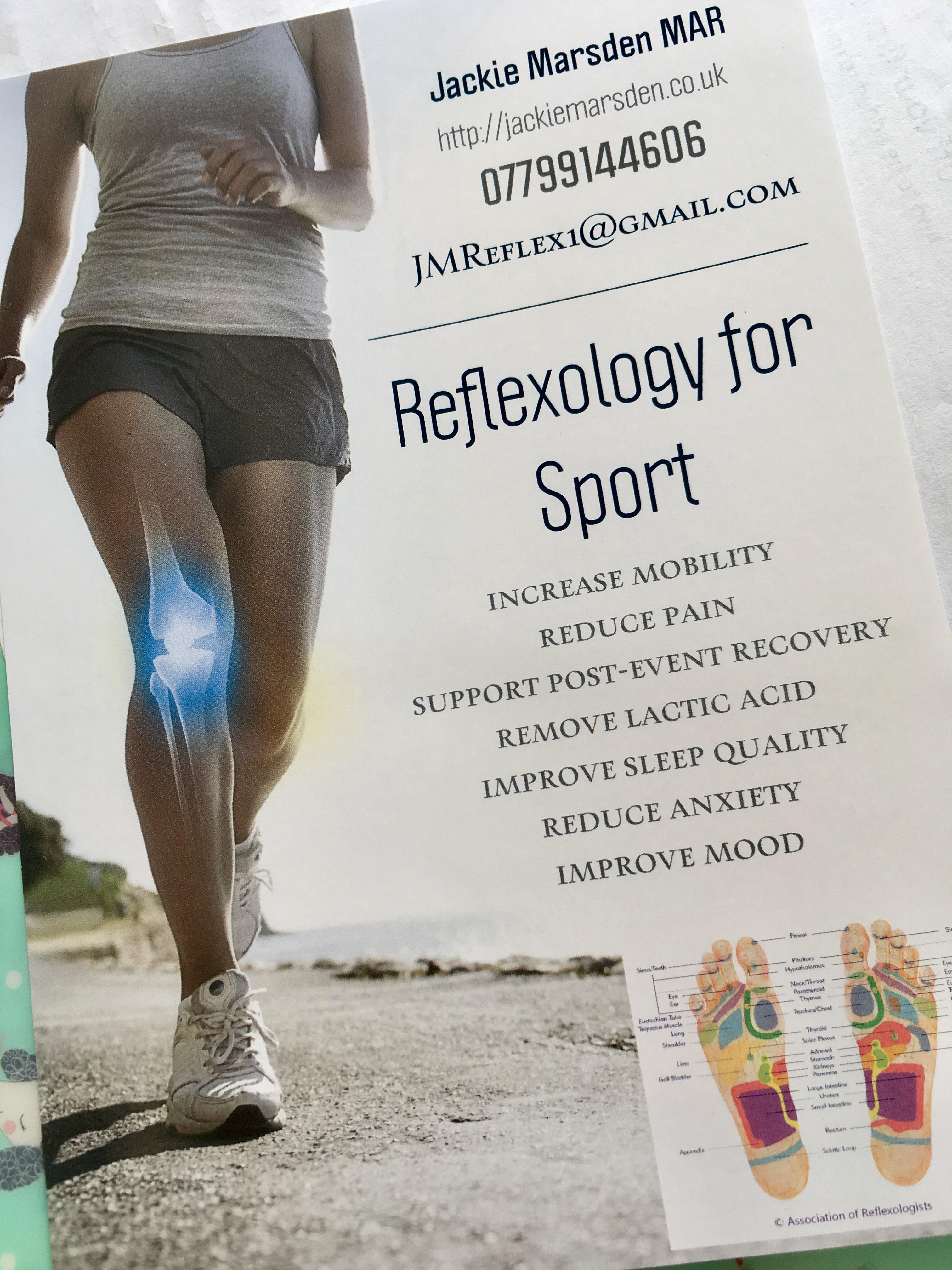
Reflexology for Sports

Sports people of any level or ability are highly motivated to perform at their best and to achieve optimum results; often they look to holistic therapies to complement treatment received for injuries.

Reflexology for optimal performance

The psychology of sport encourages individual athletes and team players to look for ways to achieve that extra one or two percent that can give them the edge on their opponents. Consequently, many now use reflexology as part of their overall regime.

What can reflexology offer?

Reflexology may help to provide increased mobility, reduced pain and support or accelerate the recovery period after an injury.  Many athletes use reflexology in a preventative capacity to encourage balance in the body and improved health in general, such as improved sleep quality, reduced anxiety and improved mood.

How does it work?

Reflexology helps to increase blood flow and encourage lymphatic drainage. Research studies show that it can remove lactic acid from the legs four times faster than massage, helping post event recovery. Increased blood circulation helps remove toxins and increase the delivery of oxygen and nutrients to the tissues, helping to support the body’s natural healing process and promote recovery from injuries. It may also assist in preventing common complaints and niggles from extended muscle exertion such as aches, pains, cramps and spasms.

What else?

The effect of stress has a very detrimental effect on the body, reducing blood flow and oxygen, causing energy to be depleted and thus functioning at a sub-optimal level. Reflexology helps to manage this by promoting deep relaxation, easing tension, giving the body time to rest and heal and it often improves sleep. It may also help with pain relief or reducing pain associated with injury.

Contact me for more information or to book an appointment.

Jackie Marsden MAR is a qualified reflexologist, acupuncturist, promoter of healthy living and independent consultant (Group Leader) for Neal’s Yard Remedies Organic.

Image courtesy of digitalart at FreeDigitalPhotos.net