What happens when we relax?

Woman receiving reflexology on her feet.

Continuing the conversation about how acupuncture and reflexology work, let’s focus on the commonality through all of them, which is relaxation.

Our autonomic nervous system has two separate branches; the sympathetic and the parasympathetic. The autonomic nervous system looks after all of those involuntary functions and tasks that happen without us consciously having to think about it, such as heart rate, blood pressure, respiration and digestion.

The sympathetic nervous system switches on when we need to be alert, for example when we are exposed to a threat or some kind of danger. Our brain is aware of the danger, and sends chemical messengers to the adrenal glands, which then prepare the rest of the body to get ready to either run, or fight. This involves increased blood flow and oxygen to our arms and legs, increased heart and respiration rate, and extra sensitivity to stimulus as we become highly alert to sounds and the surrounding environment of the impending danger.

When the sympathetic nervous system is switched on, our parasympathetic nervous system is suppressed. Our parasympathetic nervous system governs rest, and digest. This means that when we are exposed to a threat or danger, our bodies will not prioritise tasks that are unessential for survival. These include digesting food, reproduction and sleep.

Although in modern life we are no longer facing impending danger from predators higher up the food chain, we do experience a lot of stress, anxiety and worry, and our brains and bodies interpret these feelings in exactly the same way: as impending danger.

This means that chronic stress creates all sorts of health issues as our sympathetic nervous system reacts to the relentless demands of modern life.

Relaxation is key to swinging the parasympathetic nervous system into the forefront as often as we can. Having regular sessions of reflexology or acupuncture can have a profound effect on getting the balance right. Even having the appointment in your diary can have a huge psychological effect on wellness and stress management.
Adrenal Health and Support

Adrenal health is of importance particularly going through perimenopausal years as well as menopause and beyond. So what are our adrenals and what do they do?

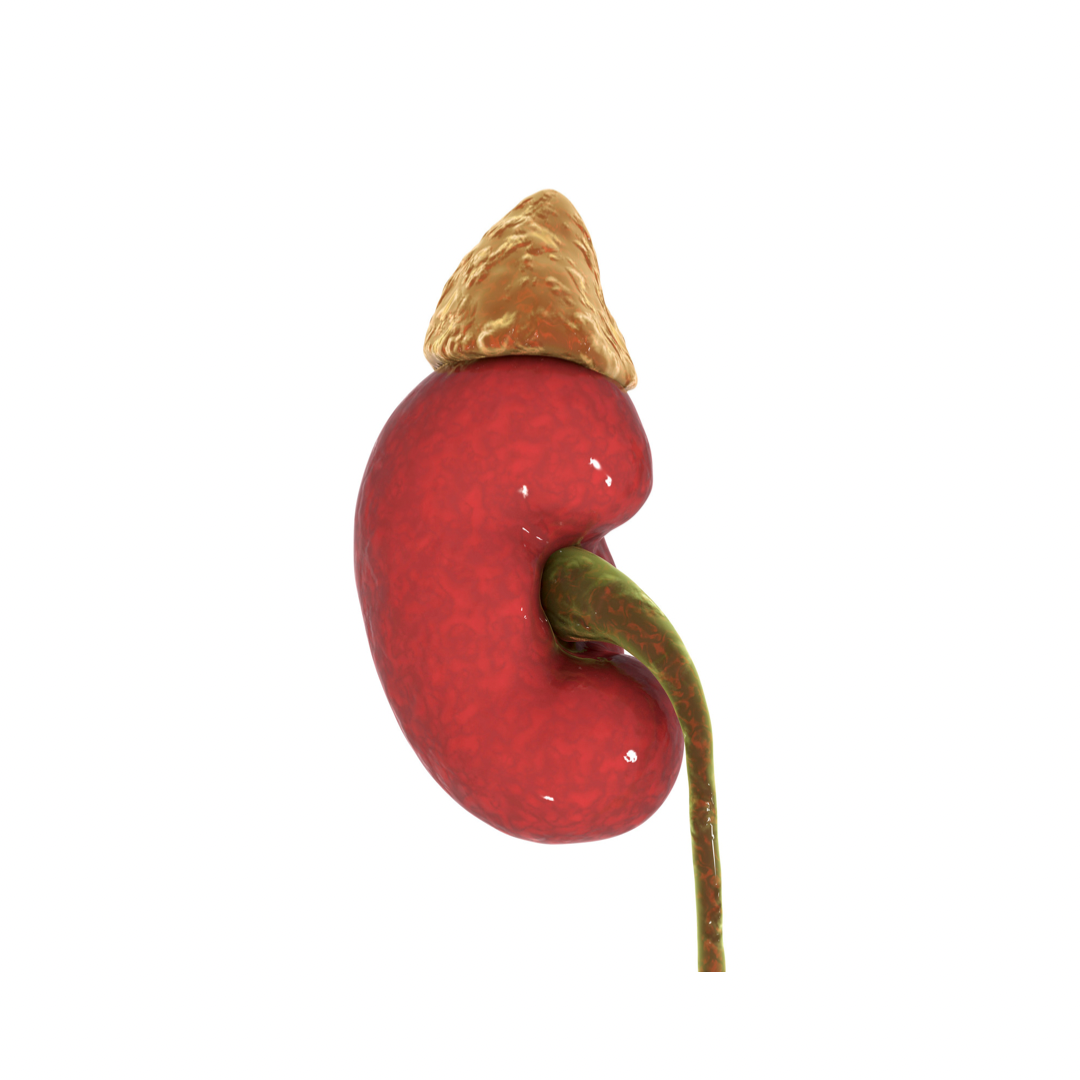
Artistic expression of a human kidney and adrenal gland.

Our adrenals are small glands that sit on top of our kidneys, and are responsible for making and releasing adrenalin and cortisol; hormones produced as part of our stress response, and our sleep/wake cycle.

Imagine you are crossing a road and suddenly seemingly out of nowhere a lorry is approaching at high speed. Immediately your adrenals create a stress response which causes your body to put all of its reserves into your limbs so that you can run fast to safety. Once safely across the road, your body is then flooded with a sense of relief and you will need to rest and recover from the experience. This would be a normal, healthy example of how our adrenals are supposed to work for us.

However, our busy and hectic modern day lives leave us stresed more than ever. Rushing from appointment to appointment, too many things on our to-do list, worries over children, finances, constant attention to our mobile phones, balancing and juggling parenting with careers, all impact our adrenals. As far as our adrenal glands are concerned, this is stress and they will be creating a stress response. A continued stress response, without the physical release or the recovery time.

Clues that your adrenals may need support include:

  • Poor sleep;
  • Changes in the way you’re able to cope with stress;
  • Blood sugar spikes;
  • Fatigue;
  • Mood swings and low mood;
  • Brain fog.

In addition to this, as we approach menopause (perimenopause can be as much as 10 years leading into menopause) our reproductive hormone levels begin to decline as the ovaries gradually stop producing oestrogen and progestrone. As this happens, our adrenals respond. They answer by making a hormone estradiol (a type of oestrogen) which plays a role in bone health, heart health and protection of the nervous system through and beyond menopause.

As we have already discussed, our adrenals create a stress response within the body in order to keep us safe and away from danger. The additional role they take on (on behalf of the ovaries) during menopause and beyond will not be prioritised over their main function. So it is hugely important to find ways of managing stress. I think we are all guilty of saying “oh, its just stress” or “I am just stressed”: stress has huge implications on our health, particularly continued stress that isn’t acknowledged or managed.

Ideas to help create balance in your life and to carve out some me-time include:

  • Booking in for a regular reflexology session,
  • Run yourself a candlelit bath with expertly blended aromatherapy products;
  • Switch to herbal teas particularly in the afternoon and evenings (liquorice is a great choice);
  • Turn your phone off for an hour;
  • Go for a walk in nature near trees or open water;
  • Add more plants to your living space;
  • Declutter.

If you are looking for fertility support in Lancashire please get in touch.

Manage your stress

A few months ago I stumbled across these three paragraphs on Facebook. They describe such a great analogy that I wanted to share it with the readers of my blog.*

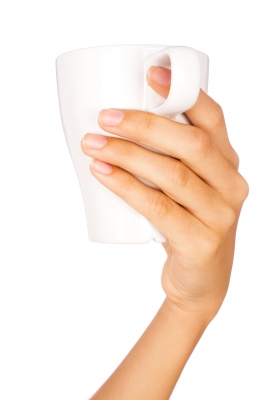
A psychologist walked around a room while teaching stress management to an audience. As she raised a glass of water, everyone expected they’d be asked the “half empty or half full” question. Instead, with a smile on her face, she inquired: “How heavy is this glass of water?”

Answers called out ranged from 8 oz. to 20 oz.

She replied, “The absolute weight doesn’t matter. It depends on how long I hold it. If I hold it for a minute, it’s not a problem. If I hold it for an hour, I’ll have an ache in my arm. If I hold it for a day, my arm will feel numb and paralyzed. In each case, the weight of the glass doesn’t change, but the longer I hold it, the heavier it becomes.” She continued, “The stresses and worries in life are like that glass of water. Think about them for a while and nothing happens. Think about them a bit longer and they begin to hurt. And if you think about them all day long, you will feel paralyzed – incapable of doing anything.”

ID-10051886It is so important to take stress seriously. We all suffer from stress in some form or another, whether it be physical, emotional, continual worries, relationship difficulties, financial problems, stressful job (to name but a few). However small, if they are not addressed, then the “glass” will become heavier, and over time could contribute to ill health.

It is estimated that 75% of disease and illness is caused by stress. We need stress in the short term, for example, to give us that adrenalin rush to cross the road before the approaching car. However, if our bodies remain in this heightened state of alert for long periods then physical strain will be put onto the body.  One common problem in particular relates to digestive issues: if the body is on constant high alert then the digestive system will be on shut down, and thus problems such as IBS present themselves. And then I could write a whole new post about that!

Reflexology takes an holistic approach:  a therapist will take into consideration a client’s integral biology: looking at the complete environment in which the client exists, in an attempt to reduce stress and restore balance. Sometimes just being able to talk about a particular worry or problem can be hugely beneficial, and combined with a relaxing hour of treatment, can create substantial relief.

*Apologies for not knowing who wrote this piece, as I would be grateful to credit the original author.

Jackie Marsden MAR is a qualified Reflexologist and Clinical Acupuncturist. She is also an independent consultant (Group Leader) for Neal’s Yard Remedies Organic. Jackie leads and mentors a growing team of consultants (many of whom are therapists integrating organic products into their existing businesses) via the NYRO social selling channel, holding regular team meetings, one-to-one coaching via phone and WhatsApp, and a closed Facebook group. All views are my own.

independent-consultant-long-logoGrowyourbusiness

unnamed2

mooncup_banner

Image courtesy of photostock / FreeDigitalPhotos.net



